Revisiting Tintern Abbey

O sylvan Wye! thou wanderer thro’ the woods,
         How often has my spirit turned to thee!
Tintern Abbey

Tintern Abbey

Wordsworth returns to a place he was fond of once, and he finds it lovely again, although he knows he’s changed and he sees it differently now. The poem he wrote about revisiting the Wye River near Tintern Abbey is one of my favorite Romantic poems, because he doesn’t just wade in the shallows of nature worship and nostalgia, but rather embraces his former self while appreciating who he has become. He values the memories, and wishes similarly fond memories for his sister, but he doesn’t want to turn back the clock.

Wordsworth's sylvan Wye

Wordsworth’s sylvan Wye

Finding comfort in revisiting a place without being overwhelmed by nostalgia is difficult, I think, and I’m impressed that he could do it and then write a brilliant poem about it. I suppose that’s what makes Wordsworth a poet we return to again and again.

Nature creeping up on the abbey

Nature creeping up on the abbey

I first visited the ruins of Tintern Abbey with my family when I was in high school, around the time we studied “Lines Composed a Few Miles Above Tintern Abbey” in English class. I saw them again last May, when my friend Liz and I drove from London to Wales for a couple days. I remembered it as a lovely spot in the ’90s and unsurprisingly, it still was in 2013. I didn’t quite have the revelations Wordsworth did, but finding old and new pleasures in revisited sites is something I’ve long valued.

Inside the abbey

Inside the abbey

I love this architecture

I love this architecture

The abbey used to be reached only by tramping or boating in, but now an A road runs right past, which is convenient for reaching the ruins but not so great for contemplating them in peace. But there weren’t many people there on the Sunday afternoon we arrived, so it was pretty quiet as we walked the neatly trimmed grass inside the walls of stone, under a roof of sky.
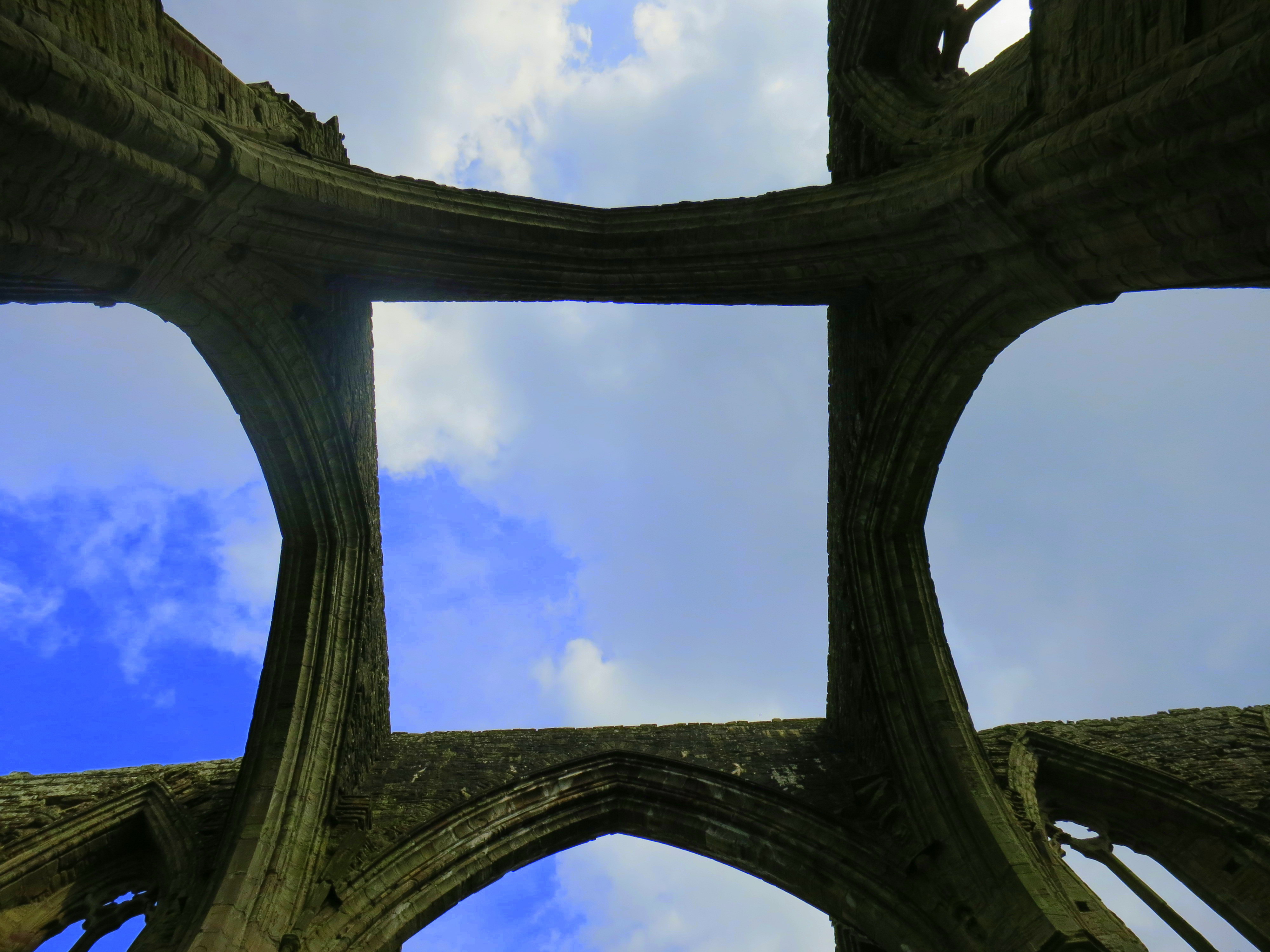
Roof of sky
Roof of sky

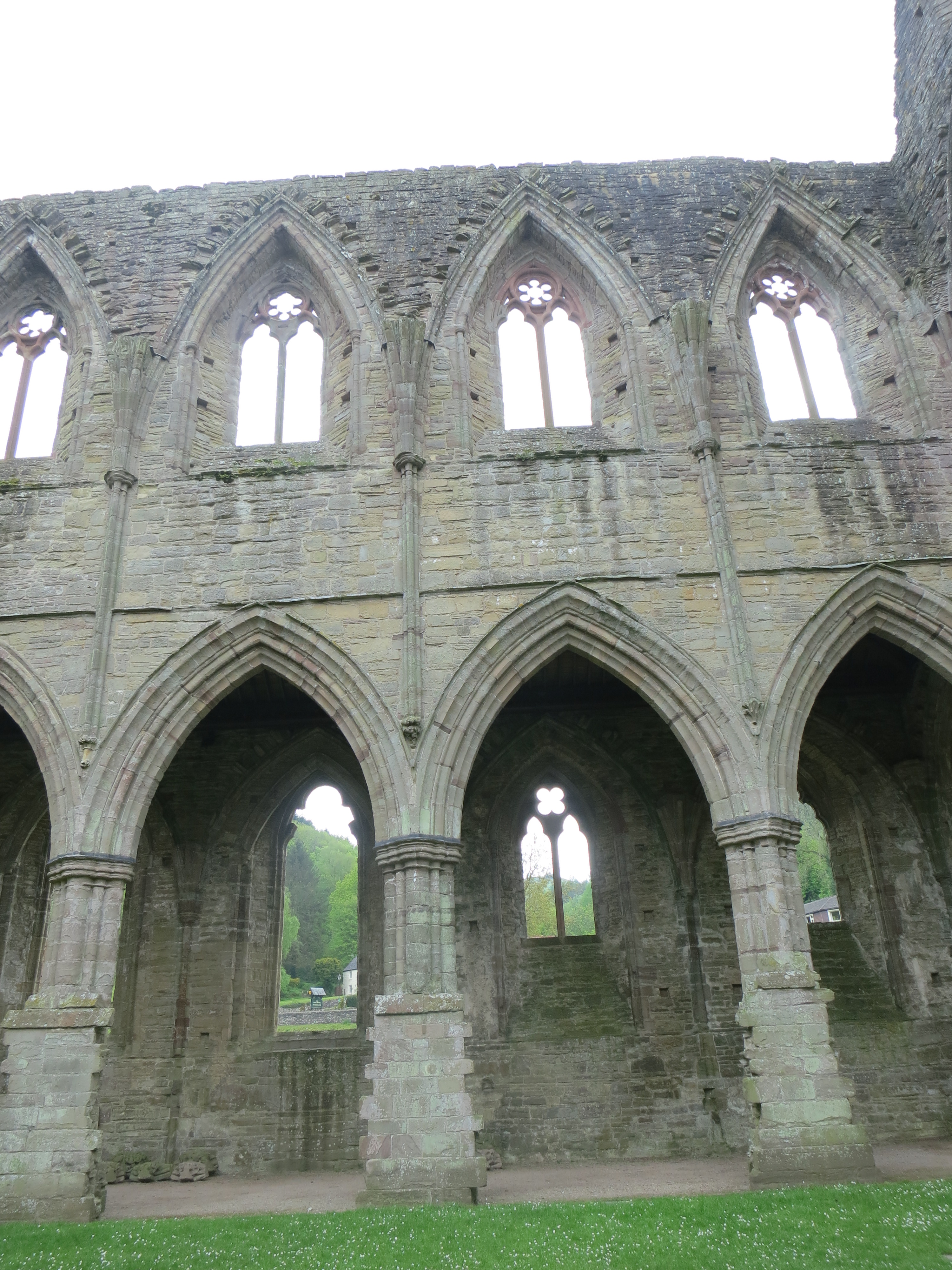
Gothic arches

Gothic arches

Described as "one of the great  glories of Gothic architecture in Britain" by CADW, which runs the abbey and museum now

Described as “one of the great glories of Gothic architecture in Britain” by CADW, which runs the abbey and museum now

The abbey was the first Cistercian order established in Wales, in 1131. The monks took vows of work and silence, and Tintern Abbey was a productive place until Henry VIII dissolved the monasteries in 1536. The ruling lord of the area got the abbey, but rather than use it, he sold off its lead roof and let the building fall into ruin. A bad move for his people, who could likely have put it to some purpose, but a boon to the tourists visiting since the late 18th century, when the crumbling (and once ivy-covered) walls drew people in.
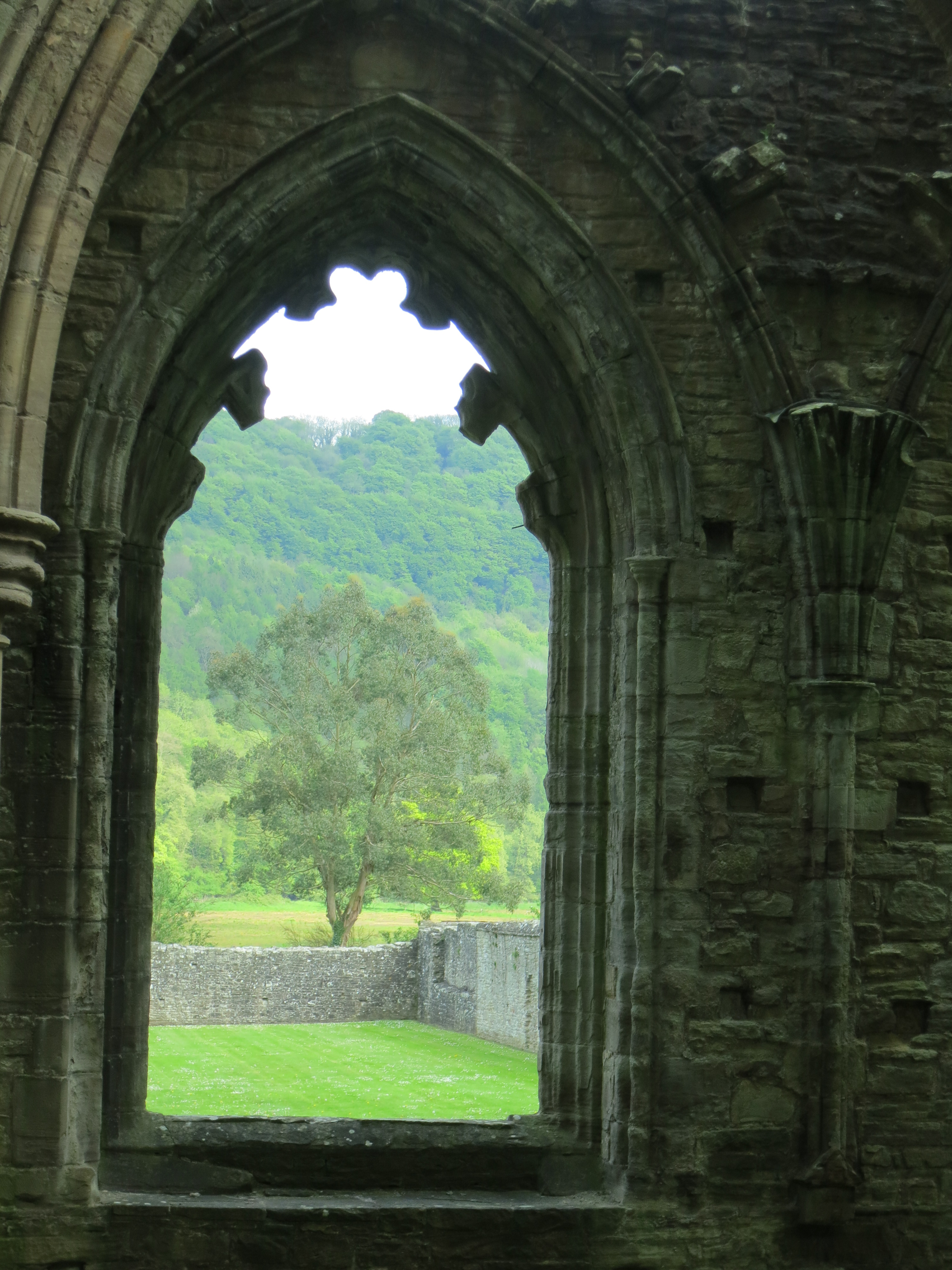
Views from inside
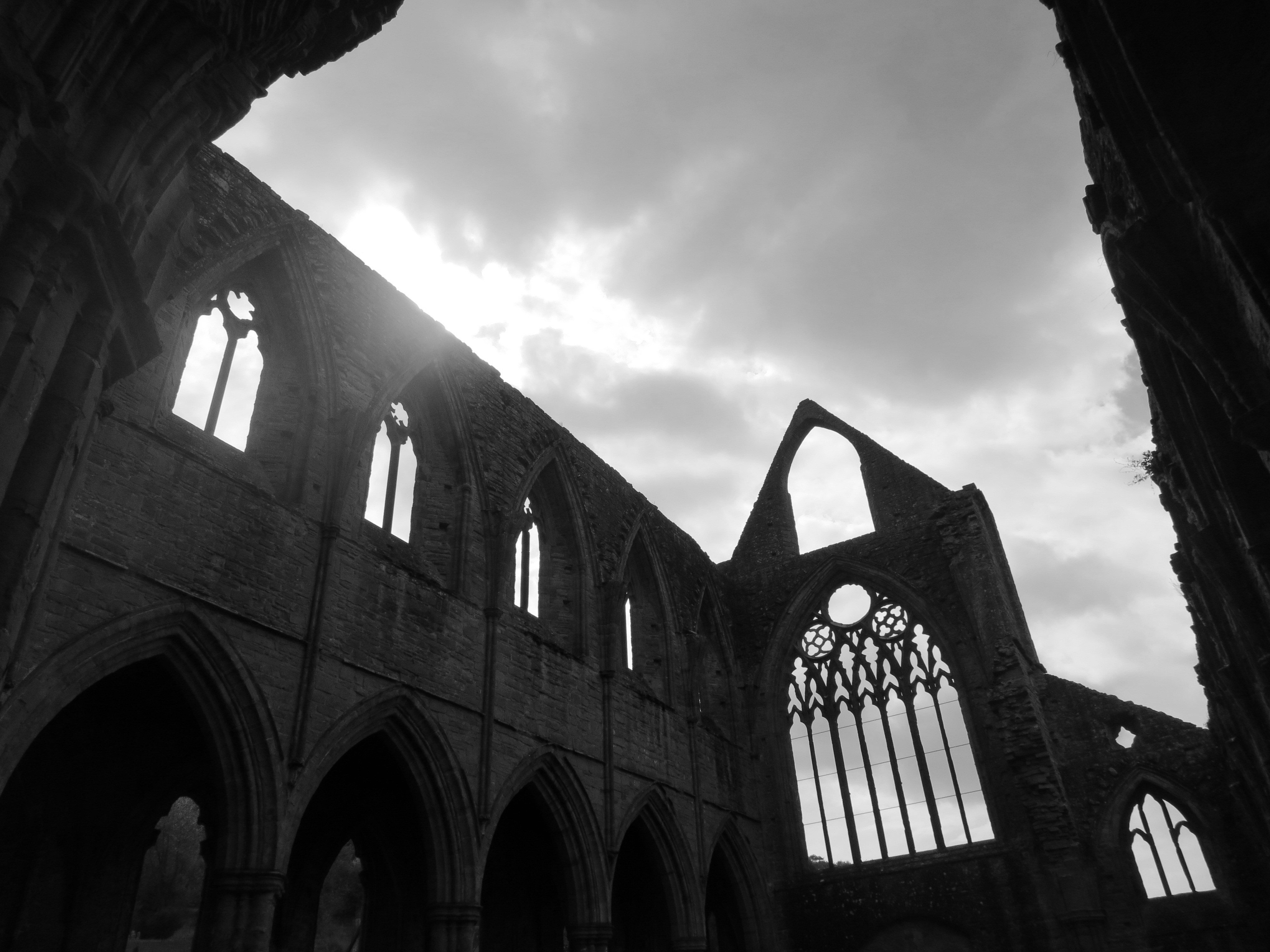
Views from inside

tintern abbey

Revisiting beloved places is like re-reading a book; new layers of meaning and beauty are revealed. When I was here before, I was focused on retracing Wordsworth’s steps and wishing the car park away so it wouldn’t spoil my view. Now, I tried to hold in my head a picture of what I imagined the abbey looked like in its heyday alongside a picture of what it looks like now, to see the beauty in both. I still wished the car park away, though.
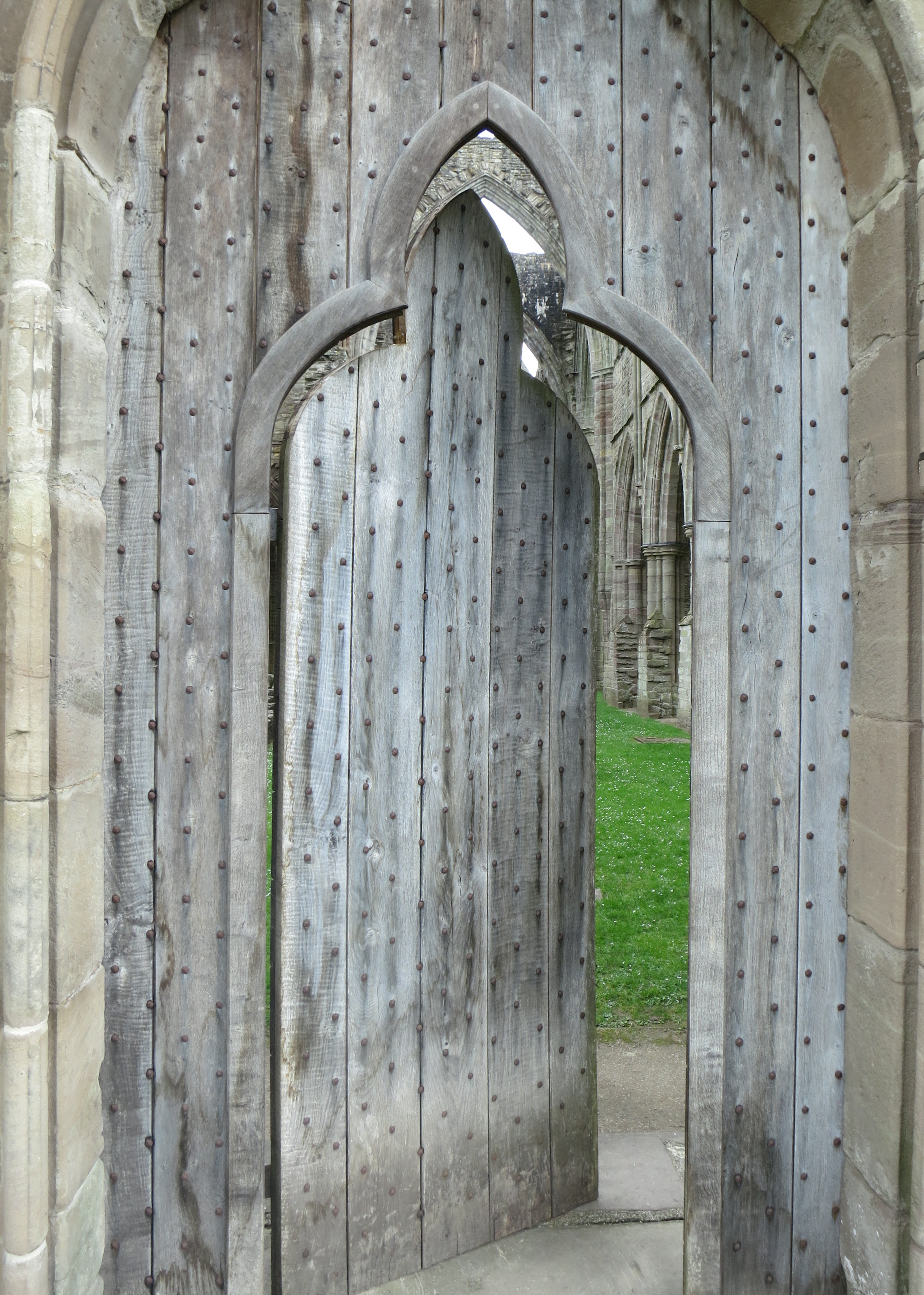
Rebuilt church door

Rebuilt church door

Castleing in Passing

Half a dozen jokes start with how many castles there are in the British Isles, and how easy it is to stumble over one on your way to the grocery store. When my friend Liz and I took a mini road trip to Wales in May, we found this to be entirely true. We took advantage of it and did some castleing in passing, making very minor detours to peek at centuries-old stone edifices a few miles off the beaten path.

Here are the drive-by castles of our Welsh adventure:

Castle Coch

Castle Coch

Tretower Castle

Tretower Castle

IMG_6973

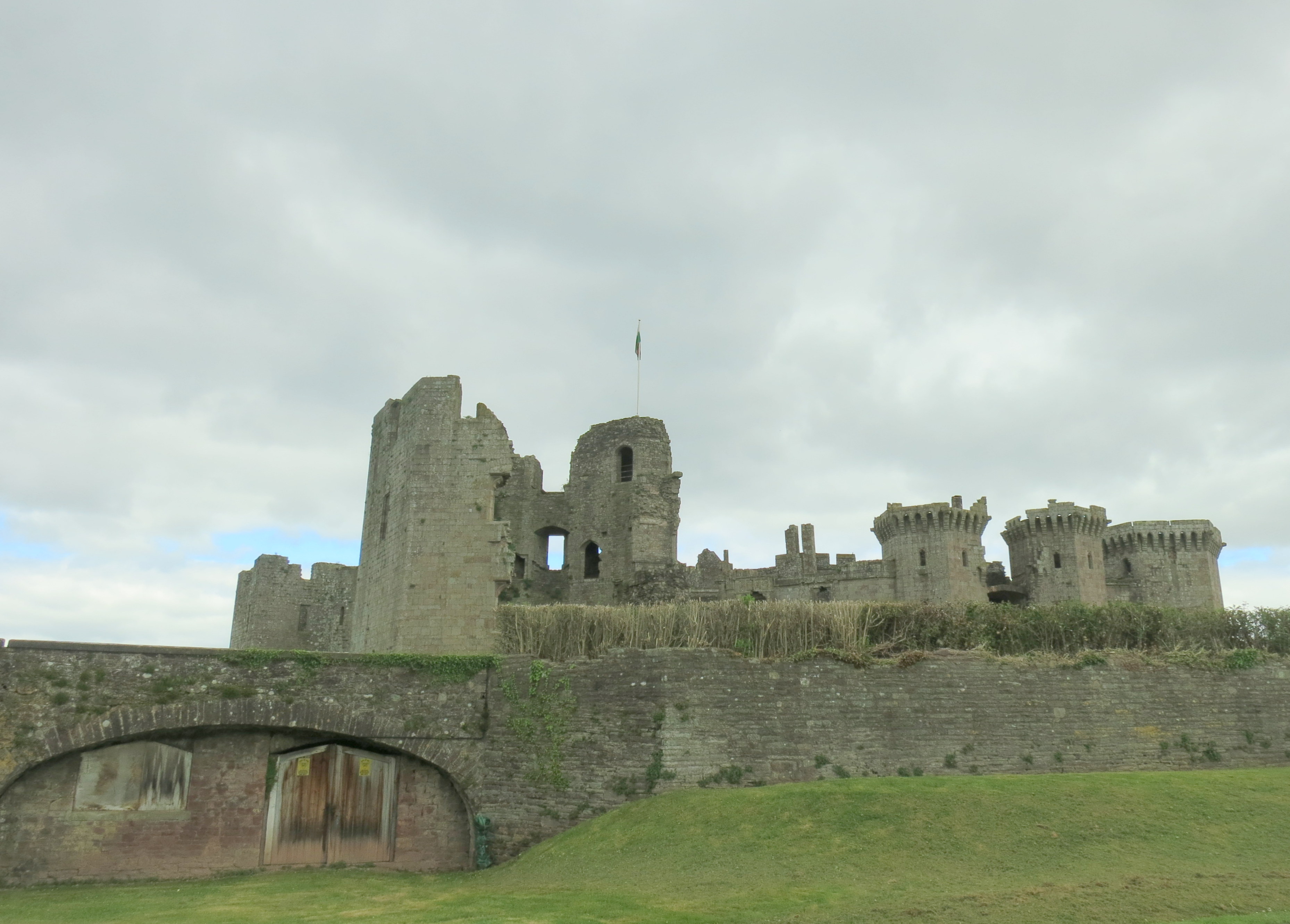
Raglan Castle

Raglan Castle

Also, a Welsh sheep

Also, a Welsh sheep

Departure Date and Updated Pages

Dearest fellow travelers, I have a departure date! Friday, February 7, I will fly Detroit-Houston-Quito. The next Monday I’ll start a two-week intensive Spanish course, to shore up my nonexistent Spanish skills, and from there, who knows? I hope to be on the road for about six months, but we’ll see how it goes. Many thanks to those who have put me in touch with friends who live in or are familiar with South America; I’m grateful for that personal connection. As ever, feel free to email me at lisa dot findley at gmail dot com if you have tips or contacts to share.

I’ve also updated the Fund This Stowaway page. The two major expenses I expect to encounter on this trip are boating in the Galapagos Islands and hiking around Machu Picchu, and I’ve made them the goals you can contribute to if you so choose. (Said with no pressure. Seriously.)

Finally, I’ve updated the About page, so if you send friends over to check out Stowaway (and please do!), they can get a more accurate picture of what I’m up to.

I do plan to continue writing about my travels this past summer, and I’ll also write about the new adventures I’m having, so keep me in your bookmarks or RSS feed or whatever latest technology keeps Stowaway near and dear to you.

I can almost see home from here

Show me the way to the warmer climes

Japan by the Numbers

High-speed trains whisked away on: 6

Temples visited: 20+

Wedding processions stumbled upon: 2

Bill Murray homages performed: 1

US Navy bases visited: 1

Perfectly planned gardens appreciated: 15

Perfectly planned gardens found wanting: 1

Traditional performances attended: 3

Schoolkids who made me part of their project: 17

New foods consumed: 23

New foods enjoyed: 21

Beatles cover bands watched: 1

Intimidatingly fashionable teens seen on the street: hundreds 

Total days spent in Japan: 20

Total money spent: $1,254.60

Average per day: $62.73

Total money spent, minus the rail pass: $629

Average per day, minus the rail pass: $31.45

Gratitude I have for my many hosts: boundless

Fun fish for Children's Day

Children’s Day banners in Kawagoe

Temples in Kyoto

There are more temples in Kyoto than days on a Japan Railpass, but I did manage to see the Golden Palace, the Silver Palace, Ryoan-ji, and Kiyomizu Temple over the course of a couple days. I can see why people rhapsodize about them.

Kyoto temple

Kyoto temple

Ginkaku-ji (officially Jisho-ji) was built in the 15th century, and is probably nicknamed the Silver Palace as it came after construction of the gold-leafed Golden Palace. Possibly it was even going to be covered in silver foil, but that never happened, and it remains a painted wooden sculpture.

Ginkaku-ji

Ginkaku-ji

The Silver Palace, a wooden structure whose proper name is Temple of Shining Mercy

The Silver Palace, a wooden structure whose proper name is Temple of Shining Mercy

The approach to the temple was direct, but felt like a giant maze because of the huge hedges

The approach to the temple was direct, but felt like a giant maze because of the huge hedges

The grounds were extensive (I feel like a character in an Austen novel every time I say that, but it’s true). The gardens I visited in Japan were all meticulously laid out, and little arrows pointed the exact path you should follow, both to avoid congestion and to appreciate the gardens according to the aesthetic plan of the designers. The gardens at Ginkaku-ji were flowering beautifully, and the large raked rock garden (it is a Zen temple) was a perfect complement to the leafy trees.

Lovely gardens

Lovely gardens

Seriously lovely

Seriously lovely

Another view from the hill walk

Another view from the hill walk

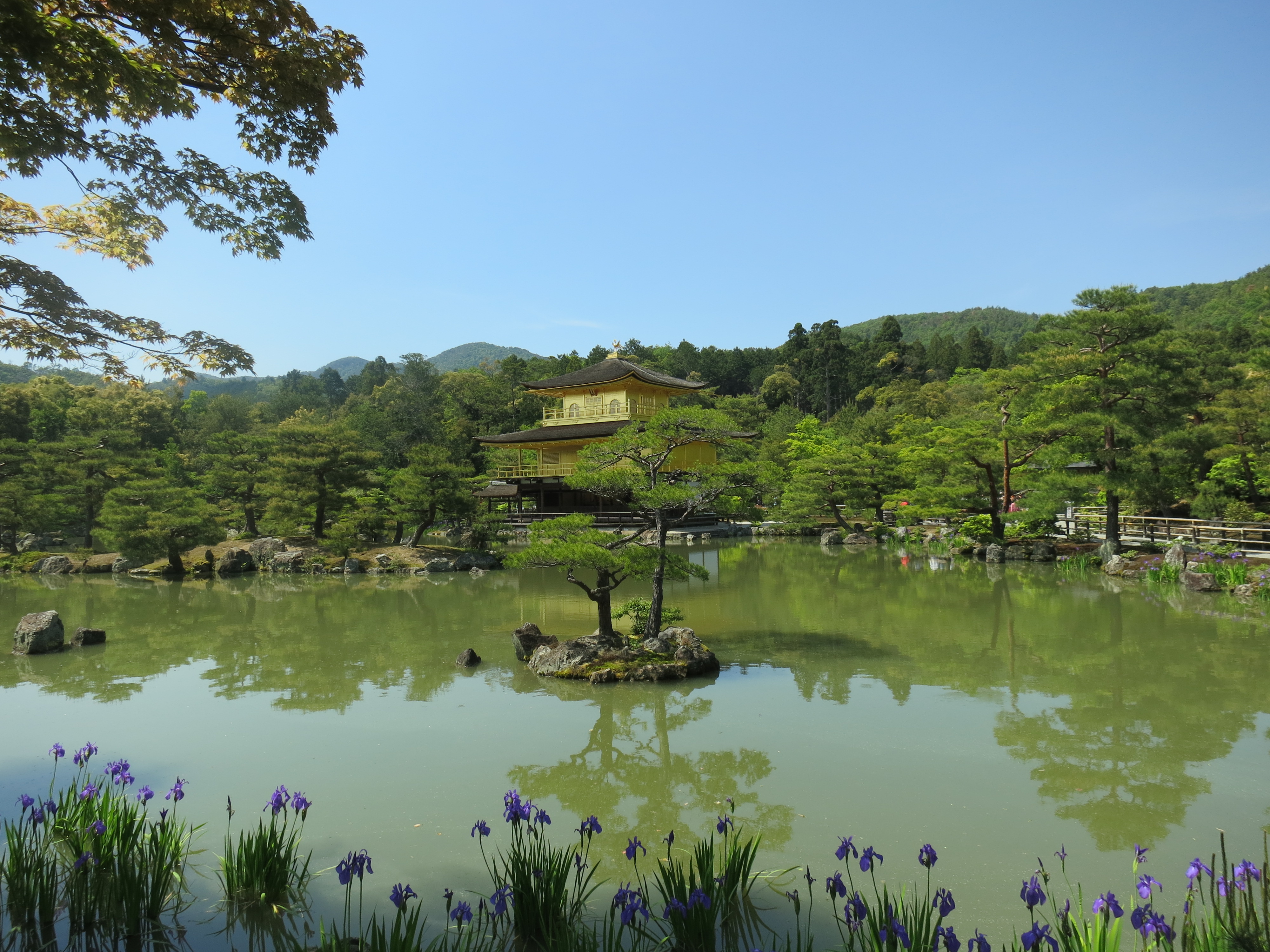
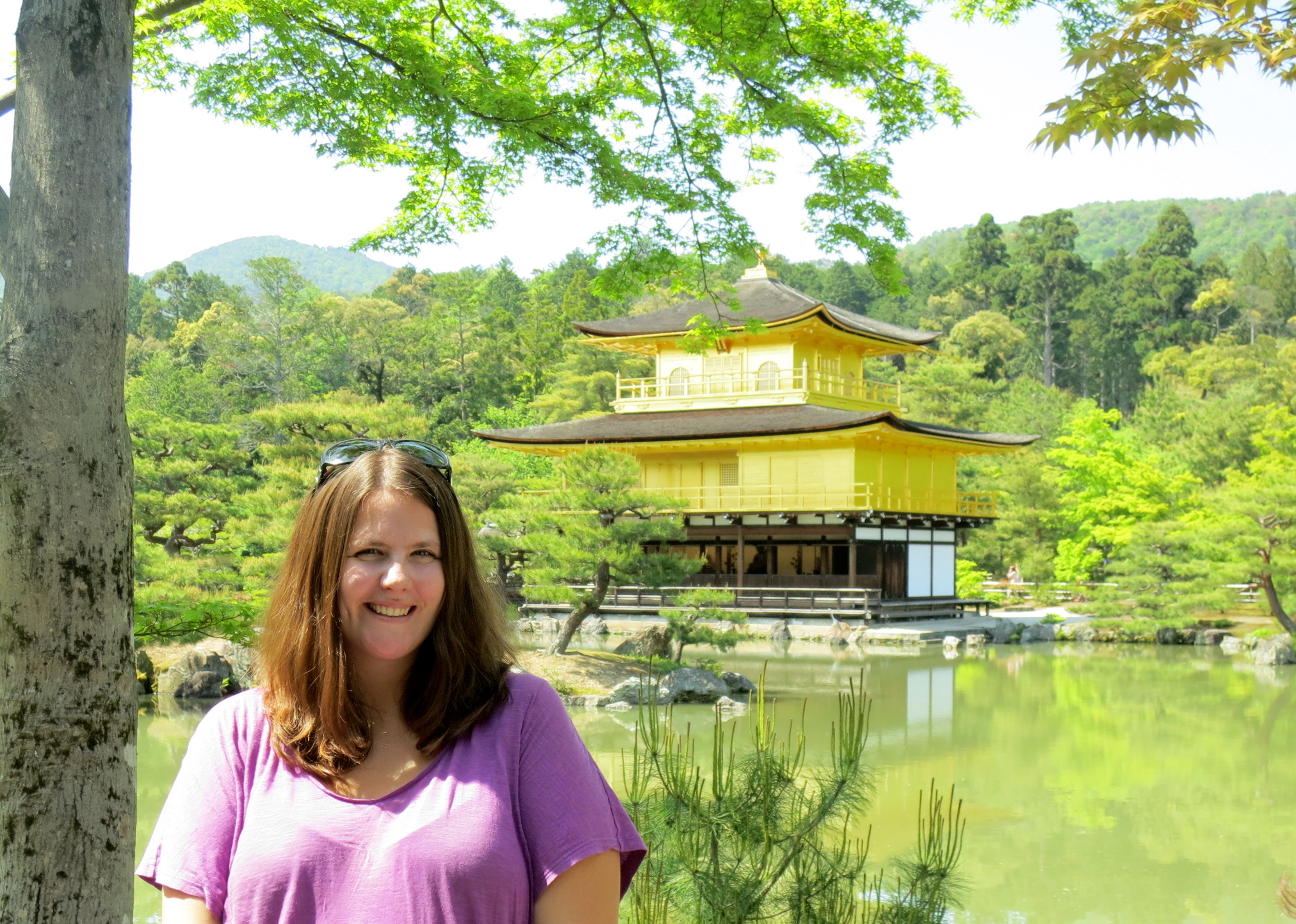
Kinkaku-ji, the Golden Palace, was super crowded–it’s one of the most popular destinations in the country, for domestic and foreign tourists alike. There’s a little spot set aside for photos of the gilded palace across the pond. Trying to elbow in for a photo in front of the fence was a bit of work. A Japanese teenager tried to take a photo with me–with me as the tourist attraction. I declined. Was that so different from taking a photo of the women in line with me at the kabuki theater? I like to think it was, since I chatted with the women in line before asking for a photo, but I’m not sure.

Golden Palace

Golden Palace

May was a great time to visit, with everything in bloom

May was a great time to visit, with everything in bloom

Finding space to get this shot was an exercise in patience

Finding space to get this shot was an exercise in patience

The palace a large house on stilts. It was originally the villa of a wealthy man; another man bought it later and then asked that it be turned into a Zen temple upon his death. So he got to enjoy the lavish place for himself and then piously give it over to religion–nice one! The original structure was burned down by a disturbed novice monk in 1950, and it has since been rebuilt. The hill walk here was far less impressive than that of the Silver Palace. I’m glad about that, actually, since I take it to mean that I’m getting a little better at distinguishing among the Japanese gardens I’ve seen, and determining which are more pleasing.

I love the temple gates

I love the temple gates

In the gardens of Ryoan-ji

In the gardens of Ryoan-ji

A view of the rock garden of Ryoan-ji

A view of the rock garden of Ryoan-ji

Ryoan-ji is part of the World Heritage listing of Kyoto, and it’s famous for its Zen rock garden, which has kept the same arrangement since the 15th century. The grounds are huge, and they include a large pond with ducks (which are apparently rare here), and a little fox shrine on a tiny island on the pond. Up the hill was the building. Everyone had to remove their shoes before entering, which is actually the first time I’d encountered that in a religious temple in Japan. (I removed them at every temple in Thailand.)

Teenagers in traditional dress, taking a selfie

Teenagers in traditional dress, taking a selfie

A miniature of the rock garden, so you can see the layout

A miniature of the rock garden, so you can see the layout

The rooms behind the rock garden were empty except for these beautifully painted screens

The rooms behind the rock garden were empty except for these beautifully painted screens

The rock garden is enclosed in a large stone fence. There are 15 rocks, set in carefully raked gravel/gray sand. I couldn’t get a good angle to see the whole garden at once, which is apparently intentional; you’re meant to sit and reflect on the portion you can see, and take meaning from that. You’re also only able to see 14 of the 15 rocks from any one point on the viewing pavilion, because you can “see” the final rock when you reach enlightenment. It would have been peaceful to sit there and reflect, but there were a lot of people and they all talked loudly, so that didn’t happen.

Kiyomizu-dera

Kiyomizu-dera

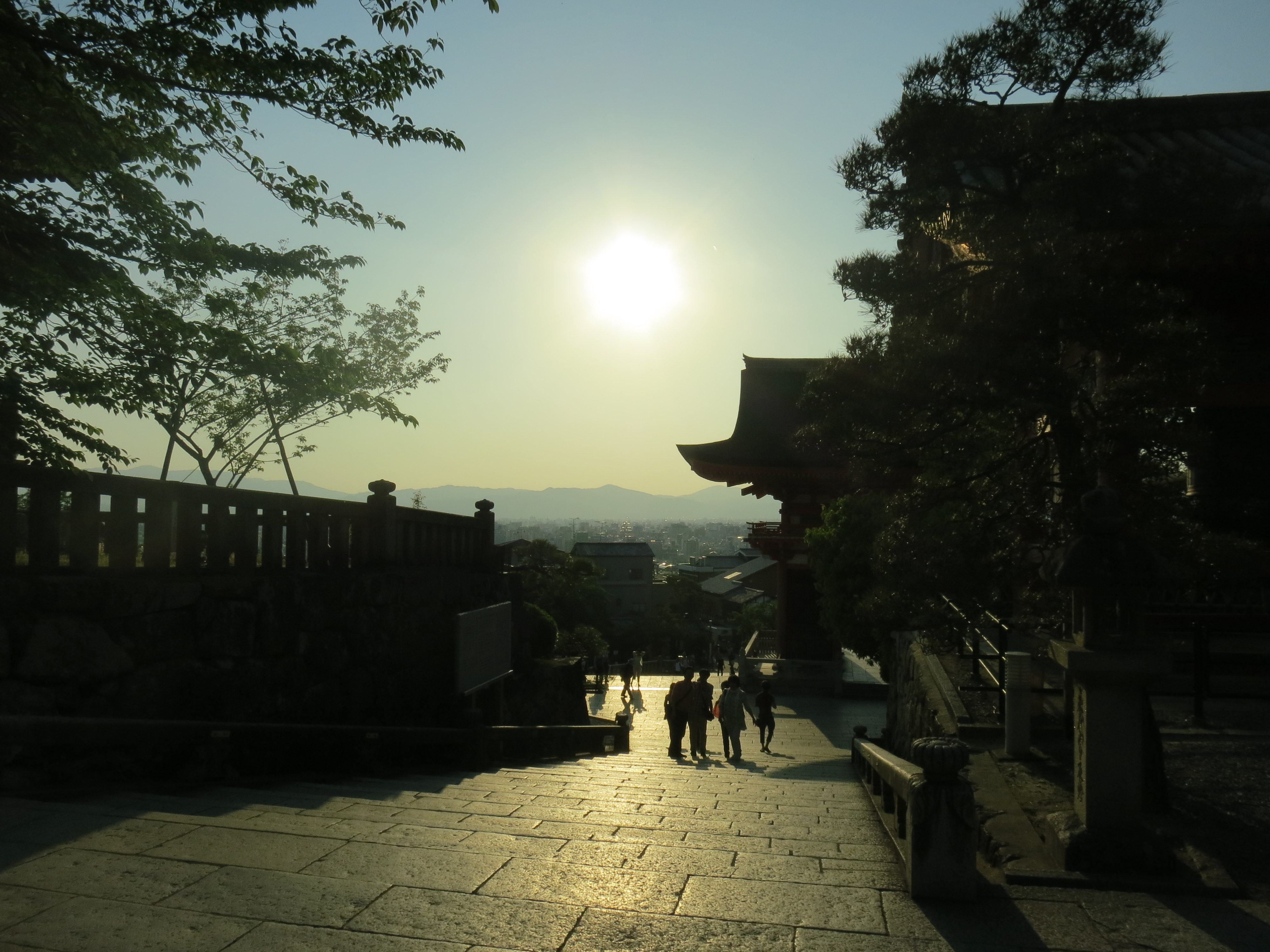
One last temple before sundown

One last temple before sundown

Detail on one of the structures at Kiyomizu

Detail on one of the structures at Kiyomizu

Picture perfect

Picture perfect

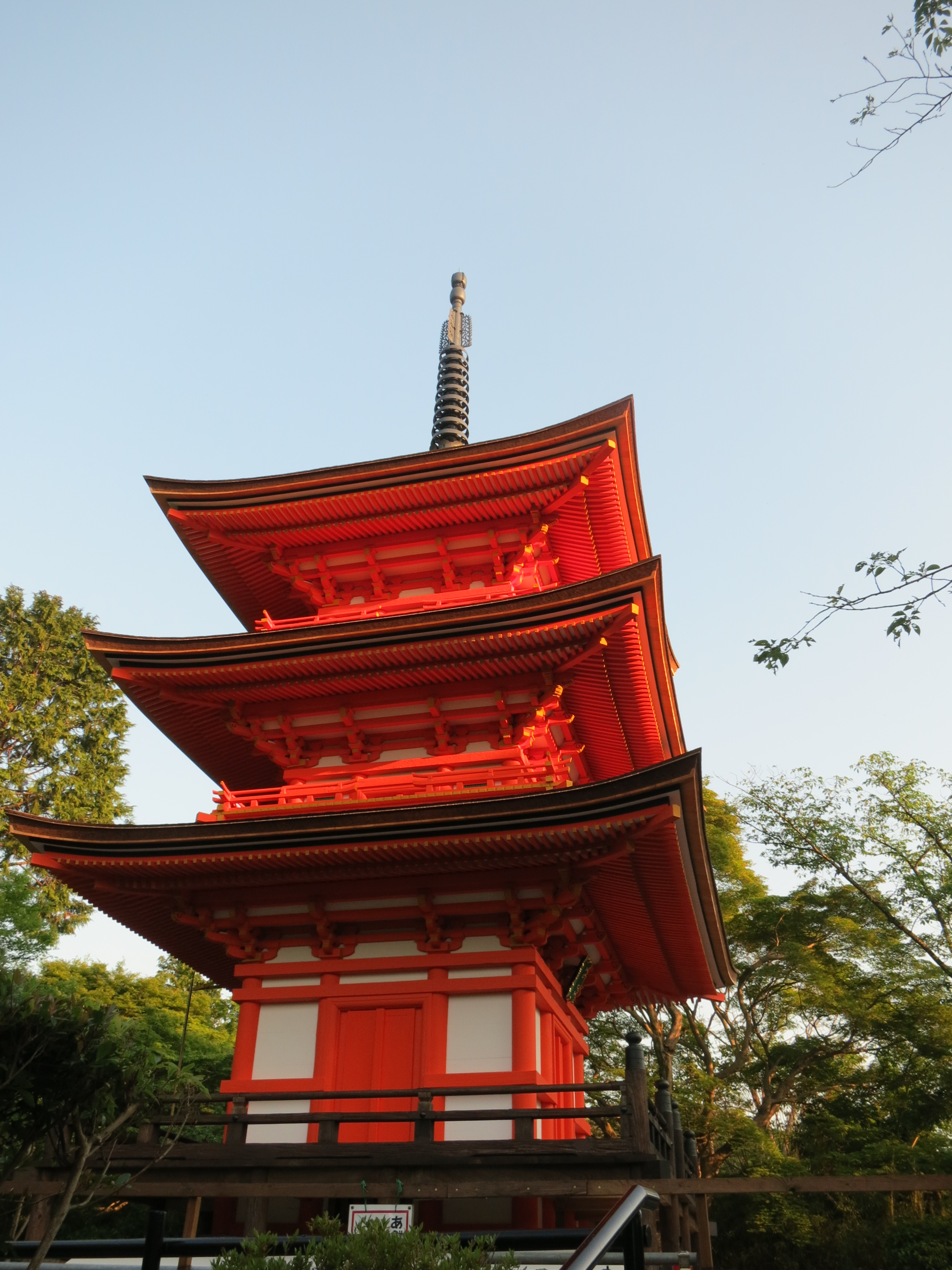
Getting to Kiyomizu Temple was more of a journey than I’d expected. I took a bus, walked up an endless hill, which finally turned into old Edo period buildings, and eventually I reached the shrine. It was a large complex, set around the edge of the hill, so for the first part you stood on the patio and looked across the ravine to a pagoda. (“Jump off the ledge at Kiyomizu” is a Japanese idiom similar to “take the plunge”–if you could jump 13 meters from the pavilion to a spot below, you’d get your wish. Not everyone survived this plunge.)

A peek at the pagoda

A peek at the pagoda

Up close

Up close

I saw what looked to be overflow on stock of religious sculptures on my walk through town

I saw what looked to be overflow on stock of religious sculptures on my walk through town

Then I walked along the rim of the valley to that pagoda and looked back at the buildings there, with the city off to the side and the sun starting to set. It was all picturesque, as just about everything in Japan was. Because I was there at closing, I didn’t get to to see the waterfall for which the temple is named, so, next time.

Goodbye, Kiyomizu and Kyoto

Goodbye, Kiyomizu Temple and Kyoto