Cathedral of Stone, Temple of Water in Sibenik

Sibenik is famous for two things: its cathedral, and the nearby waterfalls of Krka National Park. Rightfully so, because these things of beauty stand out.
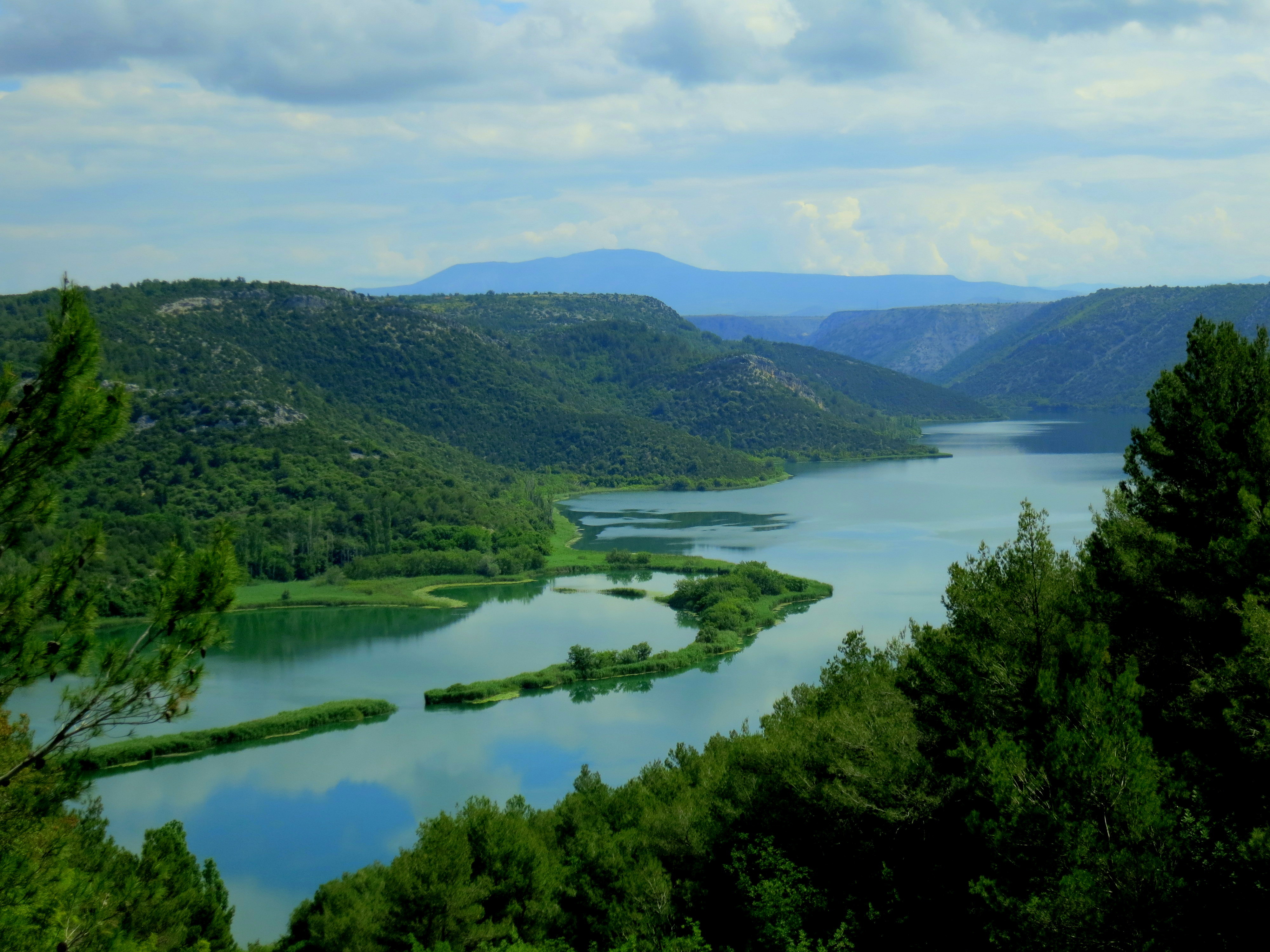
The Krka River
The Krka River

St James' Cathedral

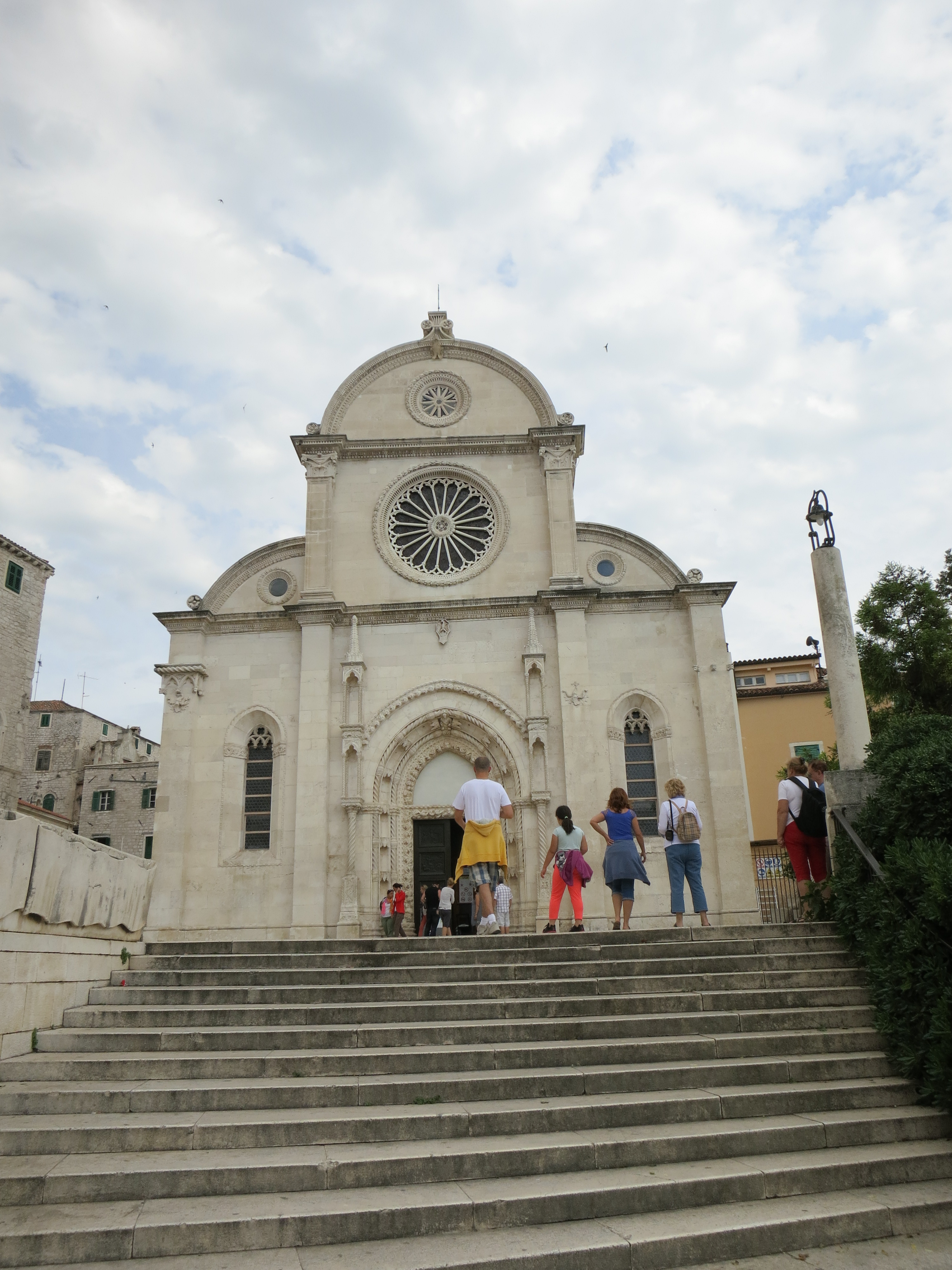
St James’ Cathedral

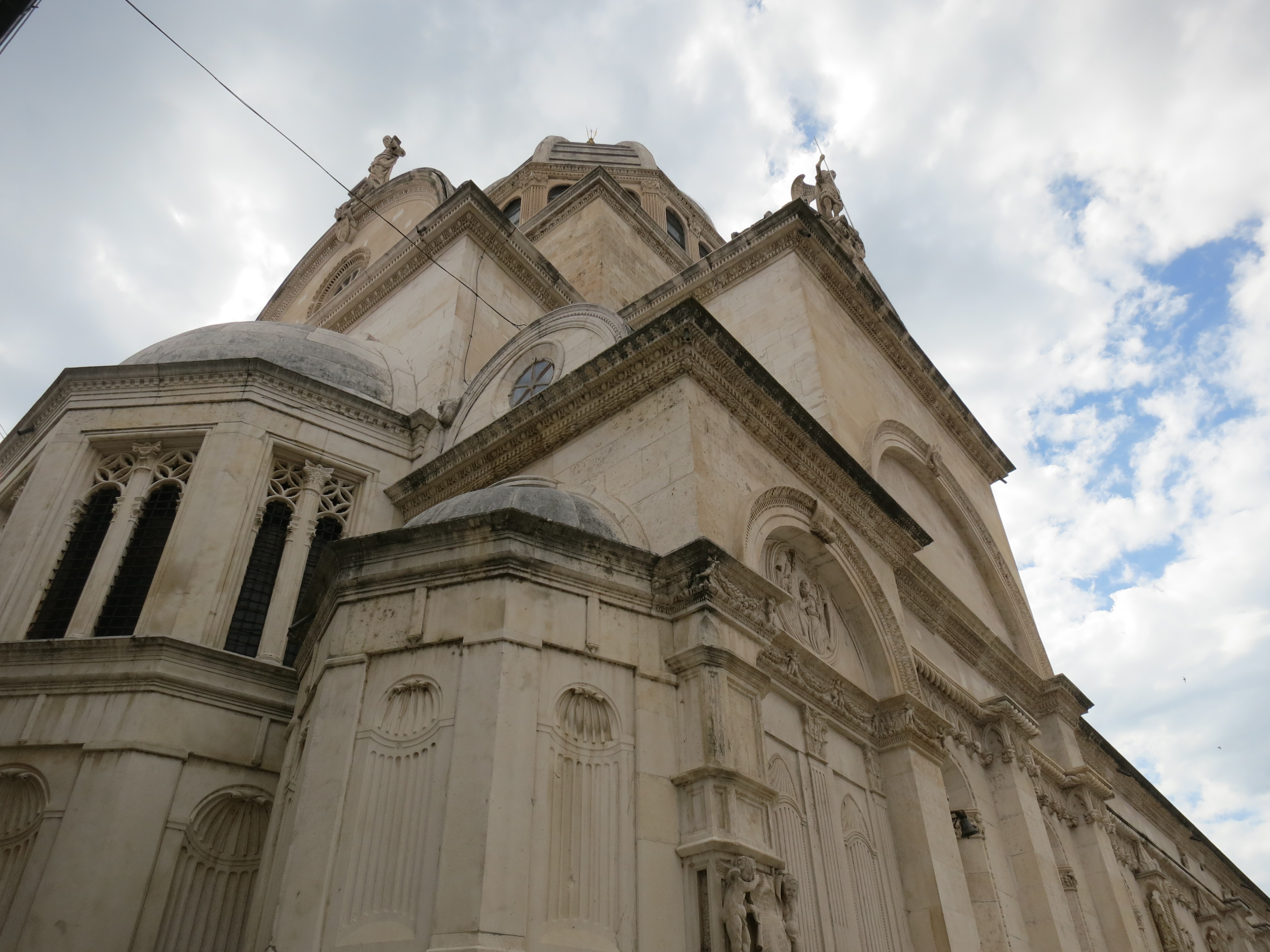
St. James’ Cathedral is a World Heritage site, as its construction over a period of more than 100 years incorporated different styles and building techniques in a unique way. The only material used was stone from the quarries of the island of Brac, and it was fitted together in a way more similar to shipbuilding or cabinet-making than traditional building construction, which is one of the reasons it’s listed.
A Renaissance exterior

A Renaissance exterior

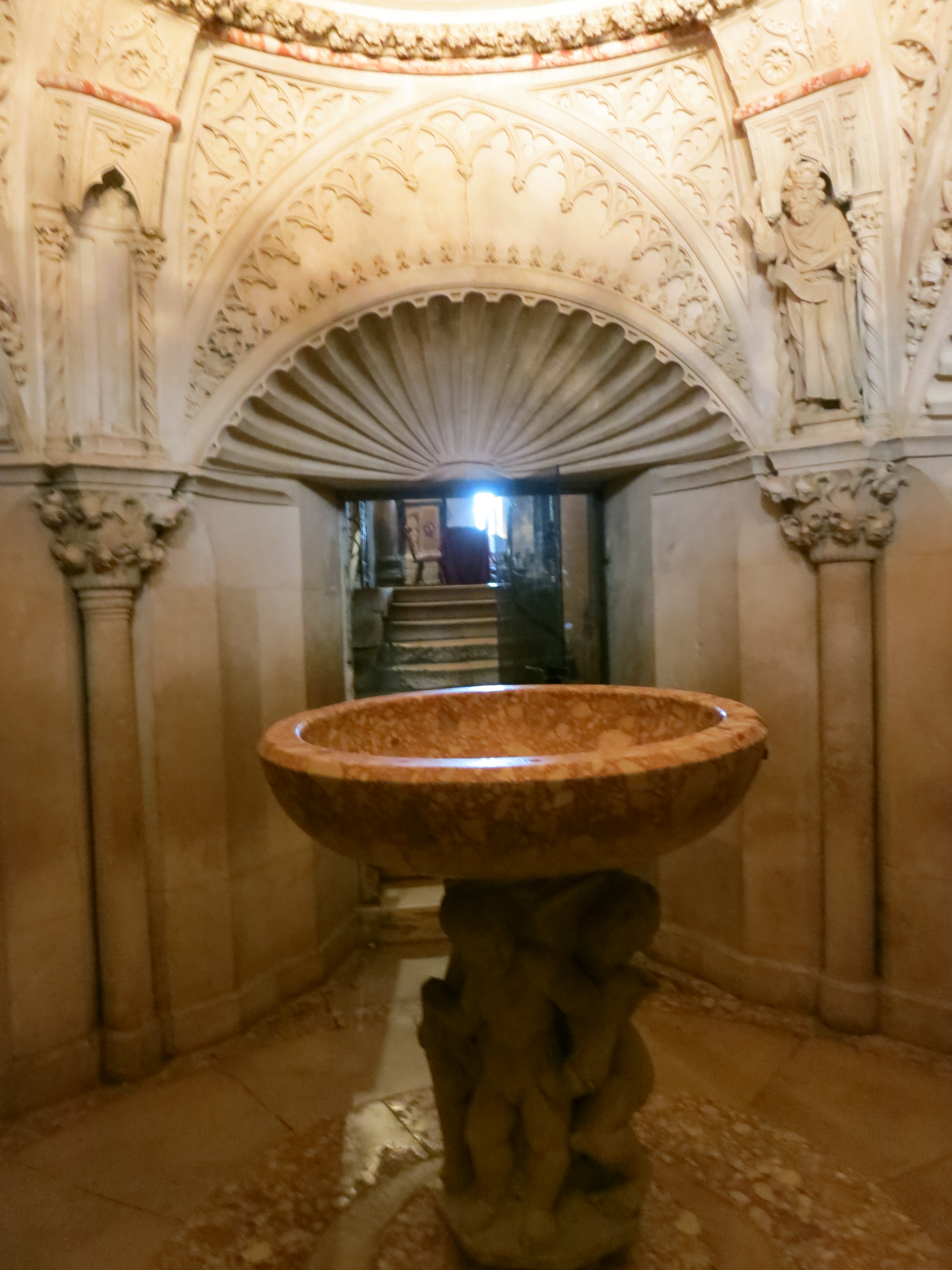
Also, being built between 1431 and 1555 meant that the cathedral bridged the Gothic and Renaissance styles. There are flourishes around the interior that echo famous cathedrals in other cities, and a baptistry famous for its intricate designs.

The transept

The transept

Cheery church iconography

Cheery church iconography

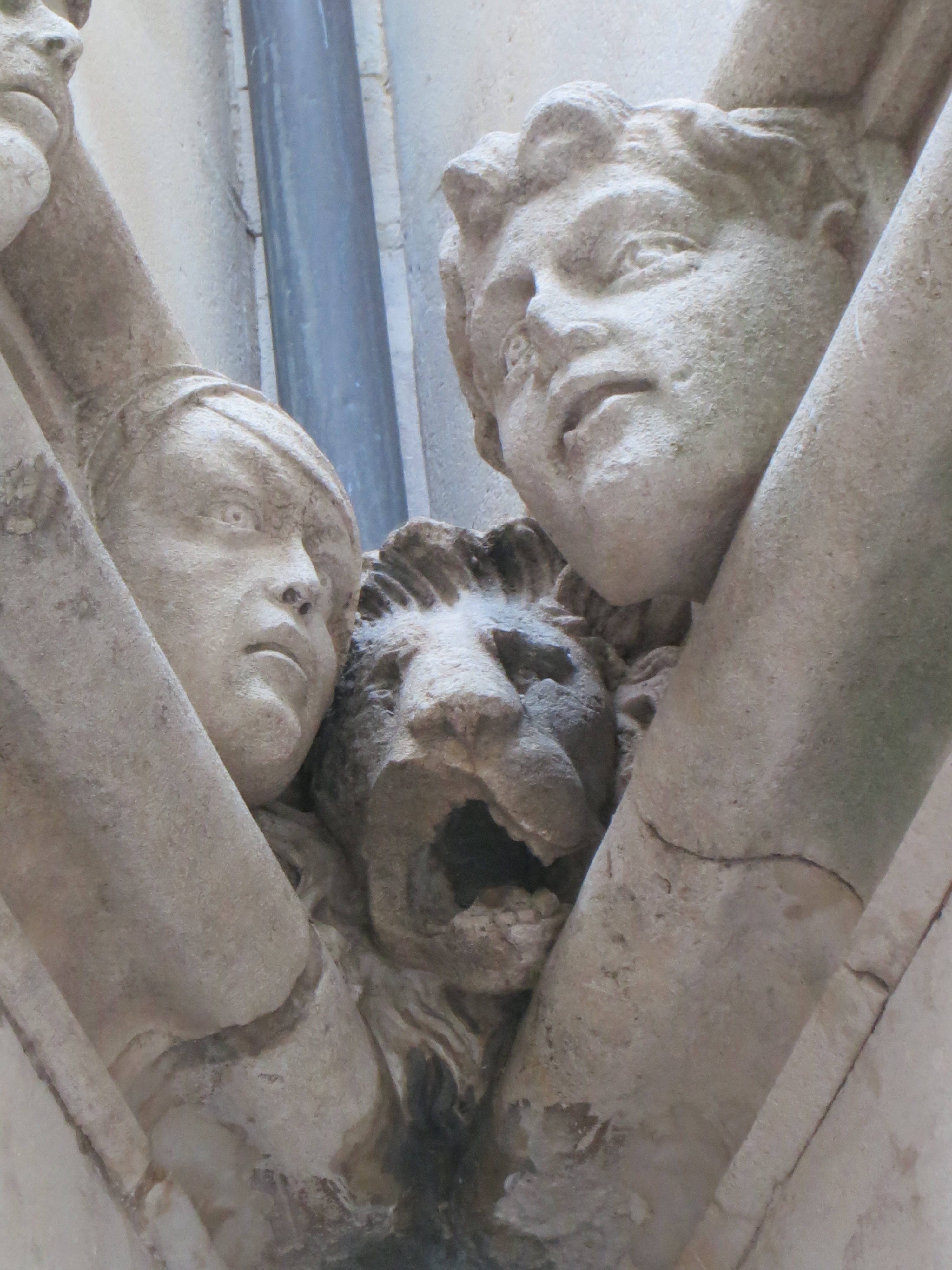
My favorite part, though, was the frieze around part of the exterior, which was decorated with faces carved in the stone. Stories go that these are the faces of donors to the project, and the unpopular donors are depicted in unflattering statuary.
The baptistry

The baptistry

The baptistry ceiling

The baptistry ceiling

If we don't look at the lion, maybe he won't eat us. Don't look at the lion, man...

If we don’t look at the lion, maybe he won’t eat us. Don’t look at the lion, man…

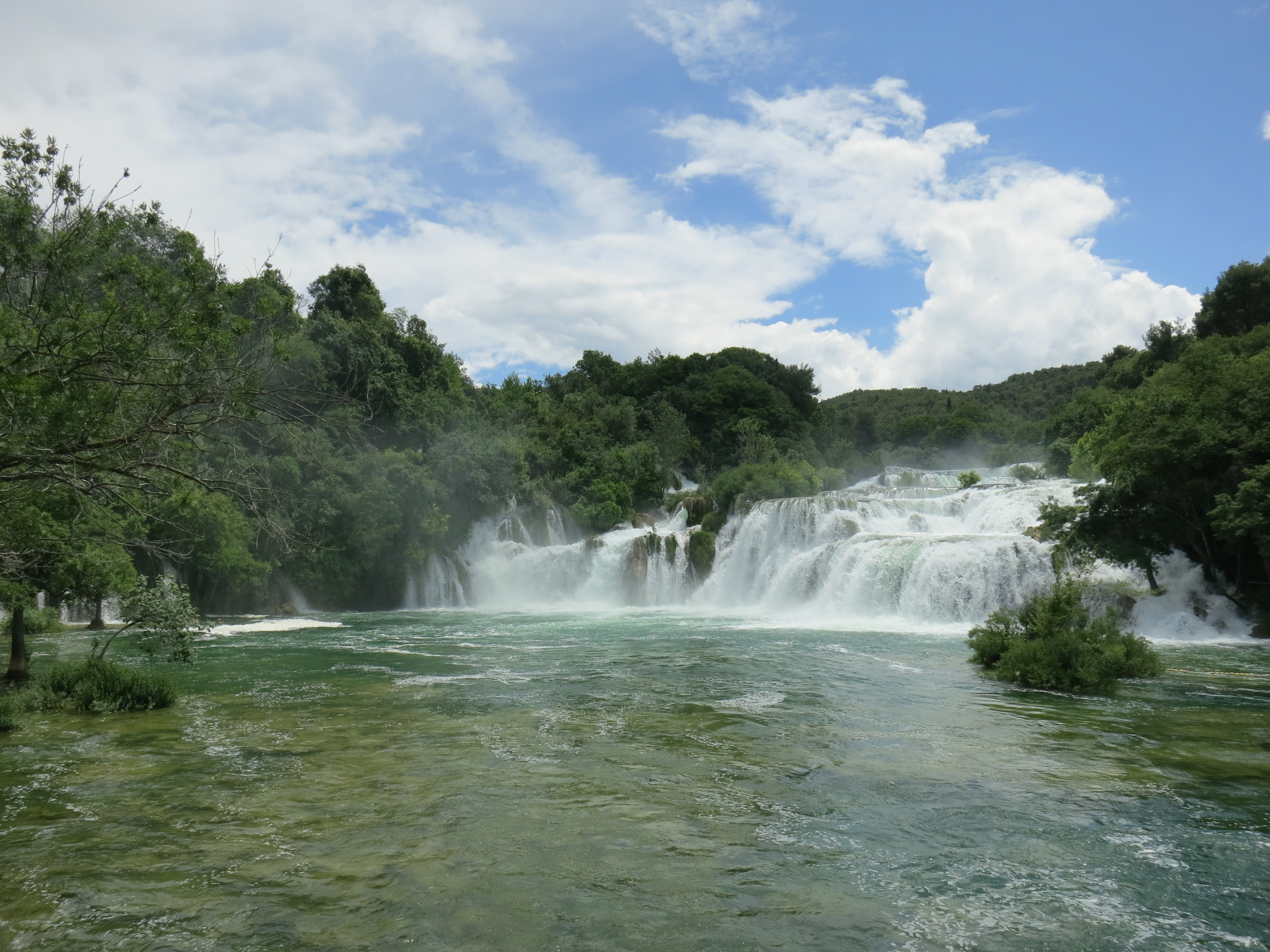
Krka National Park is lovely. I met some people who didn’t like how accessible it was–they wanted their waterfalls earned through a couple hours of hiking–but the waterfalls aren’t a spectacular reveal here, so I don’t see the point. The park consists of a blue-green river flowing over little ridges, small changes in gradation, one after another, so it’s more like collections of tiered falls separated by expanses of river. The water flows at a good rate, so by the time it reaches the lower falls, which are actually a decent height at 47 meters tall, it’s rushing over and splashing down magnificently.

Ribbit
Ribbit

The lower falls

The lower falls

It only took fifteen minutes of following this guy to get this shot

It only took fifteen minutes of following this guy to get this shot

I visited the park with a young French woman I met at my hostel. We walked along the boardwalks trying to photograph bright green frogs and iridescent dragonflies, stopped for lunch at the bottom of the lower falls, and then decided that despite the slight chill in the air, we’d brave going in. It was cold but fun, and we got a workout in walking against the current.

krka sibenik

Overlooking Sibenik

Overlooking Sibenik

Laure and I doing our best to look glamorous and not fall over

Laure and I doing our best to look glamorous and not fall over

Palatial Living in Split

I’ve visited palaces before, from England to Ecuador, so I figured I knew what to expect when I went to Diocletian’s Palace in Split, Croatia. But Roman emperors building themselves retirement homes at the seaside did not mess around. This was not just an imposing building, this was an entire city. Built in the fourth century, the palace originally held Diocletian’s retinue and military guard, and a few centuries later, people moved in and set up shops and homes. It’s been the heart of the city of Split ever since.

Bell tower of the cathedral

Bell tower of the cathedral

One of the imposing walls of the palace

One of the imposing walls of the palace

Gregory of Nin, the 10th-century bishop who introduced Croatian in church services.

Gregory of Nin, the 10th-century bishop who introduced Croatian in church services

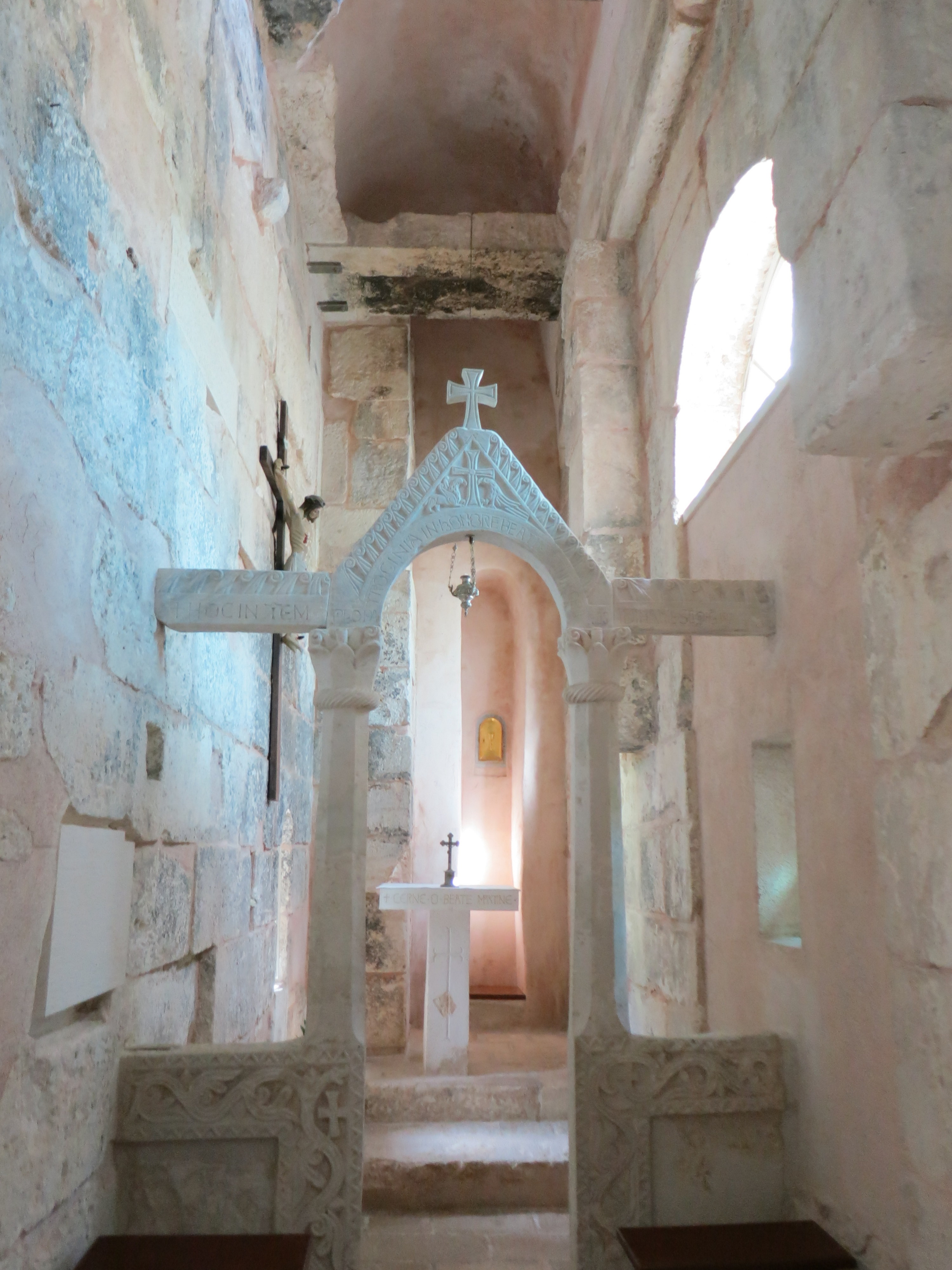
As a World Heritage site, the palace has to keep to strict rules of conservation, so the shops and restaurants inside the structure use the same marble from nearby island Brac whenever possible, and the streets are paved with white flagstones. Of course, before UNESCO started making rules about what could and could not stay, the city went through centuries of change. The main structure is still the same one that Diocletian lived in, but since then, nobles installed their coats of arms over doorways, bishops replaced temples with churches and Diocletian’s mausoleum with a basilica, and one religious group even turned part of the city walls into a very narrow Christian chapel.

Chapel in the fortified palace walls

Chapel in the fortified palace walls

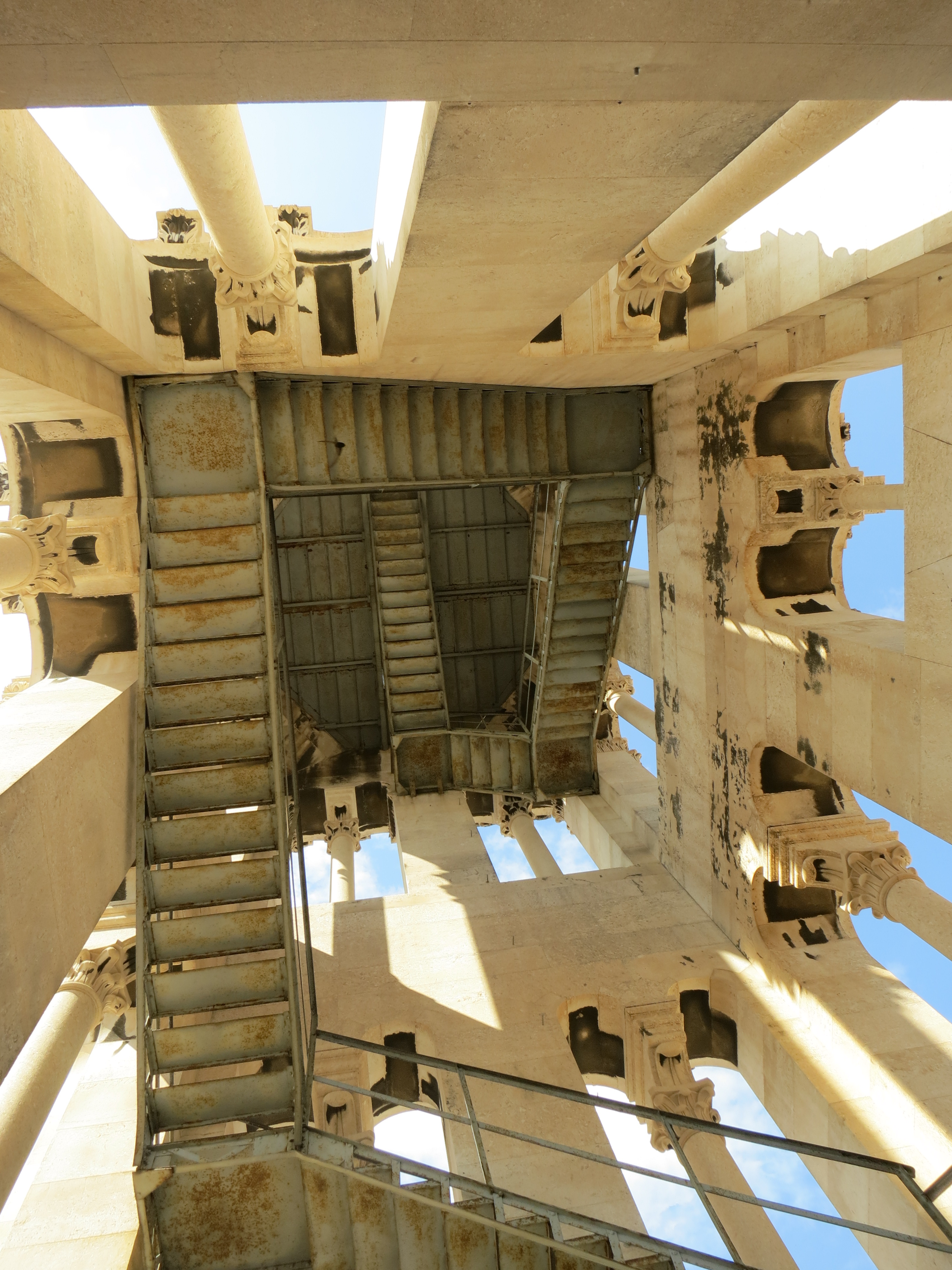
Climbing the steep stairs of the bell tower

Climbing the steep stairs of the bell tower

Not a bad view

Not a bad view

The peristyle of Diocletian's Palace

The peristyle of Diocletian’s Palace

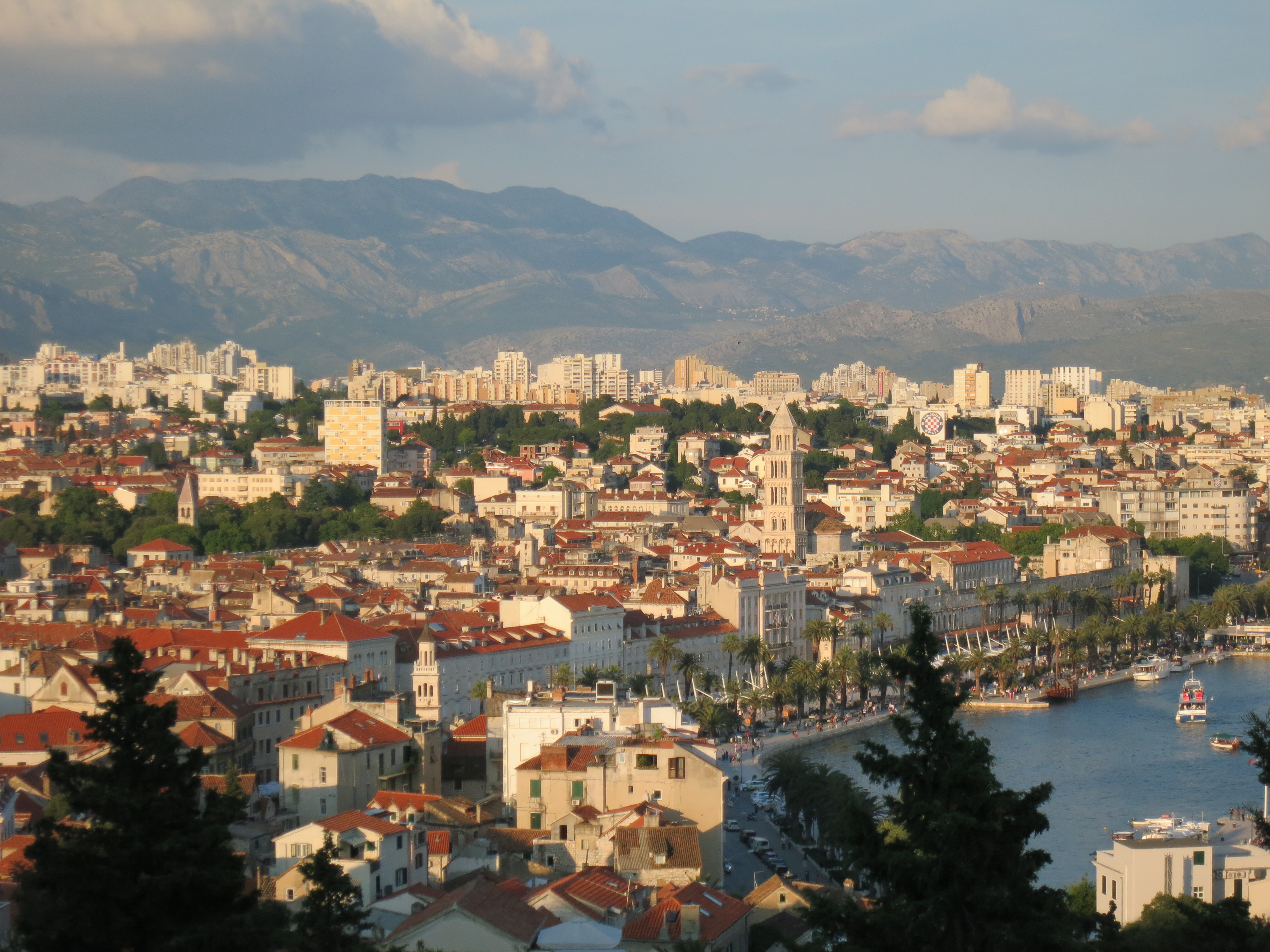
I visited Split in June 2013, as part of my two-week journey along the Croatian coast. I had astonishingly good weather the whole two weeks–the kind of warm, sunny weather that intensified the blue water and orange-roofed houses in each town–but one afternoon in Split, I got caught out in a hailstorm. I huddled with some other people on a balcony of the Cathedral of Saint Dominus, then dashed across the peristyle to the dome and listened to a quartet sing a cappella as the rain thundered outside.

View from the top of the bell tower

View from the top of the bell tower

Even the graffiti is educational

Even the graffiti is educational

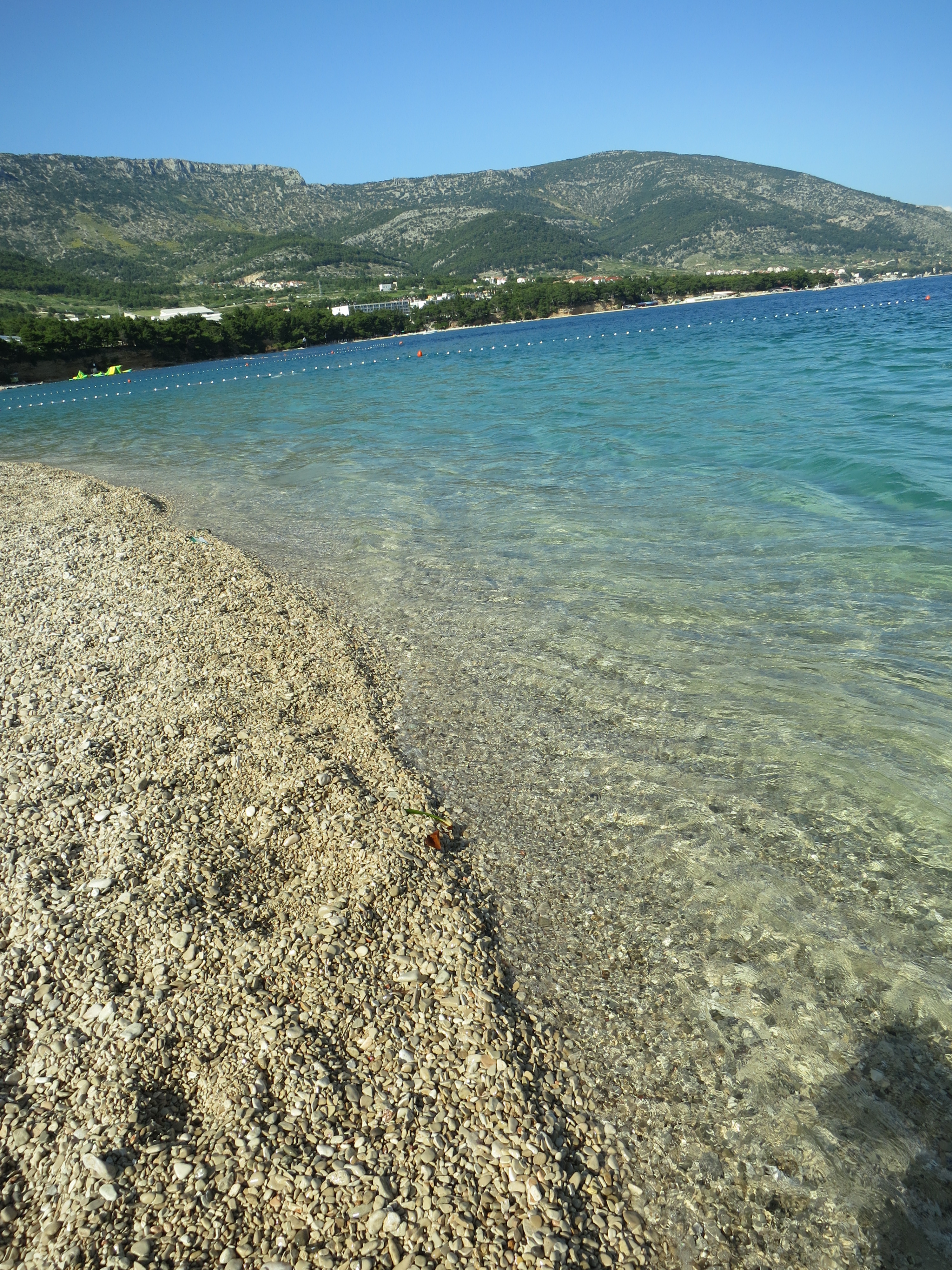
As I mentioned in another post, I also took a ferry across to the island of Brac, to visit the beach Bol. The beach was stunningly beautiful, but people aren’t kidding when they say that the beaches in Croatia aren’t sandy. Only pebbles in every direction, which made getting in the water more of a hobble than a carefree dash. Once I settled onto my towel, I was able to appreciate the pebbles as a kind of massage bed, but any movement was a little uncomfortable. But maybe it’s just me; I didn’t notice anyone else having any problems. Ah well, small sacrifices.

Bol Beach on the island of Brac

Bol Beach on the island of Brac

Paradise looks like pebbled beaches

Paradise looks like pebbled beaches

View from the hill outside city walls

View from the hill outside city walls