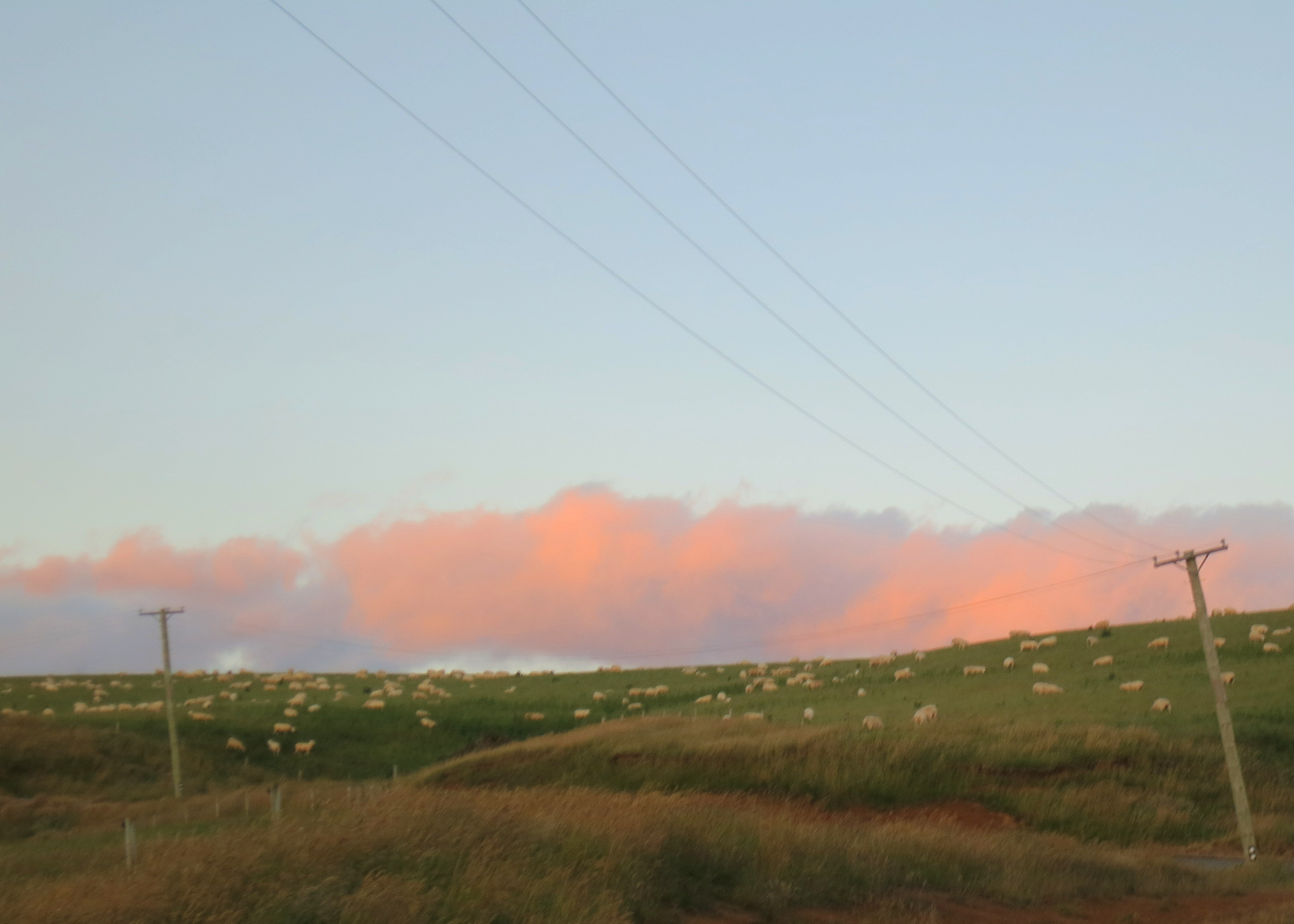
Sunset, The Catlins, New Zealand

Sunset, The Catlins, New Zealand
Sibenik is famous for two things: its cathedral, and the nearby waterfalls of Krka National Park. Rightfully so, because these things of beauty stand out.
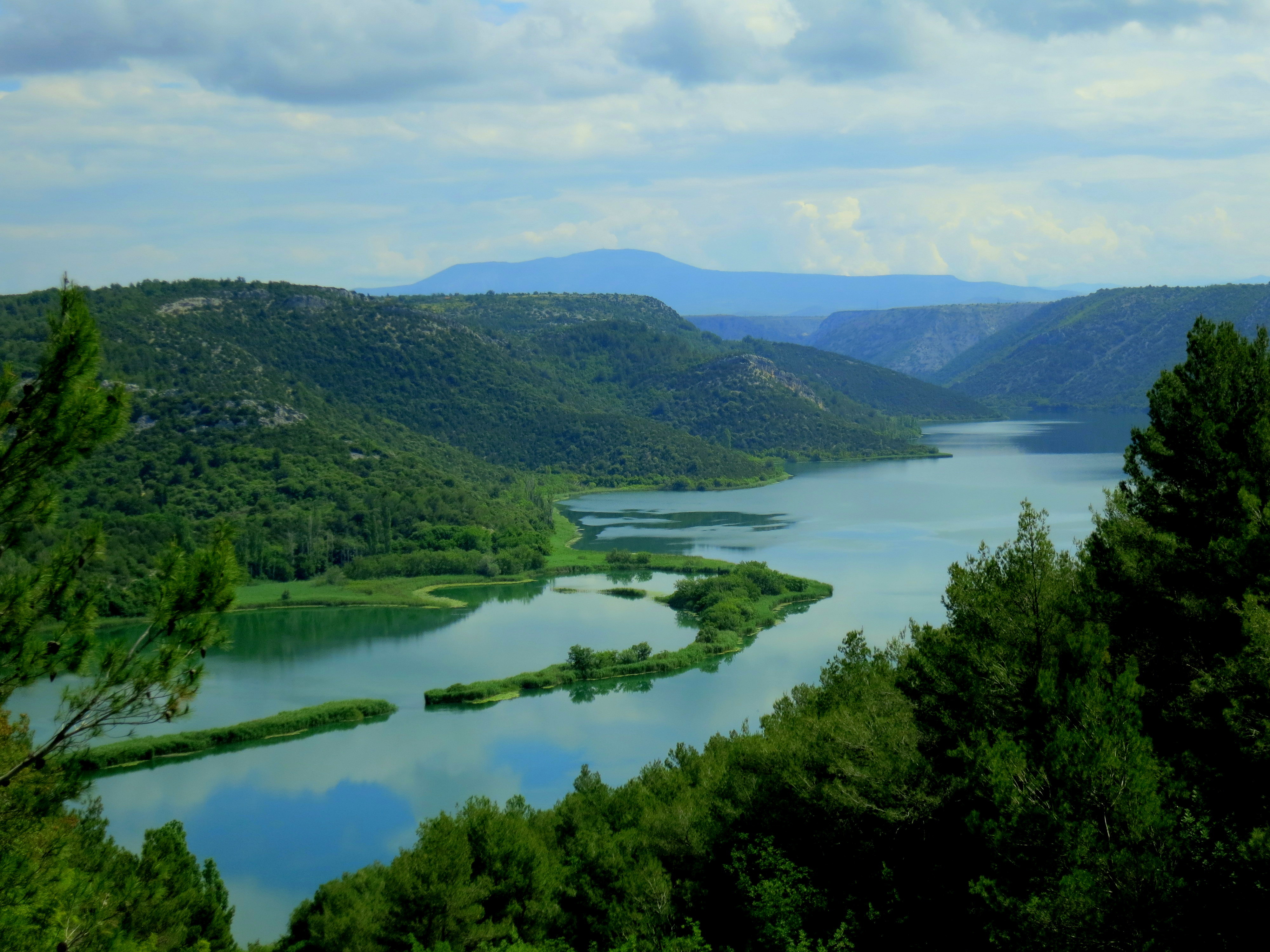
The Krka River
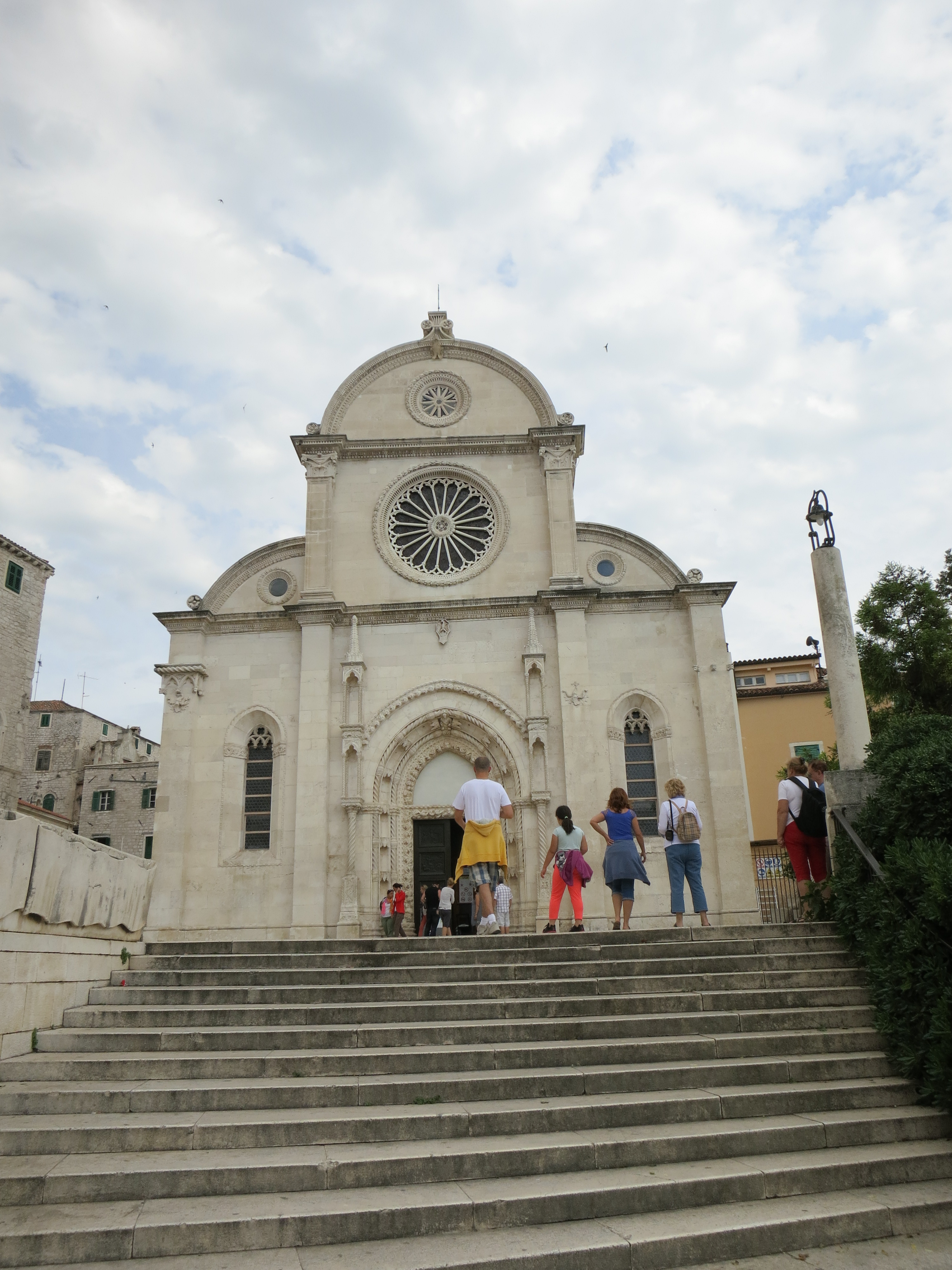
St James’ Cathedral
St. James’ Cathedral is a World Heritage site, as its construction over a period of more than 100 years incorporated different styles and building techniques in a unique way. The only material used was stone from the quarries of the island of Brac, and it was fitted together in a way more similar to shipbuilding or cabinet-making than traditional building construction, which is one of the reasons it’s listed.
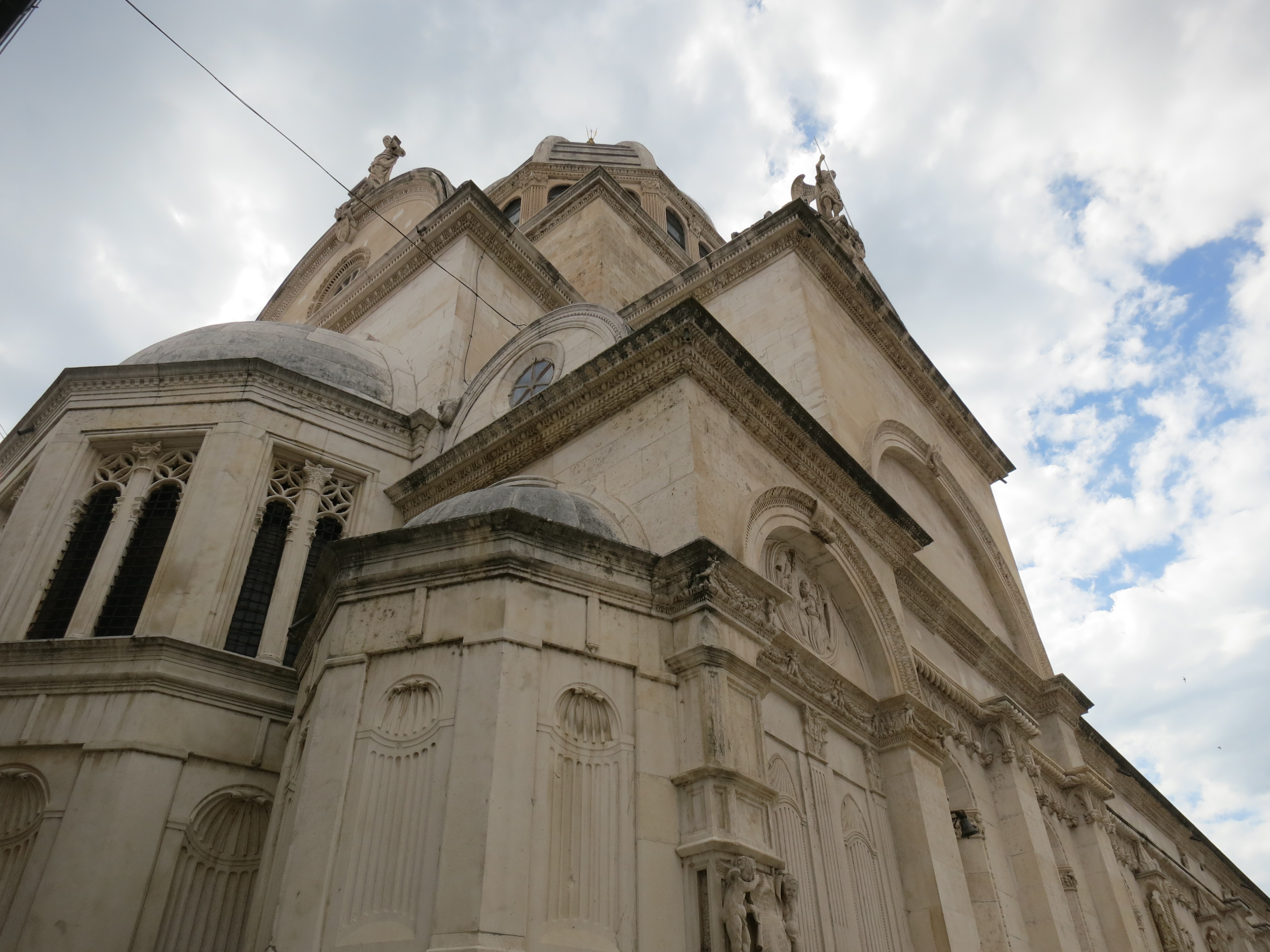
A Renaissance exterior
Also, being built between 1431 and 1555 meant that the cathedral bridged the Gothic and Renaissance styles. There are flourishes around the interior that echo famous cathedrals in other cities, and a baptistry famous for its intricate designs.

The transept

Cheery church iconography
My favorite part, though, was the frieze around part of the exterior, which was decorated with faces carved in the stone. Stories go that these are the faces of donors to the project, and the unpopular donors are depicted in unflattering statuary.
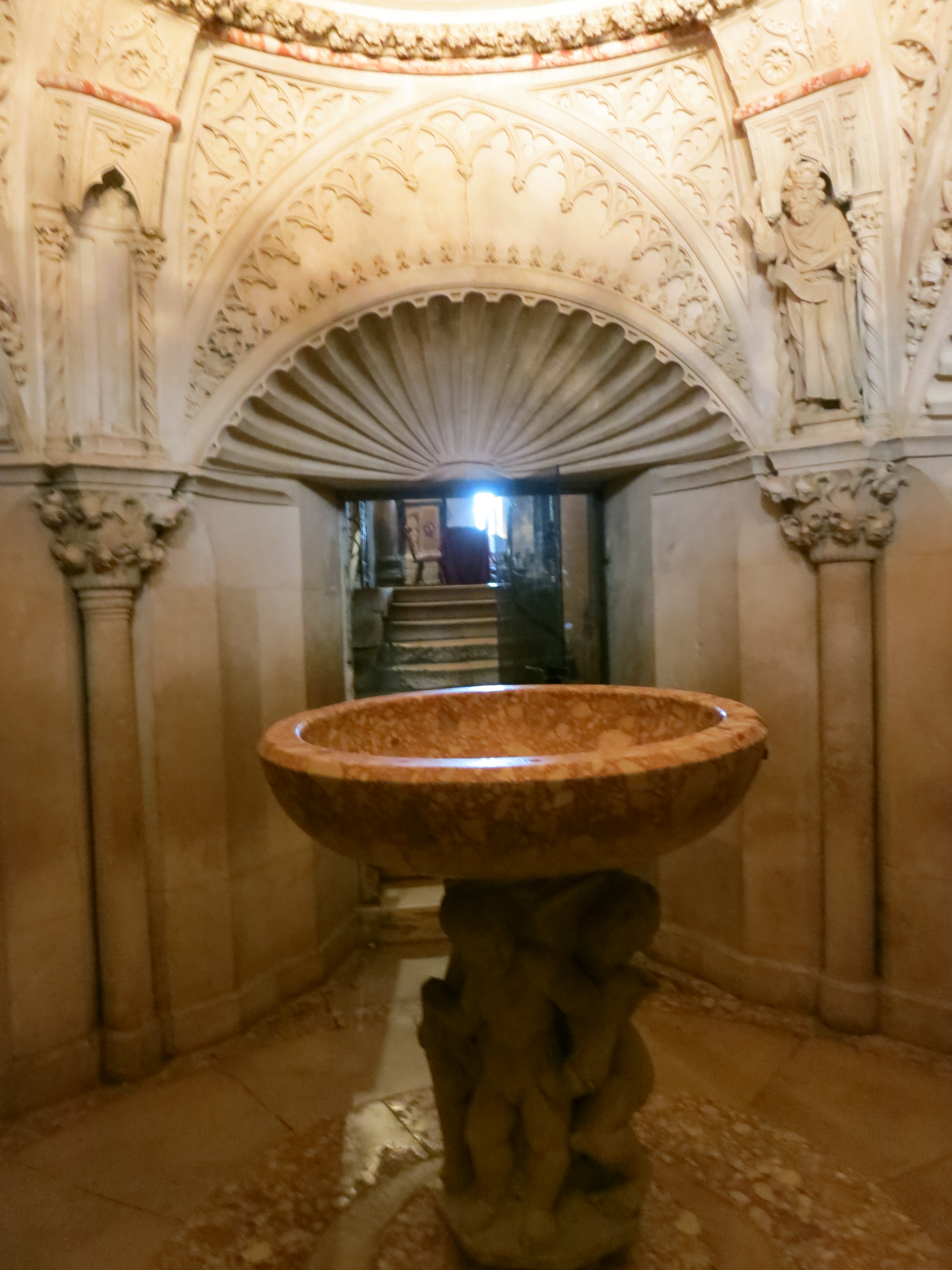
The baptistry

The baptistry ceiling
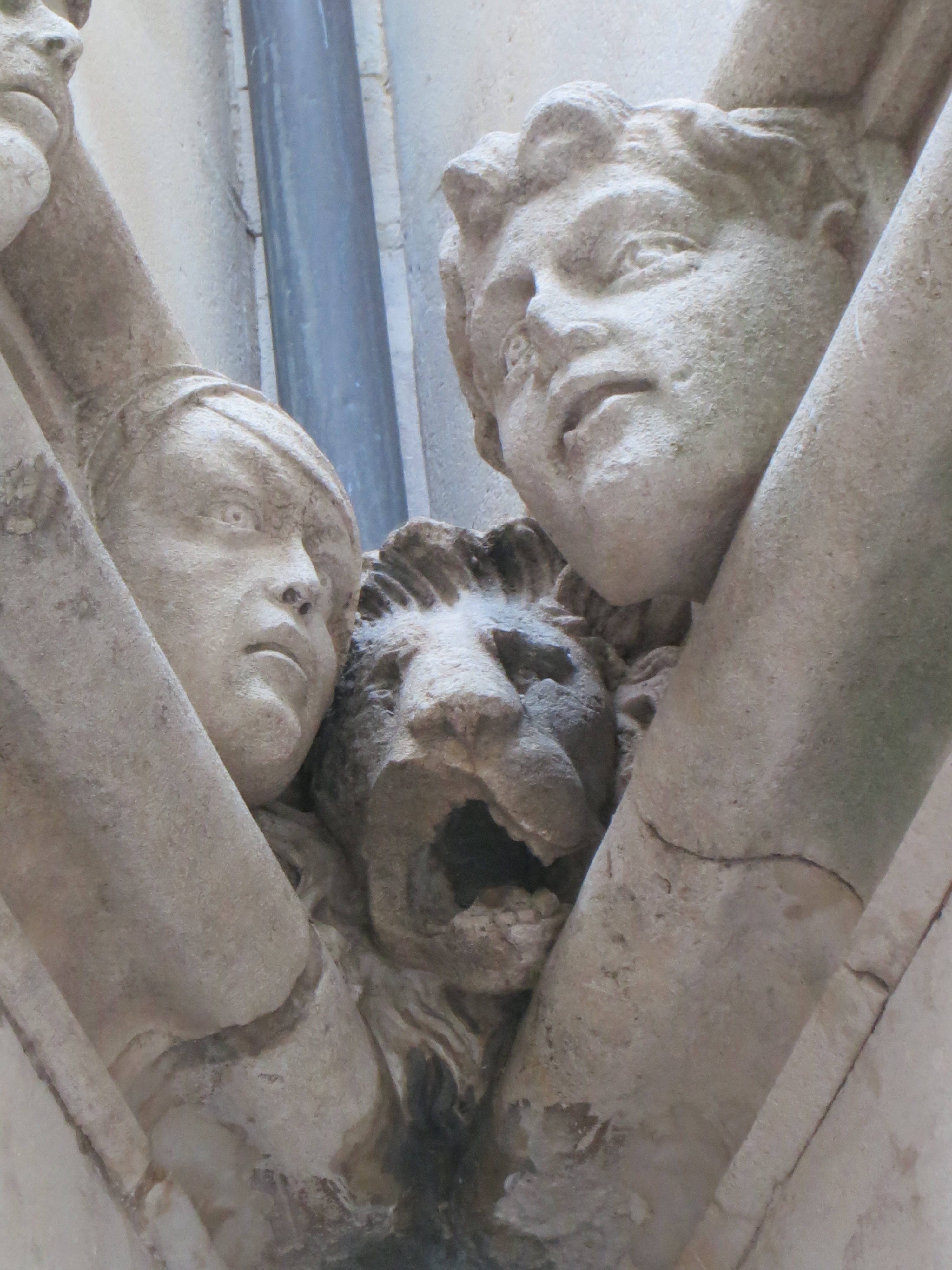
If we don’t look at the lion, maybe he won’t eat us. Don’t look at the lion, man…
Krka National Park is lovely. I met some people who didn’t like how accessible it was–they wanted their waterfalls earned through a couple hours of hiking–but the waterfalls aren’t a spectacular reveal here, so I don’t see the point. The park consists of a blue-green river flowing over little ridges, small changes in gradation, one after another, so it’s more like collections of tiered falls separated by expanses of river. The water flows at a good rate, so by the time it reaches the lower falls, which are actually a decent height at 47 meters tall, it’s rushing over and splashing down magnificently.

Ribbit
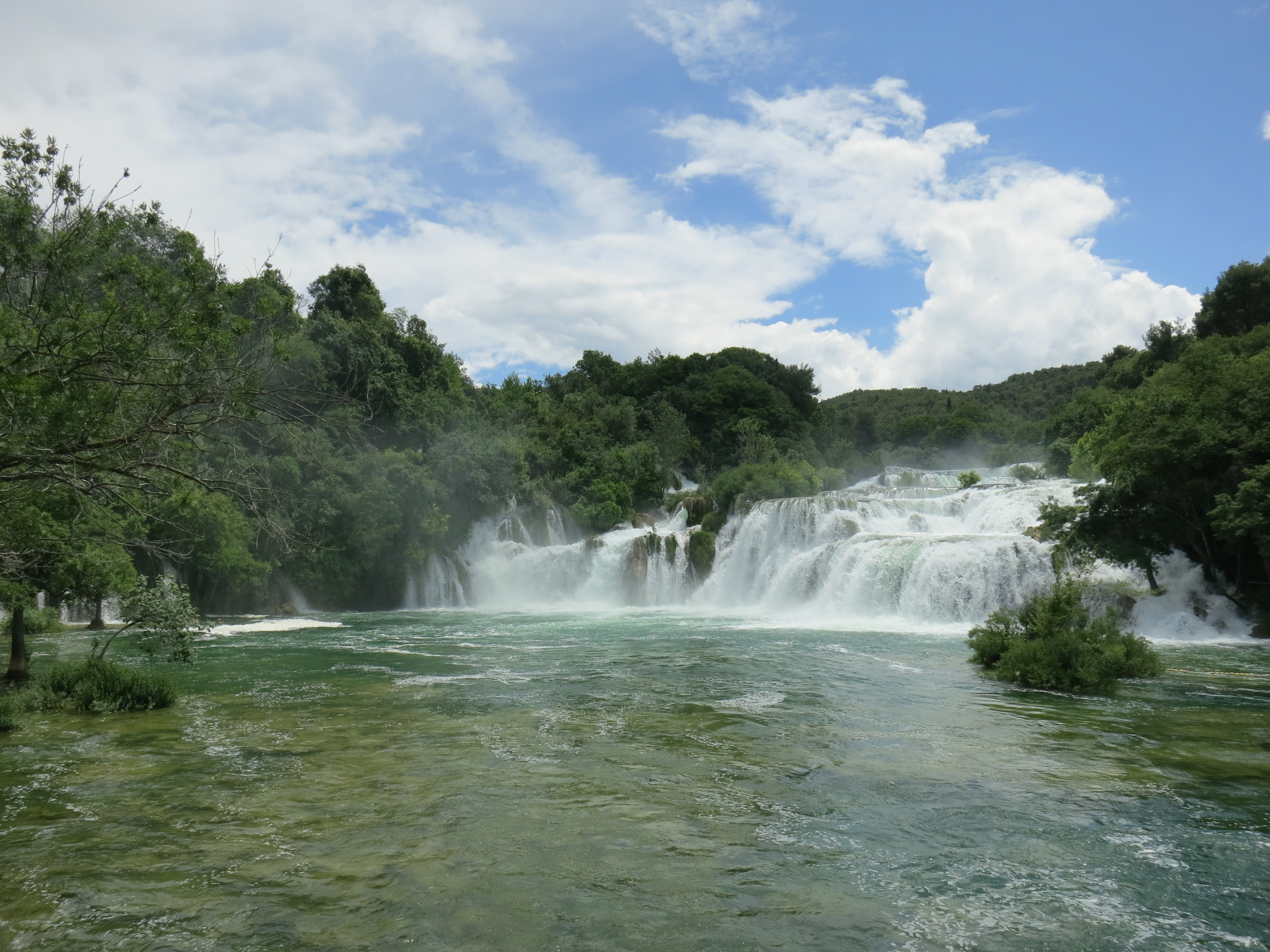
The lower falls

It only took fifteen minutes of following this guy to get this shot
I visited the park with a young French woman I met at my hostel. We walked along the boardwalks trying to photograph bright green frogs and iridescent dragonflies, stopped for lunch at the bottom of the lower falls, and then decided that despite the slight chill in the air, we’d brave going in. It was cold but fun, and we got a workout in walking against the current.


Overlooking Sibenik

Laure and I doing our best to look glamorous and not fall over
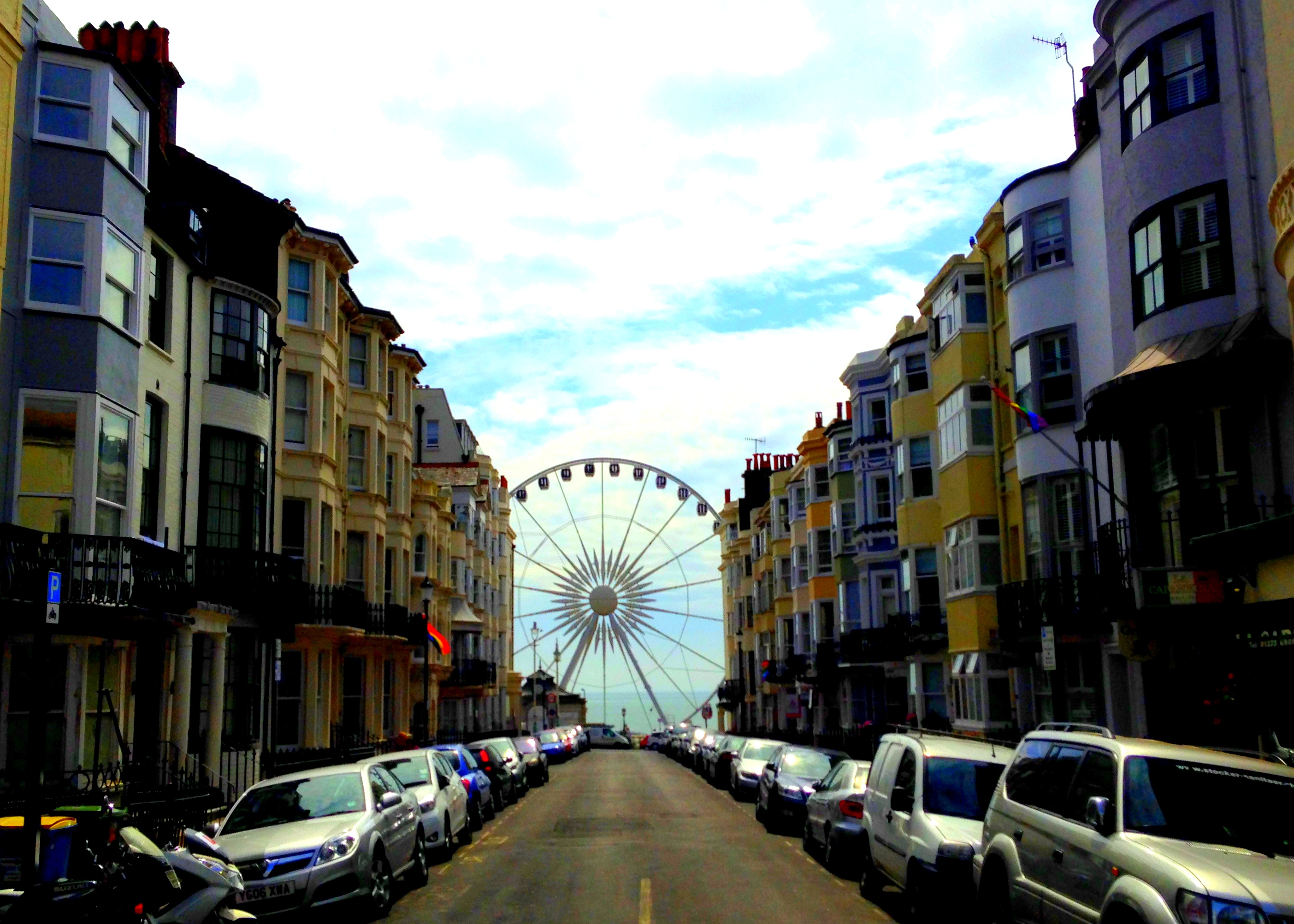
Brighton, England; August 5, 2014
I’ve visited palaces before, from England to Ecuador, so I figured I knew what to expect when I went to Diocletian’s Palace in Split, Croatia. But Roman emperors building themselves retirement homes at the seaside did not mess around. This was not just an imposing building, this was an entire city. Built in the fourth century, the palace originally held Diocletian’s retinue and military guard, and a few centuries later, people moved in and set up shops and homes. It’s been the heart of the city of Split ever since.

Bell tower of the cathedral

One of the imposing walls of the palace
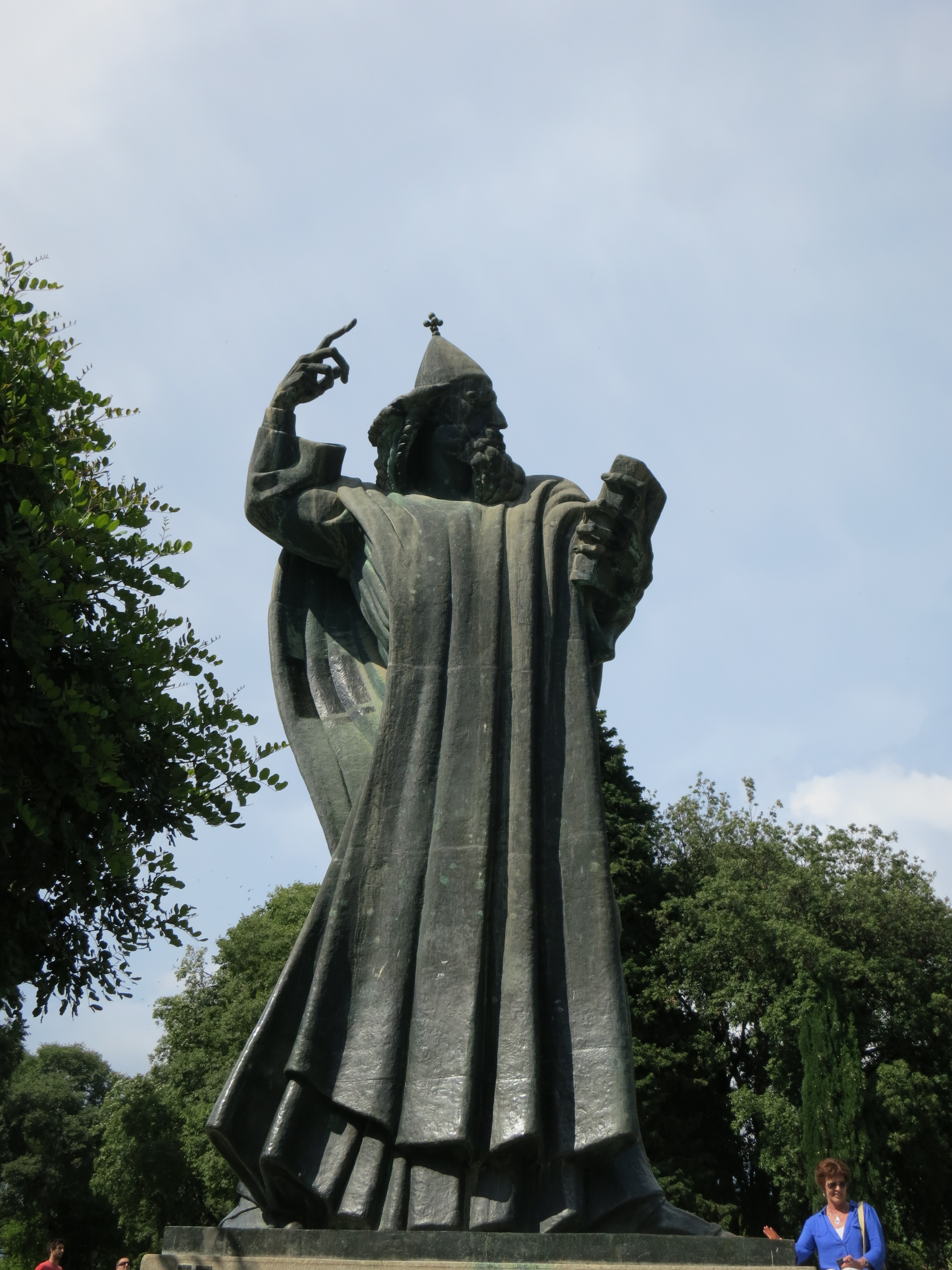
Gregory of Nin, the 10th-century bishop who introduced Croatian in church services
As a World Heritage site, the palace has to keep to strict rules of conservation, so the shops and restaurants inside the structure use the same marble from nearby island Brac whenever possible, and the streets are paved with white flagstones. Of course, before UNESCO started making rules about what could and could not stay, the city went through centuries of change. The main structure is still the same one that Diocletian lived in, but since then, nobles installed their coats of arms over doorways, bishops replaced temples with churches and Diocletian’s mausoleum with a basilica, and one religious group even turned part of the city walls into a very narrow Christian chapel.
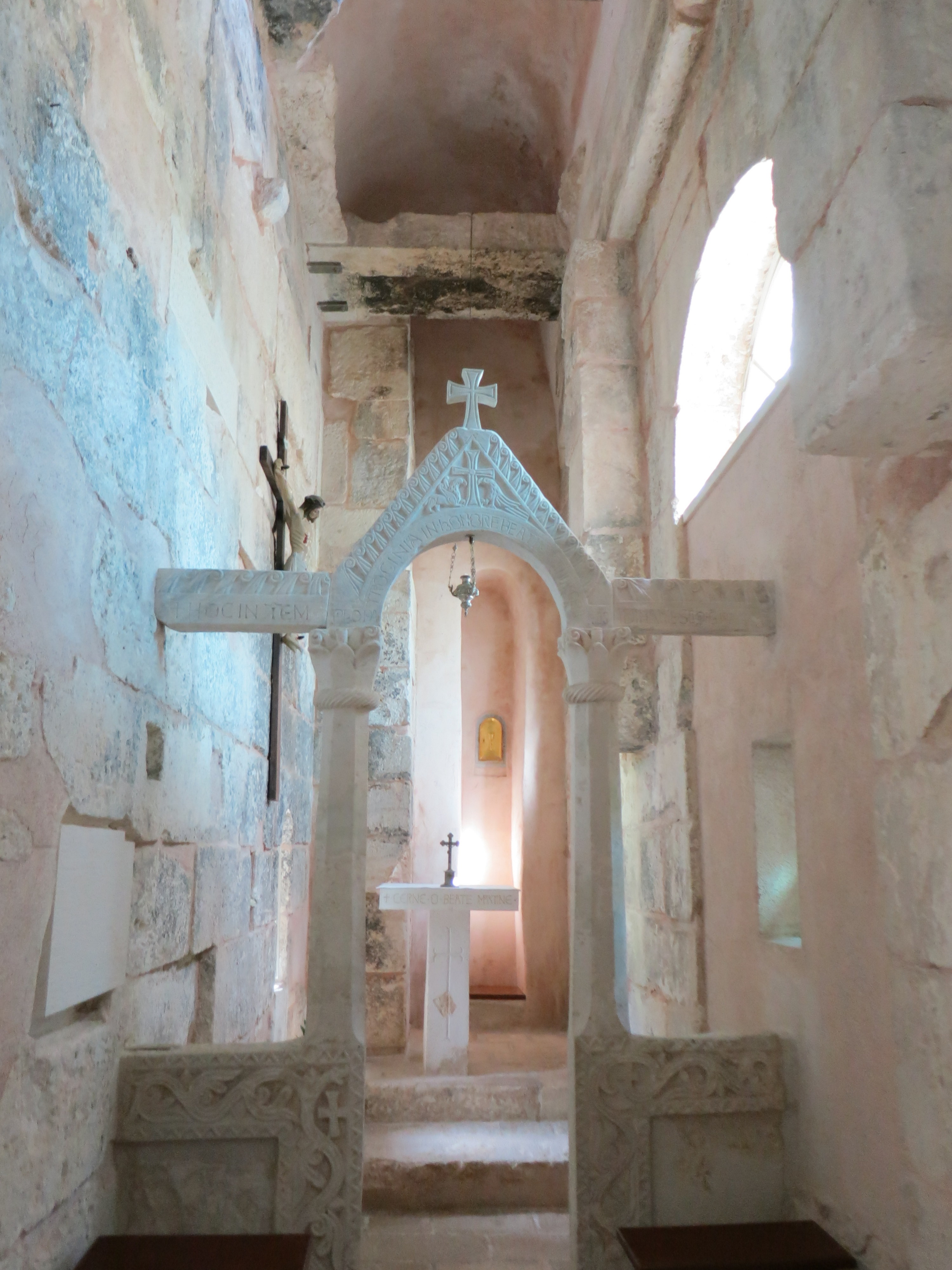
Chapel in the fortified palace walls
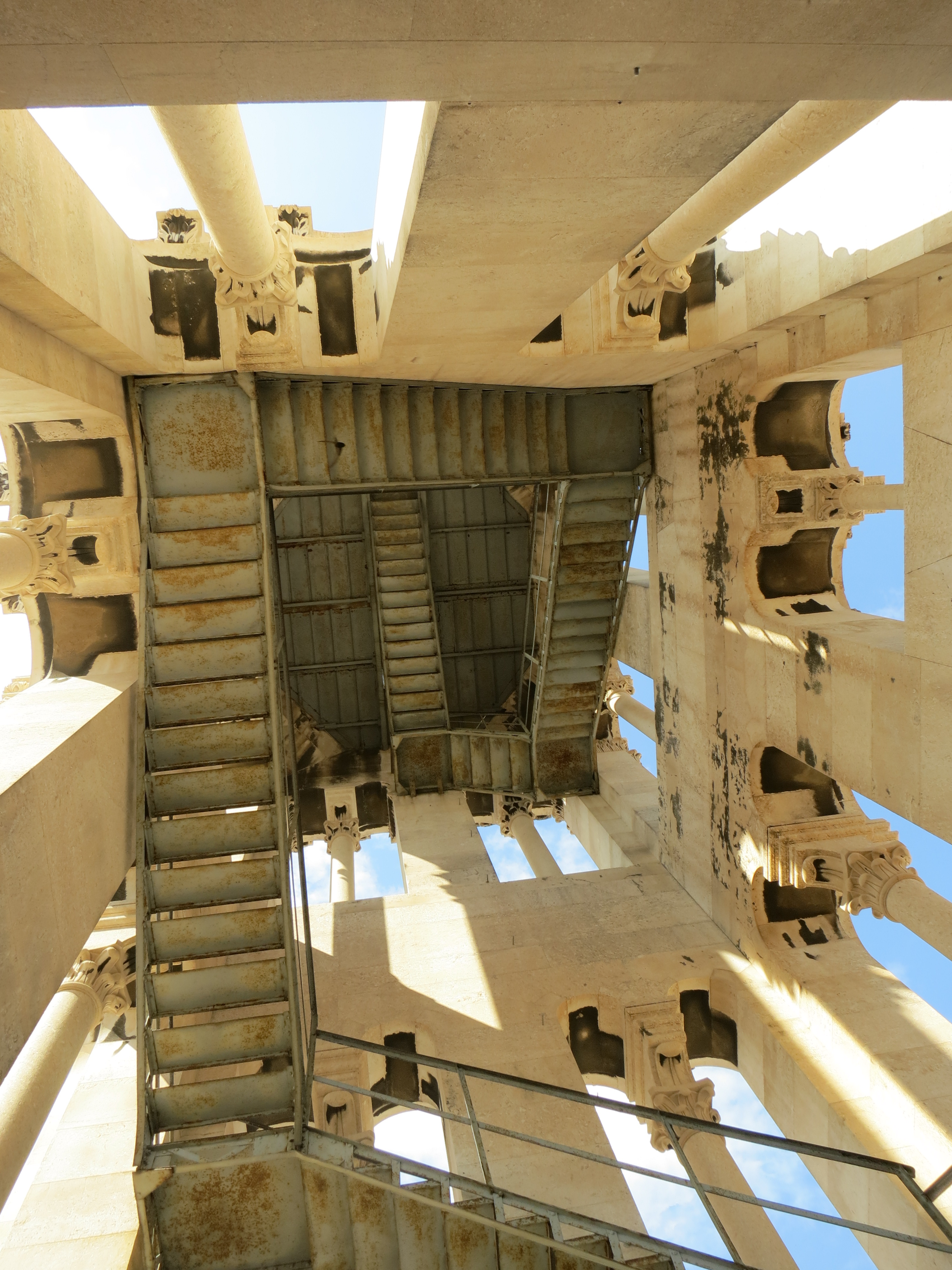
Climbing the steep stairs of the bell tower

Not a bad view

The peristyle of Diocletian’s Palace
I visited Split in June 2013, as part of my two-week journey along the Croatian coast. I had astonishingly good weather the whole two weeks–the kind of warm, sunny weather that intensified the blue water and orange-roofed houses in each town–but one afternoon in Split, I got caught out in a hailstorm. I huddled with some other people on a balcony of the Cathedral of Saint Dominus, then dashed across the peristyle to the dome and listened to a quartet sing a cappella as the rain thundered outside.

View from the top of the bell tower

Even the graffiti is educational
As I mentioned in another post, I also took a ferry across to the island of Brac, to visit the beach Bol. The beach was stunningly beautiful, but people aren’t kidding when they say that the beaches in Croatia aren’t sandy. Only pebbles in every direction, which made getting in the water more of a hobble than a carefree dash. Once I settled onto my towel, I was able to appreciate the pebbles as a kind of massage bed, but any movement was a little uncomfortable. But maybe it’s just me; I didn’t notice anyone else having any problems. Ah well, small sacrifices.

Bol Beach on the island of Brac
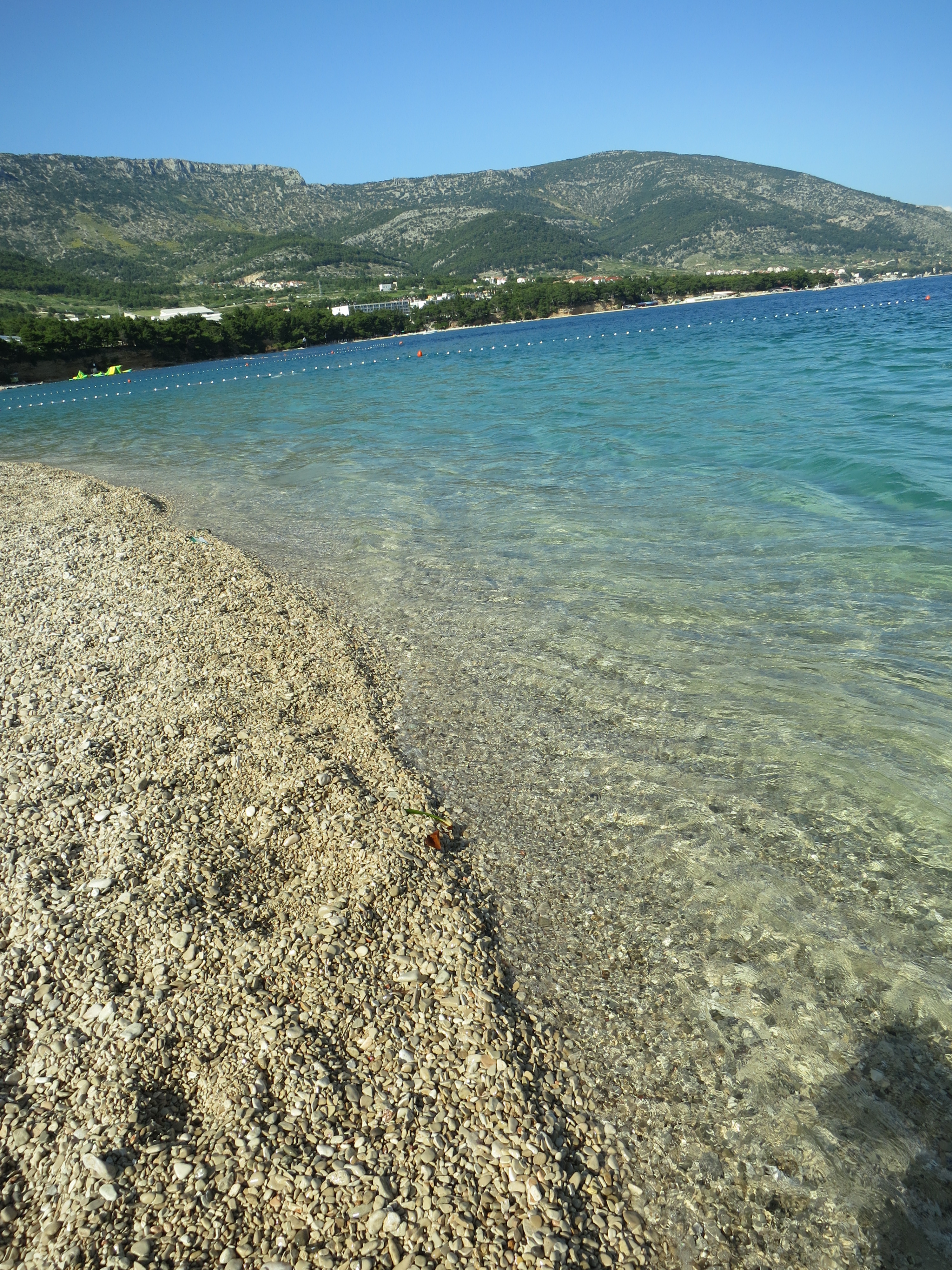
Paradise looks like pebbled beaches
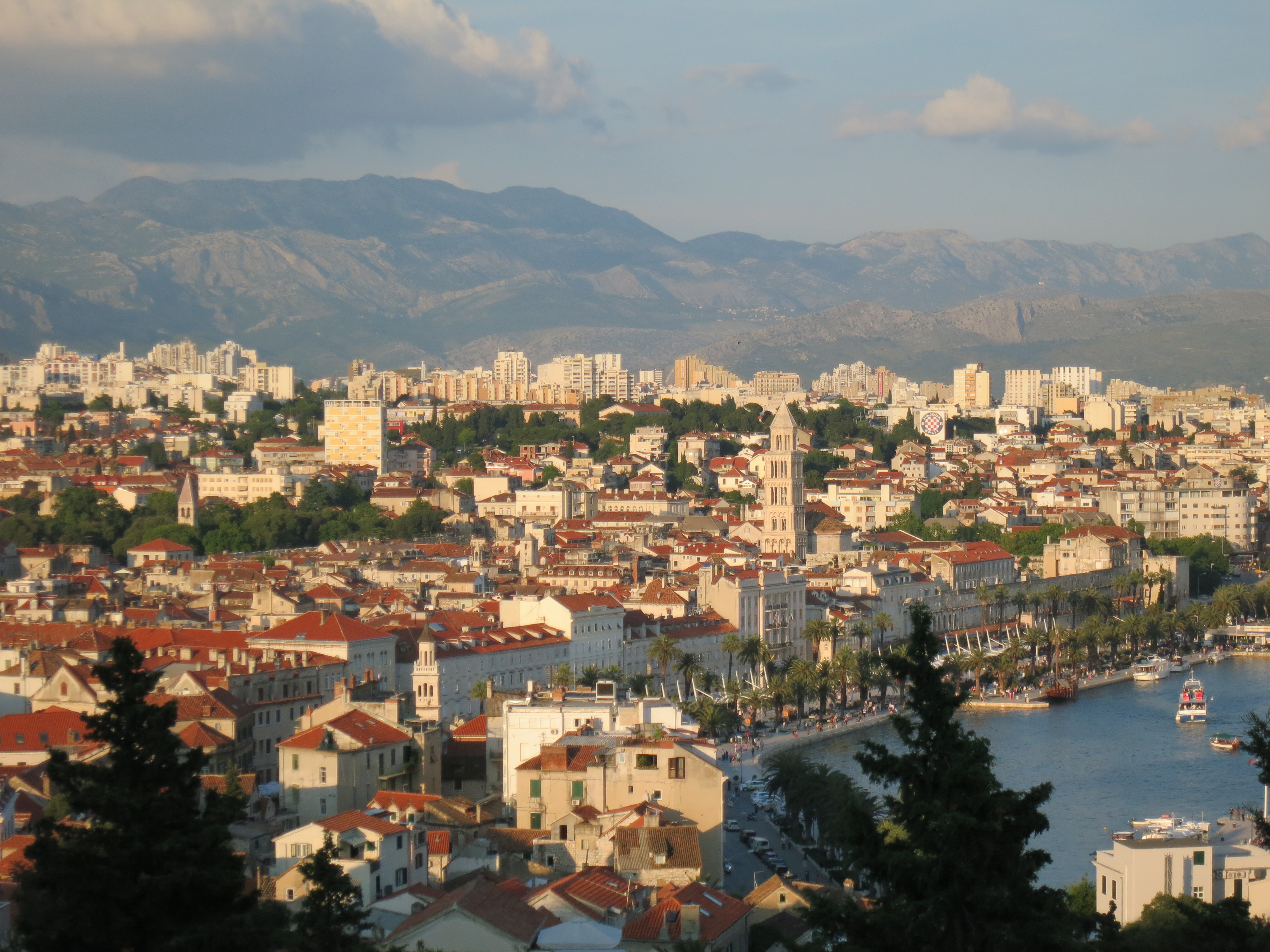
View from the hill outside city walls
On my second to last day in Edinburgh, I climbed the volcanic hills that loom over the city. Arthur’s Seat, the craggy bit at the very top, is maybe named for King Arthur, or is maybe a corruption of Gaelic for “Archer’s Seat,” but since I’ve scrambled up it, I think it’s maybe a rough translation of the heavy breathing noises you make when you reach the top: “ah…dur…hee.” It’s steep, y’all.

Panoramic Edinburgh
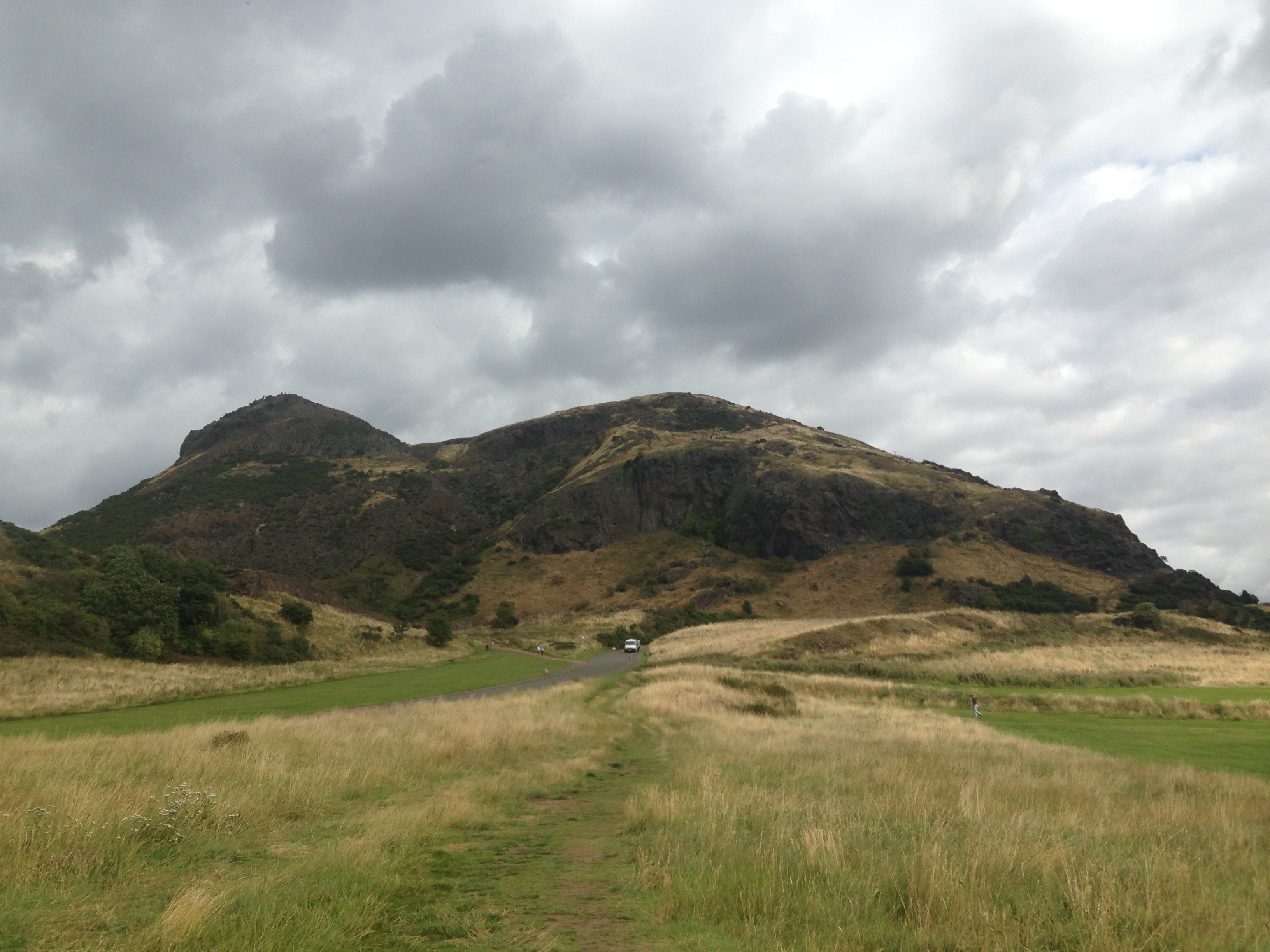
Arthur’s Seat in Holyrood Park
There are several different paths to the top, and when I approached from the southwest, I was met with three of these. As in fairy tales, the paths seemed to offer clear choices: the first led downhill, away from the goal; the third went nearly straight up, via steep stairs; and the second sloped gently up, though the path was lined with thistles. My path was clearly the middle way, so up I went, encountering a few rocky stairs but mostly just a steady gravelly incline.
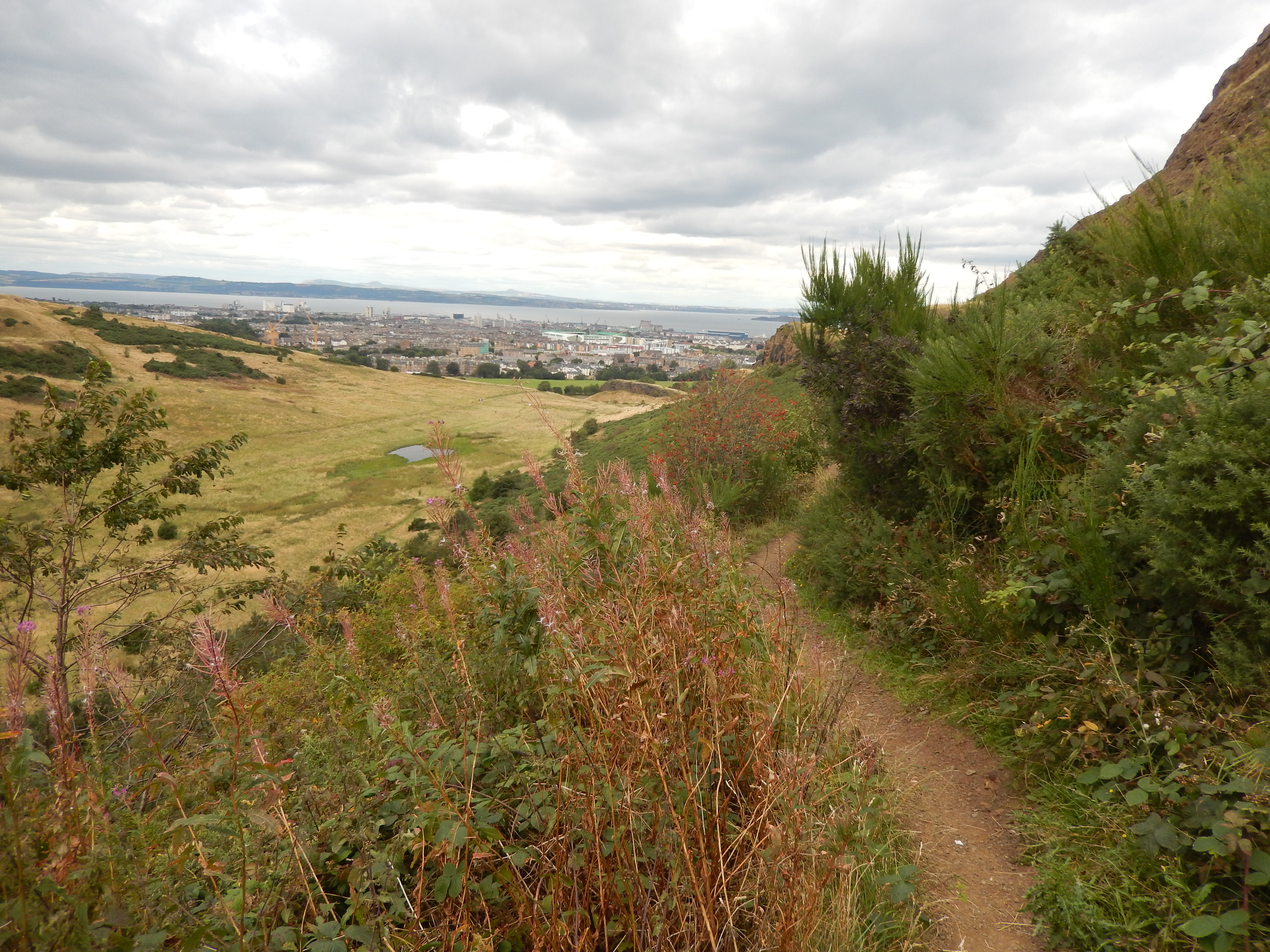
Taking the middle path

Going basically straight up
The final part of the ascent is rock scrambling, which is a lot of fun going up, and not any fun coming down. About thirty people milled around up there, taking selfies while taking care not to get too close to the edge (except for the guys wearing Men’s Fitness Test t-shirts, of course, who actively sought out the steepest route to descend by).
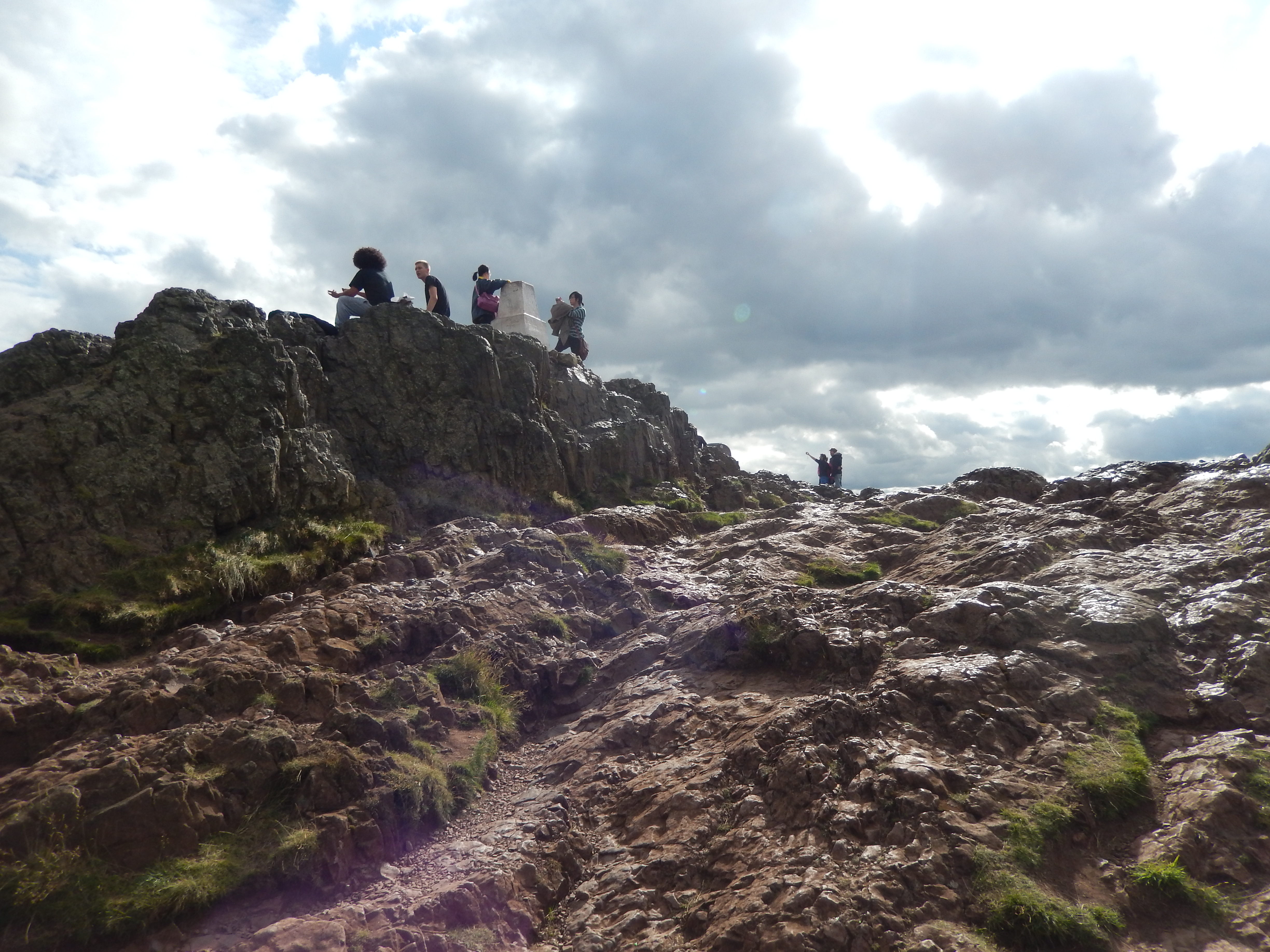
A scramble to the sunny peak

Wild heather on the hillside
The whole city is spread out around you–there’s the Royal Mile with the castle at the end, the Ferris wheel by the train tracks, the Meadows, and over there, the North Sea, golf links, a few fields of grain. It was beautiful up there, and the wind only picked up as I started to head down, so I didn’t have to fight that on my climb.

Crow? Raven? Lovely black bird surveying her domain, anyway
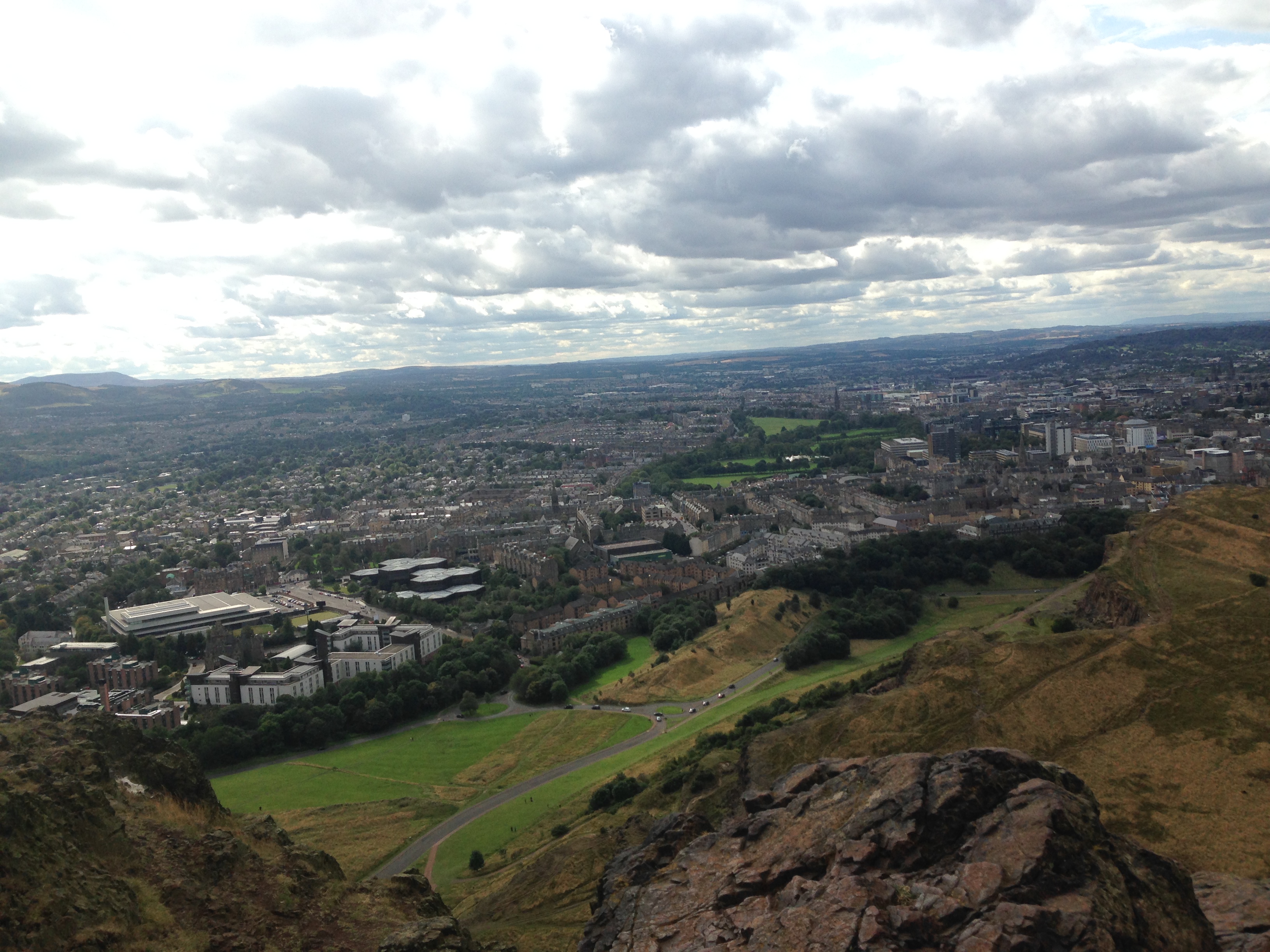
View from the top
I took tiny steps on the steeper part of the walk down, so that I wouldn’t put a foot wrong and twist my ankle or go tumbling. I chanted to myself, “step like a goat, like a delicate little goat,” which got me a few stares until I stopped saying it out loud.

Look, Ma, no worse ankle sprains than usual!

I can’t believe it didn’t rain on me once the whole climb
I loved visiting the wilderness in the heart of the city, and I can see why Liz does it every time she comes to Edinburgh. It’s a little challenge, and a lot of reward.

Breathtaking
Chipping Norton, England; August 4, 2014
I’m going to let my American readers in on a little secret: the best place to enjoy the Mediterranean is the coast of Croatia. I didn’t know this myself until my four-day visit to Dubrovnik became a fourteen-day trip along the length of the country.

The old town of Dubrovnik
I’m embarrassed to admit that I’d sort of assumed Croatia was still recovering from the war in the ’90s, and therefore wasn’t a great place for visitors, but that ridiculous idea was immediately proven wrong as I walked the streets of Dubrovnik (which has been a World Heritage site for over 30 years, and which charmed my mother when her family went on vacation there in the ’60s–its been attracting tourists for awhile). Croatia has recovered just fine, thankyouverymuch, and it’s one of the more popular vacation spots for Europeans.
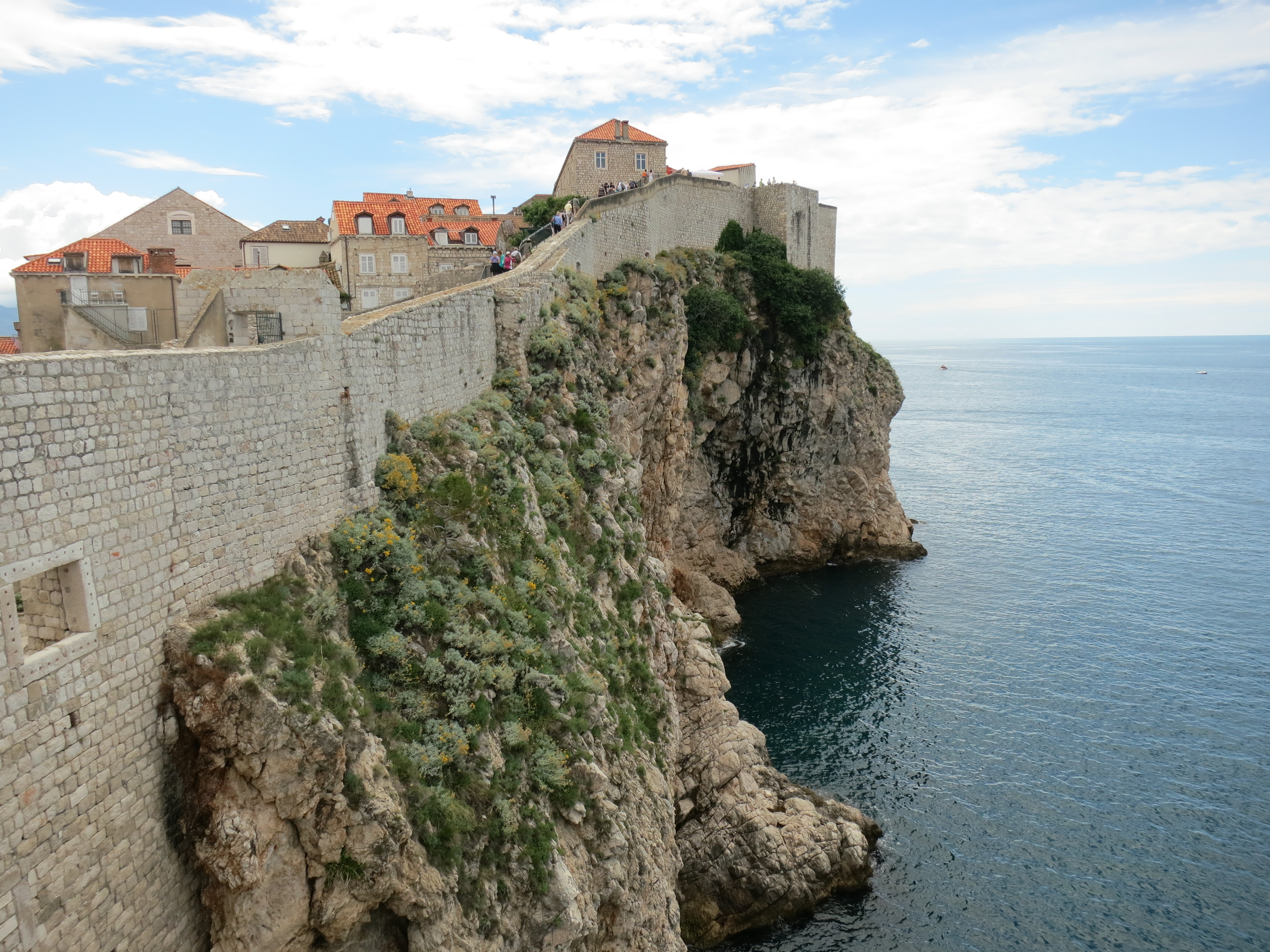
The walls of Dubrovnik

I rented an audio tour of the city walls of Dubrovnik, and the theme of the tour was how much the people of the city have always valued liberty above all. Dubrovnik was a city-state for several centuries, and all its (male) inhabitants were citizens. There were no slaves. They also abolished participating in the slave trade in 1416, centuries before the rest of the world caught up.

Take a boat back in time

The fort across the bay
With major power Venice just across the Adriatic, smaller Dubrovnik had to do some maneuvering to maintain a measure of autonomy. It was a big trading power until the 17th century, when shifts in trading routes and a major earthquake changed the city’s fortunes. Still, the city remained a republic until Napoleon’s forces came through in 1806, and later it fell under Austro-Hungarian rule.
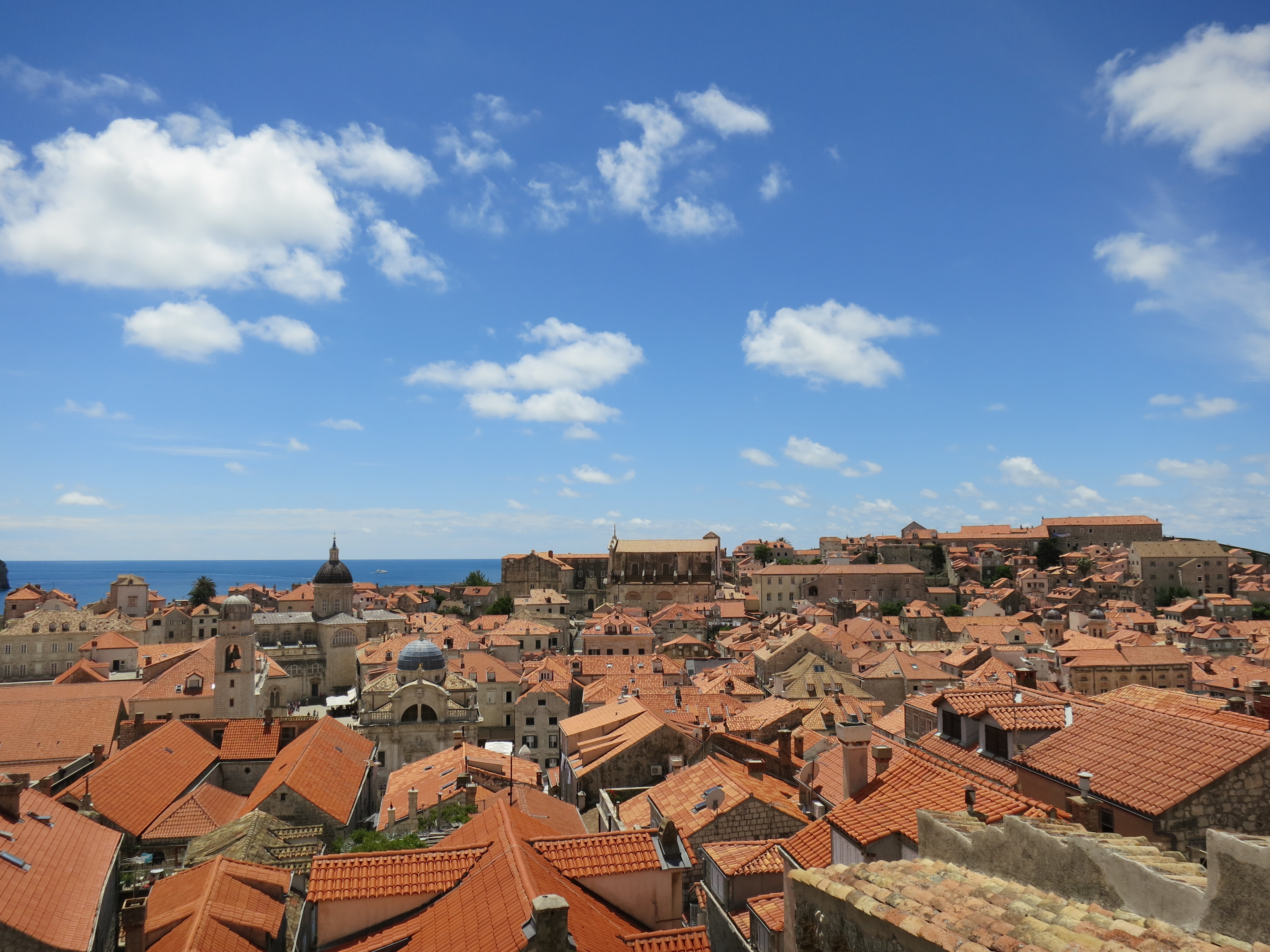
Red rooftops, blue sky

Narrow streets
As with any medieval town, Dubrovnik was built within sturdy city walls. The approach from land was rocky and mountainous, so the main concern was an attack by sea. Walking the two kilometers of city walls, you can look at the islands dotting the sea and the cruise ships docking for an afternoon, and then you can turn in and see the back gardens of people’s homes, church basketball courts, laundry hanging limply in the still, hot air. Being at roof level makes for a different view, and all the buildings are topped in the same curved, orange-ish tile, which is striking against the deep blue of the sea.

The Dominican monastery

Orange trees in the courtyard
There are several churches and grand buildings in the old town. Probably my favorite was actually the courtyard, or cloisters, of the Dominican monastery. The columns and decorative touches were particularly graceful, and greenery and orange trees filled the open space in the middle.

Inside the monastery
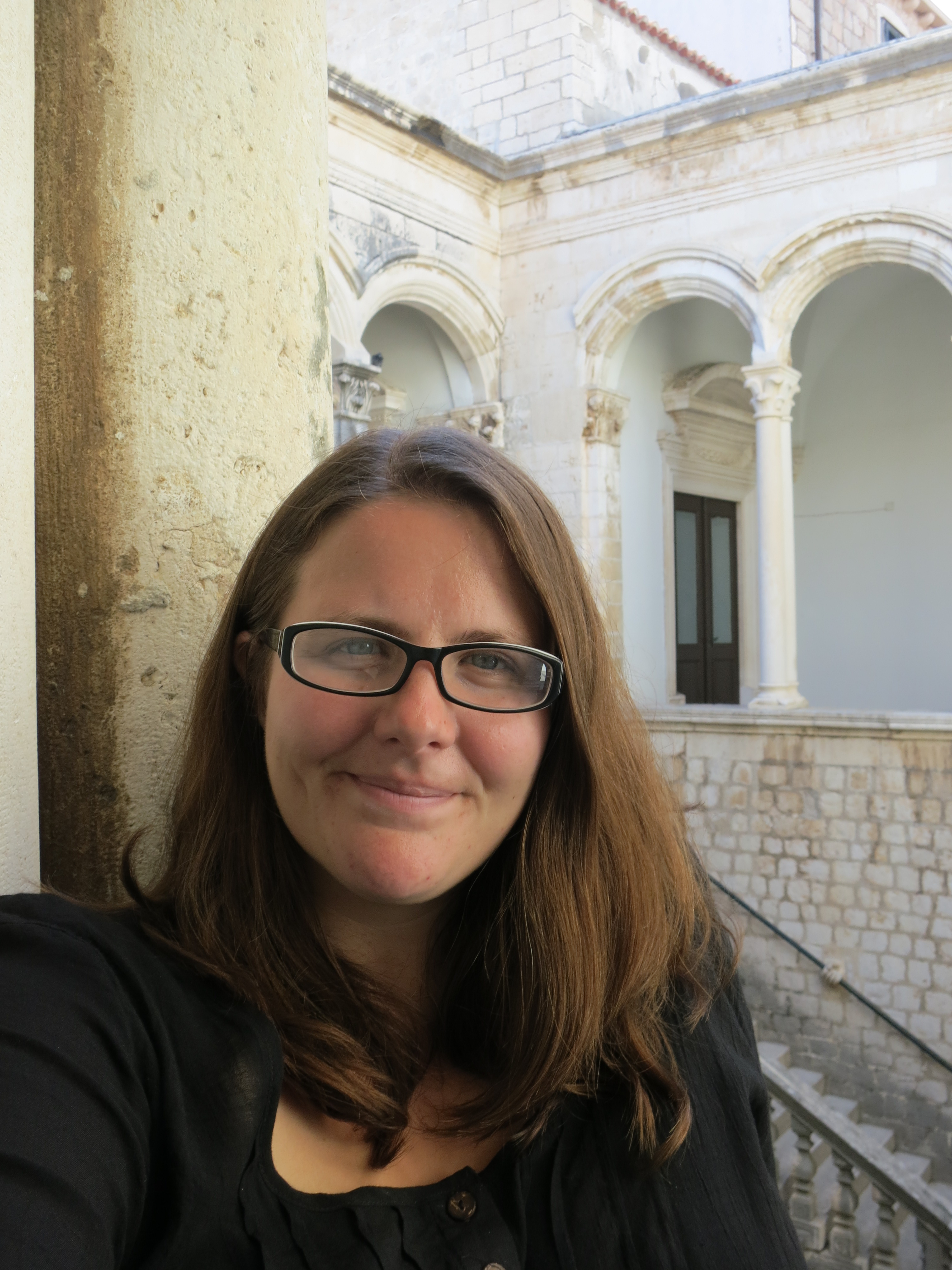
Listening to live music in the courtyard of the Rector’s Palace
The Rector’s Palace had quite a few paintings and treasures, but my favorite part about it was sitting on a ledge on the second floor of the open courtyard and listening to two women rehearse for a violin and piano concert later that evening.

The church on Lopud Island

The walk across the island
One afternoon, I took a ferry to the island of Lopud, then walked across the island for about 40 minutes, at which point I was rewarded with Sunj Beach, the only sandy beach for miles. It was a lovely little spot, with shallow and warm water. I made friends with a six-year-old French girl and her grandparents, read my book, took a dip, and then shared the cost of the golf cart taxi ride back across the island so I wouldn’t miss the last ferry back.

Sunj Beach
Dubrovnik had many other lovely spots: churches made of marble and white stone, a cable car that climbed the hill overlooking the city to give a good view, the tower rebuilt after it started to lean like the one in Pisa, a massive fountain greeting people as soon as they walk through the impressive gates at the southwestern entrance, dozens of alleys and steep side streets leading past ivy- and flower-bedecked buildings. Despite the masses of June tourists blocking the main roads (myself included), it was still a charming place, steeped in history but not frozen in time, and I hope to visit again.
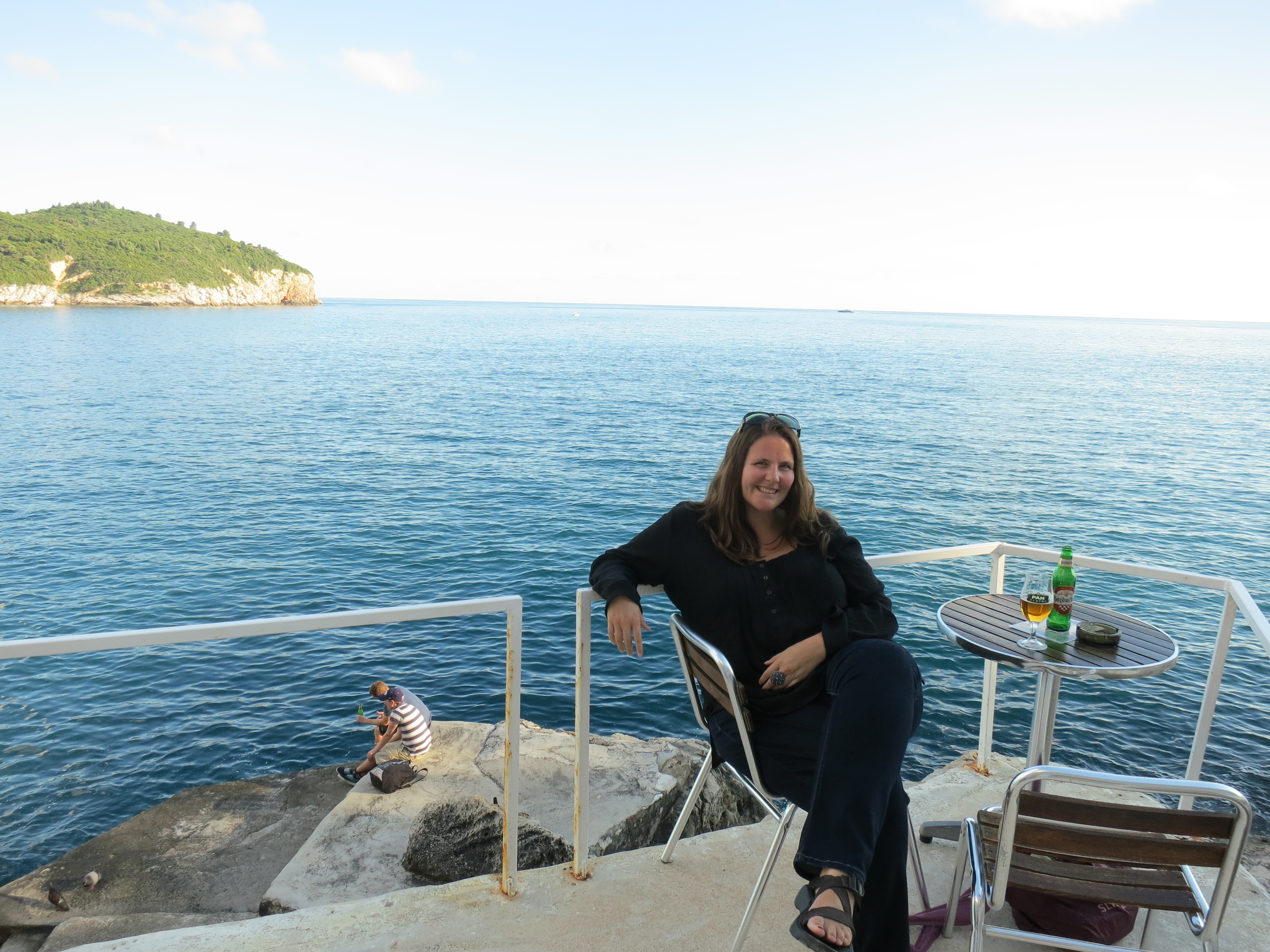
A beer on the sea
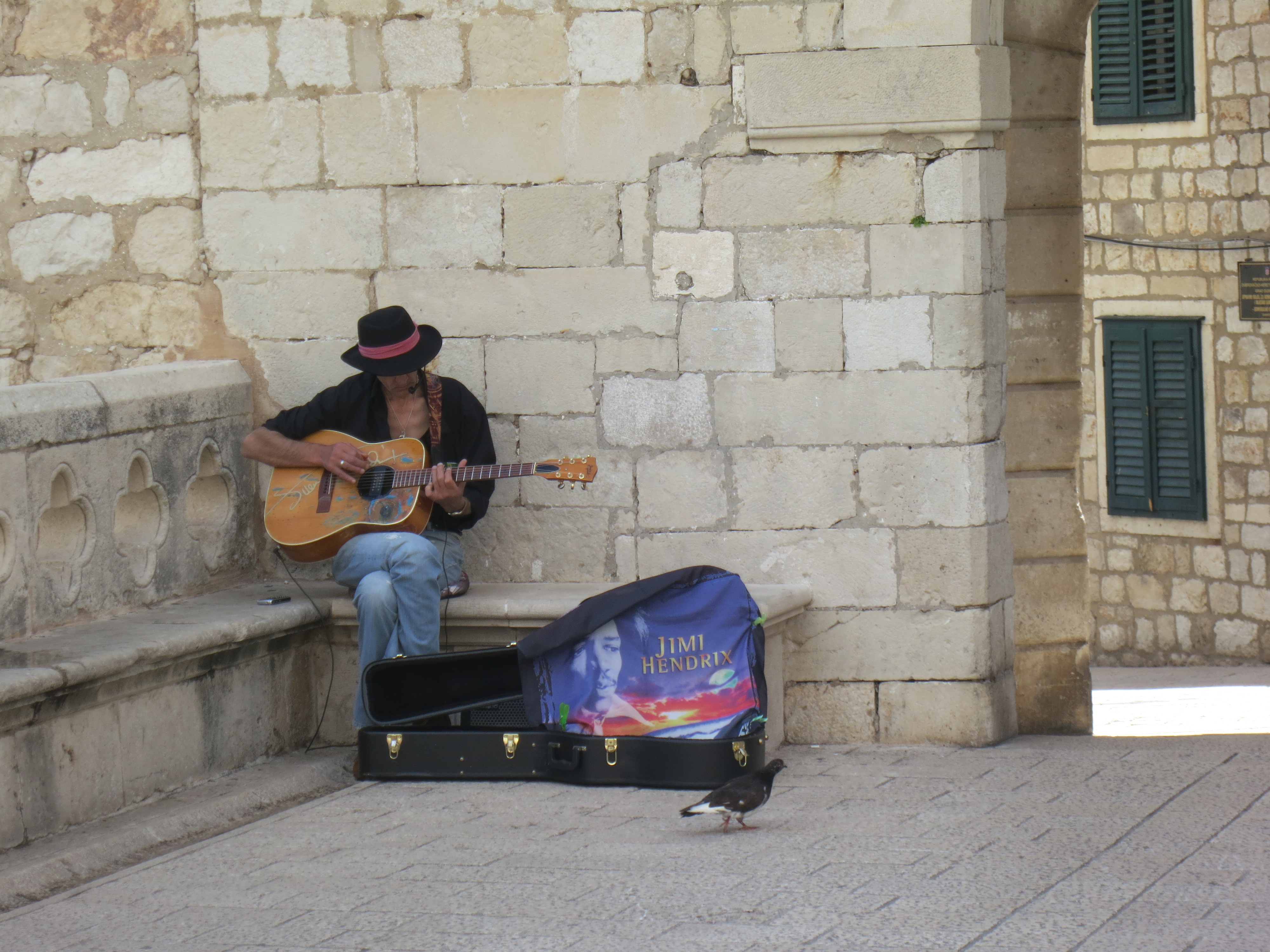
This man played Hendrix songs beautifully, but when I requested “Wind Cries Mary” he said he only does songs Jimi performed live
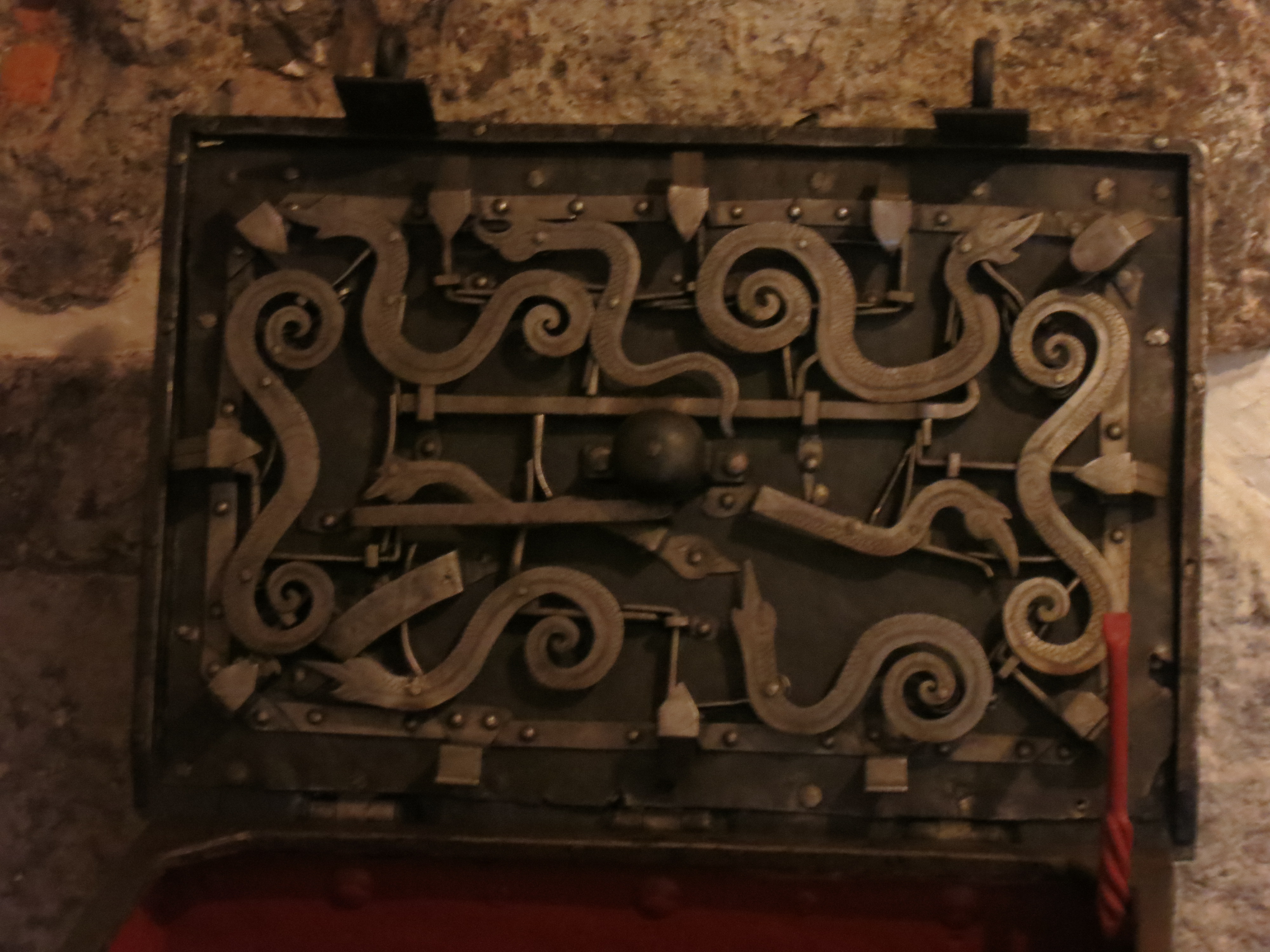
Very cool lock on a pirate’s trunk
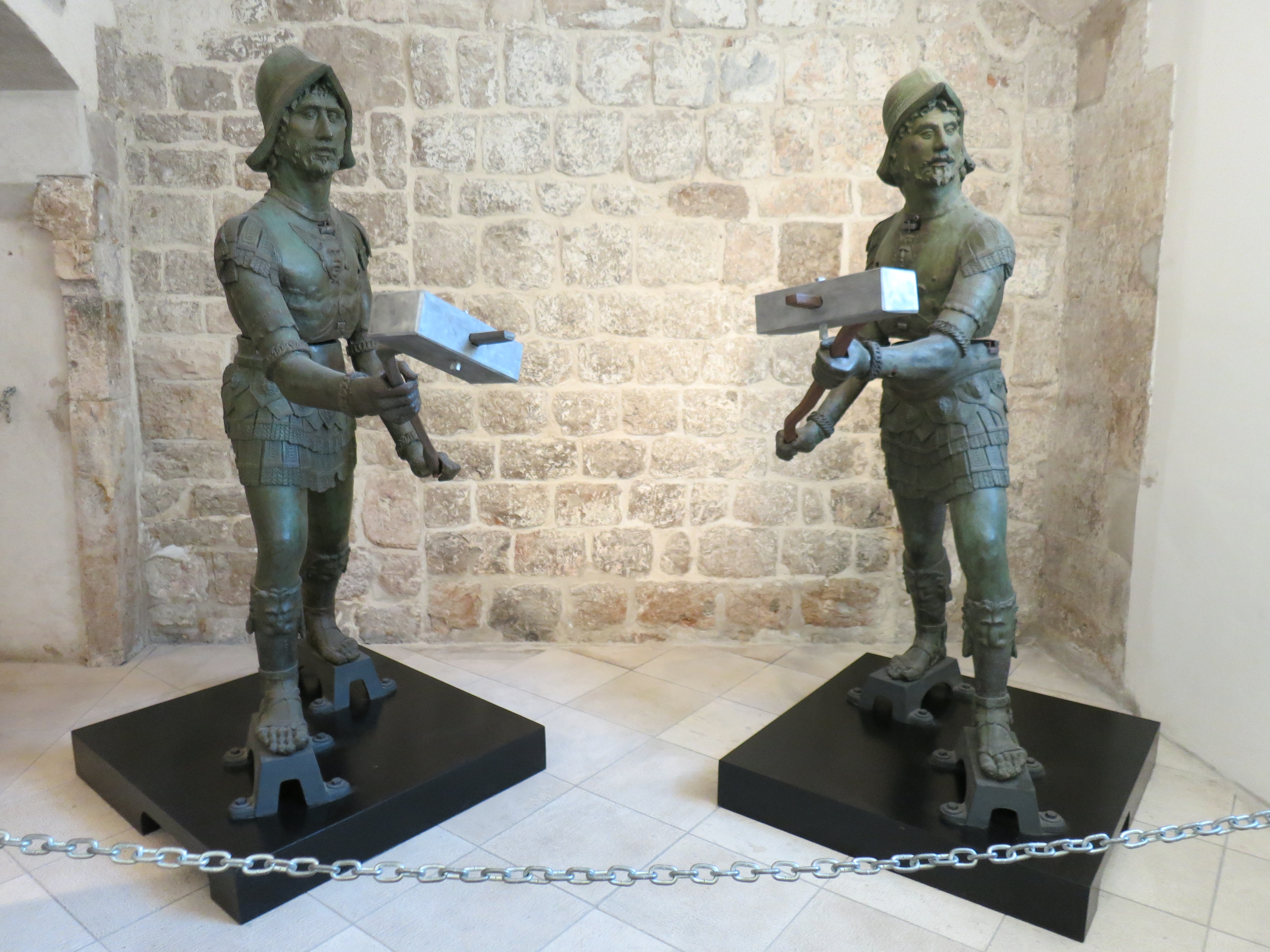
The “zelenci”–the bronze statues that hit the bell in Orlando’s Tower. I believe these are the originals and replicas currently keep time in the tower.
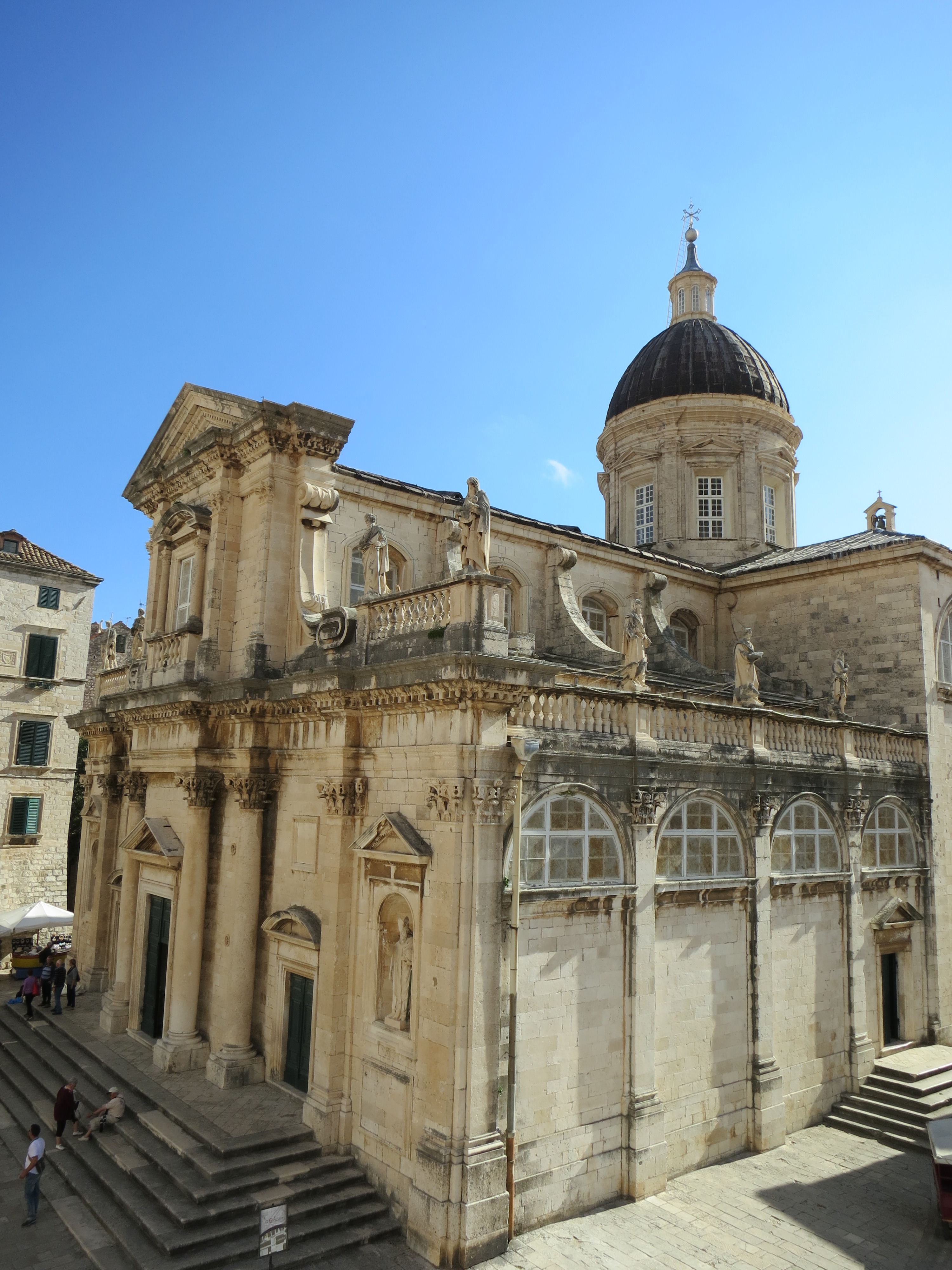
Dubrovnik Cathedral

Dubrovnik by night

Charmed, I’m sure
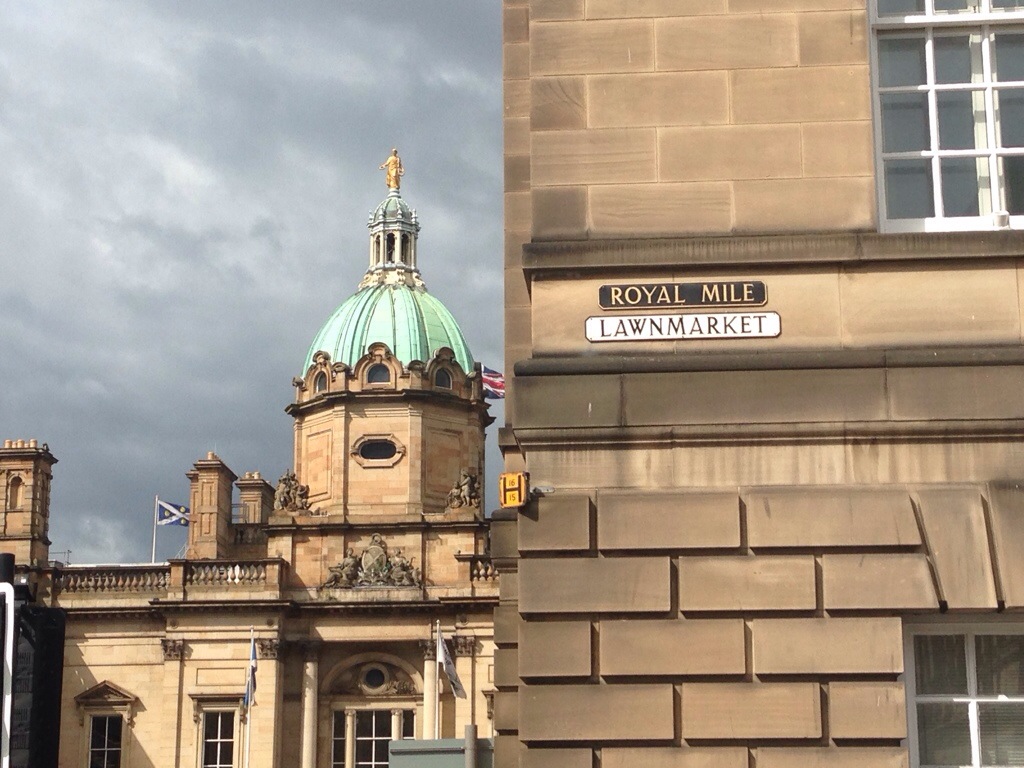
I’m having a wonderful time at the Free Fringe Fest in Edinburgh, and soon enough I’ll have time to tell you about it and catch up on other adventures (this week, a post on Dubrovnik–for all those who thought is abandoned documenting last summer, it’s not so!). But for now, here are a few blurry iPhone shots of this windswept city.

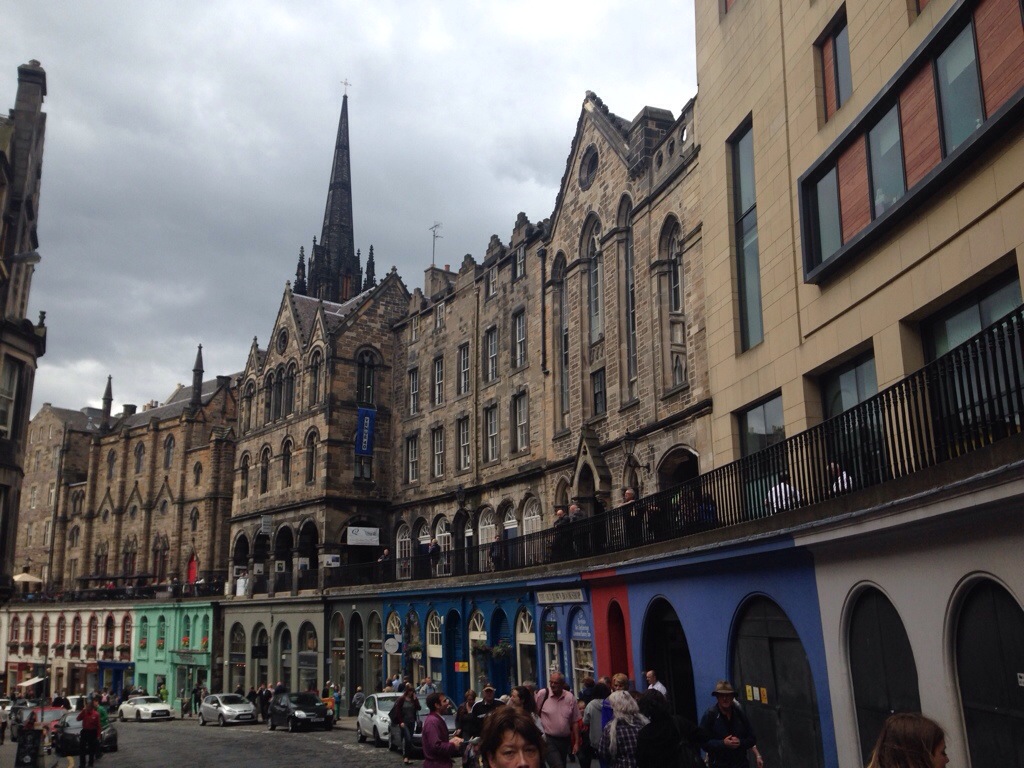
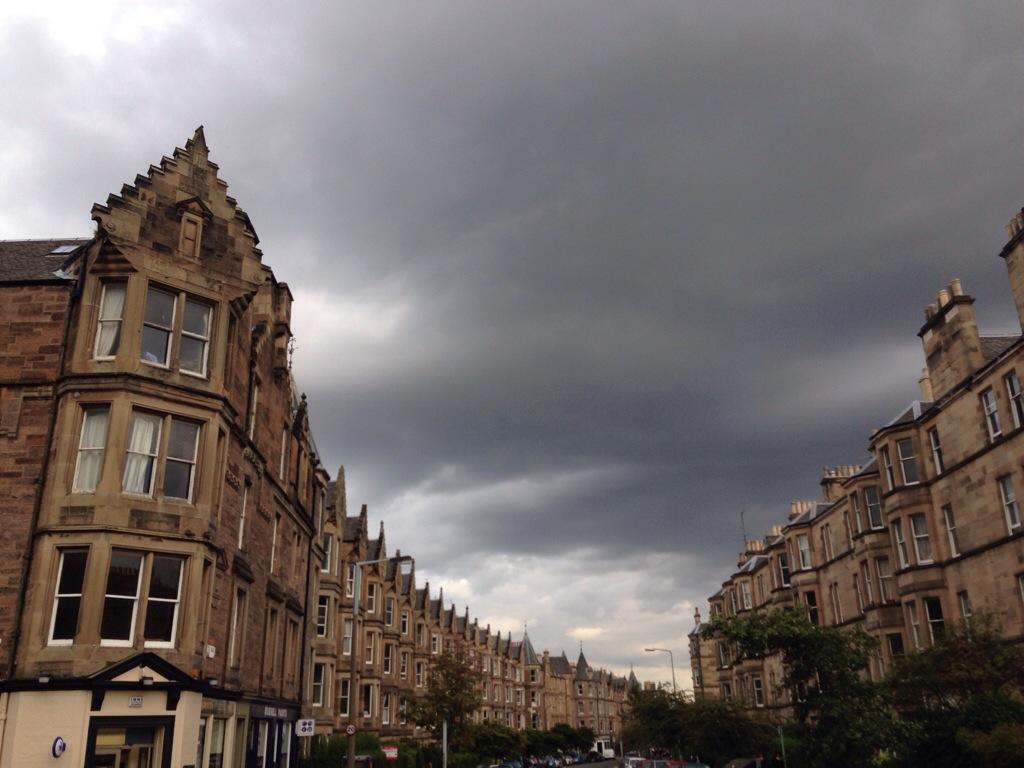



Sunset, Somewhere between London and Edinburgh

Bruges, Belgium; August 7, 2014
 Stowaway Travel Writing & Editorial Services