I think most Americans have only a few images of Australia in their minds: kangaroos, koalas, the Great Barrier Reef, maybe Uluru, and the Sydney Opera House. At least, I know that’s all I could picture before I left the States. My first full day in Sydney, I went on a walking tour with I’m Free Tours. We spent three hours visiting the many sights of the city that don’t involve a building poised to set sail–although we saw that as well.

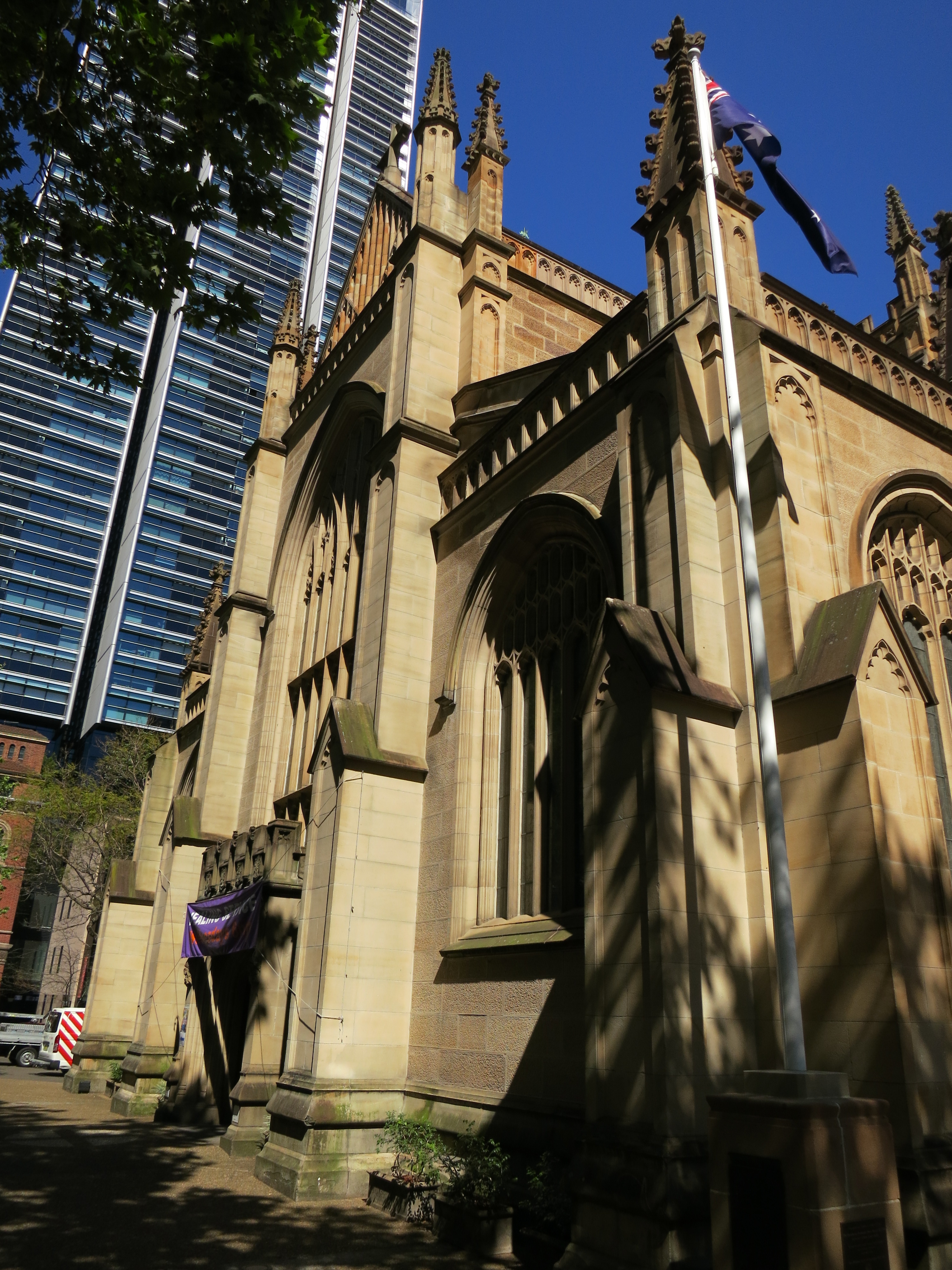
St Andrew’s Cathedral
We started at St. Andrew’s Cathedral, the oldest one in Sydney. It struck me as serviceable but not particularly impressive, and then our guide explained that this view is the back of the building. The front used to have a proper amount of lead-up space in front of it, but the city decided to build a road right about there, and the church then built a school by that road, so now it’s pretty well hidden. What an odd series of architectural choices.
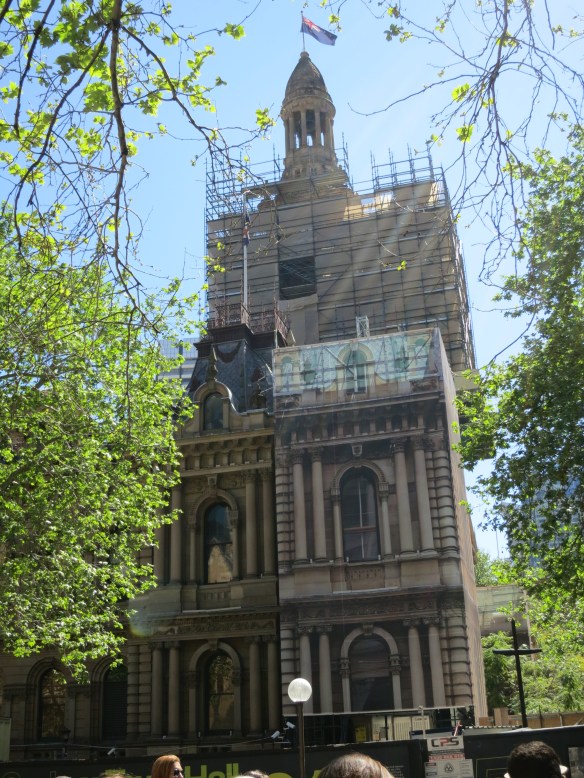
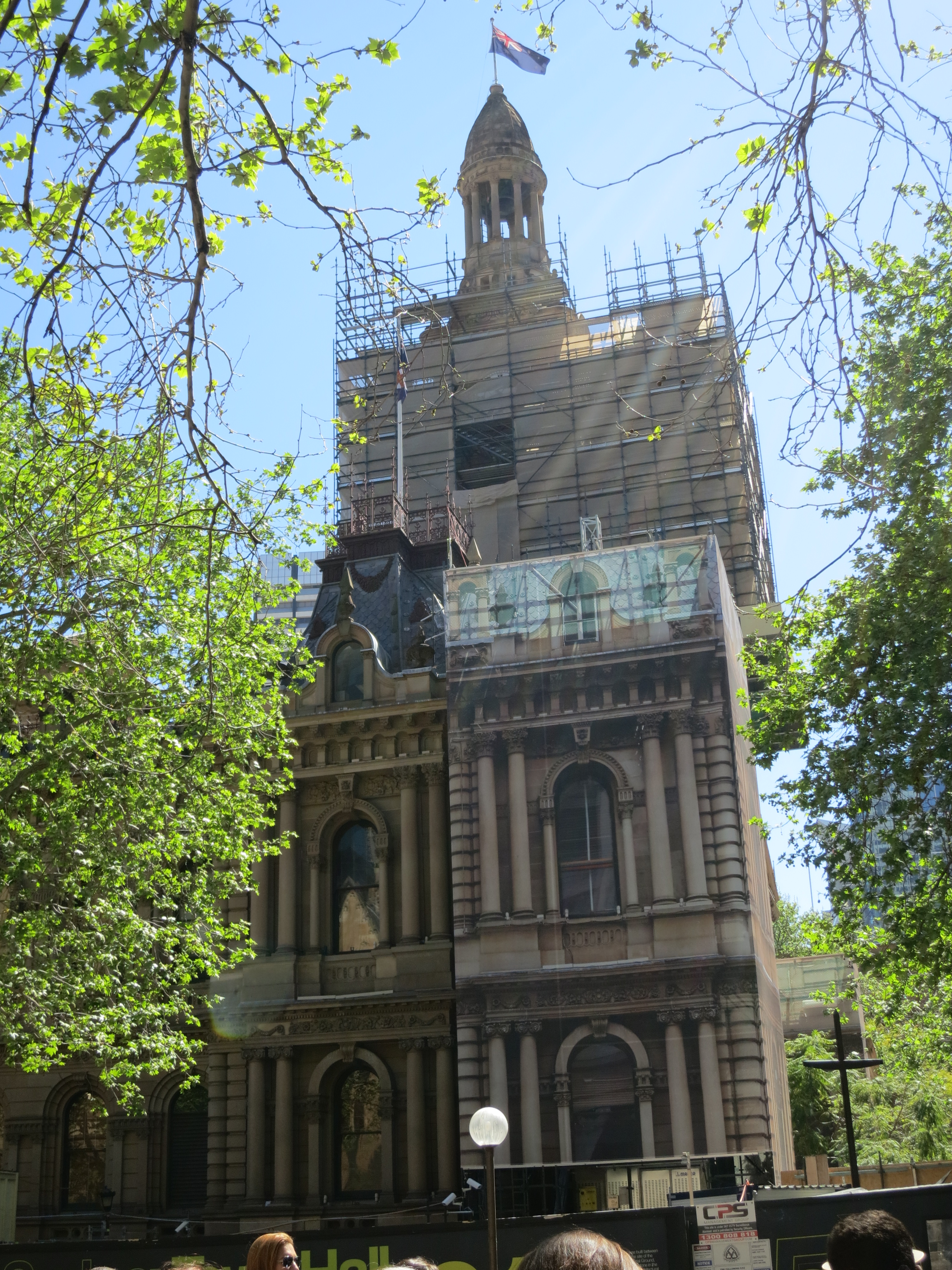
Town Hall
Town Hall is in the same square as the cathedral. It was under construction, as you can see in the photo, but after all the building originally took 21 years to complete, and our guide said finishing touches took decades more to add, so maybe scaffolding is the natural state for this building. Apparently, when they started work on the building in 1868, they knew the area had been a graveyard, and they moved some graves, but they weren’t terribly thorough. As recently as 2007, restoration workers found new graves in the foundations. A messy business!
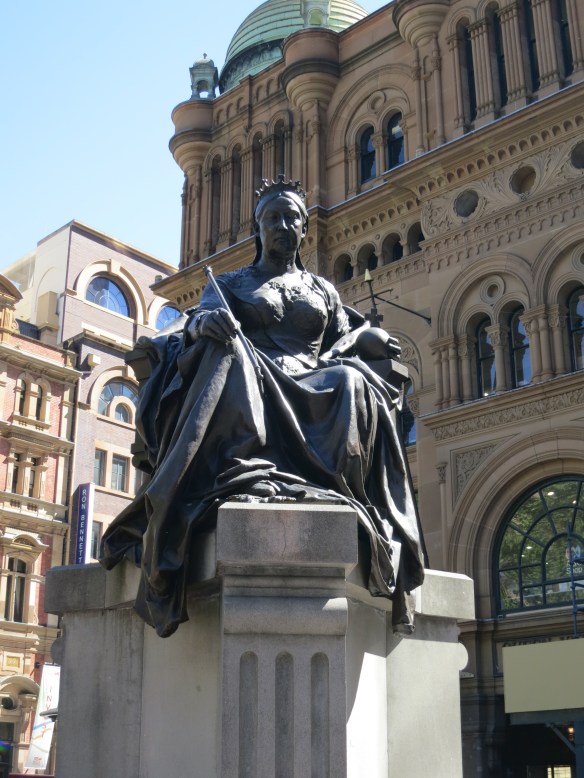
Queen Victoria Building

The cupola of the QVB
Australians shorten the names of just about everything, so it’s no surprise that the Queen Victoria Building, an indoor marketplace, is just called the QVB by locals. It’s been many things through the years, including a library and the city council building, but now it’s back to its original purpose, more or less, as a three-story shopping mall. Nothing too special about that, but the interior is lovely–graceful arches, wrought-iron balconies, stained glass windows. Two elaborate clocks have little mechanical figures performing scenes from British and Australian history, including the hourly beheading of Charles I. And there’s a statue of a dog outside that talks when you throw coins in the fountain, although it wasn’t working when we tried. AND Queen Elizabeth II wrote a letter to the people of Sydney and put it in a vault in the QVB, and it can’t be opened for another 70 years. This building is a collection of quirks.

St Mary’s Cathedral

Archibald Fountain
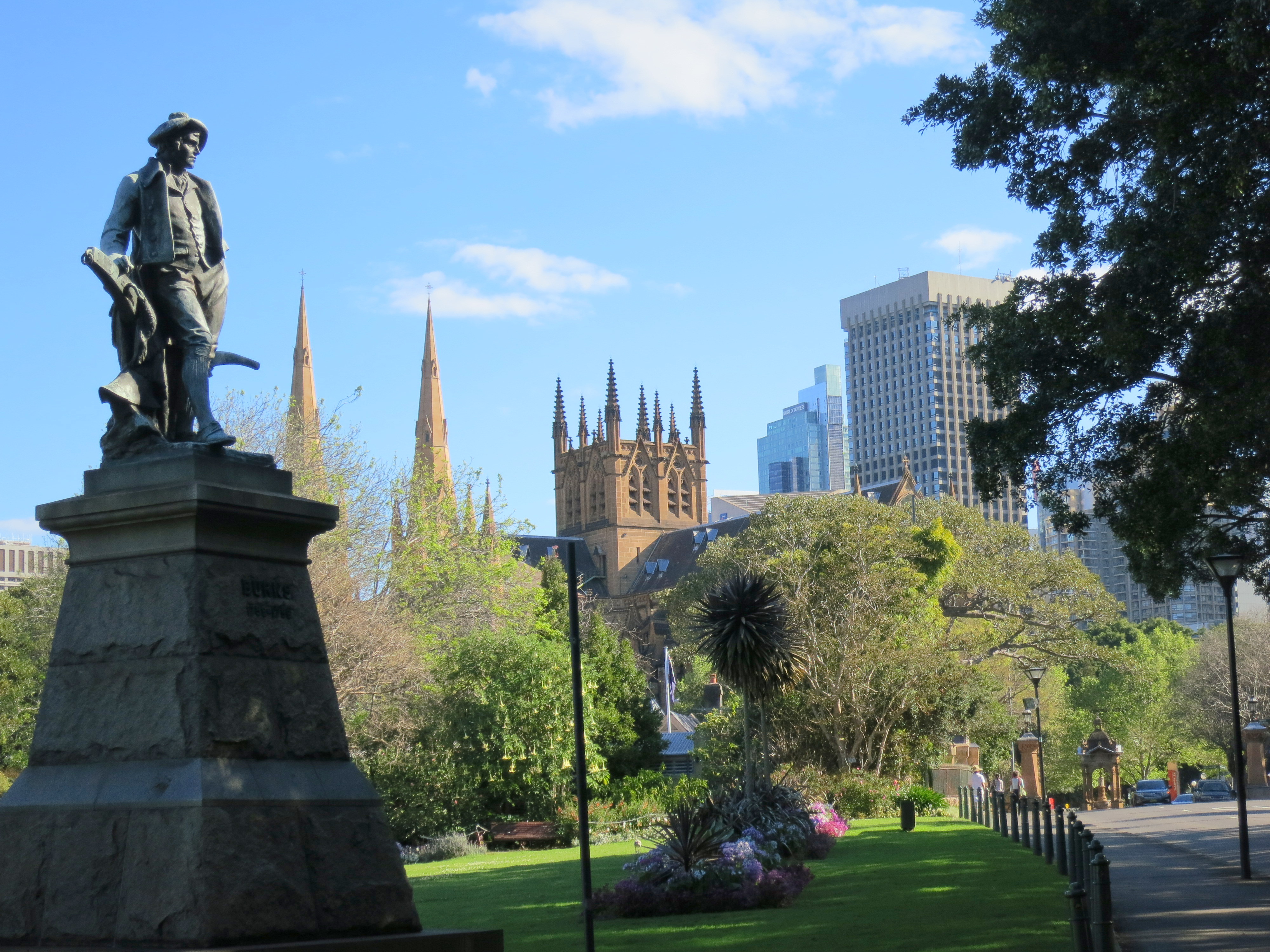
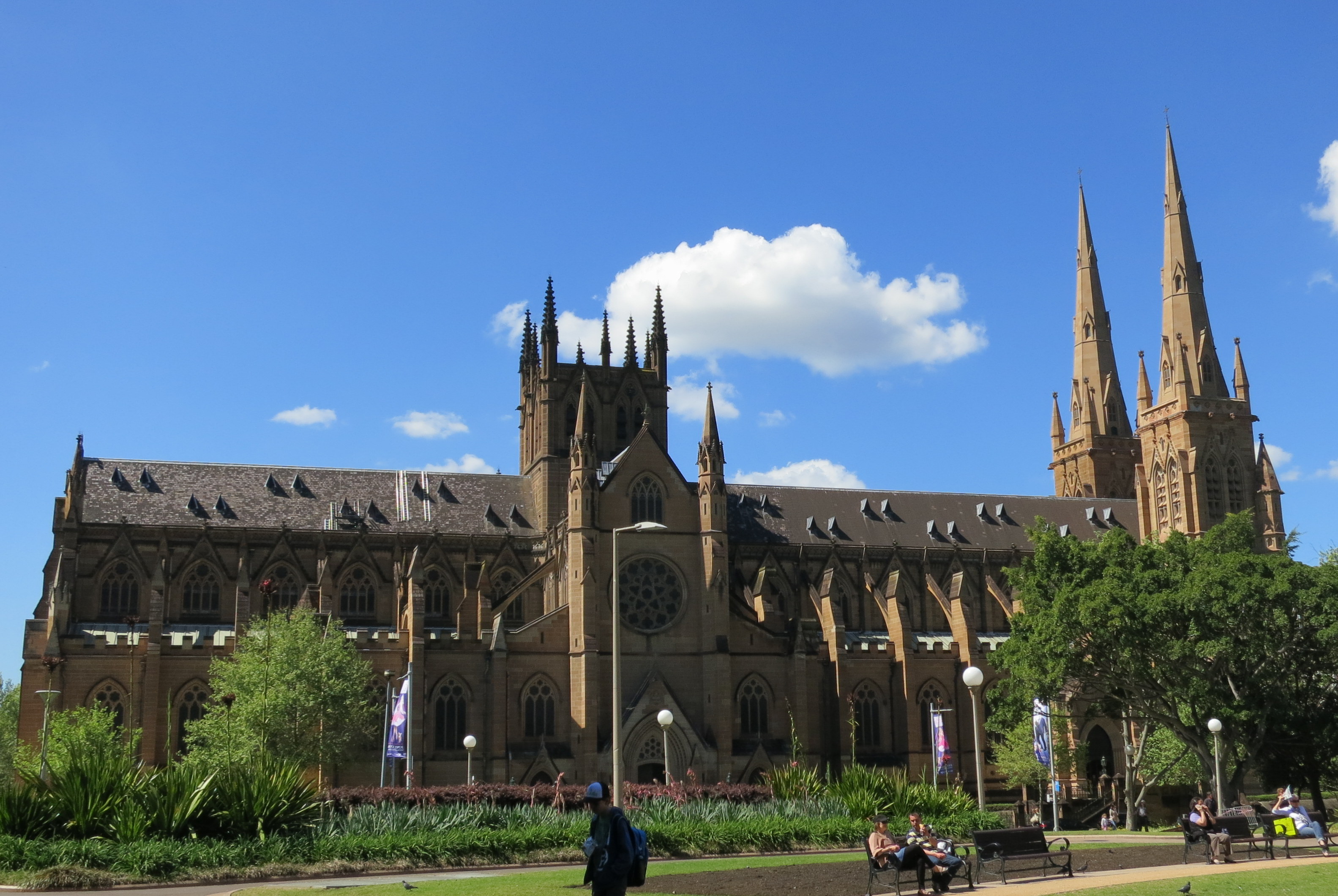
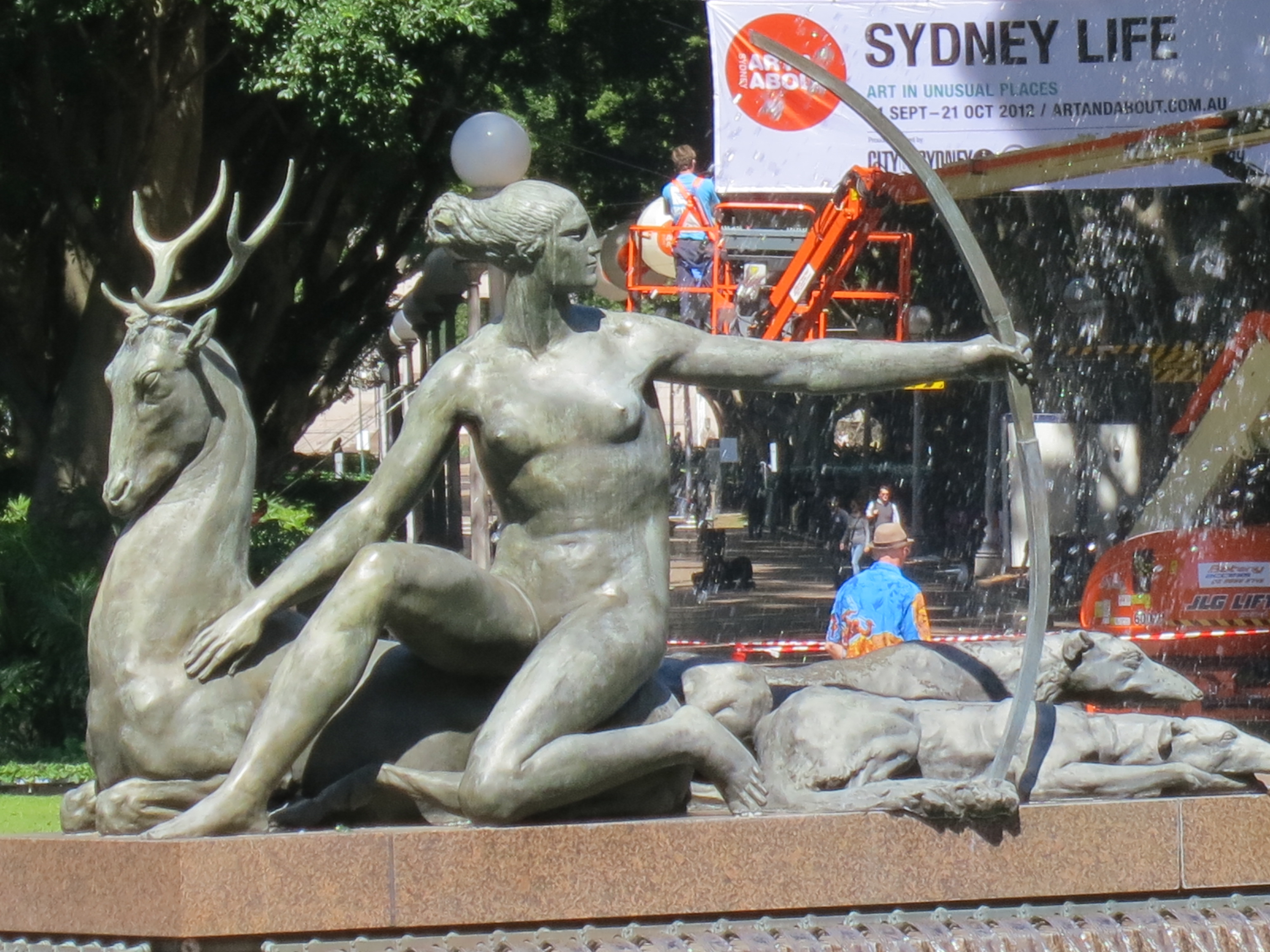
Hyde Park is a tenth the size of its namesake in London, but it’s the same idea–an oasis of green amidst the city bustle. Boy Scout groups lunched on the lawn, two people with furrowed brows played a game of chess on a giant board, and a model posed for photos at Archibald Fountain. St. Mary’s Cathedral, the largest one in Sydney, sprawled gracefully to our left as we stood under an avenue of trees and listened to our guide tell us about the fountain, which was an international affair–commissioned by an Australian, created by a Frenchman, and built to show classical Greek mythical figures.
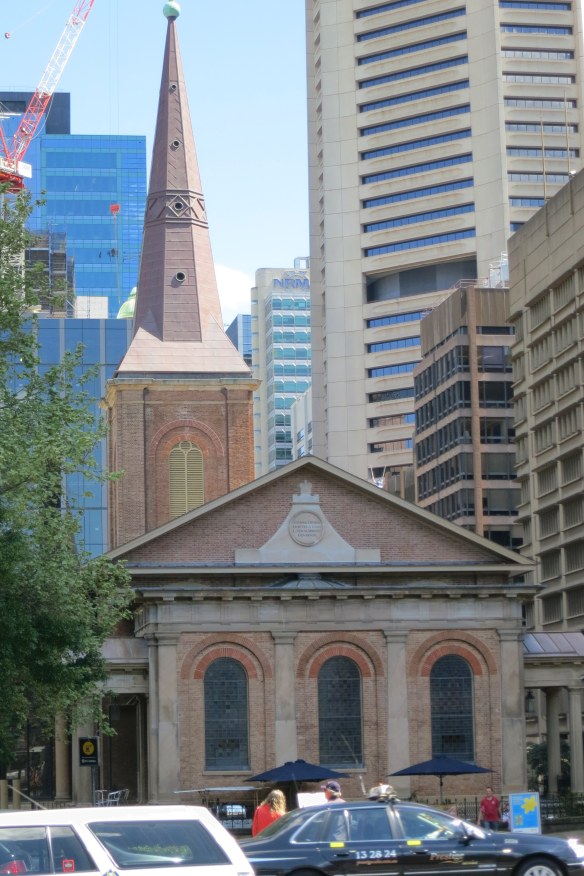
St James’ Church
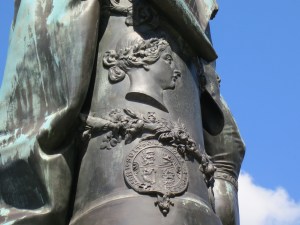
Albert the Good statue

Hyde Park Barracks
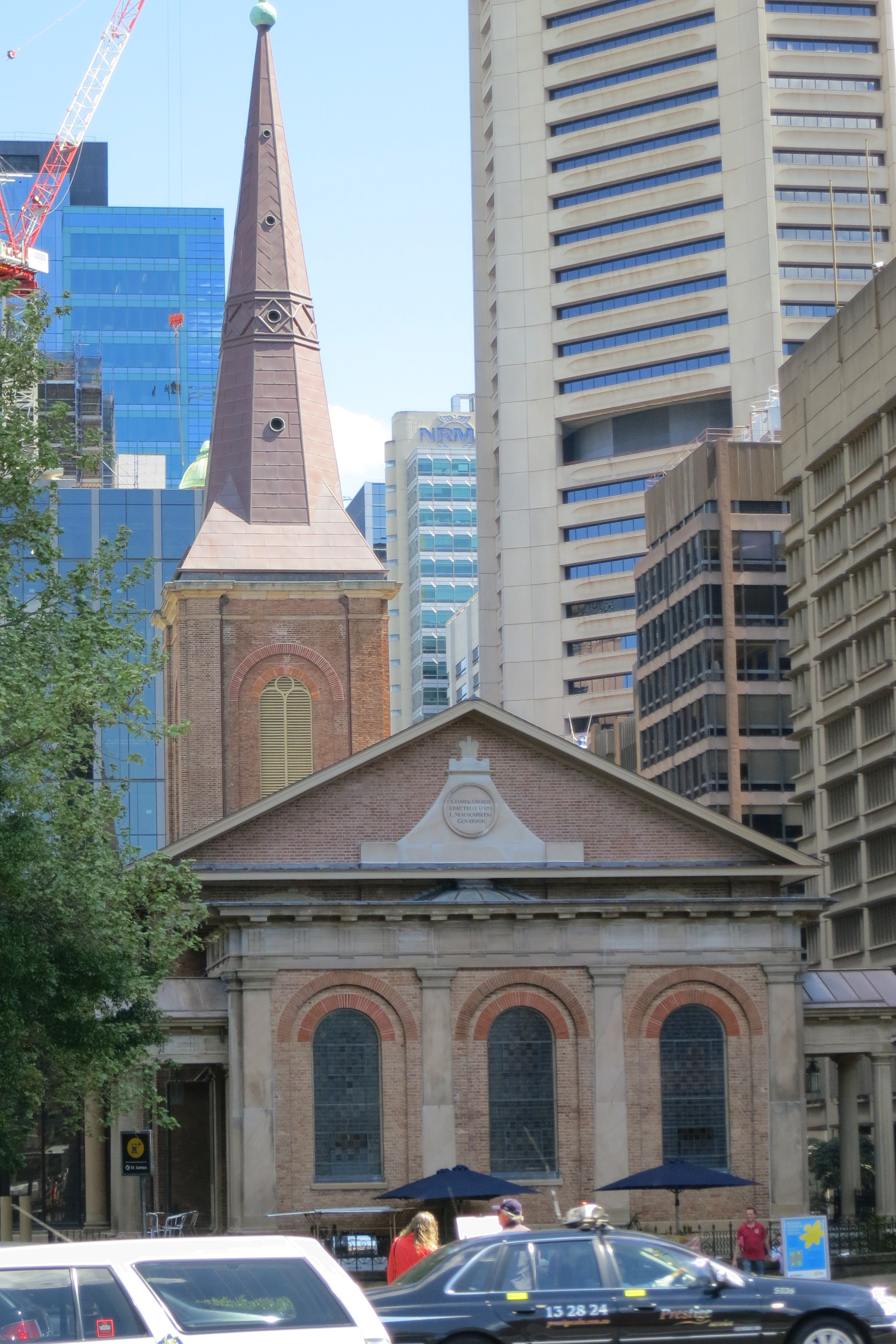
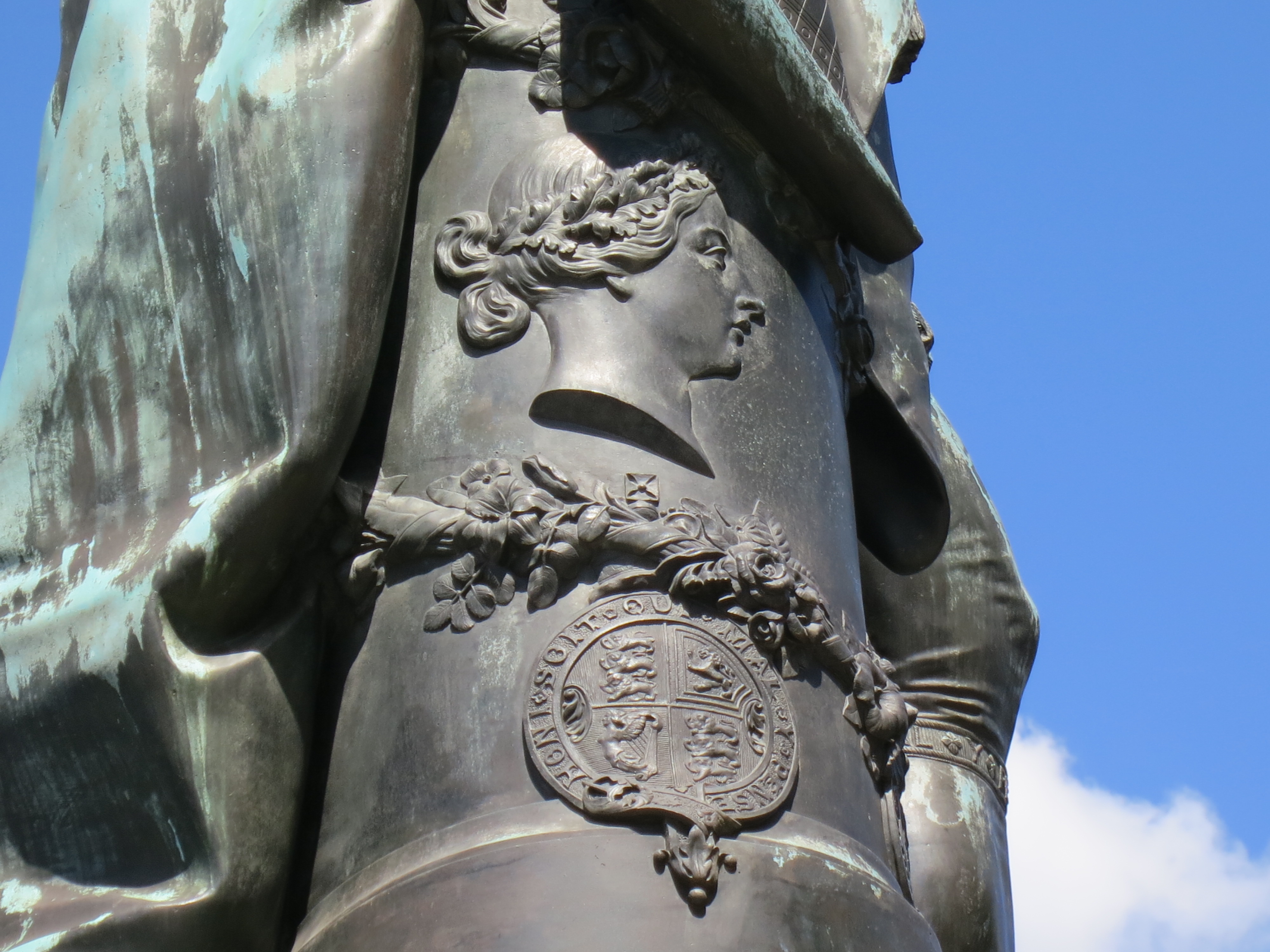
Just past Hyde Park, Macquarie Street is full of historical buildings and monuments. St. James’ Cathedral was the highest point in Sydney for a long time–as you can see, that’s no longer the case. We passed yet another statue of Queen Vic, although this time a statue of her husband looked across the street at her. She was really attached to him, though, so there’s a portrait of her face carved into the half-column to his right. Nothing says love like pressing the side of your face into your husband’s thigh on a major road. We passed the Hyde Park Barracks, which was commissioned by Governor Macquarie in 1818 and designed by a convict, Francis Greenway, who was sent to Australia for forgery. New beginnings!
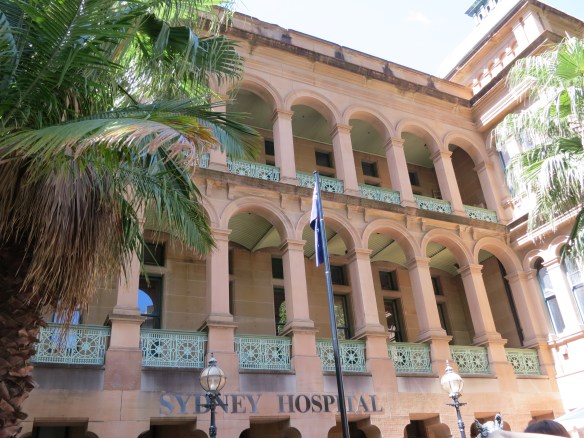
The Rum Hospital
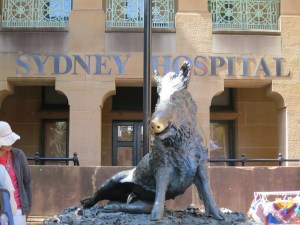
Il Porcellino
The first hospital in Sydney wasn’t built by taxes or philanthropy, but by booze. Governor Macquarie wanted to build a hospital but the British government didn’t deign to provide funds, so he came up with a workaround: a few local businessmen would front the money, and in return they’d get a monopoly on rum imports for a certain period of time. Thus, the nickname for the collection of three buildings: The Rum Hospital. Today, one of the buildings is a museum to the national Mint, while the central building remains a working hospital. A replica of “Il Porcellino,” a bronze boar statue in Florence, was placed in front of the hospital in the 1960s. You can rub his snout for luck, although closer inspection reveals that people are rubbing, um, other parts of its anatomy as well.
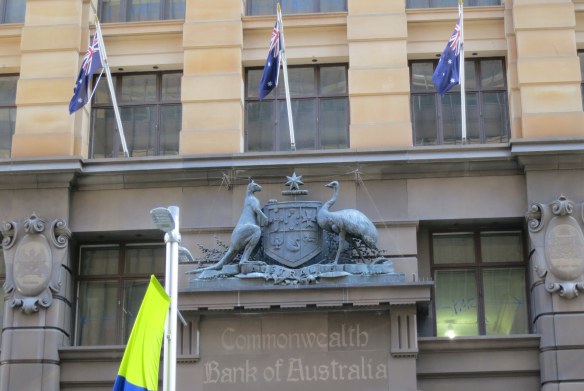
The national crest
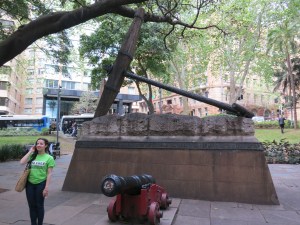
First Fleet anchor
The Australian coat of arms, which we saw on the national bank building, features the emu and the kangaroo, two native animals that were chosen in part because they were believed to only be capable of moving forward, not backward, and thus they represented progress. (In reality, the animals can, but rarely do, move backward. But let’s not be spoilsports.) We walked past the anchor from one of the ships in the First Fleet, which arrived in 1788 with hundreds of convicts and a couple hundred Marines, sent from England to establish a colony.
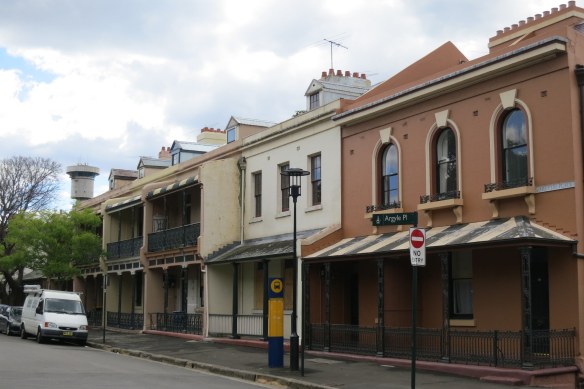
The Rocks

One of two pubs in Sydney claiming title to oldest
Our last stop before looking at the harbor was The Rocks, which is the oldest area of Sydney. As with so many other cities, this once dangerous area has been sanitized almost past the point of recognition. It was the docks originally, and now it’s got museums about the docks, and several high-end restaurants. Still, many of the original buildings have been saved from destruction and repurposed, which I think is generally a good thing.

A glimpse of the Harbour Bridge
And then, at last, we reached the harbor. While I’d only ever heard of the opera house, Sydneysiders (as Google tells me denizens of Sydney are called) are also really, really proud of their bridge. When it was first built, critics called it “the coat hanger,” but it’s a solid addition to the skyline. You can climb up to the lower part of the bridge and walk across it, on a path that runs parallel to the road, or for a couple hundred dollars, you can hitch yourself to a dozen other people and walk up the curved part of the bridge, to the very top. I opted not to do either of these things, and just admired it from afar.

Sydney Harbour Bridge
And finally, we turned to the right and saw the Sydney Opera House, a beautiful building that has been described variously as a collection of sails, a flower opening, and a group of clams or seashells. I saw the sails resemblance, probably because there were plenty of sailboats out on the water while I was in Sydney, prompting a comparison. The building was designed by Danish architect Jorn Utzon in 1957, although after a few years and some changes in government, he was scandalously forced out of his own job and not paid in full. Drastic cost-cutting changes were made to his designs, some of which affected acoustics, which is unforgivable in a performance space. Utzon was so upset at his ill treatment that although he lived until 2008, he never returned to Australia. A kind of reconciliation seemed to occur in 2004, when they named a room after him in the Opera House, but overall it was a shady business that damaged a man’s career and a great performance space. Still, it remains an iconic building, and one that doesn’t hurt for performance engagements despite the acoustics.
In all, it was a great tour, with a friendly guide and just enough information to pique interest but not overwhelm. If you’re in Australia, I recommend the I’m Free tours, which are apparently also in Melbourne.

Sydney Opera House

That was a good walking tour






 And finally, here’s the most self-satisfied satyr I’ve ever seen:
 I mean, look at that face:













 Stowaway Travel Writing & Editorial Services