
Utrecht, The Netherlands, March 6, 2010
Whatever your mode of transport this Thanksgiving, safe travels and have a wonderful holiday!
I’ll be taking the rest of the week off and will have a new My Kind of Town Monday up for you next week.
Utrecht, The Netherlands, March 6, 2010
Whatever your mode of transport this Thanksgiving, safe travels and have a wonderful holiday!
I’ll be taking the rest of the week off and will have a new My Kind of Town Monday up for you next week.
When I first read The Diary of Anne Frank, I was 12 or 13 years old, about the same age as Anne was when she started the diary. I had a completely adolescent reaction to the first part of the story; I was envious of how popular she was at school with all her friends, when I was pretty friendless at mine. By the end of the book, I liked her so much I wished we could hang out and be friends. That’s how instantly relatable Anne is — not a blandly “universal” character, but one with her own personality, dreams, and worries.
She had a great eye for detail, and had plenty of time to turn it to the hiding place she lived in with her family and others for two years. The result was a description so fine that one could sketch out an exact replica of the Annex (the hiding place), including all the furniture and odds and ends. When I was younger, I was into floorplans and the ways homes were laid out. I would sketch the grand houses of my imaginary characters and make up stories of them moving around those spaces. So I probably focused on that aspect of the diaries more than most kids, and tried to imagine just how small the Annex was and how all the beds and tables and sinks fit together.
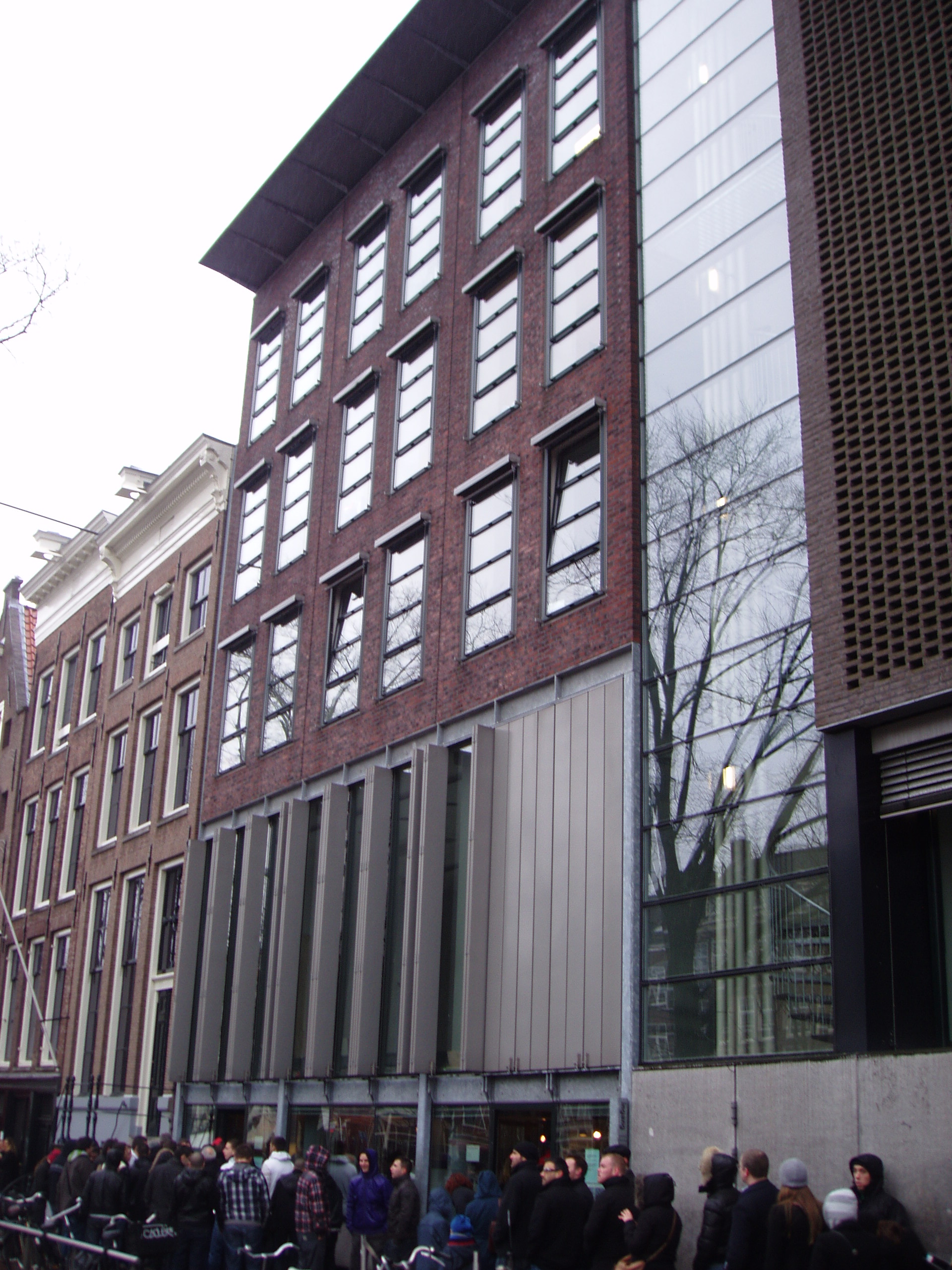
The Anne Frank House in Amsterdam (photo by me)
This March, I visited a friend in The Netherlands and spent a few days touristing in Amsterdam. I stood in a long line outside the Anne Frank House on a rainy day, watching canal boats glide by and listening to the Westerkerk chime the hour. Once inside, I bought my ticket and selected an English pamphlet from the many language options. It’s a self-guided tour, and there’s a constant stream of people, which is a little unsettling in the building that once housed just a small office and a back room of people for whom every visitor meant possible discovery and arrest. I followed the crowd, reading the small placards placed along the way and peering at the photographs hung on the wall. I had forgotten that the Annex was attached to Otto Frank’s office, not to a residence. Much of the material at the front of the house focused on how the office functioned before they went into hiding, and how the “helpers” smuggled food into the Annex.
Otto Frank had requested that any museum made of the house not include the furniture; he said the emptiness of the place would symbolize how everything they had was taken from them. So I didn’t get to see all the pieces fit together as I’d imagined when I was penciling improbable architectural structures on my sketch pad. How that furniture would fit in there anyway, I don’t know, because these rooms were tiny. If you go to http://www.annefrank.org/ the museum has set up a neat 360-degree view of each room with the furniture intact, so you can get an idea of how everything was set up. Even with that guide, when I was standing in the rooms and looking around me, it seemed impossible. How eight people could fit into this small space (and a teenaged Anne sharing a room with a middle-aged man because there was no room in her family’s room, at that), I still don’t see, except that needs must. They had to fit, so they fit. They had to put their lives on hold for fear their lives would end, so they put their lives on hold.
It was such a dark place, too. They had blackout curtains drawn all the way down or almost all the way down in each room in the Annex, so you could get a real idea of how each day looked to the Franks, the van Pelses, and Mr. Pfeffer. It looked dark, and small, and dull. Anne talks about how bored she is several times in the diary, and it’s no wonder. She’s bright, young, and full of energy, but she has to be practically silent for two whole years, confined to a tiny space with her parents, sister, sometime boyfriend, and three other adults. Distractions are few and frivolity almost impossible. Long before her life was taken from her, her adolescence was stolen away, or at least forced into unnaturally cramped conditions.
At one point in the diary, Anne writes, “I wander from room to room, climb up and down the stairs and feel like a songbird whose wings have been ripped off and who keeps hurling itself against the bars of its dark cage. ‘Let me out, where there’s fresh air and laughter!’ a voice within me cries.” In most other diaries of girls her age, this is usually teenage angst and hyperbole. The heartbreaking thing about Anne, and what visiting the museum made more real and terrible to me, is that while she felt the usual swirl of teenage emotions and conflicting desires, she did so within a fatally dangerous world that made her imprisonment all too real. And yet she never stopped writing.
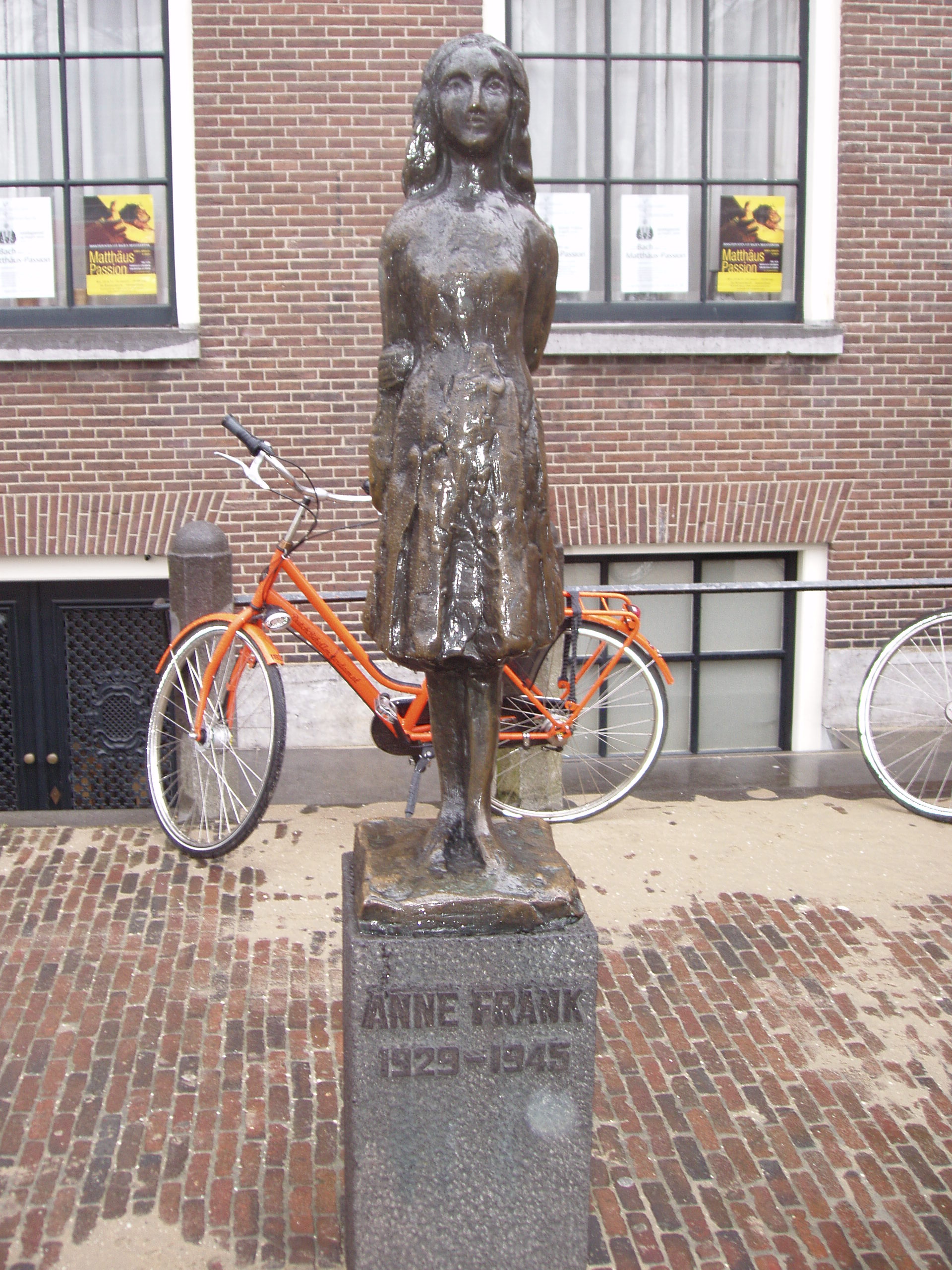
Anne Frank memorial statue (photo by me)
Greetings from exotic Chicago! I am back on American soil and happy to be so. A report on the airplanes: about as uncomfortable as expected, but no worse so. I sat next to a man on my O’Hare-Heathrow flight who said that United is the worst of the major airlines, because they took all the inches of legroom in Economy and moved them to Economy Plus, where you pay an extra hundred bucks for the privilege. I certainly felt the difference. I was squished just sitting in the seat, of course, but trying to find a relaxing pose for my legs proved highly difficult. Especially on the eastward flight, you want to sleep, so stretching out somewhat is important. I must’ve looked like a college freshman eager to prove my comic chops on my improv troupe tryout, as I first spread my legs like a dude, one foot in the aisle and the other edging into my neighbor’s space; then pressed my legs together and sat low in my seat to shove my feet under the seat in front of me; then threw my weight to one side of the seat and wiggled my hips and legs toward the other side two inches away; then pulled my legs up and held them in mid-air; and finally settled on a rotating roster of all these options. I didn’t sleep on that flight, and it wasn’t from excitement to be traveling. I did pony up the extra cash for Economy Plus on my return flight, and if anyone has any doubt that the airlines’ anti-fat policies are anything but profit-grubbing, they only need look at that Heathrow-O’Hare flight to see the ten of us who’d paid extra spread out, while everyone else who could barely afford the basic ticket sticking it out in the back. Hell yes I paid more to make it through the eight-hour flight. Lucky for me I had that option.
But anyway. The time I spent NOT on airplanes was pretty great. I saw a lot of family and friends, and even got in some sightseeing. I can show you pictures of the pretty, pretty canals I saw in Amsterdam, the windmill I passed in Utrecht, and the queen I dined with in London (juuuuust kidding on that one), but instead, let’s take a look at some of the less-trumpted sights of these fair cities, shall we? Because I saw some damn funny things. Without further ado:
(P.S. Formatting is way funky on this thing. I was trying for something cool and it didn’t quite work. And now I’m too tired to redo it or try again, so I’m leaving it as is and hoping you’ll find it charming. Isn’t that the American way?)

oh, art students, keep doing your thing

the happiest trash can in the world -- Marina's favorite tourist spot
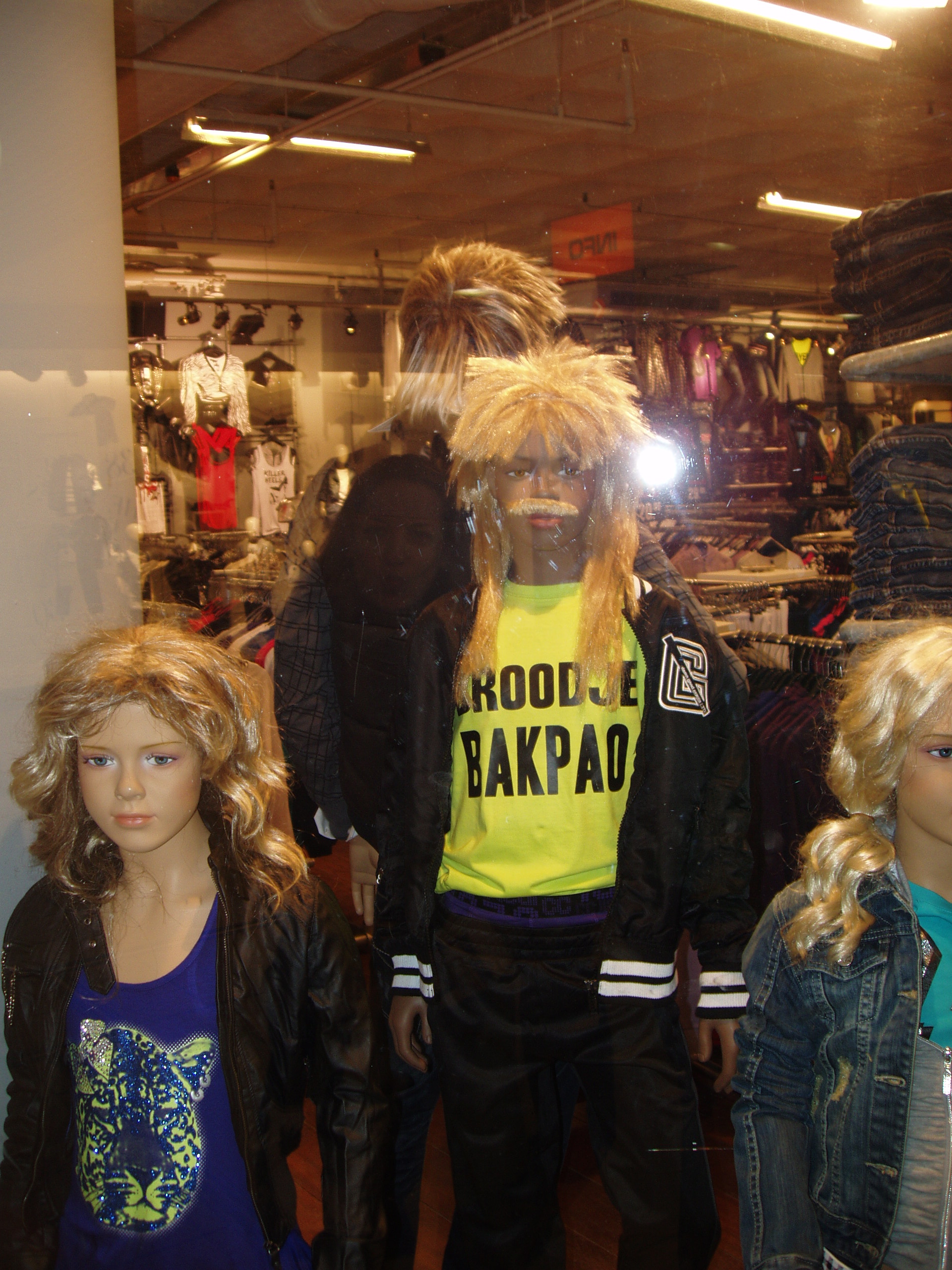
there are too many amazing things about this window display for me to even put into words

snack time, anyone? (no, not me either)

rabbits at Borough Market
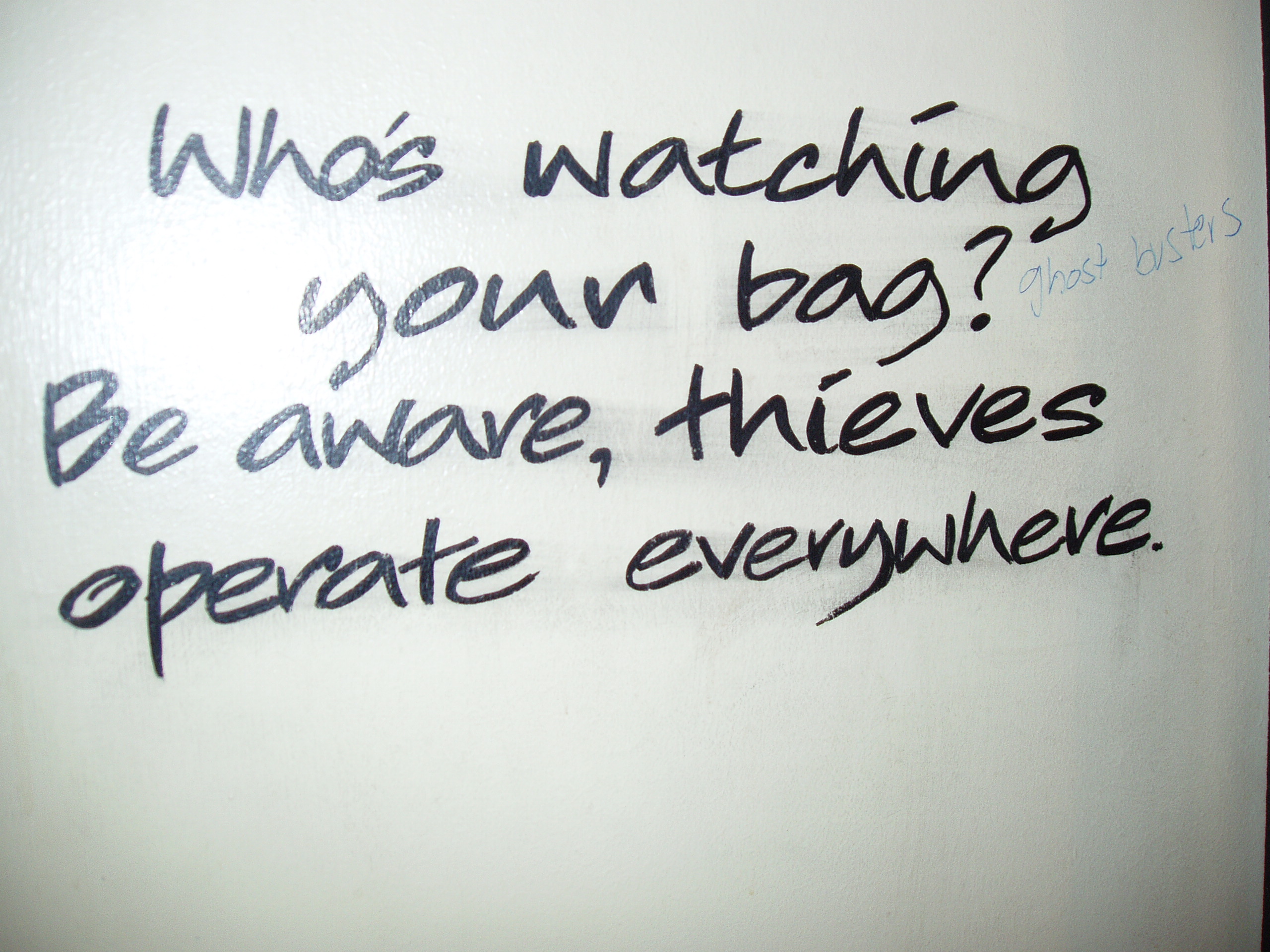
who ya gonna call?

a bad shot of the cricket jokes tea towel at my grandmother's house
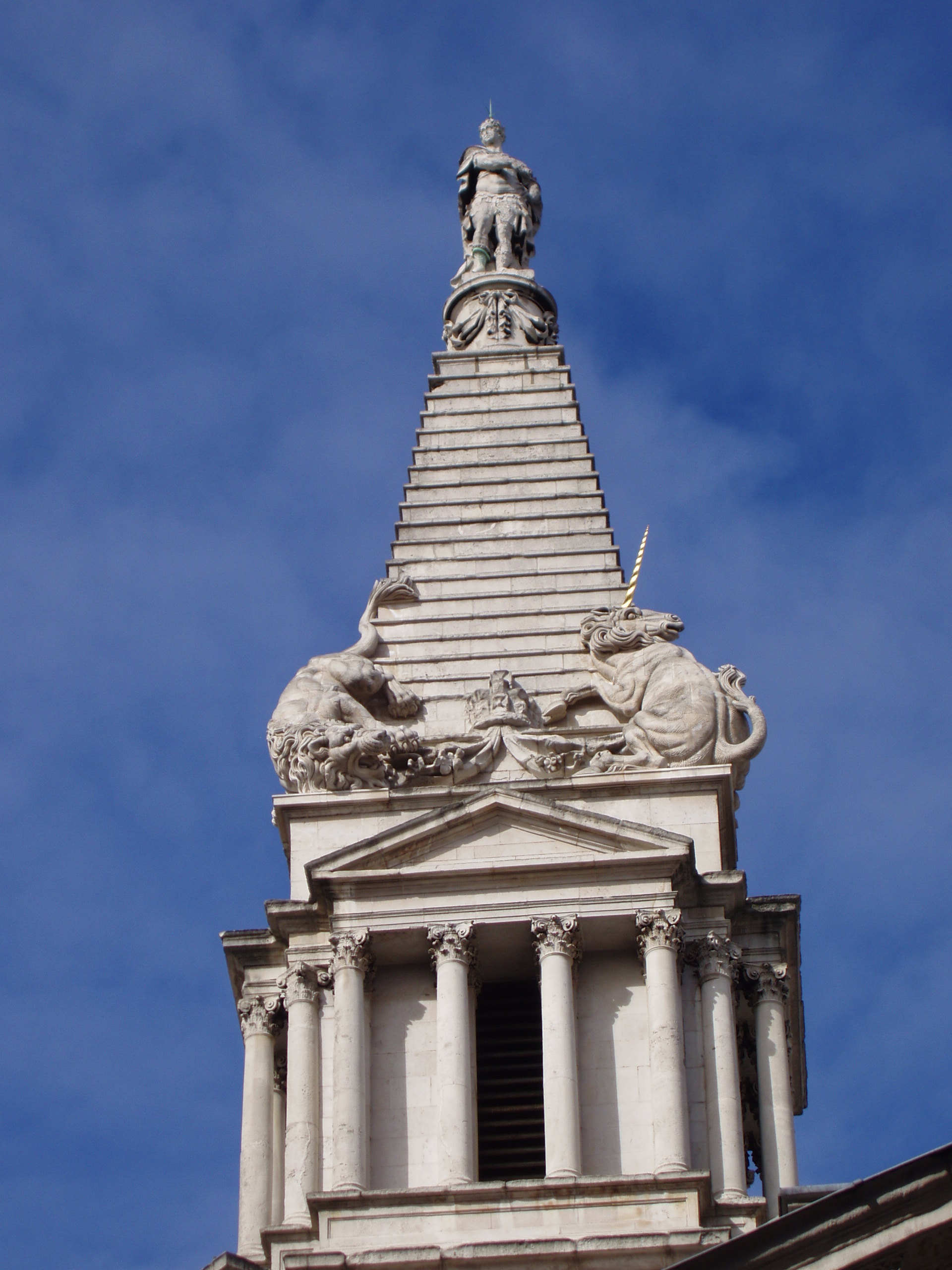
on top of a London church -- I thought all the animals were supposed to live in harmony in Jesus' world?

animatronic T Rex! everlasting love to Liz for showing me the wonders of the Natural History Museum

heaven / bar in Utrecht
 Stowaway Travel Writing & Editorial Services