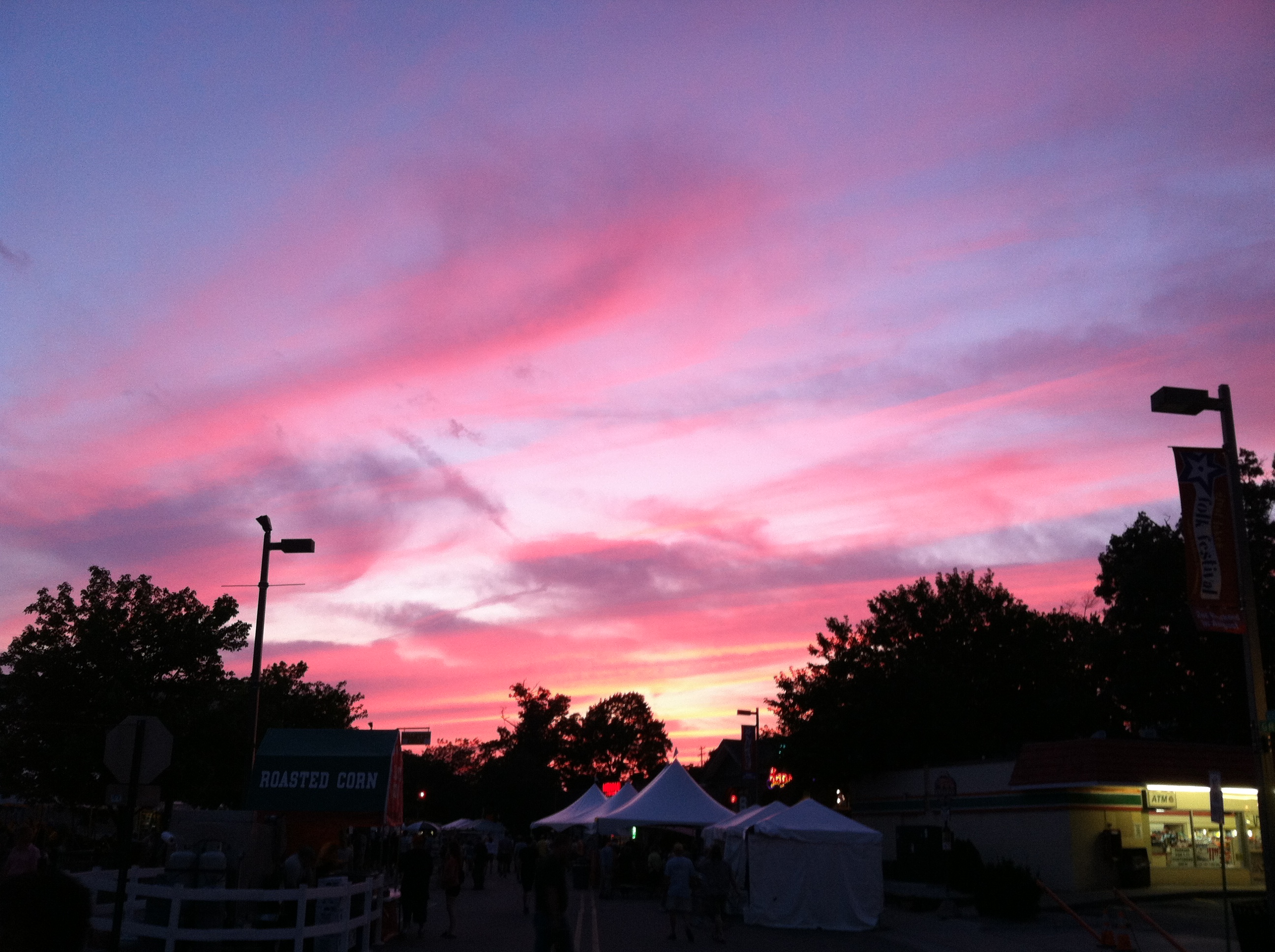
Sunset, East Lansing, MI

Sunset, East Lansing, MI

Sycamore Flower Shop & Bar, Brooklyn, New York; September 15, 2013

Sunset, on I-94, Michigan
Monday after I visited the New York Public Library, I walked along the High Line. It’s an old freight train line that was converted into a walking path in 2004. I was surprised by how much the bustle and noise of the city faded away only a little above the streets. It was busy up there, and it was quite narrow in places so it was pretty crowded, but it was still a quieter world.

View from the High Line

Plants in the train tracks
There were plenty of places to sit, and several spots where the path branched off in an outlook over the avenues. Near 14th Street, there were a bunch of food carts set up overlooking the Hudson River, and benches set up like deck chairs where people were sunning themselves in the late afternoon light.

An old black-and-white bursts into color

Art on a rooftop
I saw lots of different artworks up there, and a guy making counter-cultural miniature paintings on cardboard, and a kid who tried to pet each blade of grass he came across. It was a lovely mile-long walk on a beautiful September day.

On the West Side


The 5th Avenue branch of the New York Public Library is famous enough to make it on some tourist itineraries, including mine. When I stopped by yesterday, I went to the “cameras allowed” section of the reading room and tried to stay out of people’s photos in the rotunda on the third floor, and I watched in amusement as actual New Yorkers tried to actually use their library amid all this.

The New York Public Library

The Reading Room
Apparently the library still uses pneumatic tubes to shuttle call slips around when people are searching for books in the vast catalog, which I find delightful. They have one of the 48 surviving copies of the original Gutenberg Bible, which showed still-vibrant black ink, a few lovely illuminated letters, and what looked like notes scribbled in the margins.
It was an impressive building, and a fine place to pass an hour.

The Map Room of the New York Public Library

Me and the globe
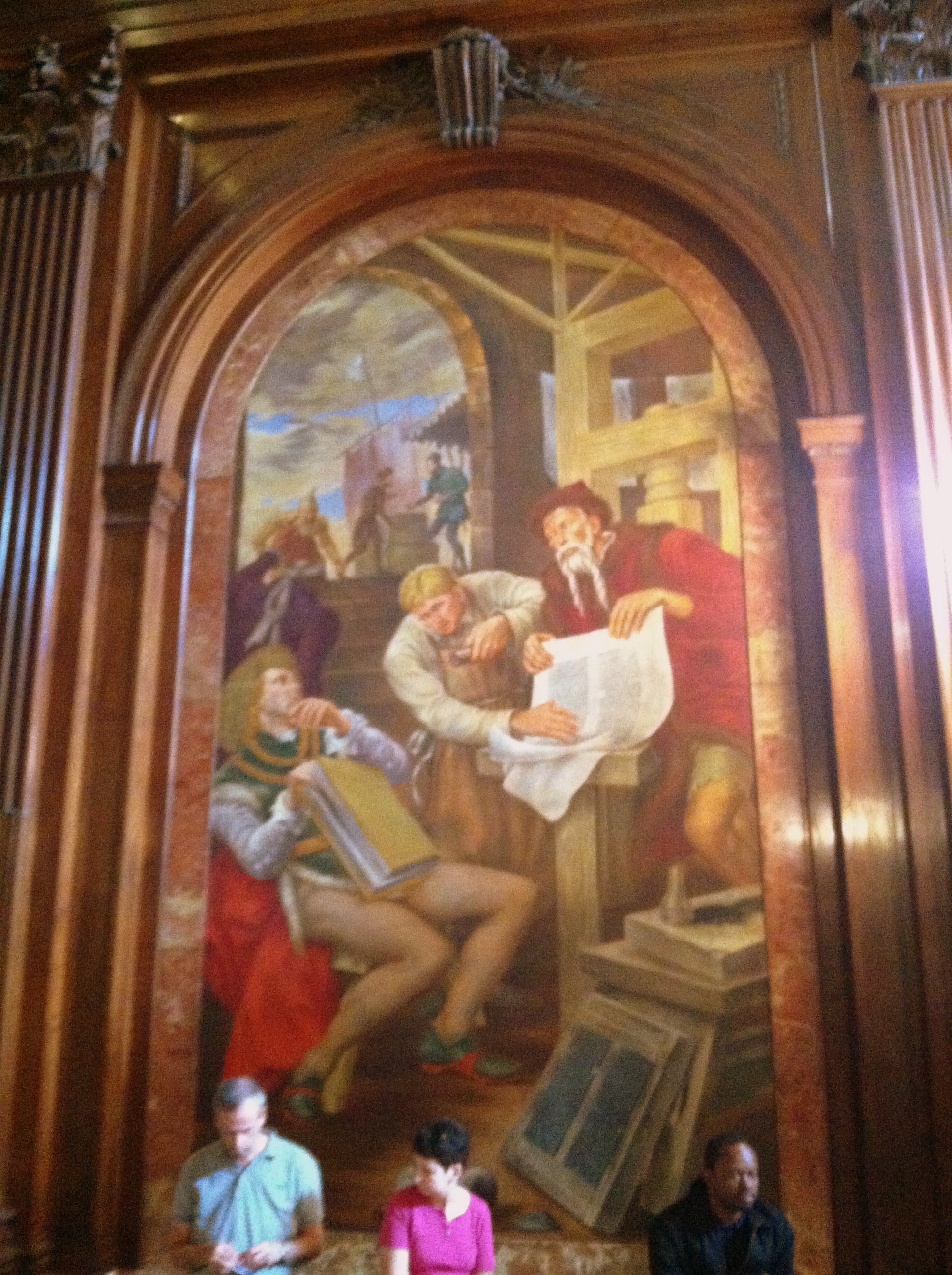
One of four panels showing the history of books in Western civilization–one guy is rocking jorts and the other guy decided pants weren’t necessary at all. That is what I took from this.
Here are some cool cars I spotted around the world.

Hawaii

Byron Bay
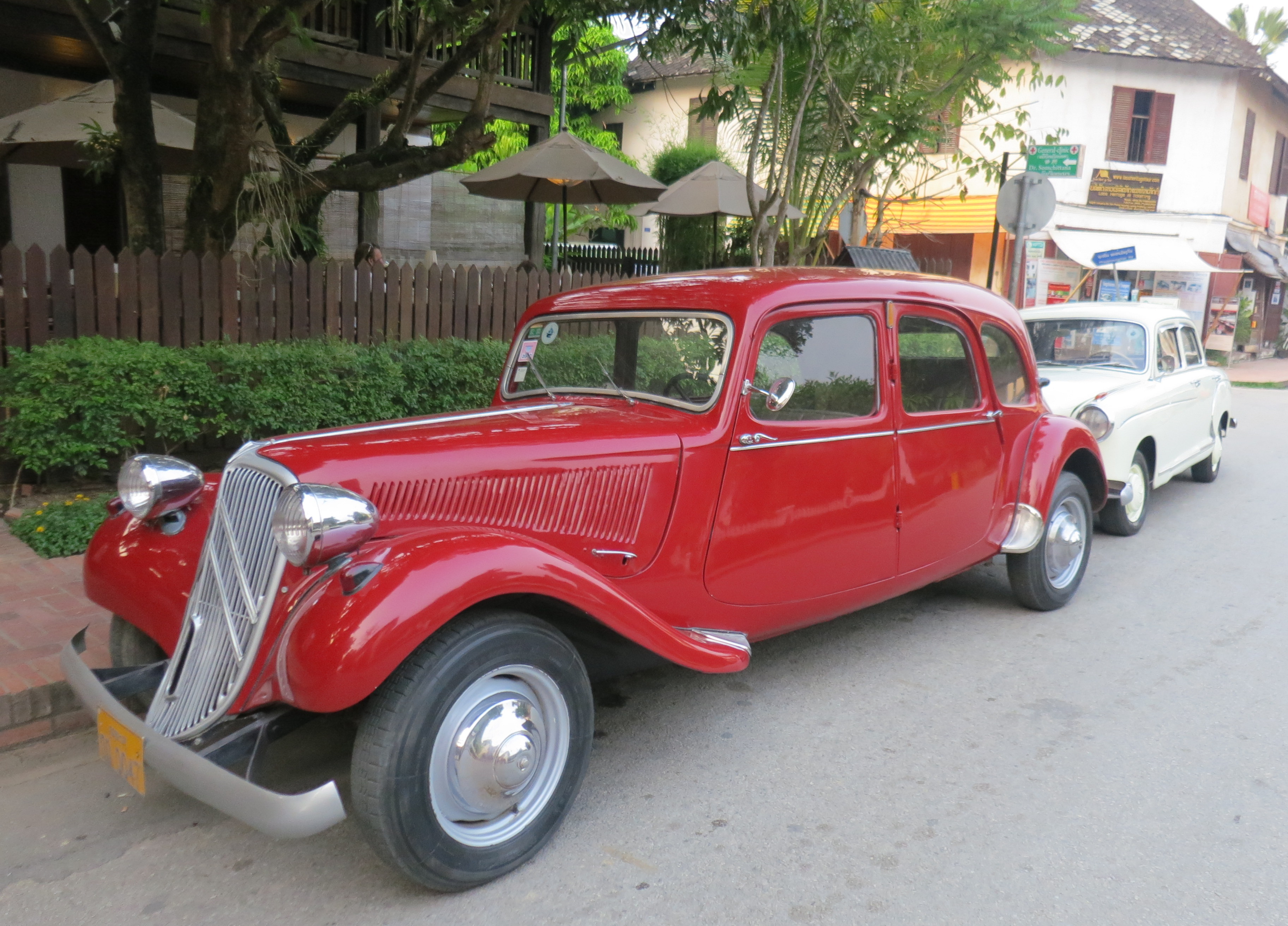
Luang Prabang

Luang Prabang
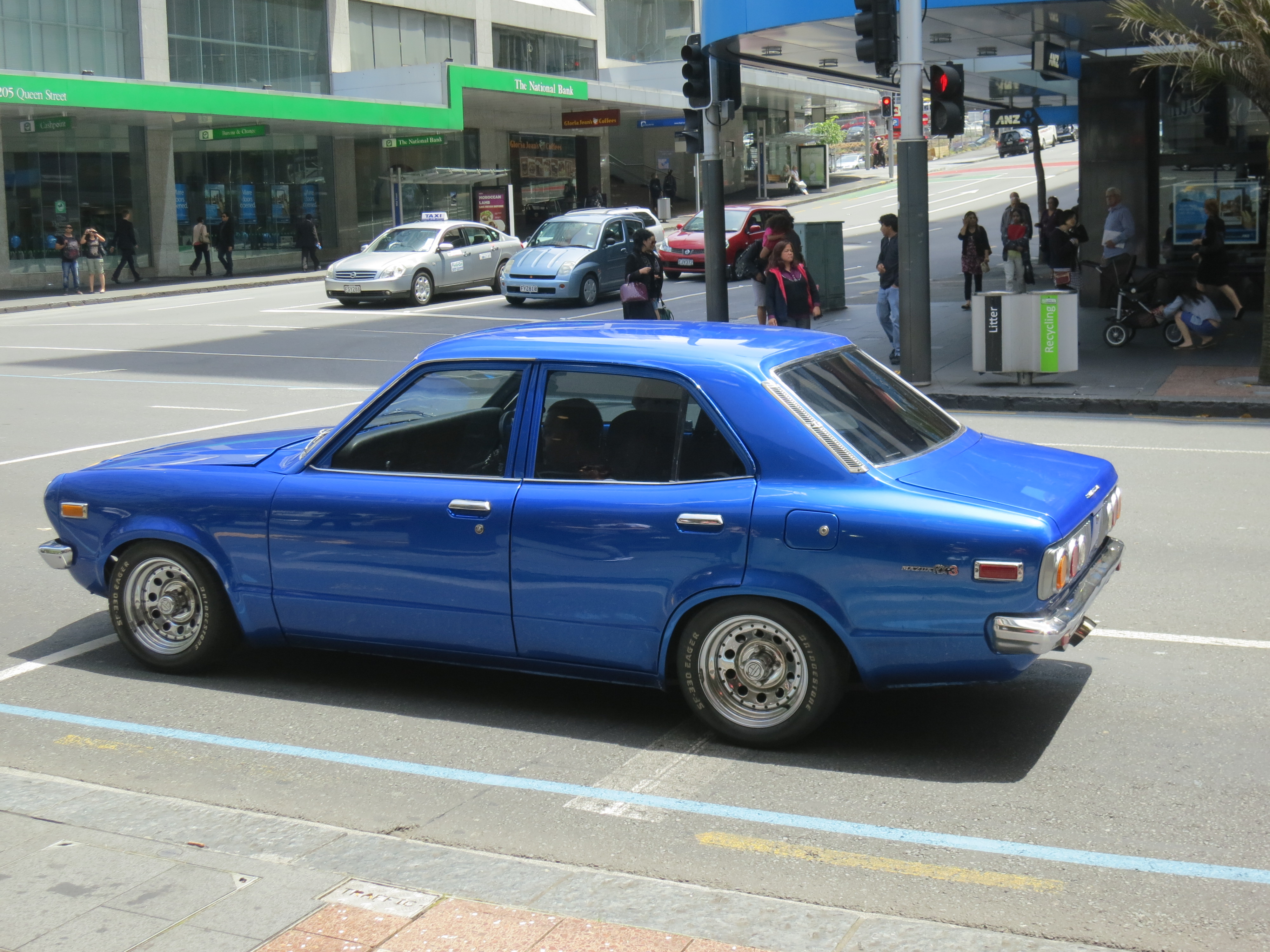
Auckland
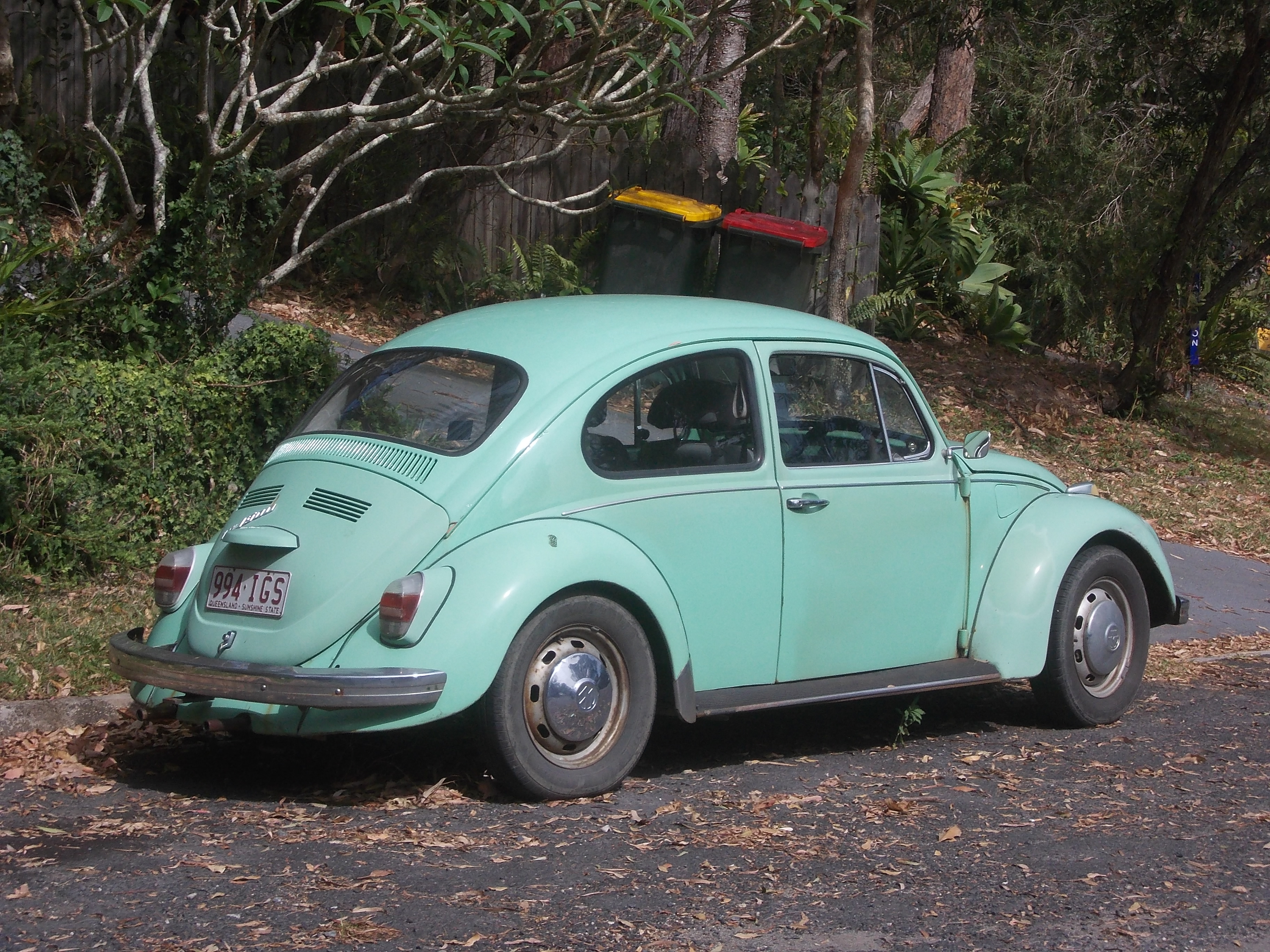
Byron Bay
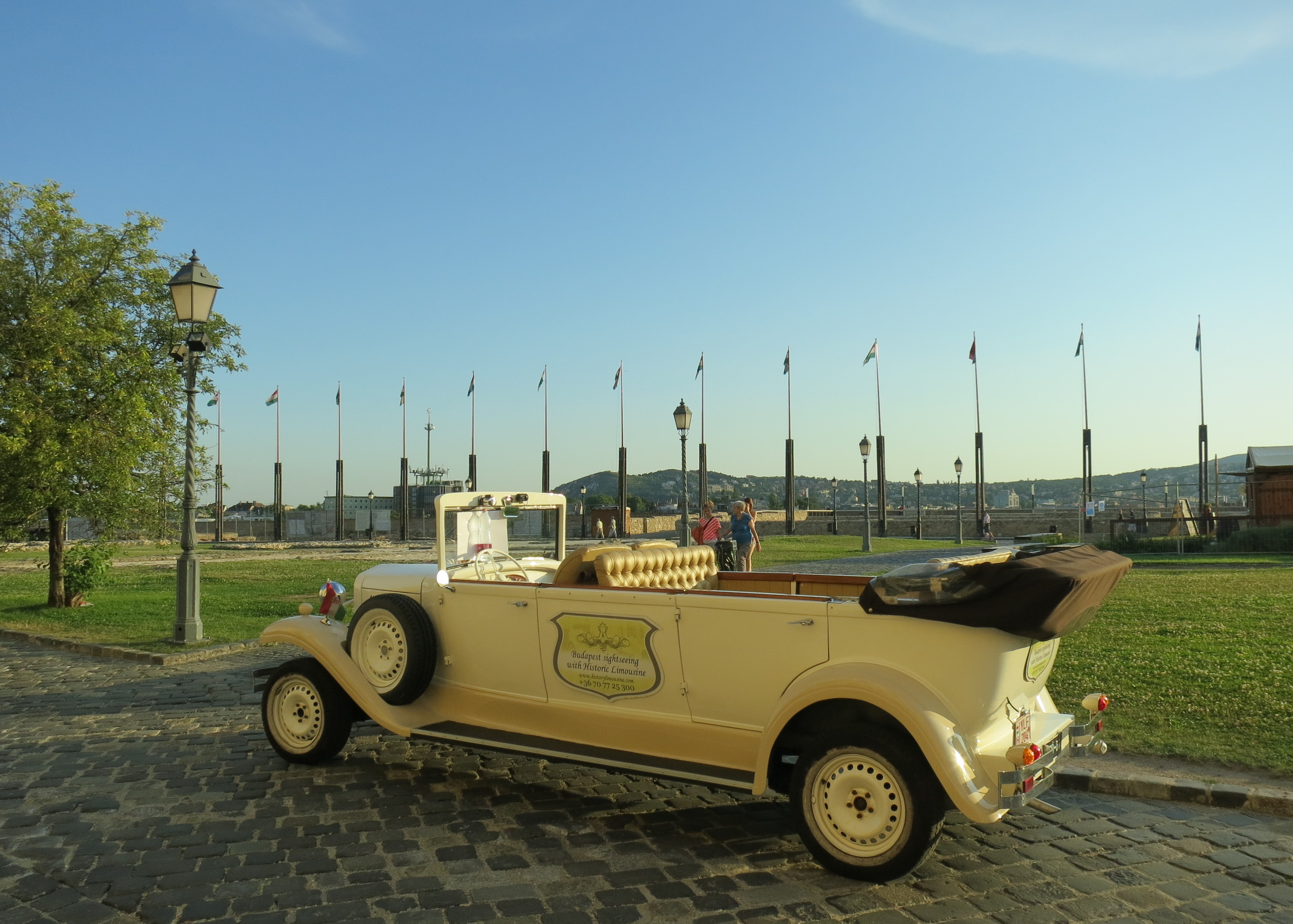
Budapest

Krakow
I’ve been back in the States for 8 weeks now, which sounds like a long time, but I’ve spent a lot of that time at weddings and catching up with friends, so it’s felt shorter. I’m settled in to my parents’ house, and I’ll be here ’til the end of the year. So what am I up to these days?
Today I took a look at my short-term goals from July, and I’m doing pretty well! 1) I bought catastrophic health insurance through Priority Health. It costs $72 a month, and that includes emergency room visits and not much else. Pre-existing conditions aren’t allowed (I cannot wait for the Affordable Care Act to be fully implemented so that kind BS is no longer permitted), and I pay full price for prescriptions and most doctor visits. But it’s one of the better plans I found, with a fairly low premium ($1,000), and I might not need it for very long, because… 2) I got a job! I start the day after I return from my sibling’s wedding in New York. I signed up with a local staffing agency, and they got me an interview at an auxiliary health care-type office. I’ll be doing data entry and a little proofreading, full-time, and the bosses seem very nice. It doesn’t pay a lot, but I’ve done the math and it should be enough to get me back on the road sometime next year. Also, I can walk there from my parents’ house, so I don’t need to buy a car.
I’m hoping that having taken care of #1 and #2 from the original list, I’ll be able to really dig into #3. Now that I’ve removed the stress of job hunting and hiding inside lest I injure myself and have no way to pay for recovery, I should be able to use my free time writing. The changing season will make that even easier, as the nights come faster and the days grow colder, and I stay inside and focus on writing. Fingers crossed.
Next week I’ll be in New York, helping set up for the wedding and then dancing the night away at said wedding. After that, I’ll be in an office for the first time in over a year. Wish me luck!

Sunset, East Lansing, Michigan
I’ve made three border crossings by land on this trip. Actually, when I got to Europe I made several bus and train crossings, but they were all seamless, and all but one were in EU countries, so I don’t really count them. The ones that stand out are Thailand to Laos, Cambodia to Vietnam, and Canada to the United States. Guess which one was the most aggravating?

I got 3/4 of the way through this top form before messing up, and I had to start all over again. Genius.
I’m used to either shuffling through the EU, where they glance at your passport, grunt, and move on; or flying into a new country and standing in a long line at border control, to have an official scan my passport through some criminal system, take my fingerprints, sometimes even snap a photo. The land crossings I made on this trip fell somewhere in-between these types.
Thailand to Laos
Crossing from the town of Chiang Khong, Thailand to Huay Xai, Laos was pretty simple. I walked up to the small hut near the bottom of the hill, filled out the card that border control had stapled to my passport when I entered the country, and turned it in to the guard, who literally did not look up from the pile of papers he was stamping. He just stamped my card and waved me away. At the bottom of the hill I bought a ticket to cross the river, waited until there were enough people for a full ride, then climbed in the skinniest boat I’d ever been on.

A tiny boat on a huge river
I suppose that technically this was a water border crossing instead of a land one, but whatever, the main thing is I hardly breathed as that tiny boat skimmed across the Mekong River. Once on the other side, I filled out a long form and helped a Japanese guy fill his out; he had a little English, but not enough to navigate the customs questions on his own. An Israeli chipped in when I had trouble explaining a concept, and then we all went up to the window to get our visas. Most Westerners owe $35 (except for Canadians, who owe $42—what did Canada ever do to Laos?). I had crisp tens and twenties, as I had read enough to know that beat-up bills might be rejected, and then you’re screwed, because they want payment in US dollars, and where are you going to find an ATM with US dollars on the western border of Laos? I had read it was good to have exact change, but not necessary. Well, for me anyway, they wanted exact change. I had two flimsy dollar bills and was wondering whether to insist they take three tens and give me five back, or just tell them to keep the five, when the Israeli next to me in line said he could help out. He gave me $3 with a smile. I peeked in the office and saw three officials standing around and two creating visas, which seems a standard ratio of layabouts to workers for government offices worldwide. Eventually, I received my visa, shiny and pink, and I was officially allowed to stay in Laos for 30 days.
Cambodia to Vietnam
My bus from Phnom Penh was mostly full of Cambodians and Vietnamese, which I think explains why some aspects of the border crossing that are infamous on internet boards were absent in my experience. No one charged me an extra dollar or three for a “health exam,” for example, and I didn’t get taken to a fake border control office. Unlike in Laos, the bus didn’t drop me off a kilometer or two from the actual border, forcing me to hire a tuk-tuk to get to my actual destination.
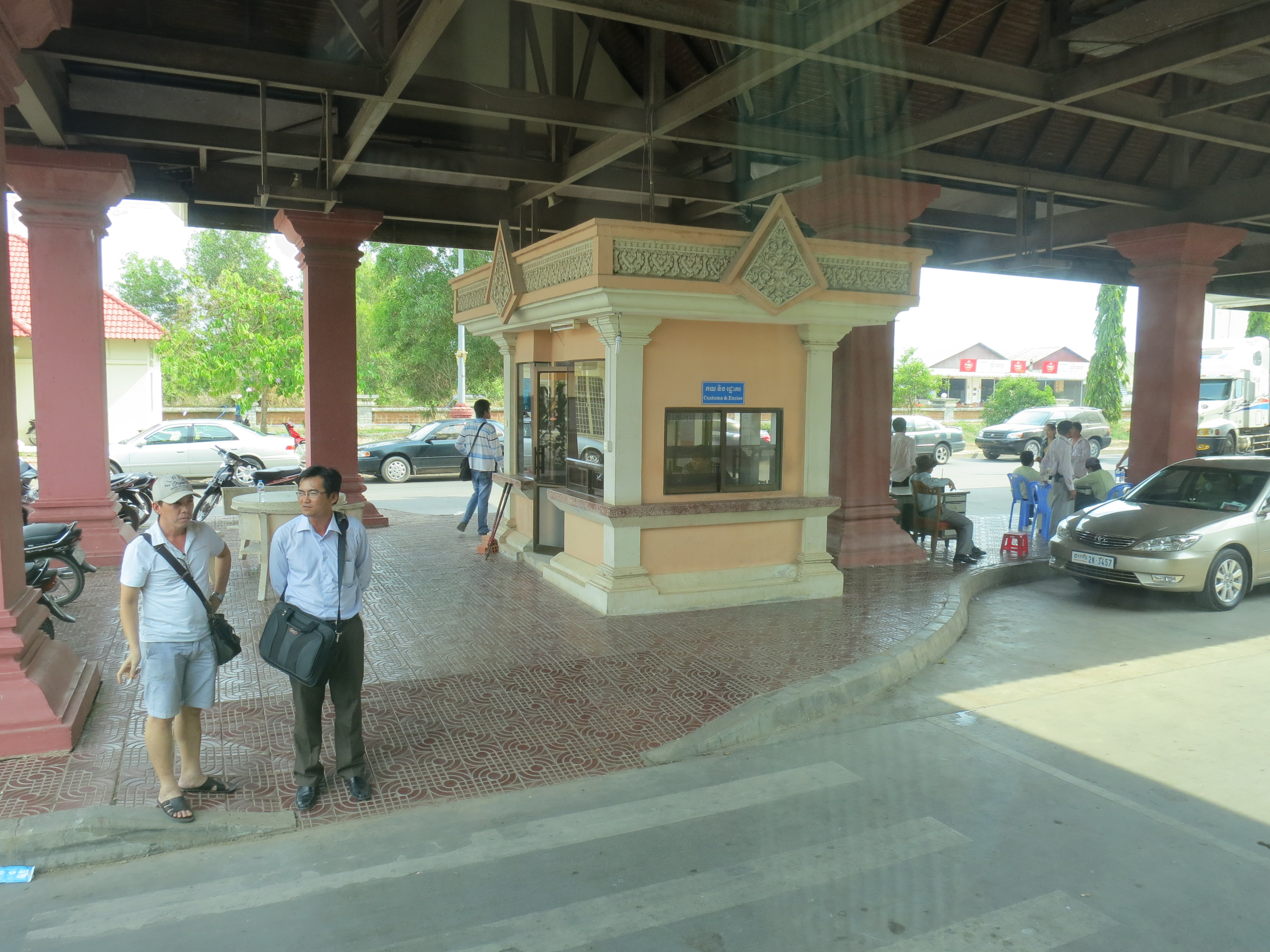
Guard station at Cambodia to Vietnam border crossing
Instead, our bus pulled up to the Vietnamese border control office (we never did anything to say goodbye to Cambodia), and we were waved off and told to bring everything with us, including our bags from the hold below. We stood in a clump in the mercifully cool border control building and watched our driver hand over a stack of our passports to an official, who then stamped each one without a glance or a scan anywhere. The driver then called out people whose passports were ready. I grabbed my passport, walked past an empty “health exam” window, and put my bags on an x-ray belt. I picked up my bags on the other end, showed my passport with its stamp on my visa to a guard slouching in a folding chair, and walked to the bus, which had been moved to the other side of the border. Voila!
Crossing from Cambodia to Vietnam was pretty painless. Officials didn’t hassle me or anyone on my bus, and security was light. The bus was carrying goods for some small businesses, and they must have checked those while we were inside, because when I put my bag back on the bus, everything was back in there, customs approved and ready to go.
Canada to the United States of America
Here’s where it got annoying. Trying to get from friendly neighbor Canada to my home country was way harder than it should have been. They are strict! And by “they” I mean the US Border Office. The bus I was on breezed through Windsor, Ontario and took the tunnel under the Detroit River. When we popped up on the other side, the bus pulled over at the super clean border patrol office. We unloaded our gear and stood in line. Probably it would have been fine if it hadn’t been for one officer.

Passport control on the Thailand side of the Mekong River
This guy was a total tool, almost stereotypically power tripping. He targeted me and two other people, all of whom had backpacks instead of rolling suitcases. I showed him my US passport and he waved me ahead, but the woman from New Zealand and her boyfriend from South Africa, these needed special attention. He demanded to see their visas; the Kiwi said she had the waiver that she’d filled out online. Nope, doesn’t count, he made her fill it all out again on paper. Isn’t the online form supposed to save us from wasting time like this? He grilled the South African on just why he wanted to visit America anyway—what were his intentions? He didn’t plan to stay, did he? Worse was when it was the Kiwi’s turn. She explained that they were couchsurfing in Chicago, and that they’d been traveling for nine months. Why would you want to travel for that long, and what is this “couchsurfing” you speak of, etc., etc., and all in a smarmy tone. He leered at her as he talked, and when we got back on the bus she said it felt like he was hititng on her. While making her feel small and trying to find a way to keep her out of the country. Ugh.
Even I got a bit of a hard time from the officer checking my passport. Where was I living? How long had I been gone? Why had I gone to so many countries? I just want to go home, yeesh! Then I sat in the row of hard chairs with the rest of the people from the bus (about 15 of us) while we waited for any one of the four free officers to turn on the x-ray machine and run our bags through them.
The South African and the Kiwi were camping for much of their trip, so there were pots, a tent, and a large carving knife in the guy’s bag. The officer pointed out the knife to a civilian standing next to him at the x-ray machine and said, “Huh, wonder what’s up with the knife” and waved him on. So that seemed like a secure process. Not that it had been any more secure at the Vietnamese border, but they weren’t pretending it was, and the US officers were definitely treating us like we were all smuggling in kilos of drugs and AK-47s, while not really checking to make sure we weren’t; but they still did their best to make us all—including the American citizens—feel super unwelcome.

Logan Square, Chicago, IL; August 15, 2013
 Stowaway Travel Writing & Editorial Services