Spying on Bletchley

Bletchley Park would probably be just another stately home in Buckinghamshire, except that it happened to be the codebreaking hub for the British government during World War II. Apparently, when they broke the Germans’ Enigma code and could then spy on German communiques, they shortened the war by a couple years. For years after the war, everything about the place was secret–what really went on there, who worked there, etc.–but now the records have been unsealed and the park is open to the public.

Some of the many machines used for codebreaking at Bletchley

Some of the many machines used for codebreaking at Bletchley

The mansion is surprisingly empty, or I suppose not so surprisingly when you consider that it’s hired out for events and they need the space. The interesting stuff is all in the surrounding “huts,” one- and two-story concrete buildings that adjoin the mansion. The museum starts you off with a few rooms showing what life was like at the start the war. Walking through this section, past a reconstructed middle-class kitchen and a schoolroom full of tiny wooden desks, my siblings and I listened to my grandmother talk about daily life back then; she was six years old when the war started.

A massive codebreaking machine

A massive codebreaking machine

Downstairs, you can see a bombe, the machine that broke Enigma (brainy people figured out what kind of pattern they were looking for, and then they built this machine to do the tedious work of sorting it all out on each message that came through). There were some explanations of how the bombe worked, and what a difference it made to work with four code digits versus five. This kind of code working was all important groundwork for computers, too.
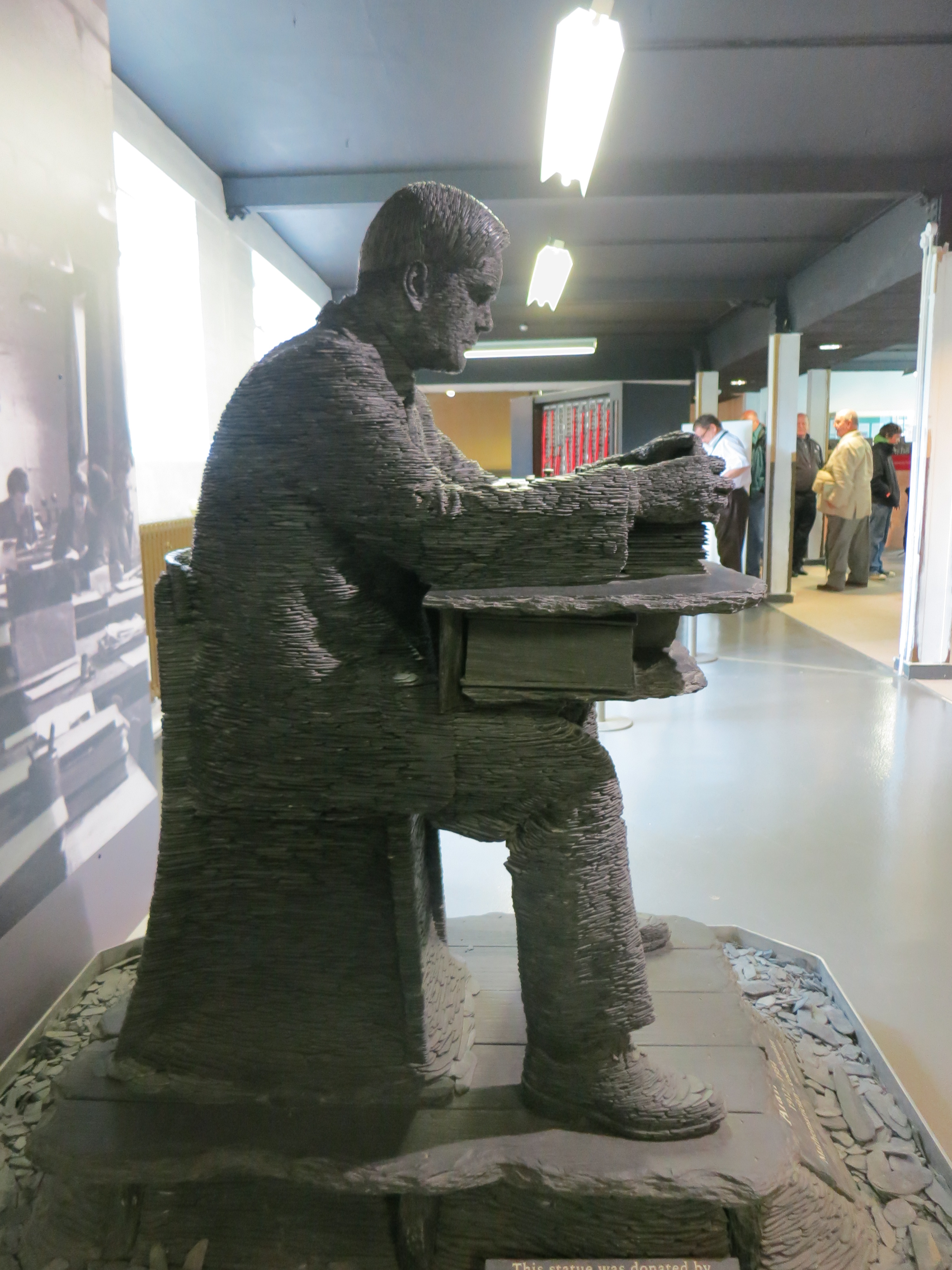
Stephen Kettle's slate statue of Alan Turing at work

Stephen Kettle’s slate statue of Alan Turing at work

Alan Turing, a major figure in computer science, had a position at Bletchley, and he was one of the key people to break the big codes. He did more computing work after the war, but then in 1952 he was convicted of the criminal activity of homosexuality. He had to choose between prison and chemical castration, and he chose the latter. He died two years later from cyanide poisoning (the official ruling was suicide, but due to the chemicals he worked with, it could have been accidental). How completely messed up is that? It took until 2009 for the British government to officially apologize for Turing’s prosecution, and until 2013 for the Queen to posthumously pardon him. Pardon him for being gay, that is. There’s a plaque about Turing’s postwar career and death in the museum, and cool slate sculpture of him that makes me think of bits of code stacked up to make his body hunched over a typewriter.

Some of the many files the codebreakers worked with

Some of the many files the codebreakers worked with

Most of the people working at Bletchley were women, some in secretarial roles but many more doing pre-codebreaking work, sorting through intercepted messages, looking for patterns, etc. They also did a lot of the grunt work involved in operating the machines, running the various numbers until the machines interpreted messages correctly. These women get their due, sort of, at the museum. I say “sort of” because the focus was definitely on the Oxbridge men who were in charge, and the women who proved so crucial to the operation were “girls” who helped out.
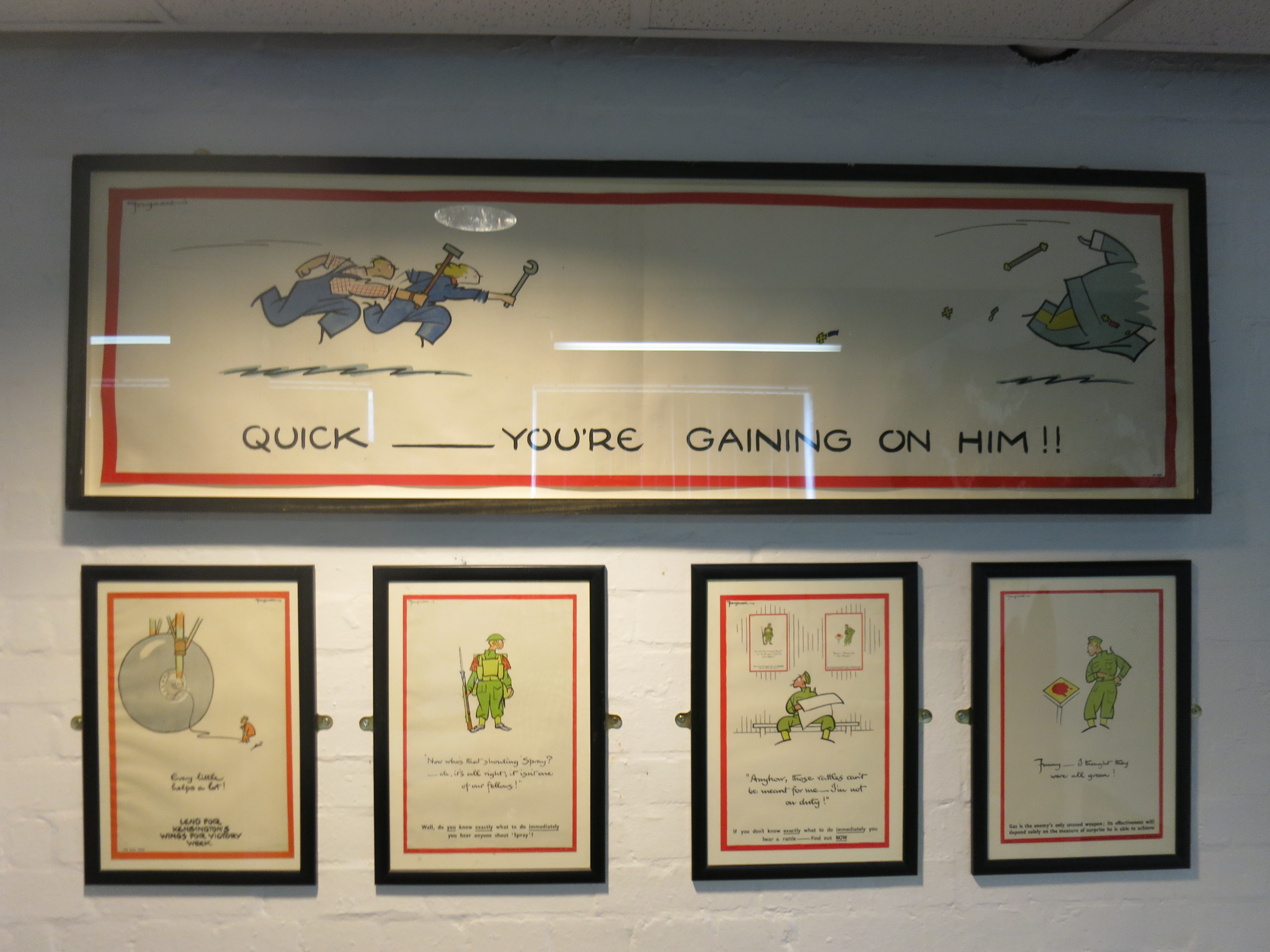
I am forever interested in the paranoid propaganda posters of WWII

I am forever interested in the paranoid propaganda posters of WWII

Also interesting was the class bias that formed Bletchley. The men were Oxbridge (Oxford and Cambridge graduates), and the women were daughters of the upper-class. The museum exhibit unquestioningly talked about how much more inherently trustworthy the upper-class was, and so naturally that’s where you’d go to recruit people for your secret mission. Implicit in this, since you needed to be really smart to work there, was that the rich folks were smarter, too. Sketchy stuff.
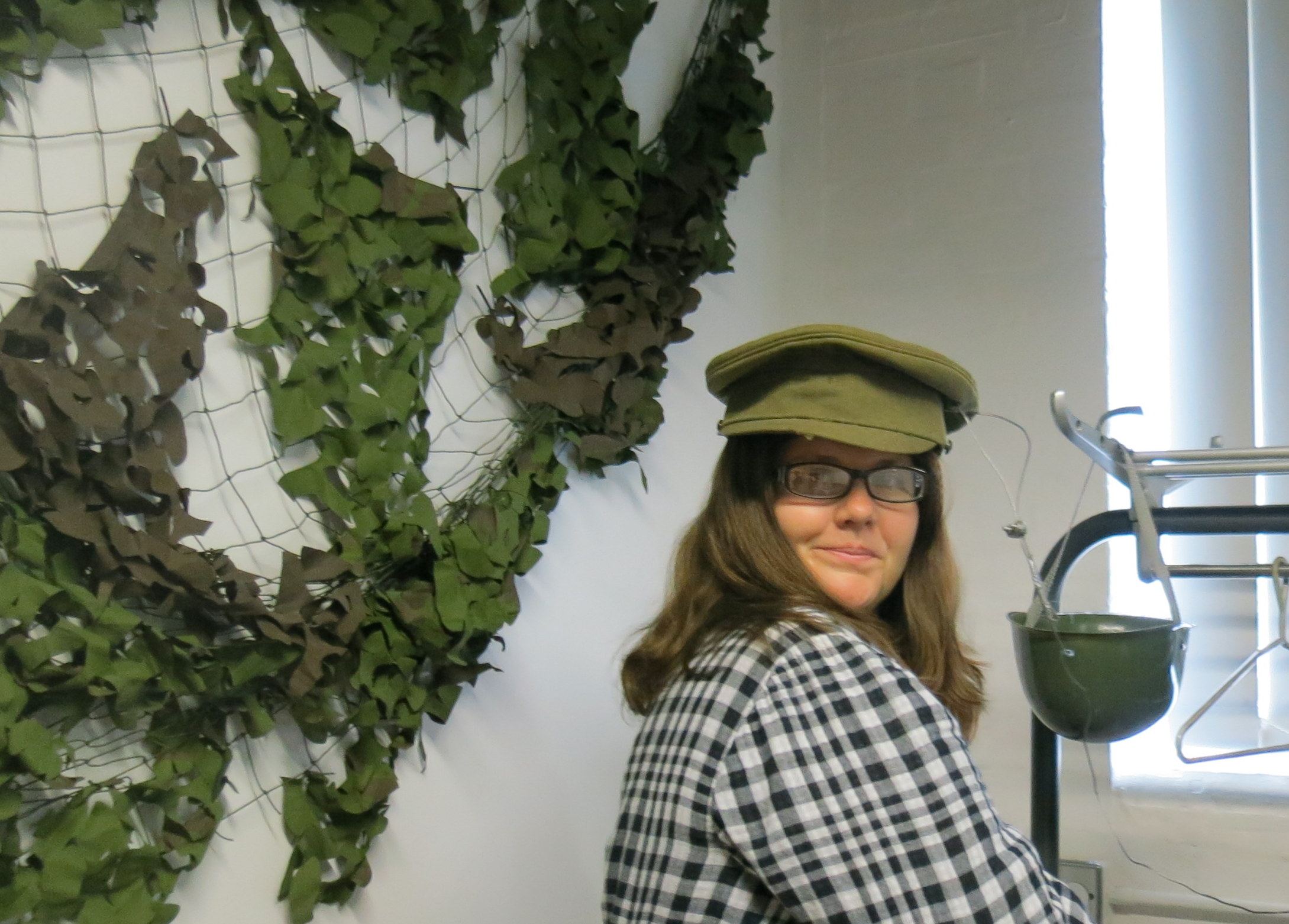
You caught me--I might not be spy material

You caught me–I might not be spy material

The final part of the exhibit was a display on some of the most famous British spies, including a criminal playboy who just kept sleeping around as part of the job (shades of Bond), and a black-market trader and saboteur.

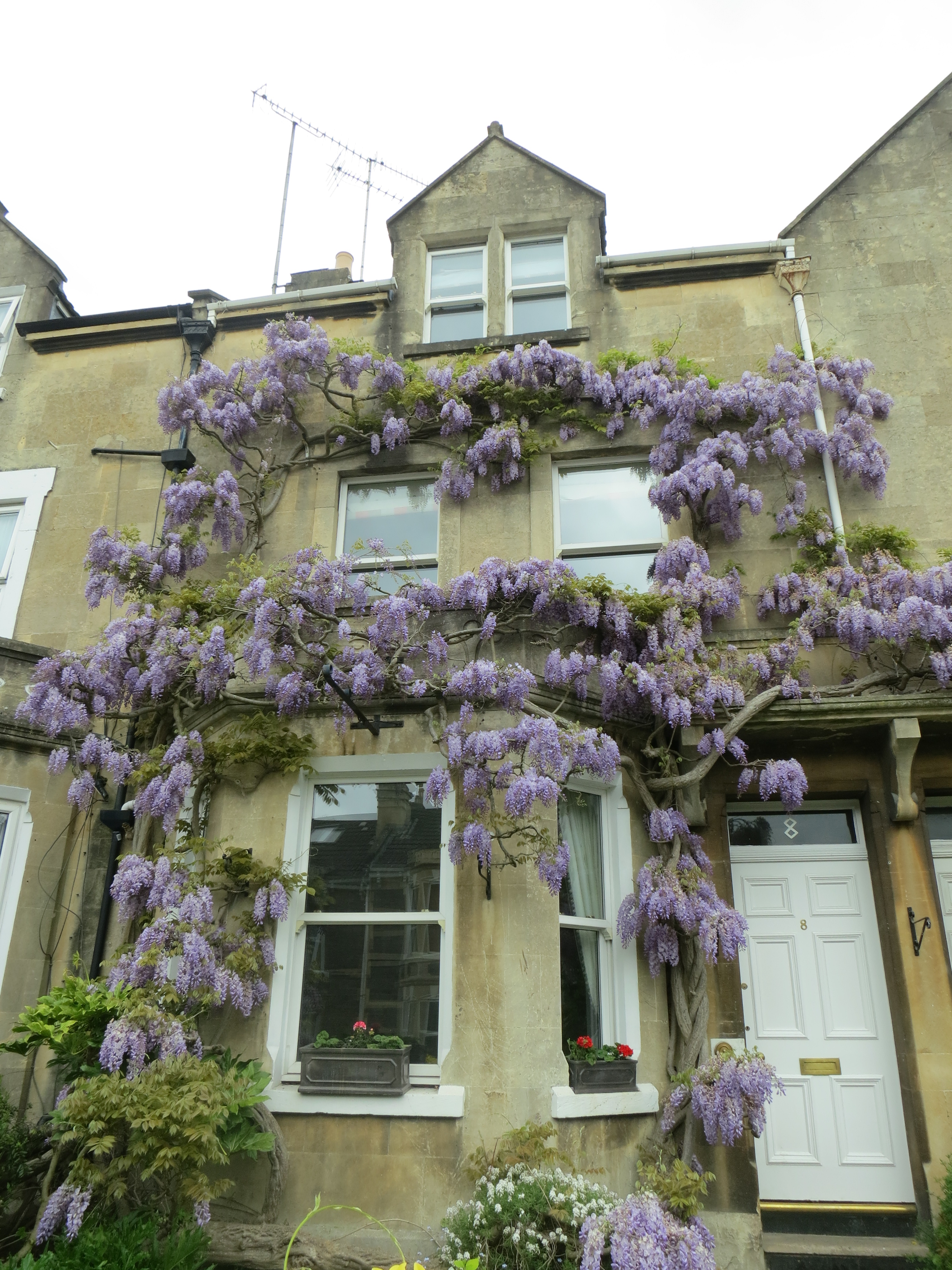
Architecture and Austen in Bath

I hope we shall be in Bath in the winter; but remember, Papa, if we do go, we must be in a good situation. (Persuasion, p. 29)

I hadn’t seen my parents in nine months of travel, so I was excited to meet up with them in Bath last May. We were in a very good situation–they’d found a great bed and breakfast for us to stay in, and I settled gratefully into my own bedroom with en suite bathroom after months of shared dorms and bathrooms down the hall. I mean, the woman who owned the house we were staying in made her own soaps. I was using handcrafted soaps in Bath, which actually fits my image of that town perfectly.

Well situated, indeed

Well situated, indeed


In Jane Austen’s time, it was a playground for the rich, a place for fashion, gossip, and soaking in the thermal baths that give the town its name. Today, it mostly trades in tourism, for the baths themselves and for the Georgian architecture that dominates downtown. It’s not the fashionable spot that it once was, but it’s still pretty expensive.

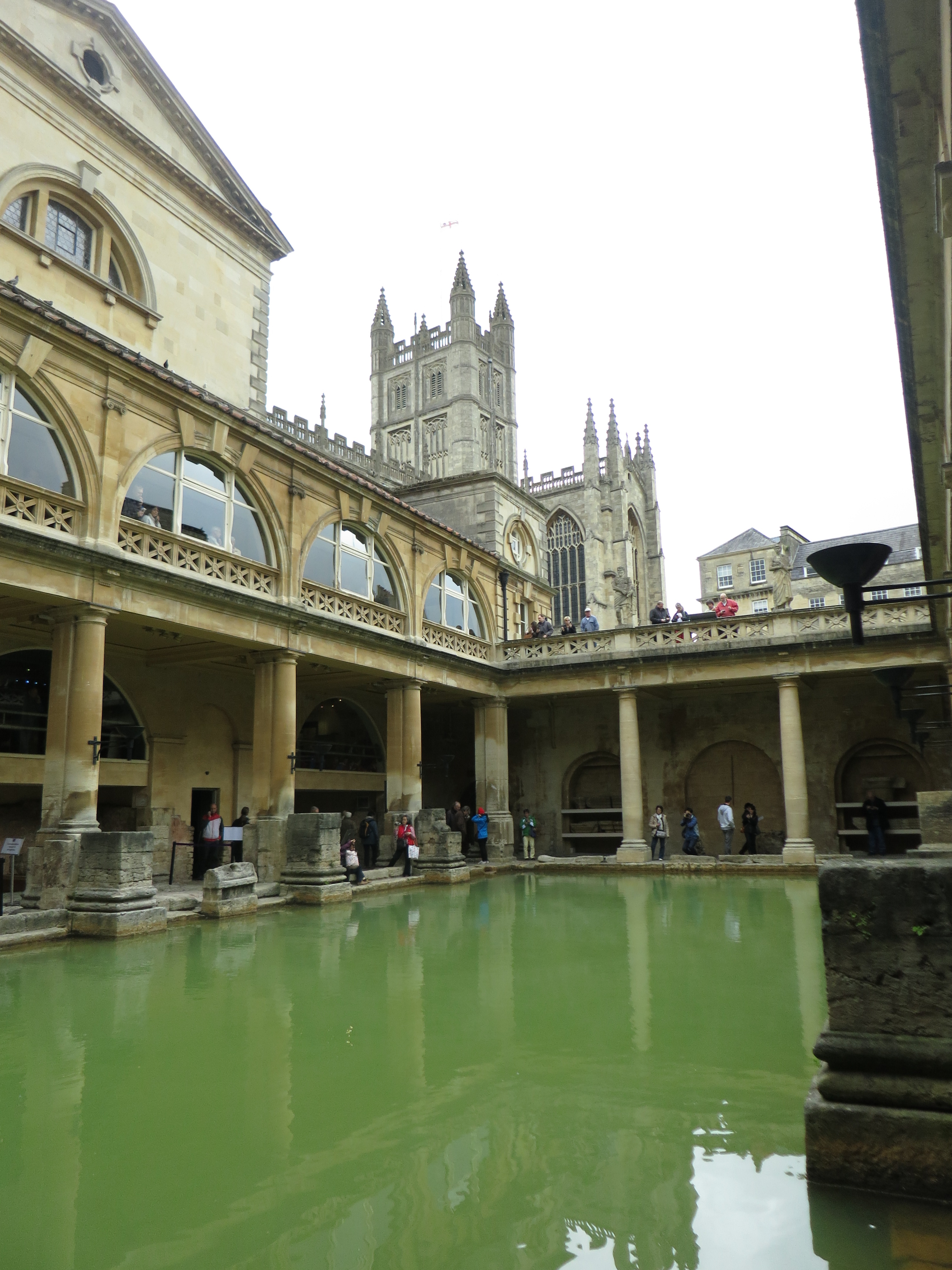
The abbey, as watched by a warrior at the Roman baths

The abbey, as watched by a warrior at the Roman baths

The Roman Baths

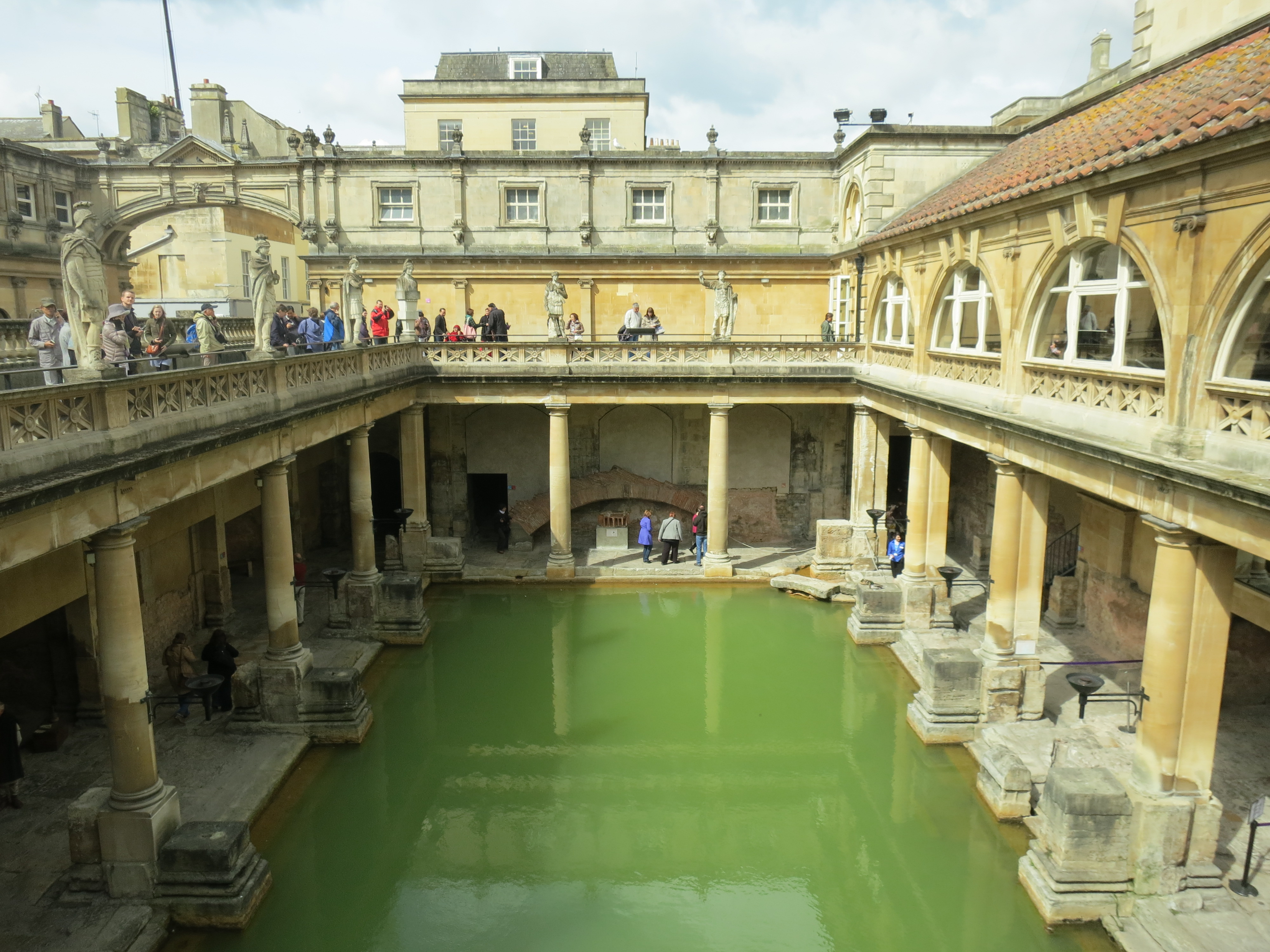
We visited the Roman baths on a blustery day, but the surface of the large green pool barely rippled in the wind. This seemed right to me, because for all their atrocious laws and conquest-hungry power moves, the ancient Romans were fine architects, and they built things to last. Why shouldn’t the very water of the place be as still as the columns and statues surrounding it?

The baths of Bath

The baths of Bath

Of course, as with most things the Romans stumbled upon, the local people had been aware of the baths for hundreds of years. The Celts built a shrine to local goddess Sulis, and when the Romans built up baths here in about 60 CE, they folded her into their conception of the place, and dedicated the baths to Sulis Minerva. The audio guide and educational texts posted around the baths emphasized that taking the waters was a religious experience for the Romans and locals. They were immersing themselves in sacred waters overseen by a wise and stern goddess.

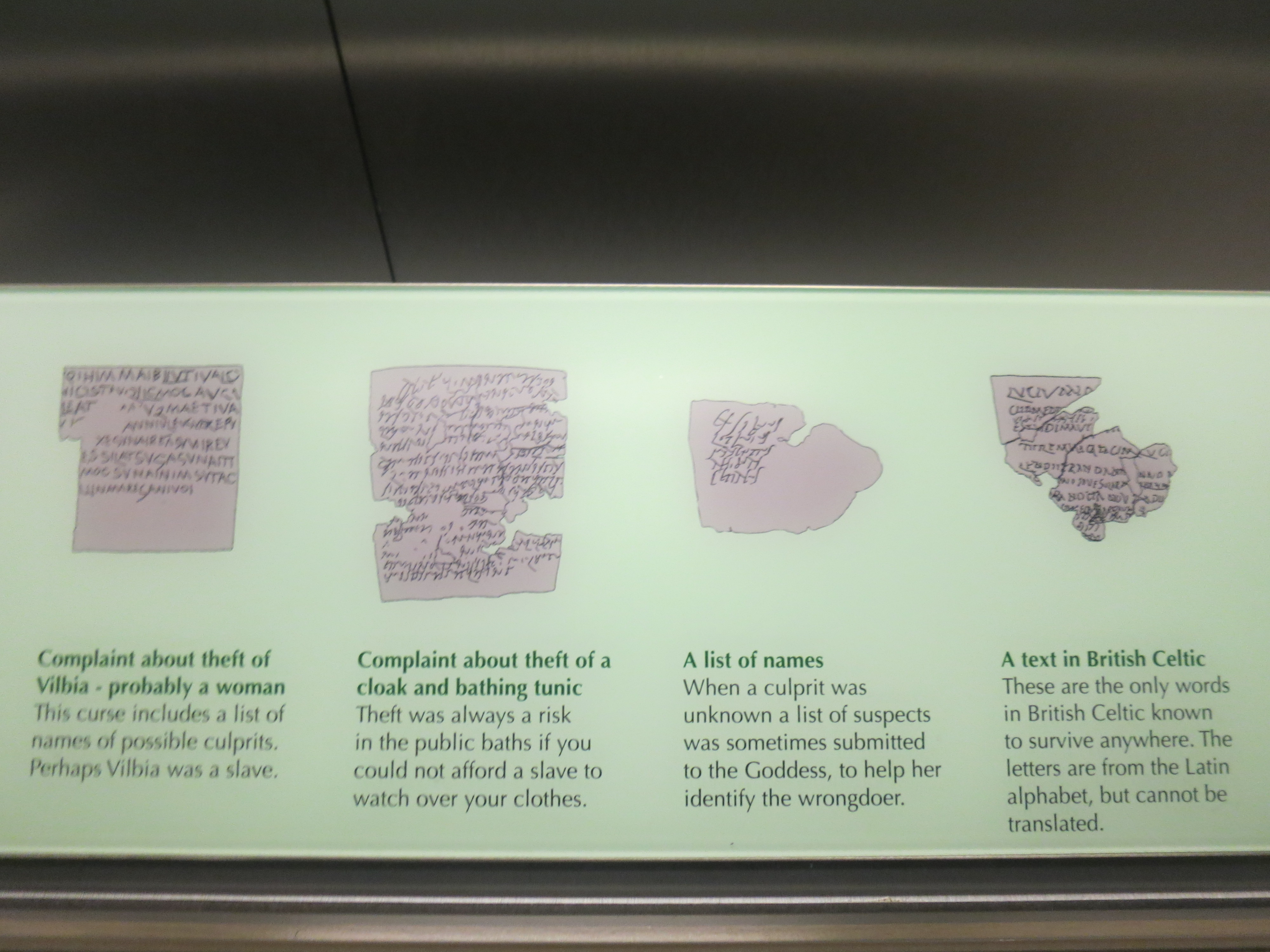
Some of the curses in the baths

Some of the curses in the baths

That doesn’t mean very human concerns didn’t have their place here. The museum displays dozens of curse tablets that were unearthed here–mostly requests for the goddess to inflict severe pain upon whoever stole the supplicant’s clothes while they were in the baths. Some people even helpfully provided a list of names of possible culprits, an extra step which I’m sure the goddess appreciated.

Coins from earliest Britannia

Coins from earliest Britannia

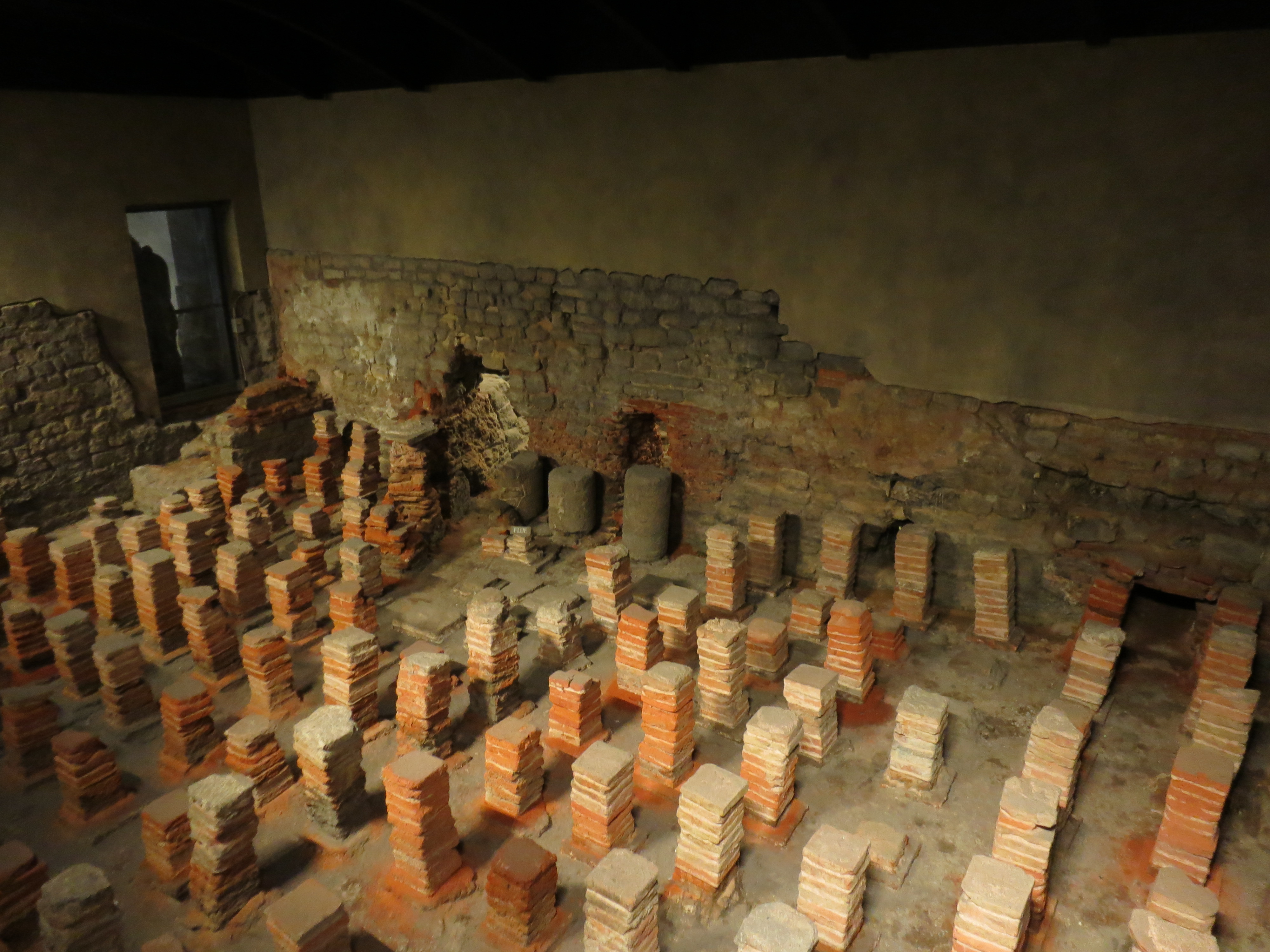
The baths were a marvel of construction, of course; there were steam rooms and smaller pools in addition to the great pool, and an elaborate system of pipes and drains underneath kept it all in working order. No one uses these pools to bathe in anymore, although there are pricey places in town you can visit if you want to take the waters. Apparently people even drink the water sometimes, in an attempt to access those healing powers the sulfuric stuff is known for. I had a sip at the museum and can’t recommend it.

Foundations from one of the steam rooms

Foundations from one of the steam rooms

Jane Austen

She disliked Bath, and did not think it agreed with her; and Bath was to be her home. (ibid, p. 9)

Jane Austen could have been writing about herself with that line. She disliked the bustle of Bath, but she had to live there a couple different times in her life. I’m willing to call it ironic that the center dedicated to study and appreciation of Austen’s works is based in the town she loathed. Ah well, she might appreciate that irony if she knew.

The ceiling of the abbey--I love that design

The ceiling of the abbey–I love that design

The Jane Austen Centre is just up the street from Queen Square, so that’s where Mom and I left Dad when we went in to see the exhibition (my dad is an enlightened modern man, but we still haven’t convinced him to like Austen yet). We were ushered upstairs and sat in a Regency-period drawing room, where we listened to a college student in costume give us a few quick facts about Austen’s life in general, and her time in Bath in particular. Then he fielded questions, which was a little tricky, as the audience ranged from people who have only seen the Pride and Prejudice movie, to amateur experts with very particular questions.

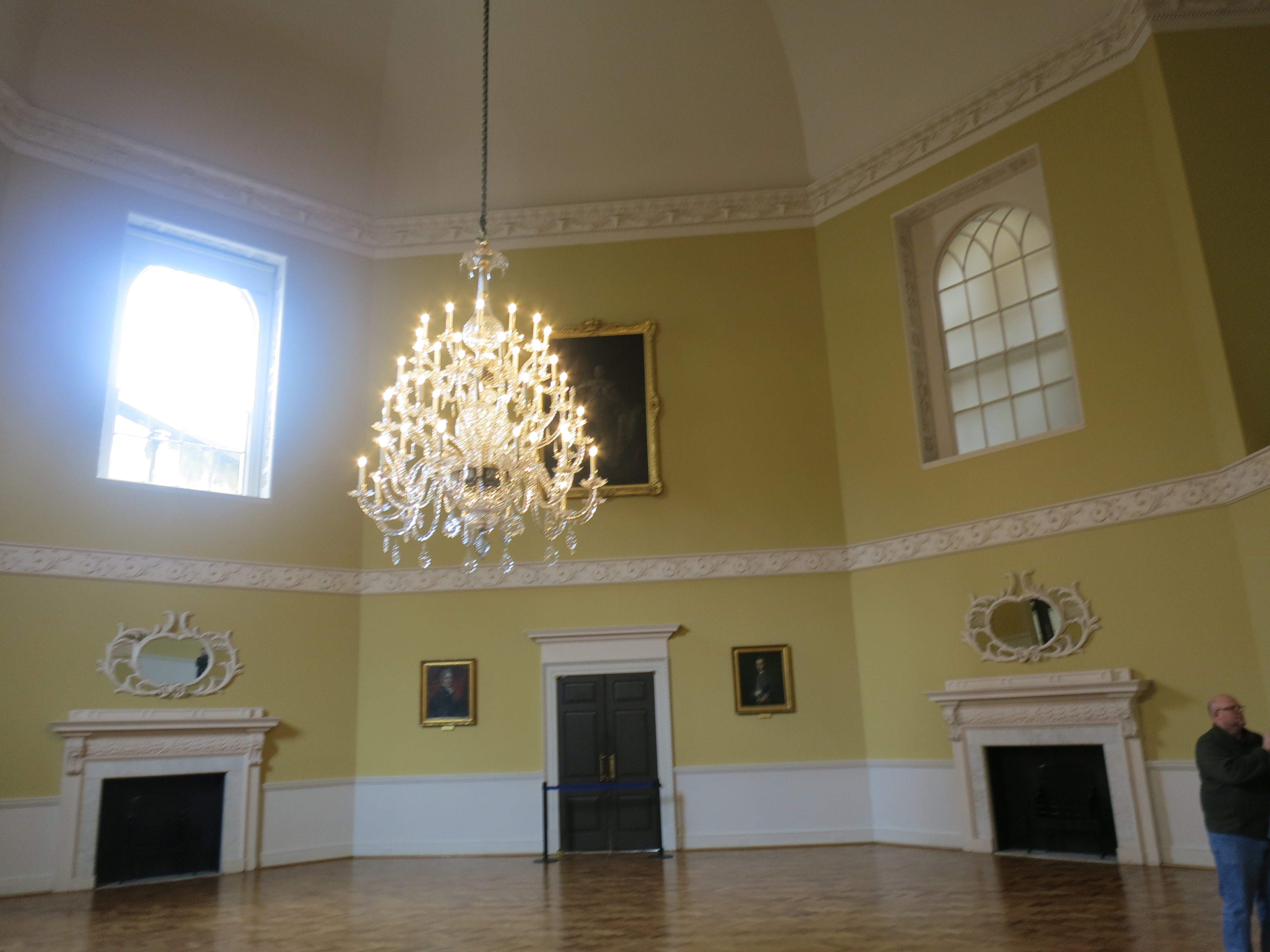
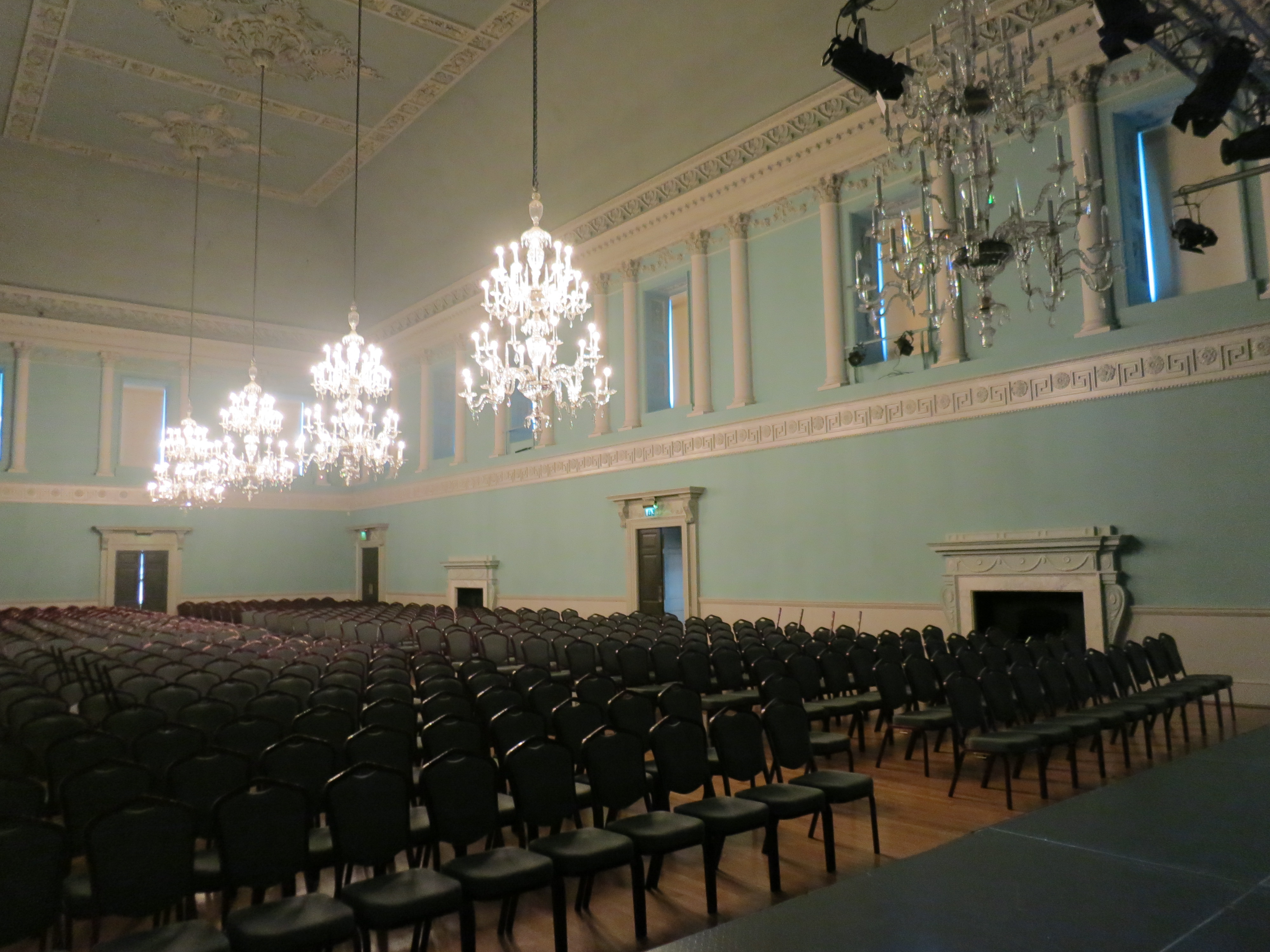
The Assembly Rooms; I did geek out a little about standing in the same place as one of my favorite fictional characters

The Assembly Rooms; I did geek out a little about standing in the same place as one of my favorite fictional characters

The next stop was a too-crowded set of rooms downstairs, which acted as museum display. Our guide said he’d be available for questions, but I didn’t see him again. The focus in these rooms was on Austen’s life in Bath, and on the bits about Bath that appear in her novels. One corner contained a rack of dresses and a box of hats and fans; I have never played dress-up at a museum for adults before, but it was kinda fun.

The music room of the Assembly Rooms, ready for a concert that night

The music room of the Assembly Rooms, ready for a concert that night

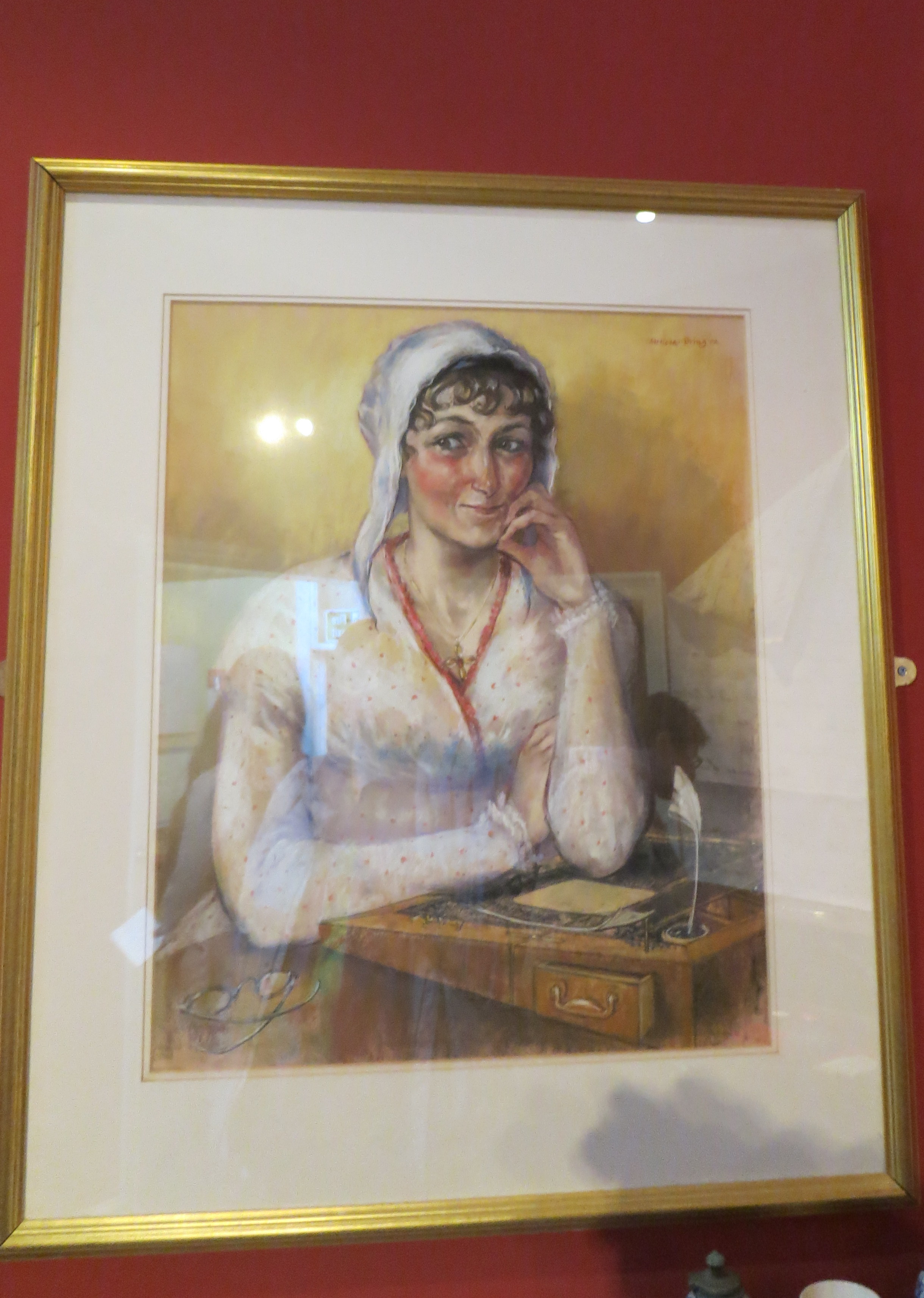
I liked the last couple rooms the best; in one, the only known painting of Austen was hung, and right next to it, a modern painting, taken from descriptions in letters and journals. The official portrait (by Austen’s beloved sister Cassandra) is, frankly, ugly, and the artist who made the new one justified it by pointing to letters from Austen’s relatives who complained that Cassandra’s portrait didn’t capture Austen’s liveliness or prettiness.

Melissa Dring's portrait of Jane Austen

Melissa Dring’s portrait of Jane Austen


The last room holds some photos from the movie version of Sense and Sensibility, and a charming handwritten letter from Emma Thompson. Also, an inkstand and paper so you can try writing like they did back then. It is hard. You have to write in the tiny, cramped script you always see in original documents; writing any larger just dries the ink out of the quill and leaves a mess.

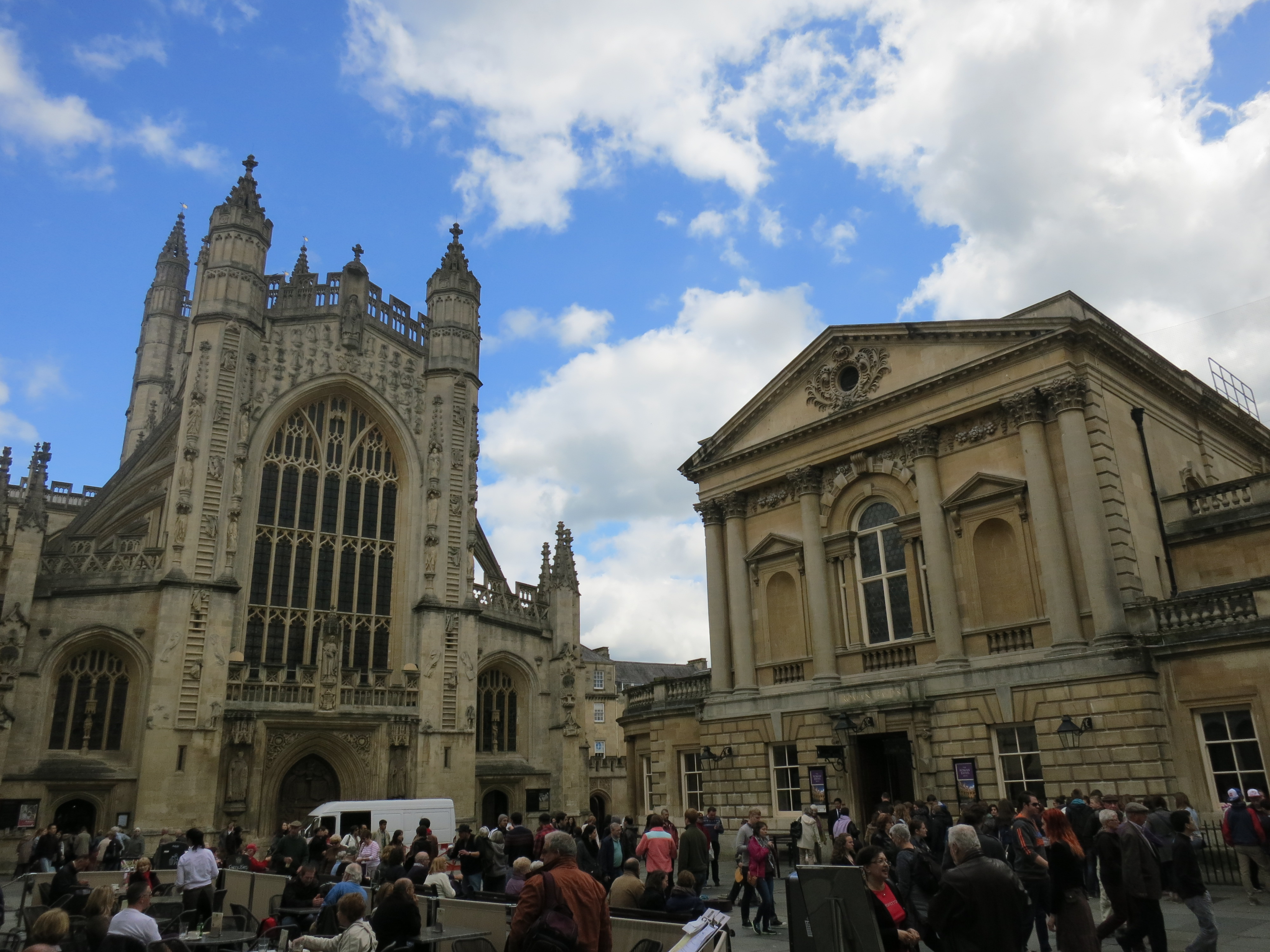
The abbey and entrance to the baths

The abbey and entrance to the baths

Georgian Architecture

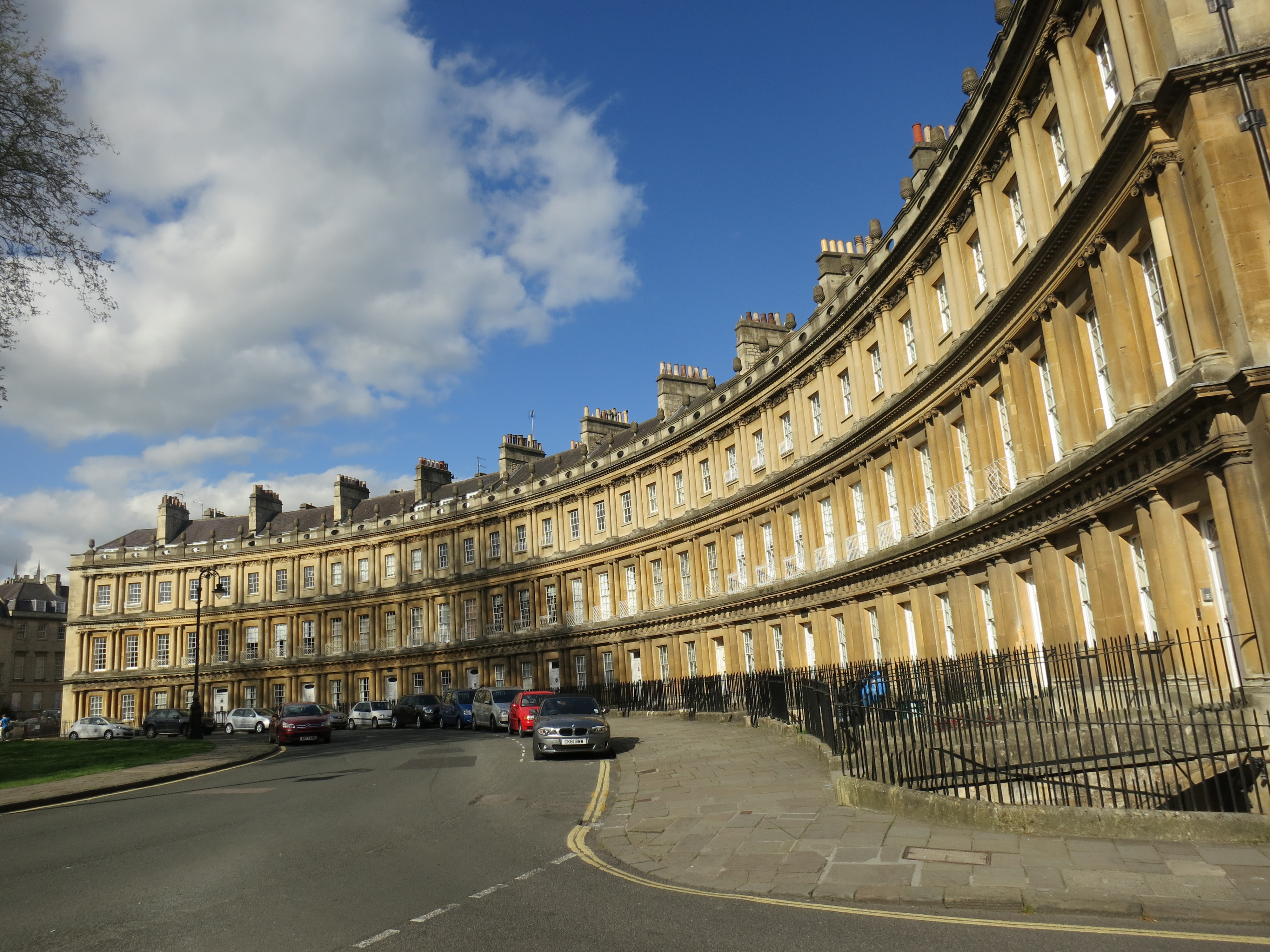
There are a few independently designed places in Bath–Robert Adam’s Pulteney Bridge and the 16th-century abbey in the center of town come to mind–but for the rest of the city, it’s all John Wood. John Wood the Elder and John Wood the Younger, a father-son team of architects who designed the Royal Crescent, The Circus, and other grand residential places in a neoclassical style. (Apparently, the correct term is Palladian, after a particular architect who revived Greek and Roman styles in the 18th century. The more you know.)

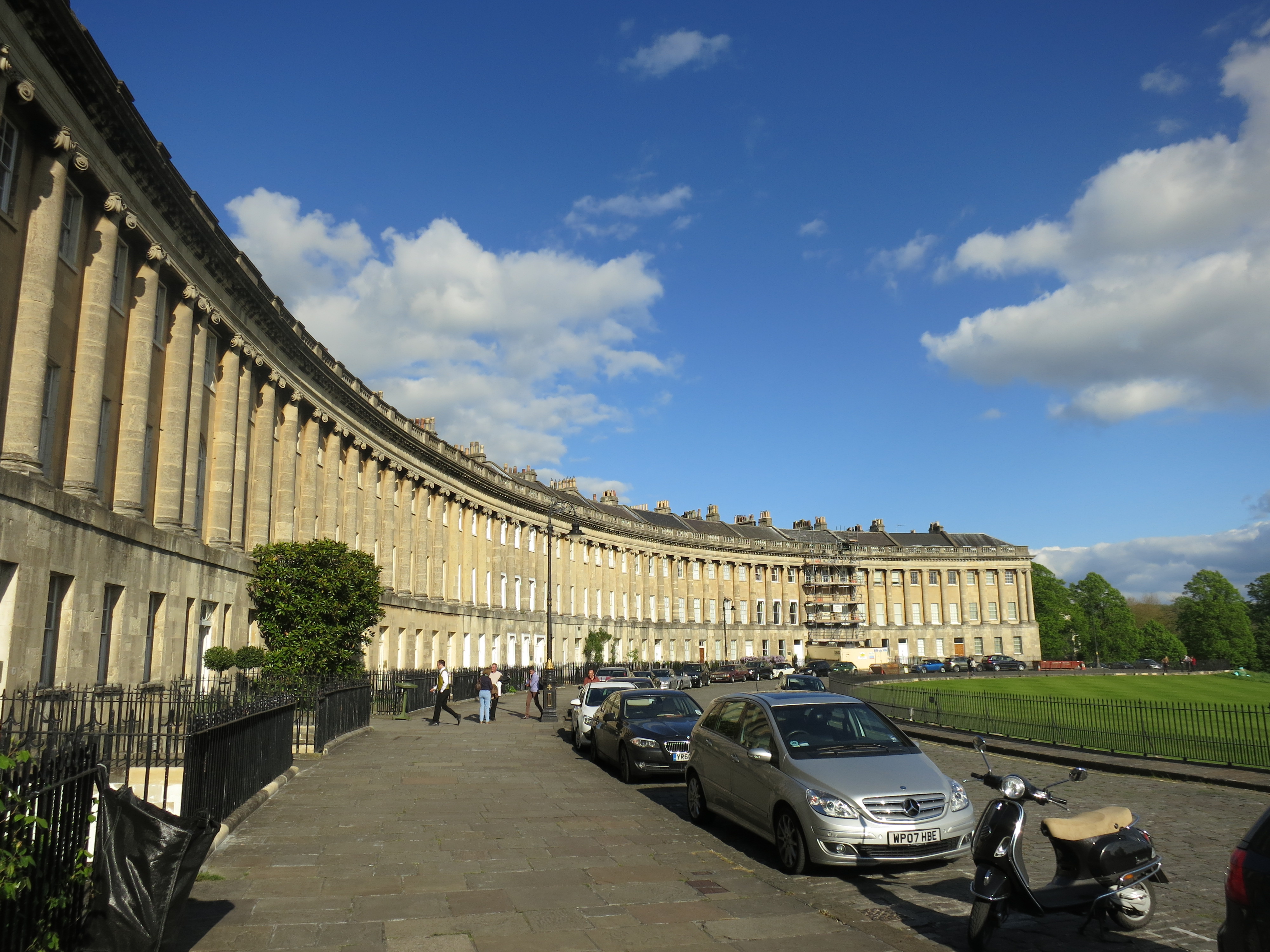
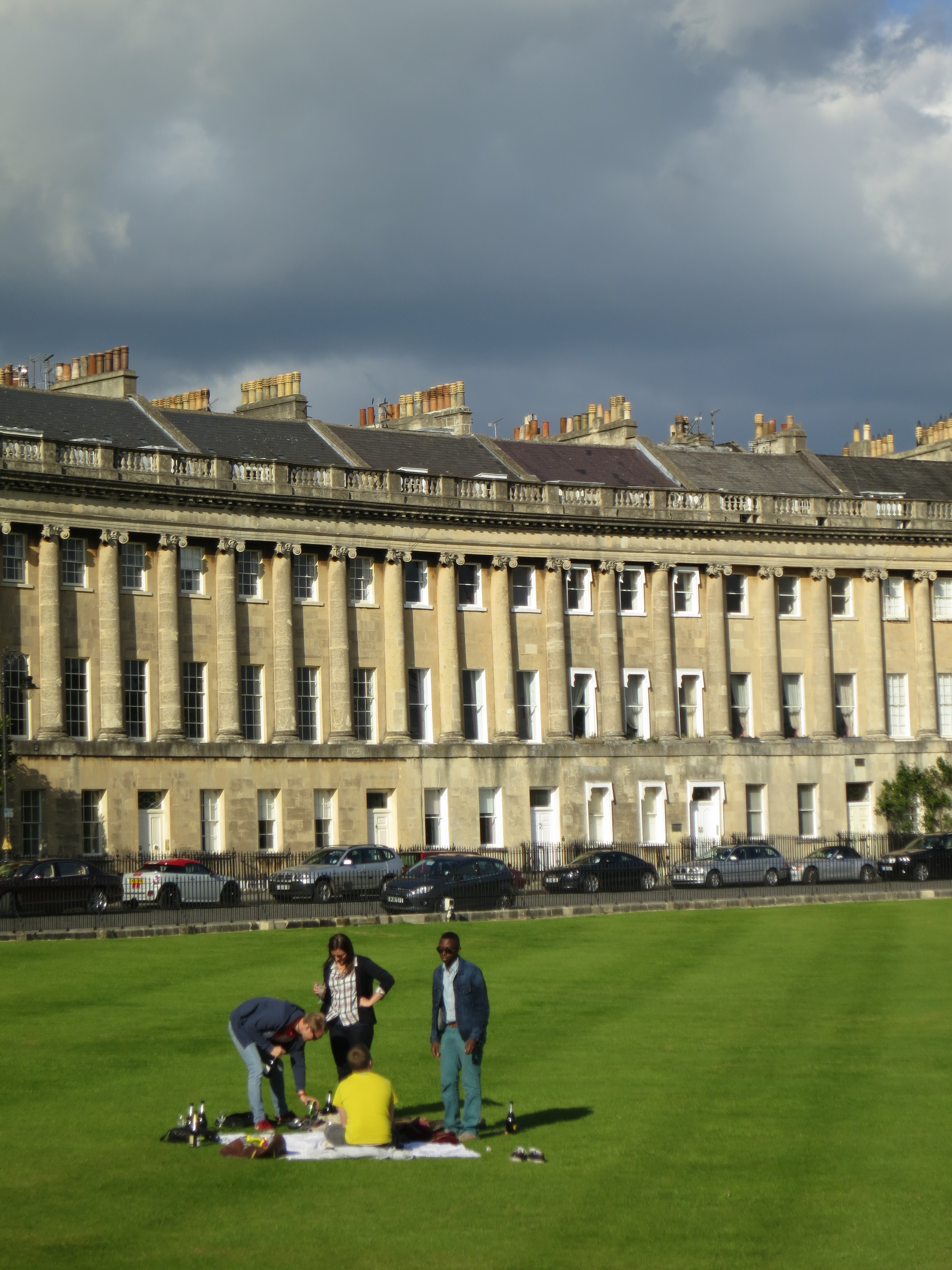
Royal Crescent, which looks out over a large park

Royal Crescent, which looks out over a large park

In what had to be a parody of rich kids, these teenagers stumbled out of one of the Royal Crescent apartments, jumped the fence to their private lawn, and started glugging champagne in the afternoon sun.

In what had to be a parody of rich kids, these teenagers stumbled out of one of the Royal Crescent apartments, jumped the fence to their private lawn, and started glugging champagne in the afternoon sun.

It’s this consistency of design that got Bath listed on the UNESCO World Heritage list, and while I think I would go a bit crazy if I had to live in a town this uniform in style, it is striking to see, and I can appreciate the harmony of the local yellow stone forming row after row of columns. After all this uniformity, it was all the more surprising to see two front doors on the Royal Crescent painted a different color than all the other front doors. Surely there’s a fine for such an affront to the 250-year-old look!

The Circus, created so that wherever your front door was, you always saw houses just like yours when you stepped out

The Circus, created so that wherever your front door was, you always saw houses just like yours when you stepped out

The ? Bridge, apparently based on rejected plans for the Rialto in Venice

The Pulteney Bridge, apparently based on rejected plans for the Rialto in Venice


Upon my word, I shall be pretty well off, when you are all gone to be happy at Bath! (ibid, p. 29)

Yes, Mary, we were all very happy at Bath, indeed.

IMG_7222

Helpful Advice When Someone You Know Is Robbed

Things Not to Say to Someone Who Has Just Been the Victim of a Nonviolent Robbery (all true things I heard within hours of having my purse snatched in Peru)

“You really have to be careful with your things.”

“So you were just sitting there writing? He didn’t hold a knife to you or anything? How did you not notice?”

“You know the police aren’t going to do anything, right?”

“They’re only material items.”

“Oh, you’ll be upset for a couple days, but after that you’ll feel so free and unburdened by the things of this world.”
Note that it is particularly vile to pontificate thusly while holding an iPhone 5.


The One Truly Helpful Thing to Say to Someone Who Has Just Been the Victim of a Nonviolent Robbery

“That’s terrible. I’m so sorry! Can I buy you a drink?”