Quito Grab Bag

Every major city is similar to every other major city in a lot of ways–crowds, vitality, cultural activities, traffic–and every one has its own qualities, as well. Quito, the capital of Ecuador, wedges itself between two ridges of the Andes mountains, and as a result it’s a narrow city, so all the important stops are easily found along the small strip running north to south. This includes the cathedrals, the government buildings, and also the more mundane civic places, like the parks and shopping centers. It never feels squeezed, but it does feel compact, so the largeness of the parks comes as a welcome surprise.
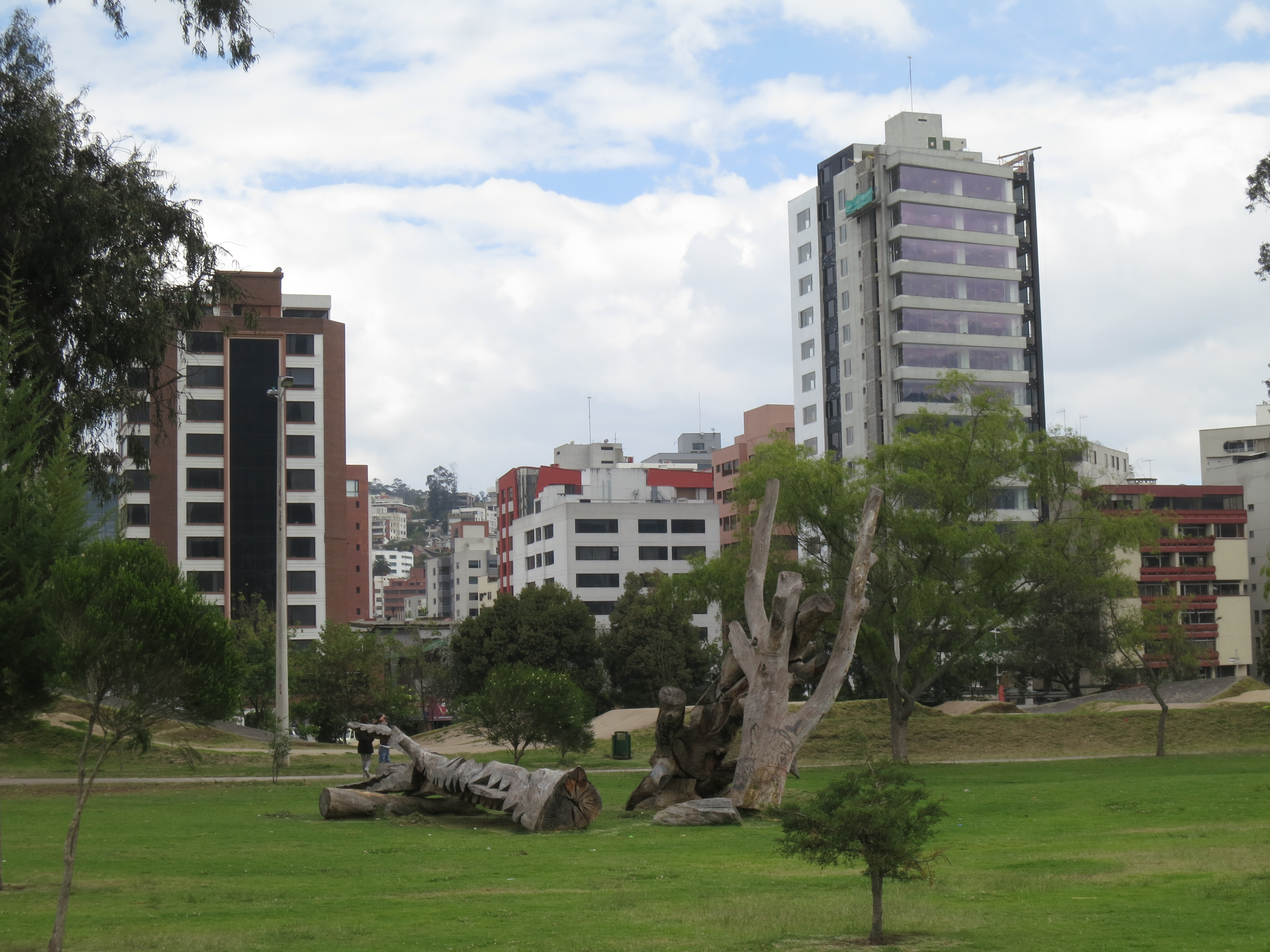
Parque de la Carolina

Parque de la Carolina

I spent several afternoons lying on my stomach on the green grass of the Parque de la Carolina or one of the others in the area, watching families play soccer or volleyball, people from all walks of life sharing a game of cards, vendors hawking real silver necklace, real silver for you.

Cards for all

Cards for all

Volleyball is big here

Volleyball is big here

Egg whites and sugar, a popular dessert
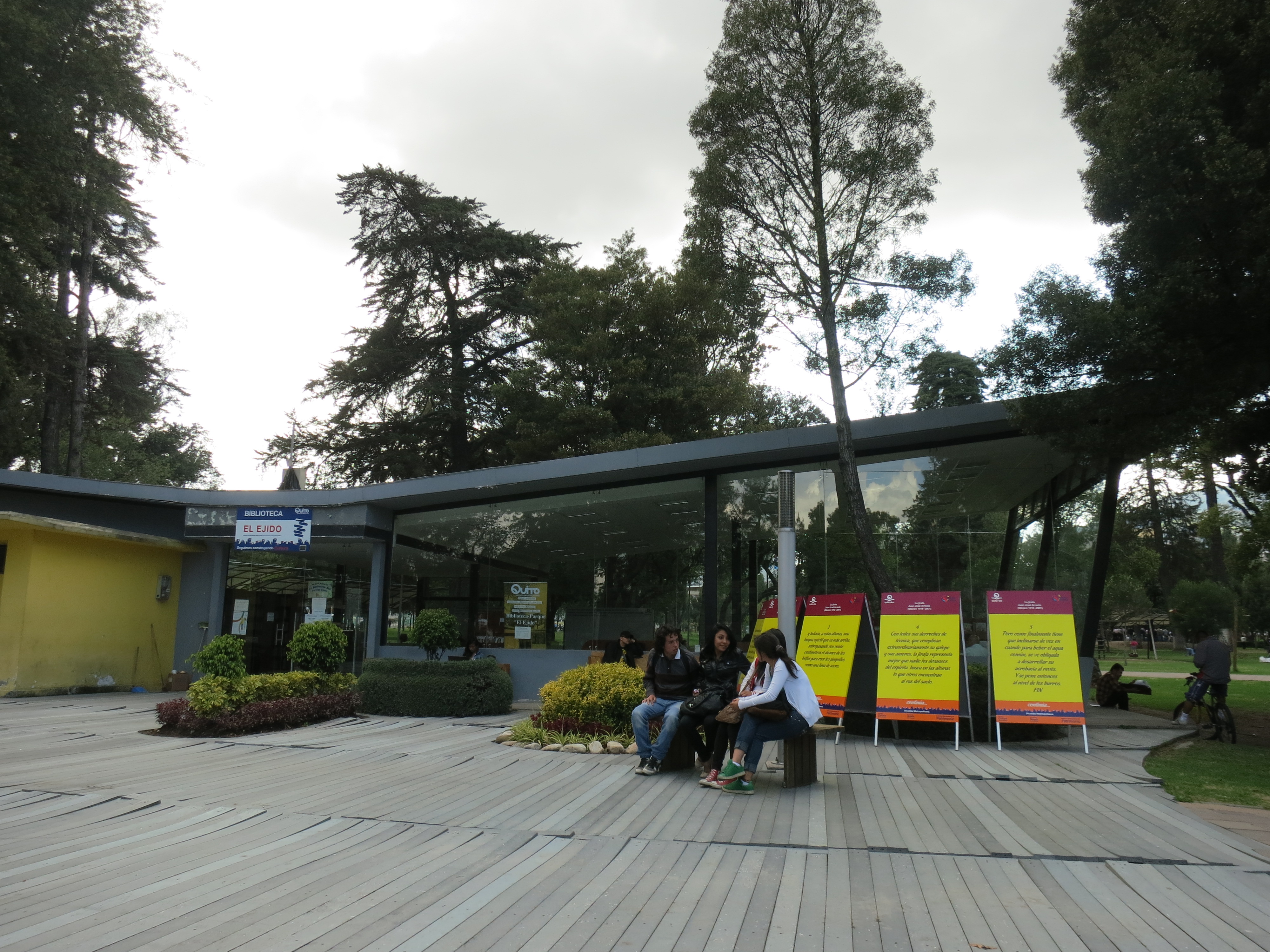
Egg whites and sugar, a popular dessert

A library in the middle of the park--brilliant!

A library in the middle of the park–brilliant!

Quito also has several large malls, which are hugely popular. I was a little surprised to find myself wandering the halls of giant malls, since that’s something I try to avoid at home, never mind when I’m traveling, but sometimes it’s a Sunday afternoon and you’ve just arrived at your host family’s house and you haven’t had lunch and dinner isn’t for many hours, and you gotta go to a mall for an overpriced sandwich.

At the market in the north end of town

Not the mall–this is the market in the north end of town
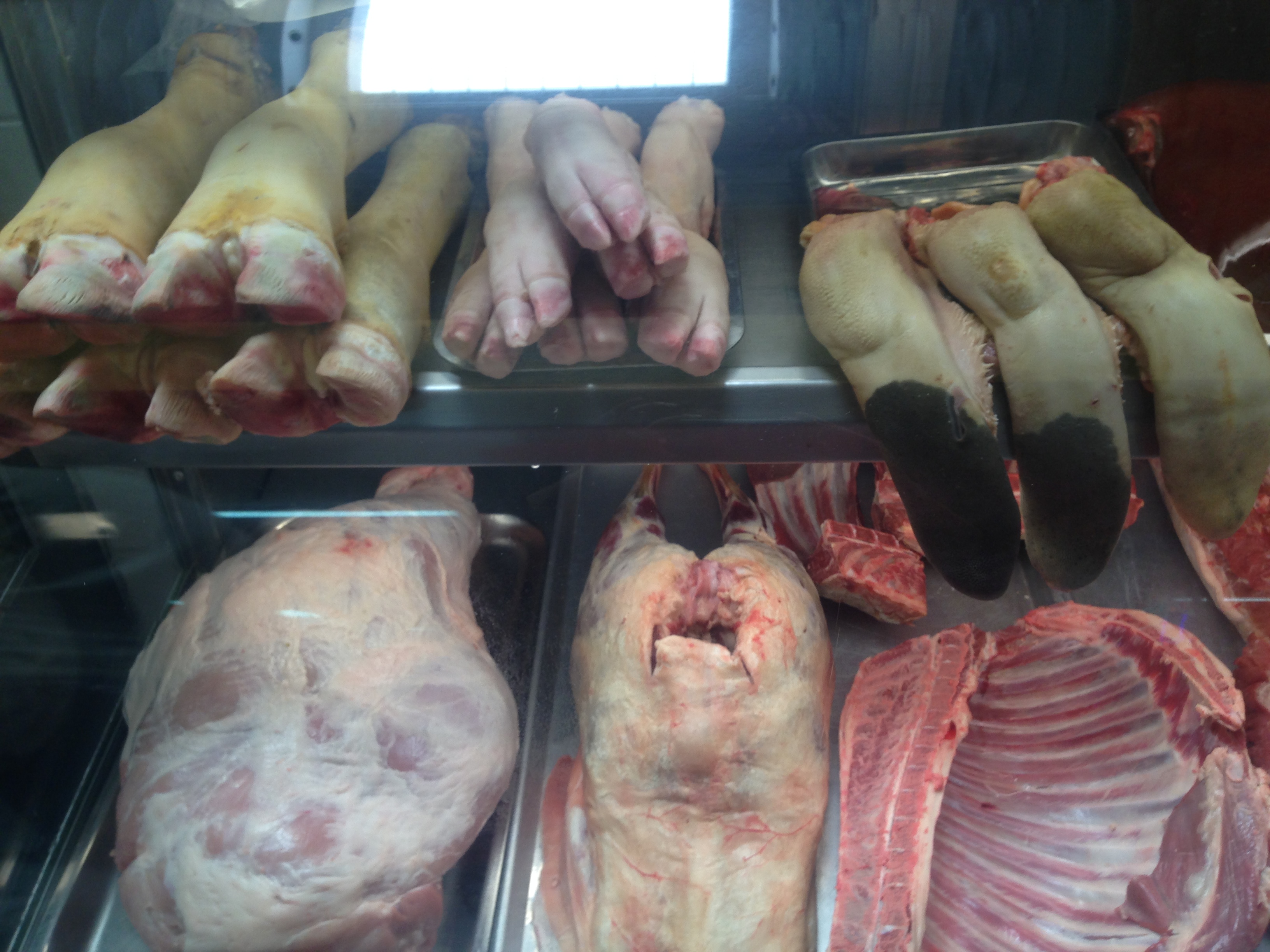
You can buy just about anything at the market. There were also brains for sale.

You can buy just about anything at the market. There were also brains for sale.

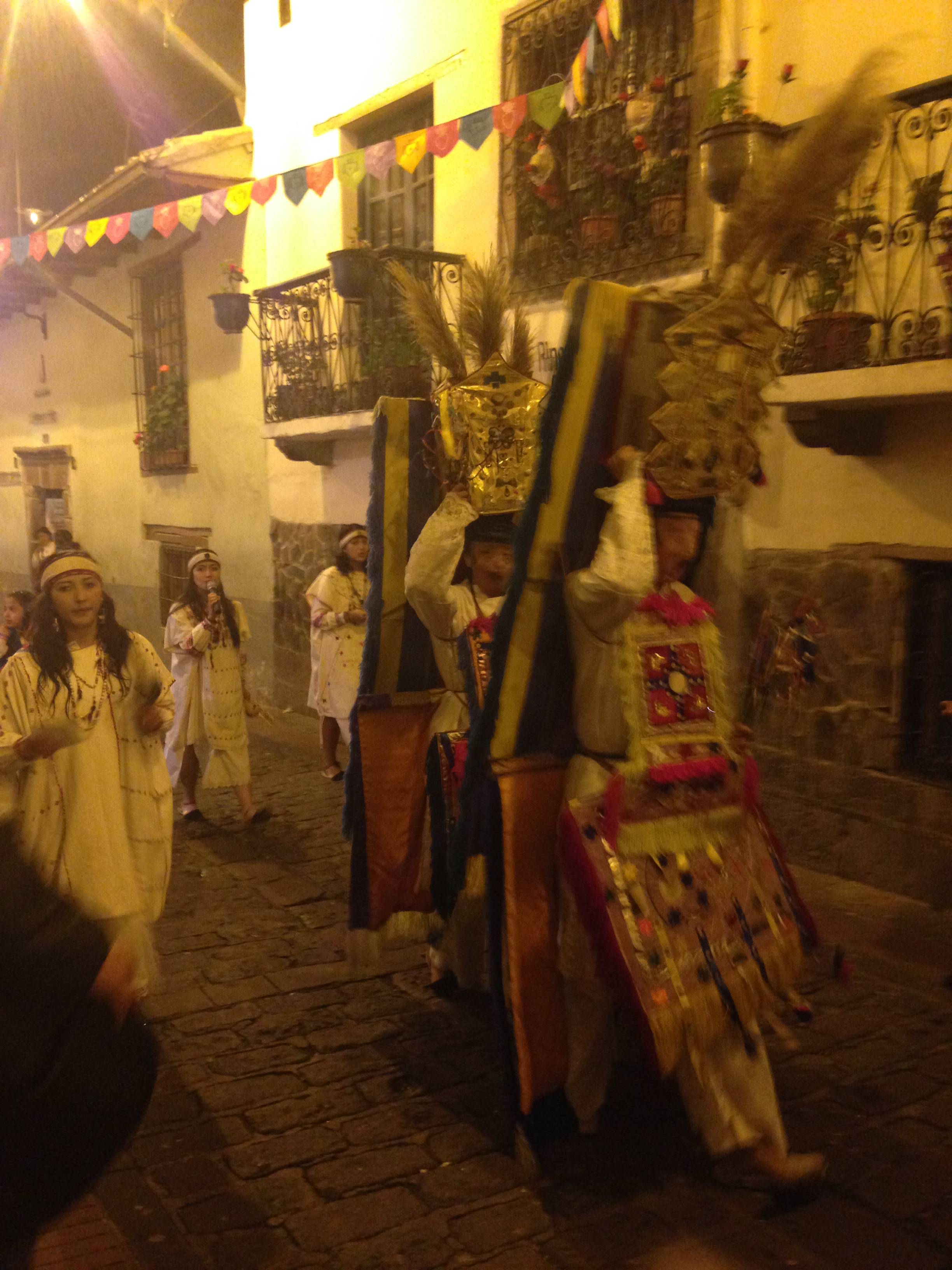
In Ecuador, by law, no one can sell alcohol three days leading up to an election, as well as the day of the election itself, since you’re supposed to be focusing on your civic duty of voting and not getting wasted. Of course, my last weekend in Quito was an election weekend! Still, there were lots of people out when I went to La Ronda, a revitalized street that’s now popular with artists and musicians. I had a proper Quito hot chocolate–with queso fresco that you can chew on separately or crumble into your drink–and listened to a guitarist serenade us, and afterward, walked down the street watching dancers advertise an upcoming traditional performance.
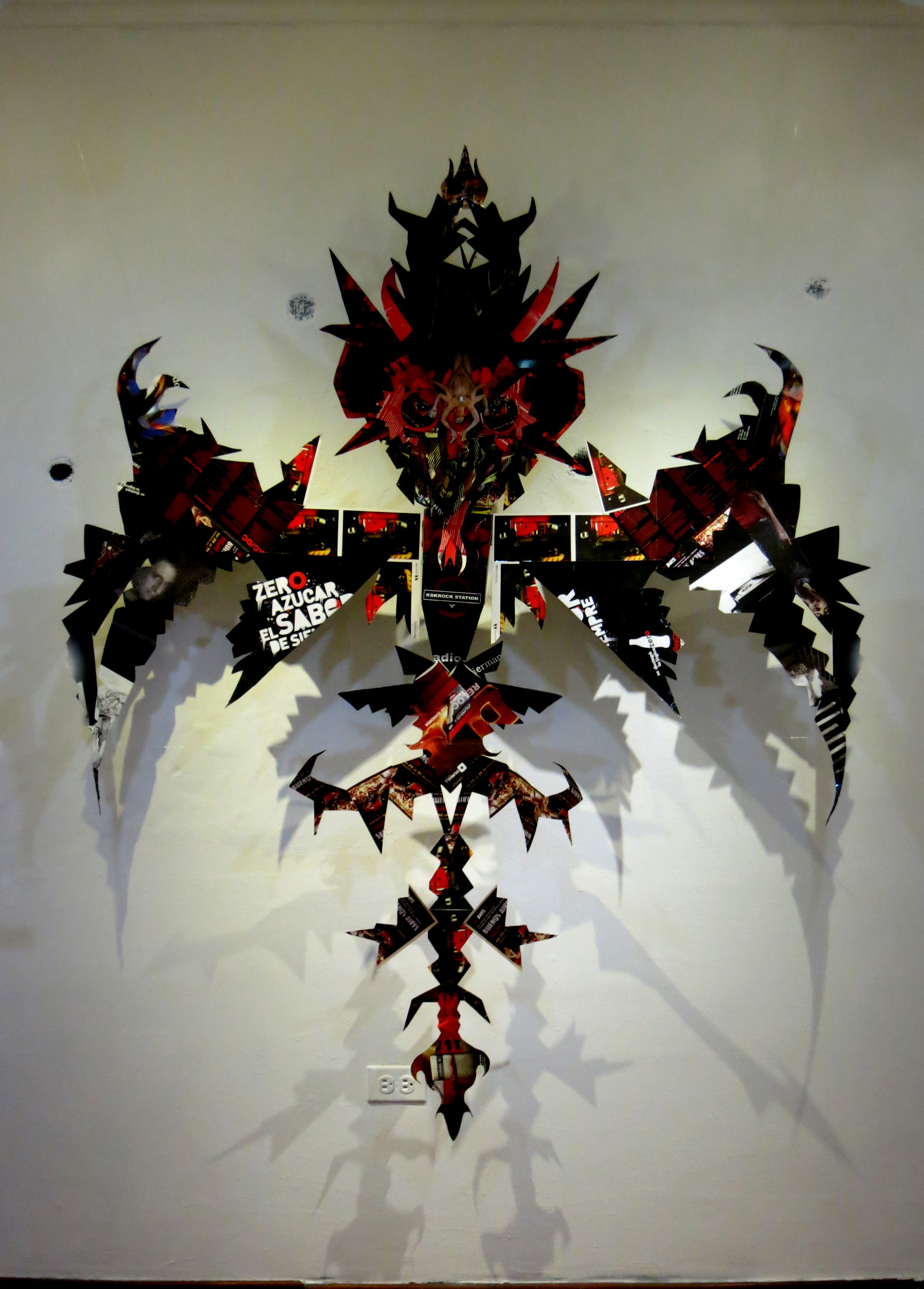
Art of Diego Mooz
Art of Diego Mooz

La Ronda at night

La Ronda at night

One of the last things I did before I left town was to visit the national museum, which has an astonishing collection of pre-Inca artifacts, as well as a lot of Inca gold. There’s also a floor of Catholic art after the conquest, but that is not nearly as interesting as the pre-Inca floor. The artifacts are taken from all over Ecuador, so they’re from a lot of different ethnic groups, and the variety is amazing.

Some of the pre-Inca artifacts

Some of the pre-Inca artifacts

Anhtropomorphized pots, skinny arms hugging their bellies, the left cheek bulging from chewing coca leaves. Erotic art, showing the Kama Sutra was not alone in ancient peoples knowing a lot of ways to get it on. Llamas, condors, snakes, pumas–the important animals of the region. A mother suckling her baby. A man proudly holding his giant erection (a good luck figure). A half-cat, half-snake creature in the same skewed dimension sof a Picasso painting. A vase in the shape of a foot. I only had an hour and a half in there, but I could have easily spent twice that long looking at the weird and wonderful art.

Inca sunburst

Inca sunburst

Springtime in Shinrin-koen

I had no winter this year, but I still gloried in spring. It’s amazing the psychological effect a fresh breeze and budding flowers can have, even when you aren’t thawing from a long, cold winter. I’d been melting in the tropics, and as gorgeous as the flora and fauna of Southeast Asia were, it was a relief for this Midwesterner to be back in temperate climes just as everything was starting to warm.

Amongst the flowers at the national park in Shinrin-koen

Amongst the flowers at the national park in Shinrin-koen

shinrin-koen park

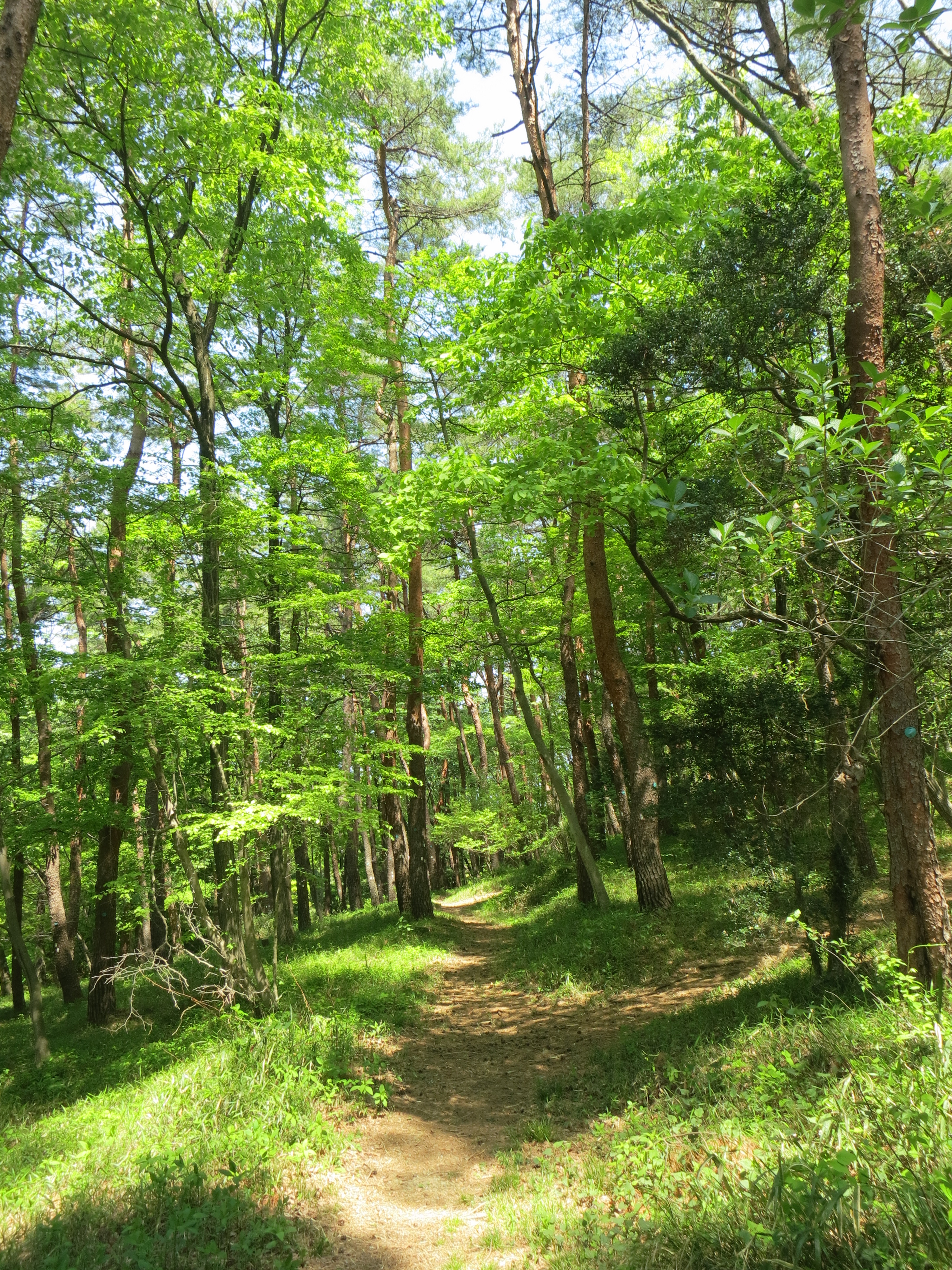
I went to the national park at Shinrin-koen in the Saitama region, one fine Saturday afternoon. It’s a sprawling park, and every inch of it is carefully manicured. There was no wildness at all there, so it felt more like a garden than what I think of when I think “national park.” It was a garden of wonders, one of the best-planned parks I’ve ever been to.

Hi kiddos!

Hi kiddos!

A walk near the castle ruins

A walk near the castle ruins

shinrin-koen park

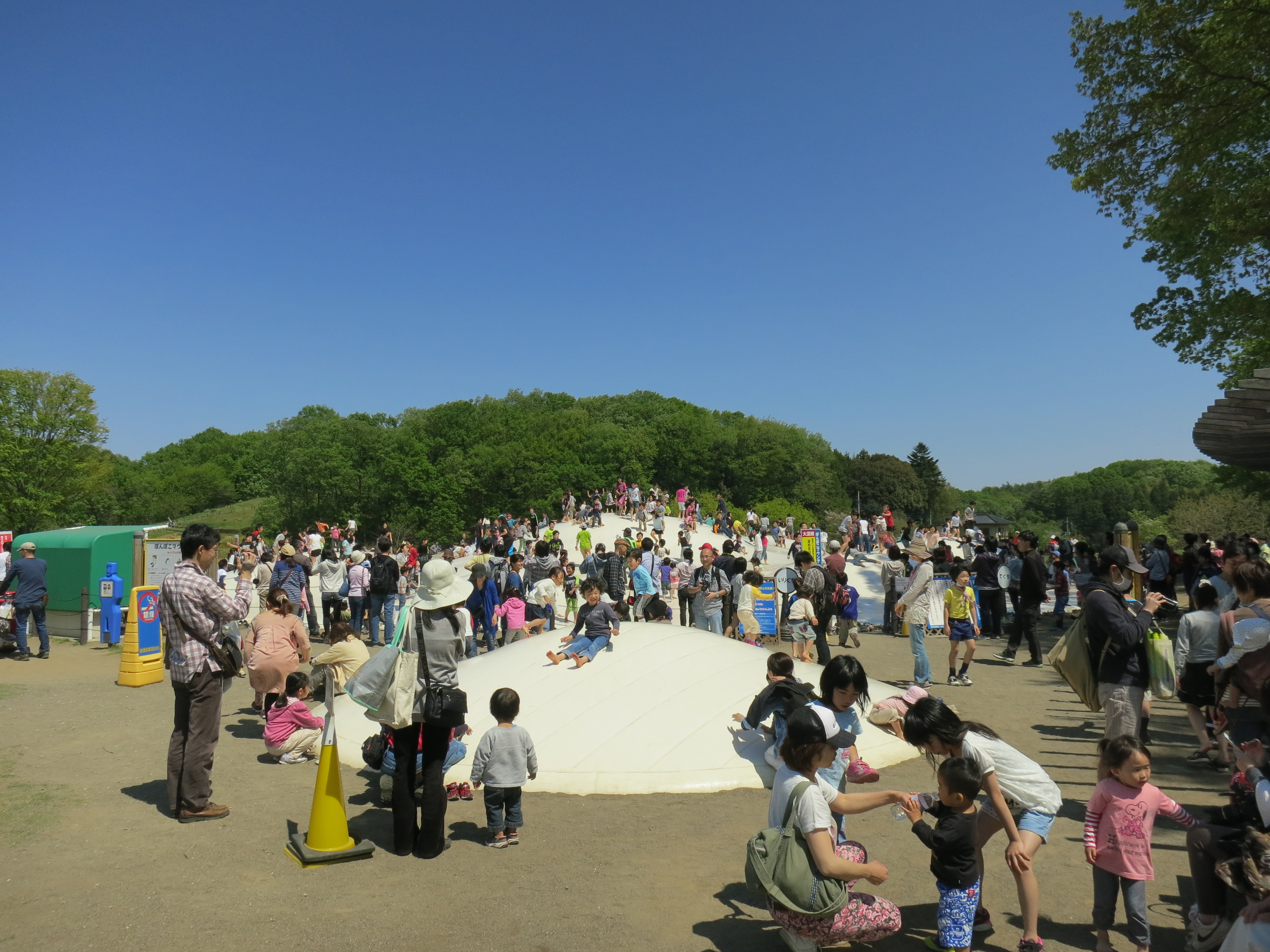
Straight off, giant plush mascots greeted families as they entered the park, and posed for photos with children. This set the stage for the rest of the park, which was packed with frolicking kids and relaxed parents. This was a sunny weekend at the beginning of Golden Week, the biggest holiday week in the country, so it was no wonder it was full of families. Still, it was a big enough park that I was able to find my own patch of grass in a quiet corner and read a book for an hour.

Giant trampoline

Giant trampoline

Playing catch with artwork

Playing catch with artwork

I walked on broad, paved paths, while cyclists zipped by on separate paths (brilliant move). You can rent bicycles at several of the entrances to the park, or of course, bring your own. There was a motorized train you could pay to get from one end of the park to the other, since it was so large. Signs were placed throughout the park reminding visitors not to remove plants or animals. Most signs were in both Japanese and English, and I got an English map at the park entrance, which was very helpful. 

A memorial of some sort

I can’t remember what this is a memorial to

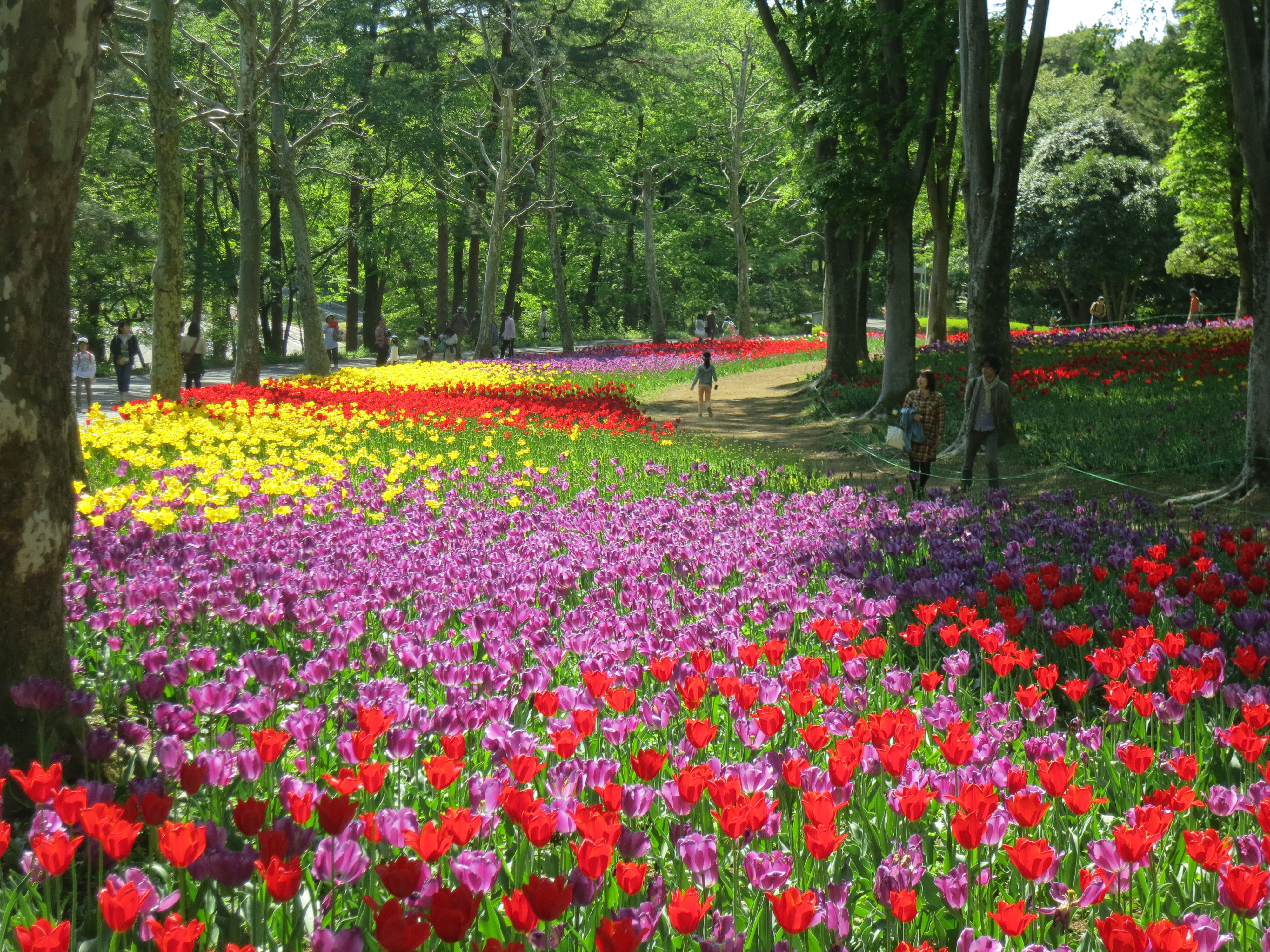
The park was made up of lots of different areas–sculpture garden, performance pavilion, cherry tree grove, barbecue grills, giant trampoline, tulip garden, pony rides, lake dotted with water fowl, snack shack, play structure, and a lot of other places I didn’t get to in the three hours I was there. I walked over what a sign said were the ruins of a castle, although by this point they were just indentations in the earth.

shinrin-koen park

The giant trampoline was more like a white dome of soft, bouncy material, and kids from toddler age on up to about ten were having great fun jumping around and sliding down to the ground, then clambering up again. I had my first Japanese soft-serve ice cream, which I found out later was a majorly popular treat throughout the country. Vanilla and rose flavor, delicious.

shinrin-koen park

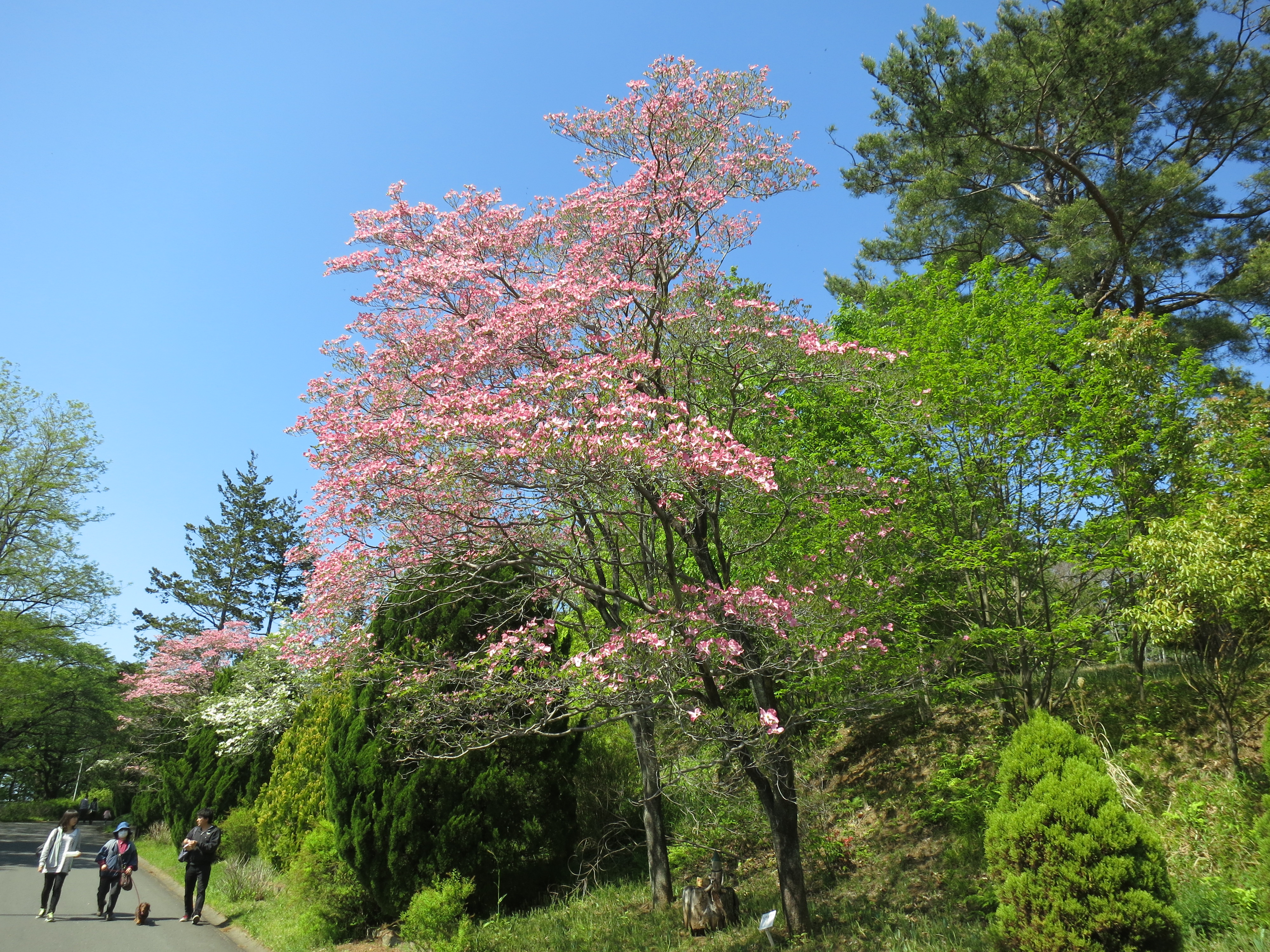
I posed for photos in front of various trees and flowers, and smiled at all the kids throwing up peace signs in their photos. It was a lovely day for a walk in the park, and if I’m ever in the area again, I’ll go back.

Tiptoeing through the tulips

Tiptoeing through the tulips

Hometown Tourist: Humboldt Park

Hometown Tourist is a series that hears that chipper tip, “be a tourist in your hometown!” and says, “Okay!” When friends come to visit, I like to show them a combination of standard tourist spots and the neighborhood places they’d never know to look for. Why not write about all those places? If you have suggestions on Chicago places you’d like to see covered for Hometown Tourist, add it in the comments.

I might never have started this blog were it not for Humboldt Park. Humboldt is bordered by North Ave, California, Kedzie, and Division, a vast expanse of green on the west side of Chicago. When I lived on California, I would walk the seven-tenths of a mile down the street and find a spot next to the lake to sit and read. In 2009, I’d been thinking of starting a blog (nothing like joining a trend a year or two late). On a few sunny September afternoons, feeling stifled and uncreative in my apartment, I walked down to Humboldt Park, sprawled out on the grass, and wrote. Surrounded by families barbequing and teenagers biking and old men fishing, I scrawled some ideas in a notebook and decided they would be enough to go on.

A typical summer day in Humboldt Park

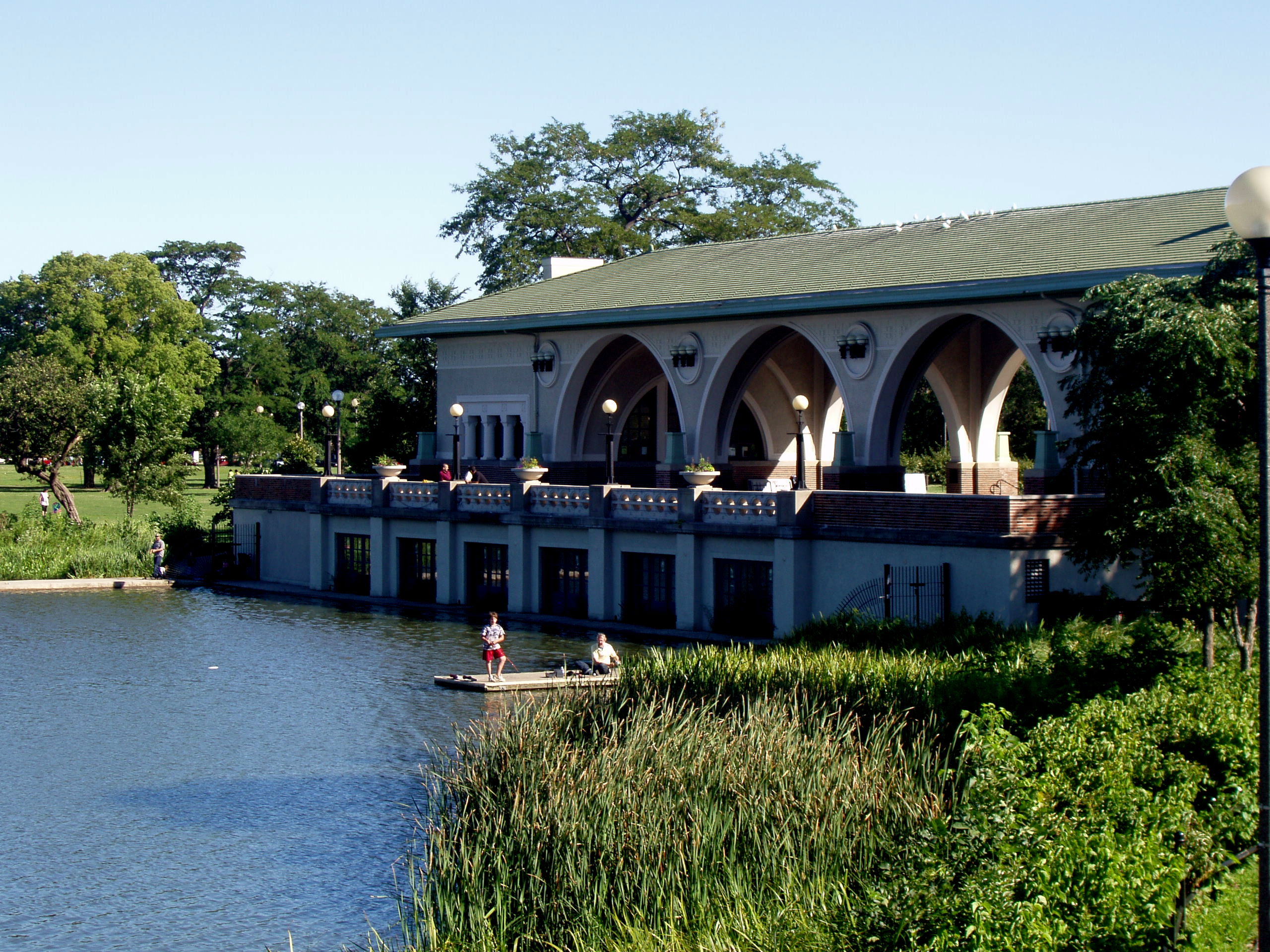
The manmade lake is stocked with fish, and the patient and hopeful find many places around the perimeter to set up their poles and see what they can catch. The boat house is basically a big pavilion covered by graceful arches, and I mostly look at it from afar, although it can give a nice view of the lake when you’re standing on it. Also, there are barebones bathrooms in there, which is useful.

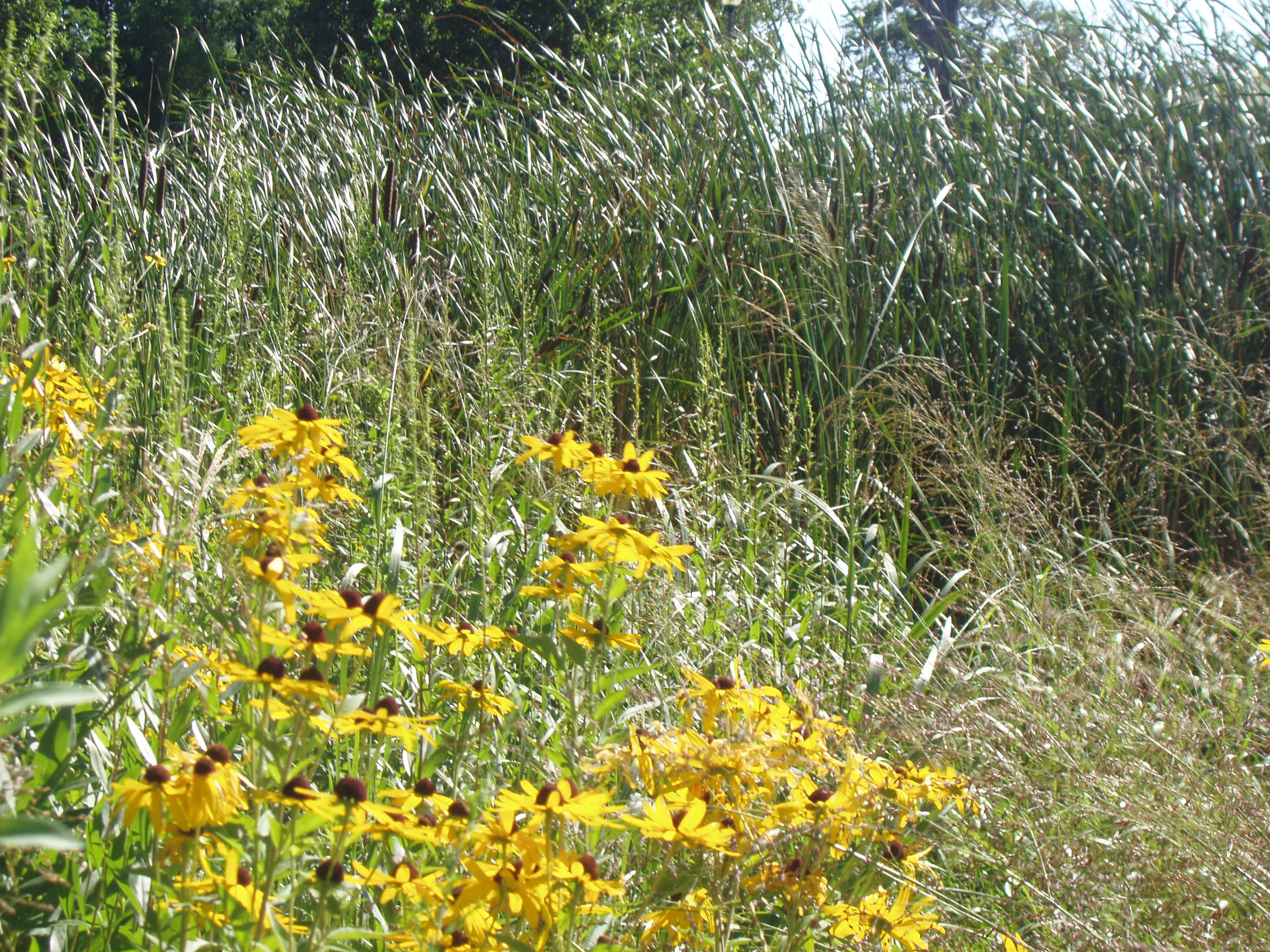
Native plants

The park was designed by Jens Jensen, who designed various other parks in Chicago and throughout the Midwest. One of Jensen’s main principles was using native plants in landscape design, rather than importing exotic plants. He believed that a space was most beautiful when it used the materials at hand, and looking at the prairie design of Humboldt, it’s easy to agree. I also think of my friend Matthew, who works for a parks department in Michigan and spends a large part of his time removing invasive plants and educating homeowners about the dangers of invasives and the benefits of natives. Looks like Jensen may have been ahead of his time on this one!

You can see the Sears Tower (or Willis, sure) in the distance

The park is so large that a road runs through it so cars aren’t inconvenienced. All the pictures here are ones I took in the eastern side of the park, but the western side has great stuff too: a fancy fieldhouse, a small lagoon with a sand beach (the only such beach in the city that’s not on Lake Michigan), and a little river flanked by benches sheltered by plants in just such a way as to make them perfect makeout spots. A bike path meanders through the whole park, baseball fields host games all summer, and the playground is almost always covered in children squealing with delight.

The boat house

Humboldt Park is the name of the surrounding neighborhood as well as the green space, and it’s a predominantly Puerto Rican neighborhood. Giant, metal Puerto Rican flags straddle two of the streets, and almost every other storefront is a restaurant with delicious foods. The city of Chicago hasn’t really caught up to the street food craze sweeping the nation, but there are several food huts and carts at the park with tasty jibaritos and alcapurrias for sale. In June of each year, the streets host an official parade and also an unofficial parade of jubilant, flag-waving people in slow-moving cars for the Fiestas Puertorriquenas. People sit out on their porches and grill food, bomba and salsa music blasts from stereos, and everyone’s in a great mood. All this is concentrated in the park, where a large carnival is set up and live music plays. It’s a good time, and a total change to the usually peaceful park.

In short, if you’re anywhere west of Western and north of the Eisenhower, stop by! It’s a lovely place to spend an afternoon.

Where it is: In the square created by North Ave, California Ave, Kedzie Ave, and Division Street

When to go: Whenever! Obviously, it’s not as active in the winter, although the scenery is just as beautiful as it is in the summer, if different.

What to see: The lake and boat house, the gardens tucked away in the shade, a baseball game at one of the diamonds, the shallow swimming lake on those hot summer days

Cost: Free