This road sign is not particularly great at helping you figure out how to get to wherever you’re headed.

The back roads of New Zealand
This road sign is not particularly great at helping you figure out how to get to wherever you’re headed.
The back roads of New Zealand

Somewhere in southwestern Bolivia; May 30, 2014
Like every other place in the conquered Inca empire, Cuenca shows the the effects of the Spanish: the Inca buildings were torn down and the materials used to build the Europeans’ civic buildings and churches. However, in Cuenca, the foundation stones of the Inca buildings are well-preserved enough that we can get a good sense of the size and function of the complex.

The foundation stones of the grand Inca building that used to be here
It was a palace, comprised of soldiers’ barracks, quarters for virgins dedicated to the sun god, a temple, farming terraces, and other structures necessary to support a center of Inca activity. The ruins were excavated by a team led by Max Uhle, the German archaeologist, from 1919 to 1923. The ruins nowadays include a reconstruction of gardens, down the hill from the main structures, an aviary, and, naturally, a snack stand.

Replanted gardens

Reconstructed section
As with every other major Inca structure, the ruins of Pumapungo (“gate of the puma”) are situated precisely on the compass rose, aligned with mountains and other natural formations of spiritual significance. From atop the hill, looking out over the river curving around the base of the ruins, it’s easy to see why this might be a strategic as well as inspirational spot to set up a major hub in your expanding empire.

These were the first Inca ruins I saw–the first of several
The ruins are behind the Banco Central and the Museo Pumpapungo, so after touring the ruins and feeling the first hint of rain on my jacket, I went inside the museum. I bypassed the display on money and went to the side room display on the Incas. It was an odd mix of meticulously made costumes and empty display cases, and I only got a muddled sense of the people who lived and died here 600 years ago.

Photos weren’t allowed in the museum, so I just snuck a couple, like this one, showing the Incas worshiping
Upstairs, a much better display awaited me–an entire floor devoted to the different ethnic groups of Ecuador, from the jungle-dwelling people in the Oriente, to the various highlands groups in the Andes, to the people living along the coast. Musical instruments, masks used for celebrations, clothing worn to indicate status, and everyday work tools were the most frequently displayed items.

Masks for all occasions
Finally, one small, dark room at the end of the hall showed the famous shrunken heads of the Shuar people of the Amazon jungle. (Head shrinking was outlawed a few decades ago, so now they can only shrink the heads of animals, like sloths.) This is the only exhibit in the museum to include English translations alongside the Spanish placards, and the display includes a lot of information on the Shuar people in general, before getting to the head-shrinking. A few shrunken heads were on display, and they were eerie and grotesque, as you might expect.
But my favorite part of the exhibit was the careful way the text explained why the Shuar did this–to make sure the soul of the deceased, contained in the head, could not return–and that it wasn’t always done to enemies, but sometimes to Shuar people who had killed. Killing was so taboo that the killer was himself put to death and his head shrunk so his tainted spirit couldn’t return and inhabit another person. That’s a very different thing from the bloodthirsty savage we likely all imagined, right?
The final placard of the exhibit made this plea: “The ‘Shuar’ are a people who merit respect, and even if many of their customs have changed for diverse reasons, they maintain themselves as a group proud of their past and of their present, a true example of the diverse ethnic communities of Ecuador. Because being ‘civilized’ does not imply casting aside the historic and cultural baggage from which our being originates.” That’s a major statement for a group to make in Ecuador, where indigenous groups were until very recently legally discriminated against, and are still struggling against the racism of city-dwelling Ecuadorians. I was impressed to see the statement made here.

Llama city grazing, naturally
I was in Cuenca during the last two days of Carnaval, and the city was a ghost town, which meant I spent a lot of my time taking photos of street art and wandering empty streets, dodging small children with foam cans. It also meant that all the churches were closed, so I didn’t really get to go inside any, but here are a few shots of the exteriors.
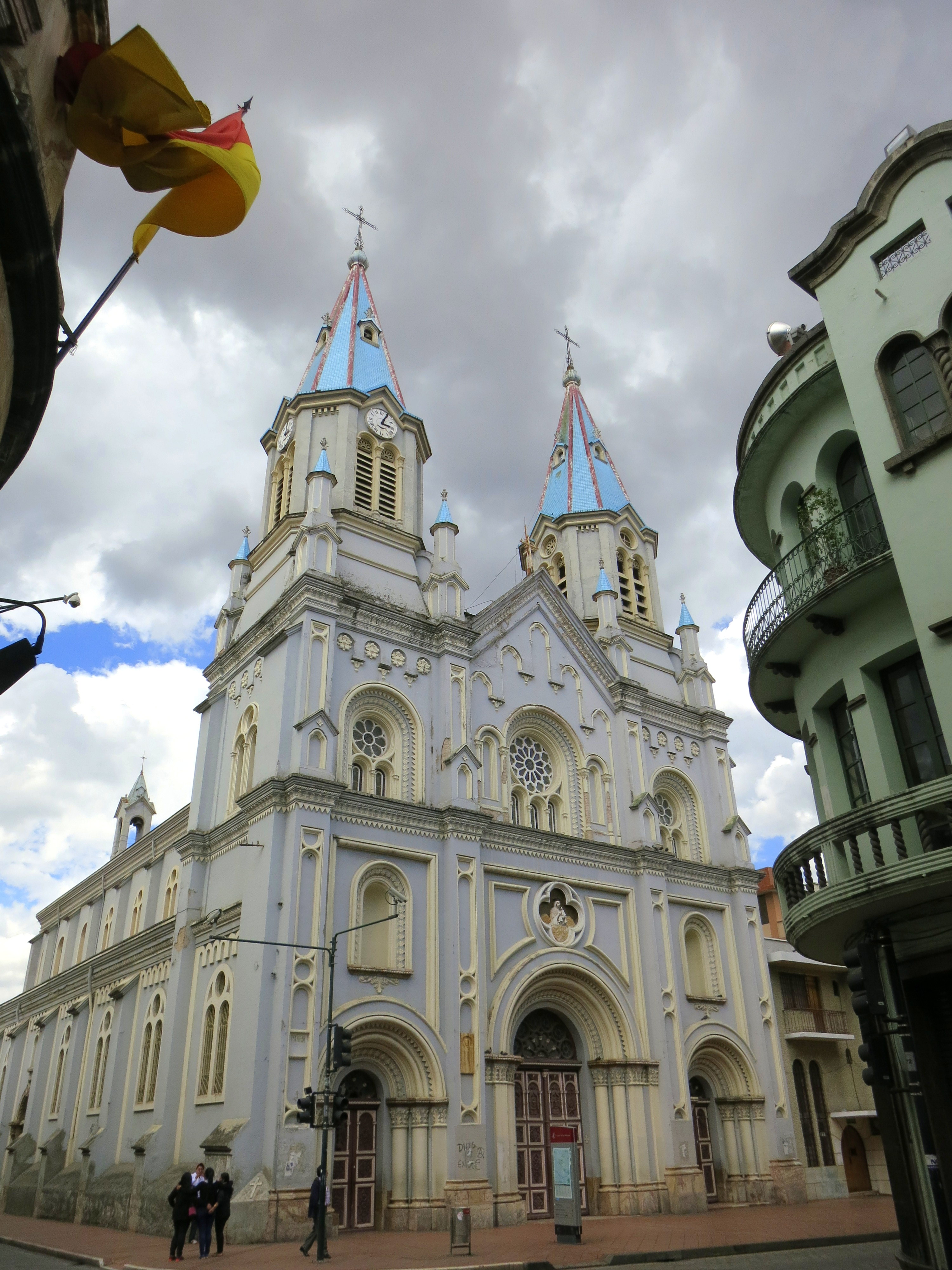
I’m not sure which this one was

Sacred Heart on a church door
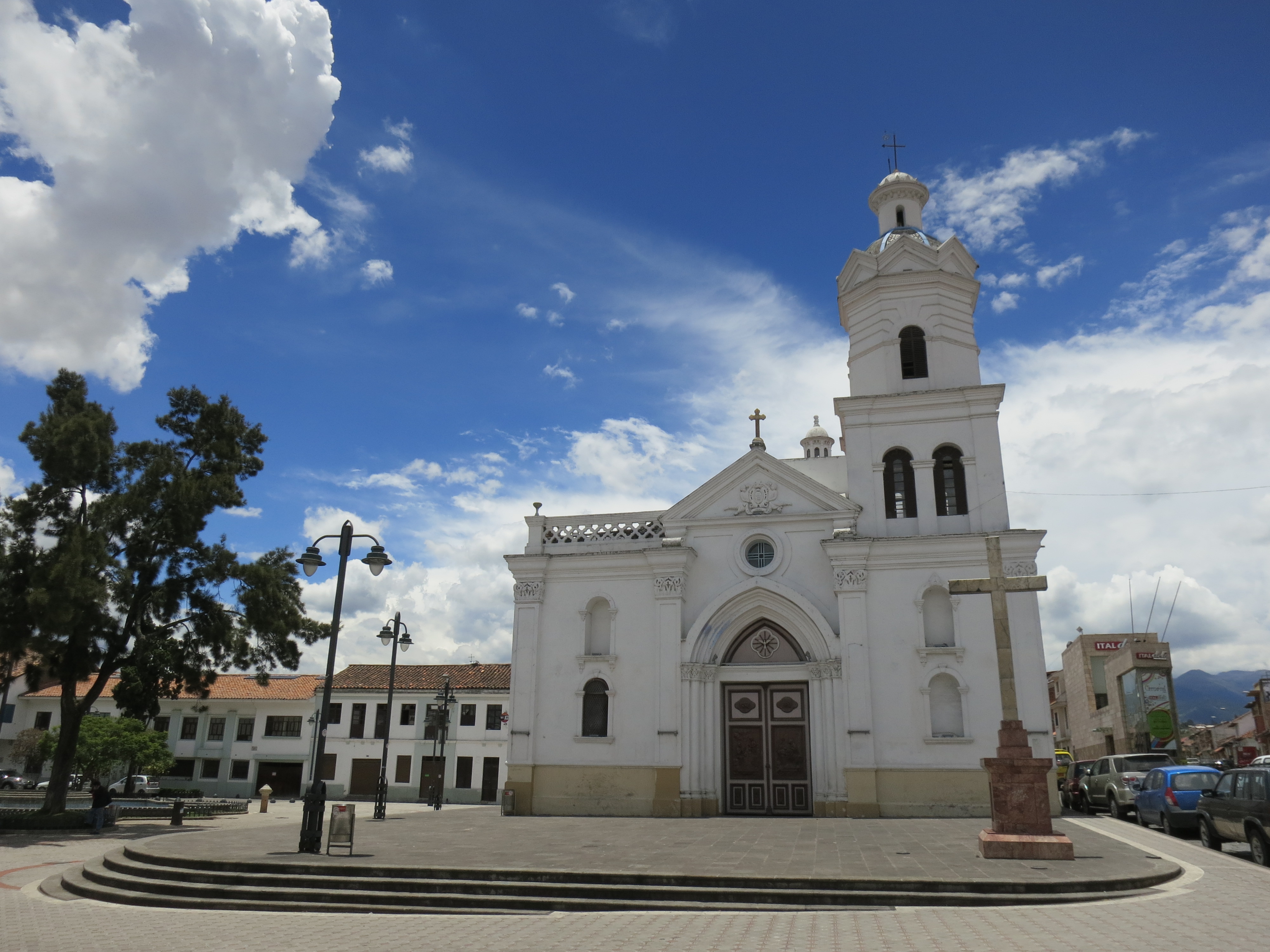
San Sebastian
The New Cathedral was a boring brown brick building, but the doors and the domes were great. Apparently, the interior has a lot going for it. I’ll have to check it out during a non-holiday sometime.

Splendid doors of the New Cathedral

Domes of the New Cathedral

The Old Cathedral
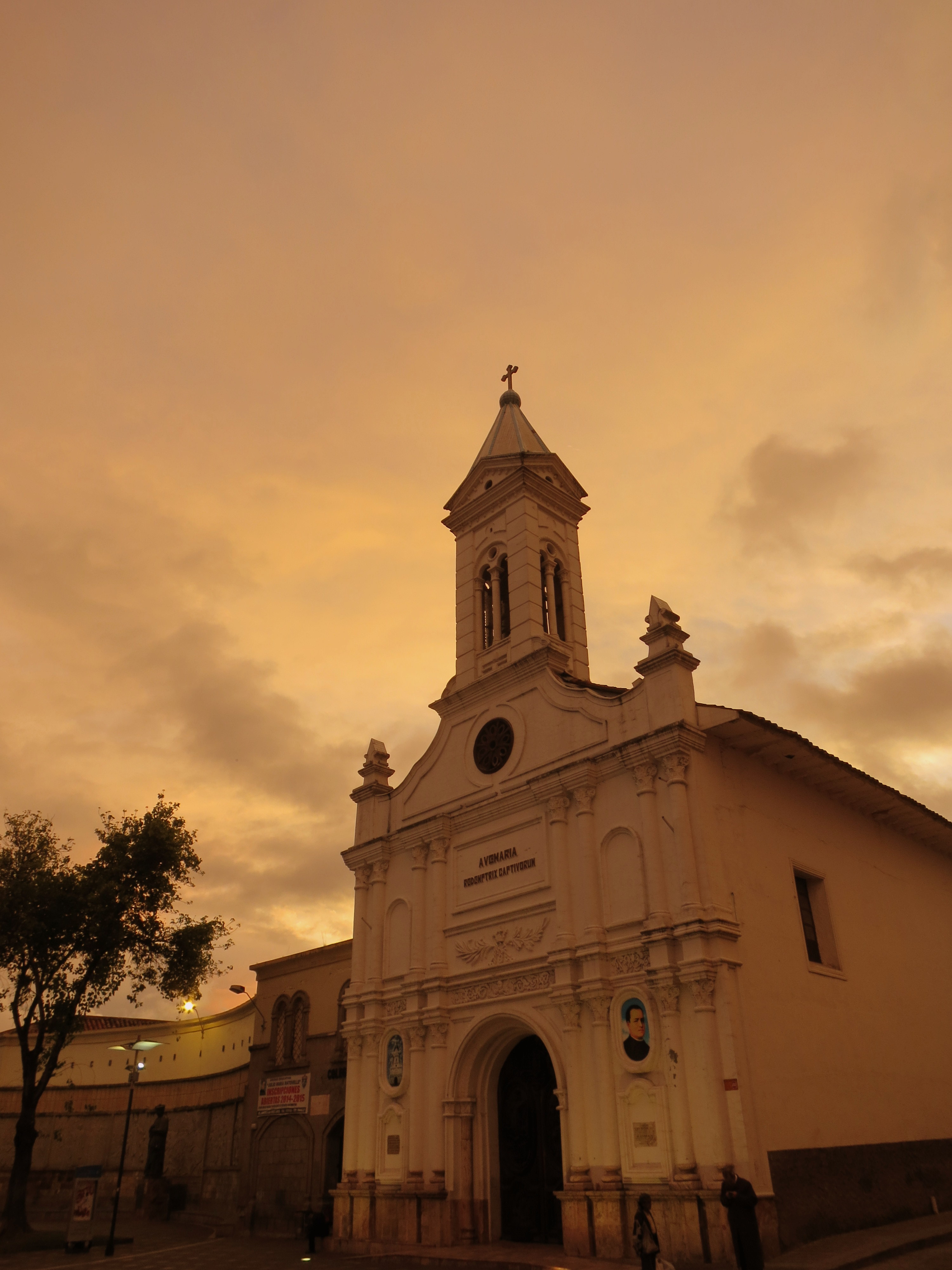
La Merced
It’s no secret that waterfalls are my favorite natural phenomenon (a phenomenon, yes; although it’s just gravity tugging at a stream, it always seems more than that). I’ve wondered how far I might go to see them, and after my visit to Mindo, Ecuador, I have a partial answer: I’ll walk two hours on a sprained ankle to see a waterfall.
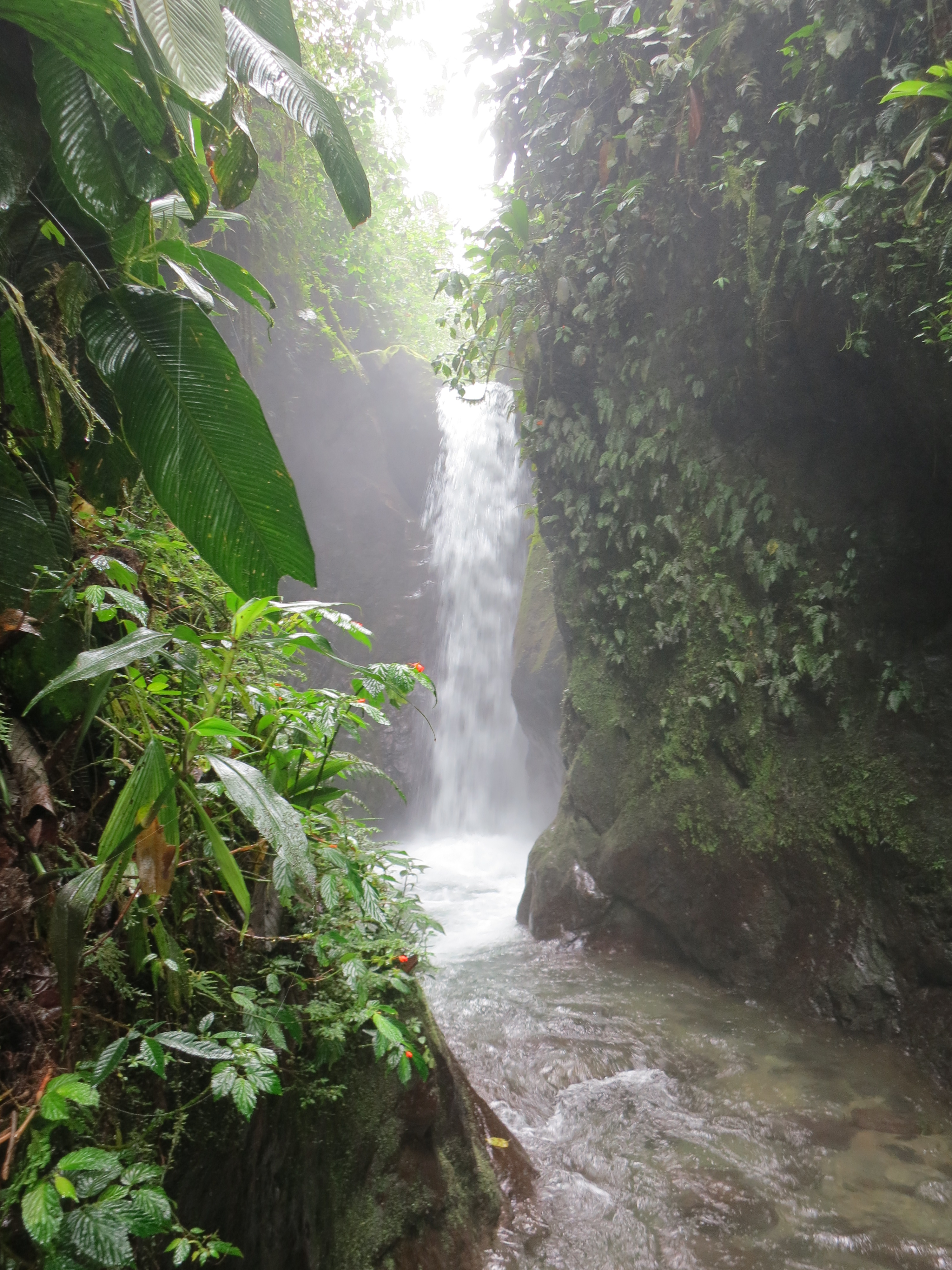
The last waterfall of the hike
Mindo is a small town about two and a half hours outside of Quito, in a cloud forest–wonderful phrase–in the mountains. The town itself consists of about six streets, but it sees a lot of tourism in high season, because it’s a great spot for birdwatching, and they’ve also turned it into a little adventure sports destination. Of course, the first thing my eye was drawn to in the hostel’s brochure was “cascada”–waterfall.

You can see why it’s called a cloud forest
Getting to the series of waterfalls was a small adventure in itself. A small group of us piled into the cab and flatbed of a local man’s pickup truck, and he drove us out of town, up the very bumpy unpaved road, for $2 per person. Then four of us climbed into a tiny, open-topped wire cage suspended from a cable, and we whizzed across the treetops. It was exhilarating, just one minute long, but it felt like flying.

The tiny cable car
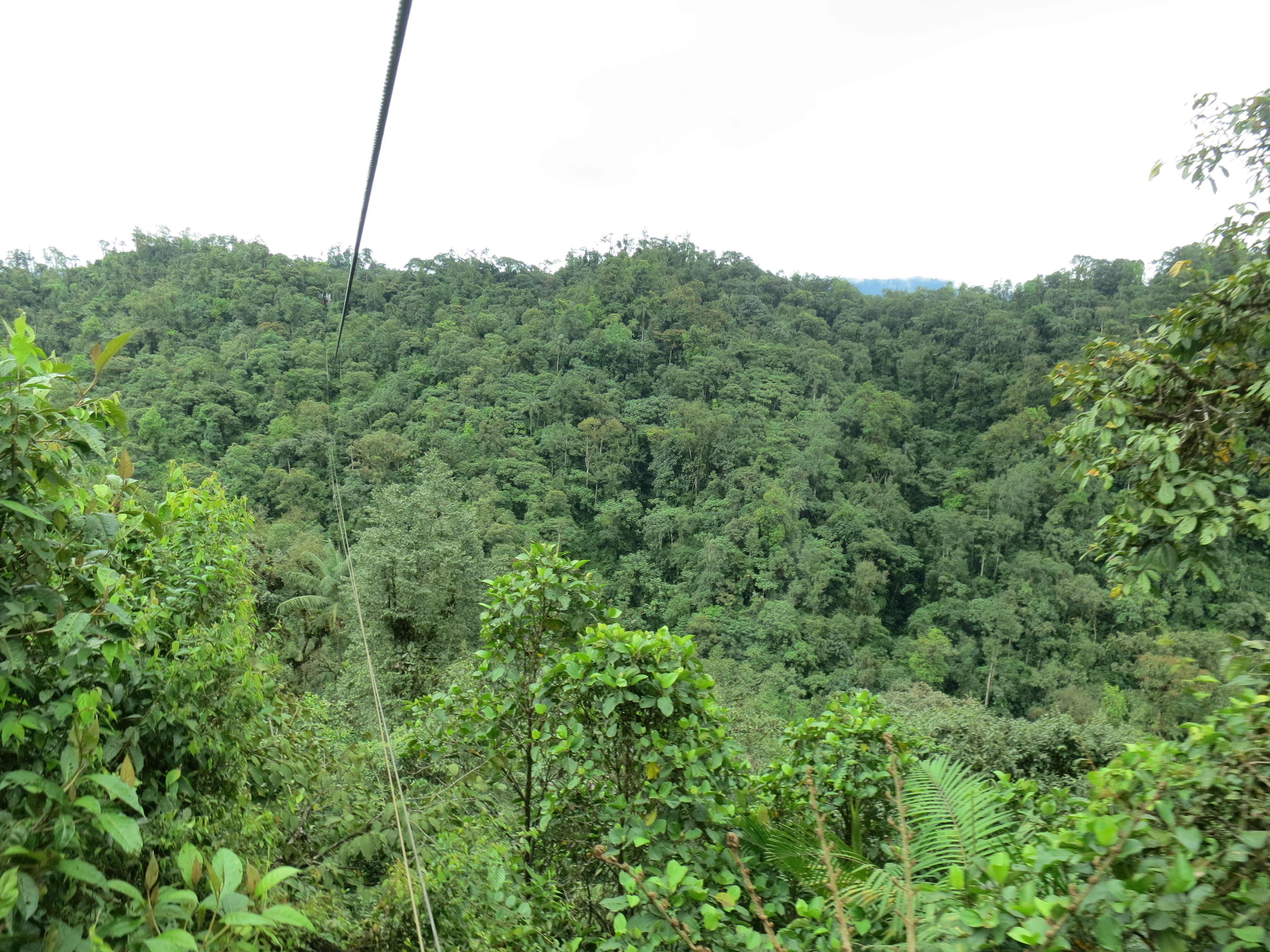
We were quite high up
On the other side, we descended and the cable car worker gave us a small, mostly useless map of the park, so we could decide which waterfalls to visit in which order. The trail, made of packed dirt and smooth stones, was a bit treacherous, as the daily afternoon rains had made the stones slick and the dirt sloppy mud. Within fifteen minutes, I’d slipped and fallen on my butt. When I stood up, I felt the all-too-familiar twinge of a twisted ankle, but I hobbled down to the waterfall anyway. It was okay, but small and a little far away, so I decided to ignore the throbbing in my ankle and go on to the next few. These were much lovelier, and worth the painful walk.
Looking through a hollow tree branch
A couple let you get very up close and personal: at one, I had to wade through shallow waters downstream from the waterfall, to continue on the trail on the other side. At another, I kicked off my shoes and scrambled up a rock to better admire the waterfall, while other visitors battled the strong current to get right up to the crashing water itself. A whole gaggle of teenagers on a field trip splashed their way to the base of the waterfall and took selfies, including one couple that demanded their friend photograph them making out in the spray. Ah, youth.

I didn’t go on any early-morning birdwatching tours in Mindo, but I did want to see at least some. I split a cab ride up to a private home about ten kilometers out of town, called Mindo Lindo (“beautiful Mindo”). The owner, Pedro, told us to take a walk around the grounds, which consisted of dense trees and bushes.

Hand-planted jungle
When we returned, he informed us that he and his wife had moved here twenty years ago, when it was all grass, and they’d planed the forest by hand, even ferrying in water in buckets, as the river hadn’t been diverted yet. After five years, there were enough trees and insects for hummingbirds to be attracted to the area, and now there are 28 types of hummingbirds on the five acres they own.

There were so many, flitting here, alighting there
We saw eight different types of hummingbirds in the feeder-laden trees next to the porch. Pedro let us take turns holding one of the feeders, and the birds flew right up to us, some perching on the feeder, but most fluttering right next to it as they dipped their thin beaks in the sugar water. They were different colors, but all had an iridescent shine to them. They made a thrumming sound, which wasn’t their tiny heartbeats but their rapid wingbeats.
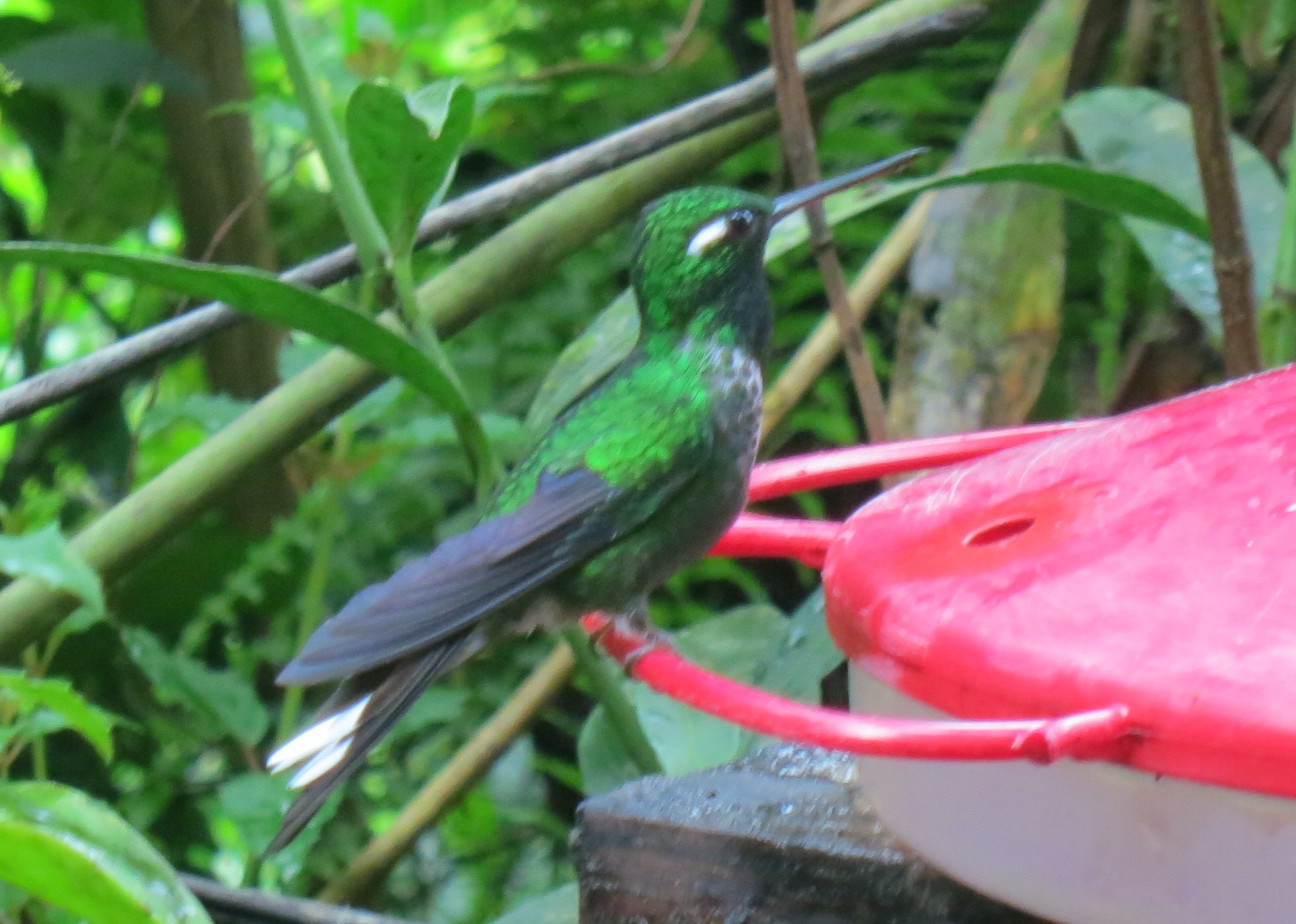

Pedro explained that different hummingbirds fed from different flowers, based on the curve of the hummingbird’s beak and the curve of the flower’s stamen. He opened up a book of birds and pointed out the ones we were looking at, and then he fed us granadillas and lemongrass tea as the afternoon sun glinted off the blur of wings in front of us.


Sunset, Sucre, Bolivia
Every major city is similar to every other major city in a lot of ways–crowds, vitality, cultural activities, traffic–and every one has its own qualities, as well. Quito, the capital of Ecuador, wedges itself between two ridges of the Andes mountains, and as a result it’s a narrow city, so all the important stops are easily found along the small strip running north to south. This includes the cathedrals, the government buildings, and also the more mundane civic places, like the parks and shopping centers. It never feels squeezed, but it does feel compact, so the largeness of the parks comes as a welcome surprise.
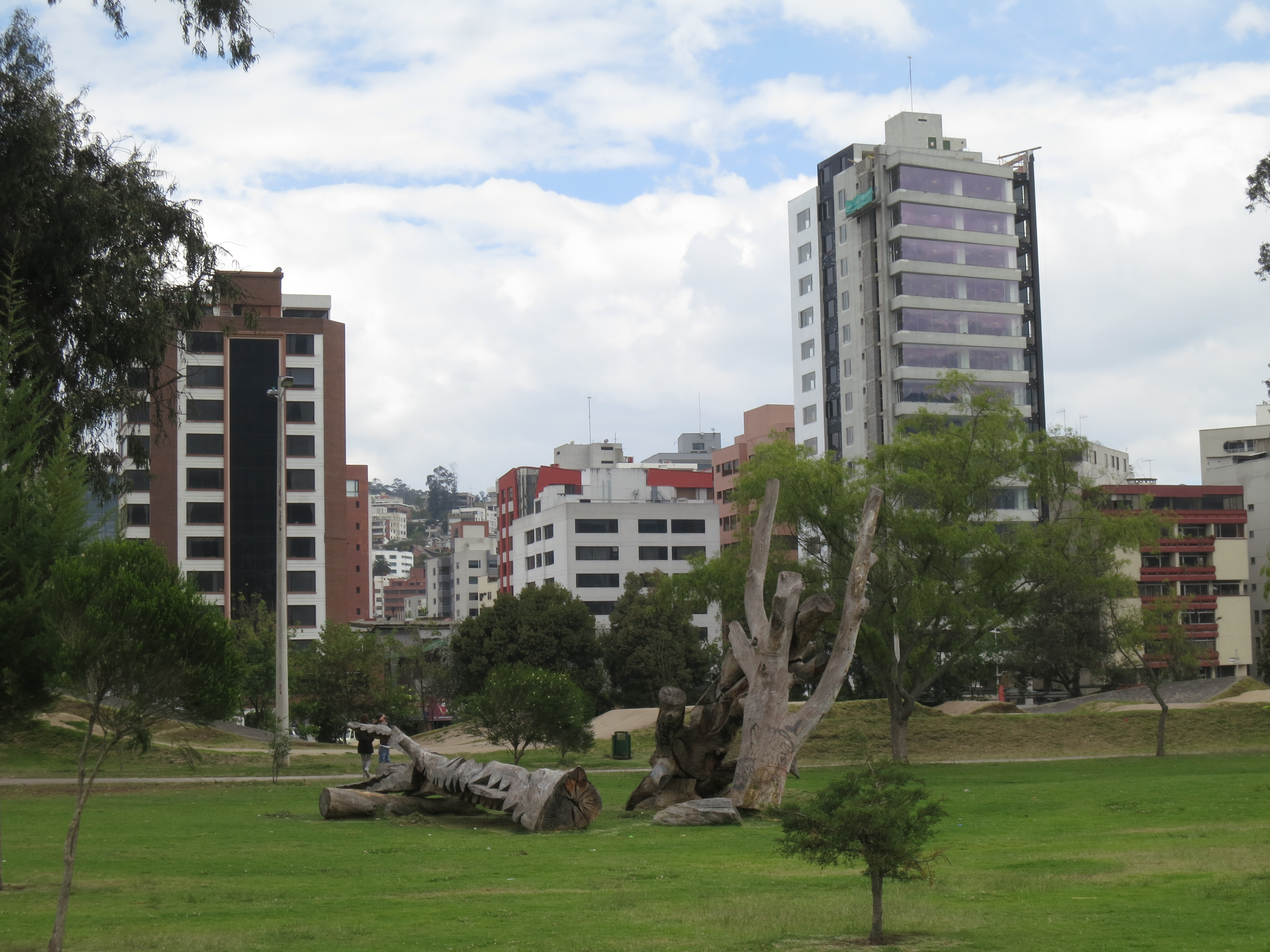
Parque de la Carolina
I spent several afternoons lying on my stomach on the green grass of the Parque de la Carolina or one of the others in the area, watching families play soccer or volleyball, people from all walks of life sharing a game of cards, vendors hawking real silver necklace, real silver for you.

Cards for all

Volleyball is big here

Egg whites and sugar, a popular dessert
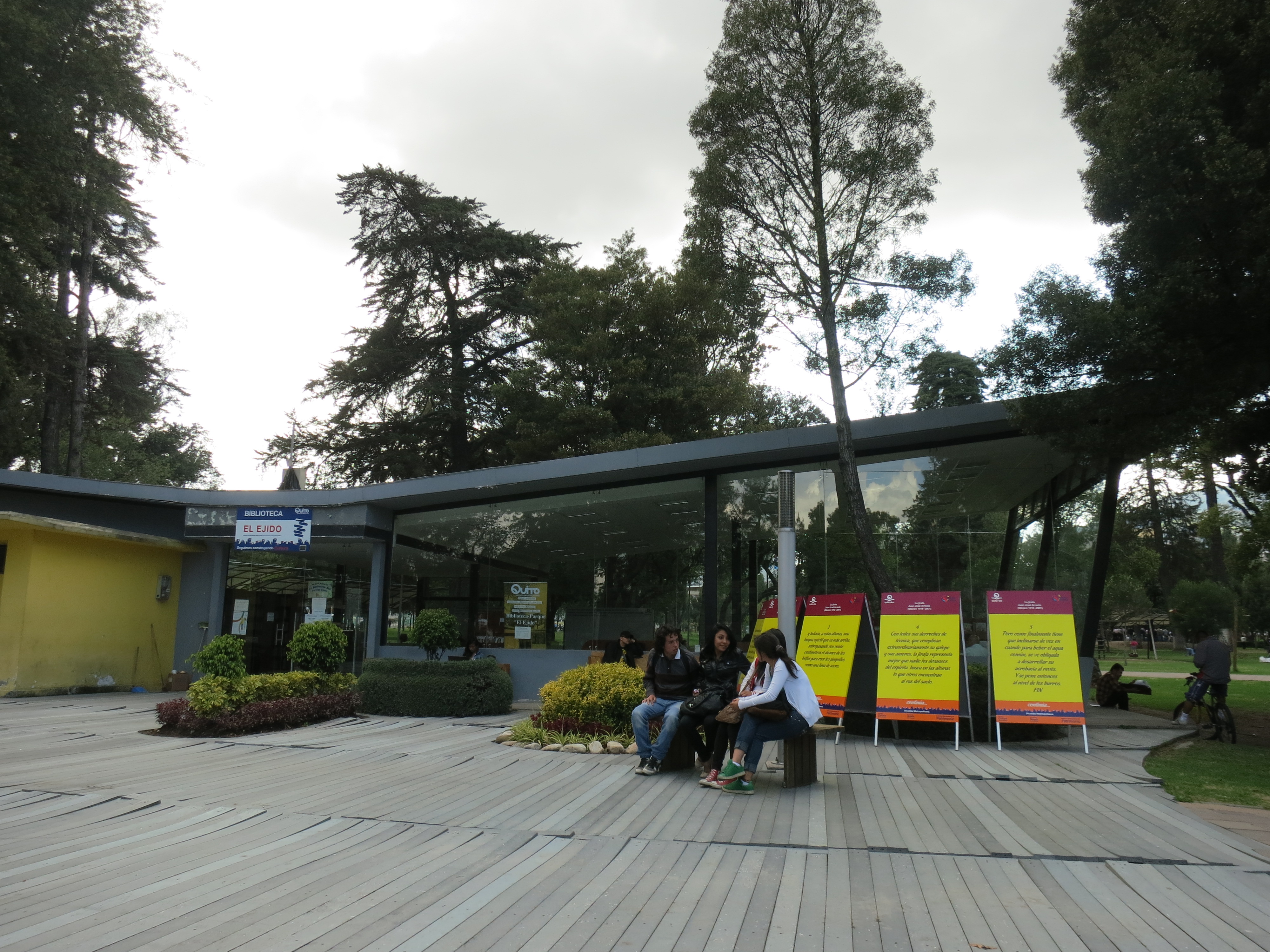
A library in the middle of the park–brilliant!
Quito also has several large malls, which are hugely popular. I was a little surprised to find myself wandering the halls of giant malls, since that’s something I try to avoid at home, never mind when I’m traveling, but sometimes it’s a Sunday afternoon and you’ve just arrived at your host family’s house and you haven’t had lunch and dinner isn’t for many hours, and you gotta go to a mall for an overpriced sandwich.

Not the mall–this is the market in the north end of town
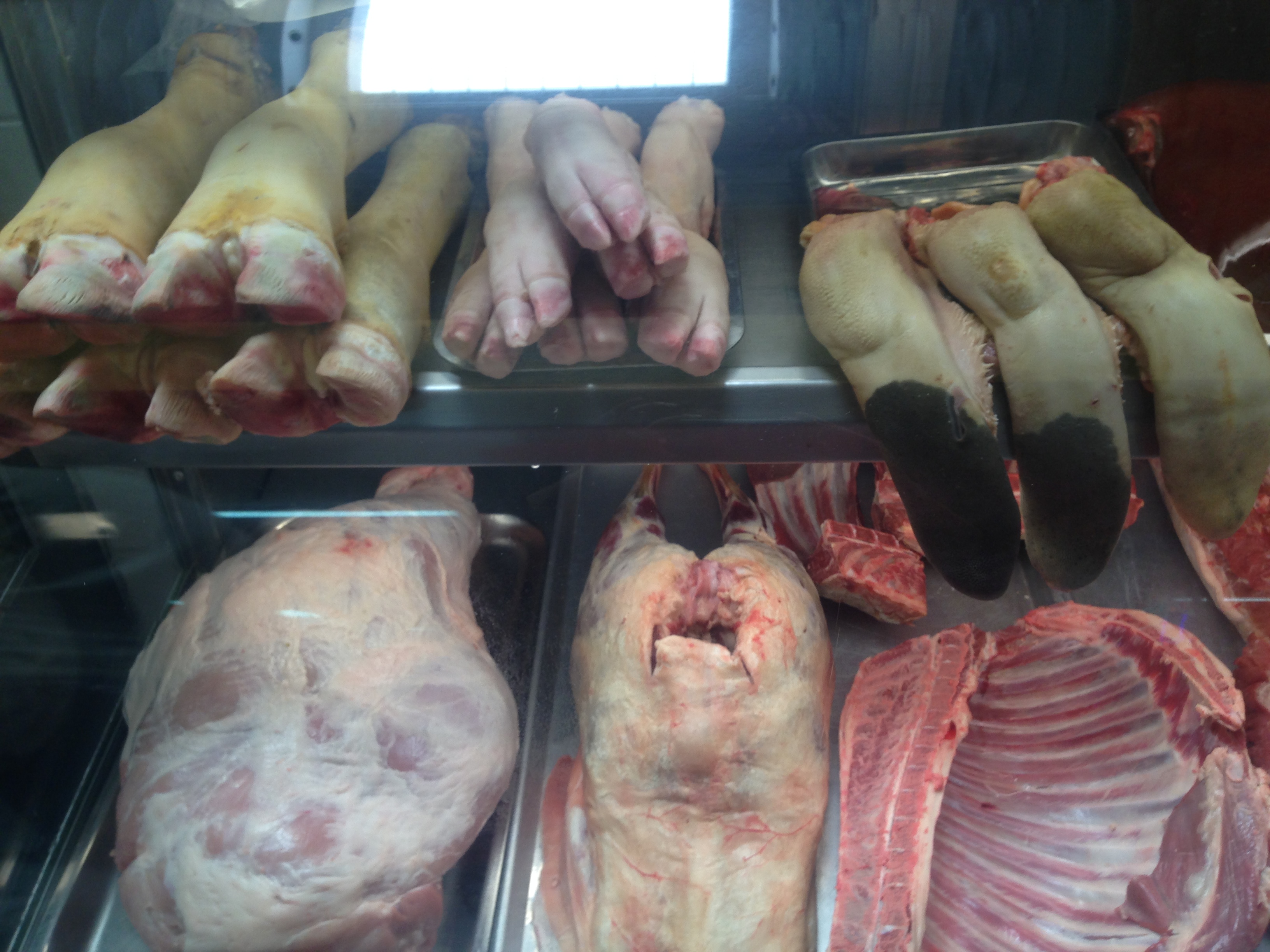
You can buy just about anything at the market. There were also brains for sale.
In Ecuador, by law, no one can sell alcohol three days leading up to an election, as well as the day of the election itself, since you’re supposed to be focusing on your civic duty of voting and not getting wasted. Of course, my last weekend in Quito was an election weekend! Still, there were lots of people out when I went to La Ronda, a revitalized street that’s now popular with artists and musicians. I had a proper Quito hot chocolate–with queso fresco that you can chew on separately or crumble into your drink–and listened to a guitarist serenade us, and afterward, walked down the street watching dancers advertise an upcoming traditional performance.
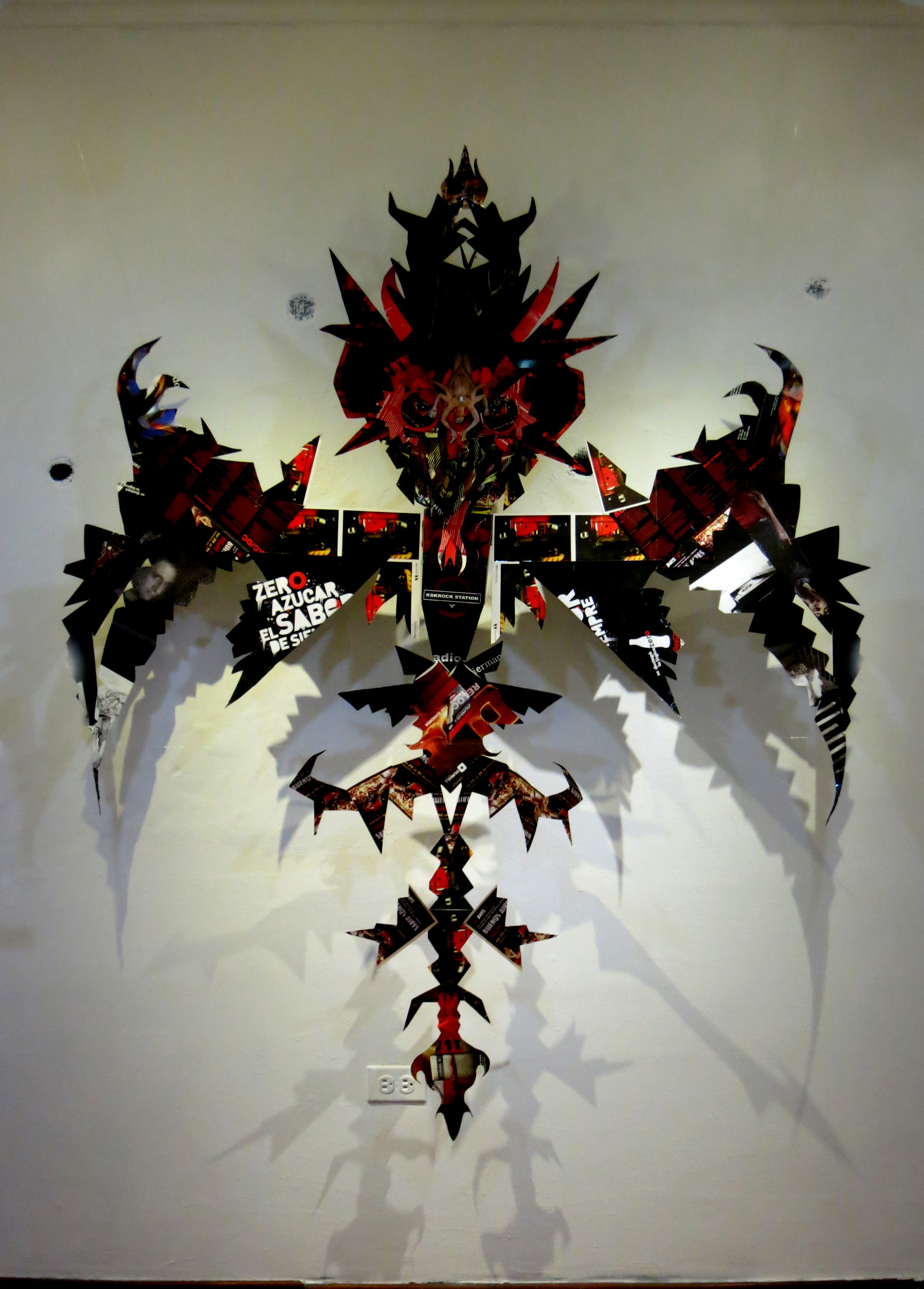
Art of Diego Mooz
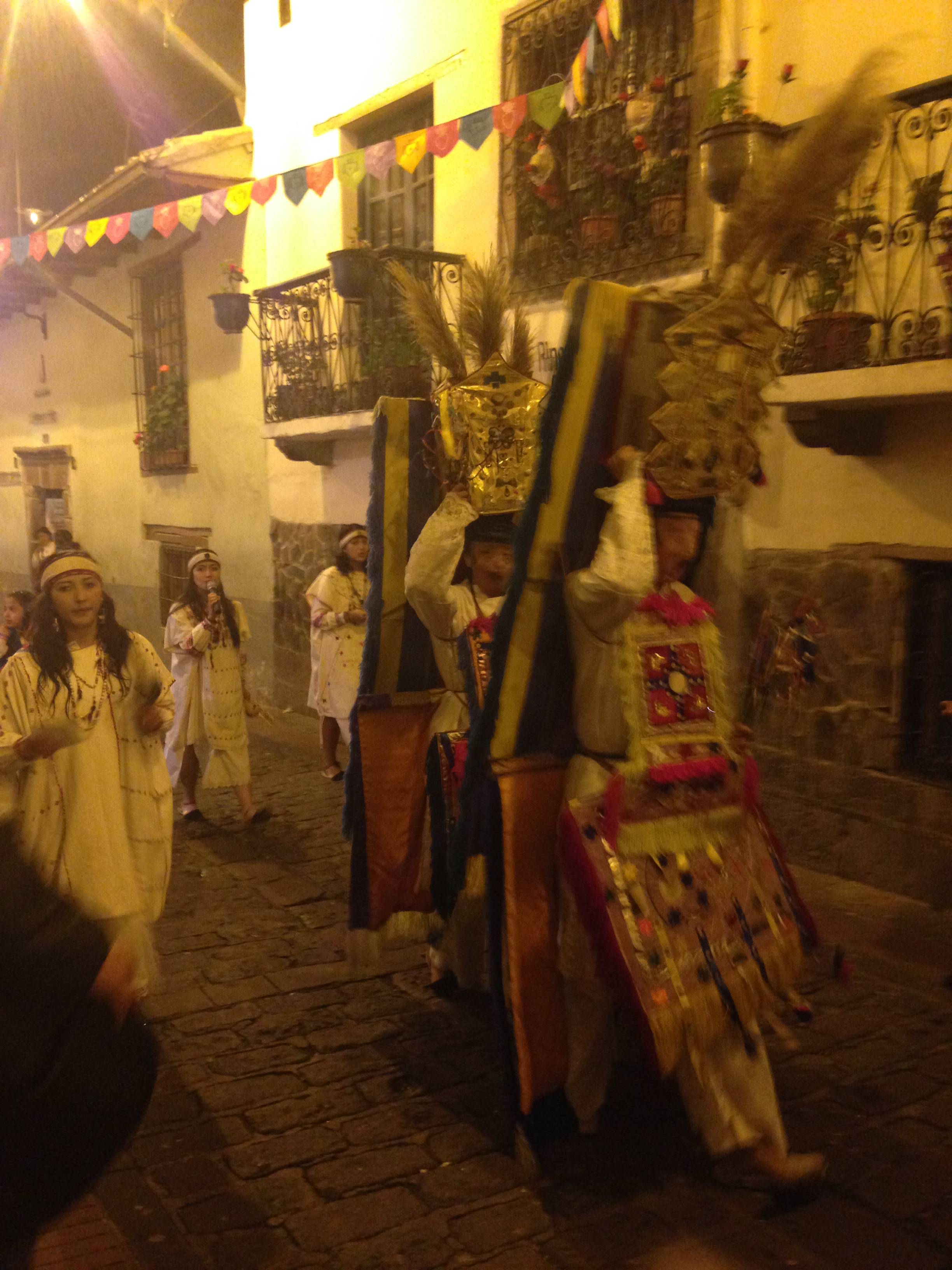
La Ronda at night
One of the last things I did before I left town was to visit the national museum, which has an astonishing collection of pre-Inca artifacts, as well as a lot of Inca gold. There’s also a floor of Catholic art after the conquest, but that is not nearly as interesting as the pre-Inca floor. The artifacts are taken from all over Ecuador, so they’re from a lot of different ethnic groups, and the variety is amazing.

Some of the pre-Inca artifacts
Anhtropomorphized pots, skinny arms hugging their bellies, the left cheek bulging from chewing coca leaves. Erotic art, showing the Kama Sutra was not alone in ancient peoples knowing a lot of ways to get it on. Llamas, condors, snakes, pumas–the important animals of the region. A mother suckling her baby. A man proudly holding his giant erection (a good luck figure). A half-cat, half-snake creature in the same skewed dimension sof a Picasso painting. A vase in the shape of a foot. I only had an hour and a half in there, but I could have easily spent twice that long looking at the weird and wonderful art.

Inca sunburst
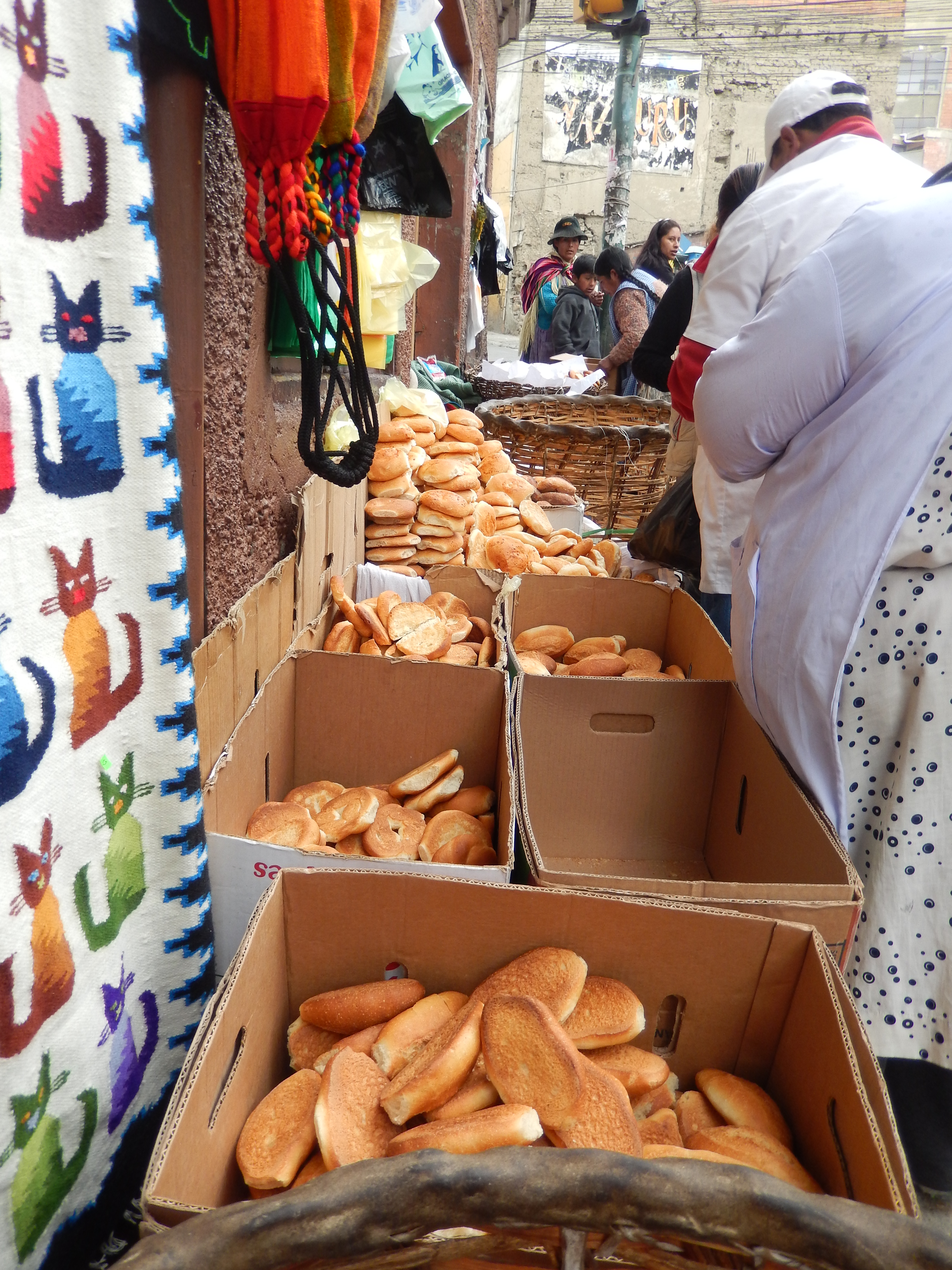
La Paz, Bolivia; May 22, 2014
I’d never before received a photo of myself in the garden of a presidential palace, accompanied by a printed note from the president welcoming me to the capital, but that is exactly what I got when I visited the palace in Quito, Ecuador. Officially Carandolet Palace, it’s also known as the presidential palace, or the governmental palace, and it’s where former presidents have lived and worked.

The building takes up a whole city block
President Rafael Correa converted it into a museum open to the public in 2007, and all you need to do to get in is to show up early enough in the day to get a free ticket. I got a little hassle because I only had a photocopy of my passport rather than the actual document, but eventually the guards let it slide. You pass your things through a scanner and walk through a metal detector, and then you’re given a little pass that says you’re on the tour.

Official
The tour was entirely in Spanish, and I caught maybe 20% of it before tuning out and just admiring the lavish setting. As far as I can tell, the building is an oft-reconstructed colonial one from the 16th century, with major renovations done by Baron de Carondelet in the early 19th century. Simon Bolívar named it Carondelet Palace when he saw it after liberation in 1822.
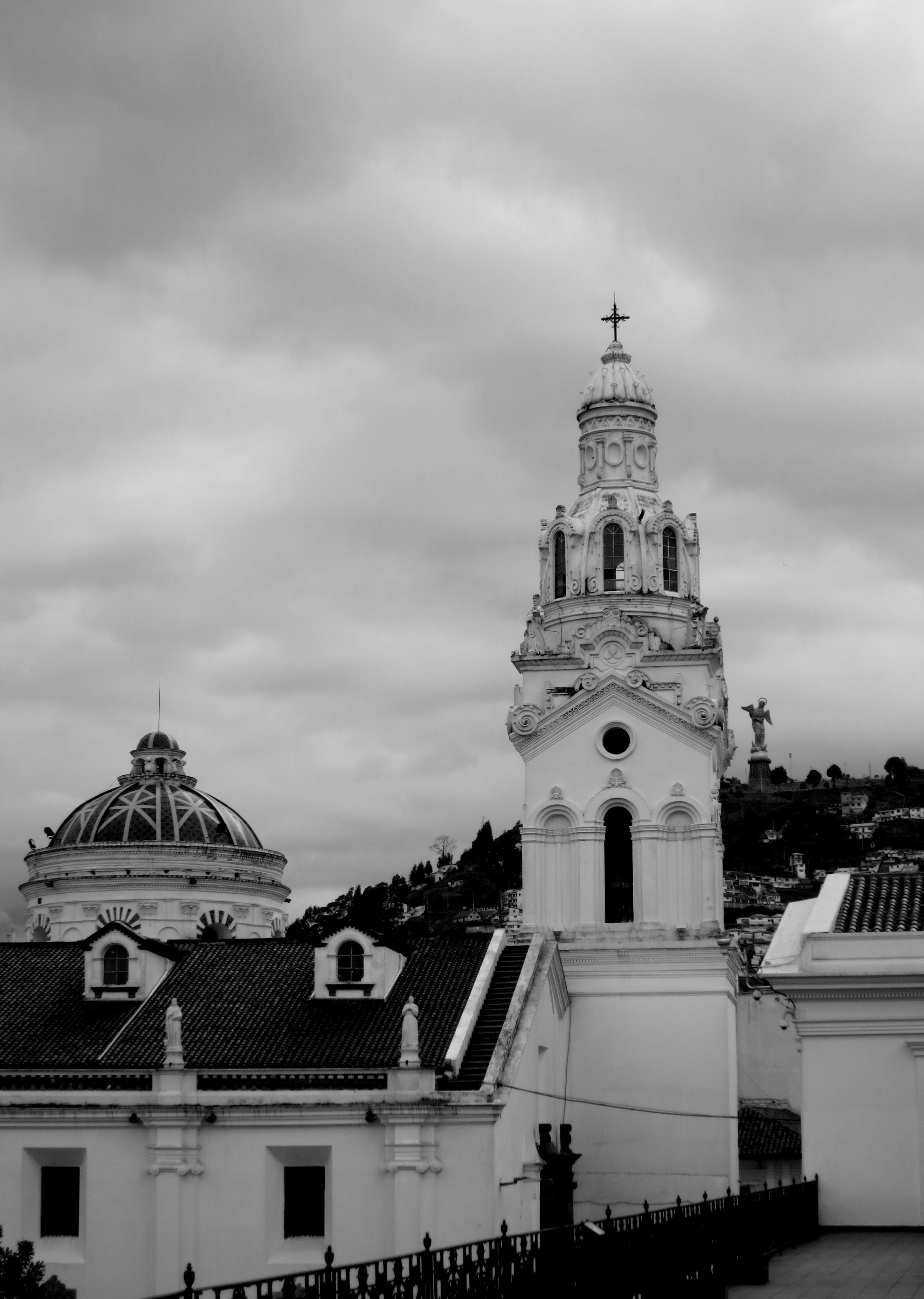
View of the cathedral from the balcony
The front hall is dominated by a huge mosaic detailing war between the indigenous people and the Spanish, underneath quotes about the noble sacrifice of the people at the hands of the conquerors. It’s a striking piece, made by none other than Guayasamín.
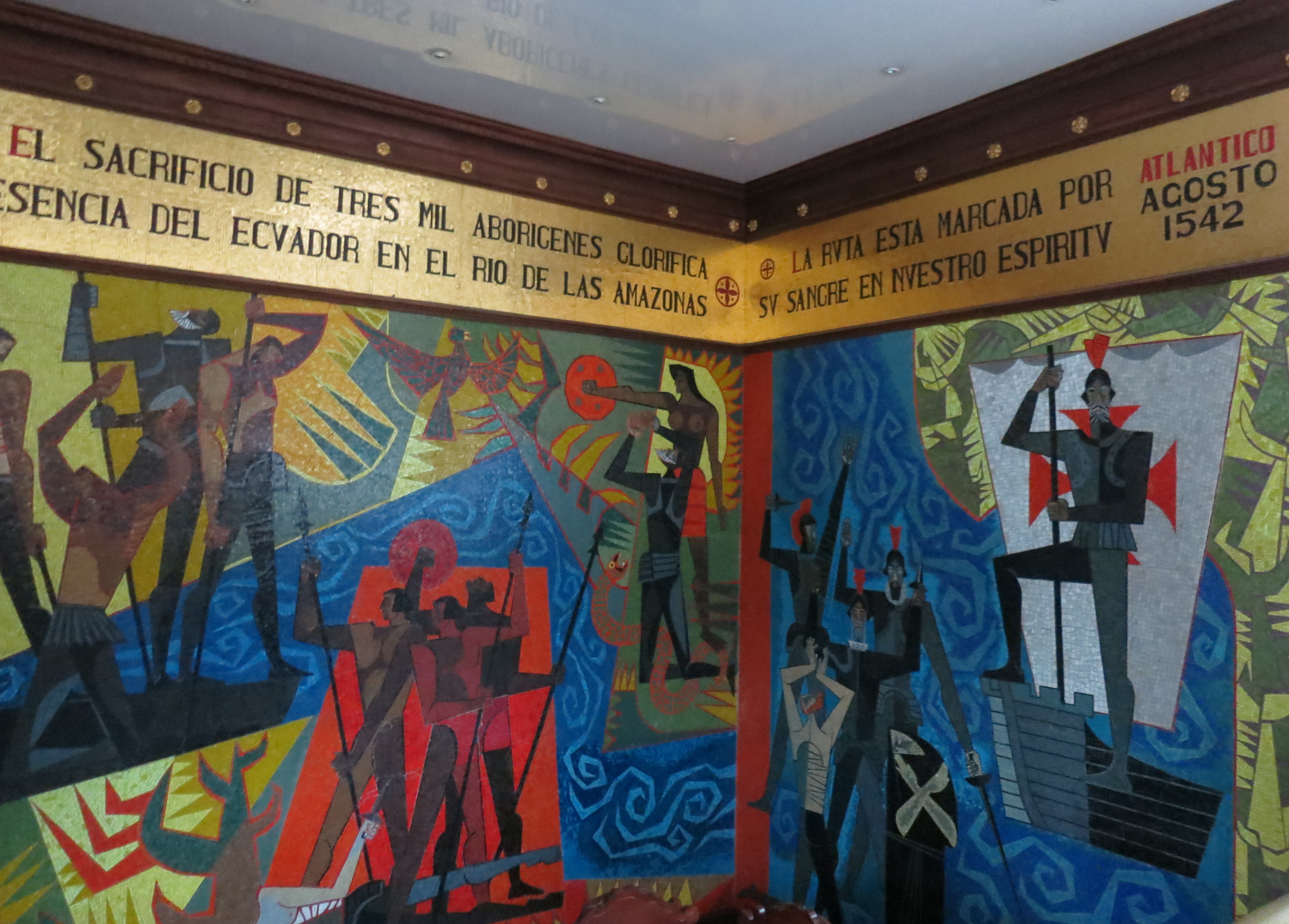
Guayasamin’s mural
We passed through grand rooms befitting a presidential palace, including a comically long dining room table. We stood on the same balcony that Correa stands on every week he’s in town for the changing of the guard. We saw the many, many items that he’s received from various nations while in office. I bet all heads of state get gifts like these–oversized keys to cities, tasseled medallions, traditional crafts–but you never really get a chance to see them, do you? I liked that part.

Just a little family gathering for dinner

Some of Correa’s gifts from other nations
Finally, we saw the giant room used for important press conferences. The ballroom is lined with portraits of past presidents, and it’s interesting to see how many there were in a few periods, when the country was undergoing change. There was also some truly magnificent facial hair going on in those 19th century portraits.

The faces of the past

My favorite mustache of the lot (oops, blurrier than I’d thought)
The tour of the palace took maybe 45 minutes, and when it was over we collected the official photos of ourselves standing in the palace grounds, and then we left via the long portico and down the steps, back to the plaza of the people.

The official shot

Sucre, Bolivia; May 24, 2014

Lake Titicaca, Peru; May 8, 2014
 Stowaway Travel Writing & Editorial Services