
Spring daffodils, East Lansing, MI, April 2010

Spring daffodils, East Lansing, MI, April 2010
Ugh, Neil LaBute, ugh. He’s often described as “edgy” or “controversial,” and as is often true with other artists described in those terms, that translates to “nasty” and “boring.” I didn’t intend to take on the American premiere of his latest, In a Forest, Dark and Deep, but I didn’t read my editor’s schedule closely enough and found myself reviewing it last Thursday. (I should add that I did my best to go in with an open mind and see this production for what it was, rather than what I expected it to be.) There’s no question that LaBute can write decent dialogue and quickly take an audience to new depths of discomfort, and that’s a talent. But to do so without once writing a convincing female character is hackish. And to claim that you want to explore issues of truth and intimacy in your play, but then making your play clearly take sides and pass moral judgments, is dishonest.
Here’s an excerpt from my play review:
Cox is wonderful as a man who knows his place in the world and likes to opine on how others should live in it. Lowe is good too, but she has much less to work with, and there’s the crux of the problem. Betty is an incoherent character, a cheap assemblage of all the things men hate women for supposedly being: snobbish, slutty, unfaithful, bitchy, ambitious.
You can read the rest of the review here. I’m in the minority here in the theater world; LaBute is still quite the popular figure. Chris Jones loves him (although I think Jones and I have had opposite reactions to every single play we’ve both happened to review, so that’s not too surprising).
It’s too bad Profiles is so enamored of LaBute as to make him a resident playwright, because they have a talented group of people working there who could spend their time on plays that explore the breadth and depth of the human condition rather than LaBute’s sour misanthropy disguised as controversial profundity.
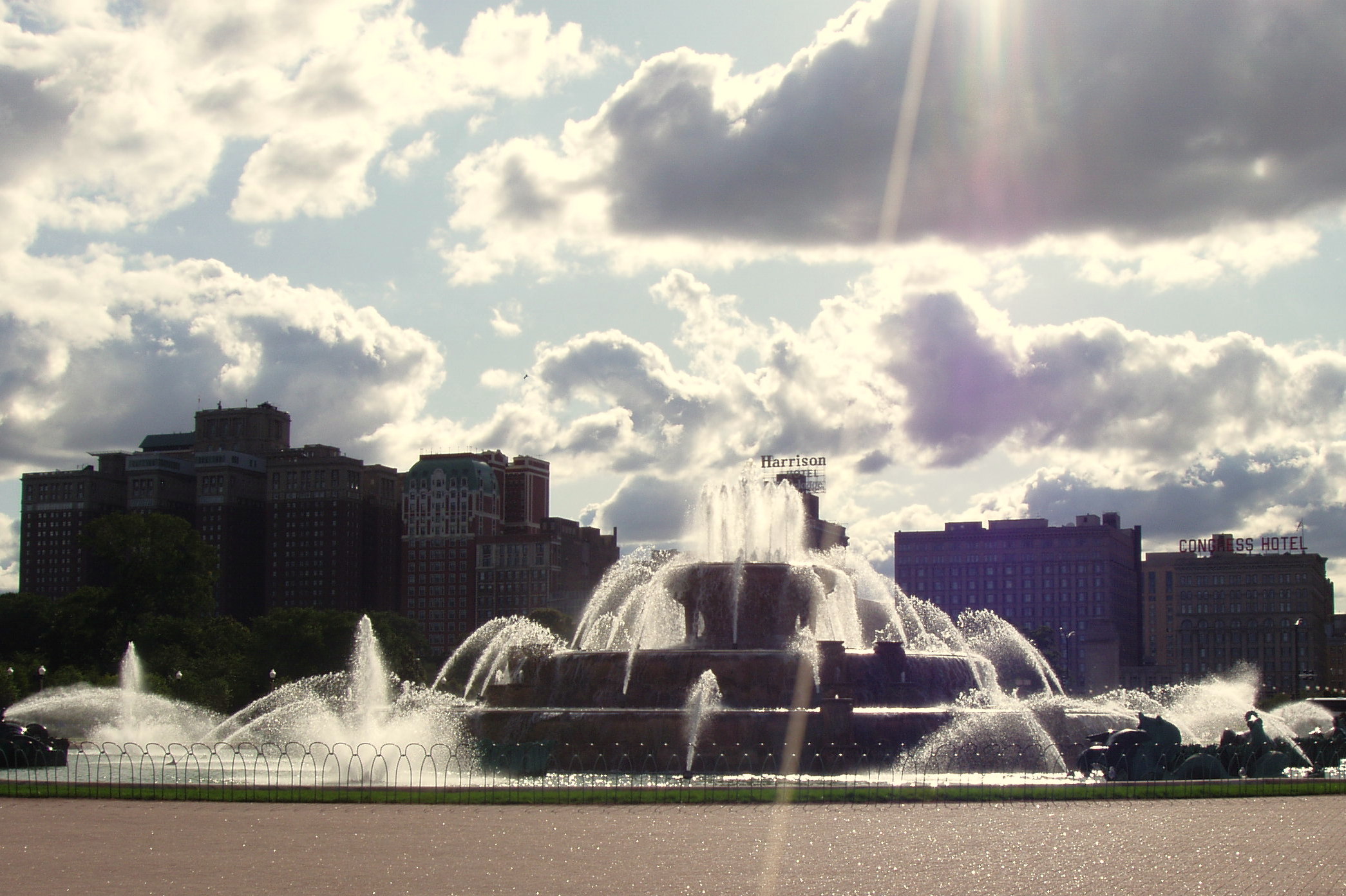
Buckingham Fountain, Chicago, IL, June 2009
It took a little wheedling, but I convinced my friends that we could postpone our river walk until after we’d visited the Motown Museum. We were in Detroit for a short 48 hours, so every moment counted, and the warm, sunny day beckoned. But after we’d been on the tour and stepped out into the sunlight, we all agreed that we’d made the right decision. Because let me tell you, dearest fellow travelers, the Motown Museum is fantastic.

The house that Gordy built
You can only visit the museum on a tour, which lasts 45 minutes and costs $10. Worth it! About 20 of us gathered in front of a dynamic young woman who explained to us that Berry Gordy, founder of Motown, bought a total of 8 buildings on this residential street (and later a building downtown) in order to house his growing empire. We were standing in one of those, an administrative building, and later on the tour we’d go next door to the white-and-blue two-story that started it all.
We watched a short video full of hit songs and former Motown employees talking about the beginnings of the business. I liked that they confined the interviews to people who talked about their own legacy, rather than outside music critics or even non-Motown artists waxing poetic about the people and sounds that influenced them. There’s enough of that out there, and fair enough, I’m just another white girl who claims Motown music for a big part of her own history. It’s only right that the museum give the airtime to the people who made it all happen.

Berry Gordy was many things: Clearly, you can see he was a looker. He was also a boxer until he decided that girls wouldn't go for a man with too many scars. He served in the Korean War and wrote songs for Jackie Wilson; getting paid pennies for those songs convinced his pal Smokey Robinson that Gordy needed to start his own company in order to keep the money he earned.
The legacy that the people in the video were careful to emphasize was that of a “positive sound.” One person said they changed the world with love and respect, “without making a big deal of it.” They “changed hearts with music and hope.” (Of course there was a lot of change going on in the ’60s, and more radical forms of protest were necessary to bring about important reforms, sure. But great music that everyone could come together for was a crucial part of those changes. Don’t knock the power of music.)
After the video, we went upstairs and our guide told us the secret to the Motown sound. She stood under a part of the ceiling that had been cut away, which created an echo effect. She sang some familiar songs–Four Tops, Temptations, Supremes–and had us sing along. Luckily, we were in a boisterous group and everyone sang along loudly. It’s no fun to be on an interactive tour if no one’s going to interact.
We wandered around the gallery upstairs, checking out the photos and gold records on the walls, and the special exhibit on Marvin Gaye, which included some of the outfits he wore on stage. Also, a fedora and white glove donated by Michael Jackson, yes! One wall was plastered with album covers. Our guide told us that when they were first starting out, they were careful not to put the artists’ pictures on the covers (can’t cross over if the white audiences won’t even pick up the record), and then when they were hugely popular their faces were all over those album covers, and then when they were promoting some white artists like Teena Marie, those artists’ faces weren’t on the covers because the label was too well-known for having black artists! What a bizarre world we live in.
After all this, we went downstairs and next door to the original house. Everything was left pretty much just as it was up until Gordy moved the whole operation to LA in 1972 (the tour did gloss over what a loss this was for the beleaguered city of Detroit), so when Gordy’s sister opened up the museum in 1985, a lot of it was already there. The front desk that Martha Reeves answered phones at before graduating from secretary to performer; the candy machine that always had Baby Ruths three in from the right so Stevie Wonder could find his favorite candy; the scrap paper with running card game scores. And in the back: Studio A.

the original garage band music
I just about grabbed onto something to keep from fainting when we entered Studio A. I’ve been to a lot of historical sites in my various travels, and some of them hit me hard while others have little impact. This was one of those places that took hold of me right away. Studio A is where all the Motown hits up til 1972 were recorded. For the entire 1960s, it was open pretty much 24 hours a day. The Supremes, the Temptations, Smokey Robinson, Martha and the Vandellas, Marvin Gaye, Stevie Wonder, not to mention the Funk Brothers and other musicians who made those voices sound as good as they did. They all stood in this small room–a converted garage, which had a dirt floor for the first couple years of recording–and made the music that we all know by heart. It was a little overwhelming.
All the original instruments are in there. The control room still has grooves in the floor from when producers would pound their feet to the beat. A few pictures taken in the room show you how crowded it got with artists, producers, and writers. Our guide led us all in a verse of “My Girl” and had us do the Temptations dance (you know, the snapping your fingers in a swinging motion from side to side, then a little fancy spin if you have it in you). And then boom, it was over, through the gift shop and back out into the sunlight. Into the world that owes a lot to that small house on West Grand Boulevard in Detroit, Michigan.
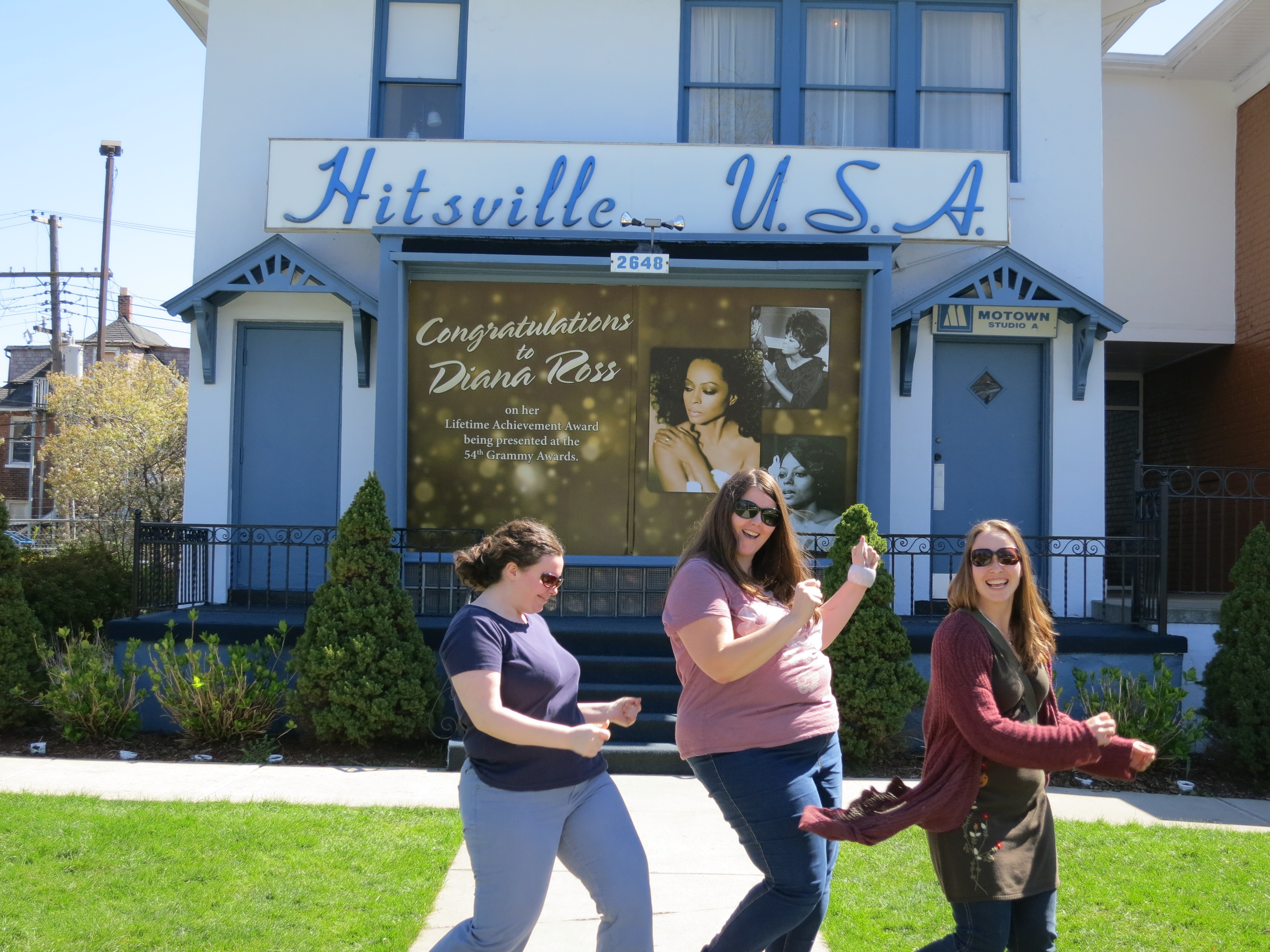
Yeah, that's the Temptations dance I was talking about. Being done to great effect by my friends and me.
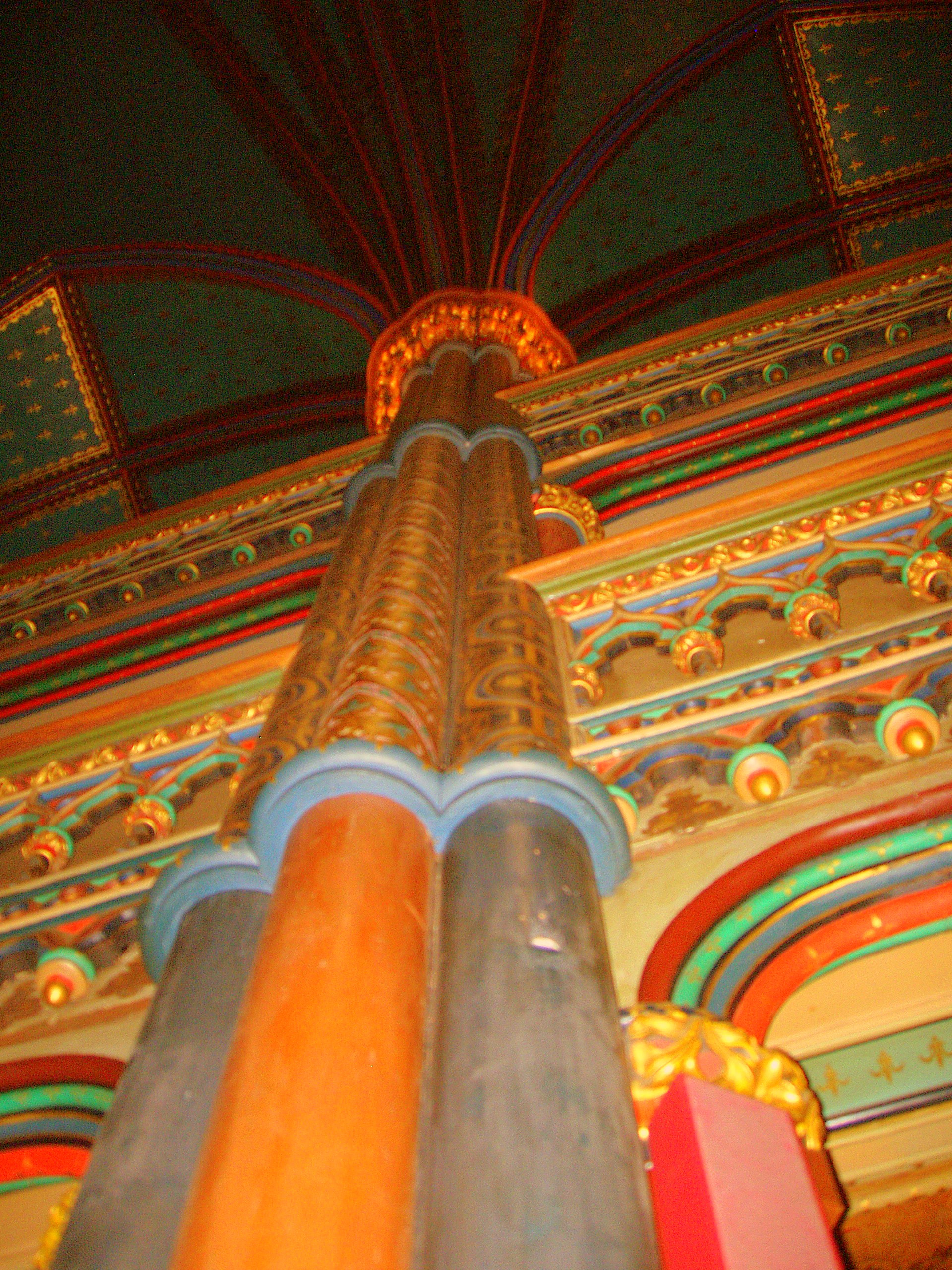
Basilica de Notre Dame, Montreal, Canada, October 2011
I was thrilled to find that Steep Theatre’s The Receptionist was a reasonable 75 minutes with no intermission. I have a friend who works as a stage manager, and she’s said that she doesn’t understand plays that have intermissions. The actors don’t need them, the crew doesn’t need them, and she doesn’t think the audience does either. I agree! For the most part, playwrights can say what they need to say in an intermission-less 80 minutes or less. Far too often, the energy dissipates completely by the time it picks back up, and that’s a huge loss.
Anyway, this was a great ensemble piece, although I appreciated Caroline Neff a little more than the other actors, as usual. She’s so good! Here’s an excerpt of my play review:
“The mood is set before the show even starts: Muzak versions of Top 40 hits play while the audience settles in, and the perfect set design (Stephen Harold Carmody) replicates every small office lobby in the country, effectively establishing a sense of malaise with a few inspirational posters and a sad potted plant. Then the titular receptionist enters and starts transferring calls to voicemail while chatting with the staff, and office workers in the audience might wonder if they went to the theater or just never left work for the day.”
You can read the rest of the review here. The play is definitely worth a trip up to Andersonville.
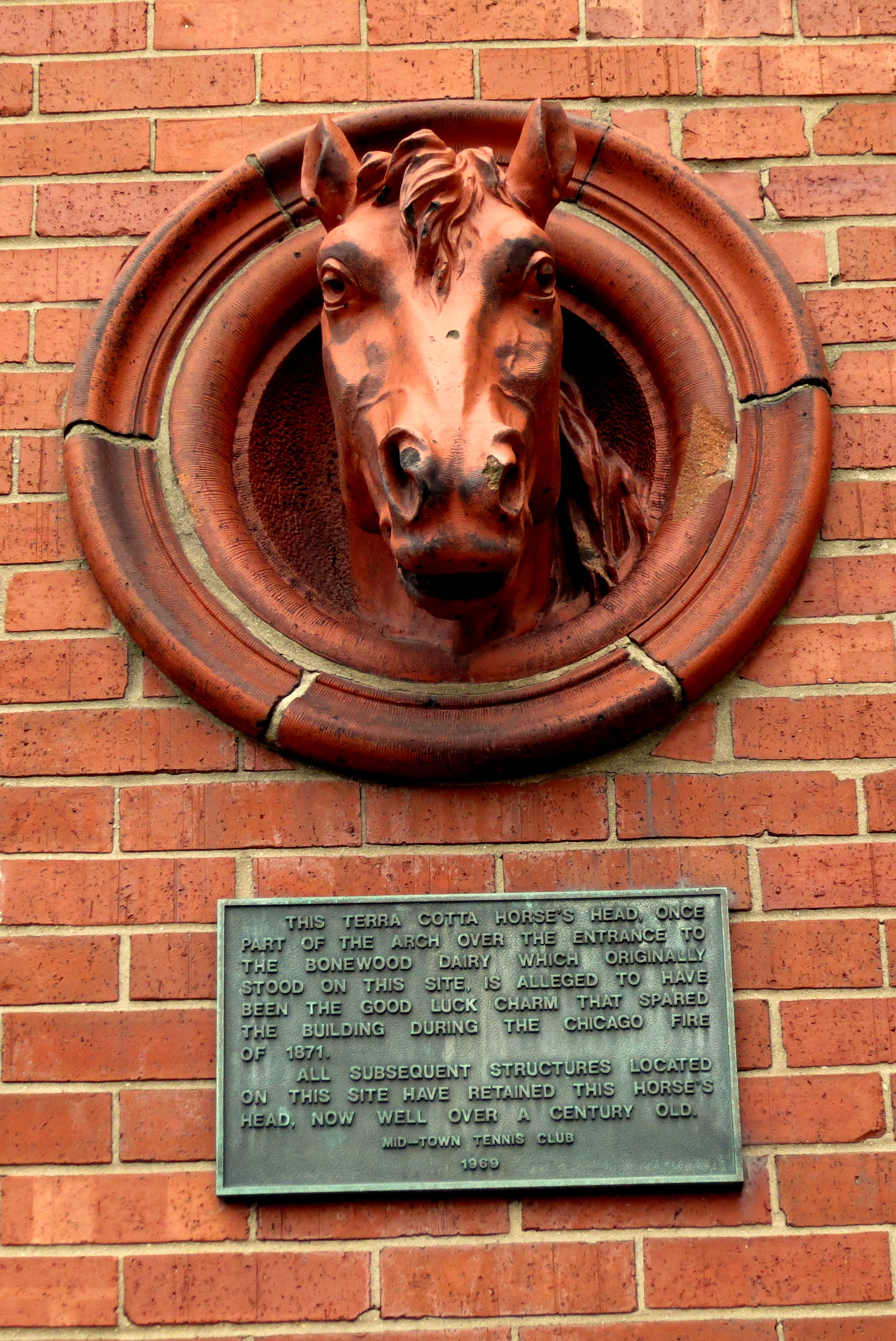
Mid-Town Tennis Club, Chicago, IL, March 31, 2012
Today, dearest fellow travelers, a quick look at some things to do and sights to see in Thailand. My many friends who have been there before: what am I missing? Other than the metric ton of street food I plan to eat, of course.

Baby!
Volunteer at the Elephant Nature Park
Elephant rides are popular throughout Southeast Asia, but the elephants usually work in terrible conditions and it’s generally more ethical not to contribute to their ill treatment by paying for rides. Instead, you can pay about $400 for a week of volunteering at the Elephant Nature Park, in the northern part of Thailand, and contribute to the healing of elephants who used to give tourist rides or do backbreaking work in logging operations. Volunteers muck in as needed, helping feed, bathe, and clean up after the elephants. It sounds like an amazing experience.

Relax on the beaches of the western coast
Phuket is probably the most famous resort town in Thailand, partly for the name that Westerners love to mispronounce (it’s really pronounced Poo-KET) and partly for the gorgeous beaches. But also there are monuments to the two sisters who defended the town from invaders through trickery, which sounds pretty excellent.

The Grand Palace in Bangkok
Visit the Grand Palace in Bangkok
It’s a giant palace compound, made up of multiple residences, temples, gardens, and courtyards. The royal family has lived elsewhere since 1925, and now it’s open to the public, so you can wander around for entire days, taking in the exquisite architecture and imaging yourself dancing along to the soundtrack of The King and I.

Eastern Market, Detroit, MI, April 8, 2012


 Stowaway Travel Writing & Editorial Services