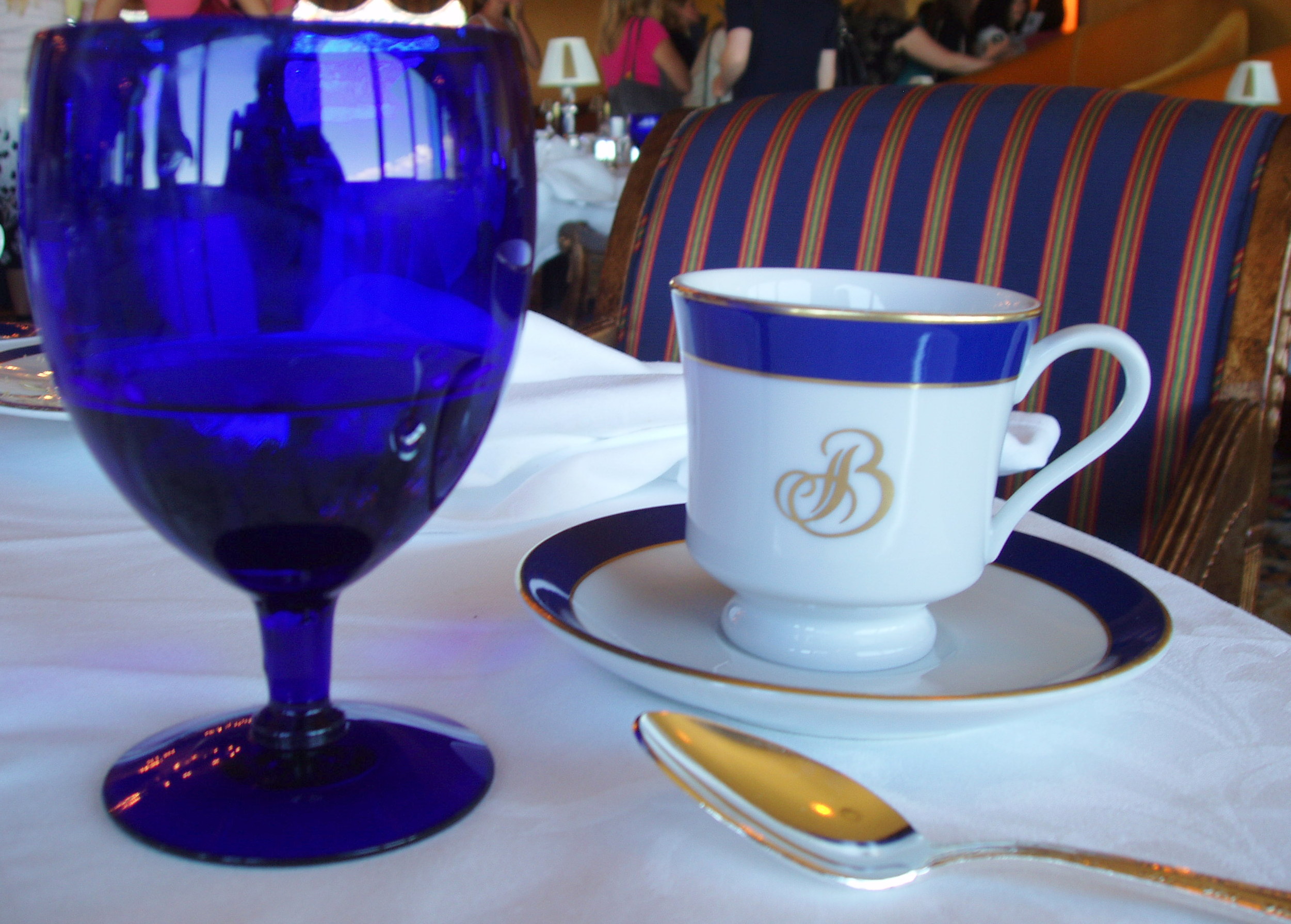
The Broadmoor, Colorado Springs, CO, July 2005
The Broadmoor, Colorado Springs, CO, July 2005
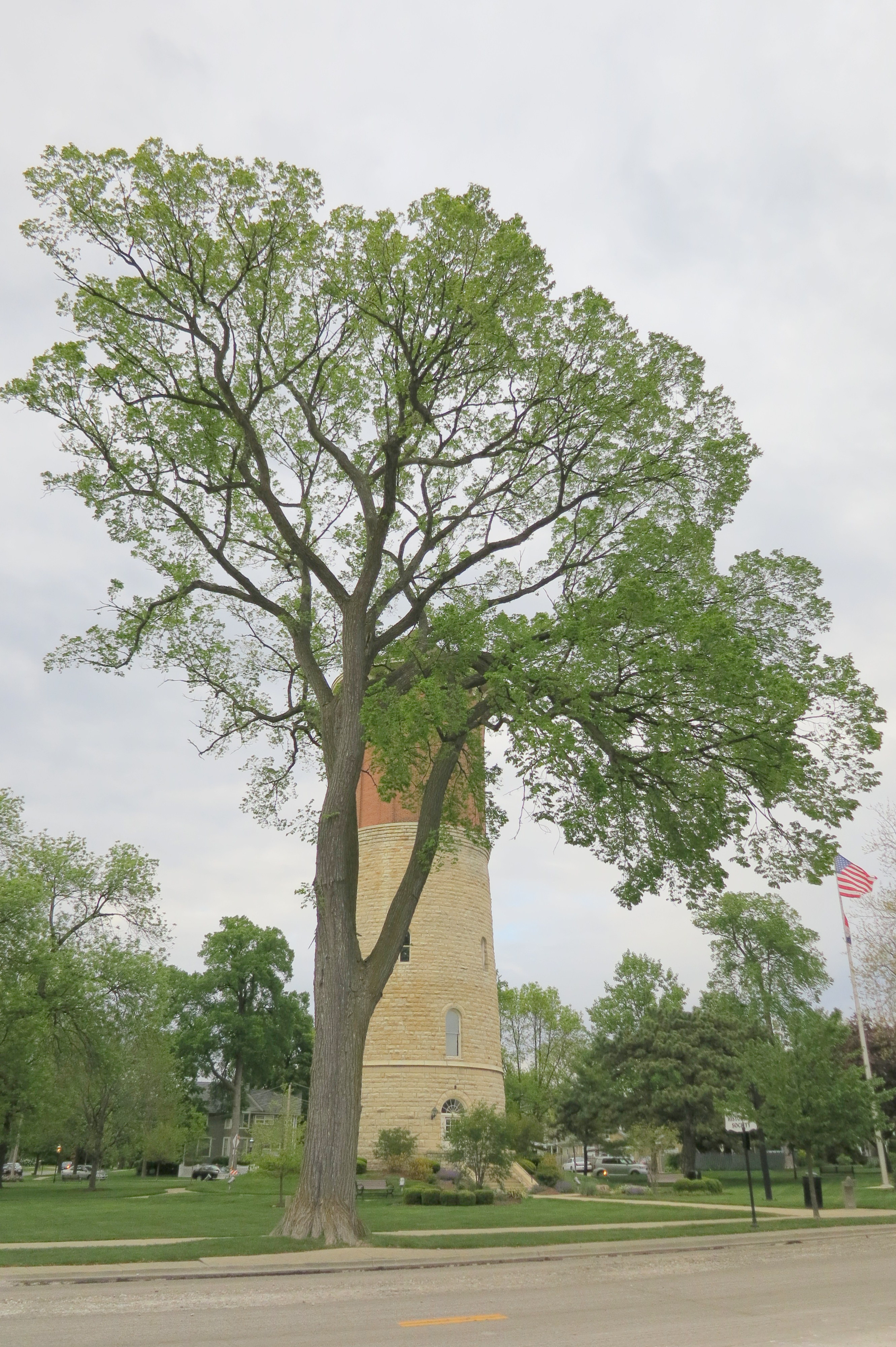
Western Springs, IL, April 27, 2012

Sunset reflected from the opposite window, Moving train somewhere in southwestern MI, April 22, 2012

Detroit, MI, April 6, 2012

Spring daffodils, East Lansing, MI, April 2010
It took a little wheedling, but I convinced my friends that we could postpone our river walk until after we’d visited the Motown Museum. We were in Detroit for a short 48 hours, so every moment counted, and the warm, sunny day beckoned. But after we’d been on the tour and stepped out into the sunlight, we all agreed that we’d made the right decision. Because let me tell you, dearest fellow travelers, the Motown Museum is fantastic.

The house that Gordy built
You can only visit the museum on a tour, which lasts 45 minutes and costs $10. Worth it! About 20 of us gathered in front of a dynamic young woman who explained to us that Berry Gordy, founder of Motown, bought a total of 8 buildings on this residential street (and later a building downtown) in order to house his growing empire. We were standing in one of those, an administrative building, and later on the tour we’d go next door to the white-and-blue two-story that started it all.
We watched a short video full of hit songs and former Motown employees talking about the beginnings of the business. I liked that they confined the interviews to people who talked about their own legacy, rather than outside music critics or even non-Motown artists waxing poetic about the people and sounds that influenced them. There’s enough of that out there, and fair enough, I’m just another white girl who claims Motown music for a big part of her own history. It’s only right that the museum give the airtime to the people who made it all happen.

Berry Gordy was many things: Clearly, you can see he was a looker. He was also a boxer until he decided that girls wouldn't go for a man with too many scars. He served in the Korean War and wrote songs for Jackie Wilson; getting paid pennies for those songs convinced his pal Smokey Robinson that Gordy needed to start his own company in order to keep the money he earned.
The legacy that the people in the video were careful to emphasize was that of a “positive sound.” One person said they changed the world with love and respect, “without making a big deal of it.” They “changed hearts with music and hope.” (Of course there was a lot of change going on in the ’60s, and more radical forms of protest were necessary to bring about important reforms, sure. But great music that everyone could come together for was a crucial part of those changes. Don’t knock the power of music.)
After the video, we went upstairs and our guide told us the secret to the Motown sound. She stood under a part of the ceiling that had been cut away, which created an echo effect. She sang some familiar songs–Four Tops, Temptations, Supremes–and had us sing along. Luckily, we were in a boisterous group and everyone sang along loudly. It’s no fun to be on an interactive tour if no one’s going to interact.
We wandered around the gallery upstairs, checking out the photos and gold records on the walls, and the special exhibit on Marvin Gaye, which included some of the outfits he wore on stage. Also, a fedora and white glove donated by Michael Jackson, yes! One wall was plastered with album covers. Our guide told us that when they were first starting out, they were careful not to put the artists’ pictures on the covers (can’t cross over if the white audiences won’t even pick up the record), and then when they were hugely popular their faces were all over those album covers, and then when they were promoting some white artists like Teena Marie, those artists’ faces weren’t on the covers because the label was too well-known for having black artists! What a bizarre world we live in.
After all this, we went downstairs and next door to the original house. Everything was left pretty much just as it was up until Gordy moved the whole operation to LA in 1972 (the tour did gloss over what a loss this was for the beleaguered city of Detroit), so when Gordy’s sister opened up the museum in 1985, a lot of it was already there. The front desk that Martha Reeves answered phones at before graduating from secretary to performer; the candy machine that always had Baby Ruths three in from the right so Stevie Wonder could find his favorite candy; the scrap paper with running card game scores. And in the back: Studio A.

the original garage band music
I just about grabbed onto something to keep from fainting when we entered Studio A. I’ve been to a lot of historical sites in my various travels, and some of them hit me hard while others have little impact. This was one of those places that took hold of me right away. Studio A is where all the Motown hits up til 1972 were recorded. For the entire 1960s, it was open pretty much 24 hours a day. The Supremes, the Temptations, Smokey Robinson, Martha and the Vandellas, Marvin Gaye, Stevie Wonder, not to mention the Funk Brothers and other musicians who made those voices sound as good as they did. They all stood in this small room–a converted garage, which had a dirt floor for the first couple years of recording–and made the music that we all know by heart. It was a little overwhelming.
All the original instruments are in there. The control room still has grooves in the floor from when producers would pound their feet to the beat. A few pictures taken in the room show you how crowded it got with artists, producers, and writers. Our guide led us all in a verse of “My Girl” and had us do the Temptations dance (you know, the snapping your fingers in a swinging motion from side to side, then a little fancy spin if you have it in you). And then boom, it was over, through the gift shop and back out into the sunlight. Into the world that owes a lot to that small house on West Grand Boulevard in Detroit, Michigan.
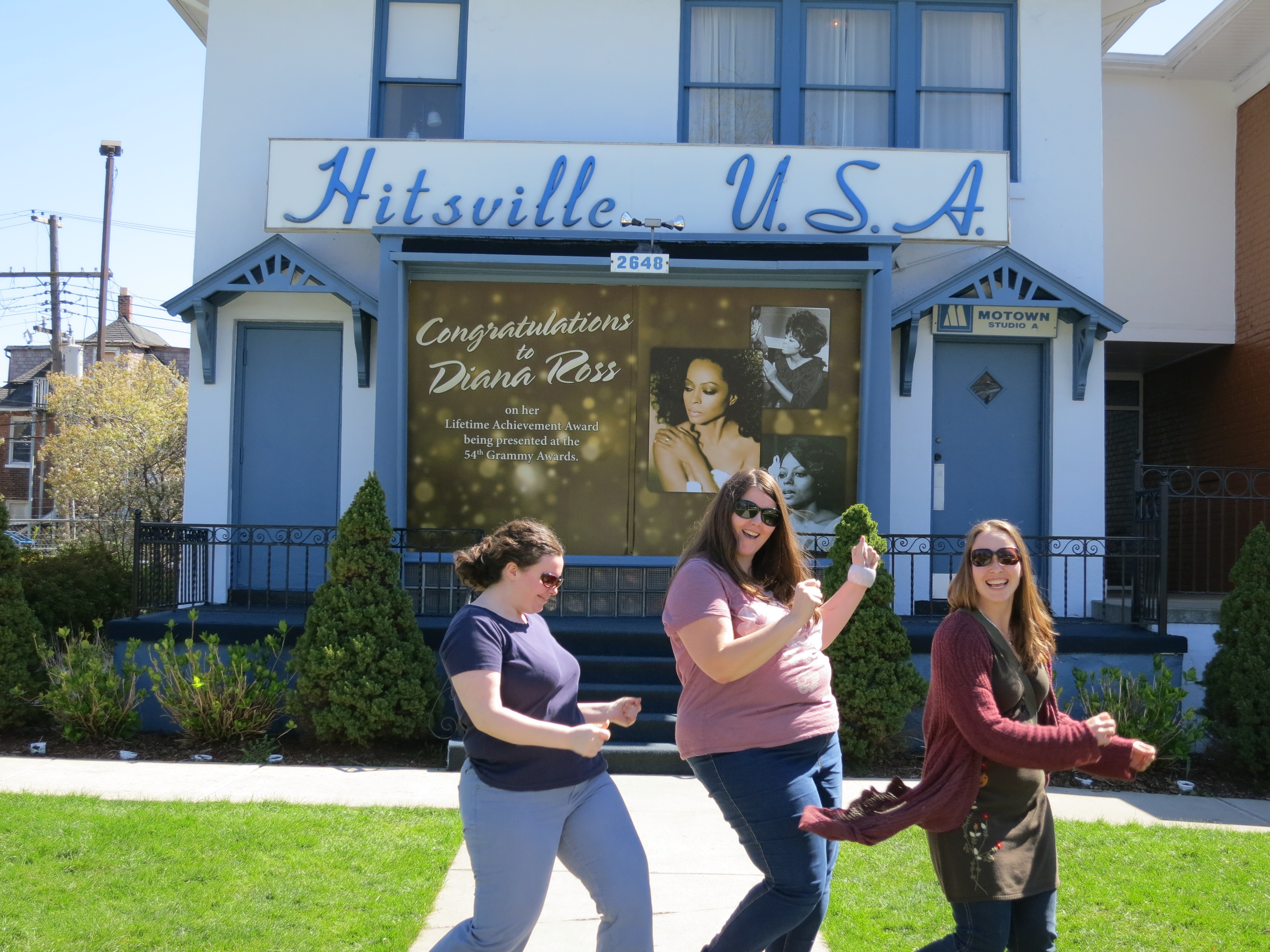
Yeah, that's the Temptations dance I was talking about. Being done to great effect by my friends and me.

Eastern Market, Detroit, MI, April 8, 2012

Boston Common, Boston, MA, September 4, 2010

Garden of the Gods, Colorado, July 2005
“You get to walk into the middle of the world! You can be inside a map! This is basically all I’ve ever wanted out of life,” I said with only slight exaggeration. Luckily, my friend Mike agreed that a three-story glass globe sounded like a good tourist destination, so I put the Mapparium on the itinerary for when I visited him in Boston over Labor Day weekend in 2010.
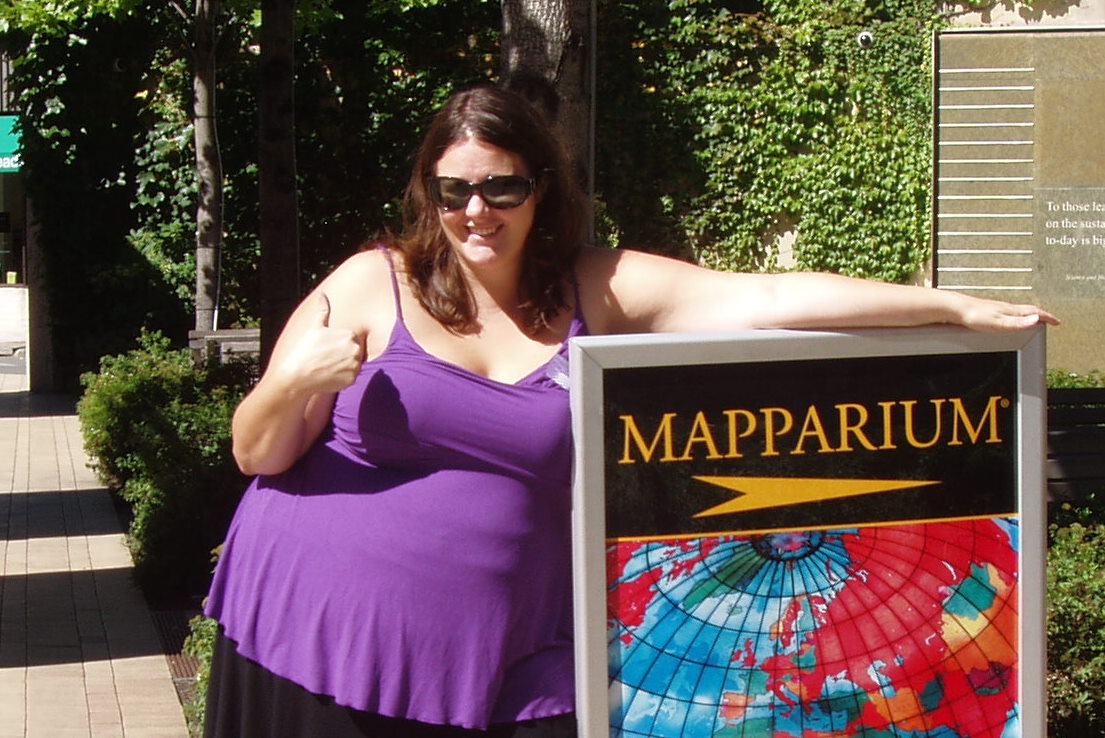
tourist pose!

Christian Science headquarters

Journey to the center of the earth
The Mapparium was finished in 1935 and has been refinished but not changed since then. This means that the map shows the political world as it was pre-World War II. Many countries that don’t exist anymore appear: the Soviet Union, the Belgian Congo, French Indochina. Many countries that now exist didn’t then: Israel, all the ‘stan countries. The recorded message man talks about the decision to keep the map as an historical document, rather than updating it when wars and politics redraw the borders.
And then the propaganda sets in. The recorded guide describes the story of modern history as one of humanitarian triumph and progress. I’m not against this idea on principle (although a healthy dash of “and things are messed up too” would help). But the Mapparium takes a pretty selective view of what that story arc looks like; the disembodied voice talks about how democracy saved the world, and the map lights up with democratic countries. Then we hear that some countries still need to join the democracy train, and the map lights up behind those benighted countries. Democratic countries: the United States, the UK, and… Iraq. Non-democratic countries: North Korea, China, and… France. Hmm.

France, the non-democracy
But the slightly silly presentation aside, it’s awesome to be inside the Mapparium. Rather than being in the center of the earth looking out, we’re looking at a globe turned inside-out. The colors are deep and the writing is a little like calligraphy. And it’s endlessly fascinating to look at the changeable borders from eighty years ago. Being literally surrounded by the huge, colorful world was just as lovely and strange as I’d hoped. If you’re in Boston, I recommend it!
 Stowaway Travel Writing & Editorial Services