Amsterdam: The Anne Frank House

When I first read The Diary of Anne Frank, I was 12 or 13 years old, about the same age as Anne was when she started the diary. I had a completely adolescent reaction to the first part of the story; I was envious of how popular she was at school with all her friends, when I was pretty friendless at mine. By the end of the book, I liked her so much I wished we could hang out and be friends. That’s how instantly relatable Anne is — not a blandly “universal” character, but one with her own personality, dreams, and worries.

She had a great eye for detail, and had plenty of time to turn it to the hiding place she lived in with her family and others for two years. The result was a description so fine that one could sketch out an exact replica of the Annex (the hiding place), including all the furniture and odds and ends. When I was younger, I was into floorplans and the ways homes were laid out. I would sketch the grand houses of my imaginary characters and make up stories of them moving around those spaces. So I probably focused on that aspect of the diaries more than most kids, and tried to imagine just how small the Annex was and how all the beds and tables and sinks fit together.
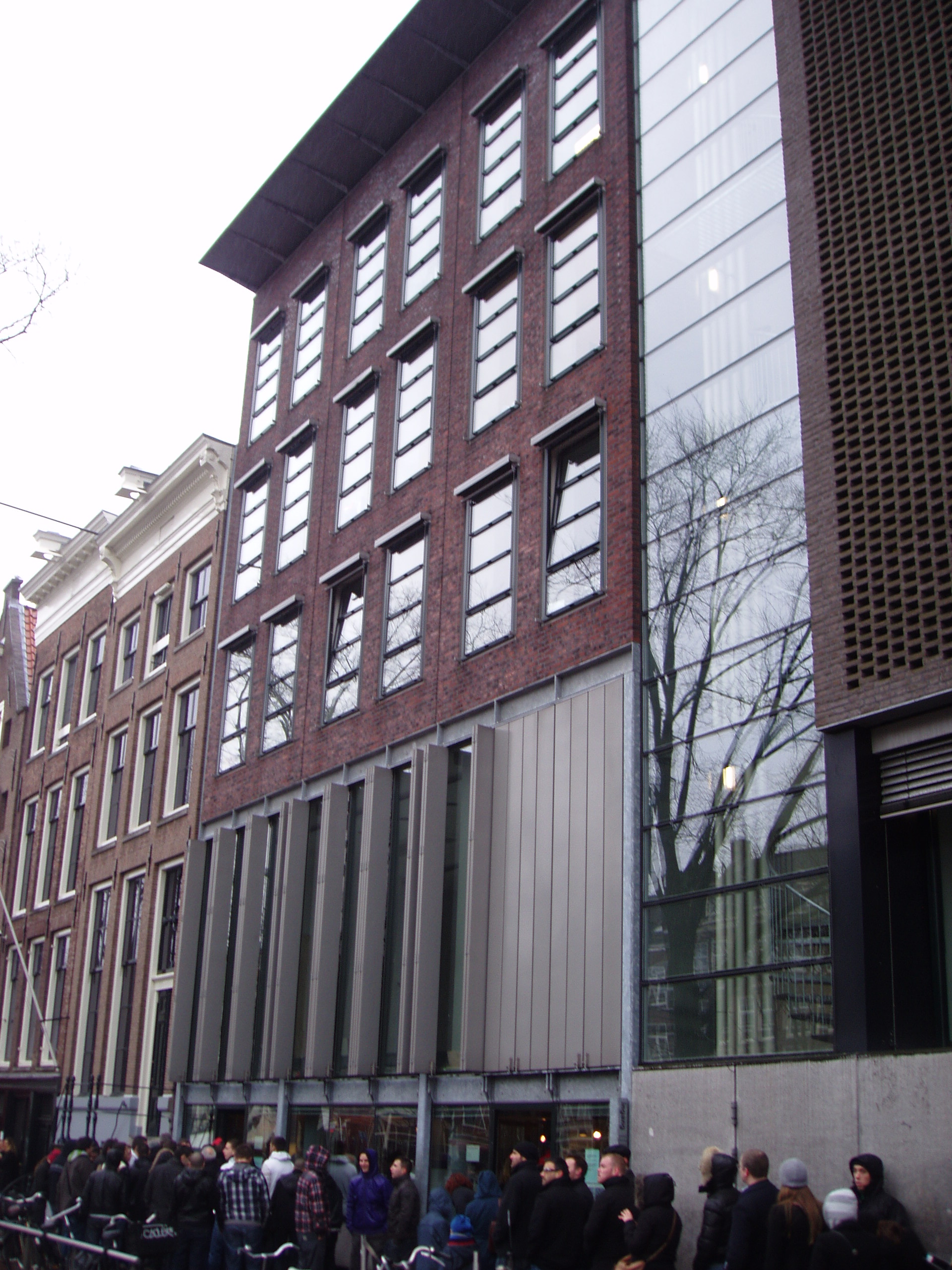
a reworked version of the original building that housed the Frank family from 1942 to 1944

The Anne Frank House in Amsterdam (photo by me)

This March, I visited a friend in The Netherlands and spent a few days touristing in Amsterdam. I stood in a long line outside the Anne Frank House on a rainy day, watching canal boats glide by and listening to the Westerkerk chime the hour. Once inside, I bought my ticket and selected an English pamphlet from the many language options. It’s a self-guided tour, and there’s a constant stream of people, which is a little unsettling in the building that once housed just a small office and a back room of people for whom every visitor meant possible discovery and arrest. I followed the crowd, reading the small placards placed along the way and peering at the photographs hung on the wall. I had forgotten that the Annex was attached to Otto Frank’s office, not to a residence. Much of the material at the front of the house focused on how the office functioned before they went into hiding, and how the “helpers” smuggled food into the Annex.

Otto Frank had requested that any museum made of the house not include the furniture; he said the emptiness of the place would symbolize how everything they had was taken from them. So I didn’t get to see all the pieces fit together as I’d imagined when I was penciling improbable architectural structures on my sketch pad. How that furniture would fit in there anyway, I don’t know, because these rooms were tiny. If you go to http://www.annefrank.org/ the museum has set up a neat 360-degree view of each room with the furniture intact, so you can get an idea of how everything was set up. Even with that guide, when I was standing in the rooms and looking around me, it seemed impossible. How eight people could fit into this small space (and a teenaged Anne sharing a room with a middle-aged man because there was no room in her family’s room, at that), I still don’t see, except that needs must. They had to fit, so they fit. They had to put their lives on hold for fear their lives would end, so they put their lives on hold.

It was such a dark place, too. They had blackout curtains drawn all the way down or almost all the way down in each room in the Annex, so you could get a real idea of how each day looked to the Franks, the van Pelses, and Mr. Pfeffer. It looked dark, and small, and dull. Anne talks about how bored she is several times in the diary, and it’s no wonder. She’s bright, young, and full of energy, but she has to be practically silent for two whole years, confined to a tiny space with her parents, sister, sometime boyfriend, and three other adults. Distractions are few and frivolity almost impossible. Long before her life was taken from her, her adolescence was stolen away, or at least forced into unnaturally cramped conditions.

At one point in the diary, Anne writes, “I wander from room to room, climb up and down the stairs and feel like a songbird whose wings have been ripped off and who keeps hurling itself against the bars of its dark cage. ‘Let me out, where there’s fresh air and laughter!’ a voice within me cries.” In most other diaries of girls her age, this is usually teenage angst and hyperbole. The heartbreaking thing about Anne, and what visiting the museum made more real and terrible to me, is that while she felt the usual swirl of teenage emotions and conflicting desires, she did so within a fatally dangerous world that made her imprisonment all too real. And yet she never stopped writing.
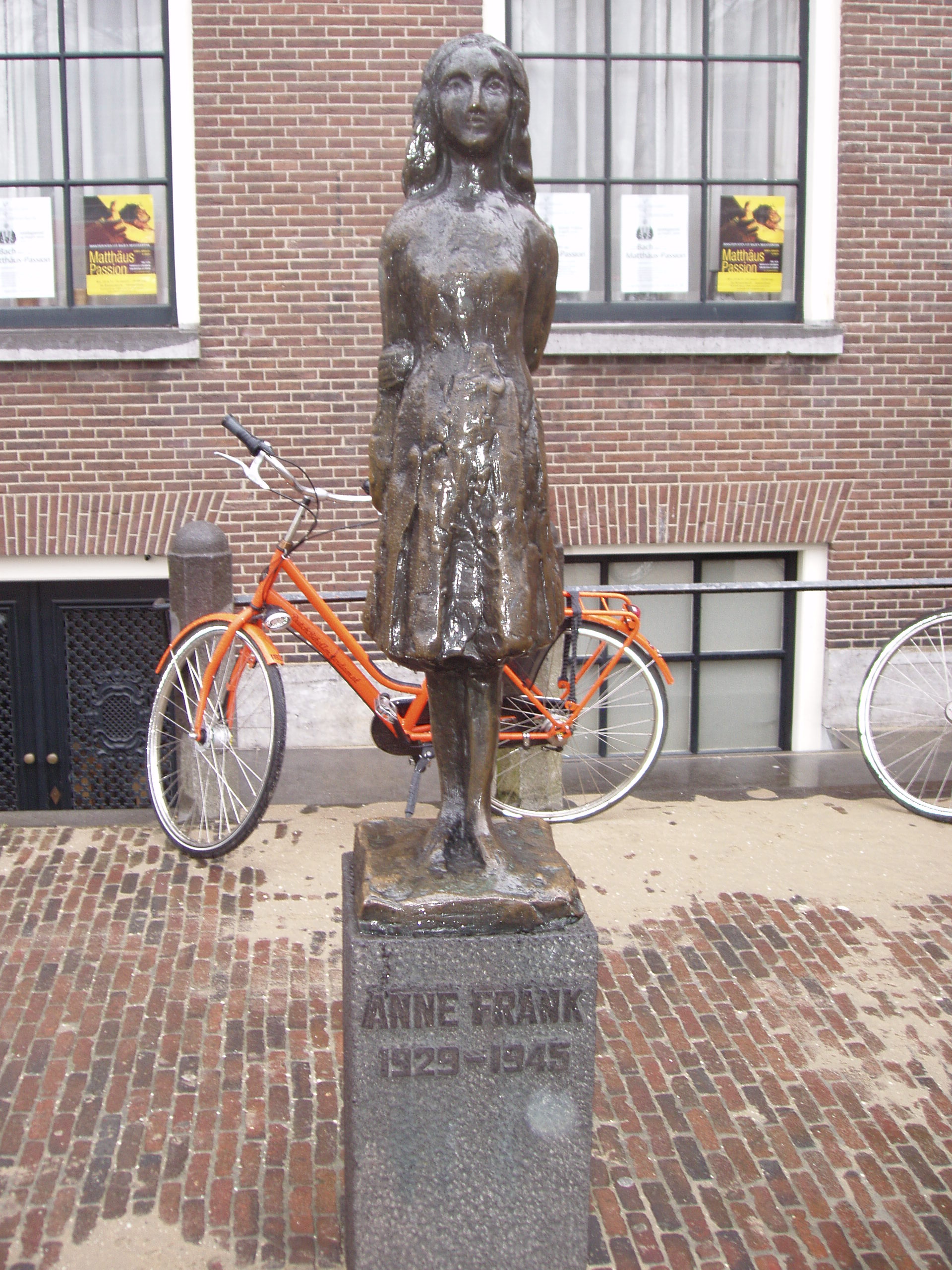
bronze statue of Anne Frank near her house

Anne Frank memorial statue (photo by me)

Tourist Traps That Don’t Suck

Ah, the tourist trap. A danger well-known to the savvy traveler, and one best avoided. It’s usually a cesspool of gaudy, overpriced trinkets, loud fellow tourists and shopkeepers, and somewhere in there, a pretty pitiful excuse for a landmark. Whether it’s a pit stop on a cross-country tour or a planned part of the itinerary, a tourist trap is, to those of us saving pennies and looking for more than plastic souvenirs, a hellish place.

Except when it’s not.

Hear me out, dearest fellow travelers! I’m certainly not saying that I’m planning my next vacation around a day at Wall Drug or an afternoon in Times Square, but the fact is that this is a pretty fantastic world we live in, and in even the most commercialized of places, there’s usually something of real value. Most of the time, this is because the people working the place have some interesting facts to share about it or a friendly perspective on the local culture. As we know, it’s the people who make the difference in where we go and what we see when we get there.

But sometimes it’s the place itself that’s worth seeing, honestly. My best example is Navy Pier. This is a giant pier originally built in 1916 to dock cargo boats and the like, as well as some pleasure boats. It has since grown into Chicago’s #1 tourist attraction, with a giant Ferris wheel (modeled after the first one ever, which debuted at the Chicago World’s Fair in 1893), several theaters, restaurants, bars, and docking for many pleasure boats. It is generally considered by most Chicagoans to be a hideous place, only visited when clueless relatives are in town. It has an indoor arcade of shop after cheap shop, a nasty little fast food court, and low ceilings lit by glaring fluorescence. In the summer especially, the entire pier is overrun with screaming children careening all over, drunk parents yelling after them, and slouching teenagers forming impassable knots on the throughways. Everything costs three times what it does in the rest of the city, the lines go on for miles, and it’s not like it’s even a famous or historical site.

Navy Pier

Navy Pier: Not So Bad! (photo via americanrail.com)

But! There’s a lot of good stuff going on at Navy Pier, underneath that hokey exterior. In the past few months alone, I’ve gone on a delightful brunch cruise, seen Taming of the Shrew at the Chicago Shakespeare Theater, and watched the acrobats of Cirque Shanghai tumble across the stage at sunset. Granted, these were all made considerably more enjoyable because they were free or nearly free (thank you, friends involved in theater). But the fact that they were there at all is impressive. Sure, the cruise had a cheesy DJ, but the brunch was tasty, and you can’t argue against a turn around the harbor on a bright summer day. The CST does some fantastic shows (even Shakespeare’s most blatantly misogynistic number was acted and costumed well), and the acrobatics of Cirque Shanghai are quite literally breathtaking. Each time I met up with friends to attend these events, I grumbled about getting all the way over there (it’s a two-bus destination) and dealing with the crowds, but once I got there, the crowds weren’t so bad, and the shows and rides were totally worth it.

There’s a lot of neat stuff packed onto that pier, and I’m now less likely to dismiss it as a whole. Some people might call that personal growth. I just call it application of advanced travel skills. You too can learn these skills of finding the fun and interesting wherever you go, and apply them to your own tourist traps.

So tell me, what tourist traps do you know of that don’t suck? Which ones have hidden gems and specific times to go? Which ones would you recommend (even with qualifications) to friends and visitors? Let everyone know in the comments!

Milwaukee = Beer. Also, It’s Pretty.

Let’s try something new. I’m going to write about visiting an actual place, not just the preparations to go there or the abstract ideas about going there. One of my goals with this blog is to produce travel writing that people actually want to read. Not just a dull recitation of facts or a trite realization that underneath our differences, we’re all the same. Or at least I won’t go that route unless totally necessary. Like, if everyone I visit takes off their human suit to show me their identical alien bodies, then maybe I will concede that underneath our differences, we’re all the same green Martians. But I hope it doesn’t come to that. Anyway. Milwaukee.

MILWAUKEE, WISCONSIN, USA

Length of Trip: 12 hours

Traveling Companions: Sessily, T & K

Method of Transportation: car, walking

Money Spent: brunch — $16, brewery tour — $7, gas money — $5, fancy pants dinner — $40, TOTAL — $68

Sites Visited: Pabst Mansion, Comet Cafe, Lakefront Brewery, lakefront and Milwaukee Art Museum, Roots Restaurant and Cellar

Unless you are heartbroken, good weather improves any situation. If you are heartbroken, good weather is only proof that the entire world is doing better than you are, and is happier for it. But if you are feeling grumpy, or frustrated, or even morose, a good dose of sunshine and blue skies will work away at your discontent until you give in to a more favorable outlook on the world around you. And if you are already happy, and with friends, and traveling to a new place, then good weather makes your friendship seem stronger and the visited city more hospitable. Directions are easier to follow, wait times seem shorter, and food tastes better.

How fortunate for us, then, that this past Saturday was absolutely gorgeous — 80 degrees and sunny. Milwaukee being on Lake Michigan, there was even a breeze floating through town that cut the heat just the right amount during the early afternoon. Milwaukee has a nice set-up along the lakefront, with a lot of wide paths, public art, and bikes and things for rent. T said he wanted to just look at the outside of the art museum, and I thought that seemed a bit pointless until we came upon it:

Milwaukee Art Museum -- the ship sailing into Lake Michigan

Milwaukee Art Museum -- the ship sailing into Lake Michigan

That art museum wants to go sailing on Lake Michigan, and I want to join it. How delightful would it be to cruise around the expanse of blue while touring the fourth largest collection of Georgia O’Keeffe paintings contained in one museum in the country? Answer: very. (See how I snuck in that fact there, despite previous promises to stay away from such things? But it’s a cool fact, you like having it, don’t lie.)

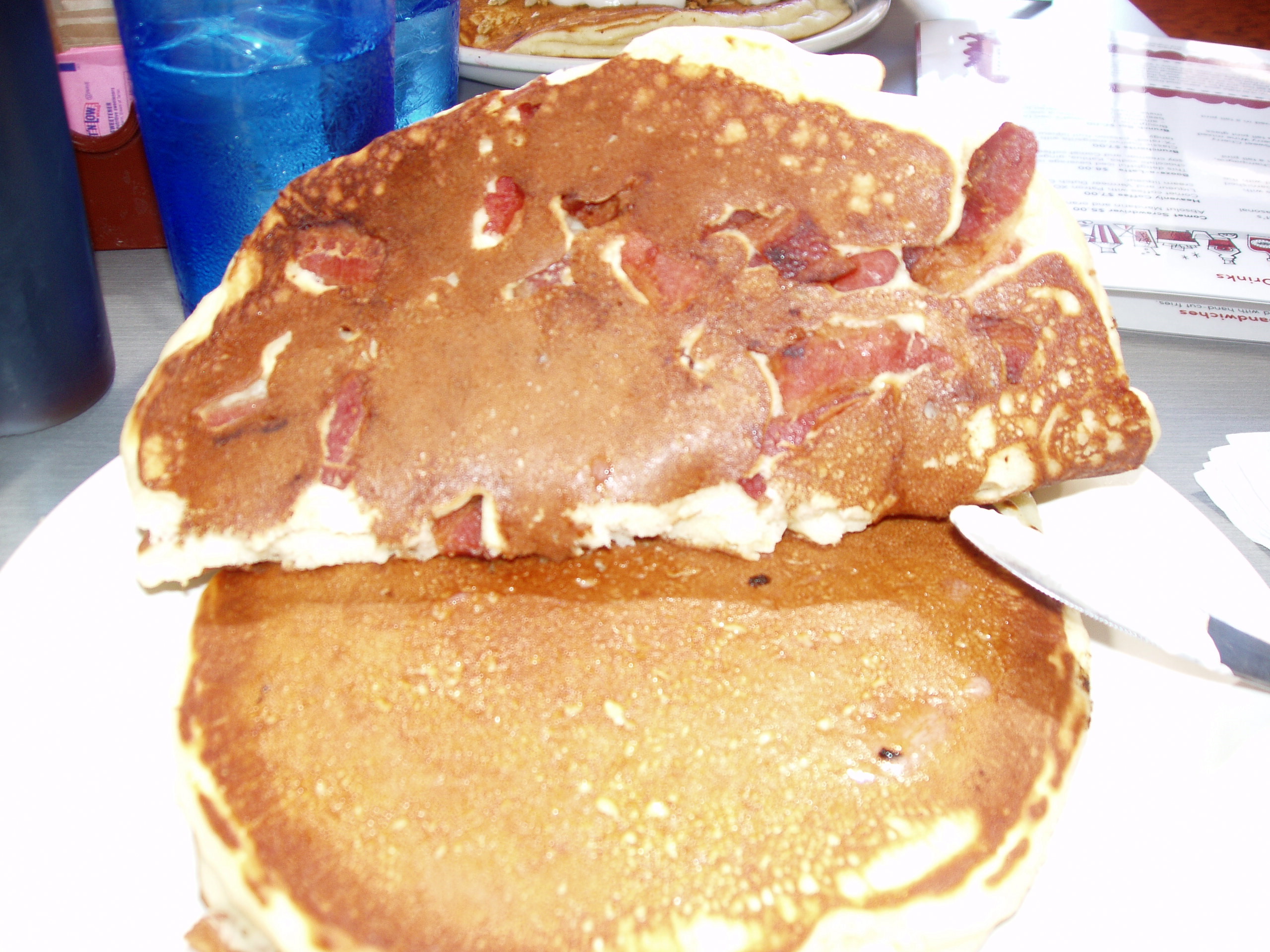
In the interest of full disclosure, I should inform you that the Milwaukee lakefront really is beautiful (just look at that photographic proof), and the day really was lovely, but that I possibly found them even more so due to the fact that I had a fair amount of alcohol throughout the day. In the city of PBR, Miller, Schlitz, Old Milwaukee, and several craft breweries, are you surprised? I accompanied my delicious brunch of BACON PANCAKES (yes, they mix the perfectly crisp and juicy bacon pieces into the pancake batter and it is as good as it sounds) with the equally delicious Brunch Box, a beermosa with amaretto and Guinness mixed in. Beermosa, you say? Why yes, mix up some orange juice with a white beer and you have yourself a fine drink. The other ingredients just perfected it. (Thanks to Nick at Comet for inventing this drink.)

BACON PANCAKES thank you, Comet

BACON PANCAKES + maple syrup = brilliant

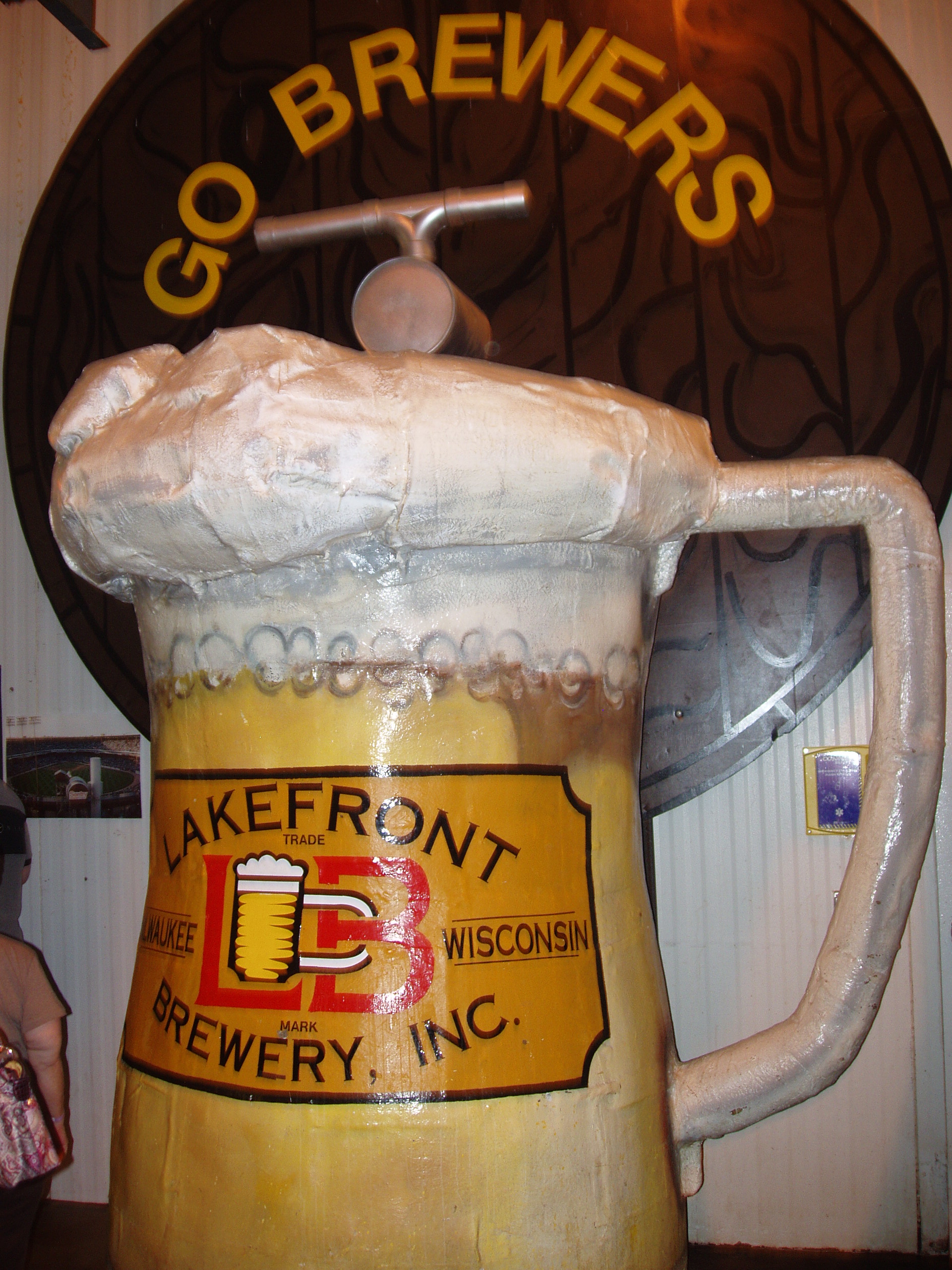
After this very good start, we went to Lakefront Brewery and got the best deal for my money in a long while. Seven bucks got us: a tour of the brewery, a souvenir glass, access to the riverfront deck, a coupon for a beer at participating bars in the area, and four 6 oz. pours of beer right there on the premises. I did learn a couple of things about the brewing process that I’d been curious about (what are hops? oh, that is the actual name of the plant that they take the flower from to add to the beer, etc.), which previous attempts to clarify by half-coherent friends at loud bars had not satisfied. We all made sure to try every beer available on tap, and shared our samples with each other. Everyone else enjoyed the Riverwest Amber, and while that was quite good, my favorites were the Fixed Gear (I guess the hipsters in my neighborhood affect me more than I thought) and the Rendezvous (a French Ale, they said, which seemed to mean close to a Belgian). The entire experience was only made better by the presence of a bachelorette party made up of women of all ages in the most ridiculous fancy dresses they could find. I’m talking 80s prom dresses, a Snow White/Belle from Beauty & the Beast hybrid, and a lot of tulle. I didn’t take any pictures of them, but here’s a picture of the giant beer mug that the Milwaukee Brewers mascot used to jump into (via slide from his game-watching balcony) every time the Brewers scored a home run. The mug is now housed at Lakefront Brewery:

Brewers mug at Lakefront Brewery

have some beer

While on our 3rd pour of free beer, Sessily, T, K, and I got into a discussion of perception and reality. No, it wasn’t a faux-deep “we’re all just specks in the universe, man” conversation. T said that he couldn’t remember the last time he was surrounded by so few hipsters (we live in Logan Square, an area of Chicago pretty well known for its trendy bicyclists), and we all agreed that yes, our fellow brewery tour participants were far more likely to attend sporting events than art-noise concerts, shop at The Gap rather than thrift stores, and hold a steady 9-5 instead of a part-time cafe job. (Please enjoy today’s edition of Stereotypes: Making Your Point Faster Than Truth Can.) Anyway, I said that Milwaukee has been voted drunkest city in the nation, and it’s a city of industry besides, so it’s got a reputation for being coarse, a little rough and tumble. In fact, most of the Midwest is probably seen in those terms by outsiders, I said. K, who is from Portland, Oregon, countered that he’d never thought of the Midwest in those terms; rather, everyone on the West Coast assumes the Midwest is full of unfailingly polite, boring types. True, I said, outsiders have that mostly insulting view of rural Midwesterners, but if you mention Chicago, St. Louis, or Milwaukee, they’ll tell you to watch out, those are dangerous places. Sessily pointed out that rural Midwesterners contribute to this idea of the cities being especially dangerous and shady, so the cities get it from all sides. (Also, now that I think about it, I’m not sure why I lumped in Milwaukee with those other two — does anyone think of Milwaukee as dangerous? Probably not. Sorry, Milwaukee. Please continue to give me beer.) It was an interesting discussion of how we see ourselves, how others see us, and how those perceptions affect the actual place we live.

We only day tripped to Milwaukee, and there’s a lot more to see, so I plan to be back sometime this year. But I can already say that the parts of town I saw were lovely, and the people, yes, were friendly. My takeaway, though, comes back to that delicious barley-and-hops concoction, beer. I was passing through the brewery gift shop, and a woman was trying to trade in her plastic taster cup for the souvenir glass. “Not til you finish your drink,” the gift shop attendant said. The woman looked warily at her almost-full glass. In other cities, maybe she would have been shown mercy. Maybe other cities would offer her as much time as she liked to finish it. But this is Milwaukee. This is The Nation’s Watering Hole. This is beer. The woman’s friend turned to her and said:

“This is Milwaukee. Slam it.”

Lakefront beer

This is Milwaukee. Slam it.

Picture, Thousand Words, Etc.

Greetings from exotic Chicago! I am back on American soil and happy to be so. A report on the airplanes: about as uncomfortable as expected, but no worse so. I sat next to a man on my O’Hare-Heathrow flight who said that United is the worst of the major airlines, because they took all the inches of legroom in Economy and moved them to Economy Plus, where you pay an extra hundred bucks for the privilege. I certainly felt the difference. I was squished just sitting in the seat, of course, but trying to find a relaxing pose for my legs proved highly difficult. Especially on the eastward flight, you want to sleep, so stretching out somewhat is important. I must’ve looked like a college freshman eager to prove my comic chops on my improv troupe tryout, as I first spread my legs like a dude, one foot in the aisle and the other edging into my neighbor’s space; then pressed my legs together and sat low in my seat to shove my feet under the seat in front of me; then threw my weight to one side of the seat and wiggled my hips and legs toward the other side two inches away; then pulled my legs up and held them in mid-air; and finally settled on a rotating roster of all these options. I didn’t sleep on that flight, and it wasn’t from excitement to be traveling. I did pony up the extra cash for Economy Plus on my return flight, and if anyone has any doubt that the airlines’ anti-fat policies are anything but profit-grubbing, they only need look at that Heathrow-O’Hare flight to see the ten of us who’d paid extra spread out, while everyone else who could barely afford the basic ticket sticking it out in the back. Hell yes I paid more to make it through the eight-hour flight. Lucky for me I had that option.

But anyway. The time I spent NOT on airplanes was pretty great. I saw a lot of family and friends, and even got in some sightseeing. I can show you pictures of the pretty, pretty canals I saw in Amsterdam, the windmill I passed in Utrecht, and the queen I dined with in London (juuuuust kidding on that one), but instead, let’s take a look at some of the less-trumpted sights of these fair cities, shall we? Because I saw some damn funny things. Without further ado:

The Top 10 Unknown, Can’t-Miss Sights of My European Adventure 2010

(P.S. Formatting is way funky on this thing. I was trying for something cool and it didn’t quite work. And now I’m too tired to redo it or try again, so I’m leaving it as is and hoping you’ll find it charming. Isn’t that the American way?)

oh, art students, keep doing your thing

the happiest trash can in the world -- Marina's favorite tourist spot

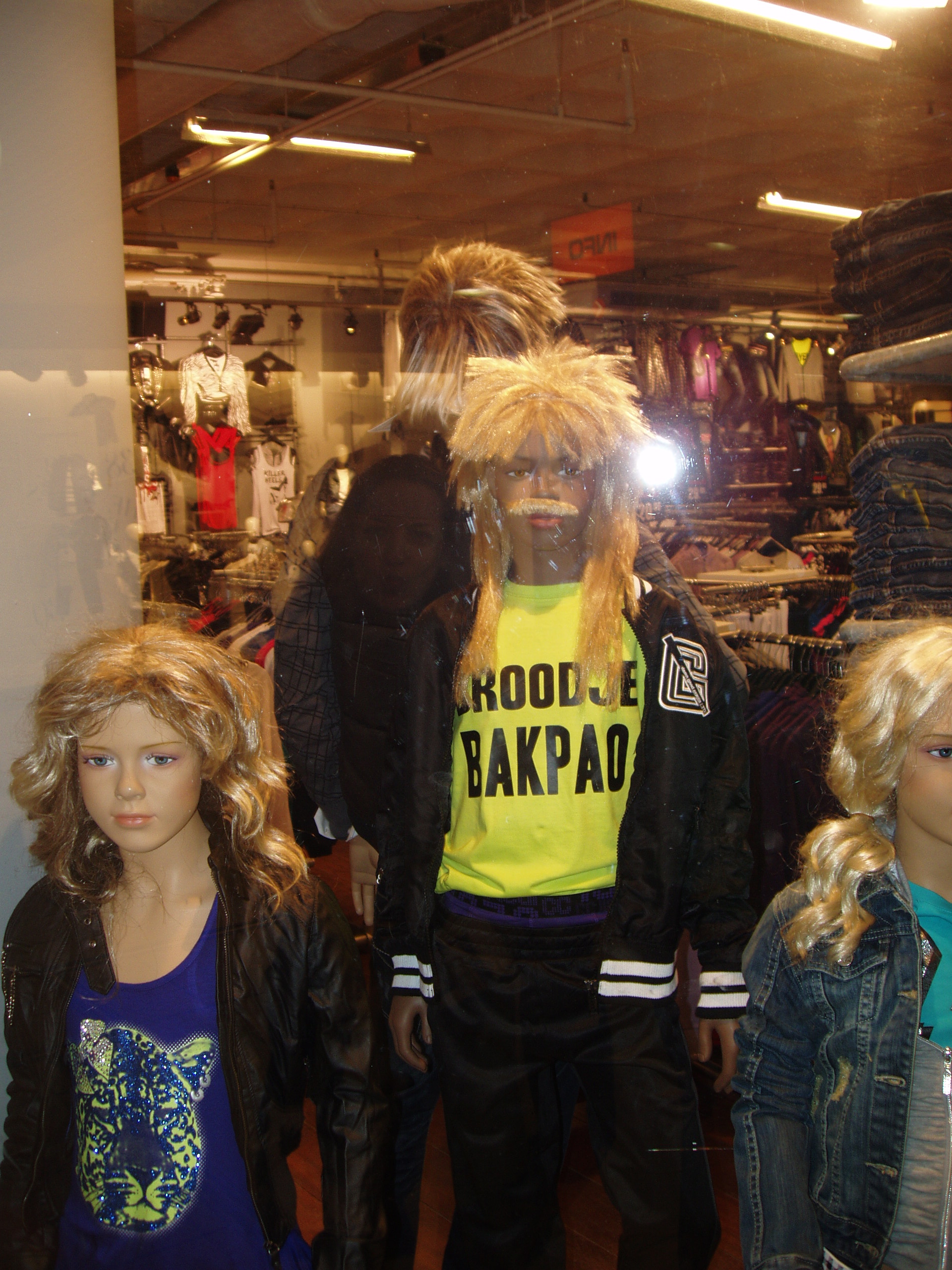
there are too many amazing things about this window display for me to even put into words

snack time, anyone? (no, not me either)

rabbits at Borough Market

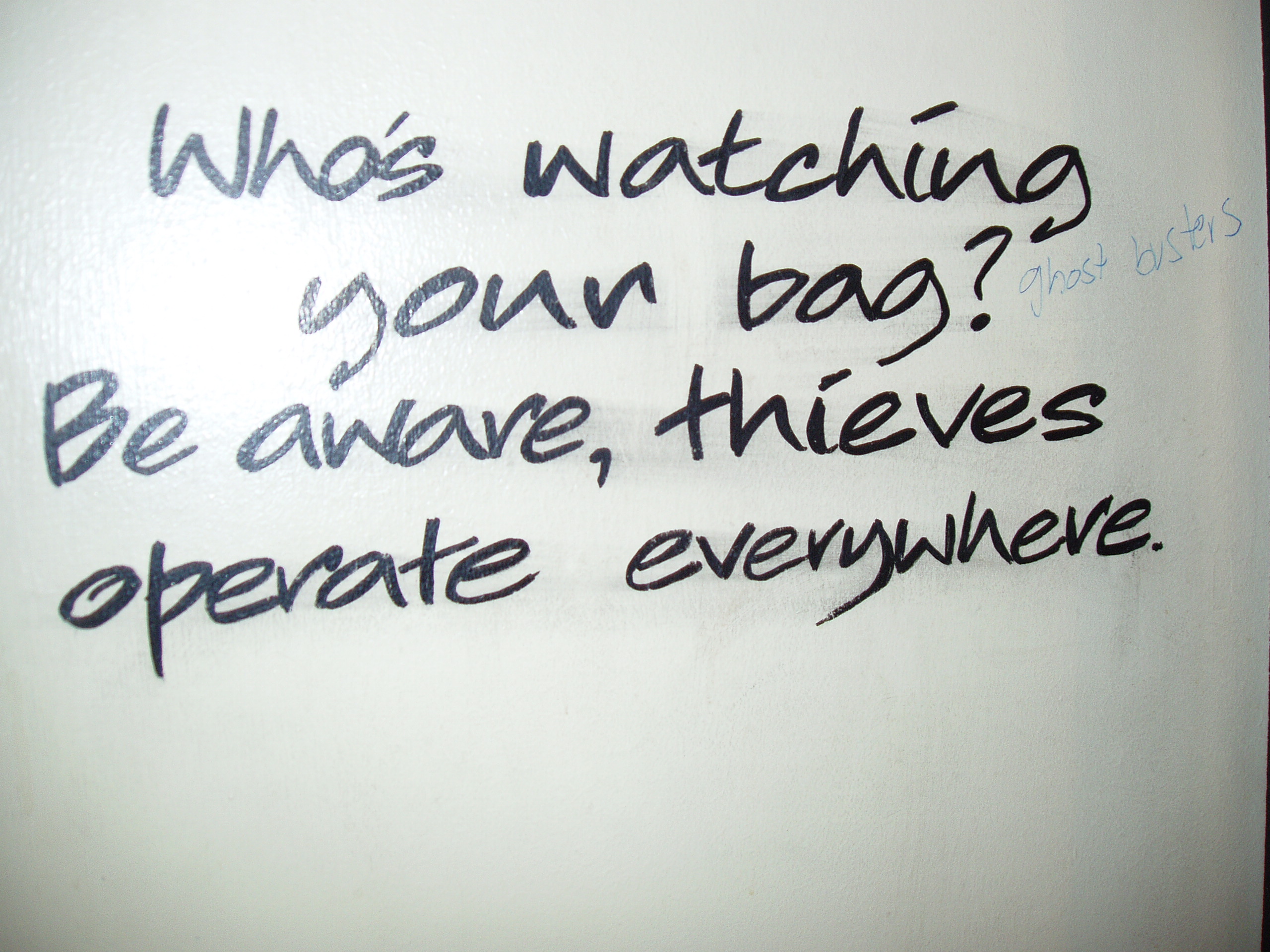
who ya gonna call?

a bad shot of the cricket jokes tea towel at my grandmother's house

on top of a London church -- I thought all the animals were supposed to live in harmony in Jesus' world?

animatronic T Rex! everlasting love to Liz for showing me the wonders of the Natural History Museum

heaven / bar in Utrecht

Lights on the Water

Tonight I took the #11 bus north to Lincoln Park, to meet a friend for dinner. As we rumbled over the Franklin Street Bridge, I looked out the window and instantly I was in a strange new place. The river curved around behind me, the brand-new condos stretched out to my left, and to my right, Merchandise Mart loomed. It was 6:30 and already quite dark, and all the buildings glowed.

I take the same route home every night, and it all looks the same, so taking a new route or visiting a new place can be pretty shocking, in a good way. It makes the city new again. And especially when it’s dark and the nights are winding tighter and tighter around a cold winter, a new route reminds me of the sheer size of the city, the massive number of lives being lived. I feel closer to the people behind each one of those bright lights, closer in our anonymity.

Riding over the river always gets me — nothing clarifies and sets apart like a body of water, and of course it’s that same body of water that forms a connection between the two sides of the bridge, the body of water that is the reason for a city’s existence. The Chicago River is a dark mass that barely ripples through downtown, a river that flows the wrong way, a black surface reflecting thousands of bright lights and individual lives. And then just as I’m feeling welcomed to a new place of abstract shapes and the dark spaces between them, we’re on the other side of the bridge and caught in traffic. That moment of beauty and connection is gone as the buildings rise up around the bus and the glow of those lights is drowned out by the bus’s fluorescence. But the river remains, and there are always other routes, always other ways home.

Chicago River by night

Apologies, dearest fellow travelers, for a late and abbreviated post — I hope to flesh it out later.

Look for a guest post from S. next week, about living in Ecuador for a semester abroad.

Great Expectations

And now, dearest fellow travelers, for the flip side of the coin. Last week I talked about how great it is when you go somewhere new and it’s better than expected. I didn’t mean that I go to new places not expecting to like them, but that I sometimes have to overcome some preconceptions to really appreciate them. Also, when you’re visiting a city for the first time, it’s hardly unusual to feel some trepidation at what you might find there, and the nervousness mixes up with the excitement until you have a little knot of energy in your stomach, making you kind of nauseated and kind of buzzed at the same time.

At least, this is what I experience when I’m visiting a new place, and I feel this regardless of whether I’m visiting for a few days or staying for several months. When I physically approach a place that I’ve previously only known through pictures, guidebooks, and secondhand stories, my whole body vibrates with the sensation of moving from the familiar to the unfamiliar and also from the unfamiliar to the familiar — from my home to a new place, but also from not being personally connected to this place to being bodily in and of it. I love that feeling of being on the edge of knowing the unknowable, of reaching out to touch the as-yet-nonexistent with your fingertips, crossing over from plans of the future to realities of the present. This is one of the biggest thrills of travel, and I have yet to tire of it.

Some people, however, freak out at the whole idea. My junior year of college, I lived in Rome for 5 months and studied classical history, archeology, and Renaissance art. I approached those months with a jumble of feelings, but the overriding emotion was excitement. I couldn’t believe I was living in this place, which was simultaneously a living monument to history and a bustling modern city. My roommates, on the other hand, couldn’t believe they were living in this dirty, noisy, badly run city, and they commented on it almost daily.

The Pantheon in Rome, Italy

K College has several very good study abroad programs, but Rome is not one of them. They don’t run it; it’s farmed out to the American University in Rome, which is kept busy bringing in students from a lot of different schools. The 16 of us from K got lost in the shuffle — we lived with each other in small apartments, we didn’t speak any Italian, and we had no class trips or on-site director (unlike programs in most other countries). So we weren’t a cohesive unit by any means, but still, we were all there because we were in the Classics department back home, so that was a kind of place to start.

But it was apparent in the first week alone that I had a very different idea about living in Rome than my roommates did. The five of us weren’t friends before living together, and I don’t think any of us went home very close, so on top of the stress of starting a new school and living in a new country thousands of miles from home, we all added the stress of living in close quarters with virtual strangers. At first, it was like freshman year all over again; we’d go places in groups with the other K kids, who were rooming together in various combinations, and we’d stay up late talking and drinking cheap wine (the difference from freshman year — cheap here meant literally one or two euros). Conversation ranged from the people we’d left behind to the professors and students we were just coming to know, from assignments on ancient sculptures to how to ask for chicken at the supermarket. But somehow conversation always morphed into complaints. I was astonished to learn that my roommates and fellow students of the arts thought Rome was a pit.

They complained about how dirty it was, with graffiti all along the walls of the city and dog poop up and down its sidewalks. They whined about how noisy it was, with nonstop traffic (we lived just up the street from a hospital and became very familiar with the yowl of the Italian ambulance) and inefficient buses. And the buses! Don’t get them started on the buses. They were never on time, they didn’t seem to follow any reliable route, and you practically had to flag them down like a taxi just to get a ride. The people were unfriendly, the clothes were expensive, the streets were labyrinthine, the monuments were rundown, the food wasn’t as good as the Italian places back home… It went on and on and on.

I discovered potato and rosemary pizza when in Rome, and I'm a better person for it (doesn't seem to actually be pictured here, but these Roman style pizzas are also as good as they look)

Why on earth did they go to Rome in the first place? I’m still not entirely sure on that one. When I asked them, they said they wanted to go on study abroad like the rest of our school did, and they thought Rome would be cooler than it turned out to be. Each of them admitted to not really enjoying cities. Did they think Rome was a small, quaint town? It’s been a massive city teeming with life for literally thousands of years.

It seems that their expectations for Rome weren’t founded in fact or forethought, but rather in a vague idea of European cosmopolitanism and romantic stories of blissful honeymoons. This is the key — plan ahead! Now, before you accuse me of being a list maker and not a risk taker, let me say that yes, I tend towards that way, and it does irk me (but that’s a topic for another post). What I mean is that even if you don’t like to laminate an itinerary before heading out on your travels, you should at least do some preliminary research so you have a basic understanding of the place you’re going and the people who live there. I love hearing stories from fellow travelers, but I am always aware that we’re different people with different tastes, and their idea of fun people or good food is possibly not at all the same as mine. I’ll note down the restaurant and sightseeing recommendations and keep them in mind as possibilities, but not must-sees. Guidebooks, too, are written by people with individual tastes, budgets, and travel companions, but at least I can get an idea of the lay of the land and its history. From these, too, I get possibilities. Guidebooks, friends, blog posts, travel sites, library books, maps — I gather it all up and sort through it for my own interests, then head out to the unknown with at least these knowns in reserve.

I do think that you can have a different approach here for simply visiting a place for a few days. When P and I went to Memphis, we knew we were going to Graceland but we didn’t know anything about Beale Street, and we ended up at an all-ages bar watching a riotous rockabilly act. It was even more fun for being something I didn’t know ahead of time, and then we moved on. But if you’re going to be living in a place for more than a couple weeks, I don’t understand why you wouldn’t prepare yourself as best you can for the customs and people of the place you’ll be living.

This is not to say that I adjusted perfectly well and knew all about every Italian custom before moving there — not at all. In fact, the negativity of my roommates really affected me and I found myself in a weekslong funk, simultaneously resenting every nuance in culture between Italy and the States as well as my roommates for pointing out those nuances every damn day. But I did get out of that funk, and managed to make the best of a bad living situation, and it was actually thanks to those very same roommates.

The Italians take siesta, as do all Mediterranean countries, and in Rome, any time between 1 and 4, shops, offices, and restaurants close for a couple hours as all the workers take a nap from the midday sun. It’s a surreal experience, as an American, to walk down an empty street at 2 in the afternoon, passing shuttered shop after shuttered shop. And then at 4 or 5 they’re all back open for business for another couple hours. My roommates complained about this custom; when were they going to go to the grocery store? What if they got hungry? When were they going to buy school supplies? Why did the whole city have to shut down?

I fell into siesta quite easily; what is there to dislike about citywide naptime? The day I realized I could reclaim my own expectations of living in Rome and reject these false ones my roommates had, it was about 1:30pm and I heard the complaints drifting in from the living room as I climbed into bed. I pulled the covers over my head and thought, “Damn, if there is any time for this phrase, it is now: WHEN IN ROME. Good night!”

an approximation of my cot bed in Rome

P.S. Get excited! Comments on last week’s post about the difference between visiting a place and living there inspired this post, and also a forthcoming guest post from my friend S. Witness the power of your I’m-procrastinating-at-work-so-I’ll-comment-on-Lisa’s-blog energies!

Better Than Expected

Dearest fellow travelers, how often have you been obligated to do something that sounded dreadful, only to find yourself having a wonderful time? Or maybe it wasn’t even going to be dreadful, merely kind of dull, like a coworker’s wedding or your second cousin’s bar mitzvah, but the DJ played MIA and ABBA and other artists whose awesomeness requires that their names be in all caps, and the buffet had those tasty bacon-wrapped dates and slabs of Gouda (none of that cubed stuff), and you spent the night dancing with a highly attractive friend of the family who was very willing to share their hotel room with you at the end of the evening? In these situations, you might look back on the experience and conclude, “Well, that was better than expected.”

My mom is very fond of the phrase “better than expected,” and it’s become somewhat of a thing in our family to admit our pessimistic outlook was proved wrong and we were pleasantly surprised. Why, just a few weeks ago, when I was visiting EL, H and I went to a church party with our parents and had so much fun talking to people we hadn’t seen in months that we stayed an hour and a half later than we’d planned to. Better than expected.

When I went to New York City this past May, it was a classic case. I was, of course, immensely excited to visit my sister E, but that was separate from how I felt about visiting the city itself. See, I’ve had a bias against the East Coast for over ten years now, based on all the literature and movies that assume everyone is aware the Midwest is for uncultured oafs, and the only place to be, if you’re going to be anybody, is New York (followed by Boston or DC if you have to settle). Unfortunately, many of the people I’ve met from New York support this theory, and I can’t stand their smug superiority.

I’ll be damned if people are going to tell me my city is second rate to any other, especially a city as overblown and overdone as New York. People in New York are proud to be assholes to tourists, whereas people in Chicago might get annoyed at having to point out the Sears Tower over and over, but we’re still going to say excuse me when we bump into you on the street. Everyone in theater knows that there are two towns for theater in the US — New York and Chicago. New York has a giant park and a dirty ocean, but Chicago has miles of park running alongside a lake you can actually swim in. Bands might move to New York when they need to cut a record deal, but they’re just as likely to record that album in Chicago. And if you’re a hip hop act, Chicago is the place to be. If you want to eat at one of the hot restaurants in New York, you have to make reservations before the place even exists. In Chicago, I’m pretty sure I could get a reservation at Alinea or the Publican a week or two out, and in the meantime, there’s Kuma’s Corner. Chicago has the perfect combination of Midwestern manners and big city excitement, and I honestly don’t want to live anywhere else for at least a few years.

Oops. I got off on a tangent there. But that’s exactly what I mean — I get so defensive about Chicago when I’m talking to East Coasters, and New Yorkers in particular. Of course I still wanted to go to New York. It’s not that I think there’s nothing special about the place, or that it’s inferior to Chicago, or that I wouldn’t enjoy myself. Not at all! New York has many unique sights and a fascinating history. That’s what I had to keep reminding myself as I prepared to go there. I had a mental block about the people I’d meet and the city’s relation to my city, but if I could just get past that, there was a world class city waiting for me.

Indeed, I had a wonderful time. Granted, E introduced me to her friends, so everyone I met was friendly, but I was kind of expecting to get straight up shoved into the street for walking too slowly on the sidewalk, and that did not happen. I was also fairly confident that I’d get “tourist” hurled at me as an angry epithet when I stopped to take my 400th photo (in five days. not kidding.), but instead, I was twice stopped for directions from other tourists who took me for a native. And the sights did not disappoint. I am a firm believer in seeing lots of tourist sites when visiting a new place, since you never know when you’ll be back, and there’s usually a reason something got famous enough to be a tourist destination in the first place. Accordingly, I packed it in: Empire State Building, the Metropolitan Museum of Art, Staten Island Ferry, Central Park, Greenwich Village, Little Italy, Chinatown, a show on Broadway, Times Square (for ten bewildering and terrifying minutes), the Modern Museum of Art, and even Coney Island when my return flight was delayed by several hours.


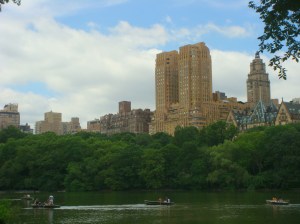
Central Park

Central Park


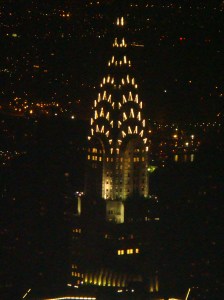
Chrysler Building

Chrysler Building from the top of the Empire State Building

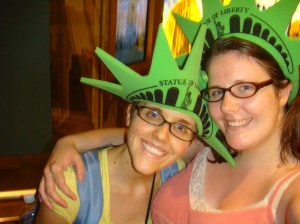
The Classy Tourists

as touristy as possible, and mighty happy


What’s that? Okay. Yes. I’ll admit it, and gladly. New York was better than expected.

Redrawing the Maps

Two weekends ago, I went up to Michigan to visit some friends and admire the autumn colors. I went to the Barking Tuna Fest in Kalamazoo on Friday and walked around Lake Lansing North on Saturday. I grew up in East Lansing and went to college in Kalamazoo; I go back to visit my family five or six times a year, but I haven’t been to Kalamazoo in a couple years. I have some complicated feelings about my four years at Kalamazoo College, and no strong affection for the city. So when the train pulled into the station that Friday, I was a little unsure how I’d like it.  Would I see the city as it was, or as I remembered it?

Lake Lansing North

Lake Lansing North

I have maps of all kinds tacked up to my walls at home — subway maps, walking maps, maps of the world. I think of my relationship to any given place in terms of a map. I see the layout of the place, major landmarks, and a “you are here” star for myself. I like to be oriented in time and space, and maps are the perfect way to do that; they anchor you in a place, but only as that place was conceived by the mapmaker at the time it was made. A map is an artifact and only a guide — just because it’s been printed with in ink and paper doesn’t mean it has marked the landmarks you need. Your reading of the map is what fixes you in time and space. When I run one finger down a street and another finger along the cross street, I pinpoint myself at that place at a time of my choosing — either in memory, or in a daydream about the future, or in the here and now.

As I walked down a rainy Kalamazoo Ave last week, I was thinking about the night before, when I’d met up with some friends at a bar in Chicago, but the act of walking down that street brought to mind other thoughts, memories of trekking out to Bell’s or Kraftbrau for a rare night out during college or driving back into town after a weekend at my then-boyfriend’s place. Being in the physical space that I used to call home didn’t throw me back into that older time, more like they just layered on top of one another. I was 26 and visiting a friend for the weekend, but I was also 19 and venturing downtown for the first time, and I was 21 and going to see my English professor and her husband in their rock band, and I was 22 and amazed that it was time to leave town. The memories and attendant emotions layered on top of one another like onion-skin paper maps laid carefully one over the other, the old feelings of newness and vulnerability running in shaky pencil under the steady brushstrokes of confidence and age.

So I saw the city both as it was and as I remembered it, and I suppose this is true of any place that was once familiar and is now a travel destination. No wonder people get anxious about going home for the holidays; that’s years of maps layered one on top of the other, a lifetime of landmarks lost, wrong turns taken, street names changed over to honor new heroes. Orienting yourself in the vast time and space of a place you knew so well is a dizzying task. For those with unpleasant or seriously complicated memories of home, it’s not even a welcome one. Sometimes it’s easier to spin a globe and stick a finger on it at random. “Here. Let’s go here. I’ve never been here before. I don’t even have a map for this place.”

Still, I’ll continue to go home for the holidays and I’ll probably visit Kalamazoo again in the next couple months. It’s partly the place and partly the place as I know it through people. The love of my family and friends draws me daily, but I see them all too rarely. When I do visit home, however, all sorts of maps get pulled out and re-drawn. There are hundreds of spots all over town that signify whispered secrets, blowout fights, midnight moonlight dances; a joint snuck behind the pine trees here, a naked encounter with the cops here.

One swing set at the park near my parents’ home reminds me of: the day we moved to Michigan from Illinois and my sisters and I had to play at the park but I really had to go to the bathroom and I was sure I’d pee in front of all these kids who were about to be my classmates; the weekend my three surviving grandparents and six aunts and uncles flew in for my sisters’ birthday and the whole family went on a glorious walk of silliness in which my grandpa did pull-ups and my mom walked on the balance beam with me; prom night junior year, when my friend K and I were the only ones without dates, so we dressed up and ran around town golfballing people’s houses and having a whole lot of fun; the night I pushed my curfew past its breaking point by staying up til 6am in the back of T’s station wagon in the parking lot of our elementary school playground; and the night, not long after T had broken up with me and I had graduated from college with no plans, that I sat on a swing right here on this swing set and sobbed at 2 in the morning, feeling more lonely and lost than I ever had before. One swing set.

Of course, on this last trip home, I saw that they’ve torn down that particular swing set to put up a plastic one. I was disappointed, and it’s harder to draw up memories without the physical reminders, but really, none of the maps are gone. They’re just redrawn.