
Sunset, Waikanae Beach, New Zealand
Sunset, Waikanae Beach, New Zealand

Railay, Thailand; February 6, 2013
Lakes circumnavigated on foot: 1
Lakes jumped in mid-circumnavigation: 1
National poets side-eyed for their choice of muse: 1
Fancy breed horses that rebuffed my attempts to pet them: 4
Entertaining guided tours taken: 2
Picturesque castles viewed from a distance: 5
EU-wide award-winning ice creams tasted: 2
Attempts made to take this one special elevator to a club in Ljubljana, only to have the elevator stop a floor below the right one every time: 5
Mini-waterfalls admired: 2
Total days spent in Slovenia: 6
Total money spent: $361
Average per day: $60
Times I said, “Seriously, so beautiful” out loud: It basically became my catchphrase

Lake Bled, Slovenia
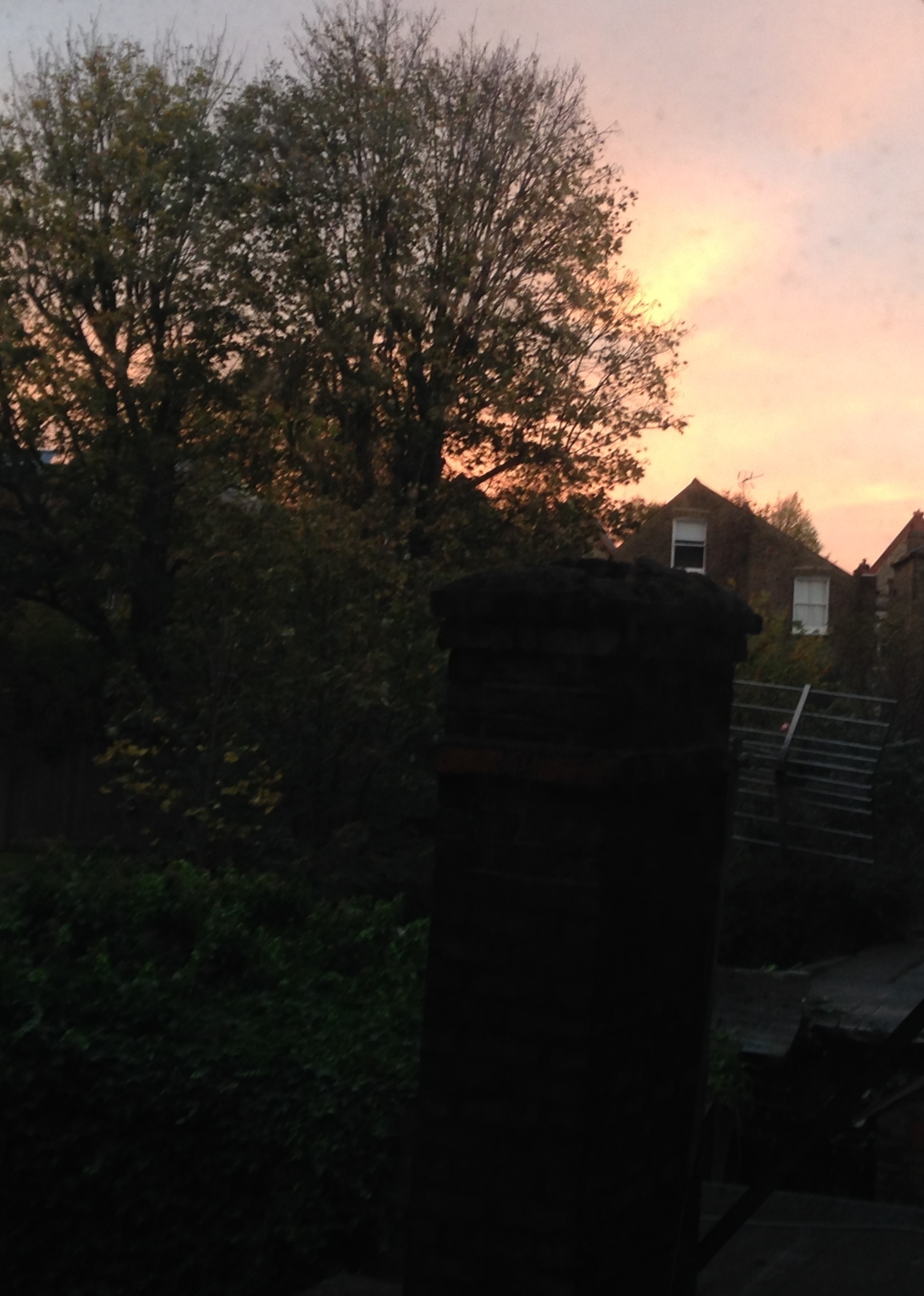
Sunrise, London, England

Kyoto, Japan; May 10, 2013
Driving a car in another country makes me more nervous than it probably should, so I generally try to avoid it, which is how I found myself on a daylong tour in rural Slovenia rather than driving myself through the countryside. Slovenia, as a couple friends had told me, is absolutely beautiful, and it’s not quite popular enough yet to be overrun by tourists, so each place we stopped at was gorgeous and not very crowded.
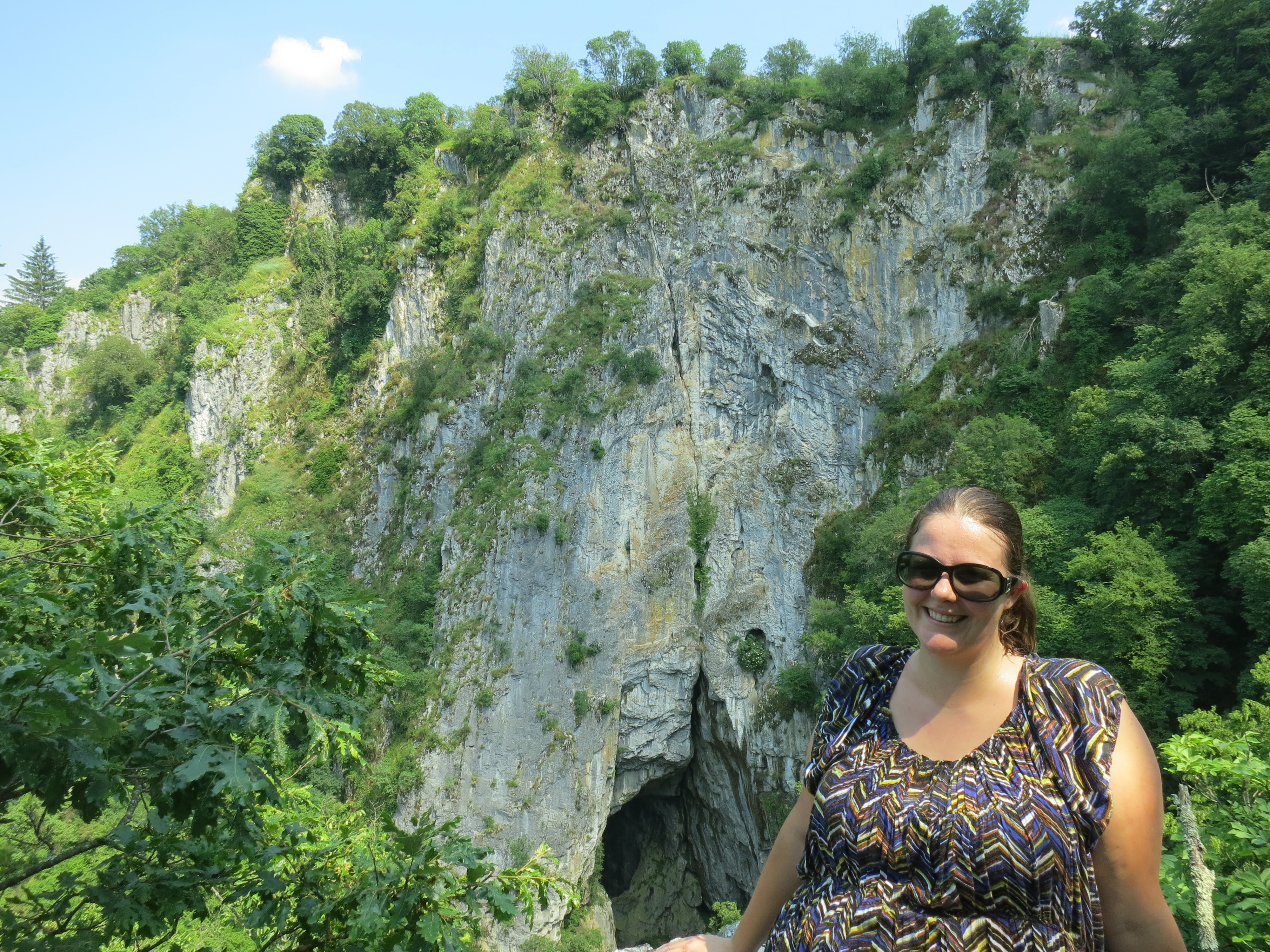
Light hiking outside Skocjan Caves
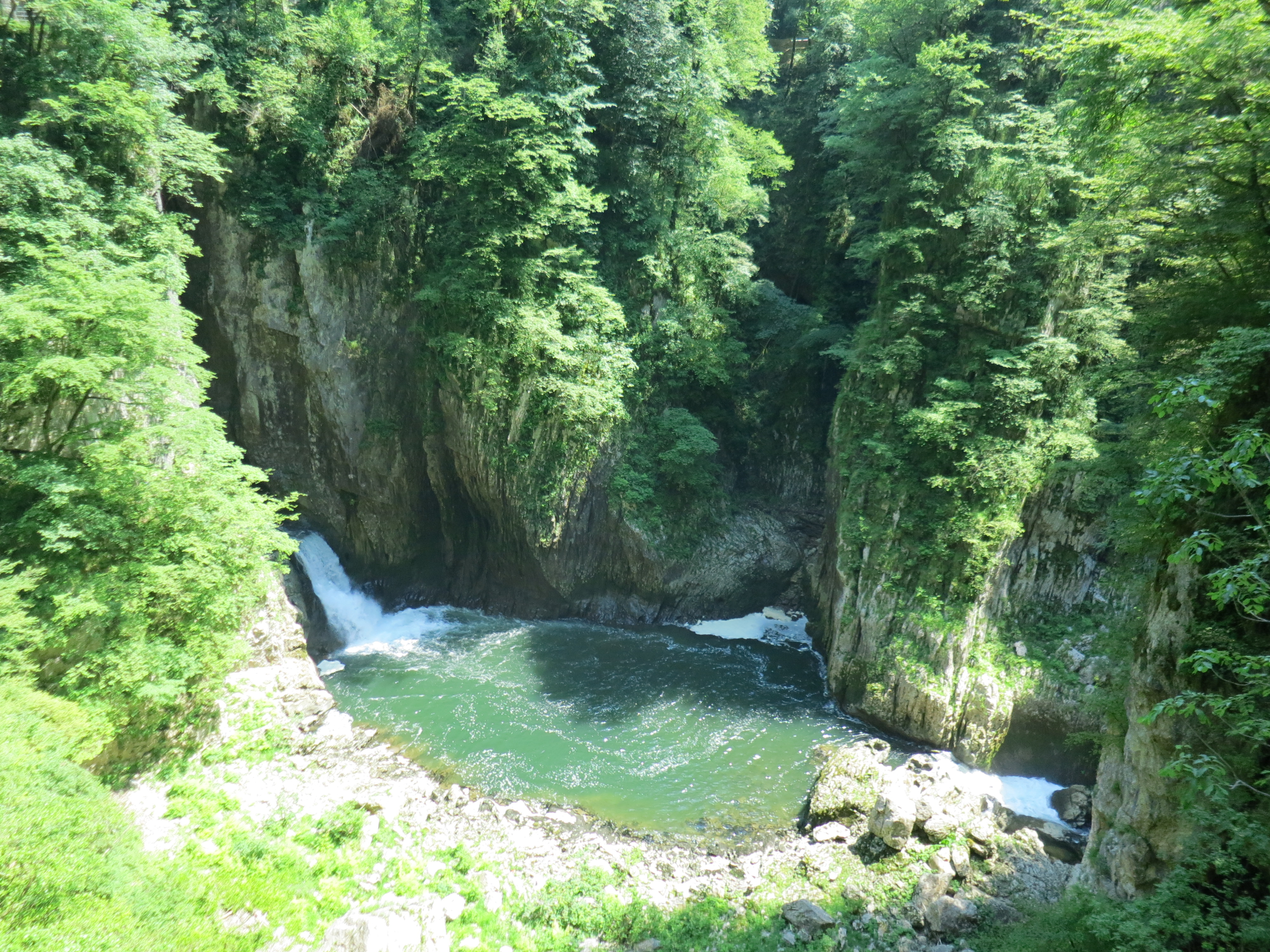
Stunning Slovenia, outside the Skocjan Caves
I joined four guys from the hostel in a van our gregarious tour guide drove around his home turf–a loop from Ljubljana to Predjama Castle, to Škocjan Caves, and Lipica stud farm. Later, a new friend and I from the hostel rejoined the guide to visit the town of Celje and the nearby lake for sunset. It was like a one-day advertisement for Slovenia–and it worked, we were all hooked.

Lovely countryside

Predjama Castle
The approach to Predjama Castle looks like just a path up a hillside, with no castle in sight, and then you turn a corner and voila!–a castle built into the mouth of a cave. It’s an impressive construction, and looks about as impregnable as it is. Back in the 15th century, the baron who owned it came under siege but suffered no hardship for a year and a day because of the secret passageway through the caves that allowed him to bring in fresh supplies. A servant betrayed him and he was shot by cannon out of his toilet–an ignoble but also kind of awesome way to go? The castle underwent extensive changes in the next hundred years, and has remained in the Renaissance style ever since the late 16th century.

I think that little door on the bottom left is supposed to be the location of the infamous toilet

Skocjan Caves
Škocjan Caves are a World Heritage site, a massive system of underground karst canyons (karst being the type of rocks found here). Reka River flows through some of the largest underground caverns in the world, and you can visit a couple of these caverns on a guided tour. Photos weren’t allowed, because apparently the flash can damage the rock, so we all took a bunch when we saw daylight again and our guide said it was okay. But go ahead and Google some images to get a sense of the size of these caves. They were breathtaking, and the water rushing through was at a magnificent strength and volume as well. I’d say that this is probably the only caving tour you can go on if you’re claustrophobic, since even the smaller areas were pretty comfortable. It’s just a whole city of stalagmites and stalactites and river rapids down there.

Aboveground but still in a valley, outside Skocjan Caves
After the caves, you can take a pretty direct route back to civilization, or you can do a mini hike through the hilly woods atop the caves. Our guide had scheduled in time for the hike, so we set off, and of course I took the longest. I’m just a slow walker, and I take a lot of photos. I warn people of this, but they always seem surprised anyway.

The karst landscape of Skocjan Caves
I was aware that I wasn’t the only one on the tour, so I kept moving, although the scenery was absolutely gorgeous so I was tempted to dawdle. After one last look at the castle across the valley, we got back on the road to our last stop before Ljubljana.
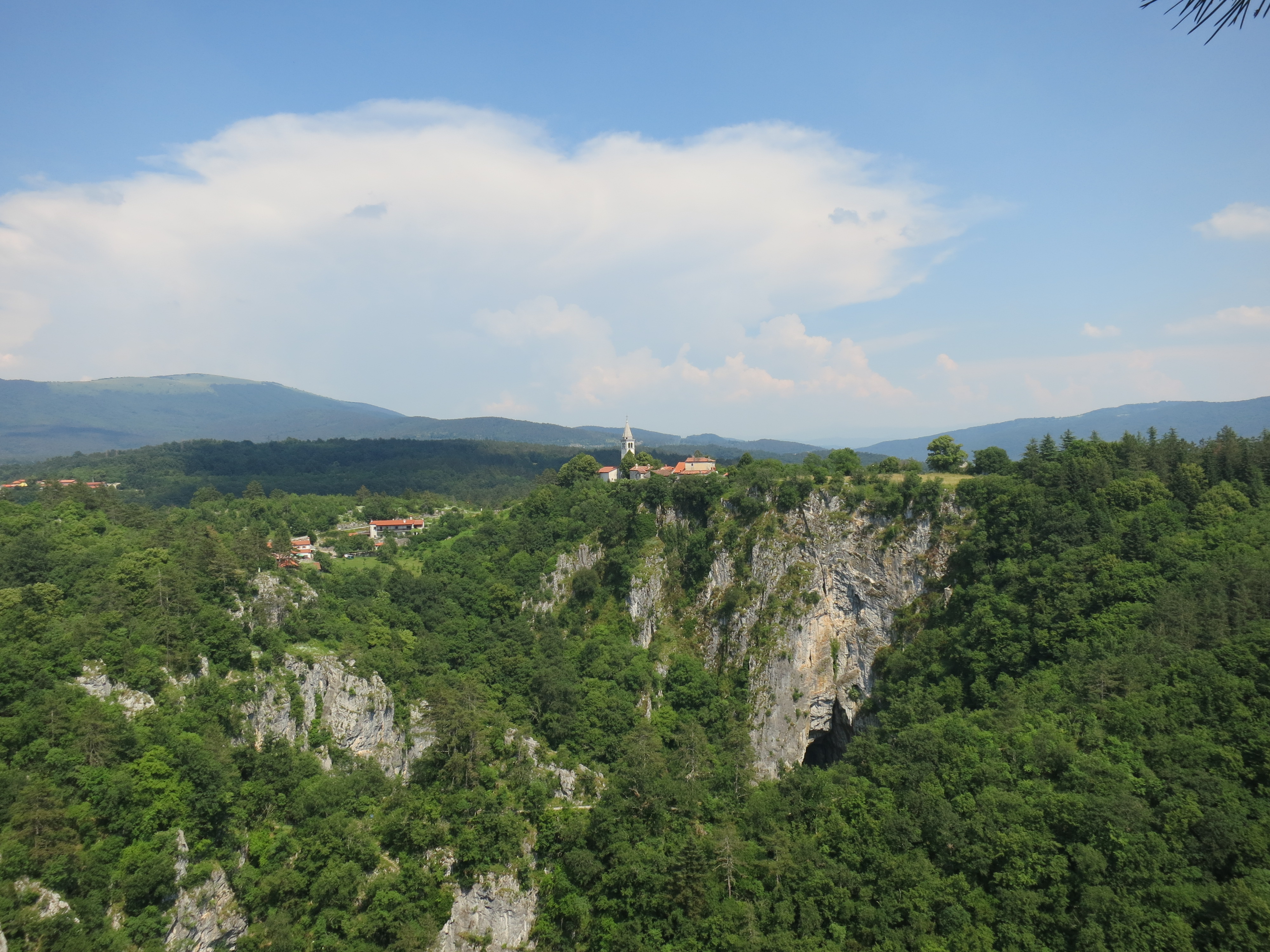
Looking across the valley
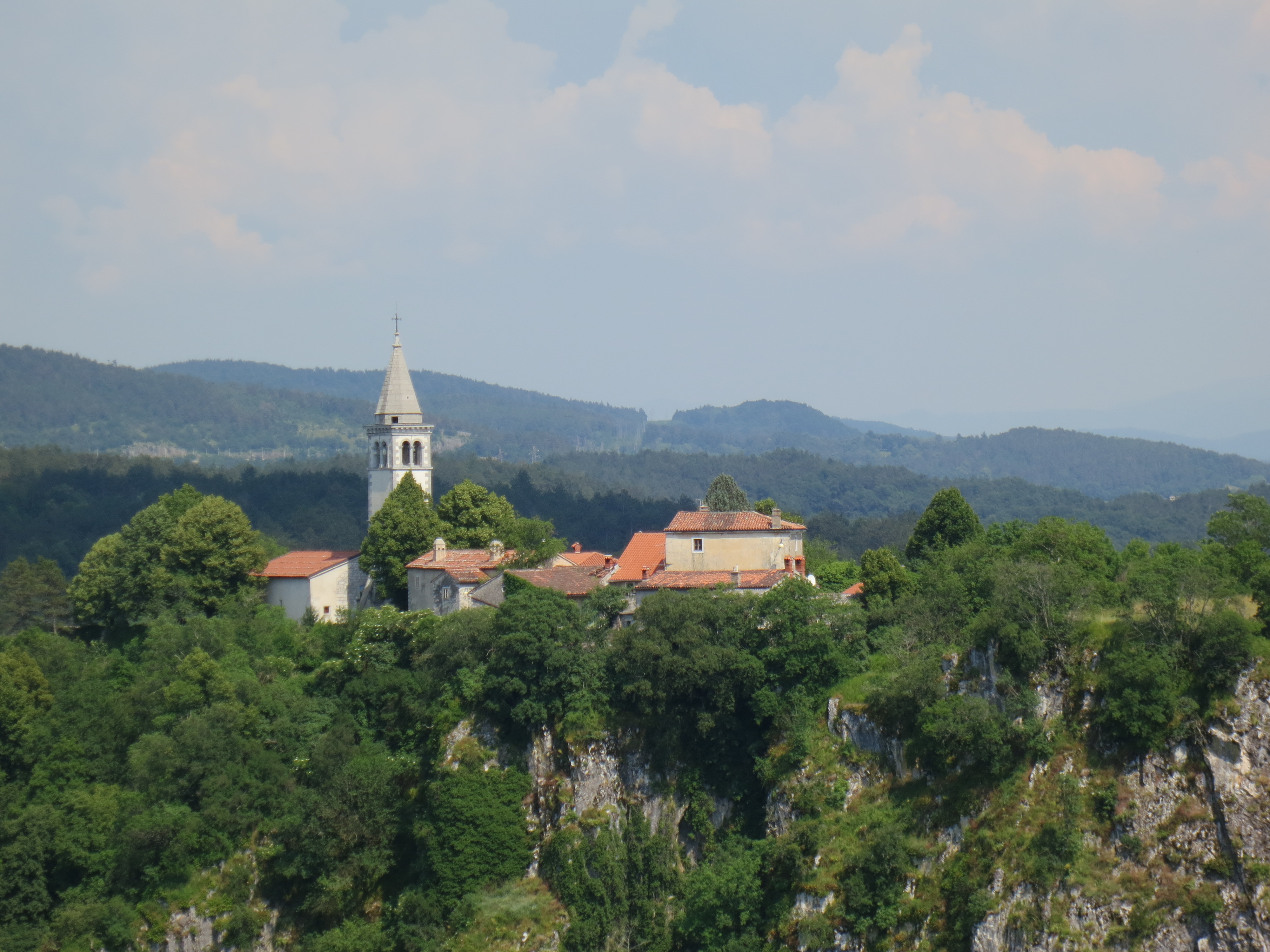
A close-up of that view

The famous white horses of Lipica
Lipica stud farm is where the Lipizzan horses have their start. These white horses have been bred for centuries to be raised in the Spanish Riding School style of dressage, which is a very specific purpose, and apparently a very expensive one, as these horses are highly prized and the stud farm a place of pride for Slovenia. You can take tours of the grounds, or you can do what we did, which was stop partway up the private drive, get out and stand at the fence and gaze at the horses from there. They were mostly shy with us, but lovely to watch from a distance as they grazed and sedately walked around the huge grounds.


We stopped at a lookout point to get this view of Trieste in Italy, just across the border, and what little is left of the Slovenian coastline after Croatia and Italy took most of it.
The town of Celje is about an hour’s fast drive northeast of Ljubljana. We walked along the Hudinja River as kids played in the last hours of daylight, we admired the 3/4-life-sized bronze statues scattered around town, and we had a drink in the shadow of buildings in the Viennese style.
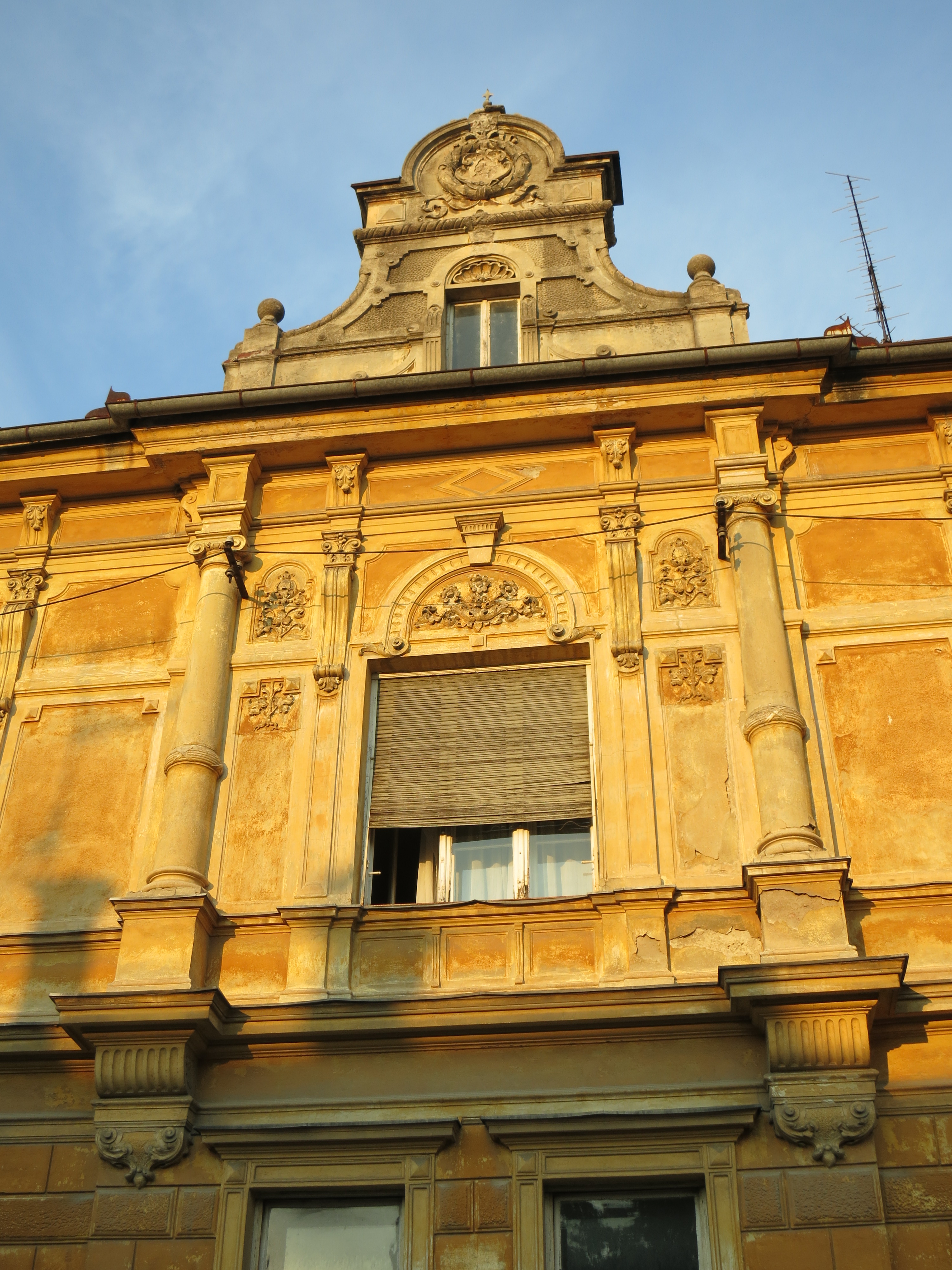
In Celje

Statue of Alma Karlin in Celje, her hometown
One of the statues is of Alma Karlin, a Slovenian traveler and writer who knew over TEN languages. She often wrote in German, until the rise of the Nazis, at which point she stopped writing in German in protest. She traveled around the world for a decade and established a language school, and is clearly someone whose writings I need to read immediately.
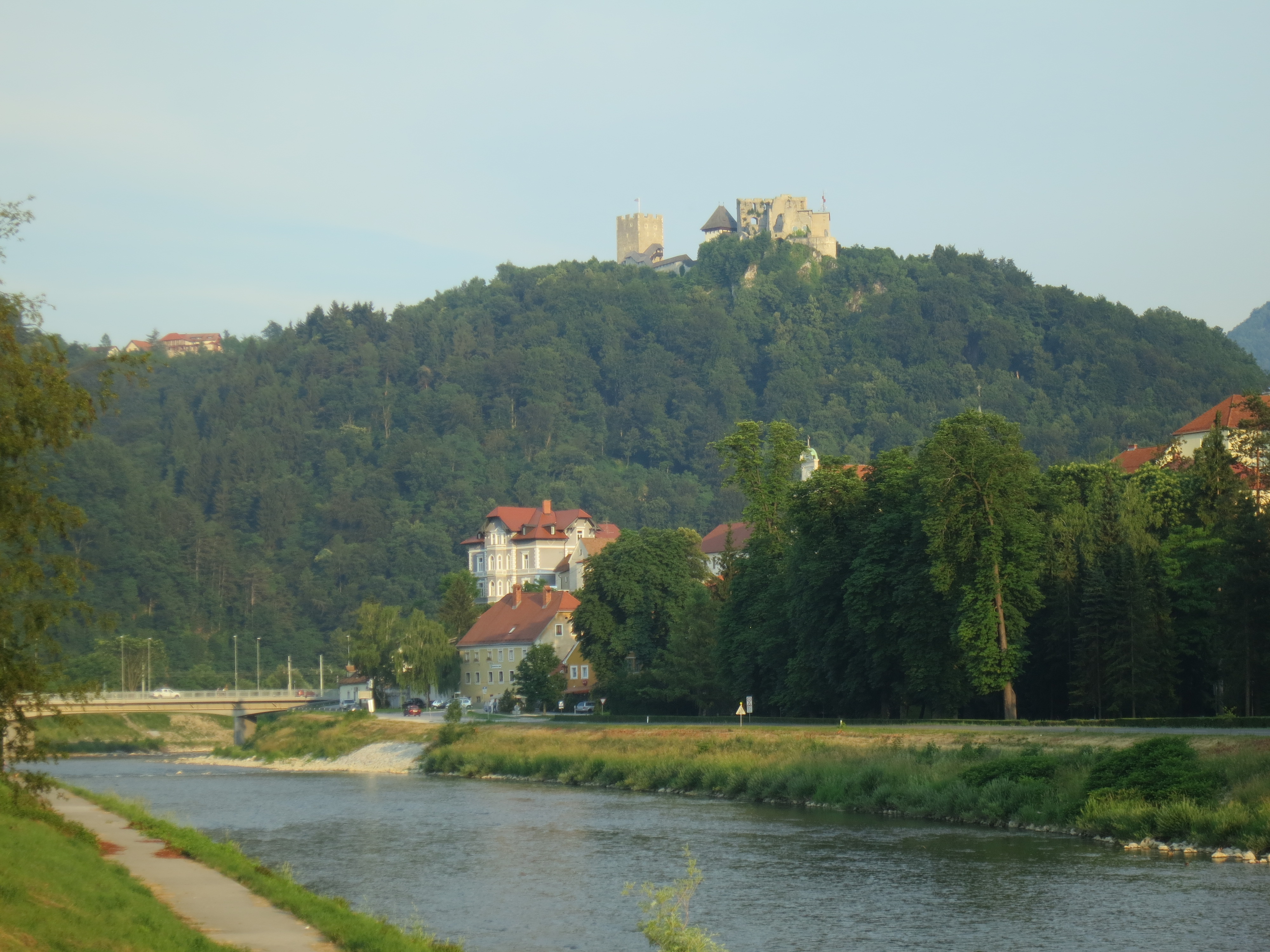
Celje Castle on the hill
We ended the day at Šmartinsko Lake, a manmade lake with irregular borders so it looks more natural. Aside from slapping away mosquitoes, which let’s be honest has been part of every summer evening for me in the Midwest, I sat and had a totally peaceful experience, watching the sky turn pink and the distant hills blue, and seeing it all reflected in the still waters of the lake. Our guide talked about how proud he is of his country and how much he loves Slovenia, and we just nodded along. Look at this place–how could you feel any differently?

Goodnight, Slovenia

Sunset, London, England

Machu Picchu, Peru; April 22, 2014
Wellington may be the coolest little capital in the world, but Ljubljana has to be the loveliest. The small city sits in the center of Slovenia, on the Ljubljanica River, and it’s made up of a mix of Venetian and Viennese architectural styles, well-placed parks, a large cathedral, and a castle upon a hill.

Loveliest little capital
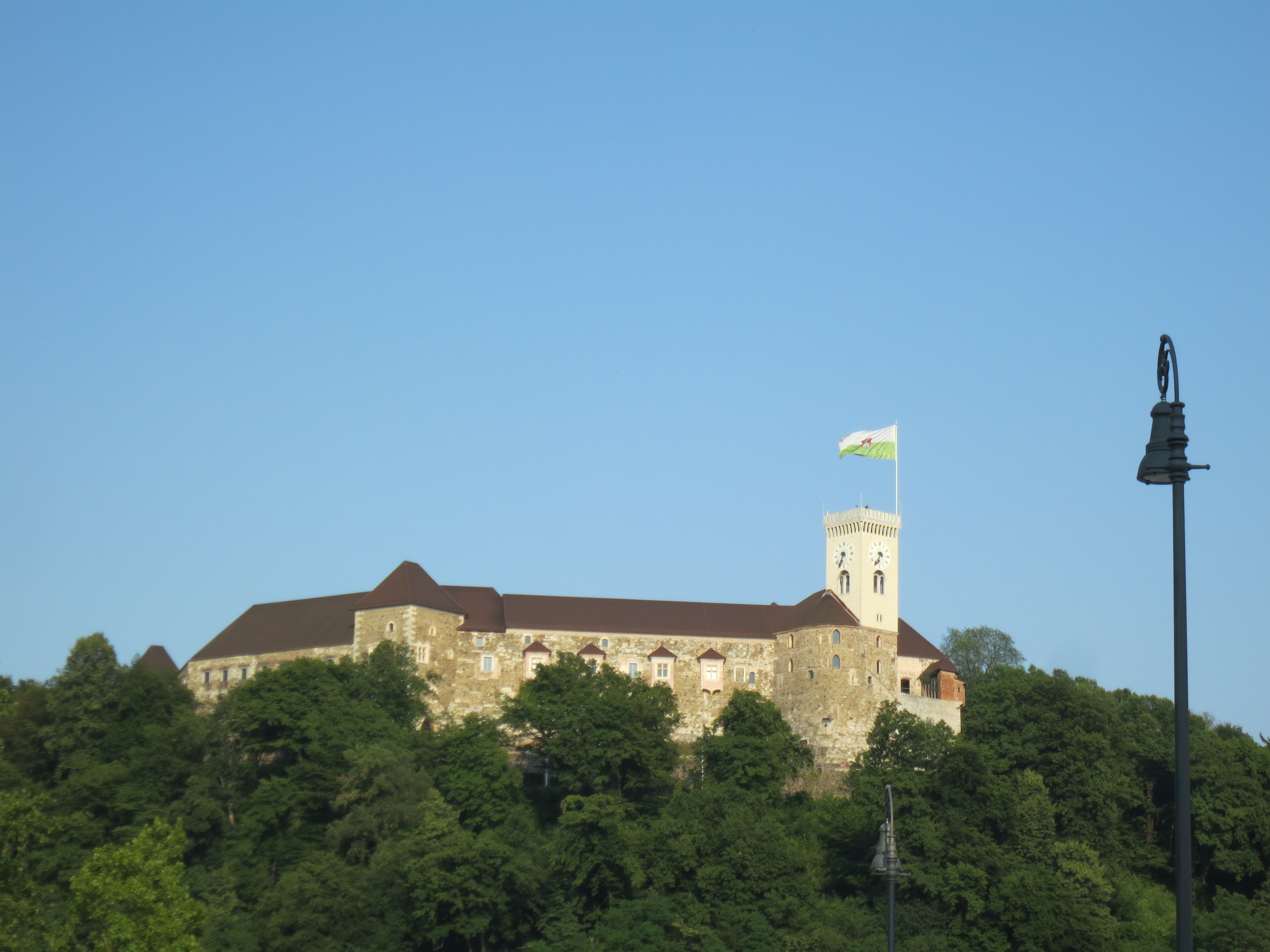
Ljubljana Castle
I went on a free walking tour with a guide who threw some dark humor into his spiel and then apologized, saying he’s a stand-up comedian and these get laughs from the locals but he has to remind himself they don’t work on tourists. Aw, keep trying Mr. Guide-man, let your morbid culture shine through.
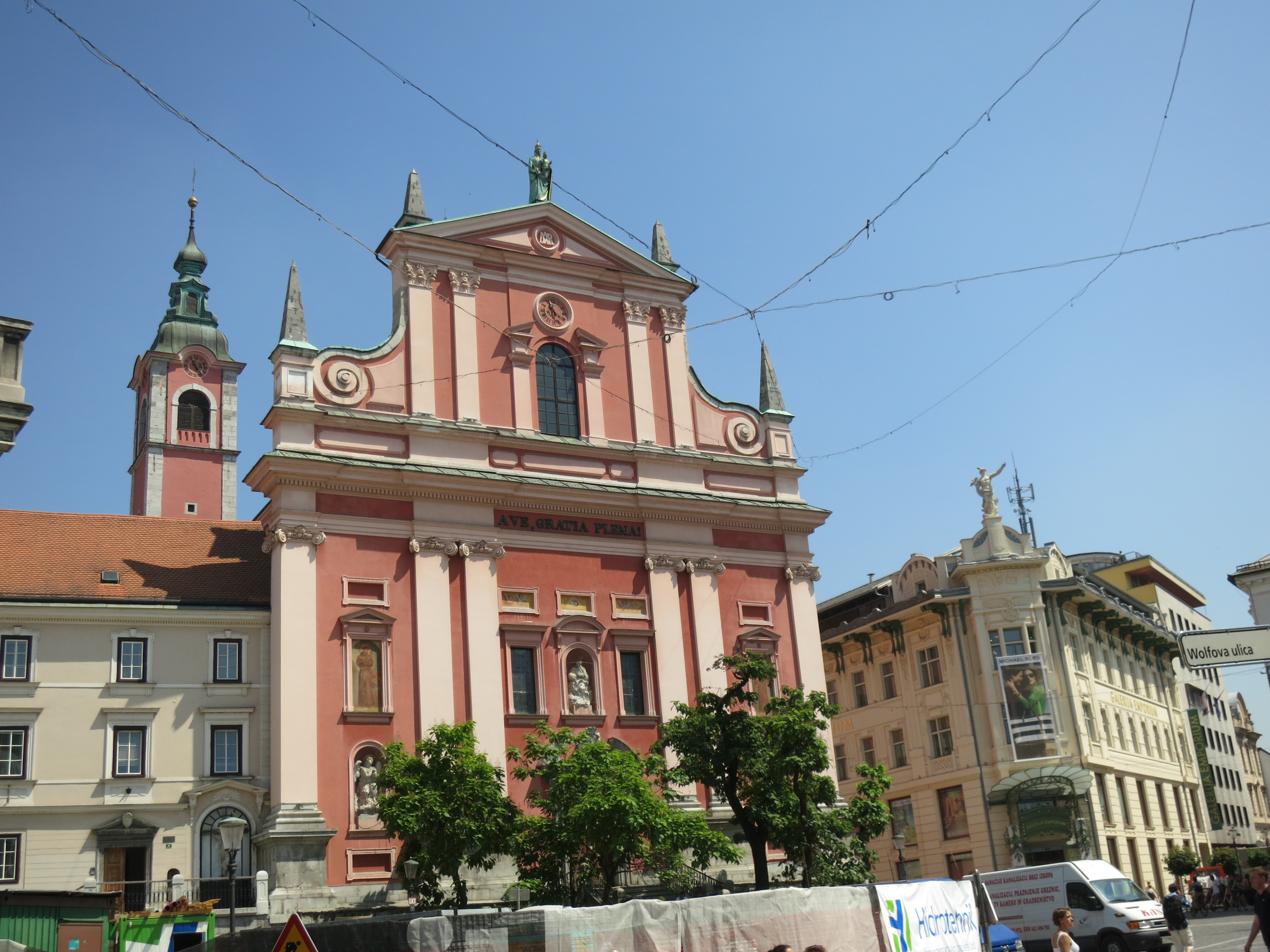
Franciscan church in Prešeren Square
We started the tour in Prešeren Square, named after the national literary hero France Prešeren, who lived out his unhappy life in the first half of the 19th century. Prešeren wrote in Slovenian, which contributed to a sense of national identity for the country. He also carried a torch for a young society woman, calling her his muse. So much is made of his unrequited love for her that the statue of Prešeren in the square named for him gazes at a building across the square, which contains a carving of this young muse, so that they can look at each other for eternity. He was 33 when they met, and she was 16. Muse indeed.

The symbol of the city
We crossed the Triple Bridge, designed by Jože Plečnik along with much of the rest of the city in the interwar period. Two bridges were built to flank the main one, to prevent bottlenecking in the city center. We walked along the river, past the fish market and produce market, until we arrived at a bridge guarded by an impressive bronze dragon. The dragon has become a symbol of Ljubljana, although its origins may have just been looking cool on a coat of arms. Legends tie it to Slavic stories of ensuring fertility, Greek myths of monster slaying, and Christian tales of paganism defeated.
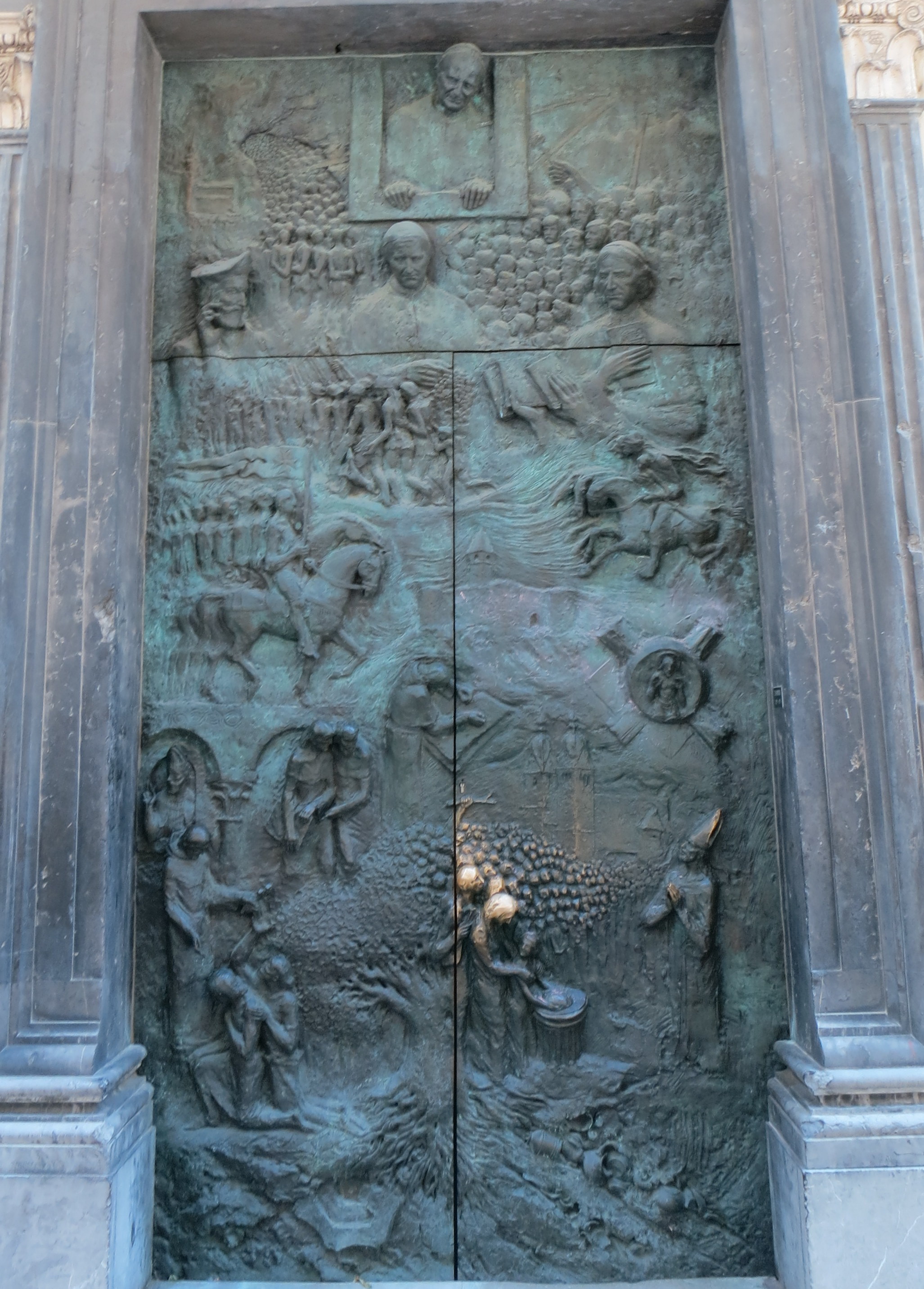
Cathedral doors

Town Hall square
The cathedral of Ljubljana was visited by Pope John Paul II in 1996, and prior to his visit a large set of bronze doors was installed depicting the bishops of Slovenia preaching to large groups of people, overlooked by a carving of John Paul himself. Beyond the alley containing these doors, the street opens out to Town Hall and an uninspiring but popular fountain on the square. We ended the tour in a major outdoor music hall, where our guide dipped into politics for just a few moments, as anything concerning Communism and the Balkan Wars is understandably a touchy subject in this region.
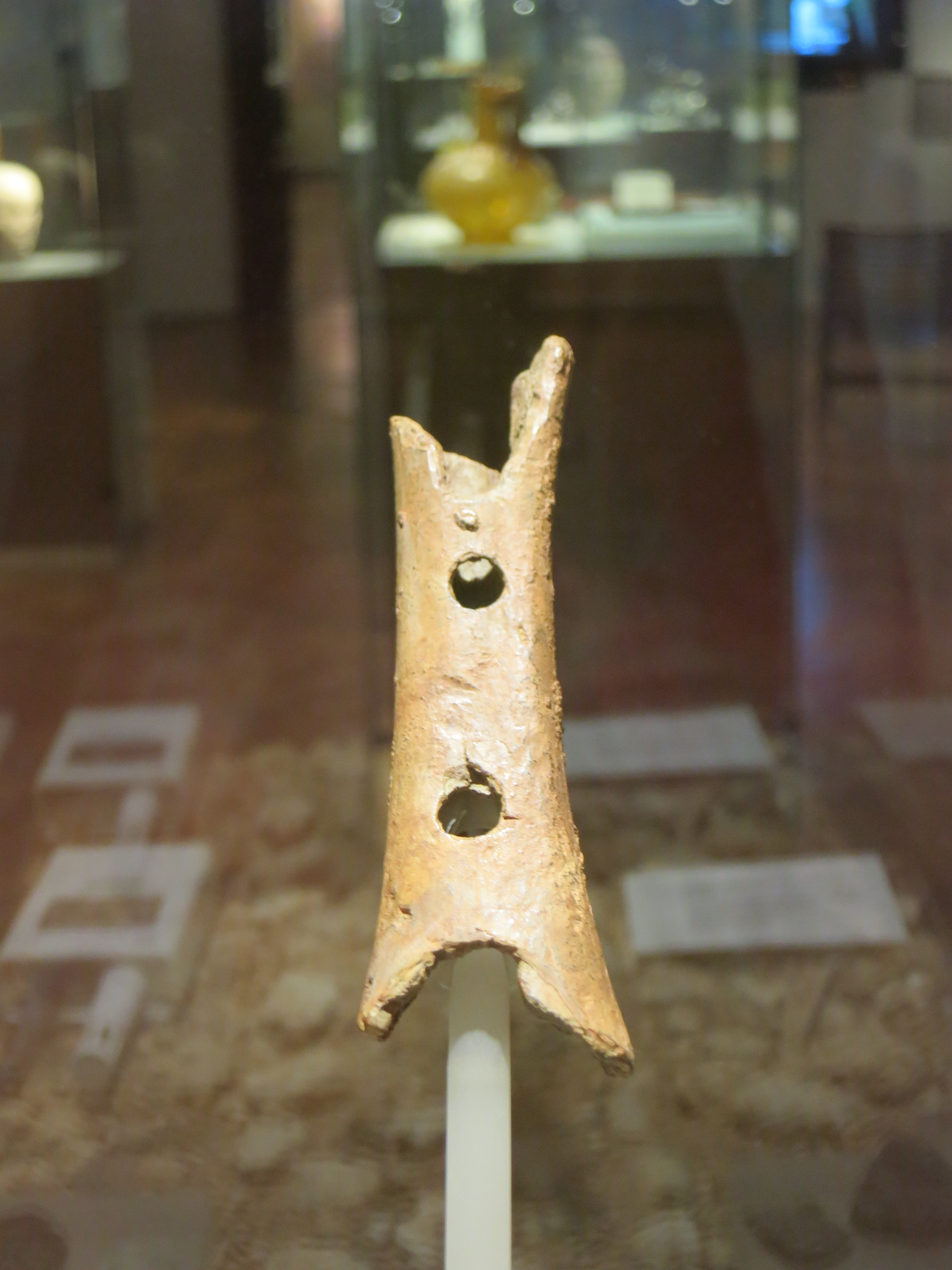
Replica of the oldest musical instrument ever discovered
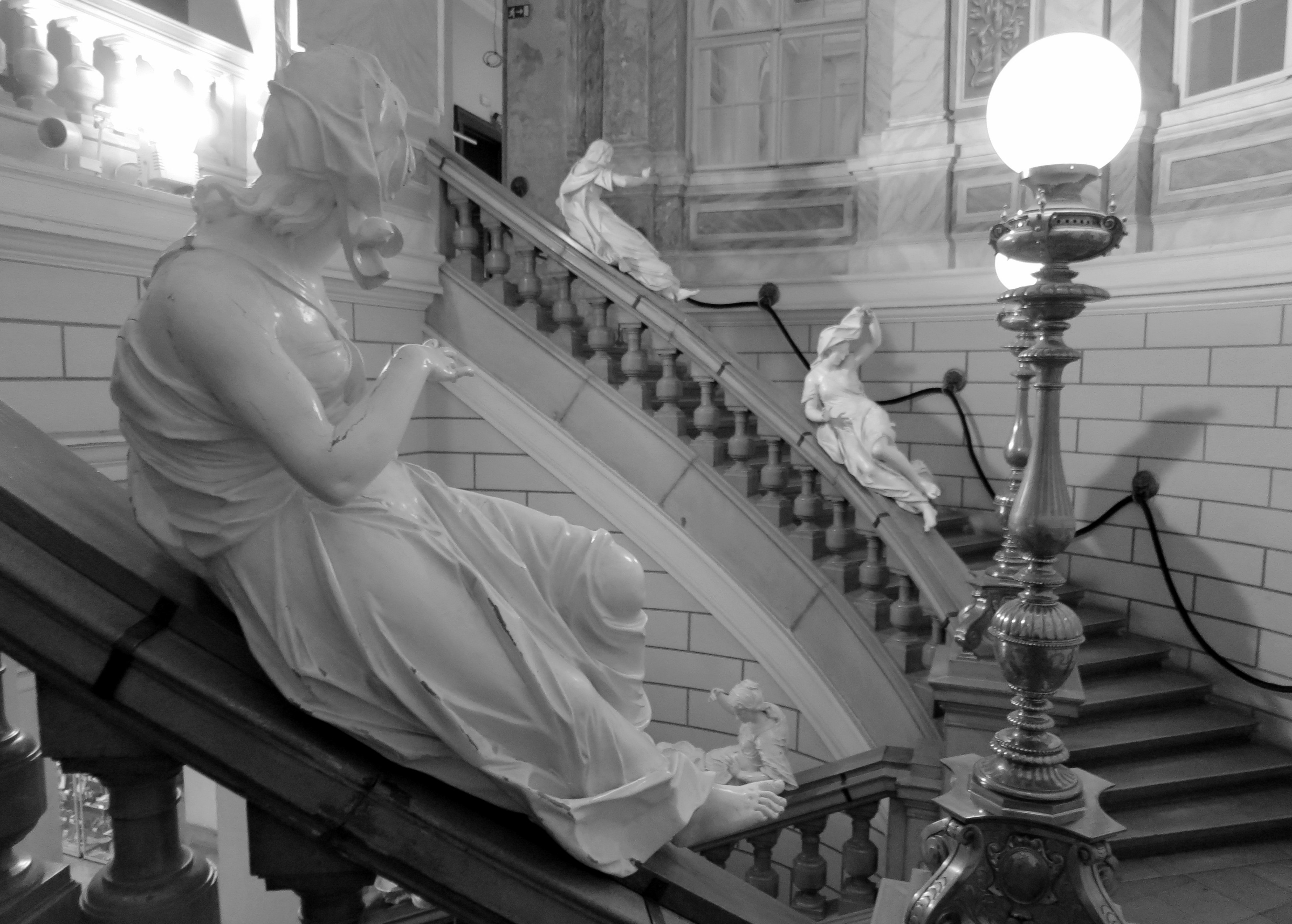
I loved these ladies (muses of learning, perhaps?) surfing down the stairs in the national museum
I visited the national museum to see the world’s oldest musical artifact, but when I got there, I saw a small sign informing me that the real thing was in storage, and this was a replica. A little disappointing, but it’s still cool to know that the original flute has been dated to 45,000 years ago and is the first musical instrument to be confirmed as a Neanderthal creation. We’ve been musical since before we’ve been fully human.

Lunch spot

Along the Ljubljanica River
There’s more to see in Ljubljana on another visit–the castle and an artist’s district near the train station, to name just a couple things–and it only takes a glance through these photos to see that I can’t be far off in naming Ljubljana the world’s loveliest little capital.

The Triple Bridge at night
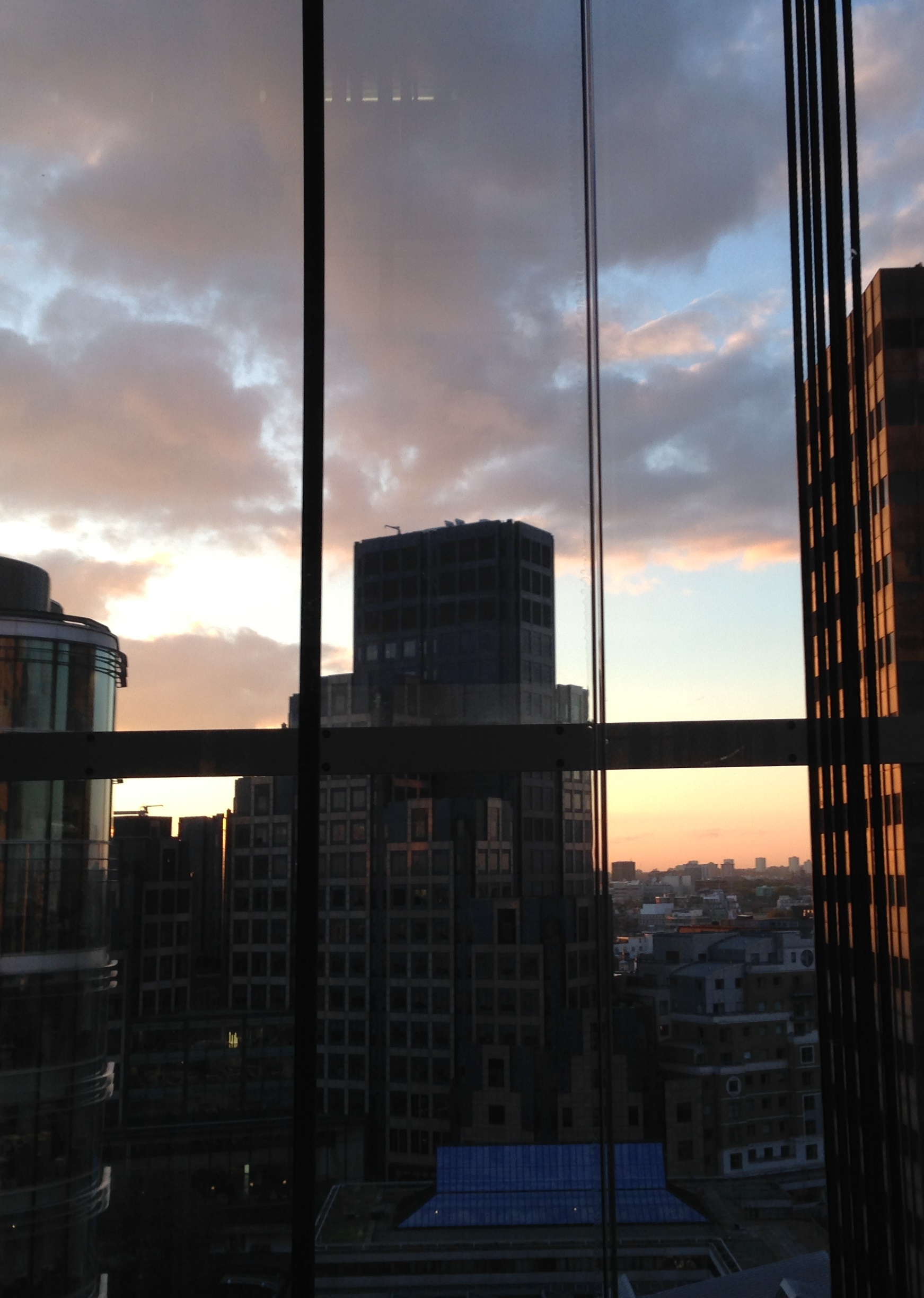
Sunset, London, England
 Stowaway Travel Writing & Editorial Services