Arizona’s New Era of Racism: The Ethics of Traveling to Repressive Places

The state of Arizona recently passed SB 1070, which is a terrifying piece of legislation that mandates racial profiling, rewards paranoia and hate, and puts Arizona back at least 50 years. This is no exaggeration. Take a look at that NYT article — this law REQUIRES police officers to demand identification papers from anyone they suspect might be in the country illegally; it makes it a misdemeanor to not carry immigration papers; and it lets any citizen sue local law enforcement if they think this law isn’t being enforced. First we have Driving While Black; now we have Living While Brown.

This is the only law of its kind in the United States, but don’t think that doesn’t mean other states aren’t running to catch up. And don’t think for a second it isn’t racist. Check out Rachel Maddow’s short but effective rundown of the authors of the bill — longstanding members of groups whose explicit purpose is to make sure America’s majority is white. Who are most of the undocumented immigrants in Arizona? Latinos. So a law aimed at cracking down on illegal immigration is aimed at cracking down on Latinos. And how do you determine which Latinos are US citizens, legal immigrants, tourists, etc. and which are crossing the border from Mexico without official approval? No really, how do you tell? Even Governor Jan Brewer, who signed the bill into law, couldn’t answer that question. “I do not know what an illegal immigrant looks like,” she said when asked. But the police are supposed to know and make arrests based on that unknowable qualification? Is this like porn — I know it when I see it? Nope, pretty sure it’s like mandatory racial profiling — all brown people are immediately suspect.

handmade sign at the May Day rally

no child should know what a SWAT truck looks like

My dad is always concerned that I consider the other side of the matter before taking a stand, which is good advice. So okay, people who support this bill are concerned about what, exactly? Sharing increasingly scarce resources with people who weren’t born here? Talk to your representatives about spreading the wealth a little more evenly. Losing your job to someone who braved brutal conditions, rape and murder on the trip from Mexico to the States? Even fairly conservative groups will agree that many undocumented immigrants do the work you don’t want to do, and in some cases their presence even raises wages. The increasing rate of crime in your state? Take a look at those who say they’re protecting the American way and then talk to me about rising crime rates. But mostly the support for this bill comes from many white Arizonans’ discomfort at the many brown faces they encounter on a daily basis. I hate to break it to you, but you weren’t exactly here first, and you were never really the majority.

I think the reasoning that most kindhearted but ignorant Americans hold is that it’s already illegal for these people to be here, so what’s the big deal if they get caught? Well, a whole lot of people who have every legal right to be here are going to be caught up in this giant net that’s been cast, simply based on the way they look. What if they run a red light, as anyone is liable to do, and they forgot their immigration papers at home? White Arizonans would be ticketed for running the red light and sent on their way. Latino Arizonans will be ticketed, handcuffed, and brought to the police station for holding and questioning while they’re run through the system to see if they’re allowed to be here. Everyday lives will be dramatically circumscribed, as every action is weighed against the possible consequences from a hostile law enforcement body. And that’s just legal immigrants and citizens.

Undocumented immigrants (“illegal immigrants” confers illegality on a person’s very being and thus dehumanizes them, and anyway is less accurate than “undocumented immigrants,” so I won’t use it) face grave consequences for simply being out on the street when a police officer happens along and decides to take a closer look at them. The category of “undocumented immigrants” encompasses a whole host of people, including people who were brought here by their parents when they were young and know no other home than the States, people who are escaping brutal regimes and couldn’t gain refugee status but are still terrified to return to their homeland, and women who are escaping the more commonplace but equally terrifying regimes of their brutal partners. “Undocumented immigrants” does not equal “job-stealing criminals.” It equals “people.” It equals “you or me in a different situation, in a different stroke of luck or fate.” The consequences for undocumented immigrants under this law is families being ripped apart, wretched treatment in detainment facilities, forced deportation, and uncertain and dangerous futures. That’s the big deal if they get caught.

This law is not “misguided,” as President Obama has called it. It is hateful and wrong.

May Day Rally at Daley Plaza 2010

May Day Workers' Rights and Immigration Reform Rally at Daley Plaza 2010

So what do we do about it? This roundup at Feministe has some suggestions. The May Day rally I attended in Daley Plaza certainly united people in a loud, strong voice against it. Even some law enforcement officials are outright refusing to obey the law. Write to your Congressperson and Senators; encourage them to work on strong immigration reform legislation in this next congressional session. Write to President Obama and tell him “okay job on health care, we’ll see if Wall Street reform works, now let’s get to immigration reform.”

And since this is a travel blog, as my friend Pam suggested, let’s consider the travel implications. It might seem a small thing, but I do believe every stand we take matters. Representative Grijalva has called for a convention boycott of his own state in protest of the law, and the city of San Francisco has already voiced its support. I’m just one traveler, but I can keep my money away from Arizona and its repressive ways. This isn’t even the only racist law they’ve instated recently — ethnic studies courses are now banned as treasonous, and the state Department of Education is removing teachers who speak with too thick a Spanish accent (even though a study shows that accented teachers might be better for their students). This is a state intent on enforcing a very narrow definition of “normal” and “acceptable,” and it is a state that needs to be stopped. Whatever we can do to turn back this tide of racism, xenophobia, and hatred, we must do. Of course, there are many people in Arizona and out of state who have worked tirelessly for years for human rights in Arizona, and there was a big push from a lot of groups prior to the signing of this law to stop it before it got to the governor’s desk. Unfortunately, their calls for reason and basic decency went unanswered in this case, but that doesn’t mean that’s the only answer they’ll ever get. Americans are scared, and scared people often do stupid things. We must help people see that fear is not the right way to live, or the right way to vote.

And that’s where travel boycotts come in. Pam asked me to consider the ethics of traveling to repressive places, and what I’ve come up with is this: There are varying degrees of repression in every single human-occupied place on this planet, so of course I can’t avoid them all, nor would it be right to do so. But I can refuse to support local economies with my money and my high praise if I find their laws reprehensible. This is a work in progress kind of rule, but I think it comes down to agency and power (as so much does). The residents of Burma, for example, have agency, as every human being does, but they have very little real power, because the ruling junta has it all. The brutal laws of Burma are terrible, but I might still visit there to aid locals (if they wanted me — not all foreigners are welcome, since Americans especially can cause more trouble than they’re worth there). A boycott of Burma might hurt the residents more than the state, and the residents haven’t yet been able to oust their repressive government in favor of another.

The residents of Arizona, on the other hand, have agency AND power. They have the power to nominate and elect legislators who will pass just laws and protect the interests of ALL residents, documented and undocumented alike. Instead, an unfortunate majority of Arizonans has elected cowards, racists, and calculating fearmongers to lead them, and so we get laws like SB 1070. I will not visit a state that elects such people. I will not give money to citizens who support such legislation. This is rough for the many, many Arizonans who work so tirelessly for equality and justice, but I think it is an important statement to make against those who work for the degradation of fellow humans. Arizonans have the power to change their government, their laws, and their way of life, and so I will hold them responsible for doing just that. I have a very good friend in Tucson, but I don’t think I can visit her until her fellow residents have worked out some of their problems. People are rightfully quoting the “First they came for…” poem, but as Problem Chylde says in a brilliant and impassioned post, “We no longer wait for them to come. First we fight.”

What do you think? What is the ethical approach to visiting repressive states? What is the right response as a traveler to unjust laws and fear-filled populations?

May Day Rally 2010

Rallying for change and hope

P.S. I know I’ve used the word “racist” a lot in this post, and I know that makes a lot of people uncomfortable. Generally I agree with Jay Smooth when he says that you need to address the action rather than the sentiment behind it, but sometimes you have to call a racist a fucking racist.

The Good in People

Just a short post today. I’ve had a rotten time lately with a roommate not paying his rent, a super busy schedule at work, and some painful physical therapy to heal my sprained ankle. It was a rainy weekend and I spent it cleaning. Suffice it to say it’s not been the best of weeks.

But then. But then, dearest fellow travelers! I hosted some couch surfers tonight, and they are lovely. I’d said I could host them about a month ago, but once today actually arrived, I felt exhausted at the thought of being a sociable tour guide. Most Mondays, I write a blog post and watch a lot of TV online. I couldn’t fathom doing anything more tonight. But they got here, and we got to talking, and I made some dinner while we chatted, and we made plans to do the same tomorrow. We looked at the funny-shaped map on my wall and pointed out where we each want to travel next. We talked about our shared interest in publishing, and they told me how in France, you can major in publishing at university, like any other profession. (Neato.)

They spent all day traveling and wanted to call it an early night, so I didn’t even have to put on my party shoes and show them the town. I was able to have the relaxing evening I’d hoped for and still have good conversation and new experiences. They can’t pay the rent my ex-roommate owes or take back the insults I received from clients last week, but I immediately felt at ease with them and happier about the world in general after our dinner. There are too many good people out there to stay stuck on the bad ones, and travel is the perfect way to be reminded of this, as you’ll undoubtedly encounter many more good than bad. In fact, travel is mostly about people, and a good thing too, because all in all, people make the whole endeavor worthwhile.

Picture, Thousand Words, Etc.

Greetings from exotic Chicago! I am back on American soil and happy to be so. A report on the airplanes: about as uncomfortable as expected, but no worse so. I sat next to a man on my O’Hare-Heathrow flight who said that United is the worst of the major airlines, because they took all the inches of legroom in Economy and moved them to Economy Plus, where you pay an extra hundred bucks for the privilege. I certainly felt the difference. I was squished just sitting in the seat, of course, but trying to find a relaxing pose for my legs proved highly difficult. Especially on the eastward flight, you want to sleep, so stretching out somewhat is important. I must’ve looked like a college freshman eager to prove my comic chops on my improv troupe tryout, as I first spread my legs like a dude, one foot in the aisle and the other edging into my neighbor’s space; then pressed my legs together and sat low in my seat to shove my feet under the seat in front of me; then threw my weight to one side of the seat and wiggled my hips and legs toward the other side two inches away; then pulled my legs up and held them in mid-air; and finally settled on a rotating roster of all these options. I didn’t sleep on that flight, and it wasn’t from excitement to be traveling. I did pony up the extra cash for Economy Plus on my return flight, and if anyone has any doubt that the airlines’ anti-fat policies are anything but profit-grubbing, they only need look at that Heathrow-O’Hare flight to see the ten of us who’d paid extra spread out, while everyone else who could barely afford the basic ticket sticking it out in the back. Hell yes I paid more to make it through the eight-hour flight. Lucky for me I had that option.

But anyway. The time I spent NOT on airplanes was pretty great. I saw a lot of family and friends, and even got in some sightseeing. I can show you pictures of the pretty, pretty canals I saw in Amsterdam, the windmill I passed in Utrecht, and the queen I dined with in London (juuuuust kidding on that one), but instead, let’s take a look at some of the less-trumpted sights of these fair cities, shall we? Because I saw some damn funny things. Without further ado:

The Top 10 Unknown, Can’t-Miss Sights of My European Adventure 2010

(P.S. Formatting is way funky on this thing. I was trying for something cool and it didn’t quite work. And now I’m too tired to redo it or try again, so I’m leaving it as is and hoping you’ll find it charming. Isn’t that the American way?)

oh, art students, keep doing your thing

the happiest trash can in the world -- Marina's favorite tourist spot

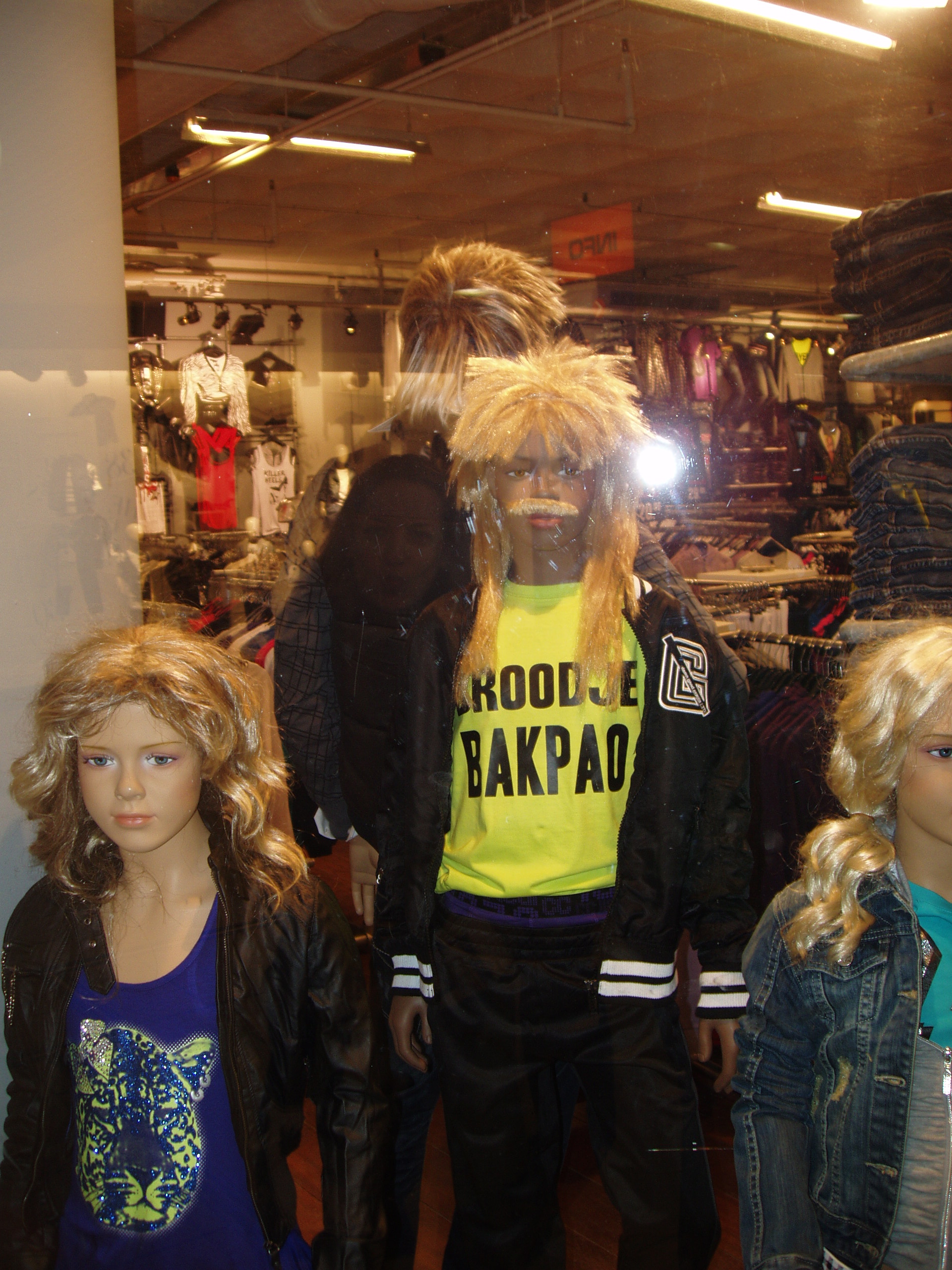
there are too many amazing things about this window display for me to even put into words

snack time, anyone? (no, not me either)

rabbits at Borough Market

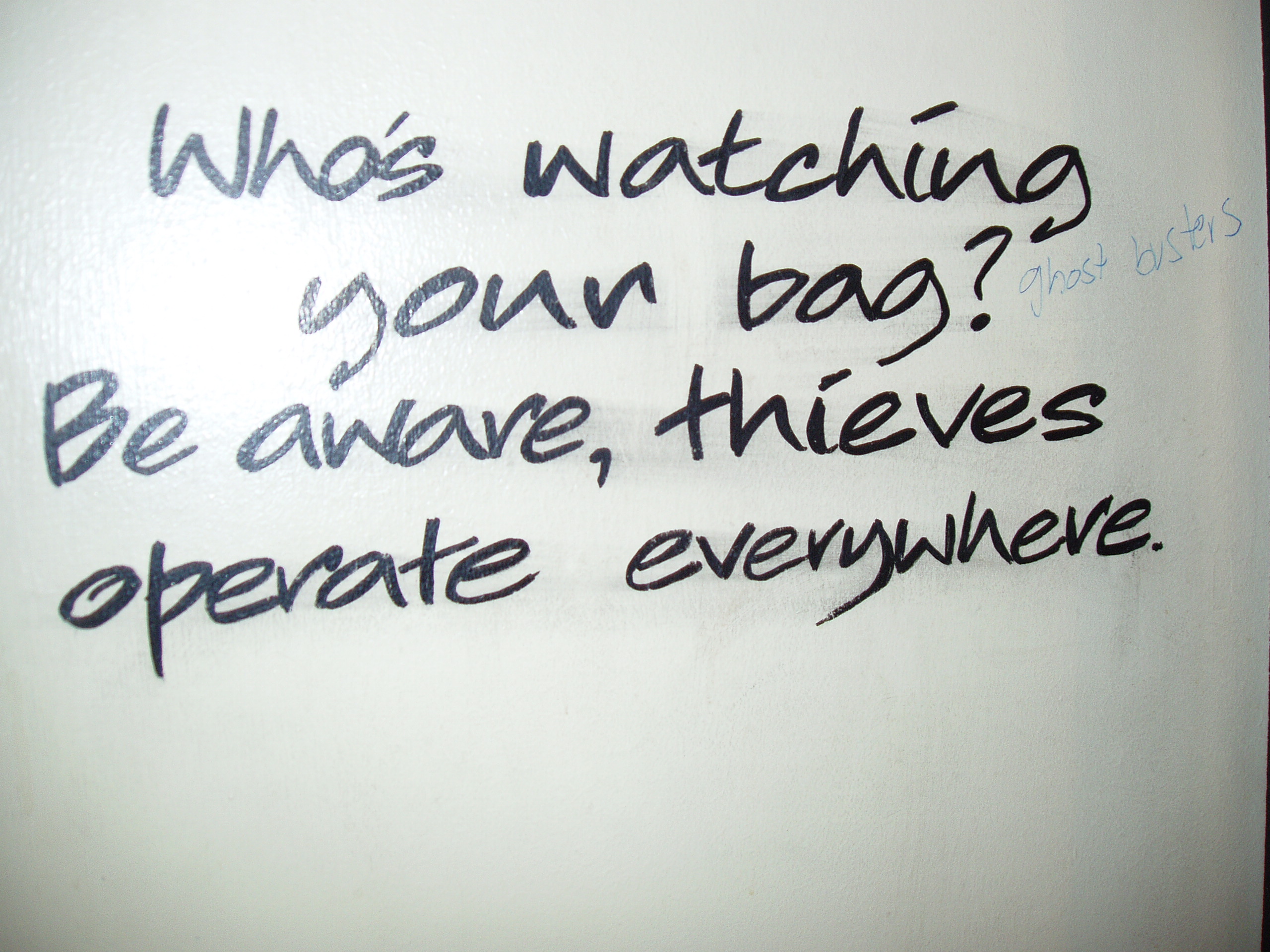
who ya gonna call?

a bad shot of the cricket jokes tea towel at my grandmother's house

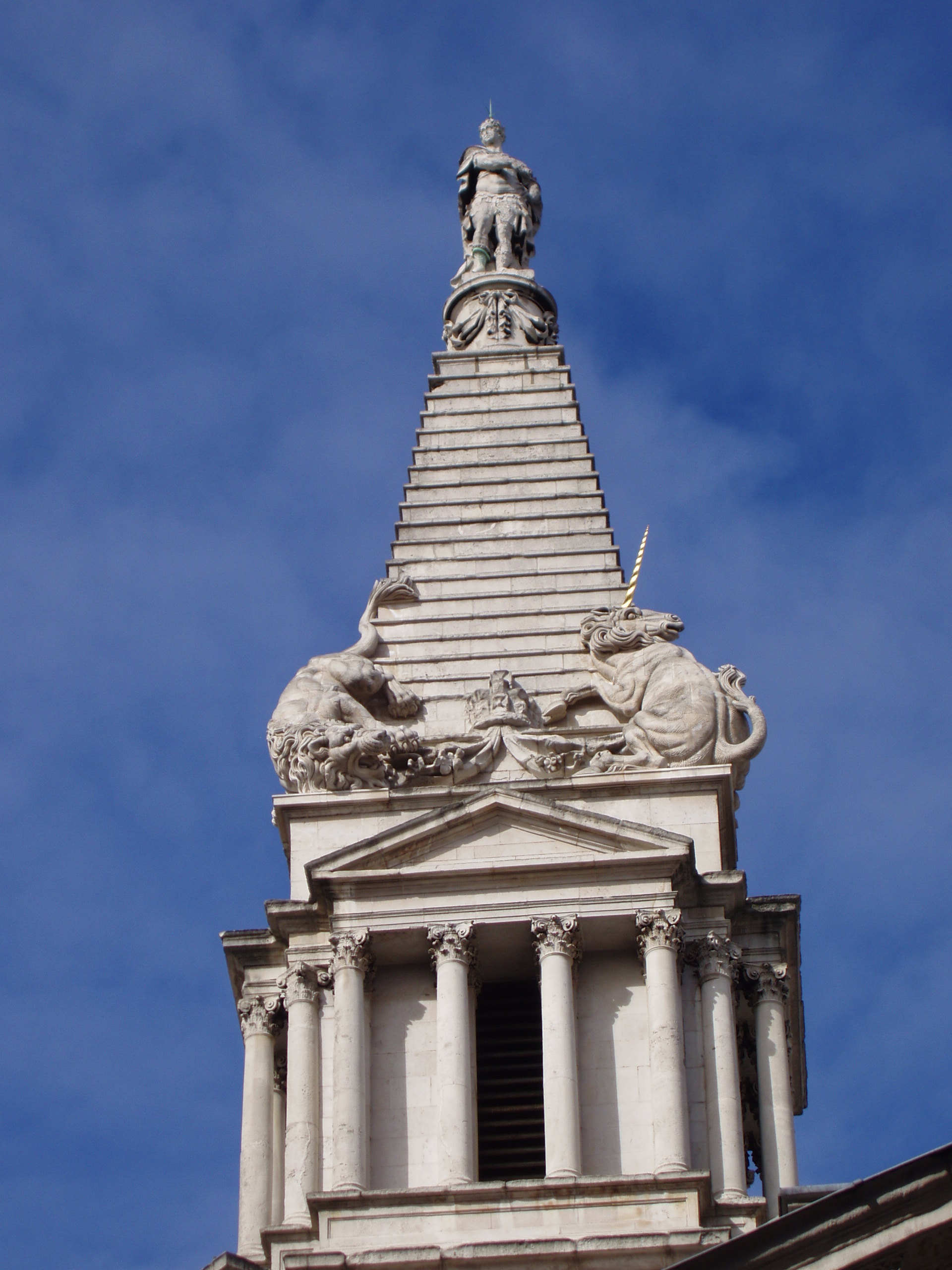
on top of a London church -- I thought all the animals were supposed to live in harmony in Jesus' world?

animatronic T Rex! everlasting love to Liz for showing me the wonders of the Natural History Museum

heaven / bar in Utrecht

Flying the Fat Skies

Dearest fellow travelers, let’s get uncomfortable. Not oops-I-mispronounced-your-name uncomfortable or we’re-both-trying-to-go-the-same-direction-from-opposite-directions-and-keep-walking-into-each-other uncomfortable. No, I’m talking about roll-your-eyes, let-out-a-long-sigh, grumble-loudly-about-the-inconsideration-of-SOME-PEOPLE uncomfortable.

I refer, naturally, to the discomfort a thin person feels when seated next to a fat person on an airplane. The encroachment of sweaty, flabby, smelly flesh on your space, which you paid a damned good portion of your paycheck for, thankyouverymuch.

Oh wait. No, I’m not. Your discomfort sure is too bad, but it is by no means the only discomfort experienced in that situation. As the sweaty, flabby, smelly lump of flesh oozing into your seat, I can promise that you are not the only uncomfortable one here.

When I’m in an airplane seat, I am squeezed in on all sides — by the small seats that barely contain people with bikini-model bodies, let alone anyone else; by the low overhead compartment that I invariably bump into when standing up/sitting down as I try to fold up my tall 5’10” frame to fit; by the fully extended seat in front of me bruising my knees with every readjustment; and by the endless succession of passengers lurching down the aisle into my head on their way to the can and flight attendants rattling drink carts into my elbow. These are all complaints that everyone who has ever boarded an airplane has voiced (except for maybe the tall stuff — that just adds to it).

Now add to that the claustrophobia of total disapproval and condemnation. The resentful glances every time you shift in your seat, the looks of contempt every time you dare put food in your mouth, the pinched face of the flight attendant as she holds out a seatbelt extender at arm’s length. In daily life, but especially in the cramped confines of an airplane, I’m crowded in by people’s disapproval of my own body and the way I inhabit that body. Not only am I a walking moral failure, too weak to resist overeating, but other people have to see that, and that’s just offensive. On top of which, people seem to think that if they get too close, if they physically touch me, they’ll catch my fat. It sure isn’t my job to disabuse people of these totally false notions, and I’m quite content with the body I have and the way I live in it, but that isn’t a comfort when I’m hemmed in by judgment and I just want to get to my destination in peace.

Of course, not everyone is so unpleasant. A couple years ago, I sat next to a petite college-aged woman who was able to curl up in her seat and rest her head against the window. She was fine with me moving the arm rest up, and didn’t glance over with disgust when I ate the unappetizing meal of limp chicken and rice. She didn’t care what I did, so long as she could sleep for the eight-hour flight. Last year, a flight attendant held out a seatbelt extender to me with an apologetic look and said, “Oh these are old PanAm planes, and their belts are shorter.” Condescending, sure, but sweet. The remarkable thing about these women — and I shouldn’t have to remark on it at all — is that they simply treated me as another human being. I got no special treatment, just the simple courtesy you afford others when you’re all packed in like sardines and eager for a smooth journey. I don’t see why that should be so hard for people to do.

I’m going on a plane on Wednesday, and I’m not looking forward to it. I’m flying United, which last year joined Southwest as one of the major airlines that is very public about its anti-fat people policy. They received a whole 700 complaints from people who felt infringed upon by their fat neighbors (I’m guessing their fat neighbors number far more than 700). I gotta say, I feel pretty infringed upon by this policy, which states that if a flight attendant finds a passenger too large (unable to put the arm rests down “comfortably”), that passenger will be asked to buy another seat, buy a seat in first class, or if those aren’t options, get off the damn plane they’re already on and wait for another flight that has one of those options available. This policy has been covered in a lot of fat acceptance blogs, but I’ll just add to the chorus of “oh no you didn’t”; everyone is uncomfortable on a plane, nobody can afford two seats, and making the decision up to the whim of a harried flight attendant is icing on this particularly tasteless cake. Not to mention, as that Shapely Prose post details, it’s all one-sided; if those 700 people who wrote United are so upset about their comfort level, how about THEY buy the extra seat or first class ticket?

In anticipation of my impending flight, I bought a seat extender in the hopes that I could avoid the nasty looks of other passengers and the very real possibility of a humiliating encounter with a flight attendant who finds my substantial hips to be a “safety issue.” (I promise you, if the plane crashes, I will be moving off it plenty fast enough.) I spent $55 on this precaution, and then asked my friend T. to embroider my name on the extender so TSA agents and flight attendants won’t accuse me of stealing theirs. Isn’t it pretty?

my embroidered seatbelt extender -- thanks, T!

But for all that, it might not work. I might be delayed by more than a day as I wait for a flight that has two free spots, I might drain my checking account to pay for those two spots, I might miss my cousin’s confirmation (which is the main purpose of my visit to England), or any number of things could go wrong. I shelled out an extra $55 just in case my body might cause someone else to freak out, because their freak-out could very easily turn into my punishment in the form of humiliation, inconvenience, and a huge outlay of even more money. Flying is a stressful enough activity without adding these worries, and I shouldn’t have to consider them when booking a flight.

I think it’s clear to anyone reading this blog that travel means a great deal to me. It’s a freeing feeling to soar above the clouds in a giant metal bird, but lately I’ve been feeling more and more constricted by airline rules, passenger comments, and the attendant anxiety, to the point that I hesitate before booking a flight, and I find that terribly sad. I strongly encourage you to read Kate Harding’s piece in Broadsheet last week about the Kevin Smith/Southwest debacle, and bring a Kleenex, because she gets personal and very moving. She gets to the heart of why these airline policies are wrong, and why people who argue in favor of them are heartless.

For those who think the policies are reasonable and fat people need to pay for the sin of inhabiting their own bodies, just remember that however uncomfortable you may be with that mound of flesh next to you oozing into your seat, that mound of flesh is working every day to maintain a sense of dignity in a world that reduces her to just such a characterization. I am constantly re-humanizing myself in a society that doggedly works to forget how human I am, and I promise it doesn’t get much more uncomfortable than that.

What I Do When I Read

I am now in the middle of a couple good books, and I’m realizing that the editor’s voice in the back of my mind can never be fully turned off. I find bad word choices jarring, I cringe at stilted dialogue, and I just about pass out when I find a spelling error. As a former lowly worker in the publishing industry, I know how little editors are paid and appreciated, but every time I wince while reading a new novel, I want to call up the editor in charge and offer my services gratis.

Of course, some of this impulse to edit on the go comes from being a voracious reader, and I know many bookish non-editor types who confess to the same reading habits. I was an English major in college, trained to read closely and carefully, looking for broad themes, detailed characterization, and turns of phrase. I was also a Women’s Studies minor, which means that I read everything closely and carefully in an entirely different manner — not looking for the artistic merit of the work, but rather for the politics at play in the writing, the subject matter, what is omitted and what is left in. The former kind of reading is often best suited for fiction and poetry, but a feminist lens can be trained on fiction and nonfiction alike. As I referenced in my post and comments a couple weeks ago, I love reading any kind of media critically. I feel much more involved in whatever I’m reading/viewing/consuming.

I’m currently tearing through Suzanne Collins’ The Hunger Games, the first in a popular YA series of novels about a post-American-apocalypse society that requires 24 kids a year to fight to the death in the wilderness, on camera. It’s like Death Race 2000, but with teenagers and no speedy cars. It’s an engrossing read, as you might imagine, and the main character, Katniss, is easy to like and also easy to sympathize with as she makes rash decisions, hurts people who care for her, and generally behaves like a teenager, albeit one faced with the horrifying task of hunting and killing her peers before they kill her.

Nifty cover design on The Hunger Games

When I’m reading this book, I am first and foremost looking to have fun, to immerse myself in a strange-but-scarily-not-so-strange world, and eagerly anticipate what happens next. I’m reading for tight plotting, characters who change in interesting ways, and, uh, brutal deaths. I’m two-thirds of the way through, and so far I’m not disappointed, but I did have to put the book down and huff about “these editors today” when I read a line about a noise that PROCEEDED a certain action. No, it did not. It quite possibly CAME BEFORE, in a PRE kind of way, like maybe it PRECEDED that action. I never took a single Latin class, but I’ve read enough to understand the basics of prefixes and suffixes, and how they fit into words we use on a pretty regular basis. An editor should be a reader first, and the other necessary skills follow. If you’ve read enough, and paid enough attention to the words themselves as you’re reading (and not just the story), and you don’t have a problem with spelling in general (I know that’s a real thing) or another learning disability, you will start to notice that things like “The gong proceeded the announcer arriving” are ridiculous, and you will open your red pen with a flourish as you go to work. Ahem. Anyway. Get off my lawn.

The other book I’m reading is A Concise History of Australia by Stuart Macintyre. (I know, right? Finally! Get on that ACAM project, already, Lisa!) I am only 10 pages in, and it is already leagues better than A Traveller’s History of Australia by John Chambers. Both books start off with some discussion of the Aborigines’ arrival in Australia and way of life there for thousands of years before Cook showed up in 1770. But Chambers’ book starts with Cook, fills in the Aborigines for a couple of pages, writes them off basically as uncivilized savages, and then gets back to the white people. Macintyre, on the other hand, starts with Cook, describes that popular history timeline, then introduces the Aboriginal arrival as the more accurate starting point, and delves into what this means for history and the national Australian story.

I’m ditching Chambers for Macintyre, no question. His whole worldview is more comprehensive and more complex than Chambers’, and that is the kind of worldview I’m looking for when learning about new places. Every record of history will have its own perspective, prejudices, and problems, but I’m going to seek out those histories that at least acknowledge that fact and engage with the challenges in recording history — what you leave in, what you leave out, whose point of view you use (let’s be clear that third person does not equal objectivity; everyone has a specific point of view), what conclusions you draw, etc.

Which I suppose brings me back to the two kinds of reading I do — the literary and the analytical. The truth is that good analytical thinking is applicable to any kind of writing, and literary analysis can be applied to even dry nonfiction (does the writer return to her themes? does she use clear, concise language — or, if she’s experimenting with a different form, does she use that form to good effect?).

A good reader uses different tools for reading different types of writing, but the basics are the same. In my case, being a good reader (of this Macintyre book but also of the Collins book) means reading not just for style and content, but also for context, intent, and implications. Learning about new countries is useless if that knowledge is based on faulty logic, privileged premises, and shortsighted analysis. When readers insist on seeing books that go beyond this limited, damaging writing to writing that engages in complex, challenging concepts and discussions, we’ll see more of such writing. The writing will improve, the discussions centered around that writing will improve, and eventually the social and political mindset will improve. Yes, art is that powerful.

I once told my English professor that I wished I were a better writer. “All I’m good at,” I told him morosely, “is reading.” He looked right at me and said, “Actually, I think being a good reader is just as important as being a good writer.” I’m beginning to see what he meant.

I ❤ Reading

Film Club: Holiday

Hello and welcome! Let’s talk about my most favorite movie, Holiday. Not only is it a delightful romantic comedy in the best sense, but it’s also a whole movie based on the premise that in order to know what you’re working for your whole life, you should take some time off and figure out who you are and what’s important to you. This message didn’t play very well with audiences struggling to find their own jobs (this came out in 1938), despite the person taking the time off, Cary Grant as Johnny Case, being a young man who’s worked since the age of 12 and is just now taking his first break ever. And I get that; it is a particularly bourgeois notion, that you need to travel to far-off places to figure out who you are and what you want to do with yourself. Only people with a fair chunk of change and time see this as an actual possibility, not to mention a valid use of precious resources like time, money, and energy. I’m not unaware of this fact. But that doesn’t mean that it’s an invalid use of those resources, if you have them to use, and if you’re a conscientious traveler. At least, that’s what I’m hoping, for my own purposes.

Anyway, the premise is enough for me to be intrigued, but the pairing of Cary Grant and Katharine Hepburn clinches it. They work their way through the movie to their inevitable pairing at the end with charm, wit, and acrobatics. (Grant started out in vaudeville, and he shows off some impressive tumbling in this film. Hepburn was a noted athlete who always did her own stunts.) Johnny starts the movie engaged to Julia, but when he meets her lovely, directionless sister Linda (Hepburn), it’s clear who he should be with. The film addresses issues of class, gender, and familial relationships, all delivered in a brilliant script and serviceable if unexciting cinematography. I also relate to just about every one of the characters and feel close to it personally.

I’m generally wary when people base their evaluation of the QUALITY of an artwork solely on how well they are able to relate to that artwork on a personal level, whereas it’s entirely reasonable to base your ENJOYMENT of an artwork on such a personal connection. Think of the woman in your sophomore English class who loves The Secret Life of Bees because OMG, she is totally like the main character and really felt like she could relate to her, and all the supporting characters are such good friends, just like her friends. Or your ex-boyfriend who totally dug The Matrix because, like, he’s smarter than everyone too and really good at computers and stuff and would so be Neo if anyone just gave him the red pill already. Those are two examples of artworks that definitely have their merits and their problems, but for these readers/viewers, none of that matters, because they just liked it. They conflate their enjoyment of the work with the quality of the work, and that’s where shitty New York Times bestsellers and unearned Oscars come from.

(Similarly, I can APPRECIATE a work of art for its merits without actually ENJOYING it. For example, I can see how Reservoir Dogs is an important film in cinema history, what with its introduction of mainstream fun into the indie art film scene, its legitimization of pop culture obsession, its stylized dialogue and spare setpieces, and of course that infamous ear scene, so perfectly done. I also hated every minute of watching it. If I never see another gratuitously violent, indulgently macho, thoughtlessly nihilistic film again, it will be too soon. Feminist defenses of Tarantino’s later films notwithstanding.)

But anyway, back to the personal connection thing. Holiday is a great film by film standards, including wonderful acting, a sharp script, and a strong story, so I’m not worried that enjoyment of the film is hindering my ability to evaluate it for the great work of art it is. But I sure do enjoy it in large part because I feel so close to the characters. I find my wanderlust in Johnny, my restlessness in Linda, my romanticism in both of them, my desire for security and comfort in Julia, and my fears of change and being in charge of my own life in Ned. I sympathize with all the characters and understand why they do what they do, but of course we’re meant to root for Johnny and Linda and their happy ending, and it’s so easy to do that. Their love for each other and their love for adventure and the way they combine the two–well, it’s enough to make this traveler look around for her own Johnny. Every time I see Johnny do a belly-flop backflip as Linda comes running onto the ship for their trip around the world, my heart does a flip of its own.

A YouTube user’s collection of favorite moments from Holiday

Ready, Set, Challenge!

Happy new year and welcome back! The decorations are packed away and the champagne is drained to the last drop, so now what? We’re back in a full week of work, it’s bitterly cold outside, and right about now is when people start making grand resolutions for vast personal makeovers in an effort to transcend the gloomy post-holiday feeling and regain a sense of specialness about themselves and the lives they’ve chosen. I’m plenty special already and very content with the life I’ve made for myself, so you won’t see me setting huge, unattainable goals this year. (I’m going to wear a bikini by Memorial Day! I’m going to have my first novel published by Flag Day! I’m going to be CEO of my company by Halloween! I’m going to be committed for maniacal overreaching by Thanksgiving!)

However, I do have this one huge goal that I’ve been working toward financially for years now (you are all well aware of the Giant Personal Voyage That Shall Never Be Called a Personal Voyage to which I refer). Financially, but not really in any other tangible way. I’m shockingly ignorant about most of the places I’m so excited to visit, and three years out is about time to remedy that.

So, dearest fellow travelers, please join me as I embark on the Country a Month Challenge. (It’s either totally passe or way trendy to be setting blog challenges, I don’t even know which, but whatevs, go with me here.) I’m going to research one country a month from here until you tell me to stop or I take off on my trip, whichever comes first. Of course I won’t attempt to become an expert on anything, but I will try to get a bit more knowledge than the small amount that constitutes danger. I’ll read up on the history, culture, and current events of the country. I’ll also watch a movie and read a work of fiction from artists of that country. Finally, I’ll make a dish native to the country (or seek out a tasty restaurant that specializes in such a dish) and enjoy it with friends (I’ll need the help of T and K, gourmands, for this part).

Oh and one last note: I’ll approach each country in approximately the order I intend to visit, so we’re starting with Australia for the month of January. February is New Zealand, March is Indonesia, and so on.

I’ll report back here with what I find out. I’m not sure what form all this will take, exactly; I don’t want to write up book reports for you to use as sleep aids, but I also don’t want to pass through each country too quickly or superficially with guidebook-style wit. I’ll probably post a little more often than the once a week I’ve been doing, especially as I’ll want to occasionally alternate to posts on other topics, but we’ll see how that goes.

Any ideas on what you’d like to see in this space for this project? Any ideas on ways to approach it? Any ideas on media I should look to for researching Australia?

What up

The Travails of Holiday Travel

Dearest fellow travelers, in the next week many of you will be literal travelers, bundling up against the winter cold (or winter heat, as the case may be *cough*Tucson*cough*) and wending your way to a loved one’s home for the holidays. Right around now, in addition to the panicked press releases-glossed-into-news-articles about how we as a nation are not spending enough money on blood diamonds and plastic toys produced in sweatshops to keep this troubled economy afloat, AAA sends out handy guides to the travel habits of Americans during this busy month of holiday cheer. This year, Thanksgiving travel was up, as people were feeling slightly more optimistic about the economy turning around, and a little more willing to spend on gas money or air fare. Early estimates are that Christmas will show a similar trend.

How are you traveling? By car, by train, by plane? Are you traveling on your own or with friends? Will you be in an airport for hours or are you a hop, skip, and a jump from home? And most importantly, how on earth do you survive the journey?

Oh the weather outside is frightful... (image from http://www.ehow.com/how_2183752_survive-winter-storm.html)

Many people wax poetic about the romance of the journey itself — it’s more important than the destination, etc., etc. But really, who are they kidding? The journey as its own highlight is true of some sorts of travel, but when you’re just trying to squeeze in as much family time as possible on your last remaining vacation days off of work, the trip is a trial to be endured.

Travel by car: sudden blizzards or freak fog attacks;  miles of tail lights inching their way along the interstate like an ominous red caterpillar; ten bathroom breaks in a 100-mile stretch because you said “yes” when they asked if you wanted to upgrade to a double extra large for just 25 cents more; hours of silence and intermittent static as you search desperately for a radio station that won’t tell you how to get right with God for the low, low price of $20 a month; and the creeping sensation that you are driving in a Twilight Zone that makes you more tired, the trip more lengthy, and the road more icy with every passing minute.

Travel by air: hours staring glassy-eyed at the CNN news ticker in the terminal while clutching your carry-on close, lest a bored security guard declare that luggage suspect and delay your flight even more in order to call in the SWAT team to search it; airplane seats slightly larger than the womb you were grown in and not nearly as comfortable; kids shrieking in an off-key rehearsal for a banshee reunion in the row behind you; an in-flight entertainment choice between a movie about an MPDG saving a young man from his post-collegiate malaise and a frigid middle-aged woman discovering love via consumerist makeover and lowered standards; and after it all, mounting anxiety at the baggage carousel as you realize that the gaping yaw before you is only spitting out luggage from PanAm flights of the ’80s and your suitcase is somewhere over the Pacific with Amelia Earhart.

Almost makes you want to buy out the canned goods section of your grocery store and spend the next couple months at home, doesn’t it?

Probably the worst holiday-related trip I’ve been on was when I was about 8 years old. My mom’s brother was getting married in England on December 28th, and we thought we’d fly on the 25th, have the plane pretty much to ourselves, and show up for late presents at my grandparents’ house. Instead, we found a plane packed with people on their way to India who were taking advantage of the same supposedly low-travel day we were. As soon as the plane was in the air, I was screaming with pain — my ears were clogged up and I couldn’t seem to pop them. The twins were fighting with each other, and we were all exhausted from services the night before and waking up too early to open stockings and presents. My poor parents must have been completely miserable. One of the flight attendants, who wore a Santa hat and a tie with a blinking Rudolph nose, noticed their plight. He brought me a hot water bottle to ease the earache, and he brought my mom a bottle of champagne. I still hurt for the rest of the eight-hour flight, and my parents didn’t catch up on any sleep, but that man made the worst plane ride of our family’s collective existence about ten times more bearable. Wherever you are, I wish you a lifetime of smooth flights and grateful passengers, good sir.

So how about you? Let’s get it all out before we have to do the dreaded deed itself. What are your worst holiday travel horror stories? What are your best? Got any blinking Rudolph tie angels to celebrate? Comments ahoy!

an angel in the skies

Surf’s Up

Everybody knows the basic advice: Don’t go out in the cold without a hat and mittens. Don’t swim right after eating. And don’t sleep with strangers. Generally that’s all pretty sound, but I suggest we reconsider the last one. Now before you think this blog is about to turn into something it’s not, dearest fellow travelers, let me reassure you I’m talking about sharing someone’s home while on the road — couch surfing.

the map on my wall showing where all my couch surfers are from

The idea behind surfing is that you get to know a place much better from seeing it through the eyes of locals than you do from staying in hotels and sticking to your guidebooks, and that everyone benefits from cultural exchange and sharing a meal. It’s free to sign up for and use CouchSurfing.org, but I must emphasize that this is not a site to visit if you are just looking for a free place to stay. Obviously, we all prefer cheap options, but you are inviting yourself into someone’s home, not crashing on your friend’s friend’s dorm room floor.

And now, for the Safety Talk. Most everyone I talk to about couch surfing says, “But how do you know it’s safe?!” Well, you can’t know for sure, any more than you can know most things for sure. However, the organizers of the site put in several safeguards — there’s a vouching system, in which only people who have met surfers in person can vouch for them, and on your profile page, other surfers can leave recommendations or bad reviews for all other surfers to see. You can verify that you are who you say you are by using the verification process; you fill out your address on the site, they send you a postcard to that address, and you mail it back to them, confirming that you live where you say you live. Finally, you use your own good judgment. You’re not signing a contract when you agree to host or request to surf, and your safety is paramount, so if you arrive at your host’s house and get a bad vibe, or your surfer shows up three sheets to the wind, by all means arrange alternate plans.

I’ve hosted about a dozen times, and almost all of those times were really great. I’ve met people from Albuquerque, Singapore, Rio de Janeiro, Minneapolis, England, and Germany, and we’ve spent long nights over bottles of wine and bowls of pasta, chatting about our lives and our homes. I like being able to properly host my surfers. I like to show them some favorite restaurants and music venues, and one day I even did totally touristy stuff like pose by Buckingham Fountain, go to a festival in Grant Park, and stand in line for the Sears Tower.

Couch surfers, as you can imagine, tend to be open-minded folks, laid back, and pretty young. Sometimes I feel very old as I watch people barely out of their teens showing worldly bravura, when really, they’ve still seen and experienced so little. But we all have to start somewhere, don’t we?

I’ve surfed just once so far, with my sister E, in Munich. Our host was fantastic; she made us dinner one night and took us out to a beer hall another night, and she took us to many major tourist sites and negotiated all the German for us. She’s a really interesting person, a surgeon who uses all her time off to do extreme adventuring like dogsledding in the Yukon or horseback riding across the Rockies. We spent hours talking about balancing work and play, living on your own, and American/German differences. Before we surfed with N, I was signed up on CouchSurfing but unsure if I would feel comfortable hosting, but after staying with N, I knew for certain that I wanted to be someone providing this kind of experience — this kind of friendliness and curiosity — to people from all over the world.

In short, if you couch surf, you may end up like this:

E dressed in N's traditional Munich leder hosen, on our very first CouchSurfing adventure

UPDATE: There is video. Oh yes, there is video. For some reason, it’s on its side, but here it is. Please note that we were playing Tom Jones’s “Sex Bomb” in the background for this fashion show. Cultural exchange, what!

Urge for Going

“I get the urge for going
When the meadow grass is turning brown
Summertime is falling down and winter is closing in”

— “Urge for Going” by Joni Mitchell

Autumn in northern Michigan

Is anyone else feeling the pull of wanderlust this week? I never consciously think of fall as a season for travel; I associate summer with travel because of summer vacations past. But every time I hear Joni Mitchell’s “Urge for Going” I am overcome with a need to shuffle out of town with the rustling leaves. Joni captures so perfectly the melancholy of autumn. She strains to break free of it by up and leaving, physically moving away from lost loves, lost seasons, lost moments, but she also revels in it the way a small child jumps into a pile of leaves, knowing the damp rot is a necessary accompaniment to the sweet smell and ticklish embrace of the swept-up pieces of red and brown.

Autumn is my favorite season, and this year more than any other I’ve heard a lot of people saying the same thing. I think part of that has to do with this particular year for weather, since we had such an abbreviated summer that any sunny and mildly warm day in the fall is greeted with great enthusiasm. But there’s also the excitement of change, the sense that whatever pattern we lulled ourselves into in the heavy heat of summer can now be broken free of. Fall is when school starts up again, which of course was set to coincide with the harvest schedule on farms, so the growing season ends as the learning season starts. I like that we still follow this schedule, even though so many of us are completely removed from the seasonal rhythms of farms, because it recognizes the cyclical nature of the year–one thing ends, another begins, and both are cause for celebration. Even as we’re breaking free of some comfortable summer pattern, it’s not that that pattern was wrong or undesirable. It’s just that its time has come and gone, and now it’s time for another pattern or set of activities.

Ask anyone in my family and they’ll tell you what a hard time I have with change, especially with traditions. One year, my British grandparents were in town for Christmas, and the flurry of activity surrounding their visit somehow didn’t include decorating the tree. No one else was bothered, but the idea of having a Christmas without this part being the same as it was every other year made me want to cry. Finally, it was Christmas Eve, and I was about ready to bury myself in the snow rather than look at that unadorned tree any longer, so between the two church services, we pulled up the heavy wooden box from the basement and hung ornaments until that tree shone. I still get teased for that one.

The Findley Family Christmas Tree, circa 2005

Which is to say that accepting change as a natural and beautiful part of life has not been easy for me. I like making lists, I like things in order, I like knowing where I stand at all times. But autumn is a great reminder that this simply isn’t sustainable. Trees that just days before were full of green life are now thinned with yellow, and soon enough they’ll be waving their bare branches at the sky. If I spend all my time mourning those green leaves, I’ll miss the joy of the yellow ones, and even the stark beauty of the spindly brown branches. Metaphors aside, it’s true in my life as well; I was heartbroken to not marry T, but I became a more interesting person who I’m happy to spend time with because of it. I thought my first job was necessary for my career and didn’t want to leave for the opportunities I thought I’d miss if I did, but when I left I moved to the city and found a good group of friends and a sane job that were more important than succeeding in a dying industry.

I’m not saying everything happens for a reason. I can’t believe that and look at the daily tragedies so many people have to endure. And Zeus strike me down if I sound like a self-help book. But I do think that many changes that I used to fear–probably even the ones I still fear–can yield surprising results. They’re not always even better results, but just as my shadow grows longer with the lengthening of the nights, they are different; change of some sort is as inevitable as summer turning into fall. This is why autumn is my favorite season. I’m reminded every year that the world is in a state of constant flux, and there’s beauty to be found in all those changes.

Of course, those changes do awaken my wanderlust, previously lying sleepy in the long, sunny days of summer. As I walk around Humboldt Park on a crisp afternoon or mix up a cup of cocoa in the evening, part of me is appreciating the sights and sounds of Chicago this time of year, and part of me is wondering what it feels like in Morocco right now. Here’s a change my teenage self would never have believed possible: I can be perfectly content where I am and still long impossibly to be a thousand miles away. For now, like Joni, I “get the urge for going, but I never seem to go,” but you and I both know that soon enough, that too will change.