
Near Milford Sound, New Zealand; January 5, 2013

Near Milford Sound, New Zealand; January 5, 2013
You’re supposed to sing to them, and dance. Slide into the cold water in a thin rubber suit and flap your finned feet until you’re beyond the noise of the people still on the boat. Fit your mask tightly to your face and dive in to the open ocean. Watch the world around you turn a cloudy blue, deeper than you expected or can really imagine. You are over a major oceanic trench that plunges toward the earth’s core, and that kind of depth is beyond imagination, or maybe at the borders of it, where krakens lurk.

Kaikoura, New Zealand
Before the creatures of the deep can fully emerge in your mind, recall the instructions of the skipper to attract the animals you’re here to see: Make high-pitched noises, like singing, and move your body around in circles, like a dance. Be entertaining or they’ll tire of you quickly. This early-morning hour is neither feeding nor sleeping time for them; it is devoted wholly to play, so play with them. So you squeak a few times and wave your arms, and suddenly–it is so sudden you wonder how you could have not seen them before–there are six, seven, eight of them, swimming next to you.
Dusky dolphins glide past you, above you, below you. Your jaw drops and you sputter as the snorkel fills with water. You surface, drain, and dive back down, and you could easily believe that their open mouths mean they’re laughing at you, but you can’t blame them. They’re made for this world, their smooth skin the same blue-gray of the water, their sleek bodies small and flexible in the rough waves of the Pacific. You’re just visiting.
 You hum tunelessly, a high soprano song that seems to entertain. A dolphin moves to your right in a tight circle around you, and you spin with it, making two full circles before you get dizzy and the dolphin swims off, laughing again. Another one immediately swishes up and moves to the left, and you’re off again. Don’t try to get too close, don’t try to touch something this wild and free. They’ll leave if you do.
 A dolphin swims directly toward you–you’re staring straight into its eyes as it rushes forward–and leaps to the side just before your noses touch. Grin widely as dolphins wriggle below your feet and barrel-roll near your torso and jump in the air above your head. You are surrounded by dolphins, enveloped in their joyous movement.
Feel entirely calm amid the flurry of activity, as if time hasn’t stopped so much as it has slowed enough for you to appreciate each fin-flick, each shimmer of gray-black skin. You hardly feel your own body, buoyant and smooth in the water. You make no wrong moves here as you do on land. Your body floats easily among the dolphins, in the blue-green-gray water, as if it belonged there, as you have always suspected it might.

Hum “Ave Maria,” one of the loveliest songs you know and also one with a lot of high notes. You float in what you know to be saltwater, but with Schubert thrumming in your head and evolution’s best moment swimming graceful circles around your swaying body, you could easily believe yourself transported somewhere not of this world, or maybe somewhere that distills the best parts of this world into perfect beauty and peace.
Physically touch your chest to feel your heart beating, to hold to your heart this moment and all the grace it contains. Your body sustains the vibrato of the hymn, your eyes fill with your own saltwater, and it is too much, and it is just enough, and you are sharply conscious of thinking, “I am happy to be alive.”

It’s a peculiar thing to visit a place still recovering from a natural disaster. Khao Lak was badly hit in the tsunami, but by the time I went there, it was built back up again and was a thriving tourist town. Christchurch, on the other hand, is far from reconstructed. The earthquake of February 22, 2011 hit the town center hard, and a huge part of downtown is completely shut off as workers dig up the rubble and reinforce the remaining buildings against future earthquakes.
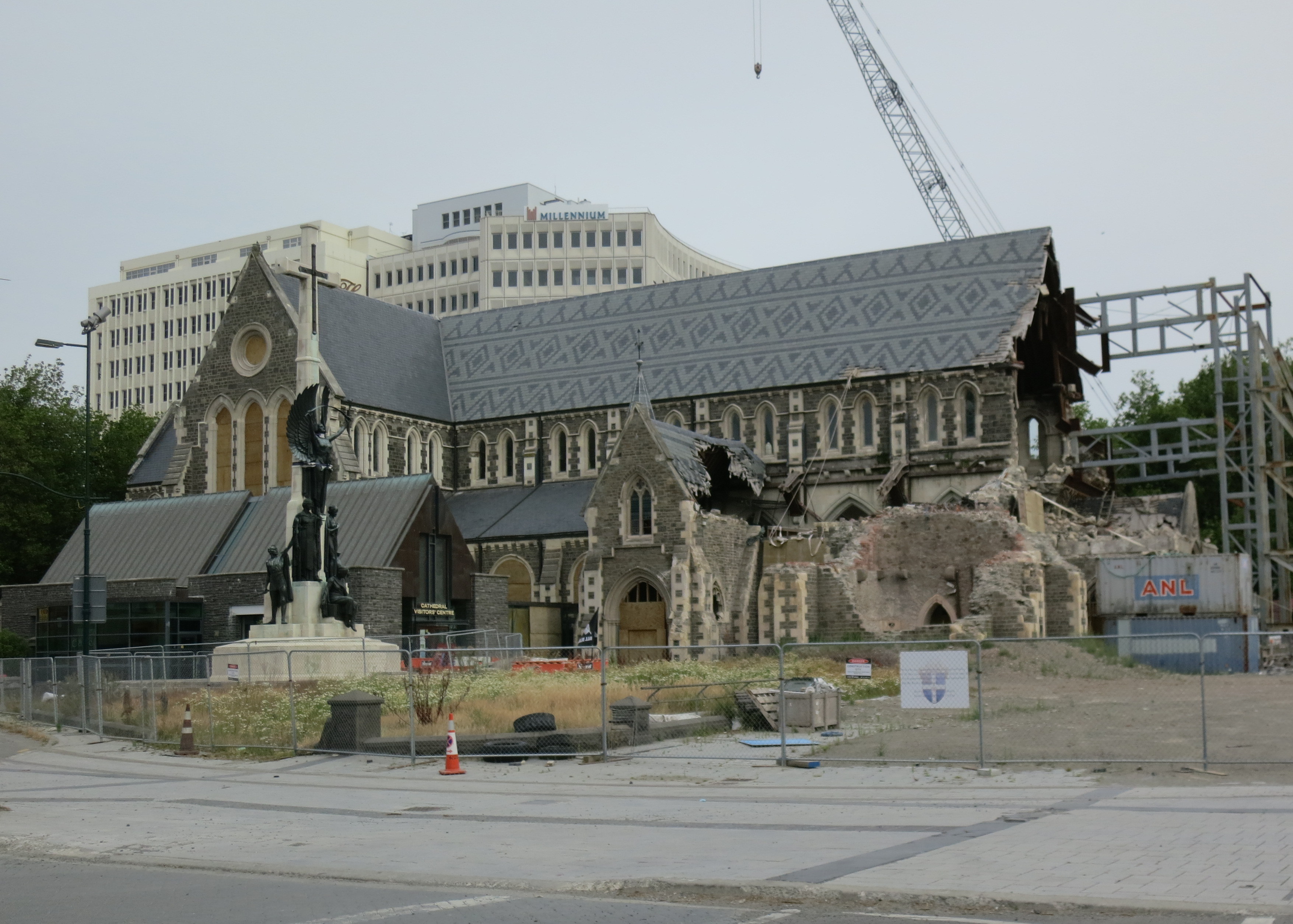
Central Christchurch
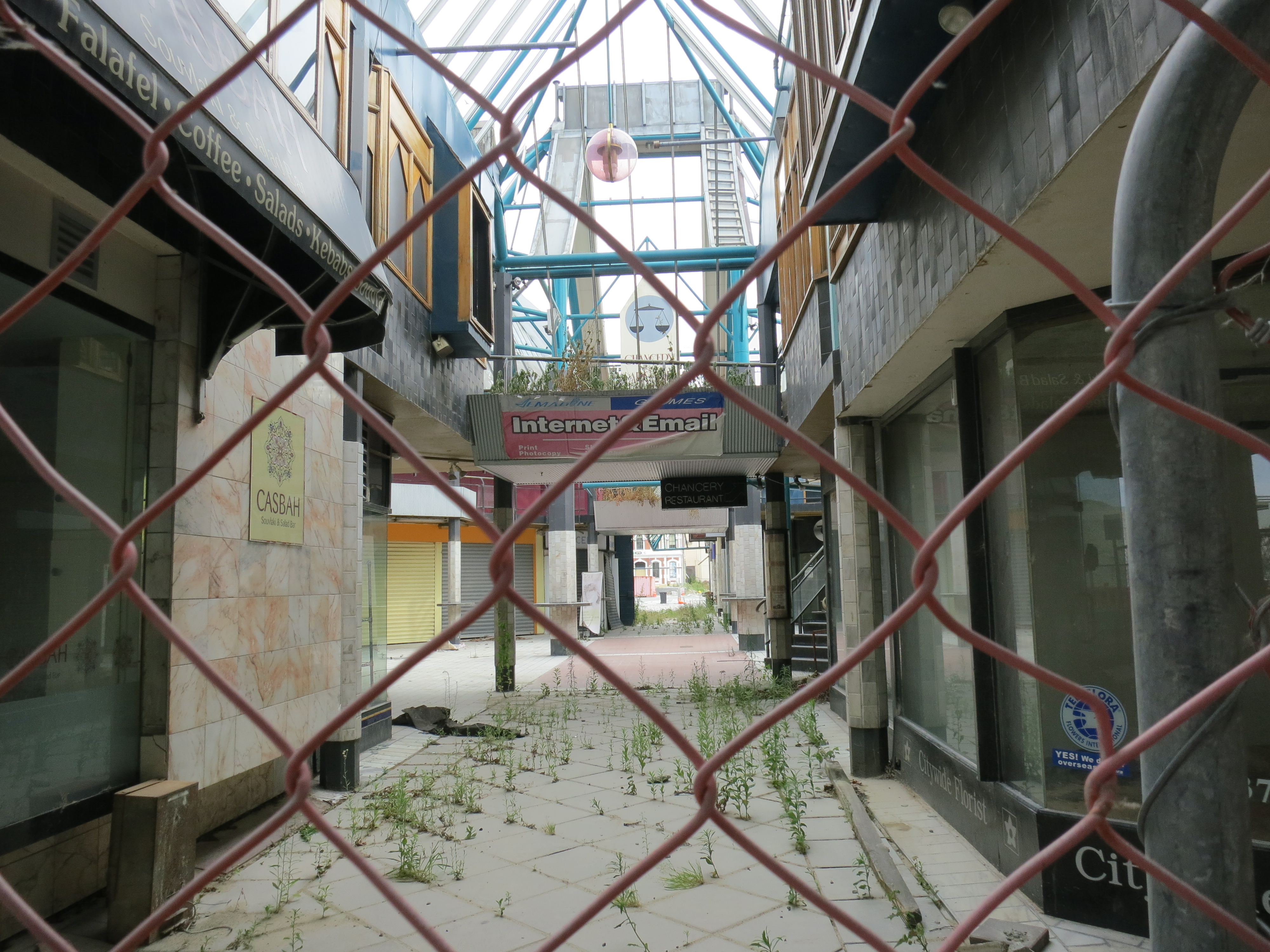
Walking past the no-go zone is eerie; shops have been left just as they were on February 22. The neon sign for an Italian restaurant lay tipped over in the overgrown grass, and weeds poked through the pavement on a walking street that no one’s walked on in two years. I looked through the smashed window of a barbershop and saw a perfectly preserved mirror and a chair facing the outside, as if someone had been in the middle of a haircut and turned to see what that rumbling sound was.
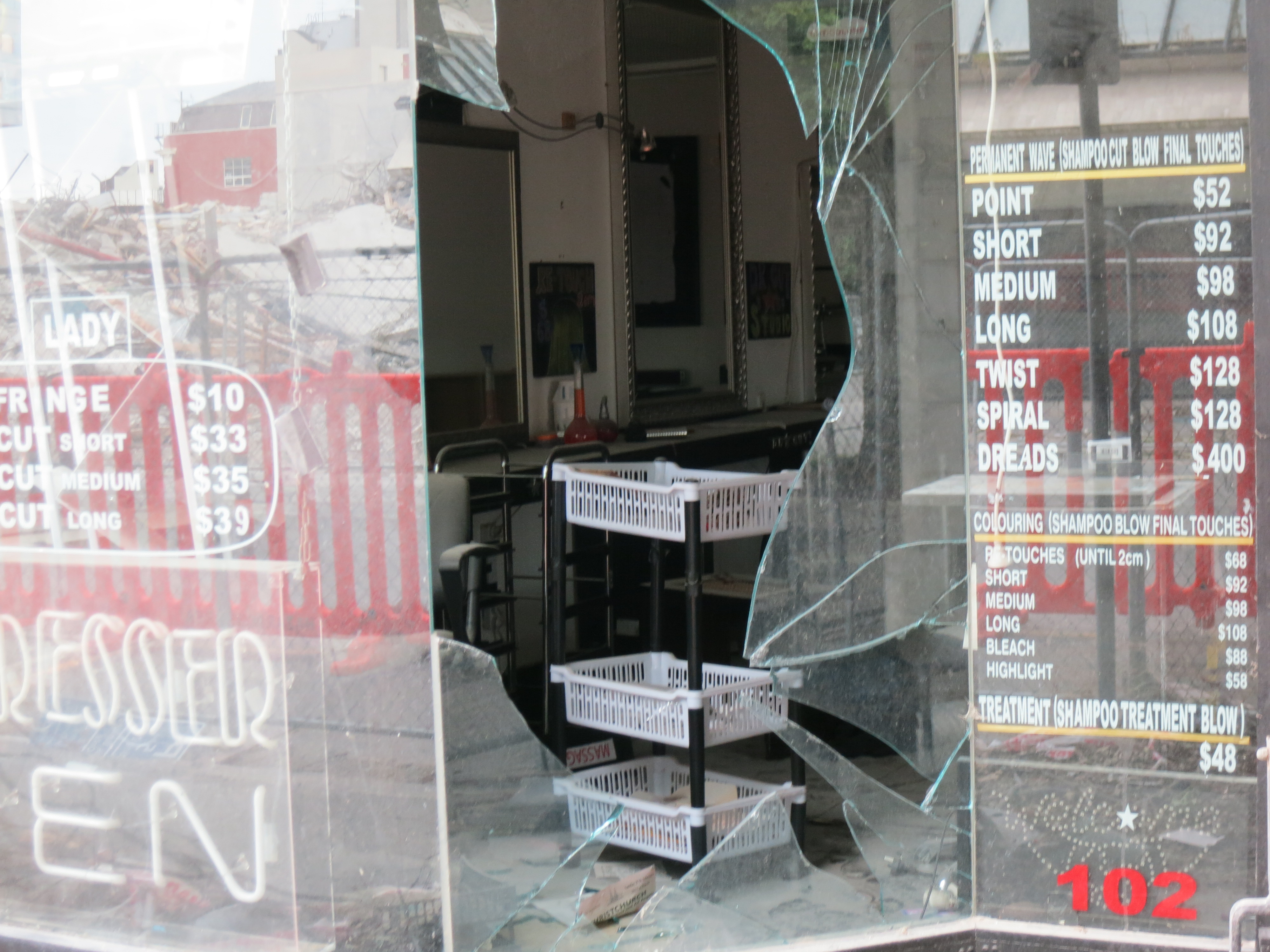
A modern-day Pompeii
There’s a lot of controversy about how to rebuild the city, in terms of how funds are allocated and which neighborhoods get priority. Condemned buildings stand alongside brand-new constructions (which actually reminded me of some neighborhoods in Chicago that are gentrifying quickly). Insurance companies were apparently unable to pay out to everyone who was affected, and anyone who wants to buy a house now can’t even get earthquake insurance. So you invest in the city’s recovery, but you can’t get protection for potential damage to that investment. Not a great situation.
 The city was bursting with art, a lot of it graffiti or pop-up displays. Some of it focused on the earthquake and the city’s resilience, and some of it was unrelated. One of the more moving pieces was a permanent-looking display on the site of St. Luke’s in the City, a church built in 1859 and destroyed beyond repair in the earthquake. The congregation have erected a small wooden bell tower, a labyrinth for reflection, and a circle of stones from the rubble of the church—one stone for each of the 185 people who died on that day.
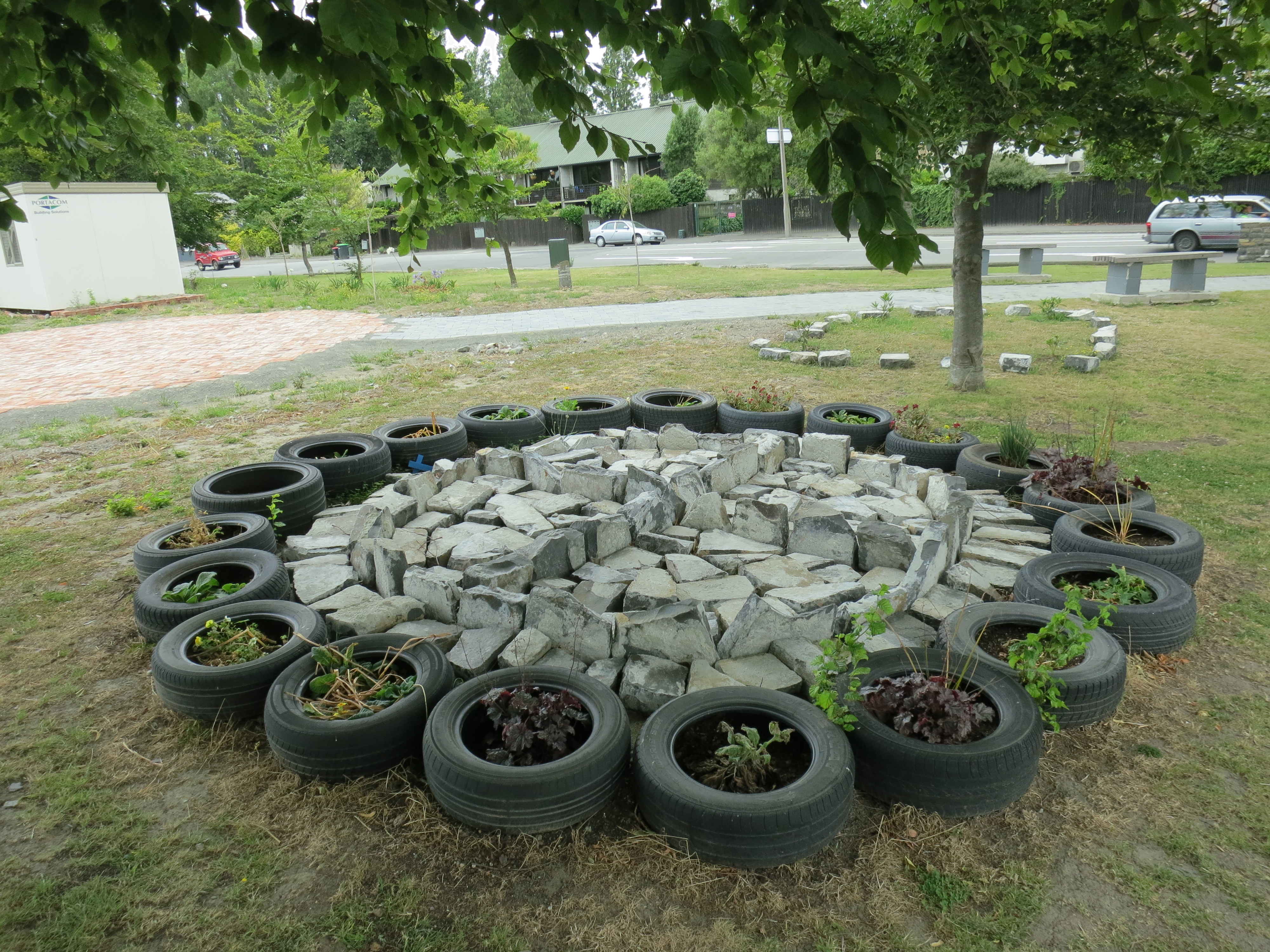
Memorial to the 185 killed in the 2011 earthquake
I stayed with Biz, a friend of a friend from back home. She put me up in her flat near the center of town and fed me veggie burritos—perfect! The next day I walked past the destruction to the botanic gardens, which are remarkably well-preserved. The visitor’s center and greenhouses are shut indefinitely, but kids were running around the playground, and a modern sculpture rose, gleaming, from one of the ponds.
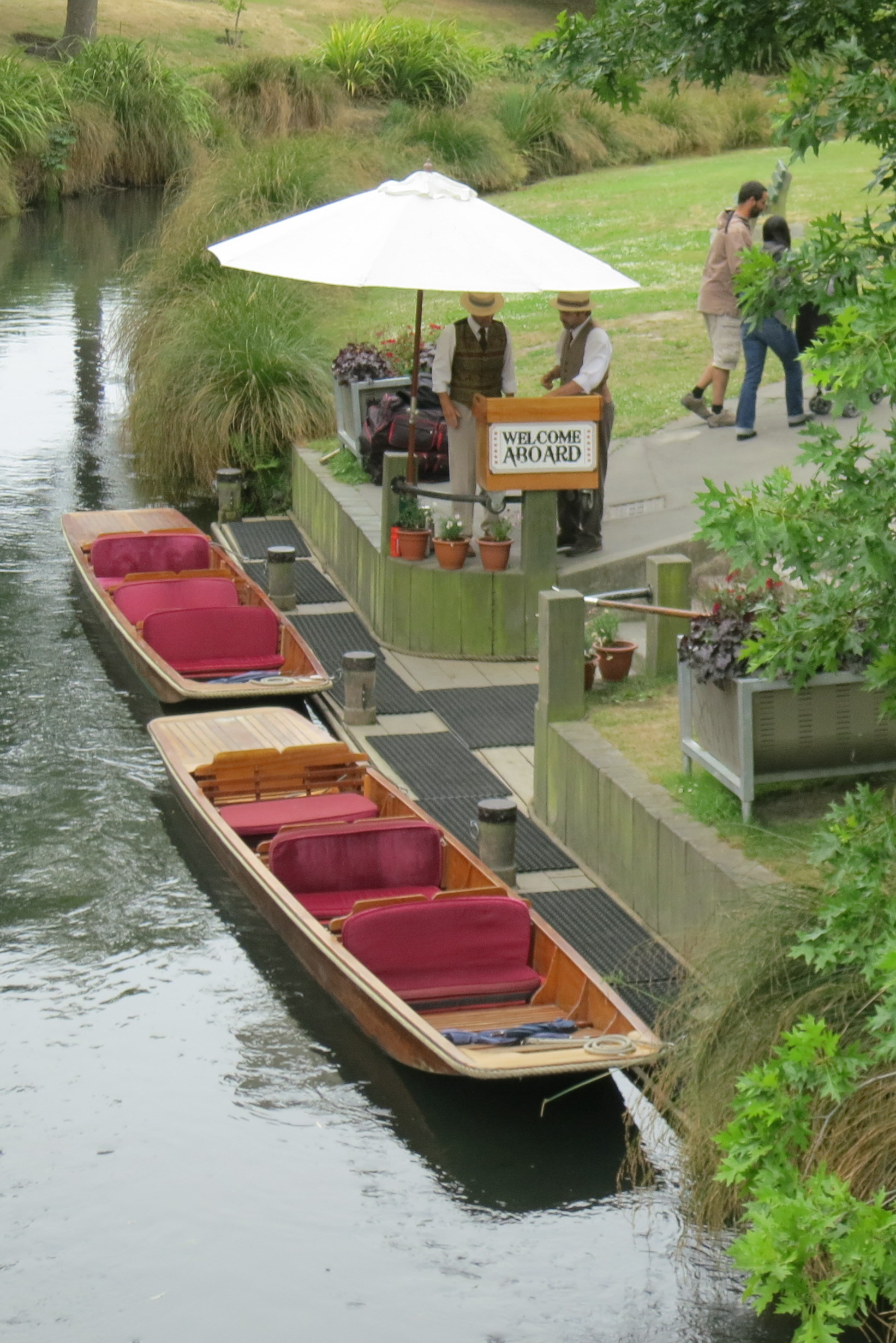
Punting along the Avon
Before the earthquake superseded whatever else anyone knew of the city, the tagline for Christchurch was that it’s more English than England. The gardens are the greatest example of this. Carefully maintained flower beds, a river named the Avon that you can punt along, and a museum built in the style of Cambridge. The park was too big to explore in one afternoon, so I focused on the famous rose garden, which is a giant circle of 250 varieties of roses, all of them wonderfully colorful and in full bloom. I had a pleasant walk around the gardens and got back to the flat just before the inevitable rain started.

Central Rose Garden
 I was going to make the last paragraph something about the resilience and spirit of the people of Christchurch, and how they’re going to make their city great again. But that’s self-evident, and there’s not much to add except I admire the folks of Christchurch and wish I could stay longer to see what that rebuilding looks like.
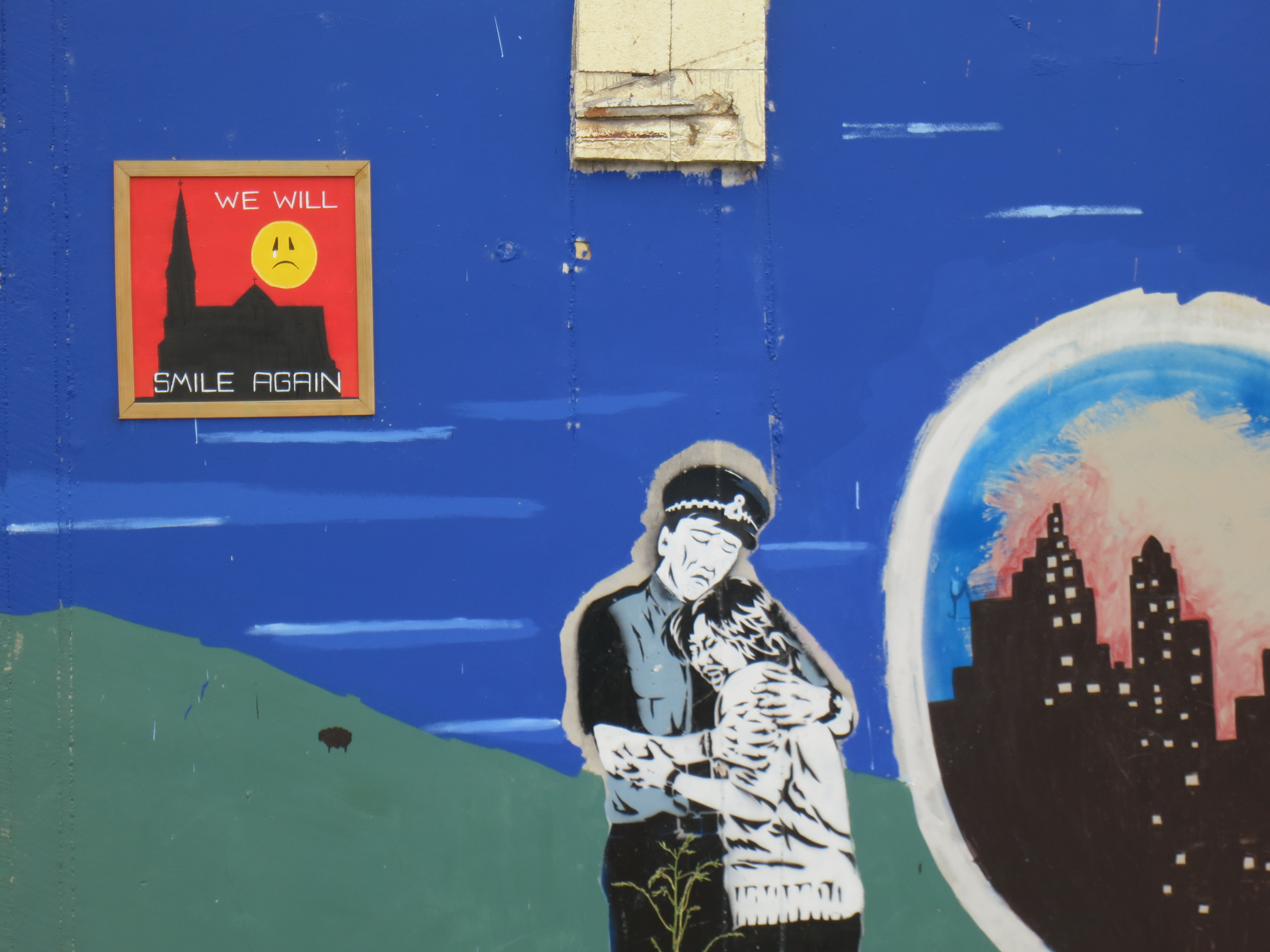
We will smile again
Water of Leith. Glenorchy. Macandrew Bay. There are a lot of Scottish names on the South Island, and that’s just the most immediate sign that the main Pakeha settlers in this part of New Zealand came from the land of lochs. Dunedin (Gaelic for Edinburgh) used to be a major industrial and commercial center for the country, but nowadays it’s mainly known as a university town. I’d intended to spend a couple days there, but as so often happens near the end of a stay in a country, there suddenly didn’t seem to be as much time as I’d thought there’d be. I liked what I saw of the town, though.

Dunedin train station, now the site of farmer’s markets
Theresa’s friend and fellow Couchsurfer Ritchie picked me up from the bus station and we decided the beautiful weather made it the perfect day for a drive along the Otago peninsula. We stopped at a shop next to a tiny beach half full of determined ocean bathers, and I bought a cheese roll, which Ritchie said is something of an Otago institution. It consists of a piece of long bread (the kind you find pre-sliced) rolled around soft cheese and chives, and then toasted. It wasn’t a delicacy, but it did the trick for lunch.

The closest I got to seeing an albatross was this stuffed one.
We drove up to the Royal Albatross Centre. The albatross is a rare bird. There’s a well-protected colony on the Otago peninsula, and you can often see them up at the center. We saw a lot of seagulls but no albatross, so we carried on down the winding coastal road to the small town Ritchie lives in. His house overlooks the ocean, and he said he often goes spearfishing for his supper. We relaxed on the balcony and I had the luxury of an afternoon nap and a few hours of reading. That night, Ritchie’s roommate mentioned how clear the skies were, so we stood on the balcony staring at the stars. I’d been searching for the Southern Cross the whole time I’d been in the southern hemisphere, but hadn’t had any luck finding it until this night, when Ritchie pointed it out to me. Just in time before I headed back to the northern hemisphere, where you can’t see it.
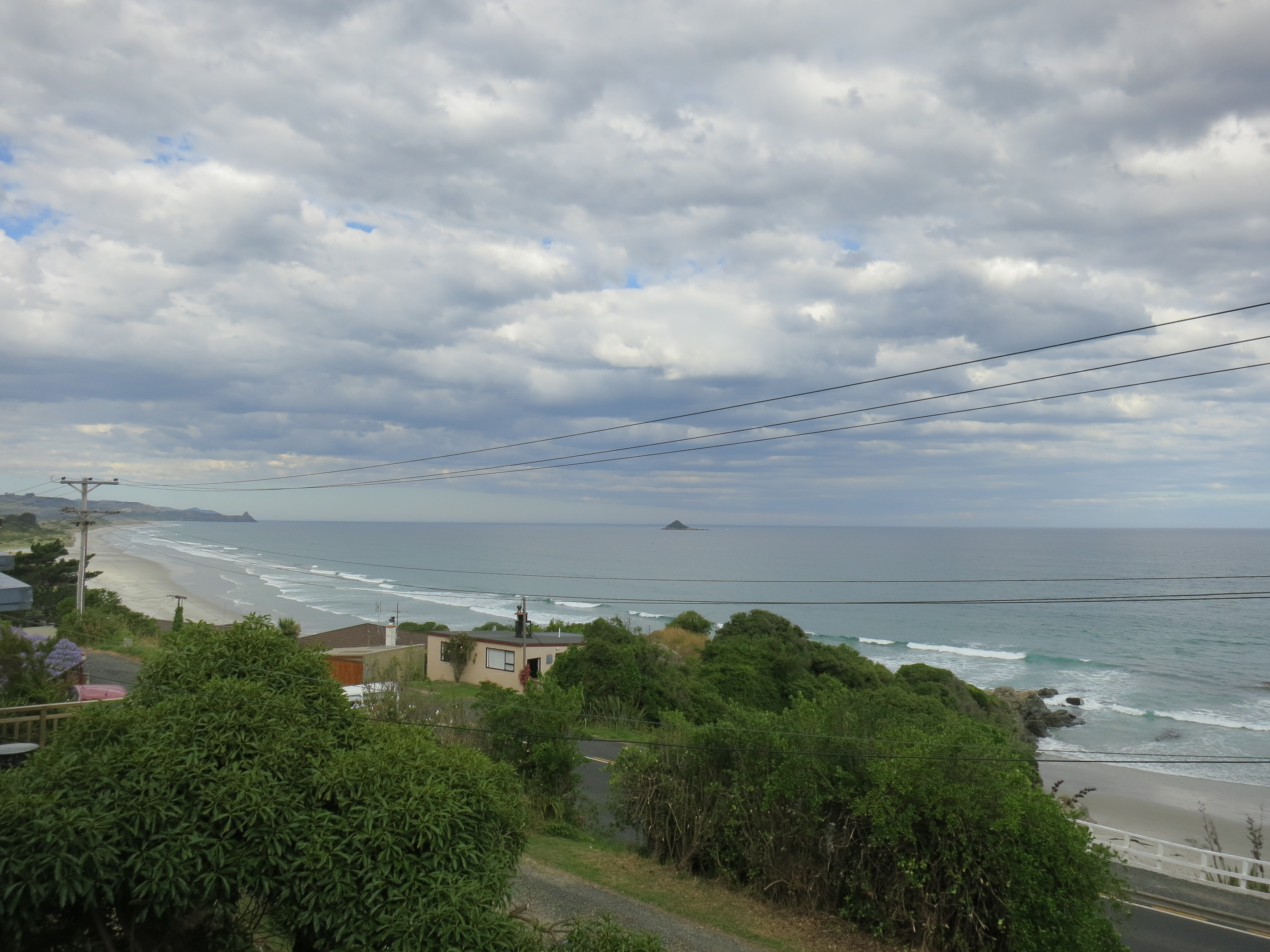
Ocean views from the balcony
The next day, I had to catch the bus up to Christchurch, so Ritchie dropped me off in the Octagon a couple of hours before it left. The Octagon is the town square, with—you guessed it—eight sides. A road rings the small park in the center, and another road bisects the park. Fancy shops and nice restaurants take up most of the storefronts, and there’s also Town Hall and the Cathedral Church of St. Paul the Apostle. Right at the top of the hill—this is New Zealand, remember, so there are hills everywhere, I hardly need mention that the Octagon was set on a hill—anyway, right at the top of the hill is a statue dedicated to Scottish poet Robert Burns. This is a city that wears its heritage with pride. (Also, Burns’ nephew was one of the founders of the Otago settlement in 1848.)

Impressive stuff at the top of the Octagon
The cathedral was putting on a free “cruise concert” for cruise ship passengers right as I was admiring the building, so I went inside. It was a lovely twenty minutes of listening to the organist play Bach, Handel, and Elgar while sitting in the spacious, sparsely decorated church. Afterward, I had lunch at a perfectly collegiate café (trendy, charming, overpriced) and admired the train station made of local stone. On the bus ride out of town, our driver told us some fun facts about Dunedin, all of which I’ve forgotten, but what stuck with me is I need to come back and spend more time here.
My last day in the Catlins was a short one, since I had to return the car that afternoon. But this being the wild and wonderful world of New Zealand, a short day is still packed with more things to do than most long days in other places. In this case, I walked on a beach of petrified forest, had a staring contest with a penguin, and glimpsed the fins of a dolphin, all before lunch.
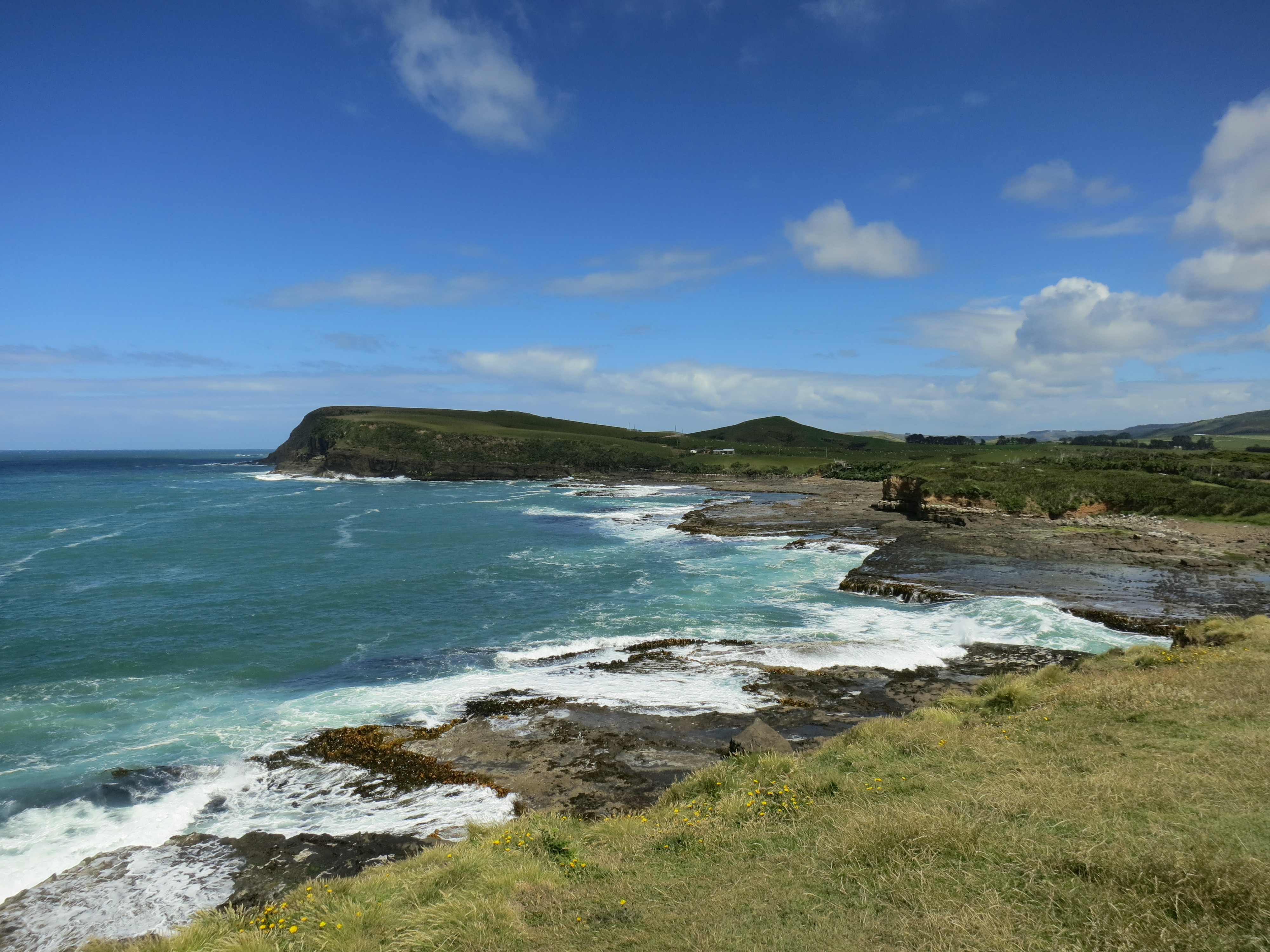
Curio Bay in the Catlins
Porpoise Bay is famous for being a refuge for a pod of Hector’s dolphins (which is the name of the species, not some dude’s pets). I met some travelers who went swimming in the bay, and dolphins just came right up next to them. If you go swimming, signs around the bay remind you to “love us from a distance or lose us forever,” and never approach a dolphin. But when I went, it was too cold to swim, and only a few brave surfers were in the water.
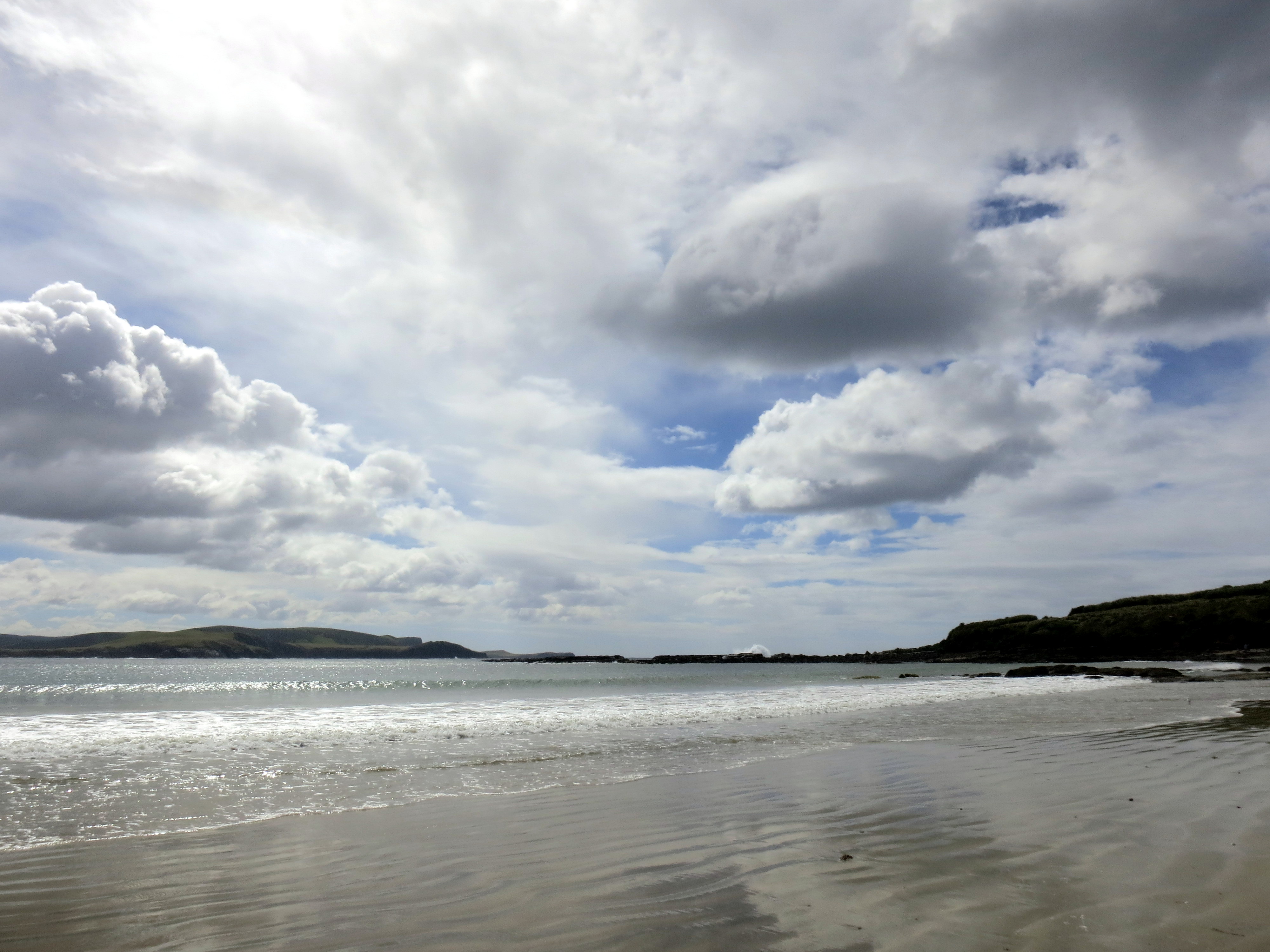
A beautiful day in Porpoise Bay
I walked along the beach and scrambled over some rocks, and saw the fins of a couple dolphins as they briefly surfaced in the distance, but they weren’t in much of a show-off mood that day. So I went back to the base of the stairs, moved aside the plank of wood spray painted “sea lion barrier/gate,” and went up to the cliffs above.
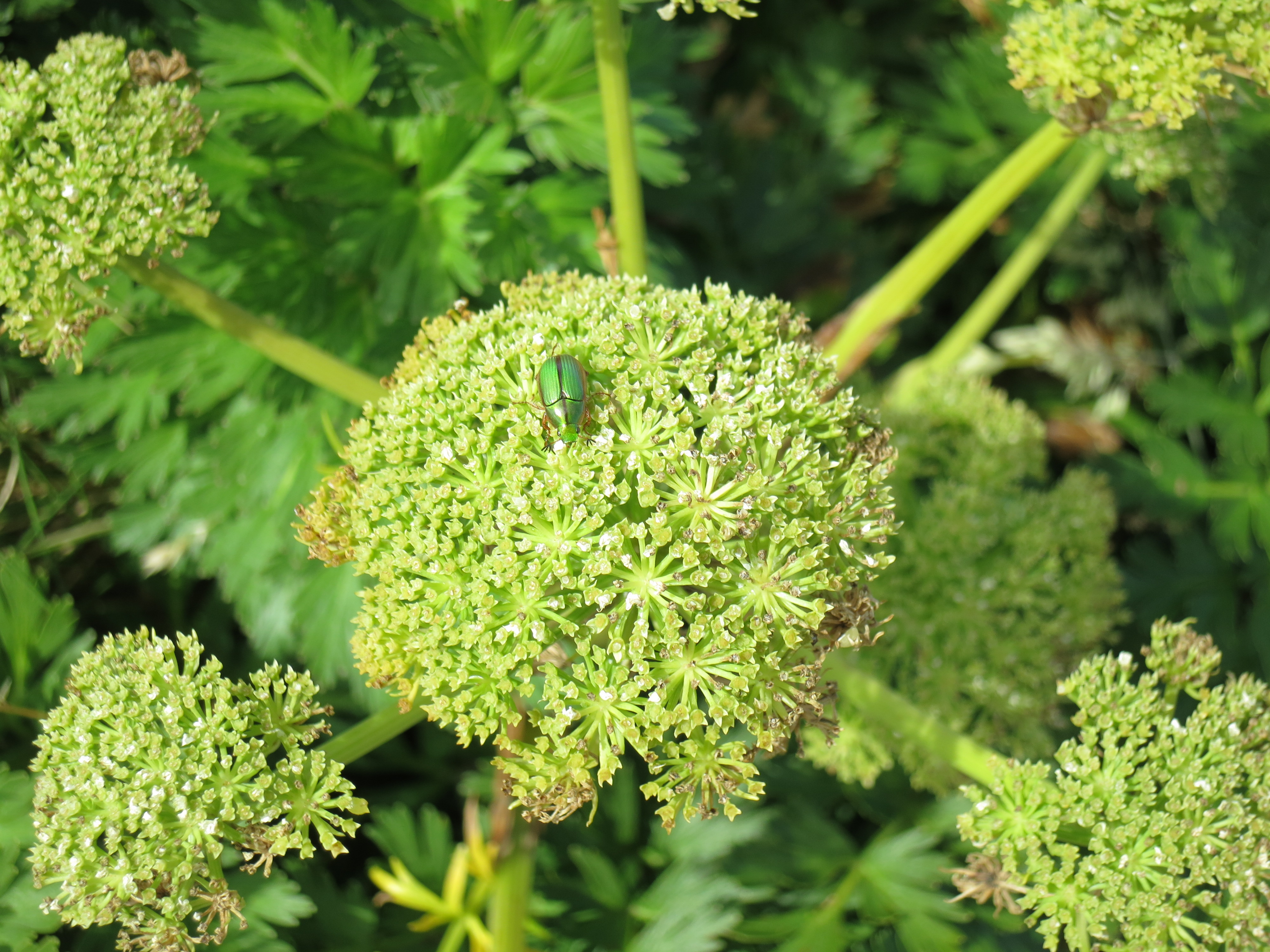
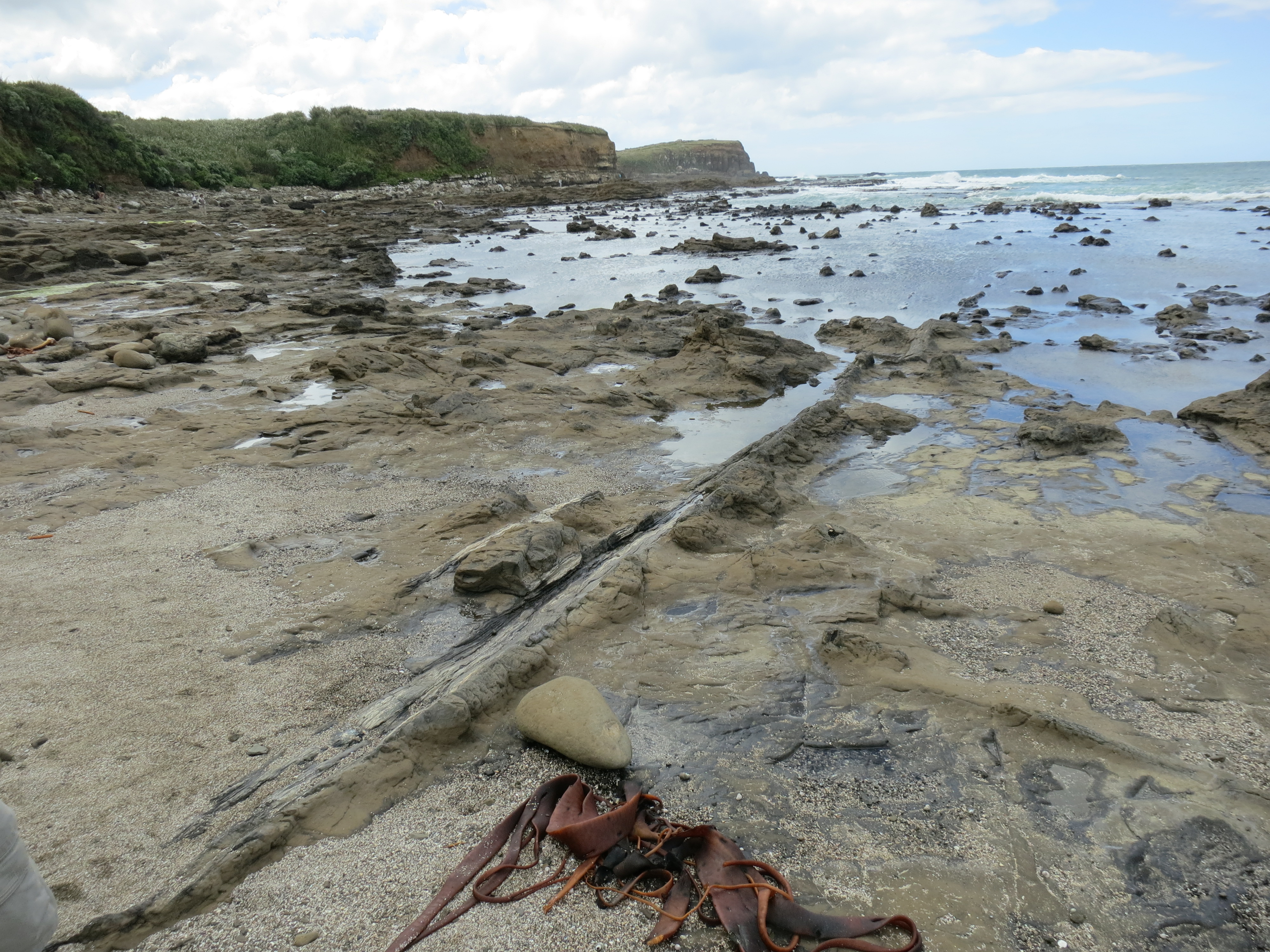
Curio Bay, just across the spit of land from Porpoise Bay, is the site of a petrified forest from the dinosaur age–it’s about 180 million years old. Long, flat logs were felled by some force in ancient times and petrified into stone, and the remains are there on the beach for anyone to walk by. I got a thrill reaching out and touching something from another age, similar to the excitement I felt touching Uluru. The tactile can be pretty powerful.


Some of those rare yellow-eyed penguins have set up a colony here too, and one little guy was out for a walk at the same time I was. A circle of paparazzi immediately surrounded him, although most people were obeying the signs asking that people keep 10 meters between themselves and penguins.
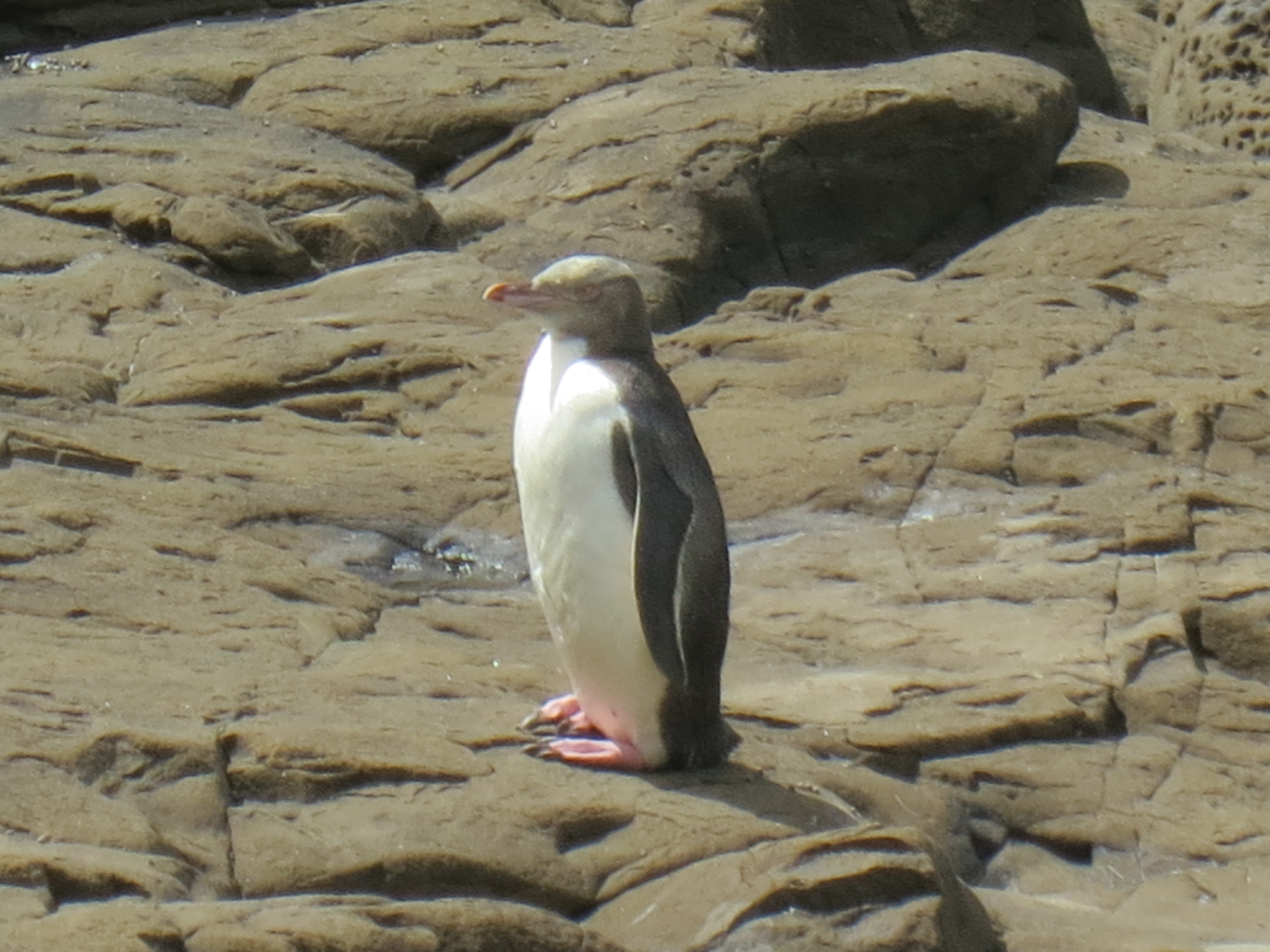
Out for a stroll
Keeping with the theme of things from the time of dinosaurs, I visited the museum in Invercargill and saw a tuatara, which looks like a lizard but is apparently unrelated. They are literally the contemporaries of dinosaurs. The most famous tuatara in the museum is Henry, a young man born sometime in the 19th century and still going strong on a diet of “if it moves, he eats it” and an exercise regimen of hardly ever moving.
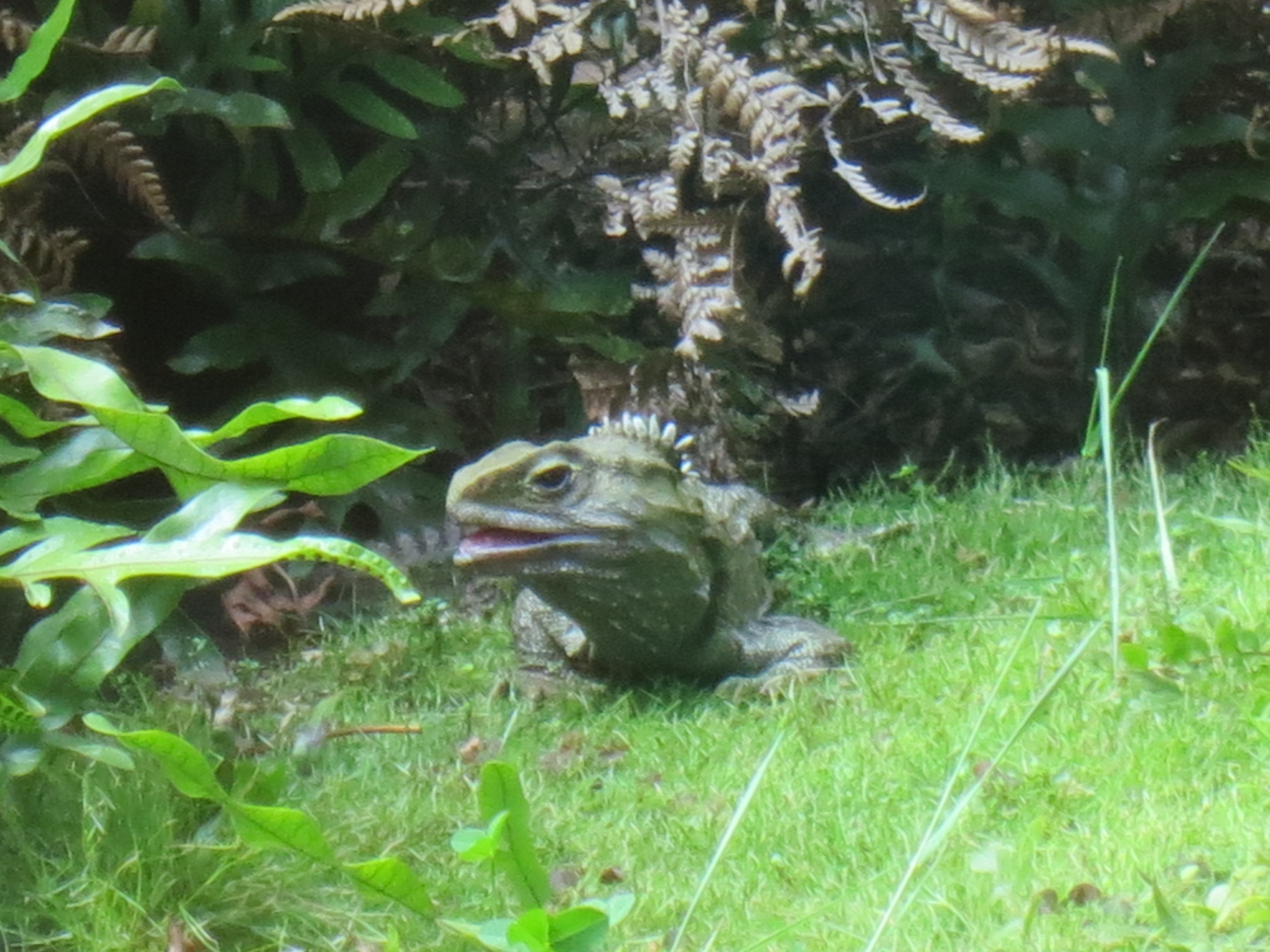
Tuatara
It was hard to leave the Catlins. There were more walks to do, and beaches to explore, and even a couple waterfalls to find, but they’ll have to keep for next time. And I do hope there’ll be a next time.
One of my favorite things about traveling in New Zealand was that, no matter how popular the tourist spot, it never felt truly overcrowded. Locals told me that tourism has been down in the last few years, ever since the economic crash, but it’s back on the upswing now. Still, you can visit the most stunning natural places without thousands of people jostling for space to get a good shot on their iPhones. Then there are places like the Catlins, in the southeastern part of the South Island, which are even less visited than Milford and Rotorua, and all the more beautiful for being quieter.

Spotted near Glencoe, on the drive east: A 1998 memorial of the Glencoe Massacre in Scotland–which happened in 1692. Now that’s what I call holding a grudge.
I drove through the empty farmlands of the Southland when crossing from west to east, and spent the night in Kaka Point, at a hostel set up on a hill over the small town. The tiny cabin I stayed in used to be a family summer retreat, and now the elderly woman who inherited it runs it as a hostel during the summer season. The decorations hadn’t been changed since the mid-1960s, and it was so similar to the cabins I’ve been to in northern Michigan that I expected my mom to come in at any moment to tell me to hurry up and get down to the lake.
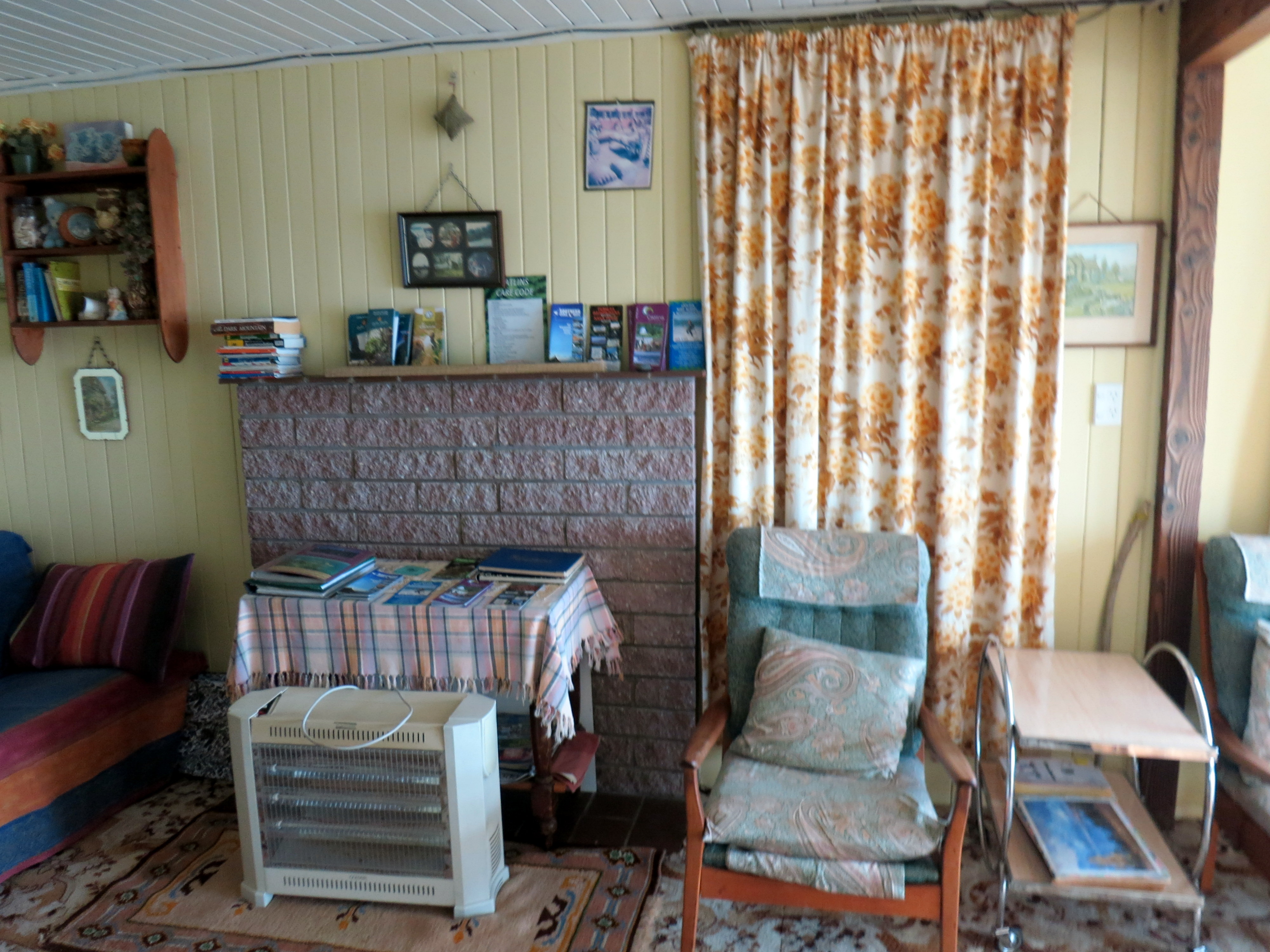
Stepping back in time for an evening at Fernlea Backpackers
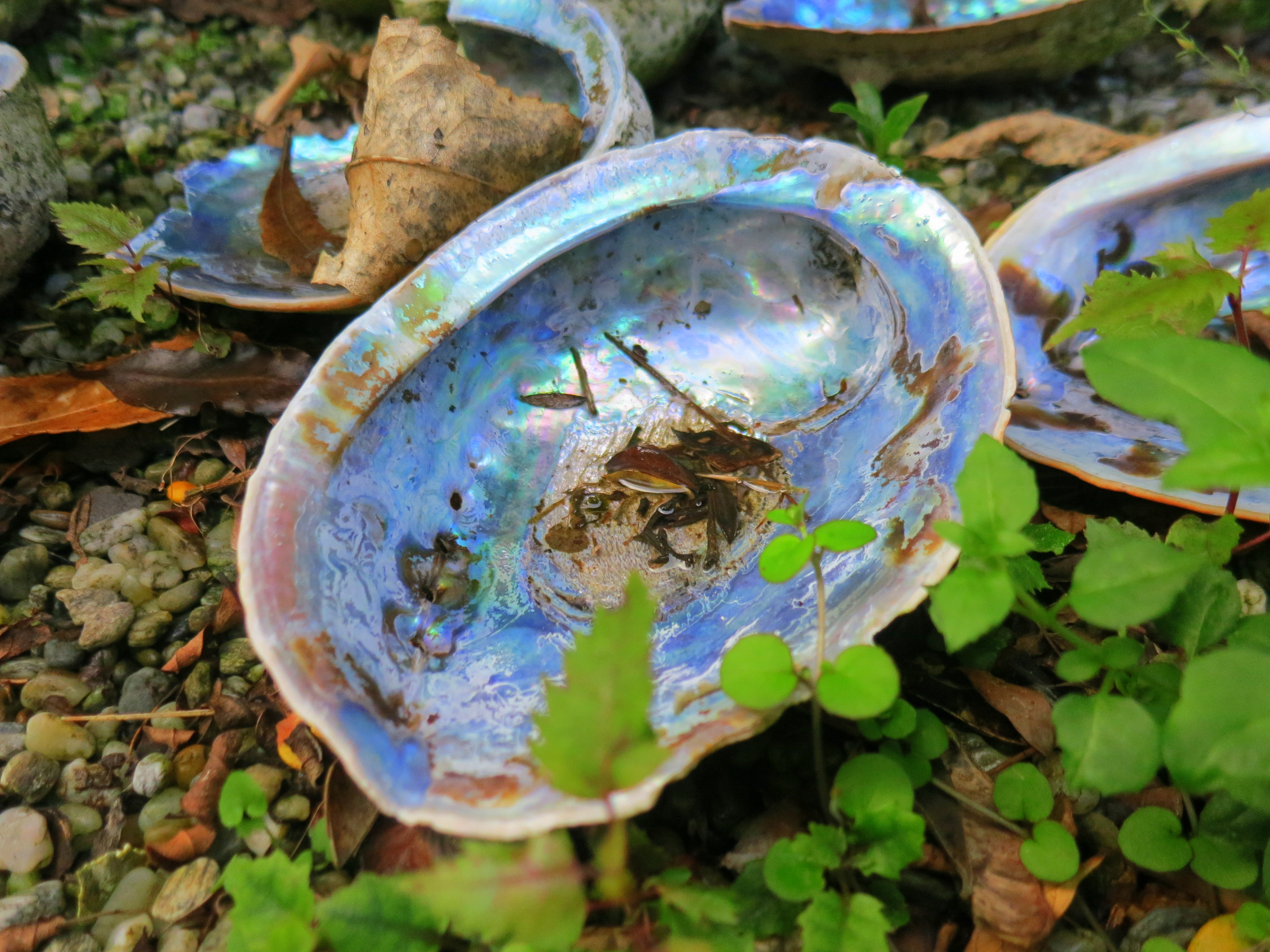
Paua shells are commonly found on the Otago coast–pretty, aren’t they?
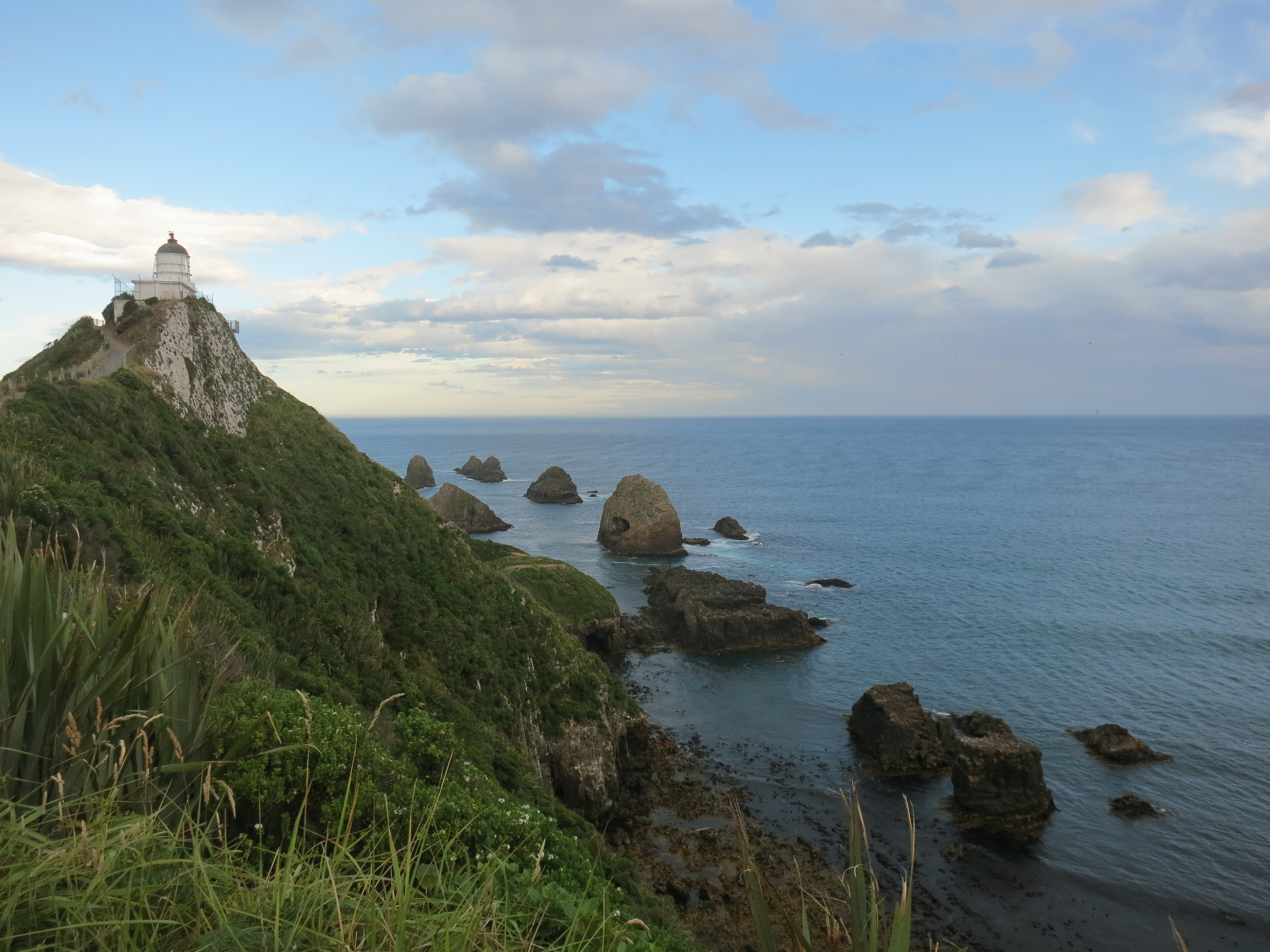
I hurried up and drove to Nugget Point before sunset. After navigating more jaw-clenching unsealed roads, I arrived at the parking lot. The skies were threatening rain again, but what else was new, so I put my raincoat on and started the walk out to the lighthouse. Naturally, it started to rain, so I moved a little faster, but not too much, since there’s no guardrail here and a steep drop to the rocks below. I only passed three people on my walk out to the lighthouse, and just four on the way back; I loved admiring the scenery in total peace and solitude.
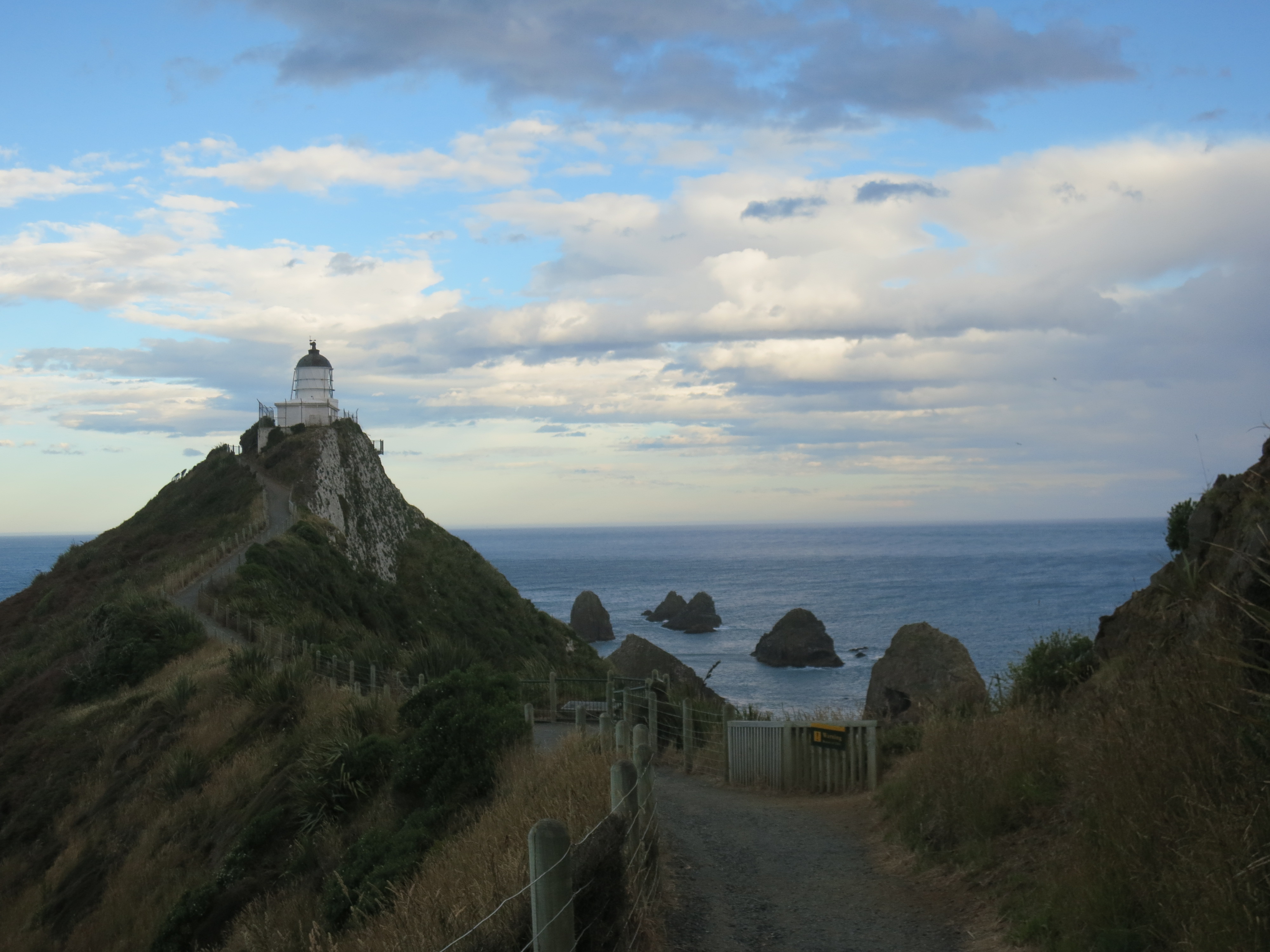
Nugget Point Lighthouse
The rain stopped after about 10 minutes, and in another 10 I was at the lighthouse, a standard white structure built in 1870 and automated in the late 1980s. Just beyond the lighthouse lie the rocks that give the point its name. I believe these are just tiny rock islands, and not rock stacks formed by crumbling arches, like those at the Twelve Apostles.

Plaques of ridiculous poetry lined the walk out there
I watched seagulls swoop and dive, and noted the chalky white cliffs that reminded me a little of Dover. On my walk back, I realized that the screaming I was hearing wasn’t the screeching of a seagull; it was a different kind of piercing sound. I looked down the cliffs and saw fur seals on the rocks below! One was making an awful racket while a couple others splashed around in a little pool formed by the tide. I’d read that fur seals like to spend time around here, but I never expected to find them by their call. (Important note: These might actually be sea lions. I have no idea how to tell them apart, and apparently they both make screaming noises, and both can be found at Nugget Point. If you can tell from the photo what I’m looking at, let me know!)

Fur seals frolicking after a long day at sea
I drove just a short way down the road to another parking bay, and walked down the steep path to Roaring Bay. It was a lovely spot for the beginning of the sunset. To the left, the Department of Conservation (DOC) had built a viewing structure so that you can watch the famous yellow-eyed penguins without disturbing them–they’re nervous creatures. Some idiots still climbed outside the structure and leaned over to flash their cameras at the penguins, of course, but mostly people stayed in the little bunker and watched from a distance.

Yellow-eyed penguins coming in for the night (with a seagull in the middle)
I’d seen one penguin waddling up from the ocean when I was farther up on the path, and I’d rushed to take super-zoomed photos before he disappeared. I needn’t have worried, though. He was still there when I got to the viewing structure, and he was still there when I left half an hour later. He was a preener, that penguin. He waddled a few feet, stopped, combed his left side with his beak, shook his head, combed his right side with his beak, flapped his wings a little, reached around to get his back with his beak. Repeat. It was funny to watch, and a little mesmerizing. He was a fine looking fellow, and maybe deserved to preen a bit.

Worthy preener
(I have no idea what the sex of the penguin was. Also, I know that they need to proceed up the beach very cautiously, as this one was doing, in order to be aware of predators lurking in the rocks.)
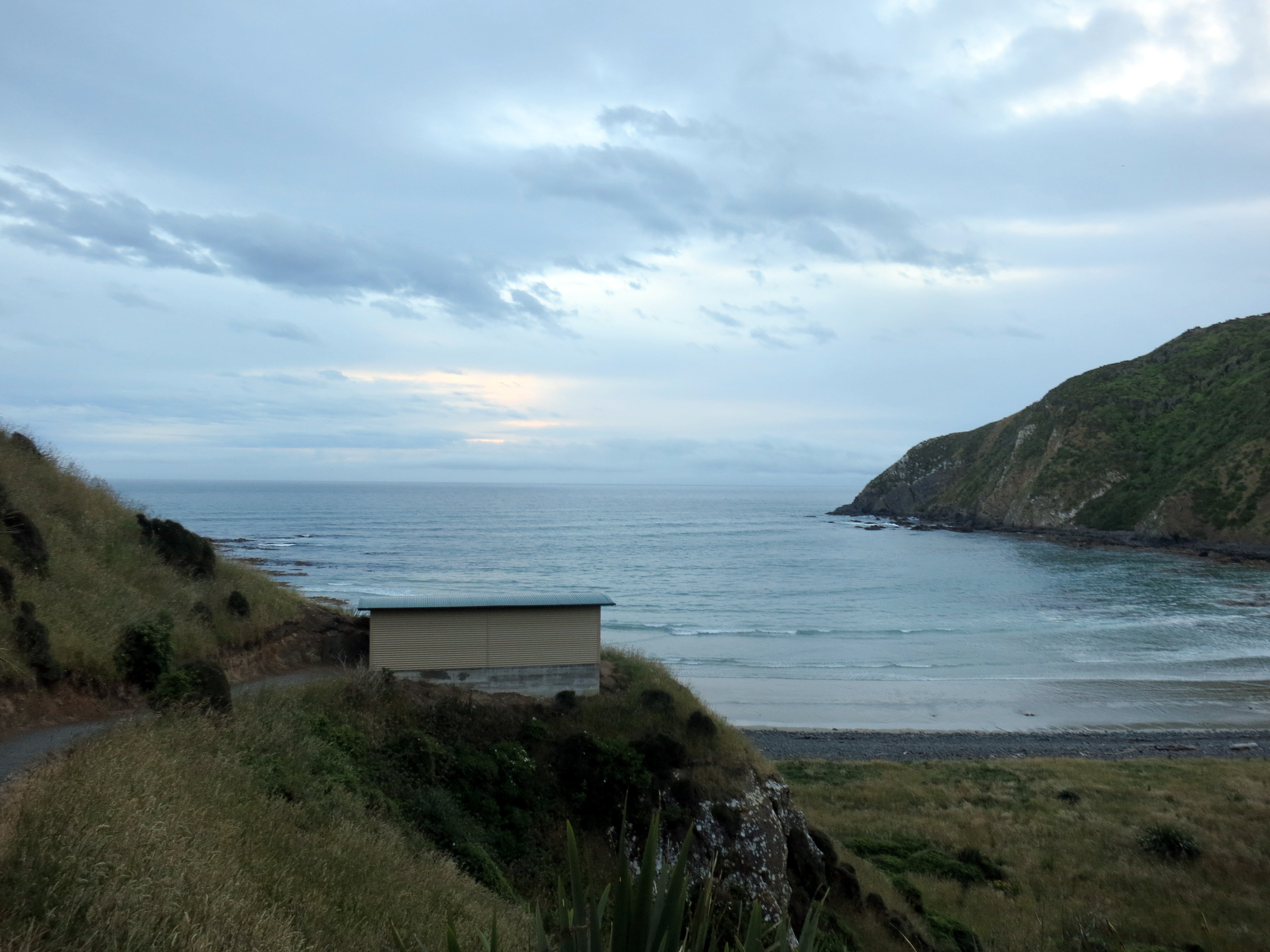
The viewing bunker at Roaring Bay
I saw another penguin on the sand at a little distance from the first, and when I asked the couple next to me if they saw any more, they pointed out another one huddling in the rocks. I also spotted a lone fur seal up the beach; whether it was contemplating penguin dinner or just enjoying the sunset, I don’t know.
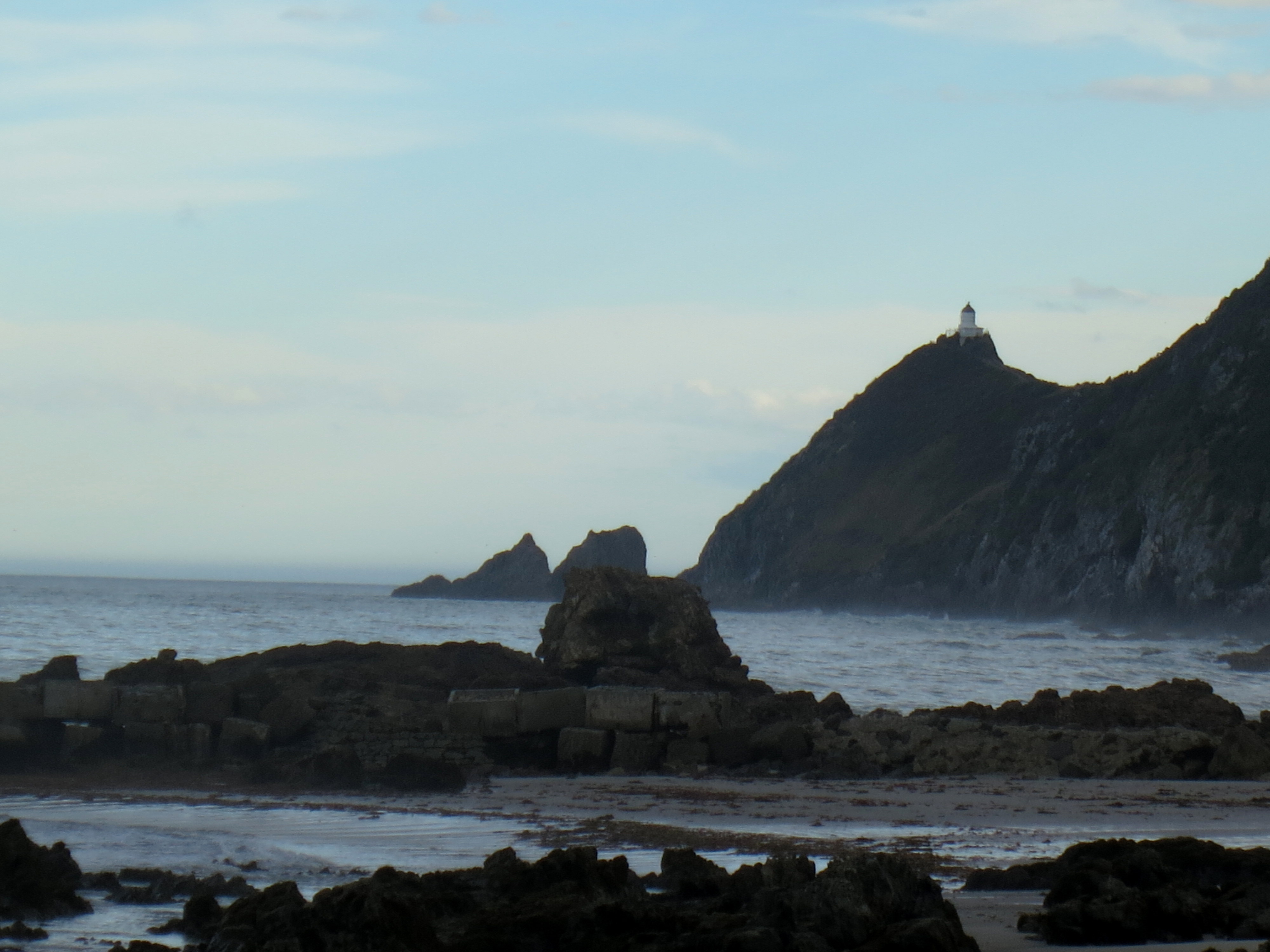 I didn’t want to drive that gravel road in the dark, so I started back, and watched the sky turn gorgeous colors out the passenger side as I drove. I had a quiet night in before seeing more natural splendor the next day.
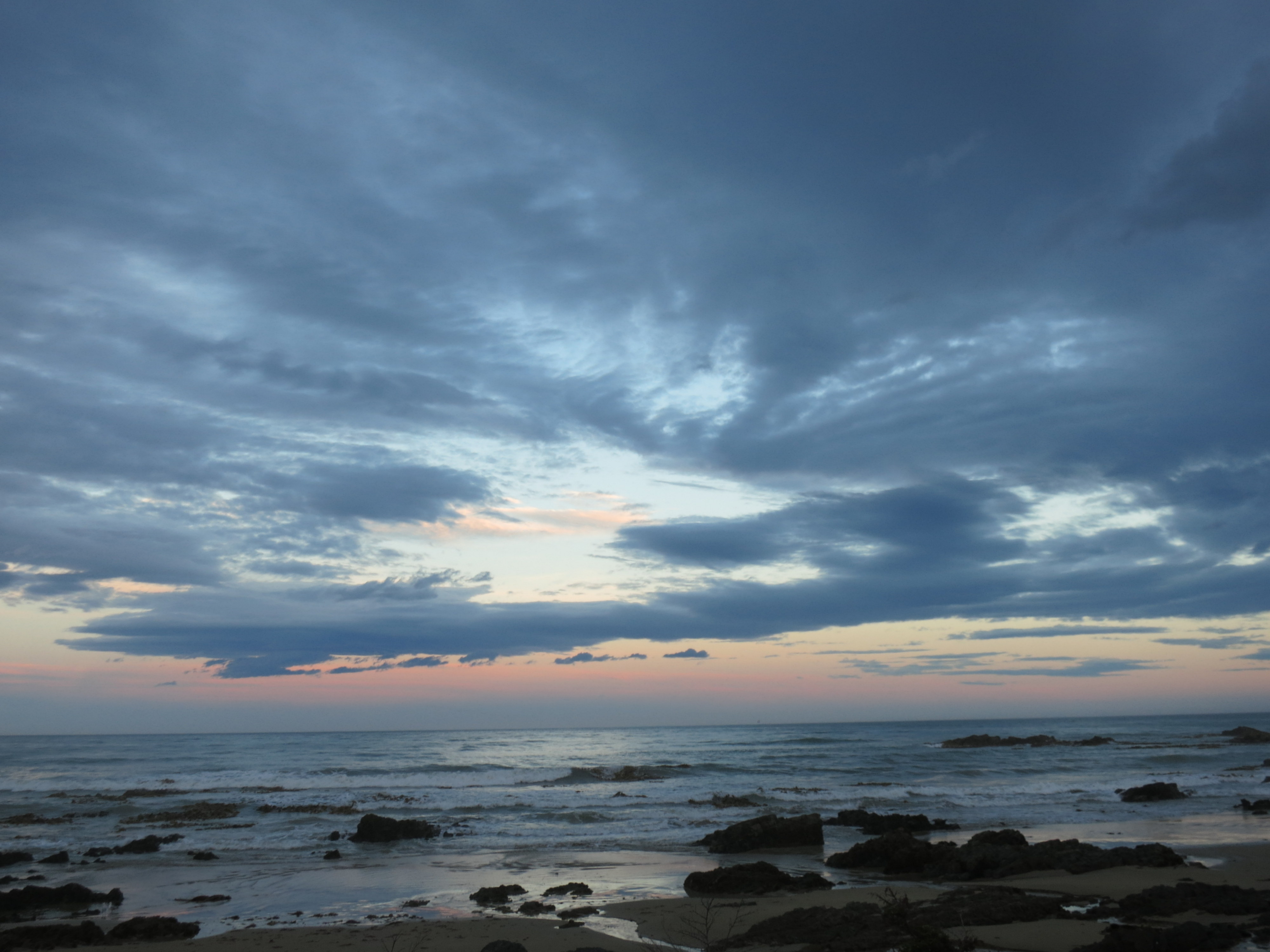
Good night
According to Maori legend, the hero Maui went fishing one day and pulled up the North Island, and his canoe became the South Island. Ever since 1962, the Interislander Ferry has acted as the fishing line between canoe and fish, carrying passengers and their cars from Wellington to Picton and back again. After Christmas, I took the ferry over to Picton to meet back up with Liz for a few days (Picton is mostly west and only a little south of Wellington, because of the way the South Island skews to the left).
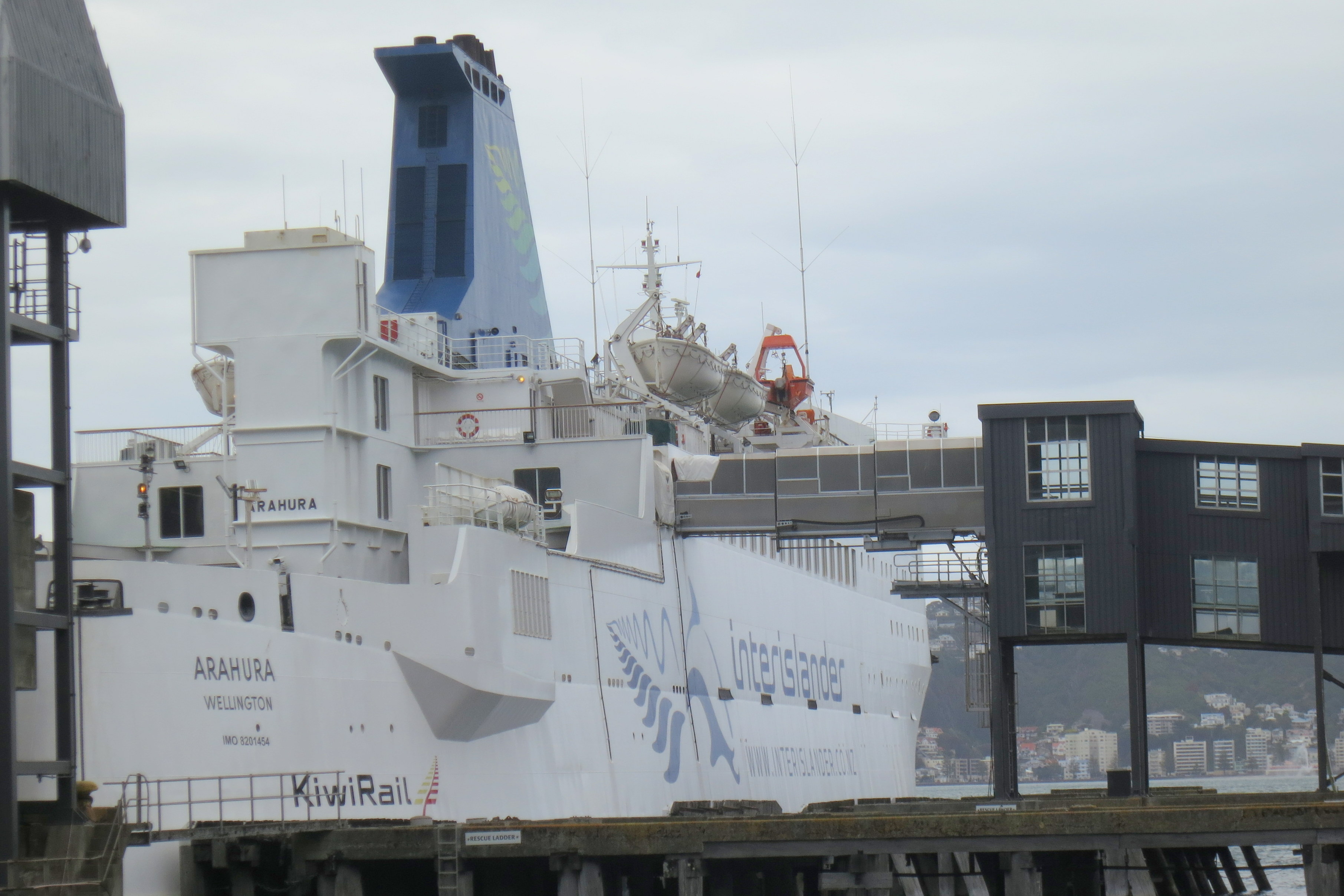
An imposing Interislander Ferry
If you’re taking your car across, you check in quite early and get it loaded on board. If you’re just taking yourself, you can show up 45 minutes ahead of time and check your bag like you do at the airport. There are no assigned seats, and there don’t seem to be seats for everyone (at least on one of the boats I took; different models make up the fleet). I set myself up in one of the airplane-type seats, plugged in my computer, and got some writing done.
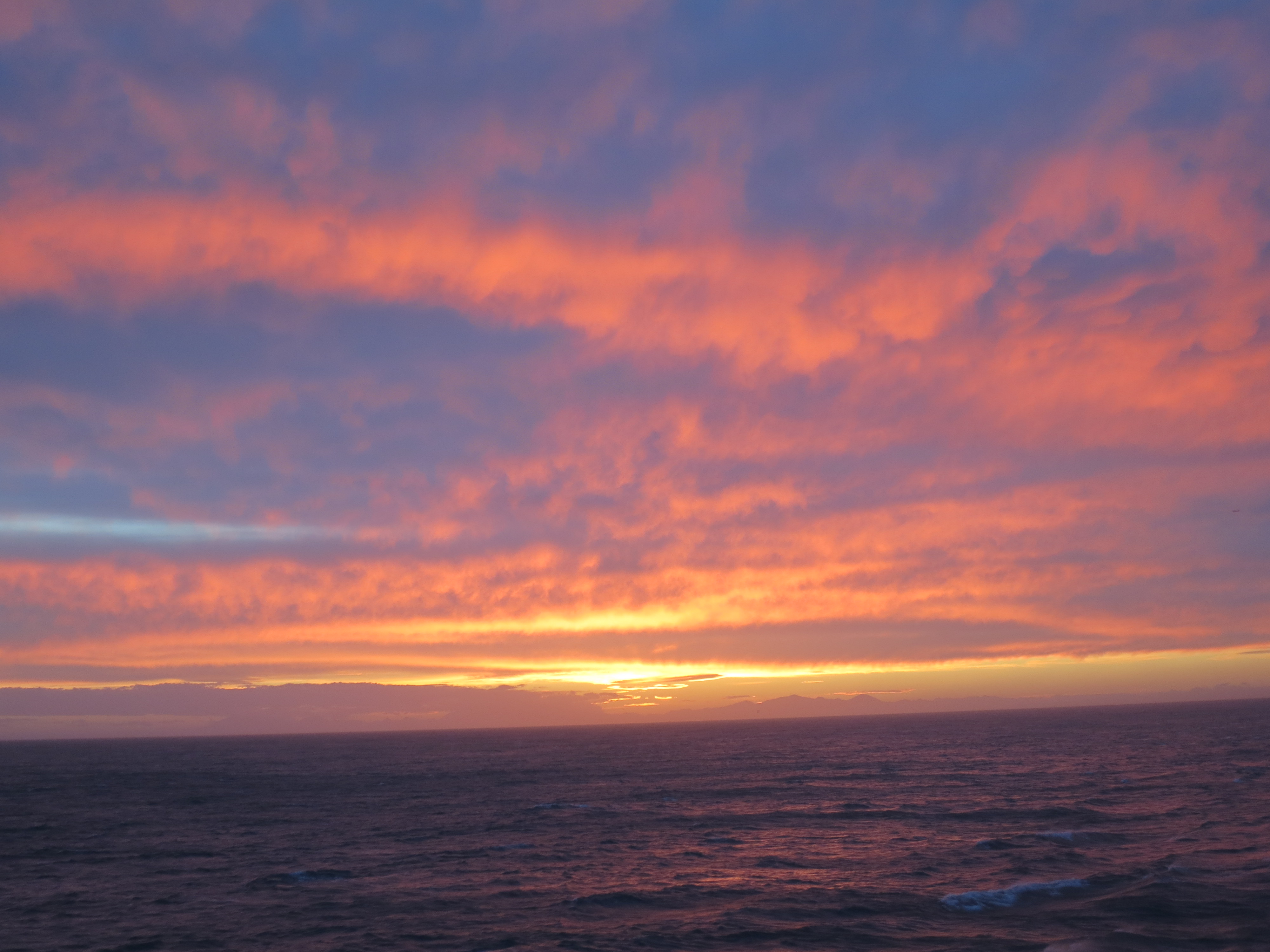
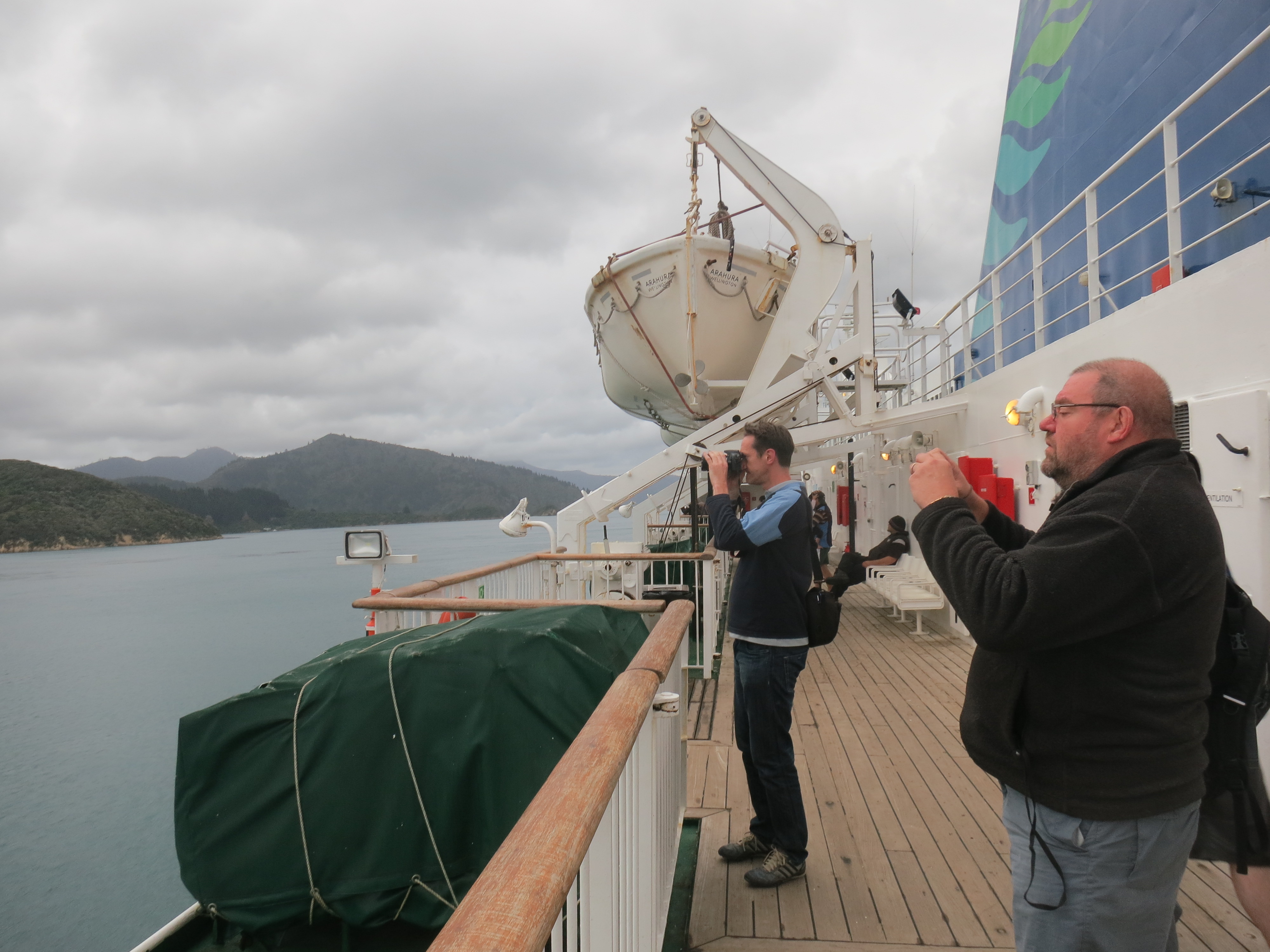 After a bit, I went out on the deck to watch the sunset as we sliced through the open ocean waters, and later I went back out to watch the craggy hills of the South Island rise up on either side of us. The outer decks are very basic; just a few benches line the inner ring, and smokers huddle against the cold by the railings.

Emergency instructions by labelmaker
Inside, there’s more comfort, with a bar, a pricy snack shop, a movie theater, and a children’s play area. On my second ferry trip, I found myself near a TV that played a five-minute ad about the history of the Interislander on a continuous loop for the entire journey. That was too much, but I did like the vintage posters for the ferry lining the halls as you disembark.
 Once you get to Picton, it’s an easy walk down the main road to hostels, a bus pick-up, the rail station, etc. It looked harder to find your way to the city in Wellington, but happily for me, my Couchsurfing host picked me up when I arrived, so I didn’t have to figure it out.
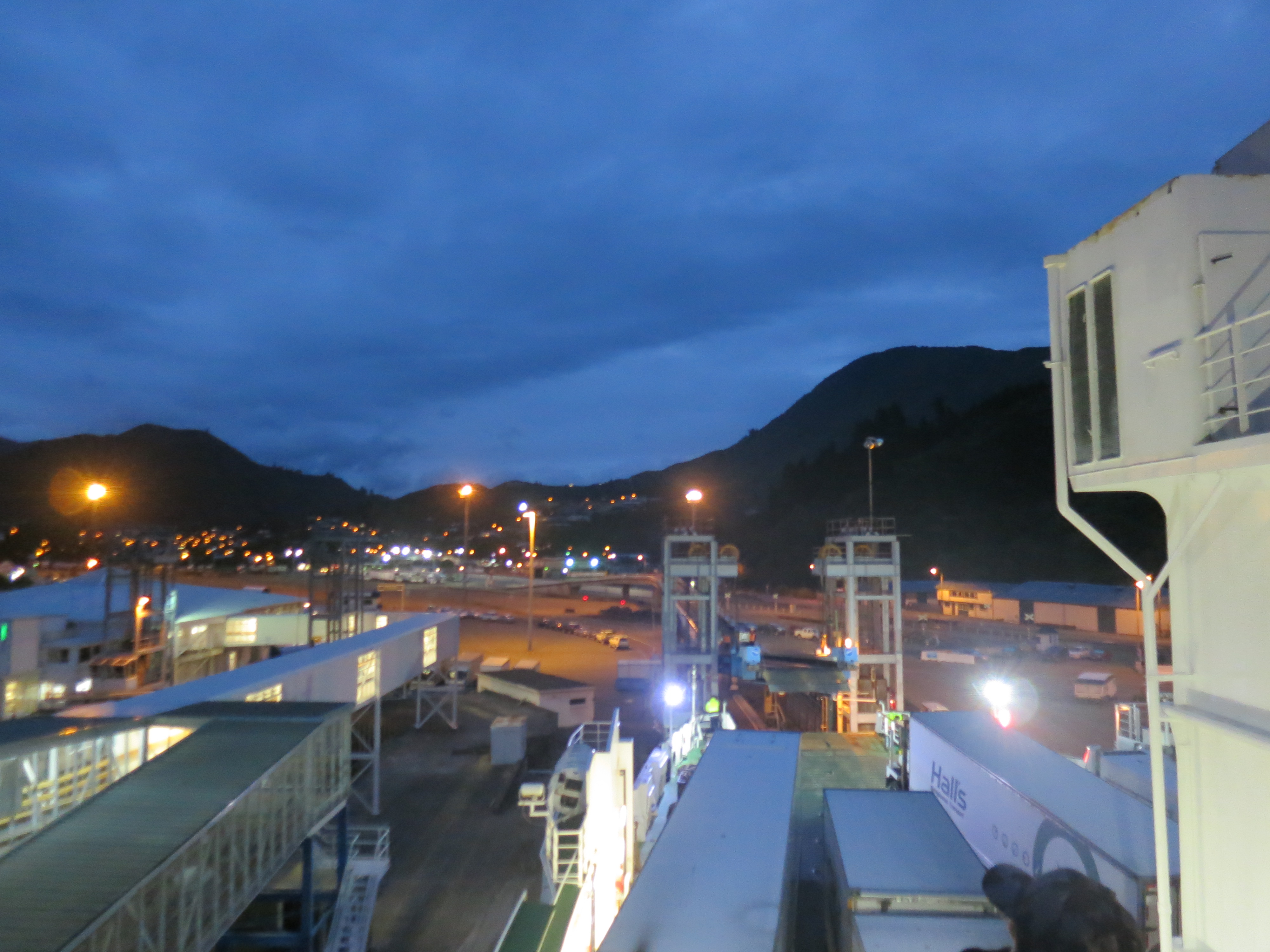
Picton
Taking the Interislander ferry isn’t quite the sunny holiday frolic depicted in the ads, but it is a serene three hours out there on the water.
 Stowaway Travel Writing & Editorial Services