
Sunset, London, England

Sunset, London, England
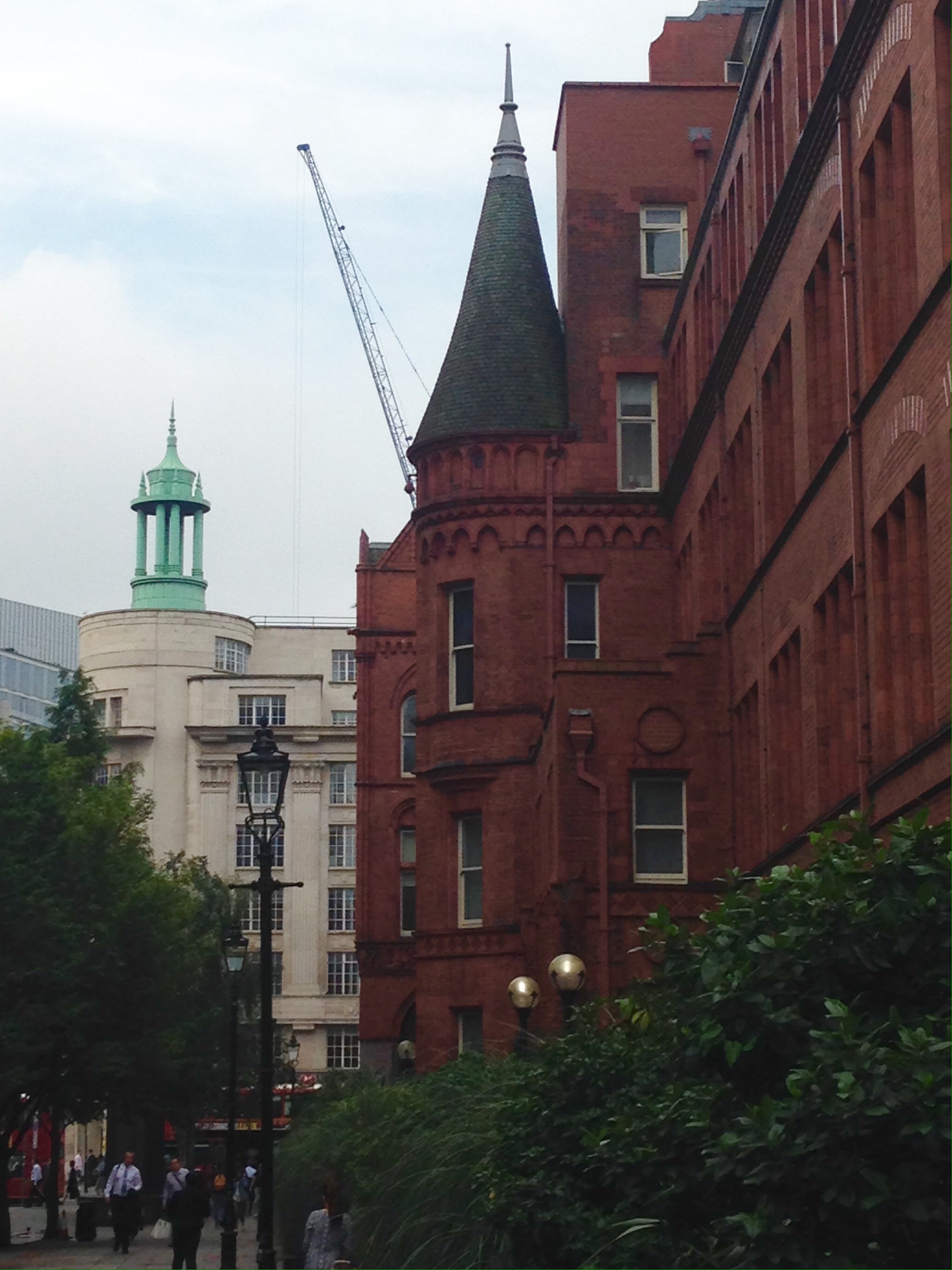 London, England; July 19, 2017

Sunset, London, England
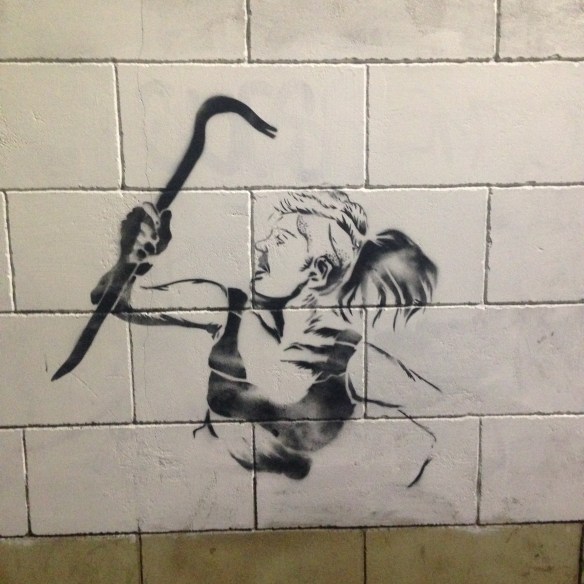
London, England; June 23, 2017

Brighton, England; June 3, 2017
Based on the sign (“Use of this garden is at your own risk”) and the state of the sign itself, you’d expect something scary, but actually it was a lovely, well-ordered garden.

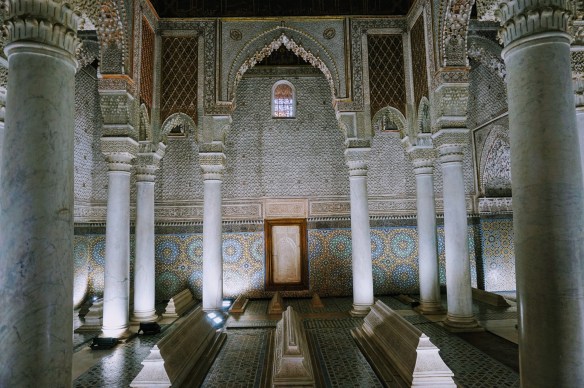
Saadian Tombs, Marrakech, Morocco
There are two mausoleums in the Saadian Tombs: one for the sultan who built this complex, Ahmed al-Mansour ed-Dahbi, and one for the most important woman in his life. Who was that? Well, according to this exchange I overheard between a tour guide and one of his group members:
Now this was for the most important woman in his life — who do you think that was?
His queen?
We don’t have queens. No, this was for his mother.
Should’ve posted this closer to Mother’s Day…


Al-Mansour basically had enough time to make sure the complex was built, before he had need of the mausoleum himself. Wives, chancellors, princes, and other descendants were buried here over the next several decades. But the Saadian dynasty fell, and around 1672 the new sultan, Moulay Ismail, sealed up the tombs.


Aerial photographs taken in 1917 (I’m guessing during WWI though I can’t find confirmation of that) revealed the location of the tombs to the French, who then re-opened them up. They found somewhere between 170 and 200 graves, some in the gardens and some in the Chamber of 12 Pillars (where al-Mansour and his son are buried).


Today, you find the tombs by walking down a narrow alleyway, paying a small fee, and turning a corner into a small, sunny courtyard. The graves are decorated in colorful geometric patterns and Arabic script quoting the Koran. A few orange and palm trees rustle gently in the breeze. A tortoise munches its way across the grass. Apparently, cats guard the mother’s tomb, but I didn’t see them — perhaps it was too warm that day and they were off duty.


Without making too light of the fact that this is the final resting place for the people buried here, I will also say that the gardens in the Saadian Tombs make for a wonderful respite from the bustle of Marrakech.

Seurasaari Open-Air Museum, Helsinki, Finland; May 26, 2017

Sunrise, Helsinki, Finland

Seurasaari, Helsinki, Finland; May 26, 2017
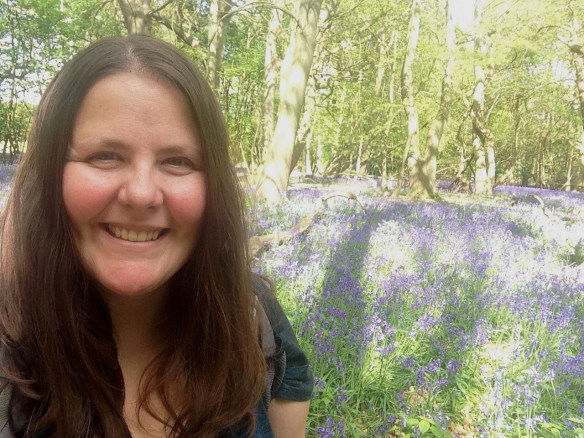
England is home to some of the oldest wild bluebell woods in the world, and the British get pretty excited about seeing “a blanket of bluebells.” After walking through the woods of Ashridge Estate earlier this May, I see what they mean — it’s a wonderful sight, just a layer of purplish blue spread out as far as you can see, amongst the deadwood of the forest floor and the green trees glowing in the springtime sunlight.

The English bluebell is very delicate, and if you walk on some, the crumpled leaves can’t rally and photosynthesize anymore, so the flowers die, and it can take years for them to grow back. It’s actually illegal to intentionally disturb or uproot bluebells in the United Kingdom. Since about half the world’s bluebells are found here, you can see why they’re so eager to protect the fragile flower.


The walk from Tring train station to the visitor center at Ashridge Estate isn’t complicated, but it’s also not very well signed, so we took a slight detour down one right-of-way path along a field of something green, rather than following the path along a different field, but that just meant we saw something a little different on our walk back to the train station.


The best part about all of this was that we’d been told the bluebells were past their peak and there probably wouldn’t be much to see — even the woman at the visitor center sounded doubtful that the woods were looking so good. All I can say to that is, this has got to be the most beautiful decline I’ve ever seen. The season is short, but if you’re able to get to a British wood in late April/early May, go looking for a blanket of bluebells — it’s worth all the superlatives attached to it.
 Stowaway Travel Writing & Editorial Services