
My last day in the Catlins was a short one, since I had to return the car that afternoon. But this being the wild and wonderful world of New Zealand, a short day is still packed with more things to do than most long days in other places. In this case, I walked on a beach of petrified forest, had a staring contest with a penguin, and glimpsed the fins of a dolphin, all before lunch.
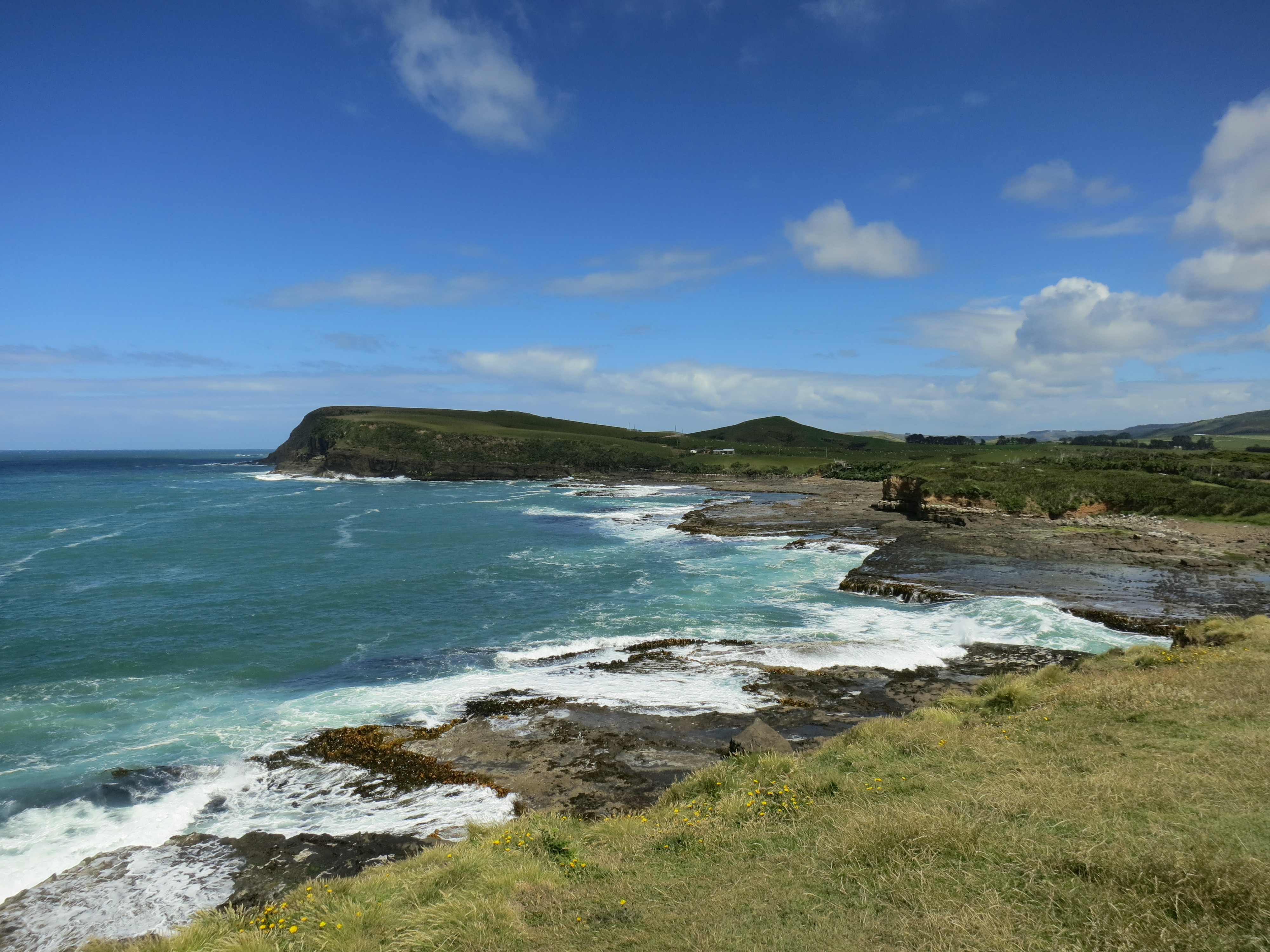
Curio Bay in the Catlins
Porpoise Bay is famous for being a refuge for a pod of Hector’s dolphins (which is the name of the species, not some dude’s pets). I met some travelers who went swimming in the bay, and dolphins just came right up next to them. If you go swimming, signs around the bay remind you to “love us from a distance or lose us forever,” and never approach a dolphin. But when I went, it was too cold to swim, and only a few brave surfers were in the water.
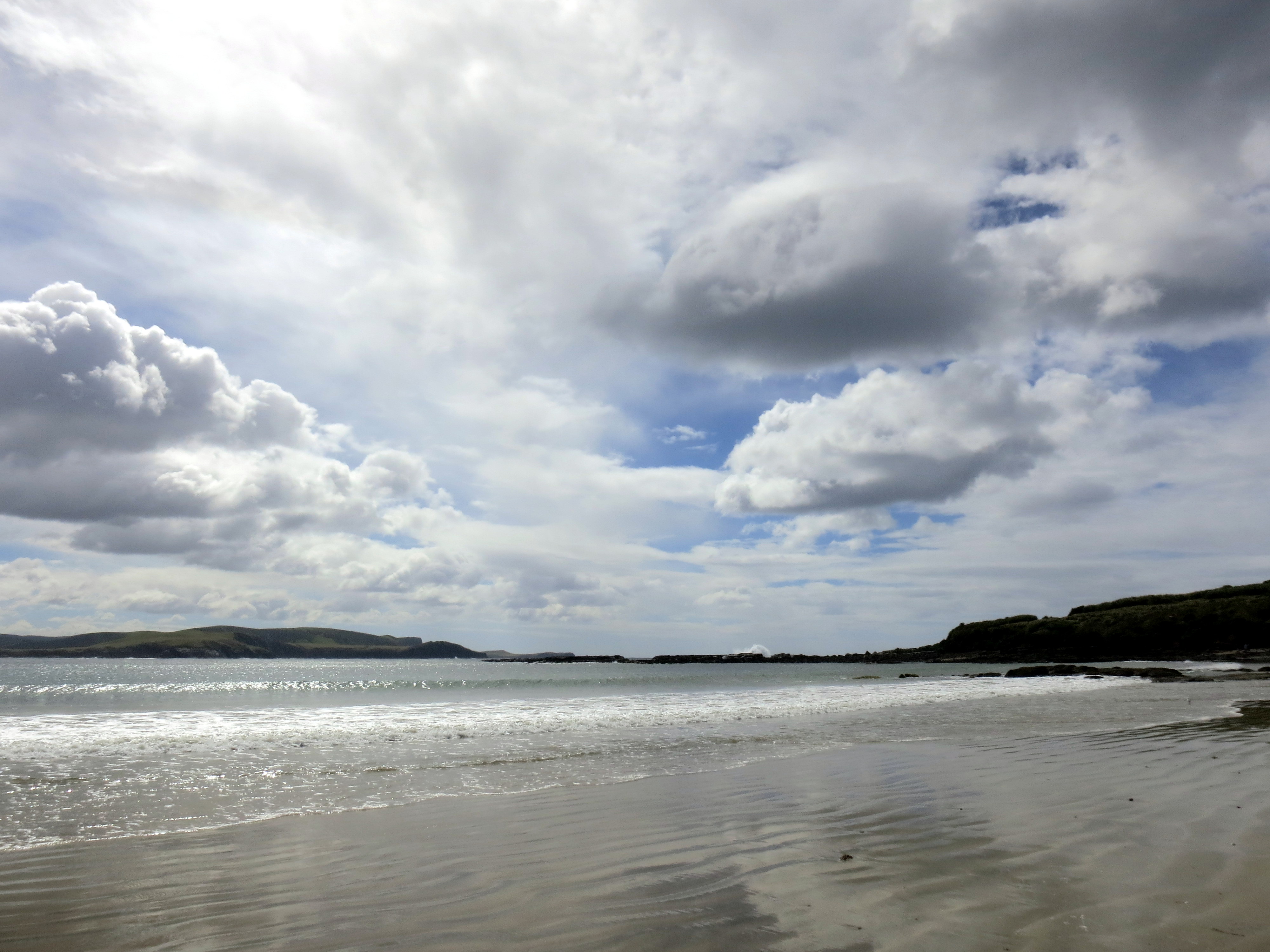
A beautiful day in Porpoise Bay
I walked along the beach and scrambled over some rocks, and saw the fins of a couple dolphins as they briefly surfaced in the distance, but they weren’t in much of a show-off mood that day. So I went back to the base of the stairs, moved aside the plank of wood spray painted “sea lion barrier/gate,” and went up to the cliffs above.
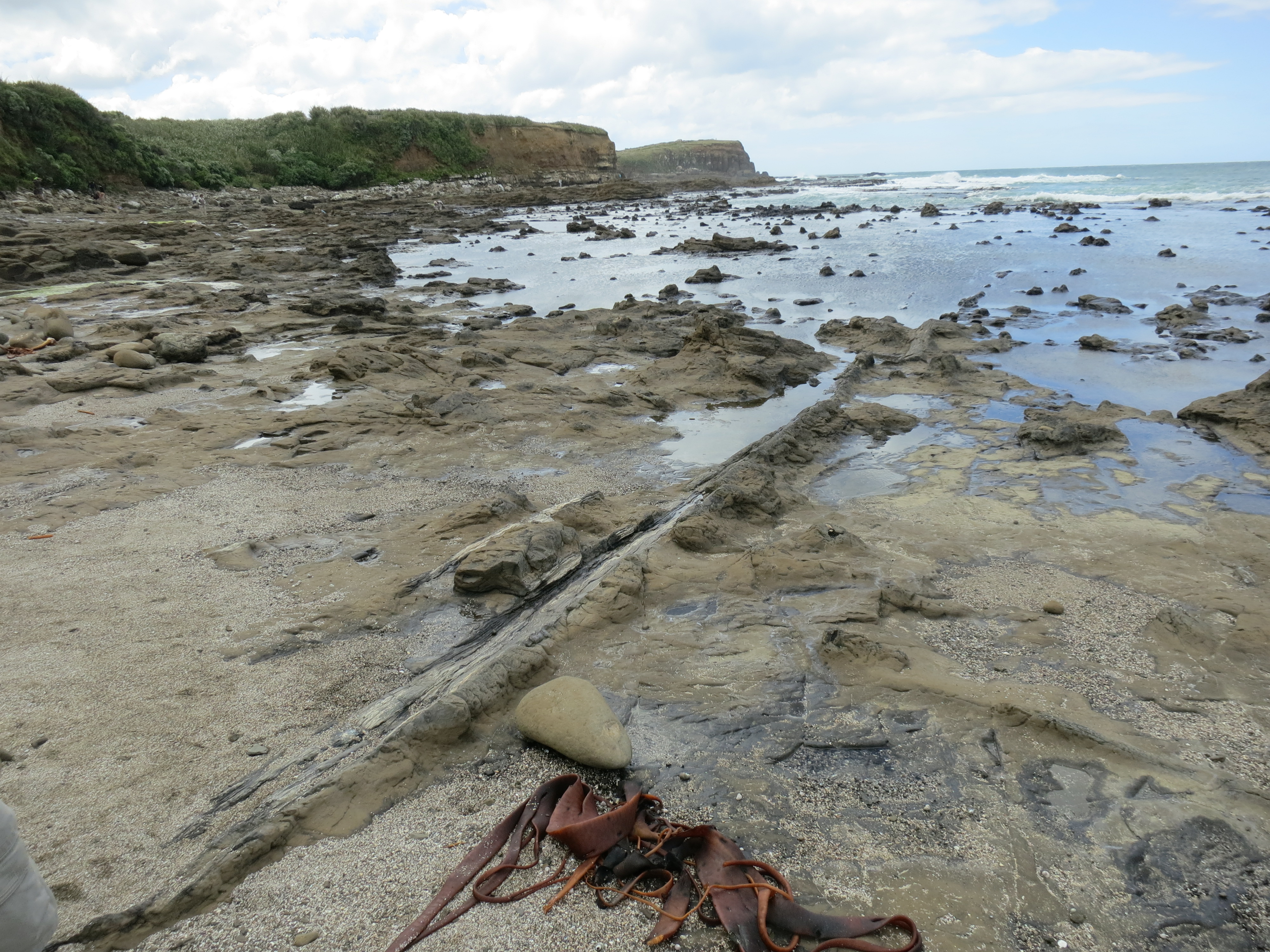
Curio Bay, just across the spit of land from Porpoise Bay, is the site of a petrified forest from the dinosaur age–it’s about 180 million years old. Long, flat logs were felled by some force in ancient times and petrified into stone, and the remains are there on the beach for anyone to walk by. I got a thrill reaching out and touching something from another age, similar to the excitement I felt touching Uluru. The tactile can be pretty powerful.


Some of those rare yellow-eyed penguins have set up a colony here too, and one little guy was out for a walk at the same time I was. A circle of paparazzi immediately surrounded him, although most people were obeying the signs asking that people keep 10 meters between themselves and penguins.
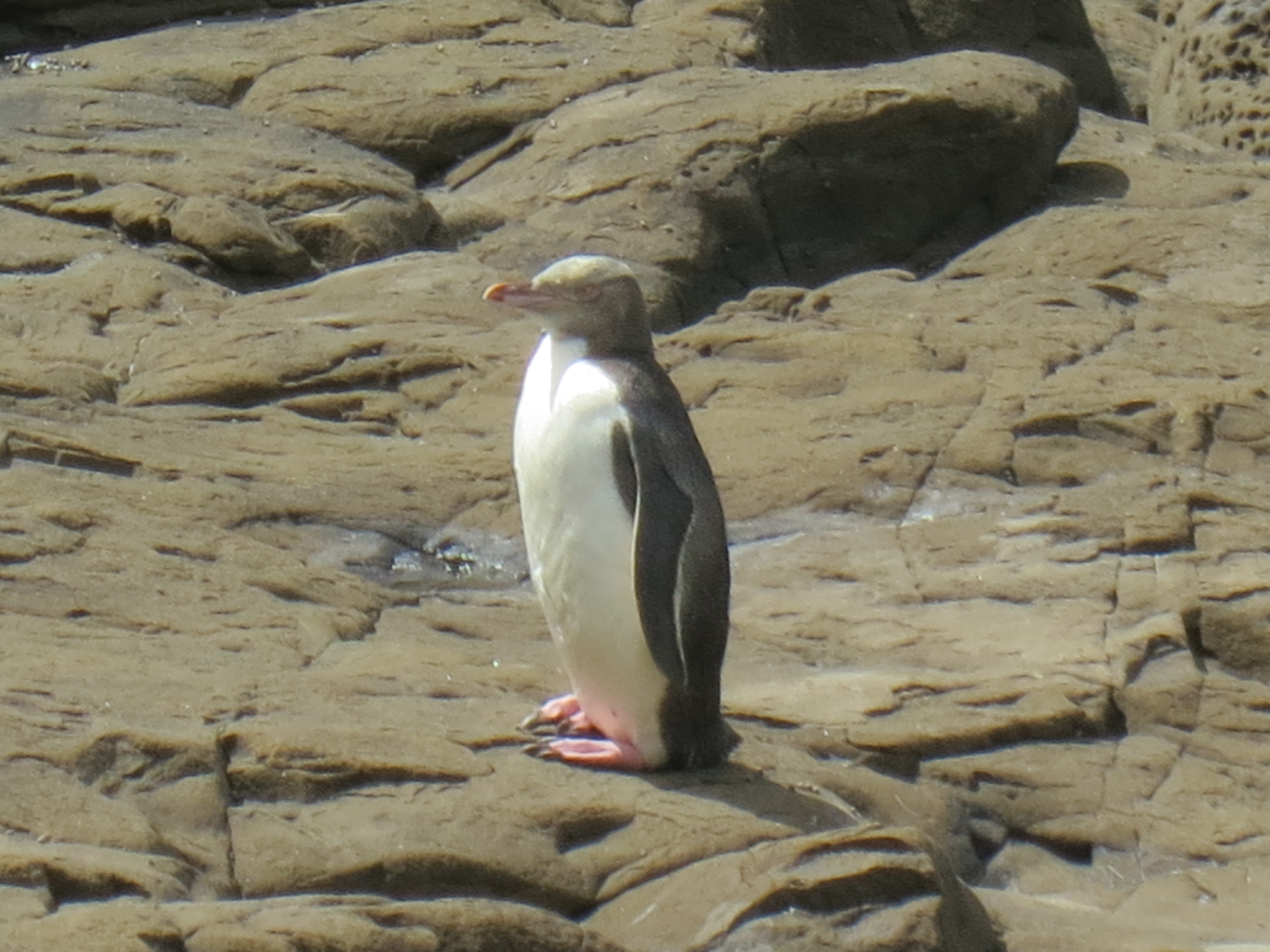
Out for a stroll
Keeping with the theme of things from the time of dinosaurs, I visited the museum in Invercargill and saw a tuatara, which looks like a lizard but is apparently unrelated. They are literally the contemporaries of dinosaurs. The most famous tuatara in the museum is Henry, a young man born sometime in the 19th century and still going strong on a diet of “if it moves, he eats it” and an exercise regimen of hardly ever moving.
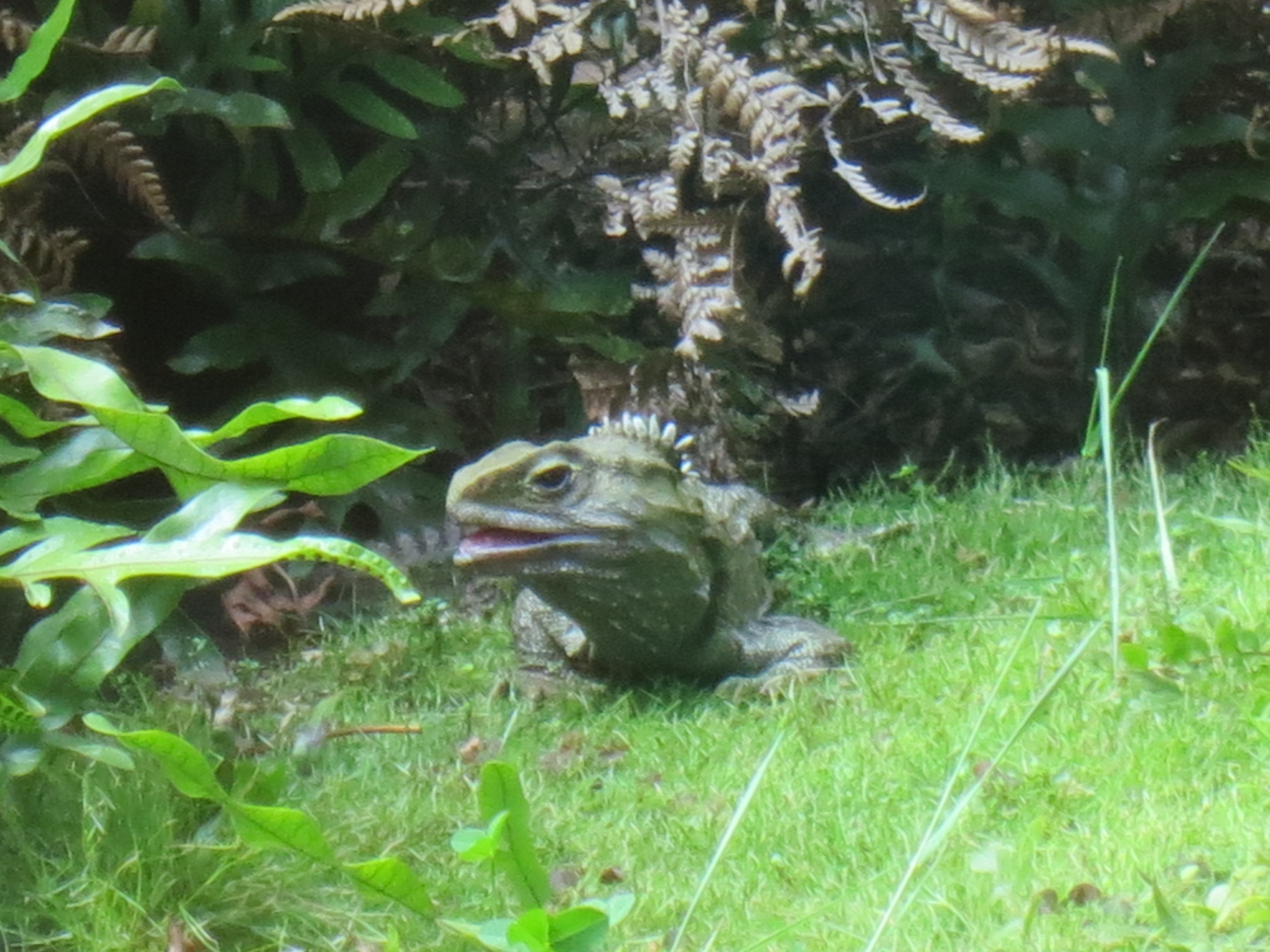
Tuatara
It was hard to leave the Catlins. There were more walks to do, and beaches to explore, and even a couple waterfalls to find, but they’ll have to keep for next time. And I do hope there’ll be a next time.
 Stowaway Travel Writing & Editorial Services