Part of the Family in Tokyo

As I mentioned before, I had a wonderful family experience with the Shirotas, and my luck with hosts in Japan didn’t end there. I stayed with a gregarious couple in Hirosaki and a gracious teacher in Yokosuka. But I spent the most time with a lovely family in Tokyo. Andrew, whose parents I stayed with in Shinrin-koen, put me in touch with his friends Eiko and Junko, Japanese sisters who both studied in Washington state, traveled around, and settled back down in Tokyo a few years apart. Eiko took me out to a delicious okonomiyaki dinner in Kawagoe with her family and gave me travel tips for the rest of my time in Japan. Junko put me up in her newly built house in the hip Umegaoka neighborhood in Tokyo. Both of them welcomed me with open arms into their family lives for the short time I was there.

So much fun with these lovely women--thanks for sharing your holiday with me!

So much fun with these lovely women–thanks for sharing your holiday with me!

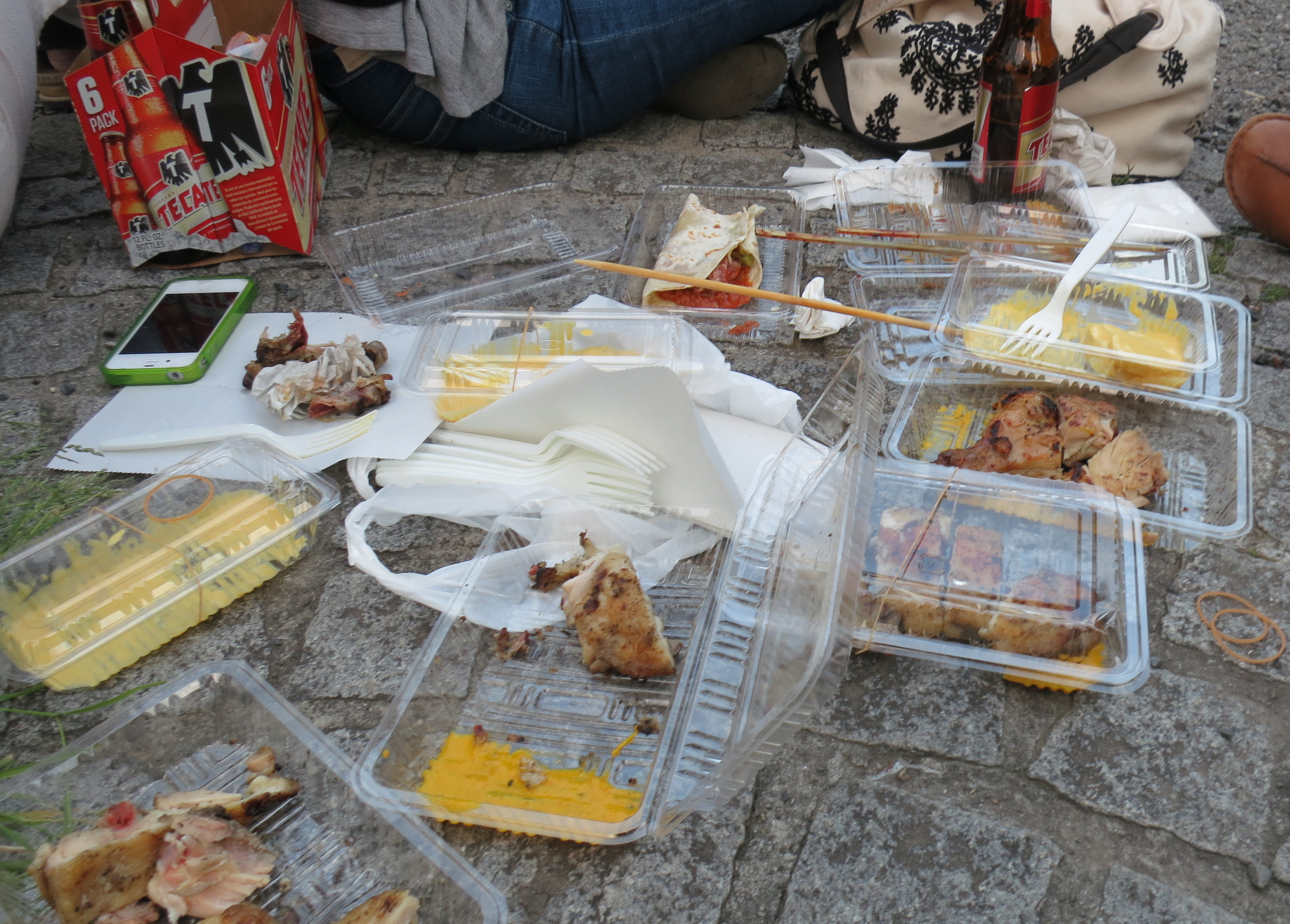
My first day in the city, Junko said, “It’s Golden Week and today is Cinco de Mayo! Come celebrate with us.” It wasn’t actually May 5th, but since that day was national Children’s Day, the Latin American community of Tokyo threw their Cinco de Mayo party a few days early. The festival took place right next to Harajuku, a central location perfect for a concert stage and food stalls. I joined Junko, her daughter, and their friends at the festival, where we ate chicken and tamales and listened to a Mexican pop star belt out power ballads and dance numbers.

At the Tokyo Cinco de Mayo 2013 Fiesta
At the Tokyo Cinco de Mayo 2013 Fiesta

Food ranging from tasty to intensely spicy

Food ranging from tasty to intensely spicy

The kids, all between three and seven years old, were gorgeous and funny, playing on a skateboard, kicking around a soccer ball, and entreating two strangers to swing them around by their arms. It was such fun, and it was also the perfect place to see how cosmopolitan Tokyo is. I saw the first black people I’d seen the whole time I’d been in the country, and I heard English, Japanese, German, French, and several other languages I didn’t recognize.

It's not a great photo, but this girl was so happy dancing up there on the stage

It’s not a great photo, but this girl was so happy dancing up there on the stage

The Cinco de Mayo fest is used as a pan-Latin American celebration here, rather than solely a Mexican event. There are apparently a lot of Japanese people with connections to Latin America and Spain. Junko and her friends are some of these. Junko went to college in Washington and spent a semester in Mexico. She loved it so much that she moved there after graduation, and stayed seven years. She moved back to Tokyo to raise her daughter, Carmen, and she works for the American Embassy. One of her friends, Susanna, was born and raised in Venezuela by Japanese parents; she and her Venezuelan husband are raising their two adorable kids in Tokyo. Another friend, Japanese, married a Spanish man, and their son wanted to show me how he’s going to be a soccer star. Everyone there, including the kids, spoke at least Japanese and Spanish, and most of them spoke English as well. I was so impressed by their language skills and the community they’d built together.

Junko and Eiko were both amazing women, smart and loud and funny. They shared with me how it was sometimes difficult to live as loud, strong-willed women in Japan. But they both insist on living their lives as they please, not dimming their personalities to meet any societal expectations, and they seem to have a lot of fun in the meantime. I admire them immensely. Also, their kids were really cute.
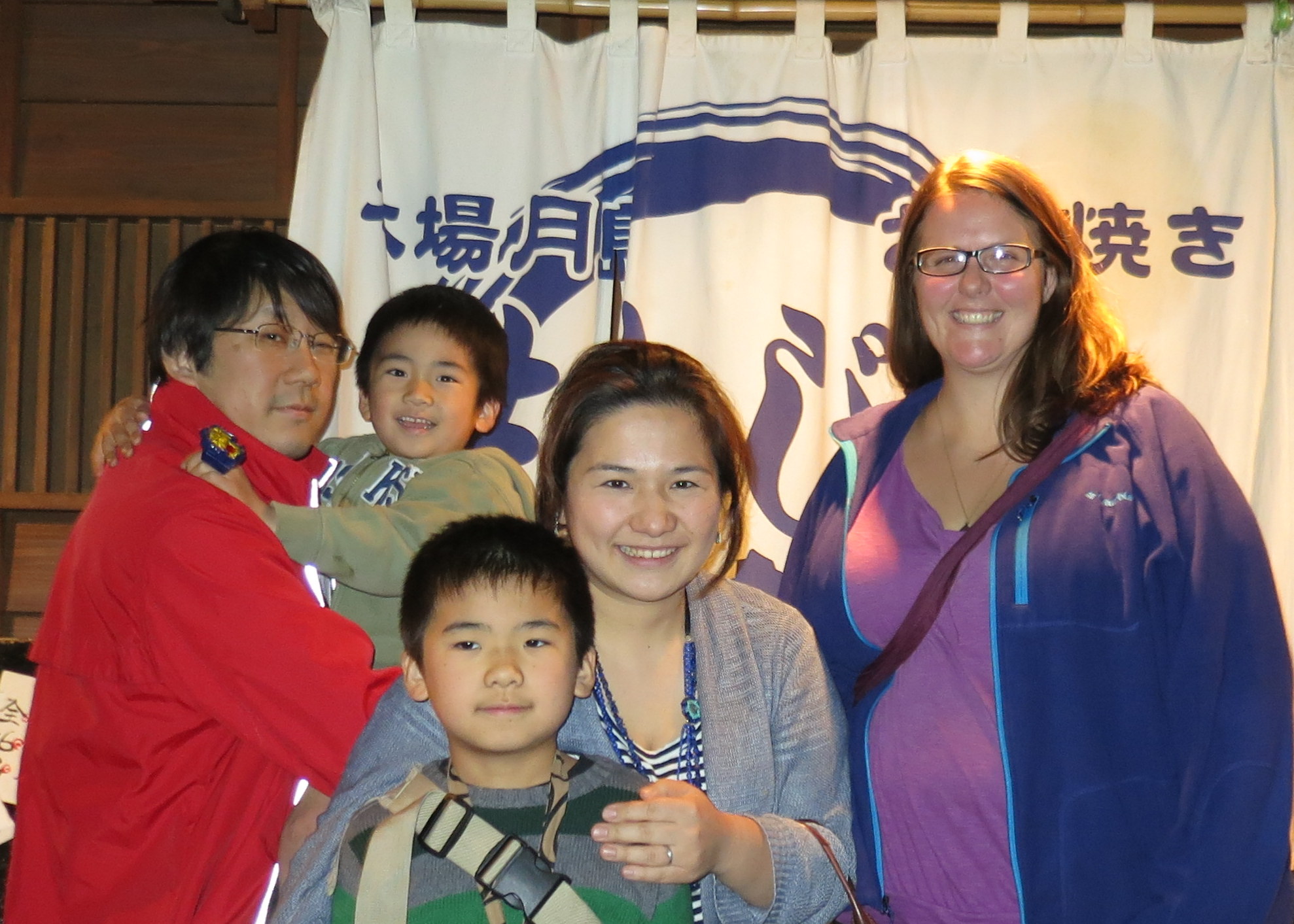
With Eiko and family in Kawagoe

With Eiko and family in Kawagoe

After the Cinco de Mayo fest, we all went back to Junko’s house, where Eiko and her kids were waiting for us. Eiko took over the kitchen and turned out several delicious dishes, all the kids played together, and the women graciously spoke English often so that I could be included in their conversation. They were a fun group of women. It was a great first night in Tokyo.

Carmen's grabbing for the camera and her thumb's in the way

Carmen’s grabbing for the camera and her thumb’s in the way

A couple days later, Junko took Carmen and me to meet up with yet another international friend (Japanese, moving to Angola to teach Spanish for a year). We went to the park behind the Meiji Jingu shrine, a sprawling grassy area spilling down to a little pond. Junko was proud to show us the park, which her friend had never heard of, despite living in Tokyo for years. It was a secret hidden in one of the most popular tourist destinations in the city, Junko said. We had a picnic of sushi and frittata, and Carmen ran a kite around the park in adorable, energetic fashion.
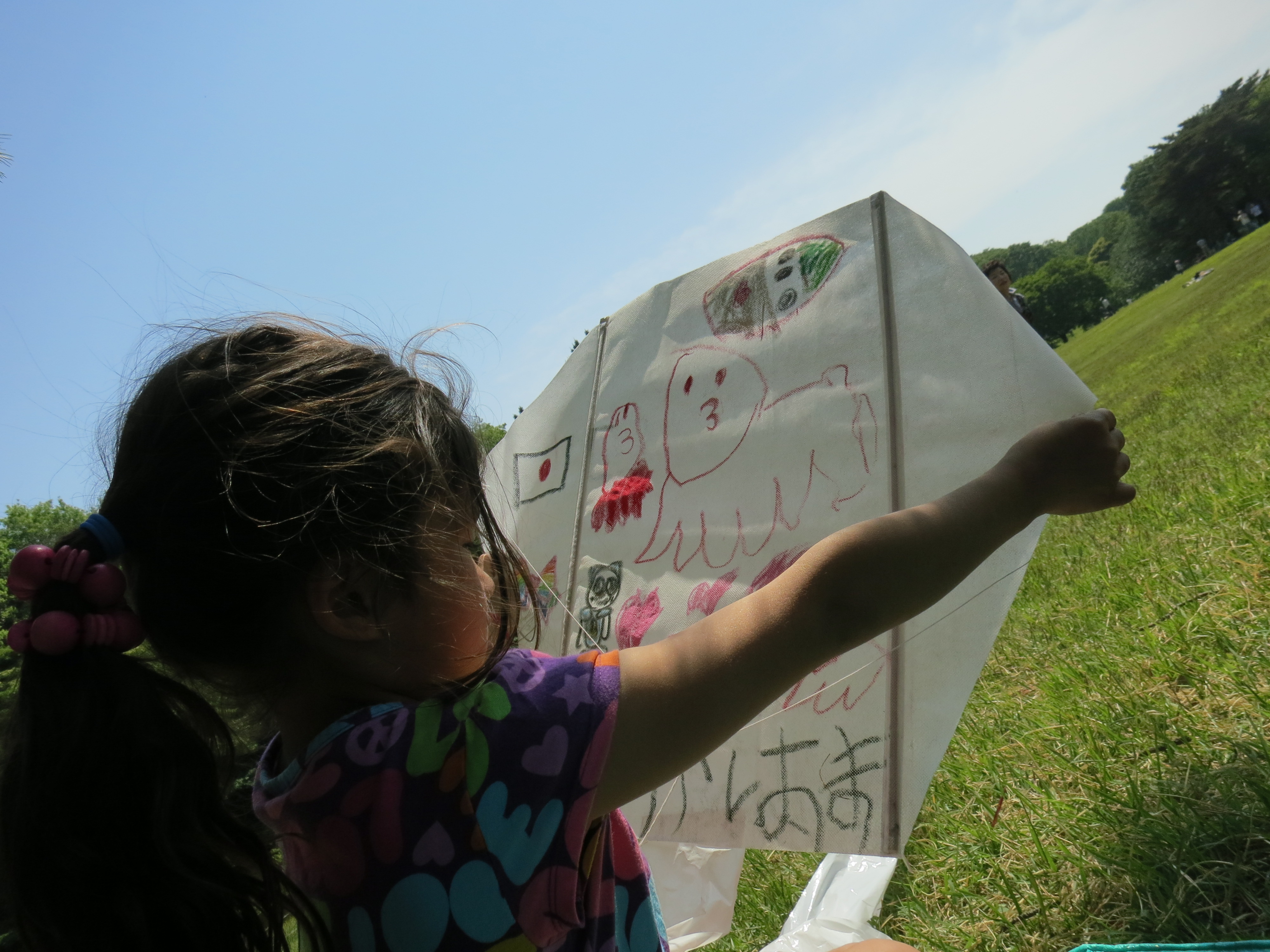
Carmen decorated the kite herself
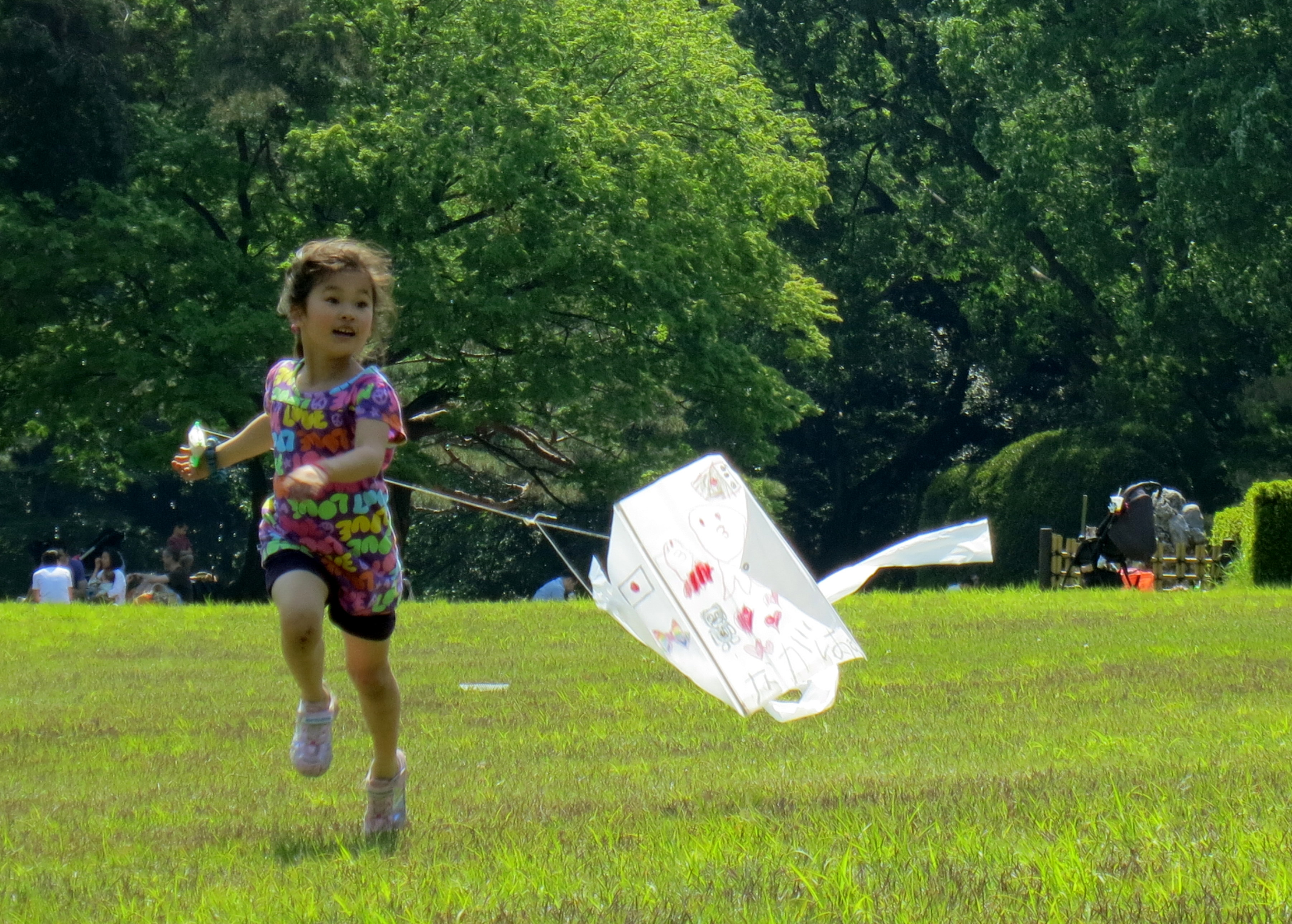
Carmen decorated the kite herself

Doesn't this just make you love kids, and kites, and life?

Doesn’t this just make you love kids, and kites, and life?

It took Carmen a day or two to warm up to me, but by my last day in town, she was hugging me and pulling on my arm to show me something she’d built or written. In the manner of seven-year-olds everywhere, she took great pride in showing me how to do the simple routines of her household, and we had a lot of laughs over putting stickers in funny places.
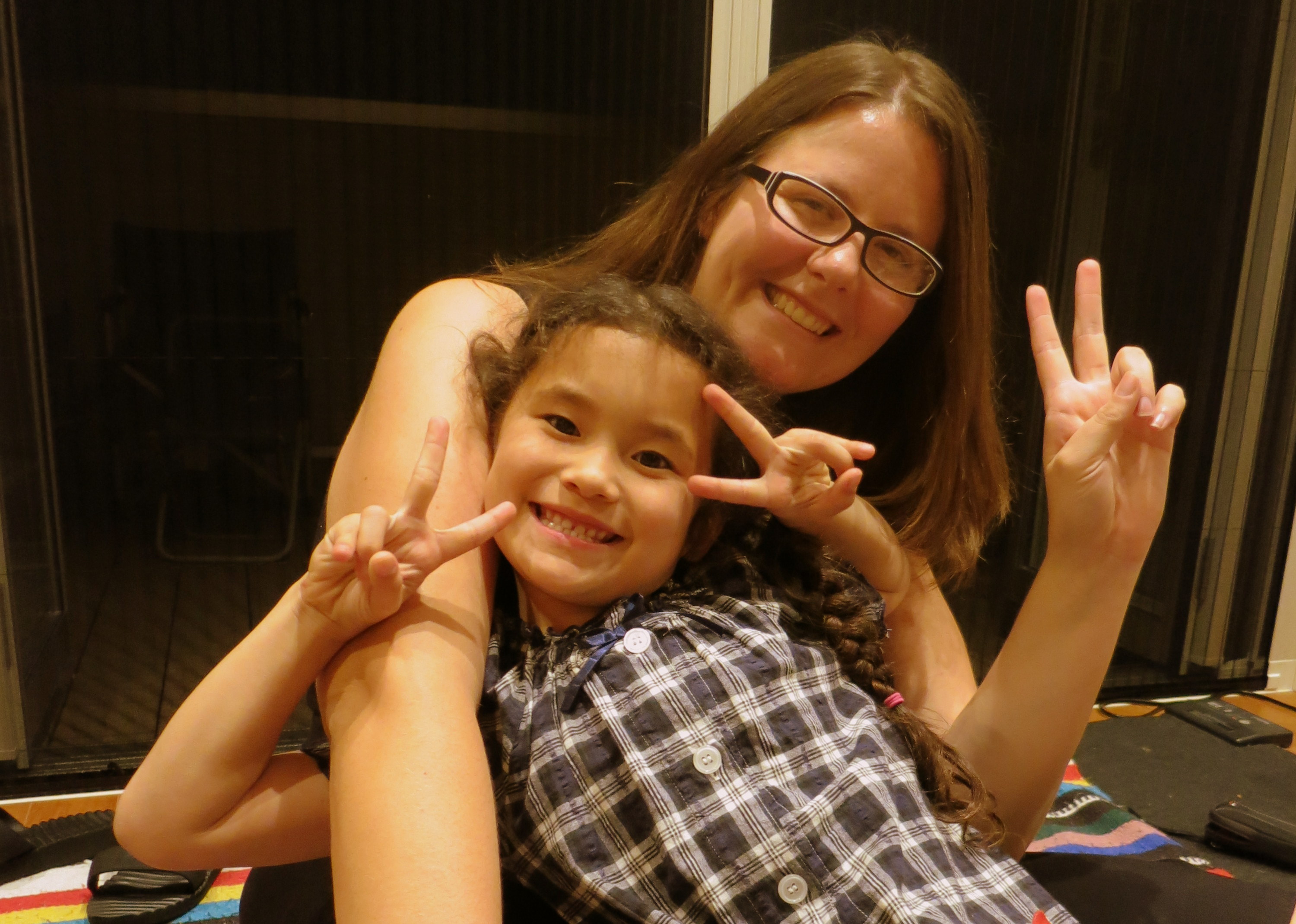
Carmen's only seven, but she already knows to flash peace signs in every photo

Carmen’s only seven, but she already knows to flash peace signs in every photo

Junko also fed me every day for the five days I was there, drove me to the kabuki theater and the boat that took me to Kaminarimon Gate, told me about the Lost in Translation karaoke room, and directed me to an amazing night view of Tokyo. She gave me a driving tour of the city one day, and talked with me about my dreams for the future. She gave me my own room to sleep in, a key to her home, and an invitation to come back any time. All this, and she’d had two days’ warning from Eiko before I showed up on her doorstep. I experienced Tokyo as a temporary member of Junko and Carmen’s family during busy Golden Week, and I wouldn’t have wanted to do it any other way. I can only strive to be as generous when I host in the future. Arigato!
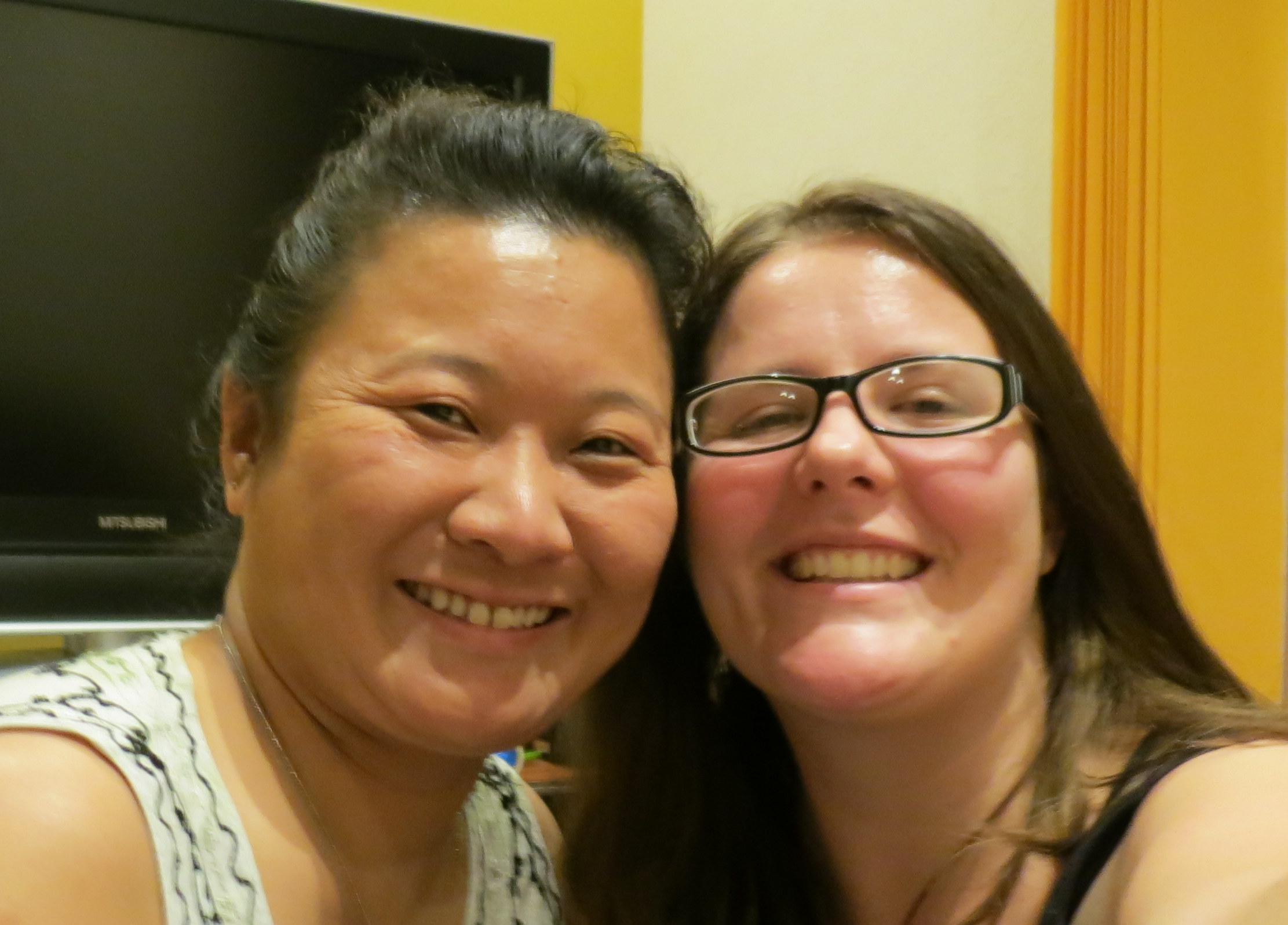
Junko and me
Junko and me

Tea with Kazumi: A New Friend in Hirosaki

On my second day in Hirosaki, I looked at more cherry blossoms and some non-sakura things in town, and I made a new friend. The city itself isn’t much; it’s a modern Japanese town, clean and neat but not architecturally interesting. I walked back to my Couchsurfing hosts’ home from the castle a couple times, but most of the time I made the two-mile trip on a shuttle bus from the castle’s east gate to the train station’s front doors, a $1 one-way trip set up specially for domestic and international tourists in town for the sakura.

Hello, flowers!

Hello, flowers!

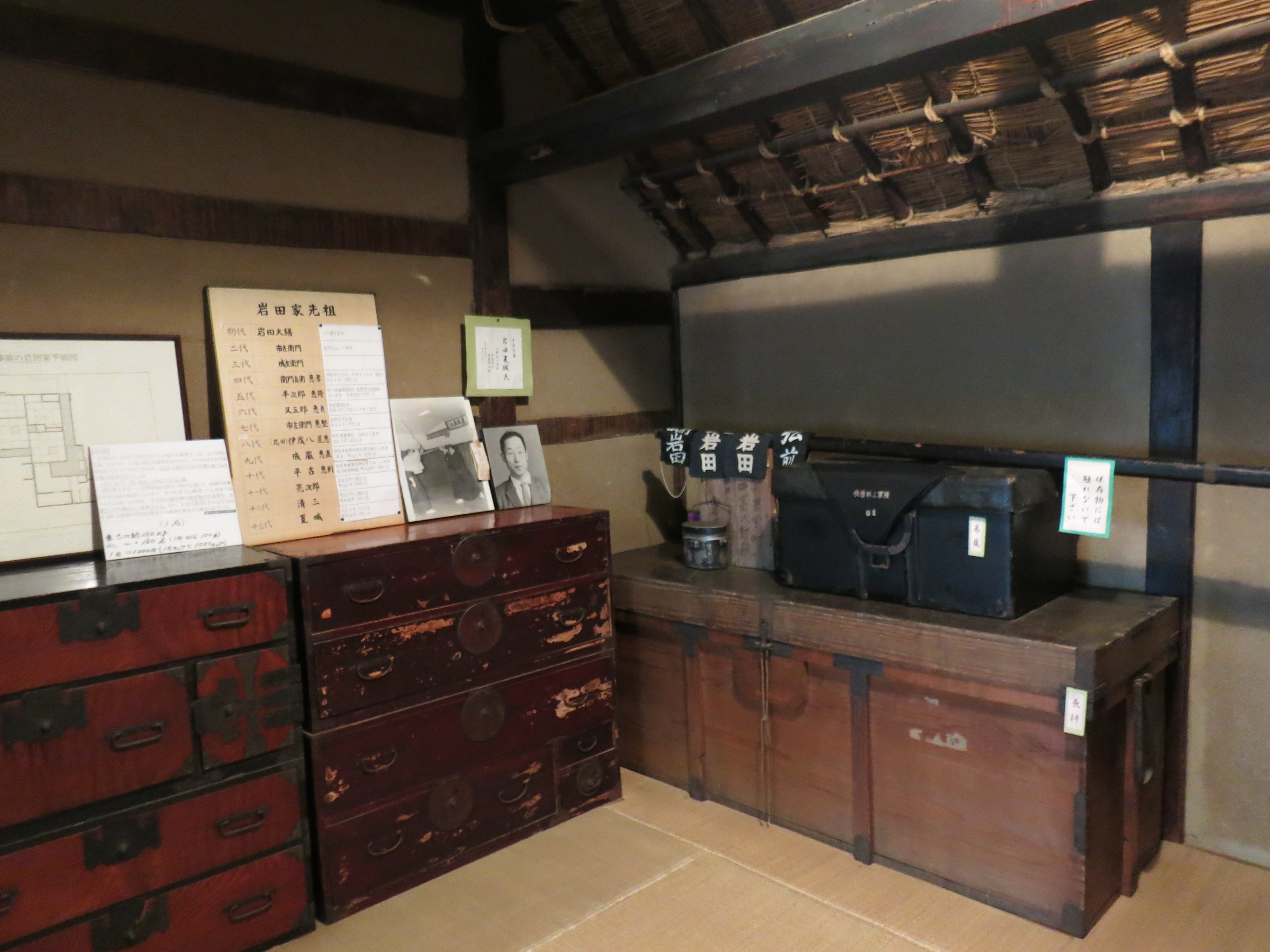
One part of town used to be known for indigo dyes, and some of that work is still done here, so I walked to the indigo shop by the northern castle wall. Everything was a little pricey for me, but I did admire the deep blues and near purples of the dyed cloths. Then I took a side road to the streets behind, which my map claimed were lined with Edo-period samurai houses. I had trouble finding any, but finally stumbled upon one. I found it similar in layout to the Shirotas’ home in Shinrin-koen, set in an elaborate little garden. I apologized to a middle-aged Japanese woman who wanted to get past me on her way out of the house, but when she heard me speak in English, she struck up a conversation.

In the indigo dye shop

In the indigo dye shop

The samurai house

The samurai house

Some of the treasures of the house

Some of the treasures of the house

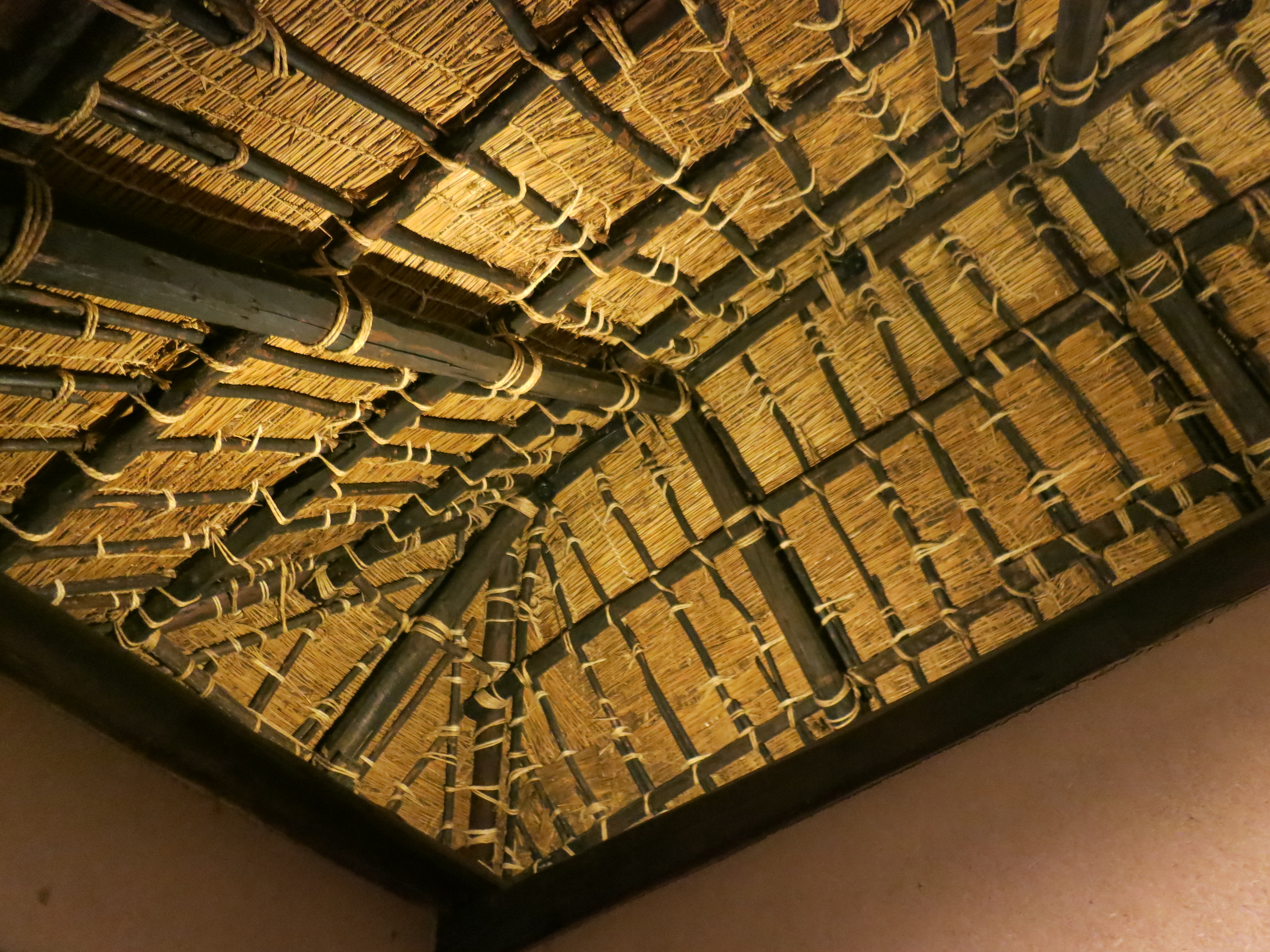
Thatched roof

Thatched roof

Her name was Kazumi, and she wanted to chat with me and show me the town. She lived close to Tokyo, but was visiting a friend here. Her friend was busy during the day, so she was taking in the sakura, although she was disappointed by how few trees were in bloom. She  insisted I walk to the other side of the castle with her to look at a certain garden, and I was happy to comply.

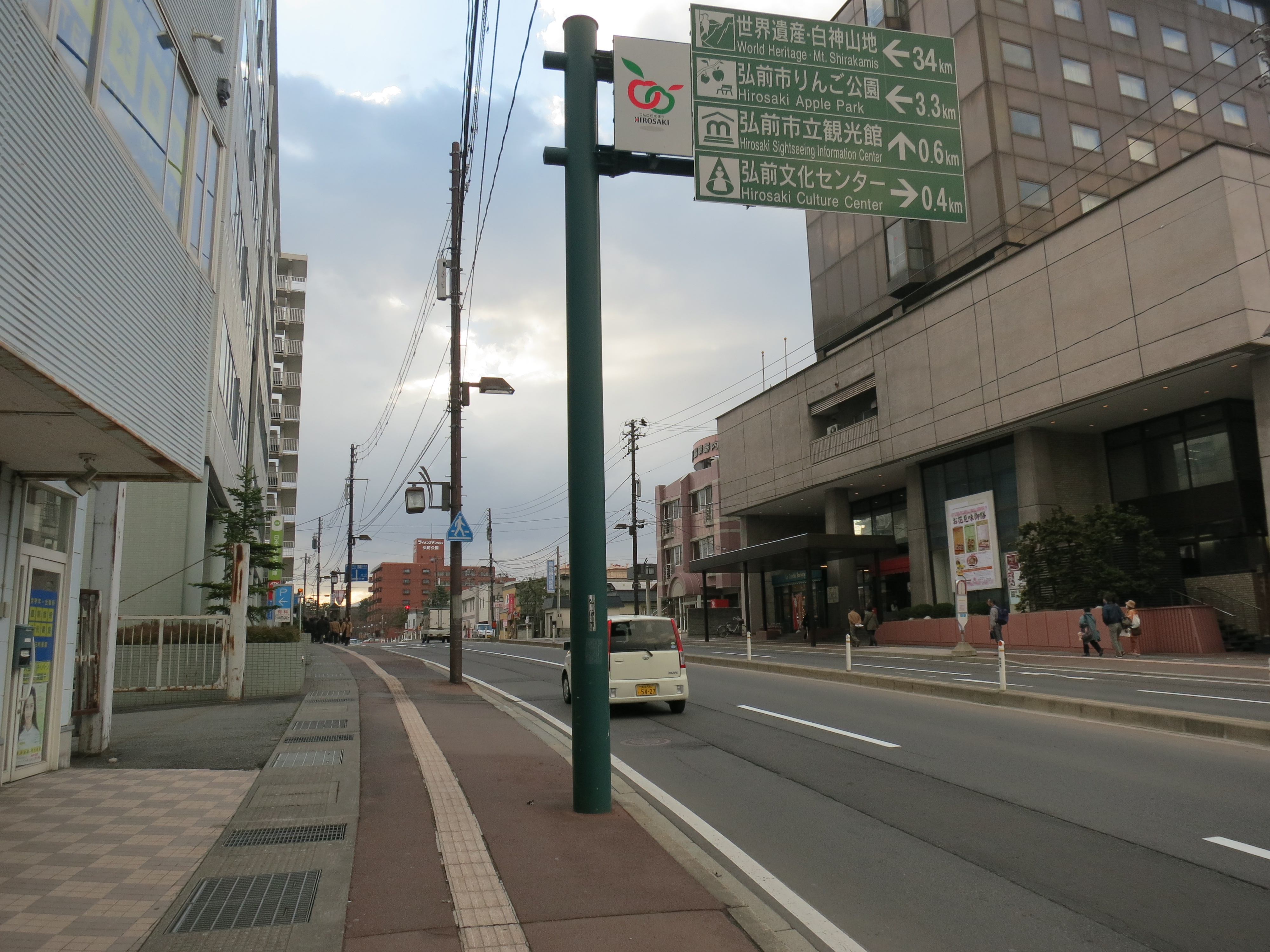
The clean, uninteresting streets of the non-castle part of town

The clean, uninteresting streets of the non-castle part of town

Kazumi is married and has one grown child. Her husband travels a lot for business, and he used to take her with him on trips. She’d found it difficult to understand tour guides, and her husband had urged her to learn English, but she’d resisted. Then, twelve years ago, at the age of 49, she decided she wanted to learn, and here she was, a few idioms away from fluency. I was impressed, and once again embarrassed by my pathetic “I find learning languages difficult” excuse for my mono-linguistic ways.

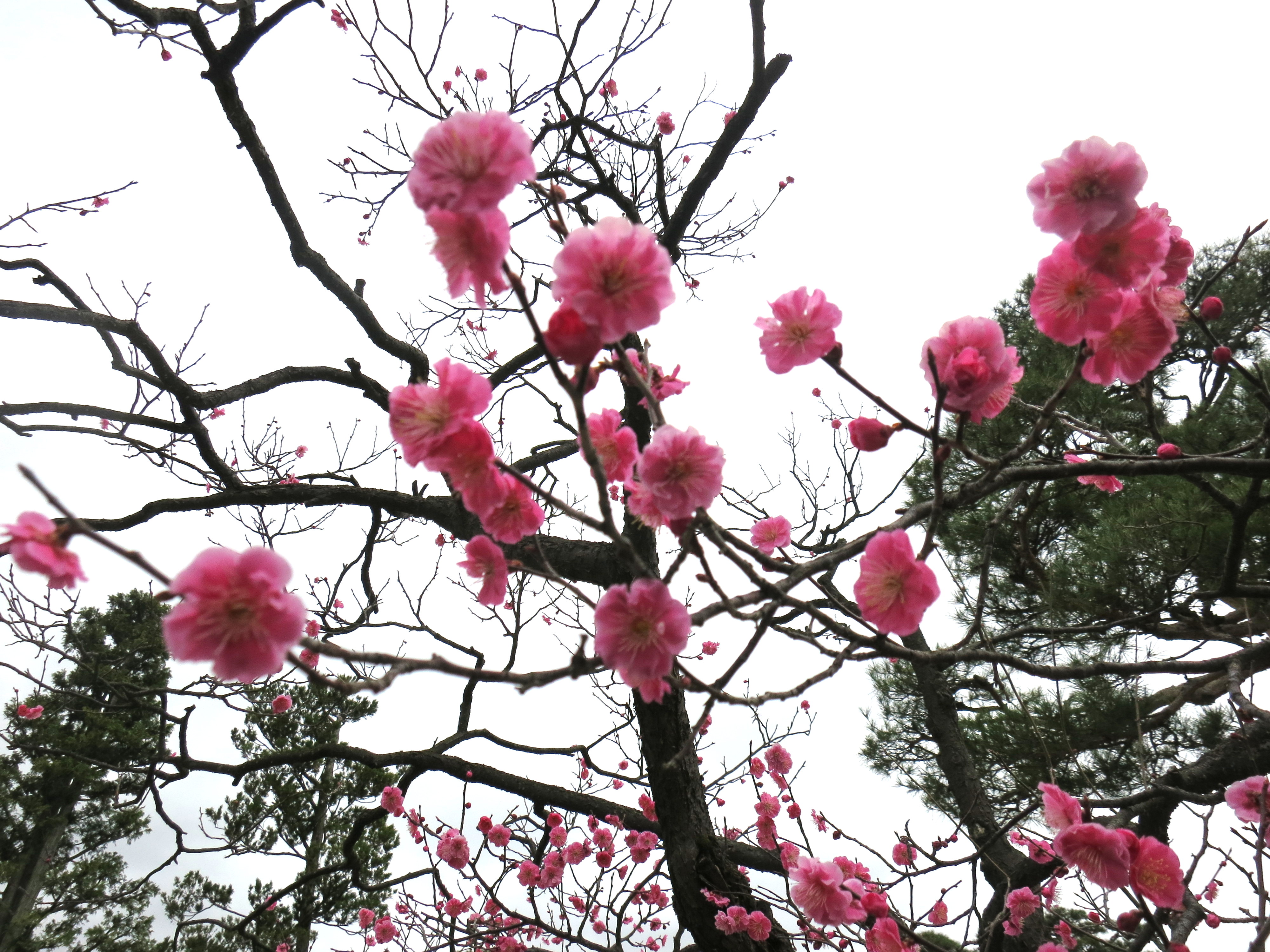
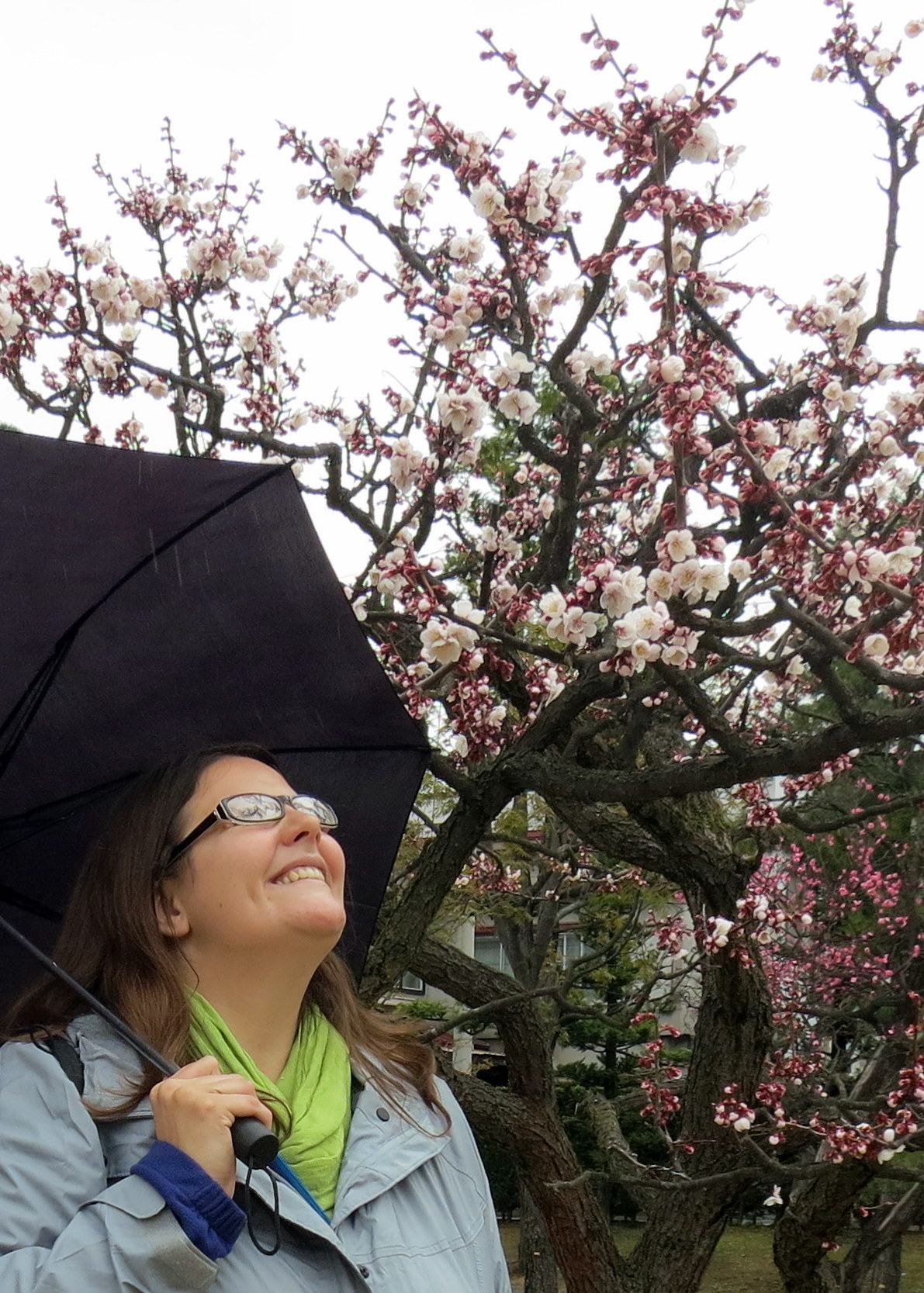
Plum blossoms

Plum blossoms

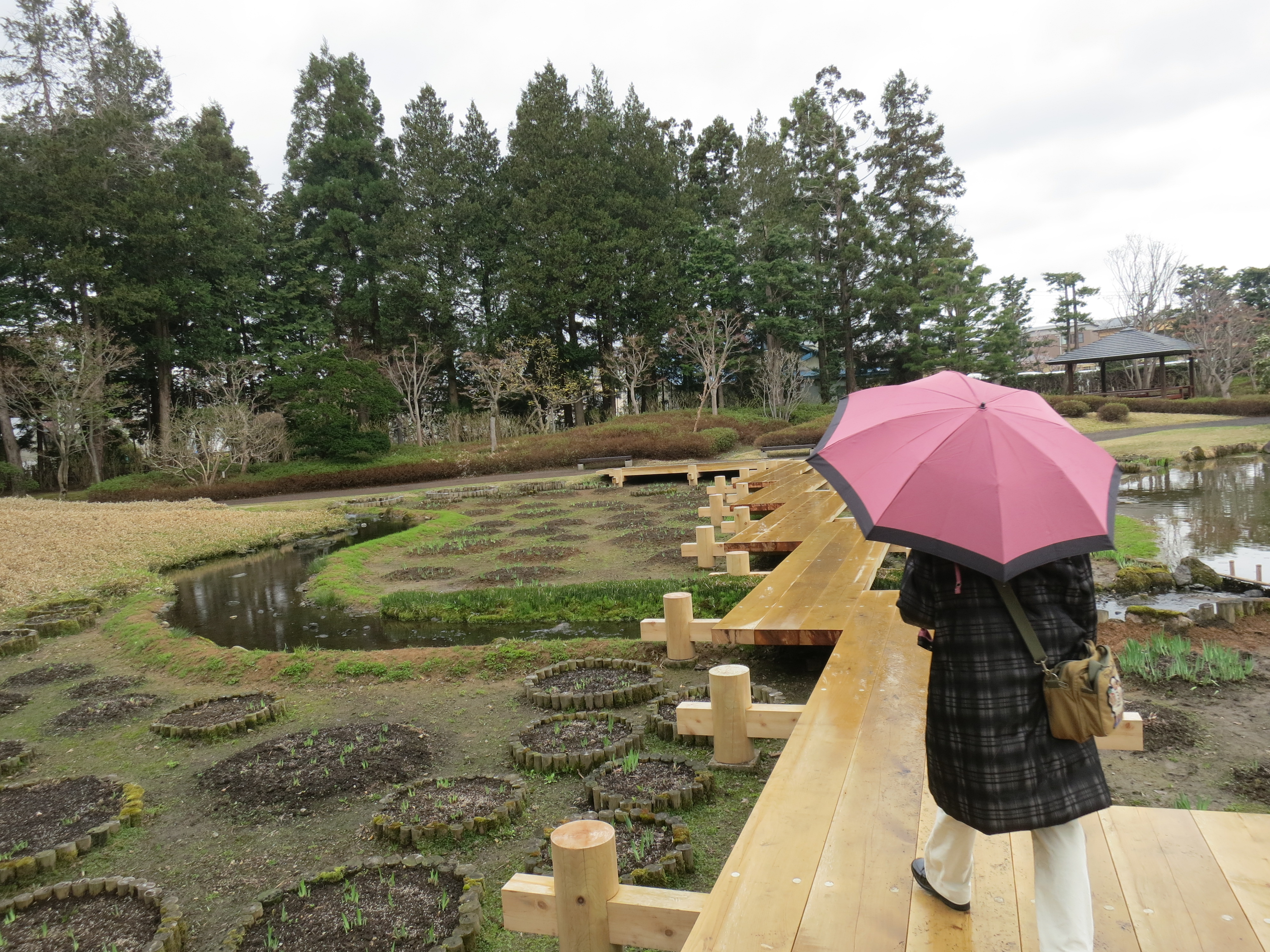
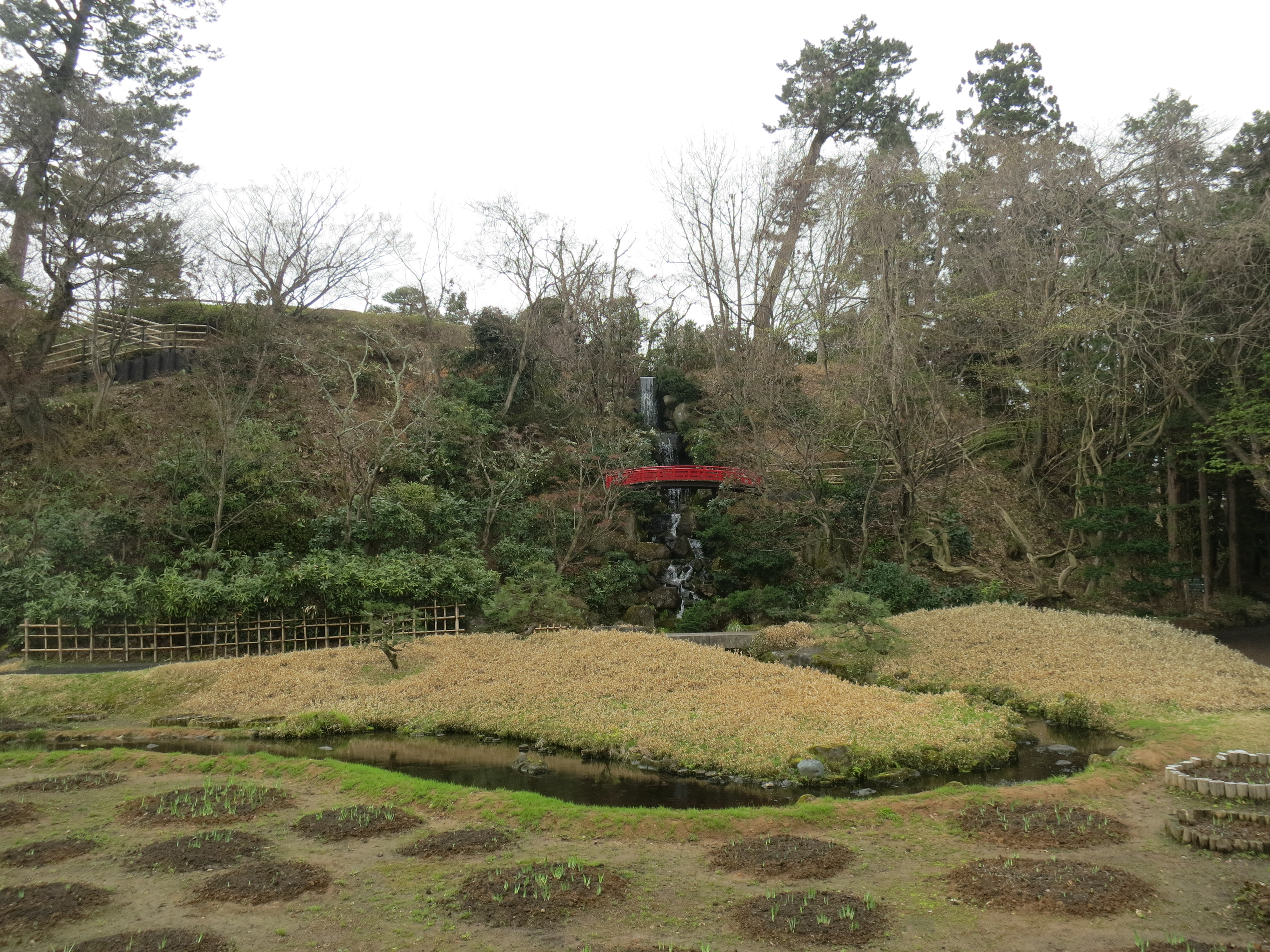
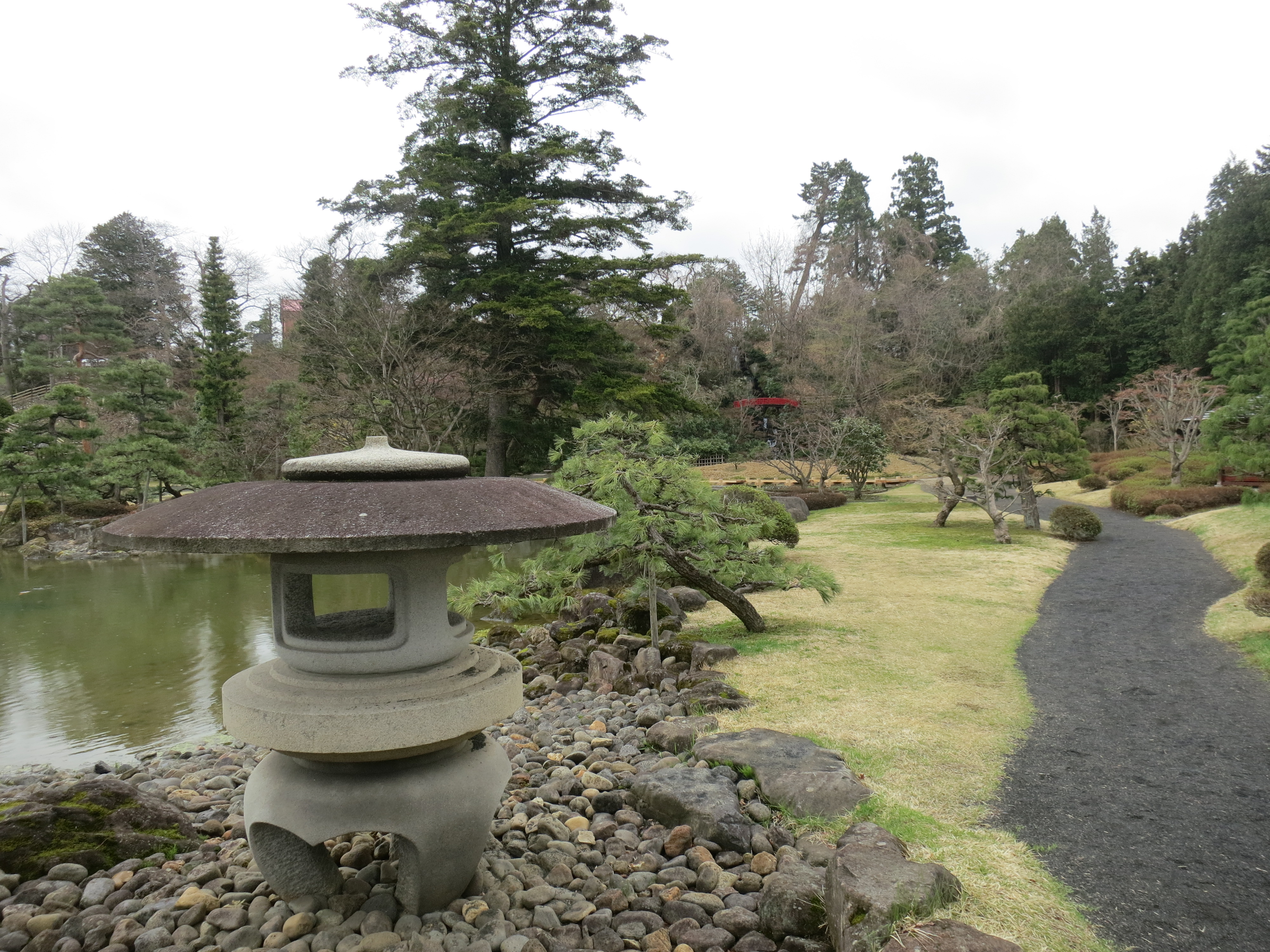
The garden she took me to was Fujita Memorial Garden, south of the castle. It was beautifully conceived, another meticulously laid out, peaceful place with a little waterfall and a red bridge (like all the red bridges around the castle) and a koi pond. I could see how it would be glorious in summer. Kazumi told me about the different plants I was seeing, including the plum trees in bloom. Usually, the plum trees bloom in early March, before the cherry trees, but because it’s colder than usual this spring, some plum trees were still in bloom while the cherry trees were just peeking out. The plum blossoms were a bright and beautiful pink, a lovely contrast to the white and pale pink of the cherry trees.

Following Kazumi, who set a fairly brisk pace

Following Kazumi through Fujita Memorial Garden. Kazumi set a fairly brisk pace.

hirosaki hirosaki

One of the many plants Kazumi identified for me. I can't remember its name, but I know it's a mountain flower native to Japan.

One of the many plants Kazumi identified for me. I can’t remember its name, but I know it’s a mountain flower native to Japan.

The castle grounds and surrounding areas were dotted with signs like this. Apparently, there's a popular TV melodrama with scenes set here, and the signs showed exactly where they were, so you could re-enact them or at least pay your respects.

The castle grounds and surrounding areas were dotted with signs like this. Apparently, there’s a popular TV melodrama with scenes set here, and the signs showed exactly where they were, so you could re-enact them or just point excitedly.

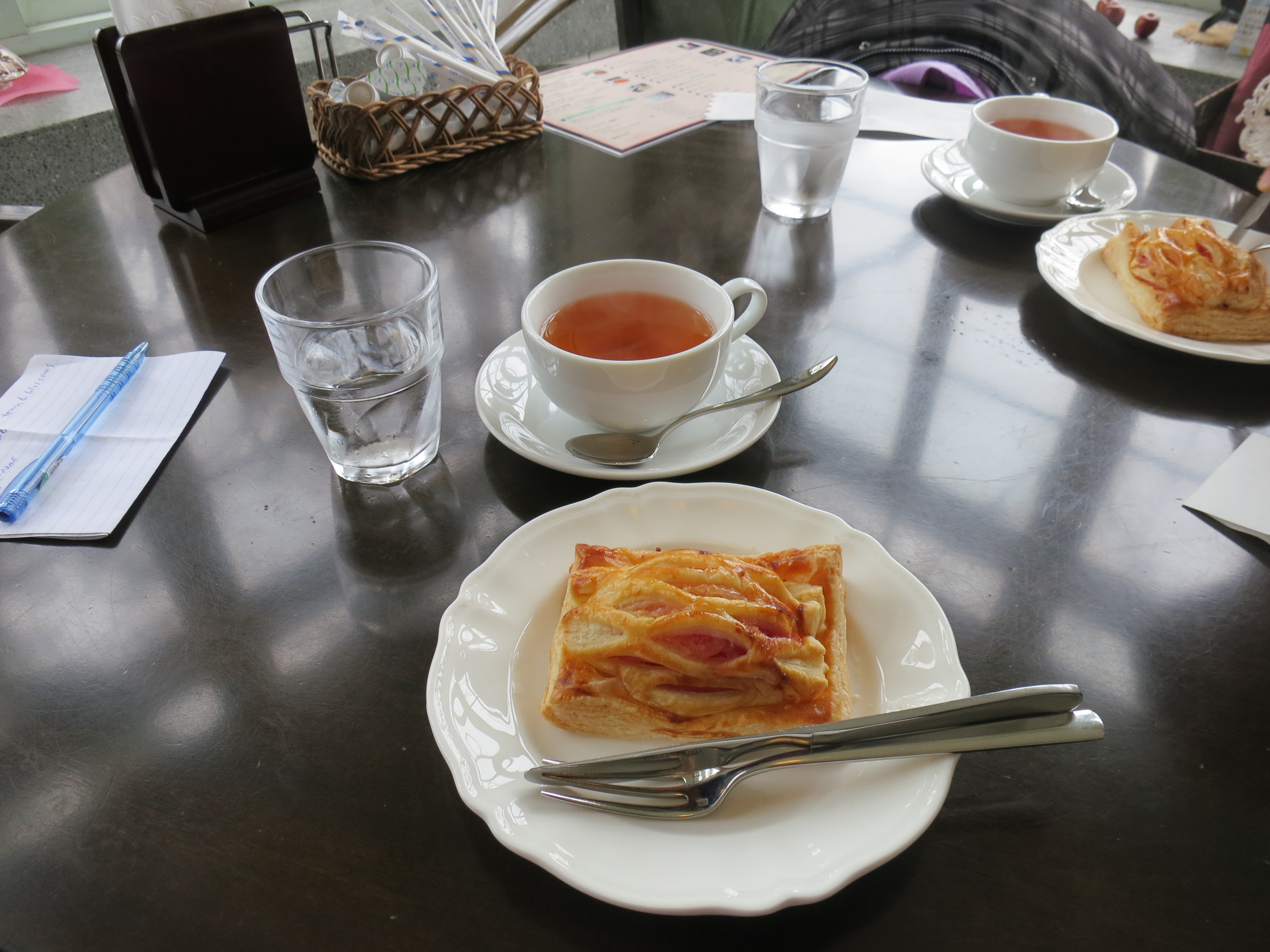
After we’d walked around the garden, Kazumi treated me to tea. We went to the little tea room overlooking a large weeping cherry tree and sat at a table laid with a white tablecloth. Kazumi ordered for us both: apple tea and an apple tart each. Hirosaki produces a lot of Fuji apples, and it becomes a tourist destination again in autumn, when apples are in season (and again in winter, when the nearby mountain is taken over by skiers and snowboarders). There was a live xylophone concert in the room next door, which we couldn’t see, only hear. We sat in a glassed-off porch, talking quietly about our travels, while a round, ringing sound reverberated throughout the room. It was lovely.

Apple tea & tart

Apple tea & tart

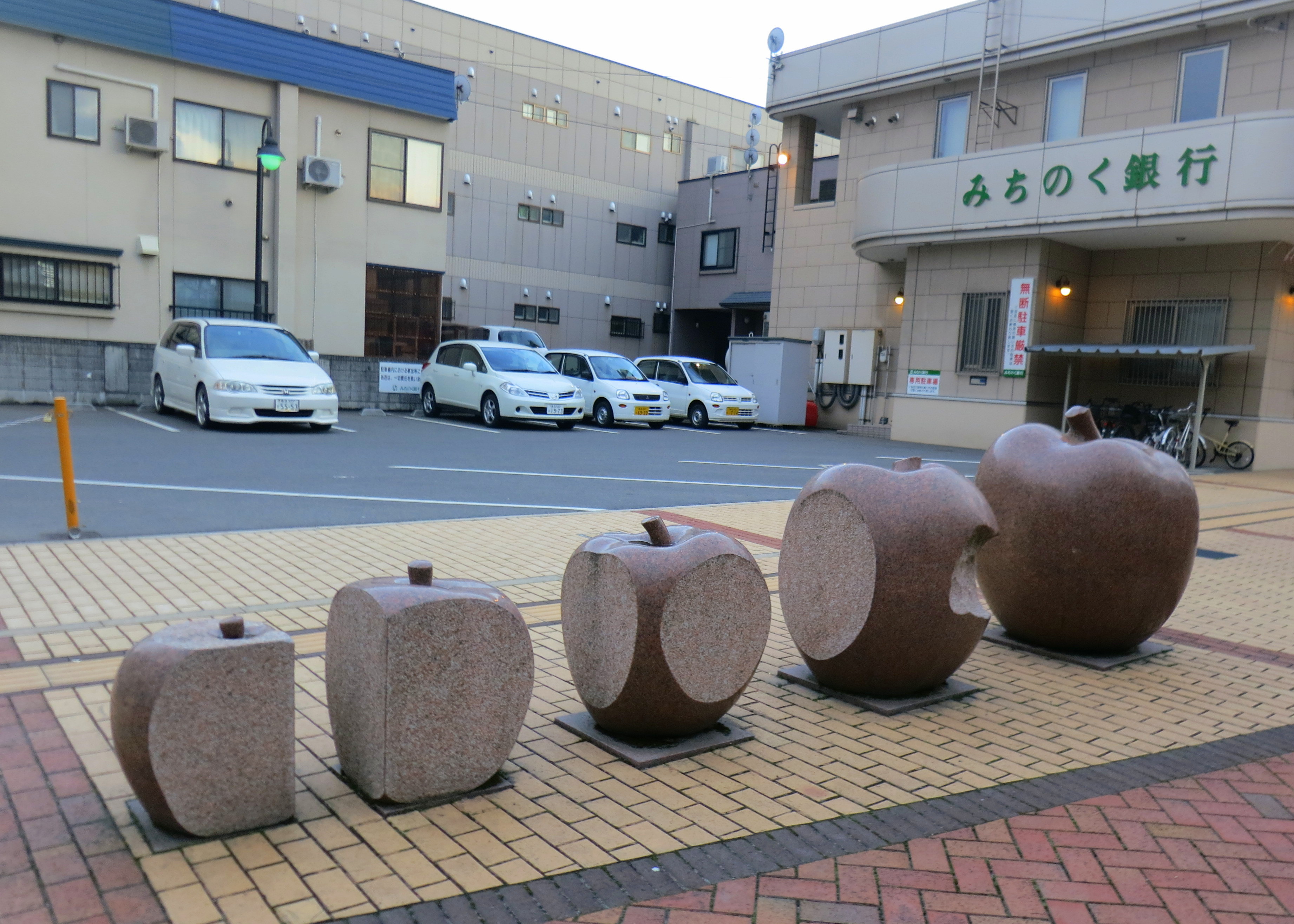
Apples are so important that they're made into public art

Apples are so important that they’re made into public art

Kazumi was clearly a kind, generous person, but she also had clear ideas of how things should be, and she was eager to share those ideas; she had opinions on almost every arrangement of plants in the garden, and everything she said came with a note of authority. One of the first things she said to me, when we met at the samurai house, was, “This is just a middle or lower class samurai house, not very high.” It might be because she’s rich–she inherited three houses from her mother and her husband bought two more, and she goes to a Thai villa every spring for a vacation. Or it might be a cultural difference that I didn’t pick up from the other Japanese people I met. Either way, I didn’t necessarily agree with her on everything she said, or understand where she was coming from, but it didn’t matter. We were two women, fond of beautiful gardens and meeting new people, sharing tea and apple tarts in a room echoing with music.

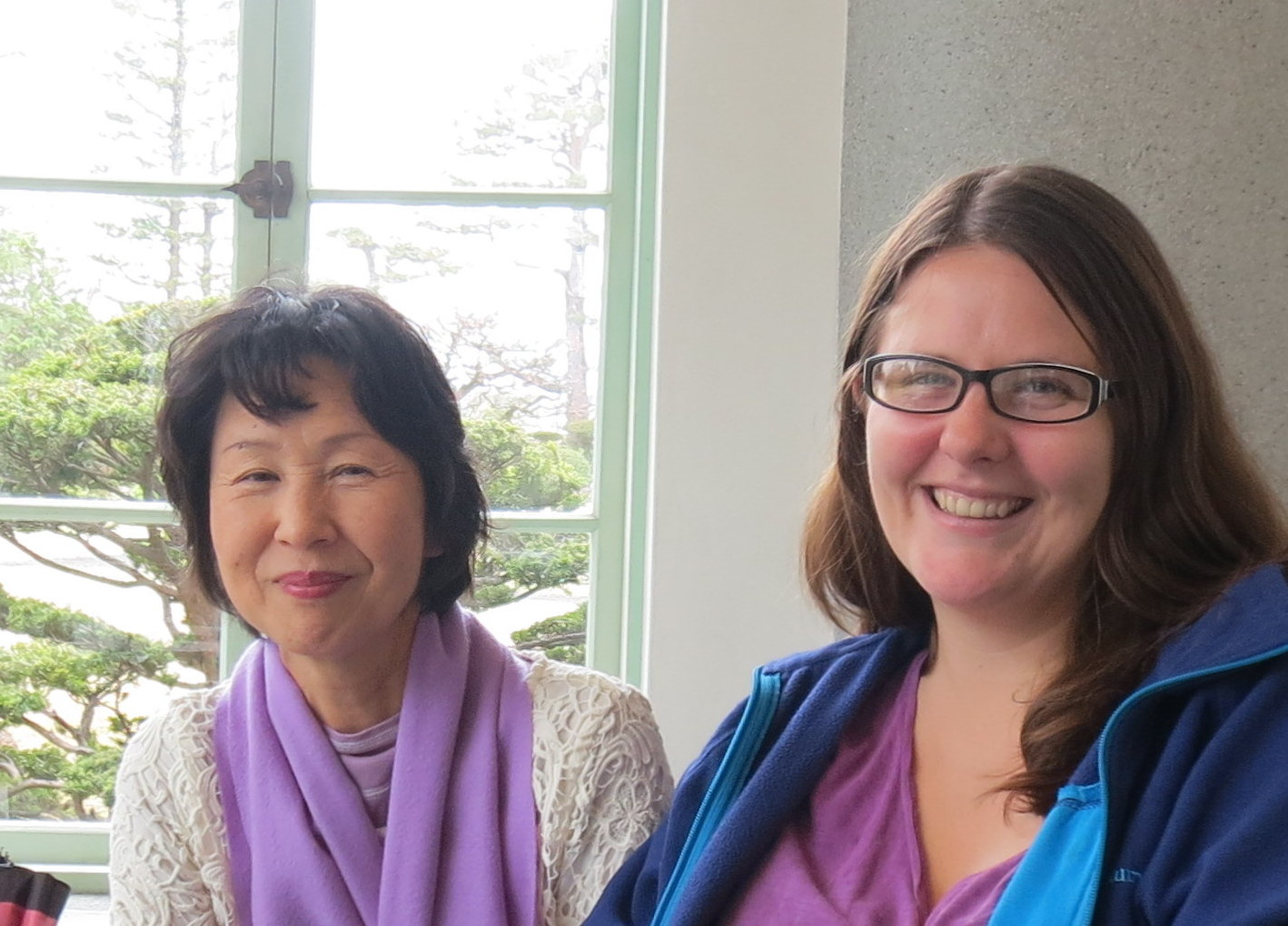
Kazumi and me in the tea room

Kazumi and me in the tea room

A Different Kind of Lunch Break

One of my favorite memories of the temples of Angkor doesn’t involve the temples at all–it involves a sticky plastic seat, a table in the shade, and two hours of conversation. After a morning at a couple temples, I took my driver’s advice and ate at the little restaurant across from Banteay Samre.

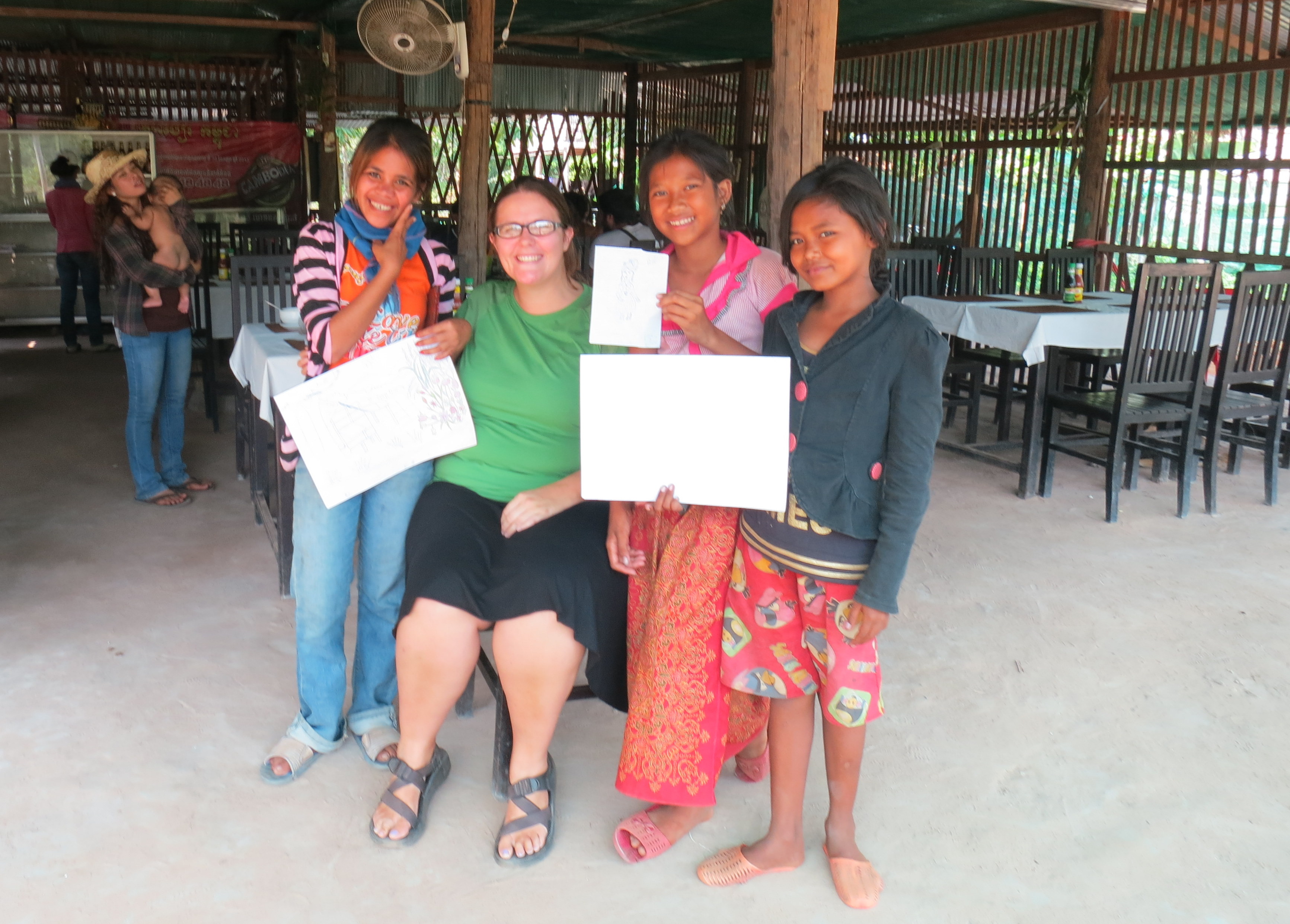
My My, Jo, and Tui show off their drawings

My My, Jo, and Tui show off their drawings

Two teenage girls took my order, and their mother brought out a delicious fish amok soup. One of the girls disappeared in the back with her mother, but the other one stayed out with me and chatted. My My, as she introduced herself, was sweet and silly, giggling after every sentence. Her friends, Jo and Tui, joined us, and they talked with me about school–which they sometimes go to and sometimes skip–and boys–one of My My’s friends, age 15 like her, has just had a baby. Tui’s English was almost perfect, but Jo and My My were able to hold a conversation just fine as well. I brought out a packet of coconut crackers and handed them around for everyone to share.

Fish amok soup--so good

Fish amok soup–so good

But as with nearly all the friendly conversations I had with locals throughout Southeast Asia, I felt an undercurrent of discomfort because the income inequality was always so evident. All three girls were trying to sell me something over lunch; My My had bottles of water and Tui had little ornaments. For me, the two hours we spent talking over my soup were a midday break, a relaxing lunch, but they were still on the clock. Every so often, one of the girls would break into the conversation with “Buy this one, just one, please help”; Tui, especially, was persistent. I didn’t buy anything til I was leaving, at which point I bought a water from each of them. They were very clear that buying just one water would only help that one girl; is there a system of quotas going on? I’m not sure if I shouldn’t have bought a lot more things, or overpaid by a lot, or if that would contribute to their staying out of school even more often, or what. Not sure what the Good Tourist move was.

But before I bought the waters, My My ran into the back and came out with large pieces of paper. I loaned them my pens, and each girl drew a picture, which they then gave to me to keep. I played several games of tic-tac-toe with Jo and My My showed me how to write her name in Khmer script. They teased me about not having a boyfriend and turned shyly away when I asked them if they had boyfriends. We took a photo before I left, and My My shouted my name as I got into the back of the tuk-tuk and the driver headed down the road.

My favorite lunch in Cambodia

My favorite lunch spot in Cambodia

I was a walking wallet but also a source of fun for them. To me, they were an intimidating reminder of how much I have and how much others don’t have, and also lovely individuals with personalities I can clearly remember now, months later. I hope we were something good to each other and that they had as much fun as I did laughing over soup and crackers.