Bletchley Park would probably be just another stately home in Buckinghamshire, except that it happened to be the codebreaking hub for the British government during World War II. Apparently, when they broke the Germans’ Enigma code and could then spy on German communiques, they shortened the war by a couple years. For years after the war, everything about the place was secret–what really went on there, who worked there, etc.–but now the records have been unsealed and the park is open to the public.

Some of the many machines used for codebreaking at Bletchley
The mansion is surprisingly empty, or I suppose not so surprisingly when you consider that it’s hired out for events and they need the space. The interesting stuff is all in the surrounding “huts,” one- and two-story concrete buildings that adjoin the mansion. The museum starts you off with a few rooms showing what life was like at the start the war. Walking through this section, past a reconstructed middle-class kitchen and a schoolroom full of tiny wooden desks, my siblings and I listened to my grandmother talk about daily life back then; she was six years old when the war started.

A massive codebreaking machine
Downstairs, you can see a bombe, the machine that broke Enigma (brainy people figured out what kind of pattern they were looking for, and then they built this machine to do the tedious work of sorting it all out on each message that came through). There were some explanations of how the bombe worked, and what a difference it made to work with four code digits versus five. This kind of code working was all important groundwork for computers, too.
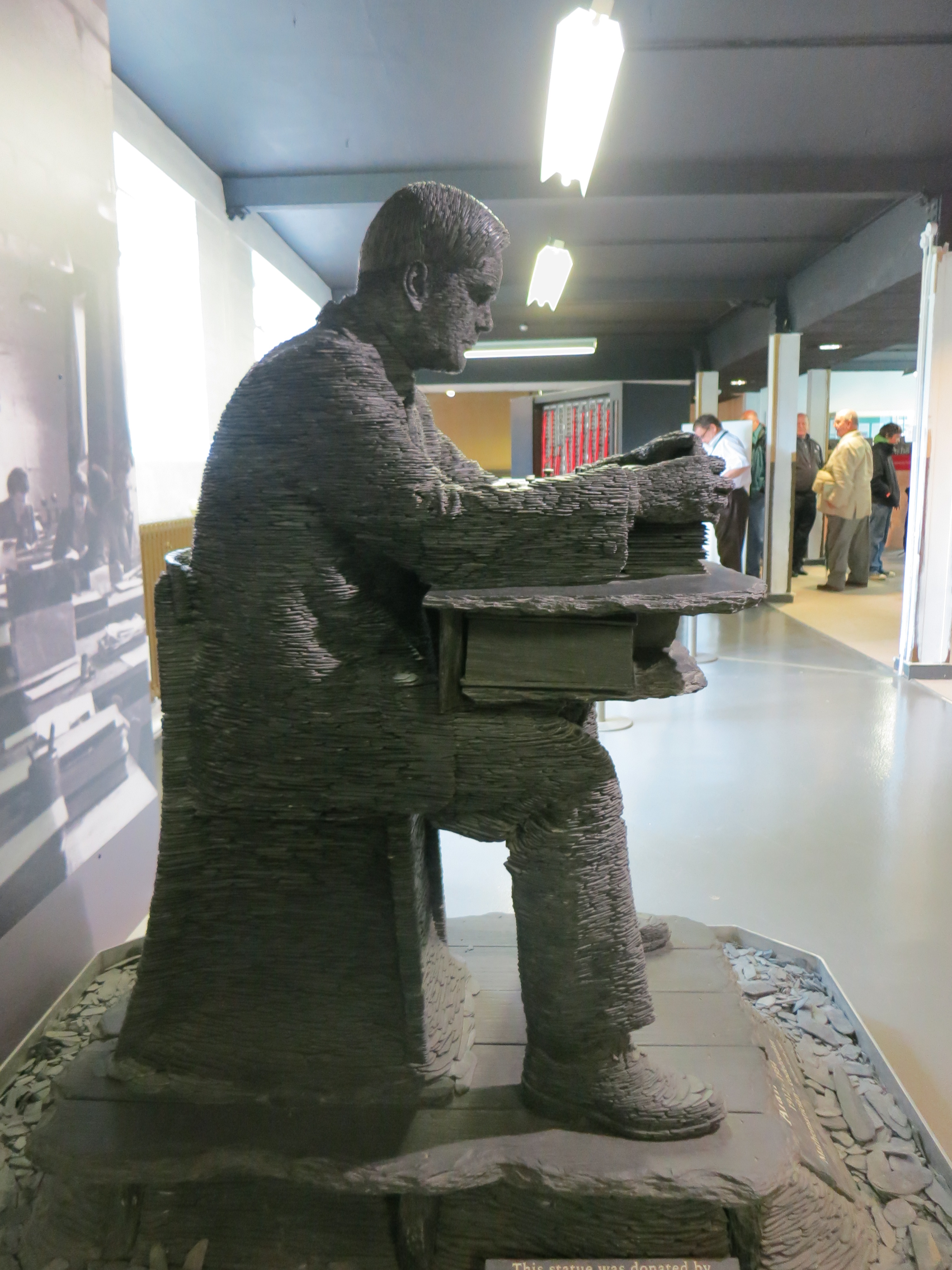
Stephen Kettle’s slate statue of Alan Turing at work
Alan Turing, a major figure in computer science, had a position at Bletchley, and he was one of the key people to break the big codes. He did more computing work after the war, but then in 1952 he was convicted of the criminal activity of homosexuality. He had to choose between prison and chemical castration, and he chose the latter. He died two years later from cyanide poisoning (the official ruling was suicide, but due to the chemicals he worked with, it could have been accidental). How completely messed up is that? It took until 2009 for the British government to officially apologize for Turing’s prosecution, and until 2013 for the Queen to posthumously pardon him. Pardon him for being gay, that is. There’s a plaque about Turing’s postwar career and death in the museum, and cool slate sculpture of him that makes me think of bits of code stacked up to make his body hunched over a typewriter.

Some of the many files the codebreakers worked with
Most of the people working at Bletchley were women, some in secretarial roles but many more doing pre-codebreaking work, sorting through intercepted messages, looking for patterns, etc. They also did a lot of the grunt work involved in operating the machines, running the various numbers until the machines interpreted messages correctly. These women get their due, sort of, at the museum. I say “sort of” because the focus was definitely on the Oxbridge men who were in charge, and the women who proved so crucial to the operation were “girls” who helped out.
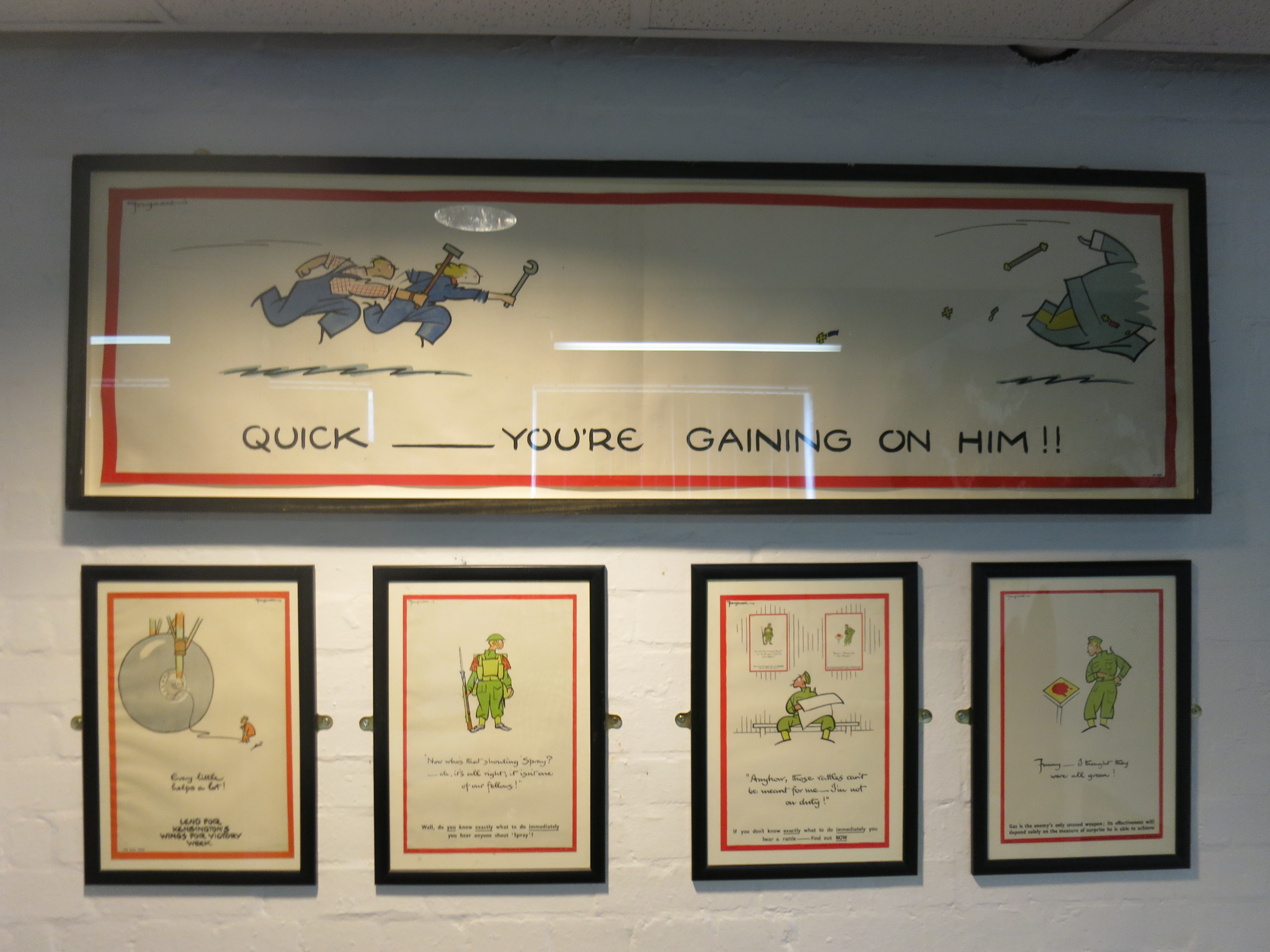
I am forever interested in the paranoid propaganda posters of WWII
Also interesting was the class bias that formed Bletchley. The men were Oxbridge (Oxford and Cambridge graduates), and the women were daughters of the upper-class. The museum exhibit unquestioningly talked about how much more inherently trustworthy the upper-class was, and so naturally that’s where you’d go to recruit people for your secret mission. Implicit in this, since you needed to be really smart to work there, was that the rich folks were smarter, too. Sketchy stuff.
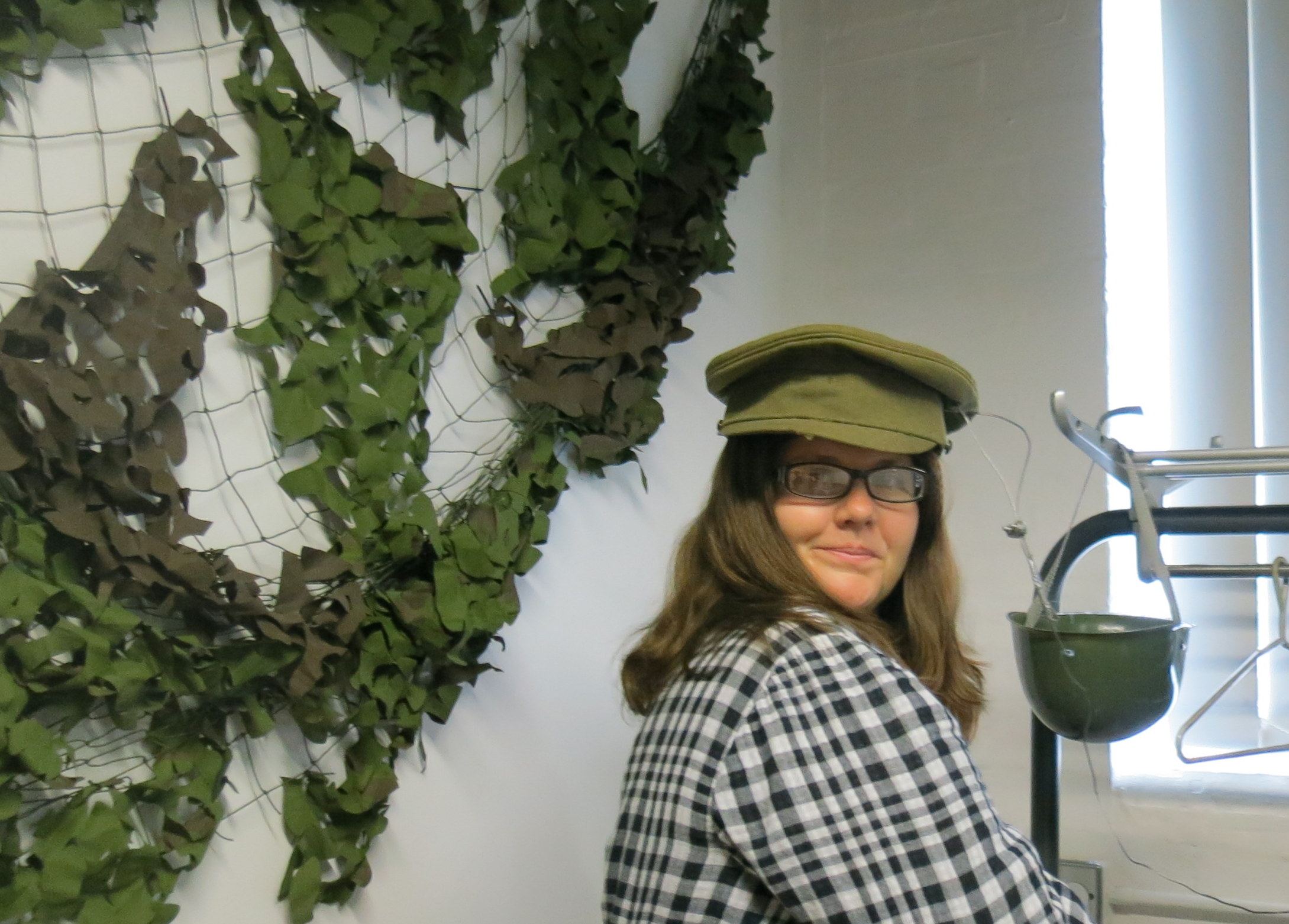
You caught me–I might not be spy material
The final part of the exhibit was a display on some of the most famous British spies, including a criminal playboy who just kept sleeping around as part of the job (shades of Bond), and a black-market trader and saboteur.
 Stowaway Travel Writing & Editorial Services