Part of the Family in Tokyo

As I mentioned before, I had a wonderful family experience with the Shirotas, and my luck with hosts in Japan didn’t end there. I stayed with a gregarious couple in Hirosaki and a gracious teacher in Yokosuka. But I spent the most time with a lovely family in Tokyo. Andrew, whose parents I stayed with in Shinrin-koen, put me in touch with his friends Eiko and Junko, Japanese sisters who both studied in Washington state, traveled around, and settled back down in Tokyo a few years apart. Eiko took me out to a delicious okonomiyaki dinner in Kawagoe with her family and gave me travel tips for the rest of my time in Japan. Junko put me up in her newly built house in the hip Umegaoka neighborhood in Tokyo. Both of them welcomed me with open arms into their family lives for the short time I was there.

So much fun with these lovely women--thanks for sharing your holiday with me!

So much fun with these lovely women–thanks for sharing your holiday with me!

My first day in the city, Junko said, “It’s Golden Week and today is Cinco de Mayo! Come celebrate with us.” It wasn’t actually May 5th, but since that day was national Children’s Day, the Latin American community of Tokyo threw their Cinco de Mayo party a few days early. The festival took place right next to Harajuku, a central location perfect for a concert stage and food stalls. I joined Junko, her daughter, and their friends at the festival, where we ate chicken and tamales and listened to a Mexican pop star belt out power ballads and dance numbers.

At the Tokyo Cinco de Mayo 2013 Fiesta
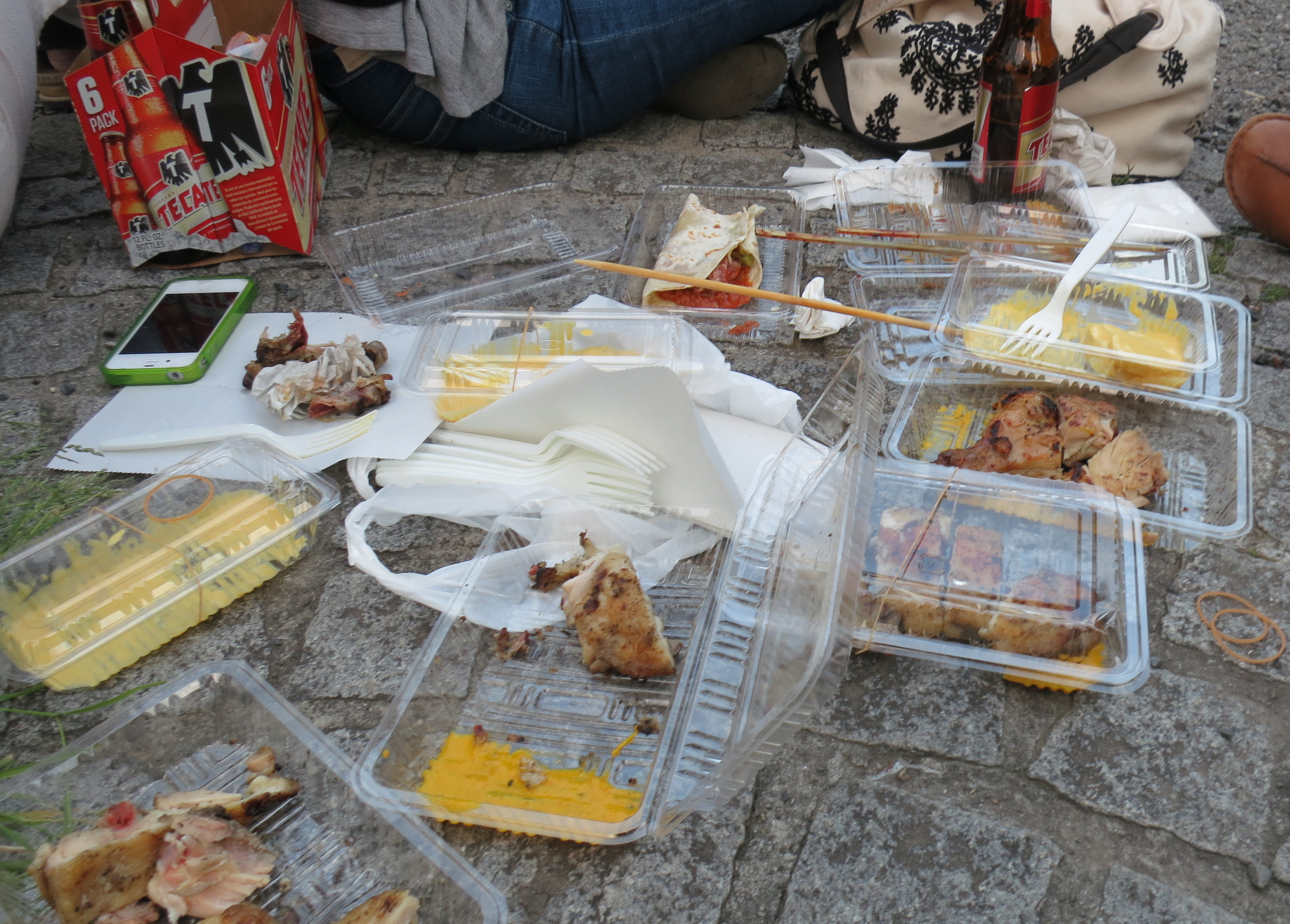
At the Tokyo Cinco de Mayo 2013 Fiesta

Food ranging from tasty to intensely spicy

Food ranging from tasty to intensely spicy

The kids, all between three and seven years old, were gorgeous and funny, playing on a skateboard, kicking around a soccer ball, and entreating two strangers to swing them around by their arms. It was such fun, and it was also the perfect place to see how cosmopolitan Tokyo is. I saw the first black people I’d seen the whole time I’d been in the country, and I heard English, Japanese, German, French, and several other languages I didn’t recognize.

It's not a great photo, but this girl was so happy dancing up there on the stage

It’s not a great photo, but this girl was so happy dancing up there on the stage

The Cinco de Mayo fest is used as a pan-Latin American celebration here, rather than solely a Mexican event. There are apparently a lot of Japanese people with connections to Latin America and Spain. Junko and her friends are some of these. Junko went to college in Washington and spent a semester in Mexico. She loved it so much that she moved there after graduation, and stayed seven years. She moved back to Tokyo to raise her daughter, Carmen, and she works for the American Embassy. One of her friends, Susanna, was born and raised in Venezuela by Japanese parents; she and her Venezuelan husband are raising their two adorable kids in Tokyo. Another friend, Japanese, married a Spanish man, and their son wanted to show me how he’s going to be a soccer star. Everyone there, including the kids, spoke at least Japanese and Spanish, and most of them spoke English as well. I was so impressed by their language skills and the community they’d built together.

Junko and Eiko were both amazing women, smart and loud and funny. They shared with me how it was sometimes difficult to live as loud, strong-willed women in Japan. But they both insist on living their lives as they please, not dimming their personalities to meet any societal expectations, and they seem to have a lot of fun in the meantime. I admire them immensely. Also, their kids were really cute.
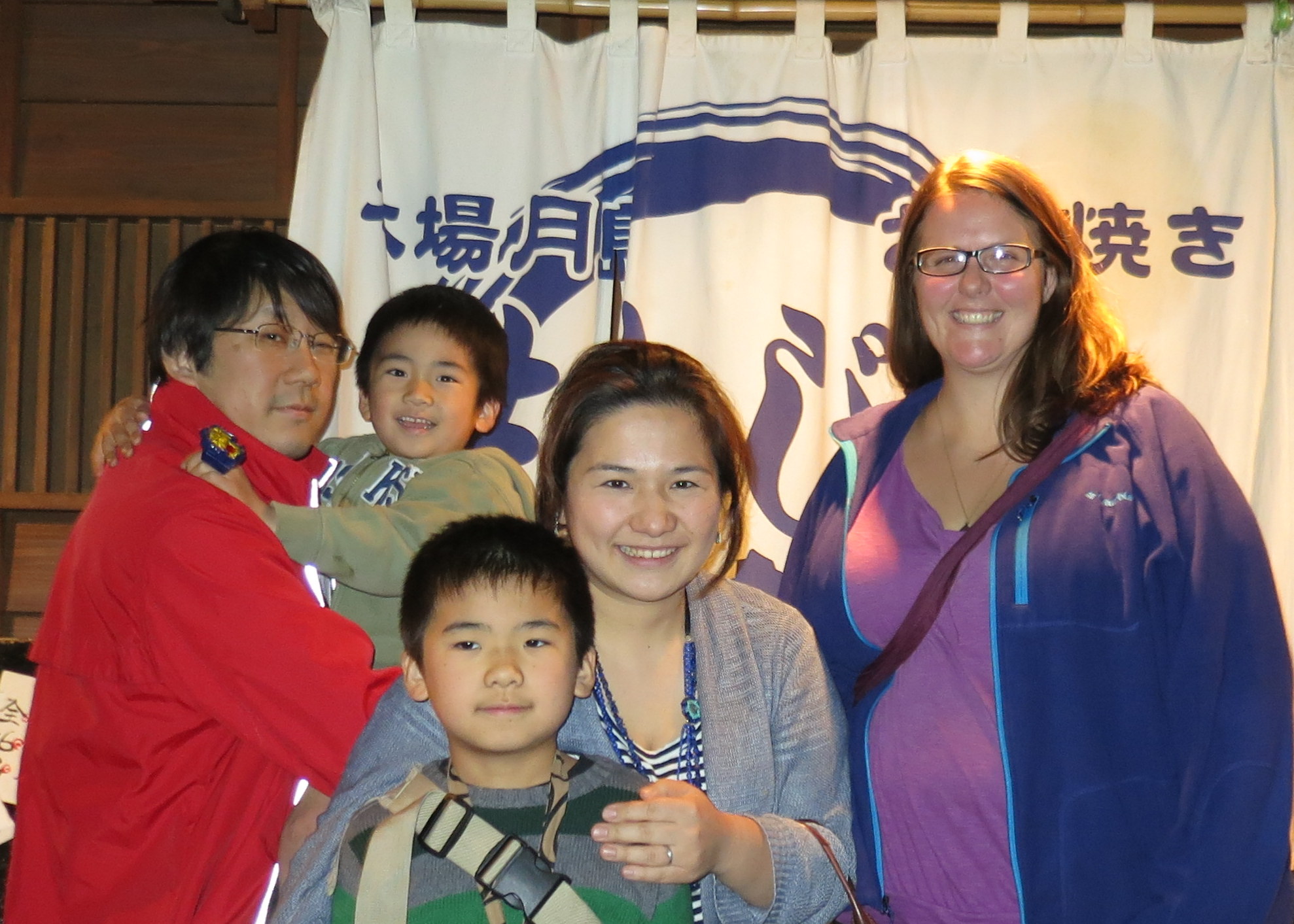
With Eiko and family in Kawagoe

With Eiko and family in Kawagoe

After the Cinco de Mayo fest, we all went back to Junko’s house, where Eiko and her kids were waiting for us. Eiko took over the kitchen and turned out several delicious dishes, all the kids played together, and the women graciously spoke English often so that I could be included in their conversation. They were a fun group of women. It was a great first night in Tokyo.

Carmen's grabbing for the camera and her thumb's in the way

Carmen’s grabbing for the camera and her thumb’s in the way

A couple days later, Junko took Carmen and me to meet up with yet another international friend (Japanese, moving to Angola to teach Spanish for a year). We went to the park behind the Meiji Jingu shrine, a sprawling grassy area spilling down to a little pond. Junko was proud to show us the park, which her friend had never heard of, despite living in Tokyo for years. It was a secret hidden in one of the most popular tourist destinations in the city, Junko said. We had a picnic of sushi and frittata, and Carmen ran a kite around the park in adorable, energetic fashion.
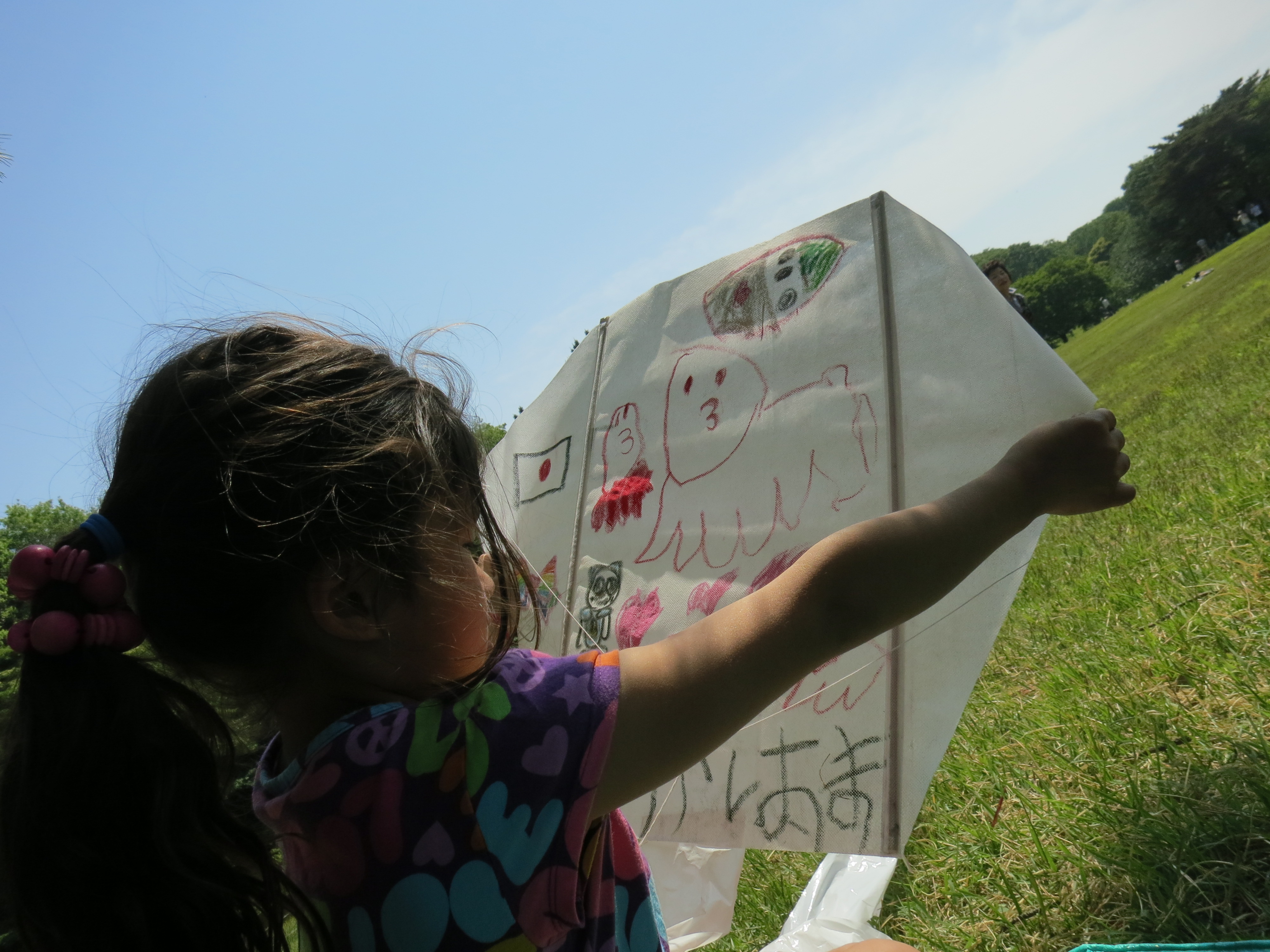
Carmen decorated the kite herself
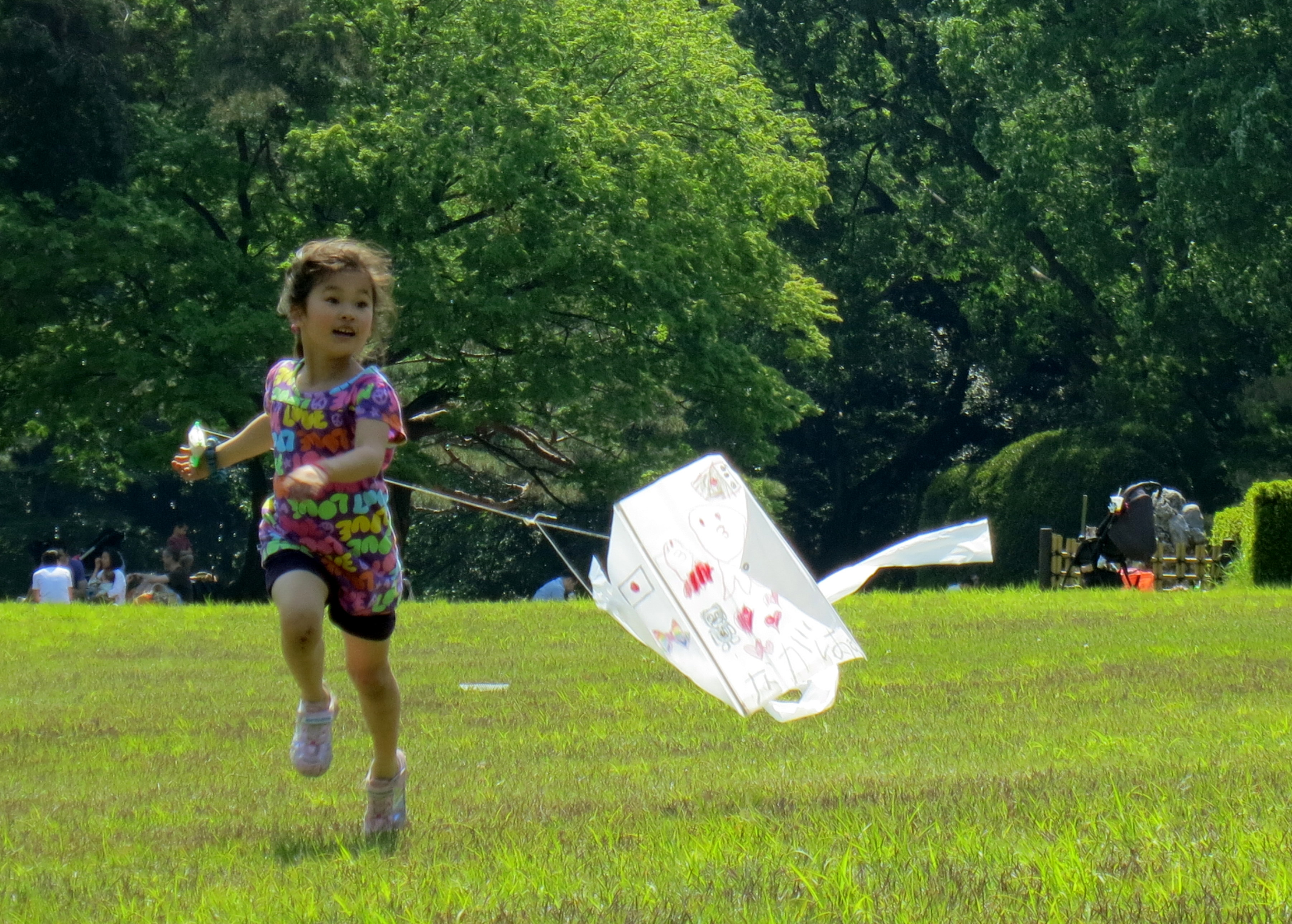
Carmen decorated the kite herself

Doesn't this just make you love kids, and kites, and life?

Doesn’t this just make you love kids, and kites, and life?

It took Carmen a day or two to warm up to me, but by my last day in town, she was hugging me and pulling on my arm to show me something she’d built or written. In the manner of seven-year-olds everywhere, she took great pride in showing me how to do the simple routines of her household, and we had a lot of laughs over putting stickers in funny places.
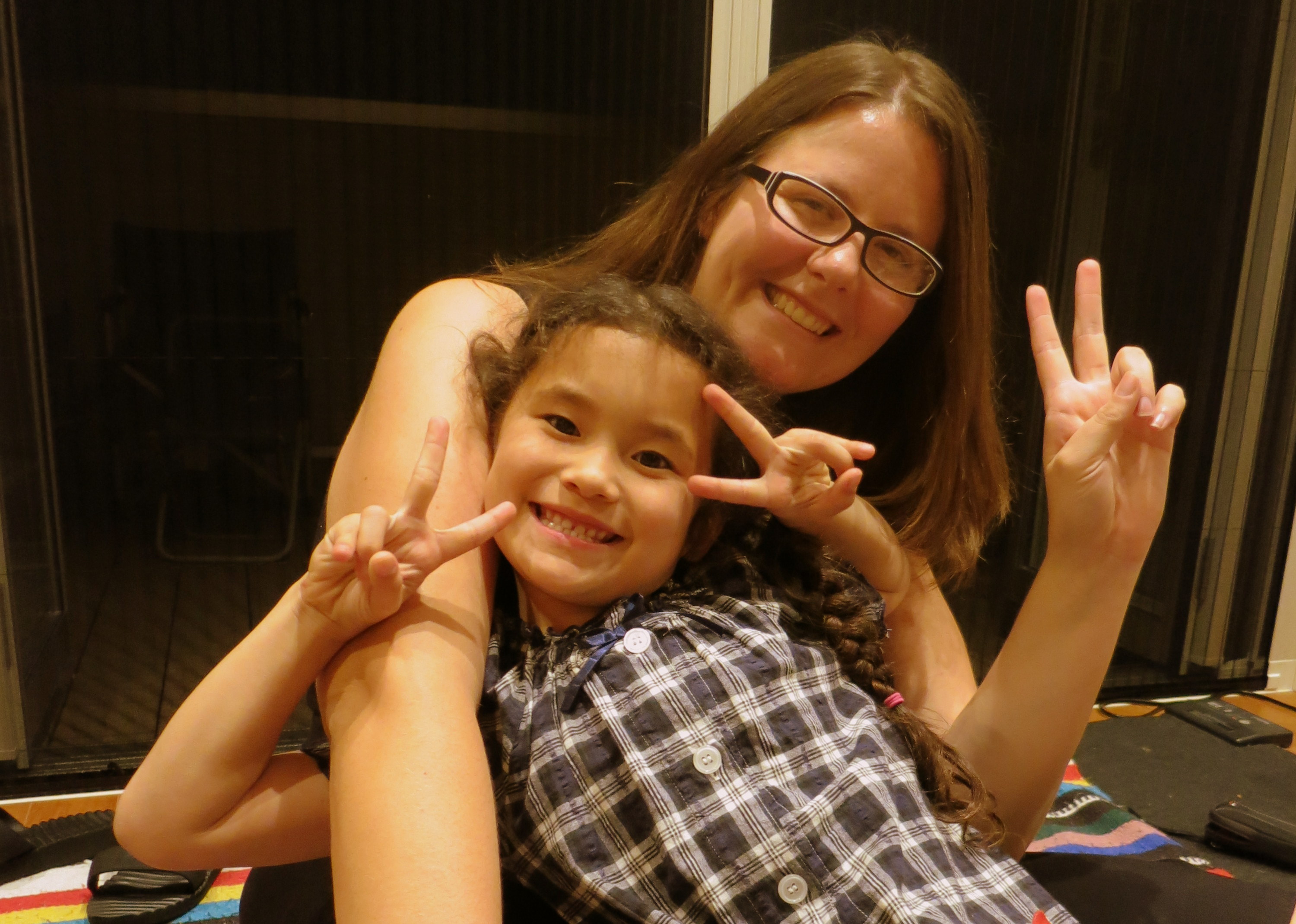
Carmen's only seven, but she already knows to flash peace signs in every photo

Carmen’s only seven, but she already knows to flash peace signs in every photo

Junko also fed me every day for the five days I was there, drove me to the kabuki theater and the boat that took me to Kaminarimon Gate, told me about the Lost in Translation karaoke room, and directed me to an amazing night view of Tokyo. She gave me a driving tour of the city one day, and talked with me about my dreams for the future. She gave me my own room to sleep in, a key to her home, and an invitation to come back any time. All this, and she’d had two days’ warning from Eiko before I showed up on her doorstep. I experienced Tokyo as a temporary member of Junko and Carmen’s family during busy Golden Week, and I wouldn’t have wanted to do it any other way. I can only strive to be as generous when I host in the future. Arigato!
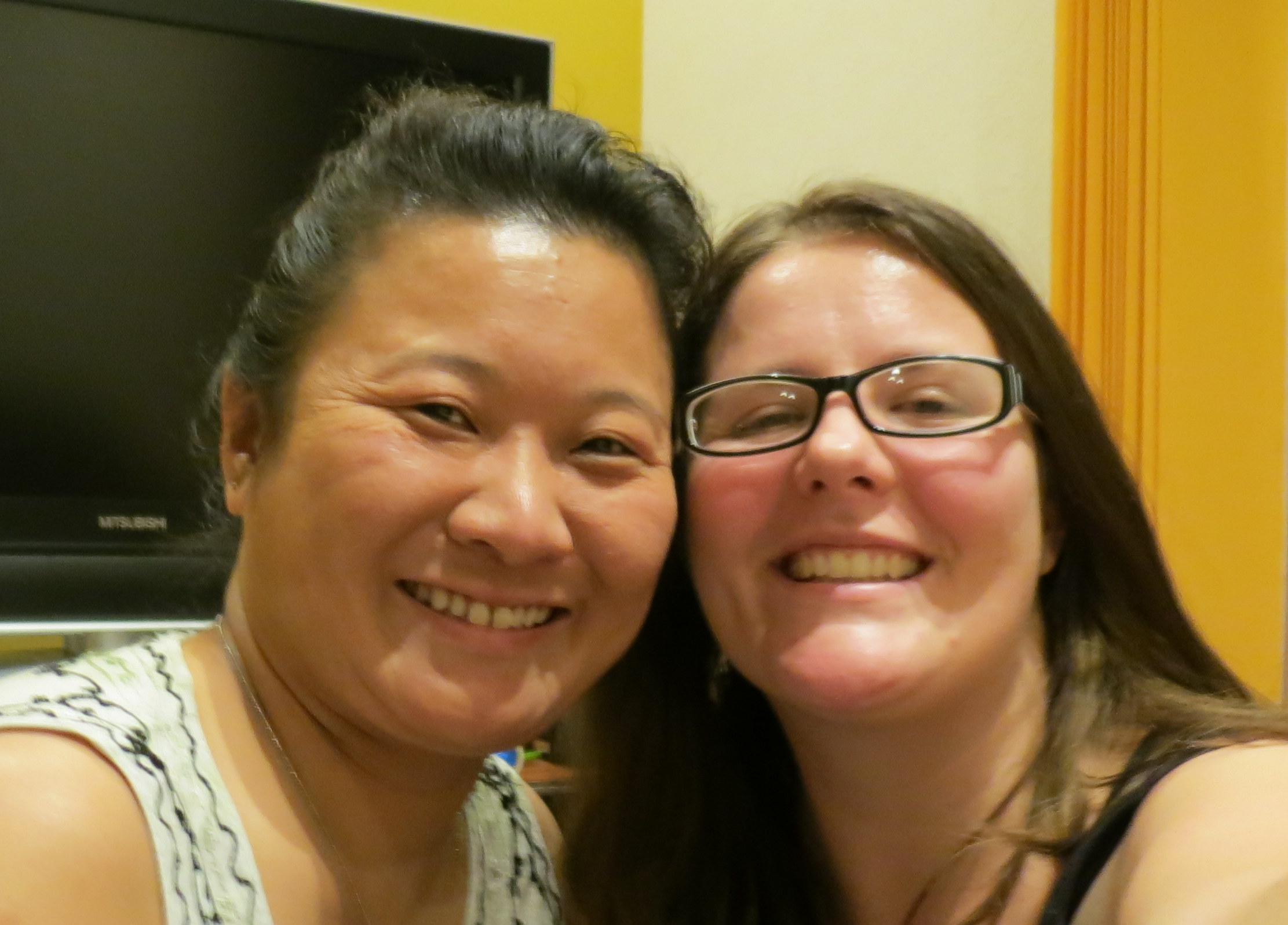
Junko and me

Junko and me

Delicious Meals I Ate in Japan

I’ve already written a little about the tasty things I ate in Japan, but I know you want to see what they looked like, so here are some photos to make your mouth water. Many thanks to Andrew for helping me label the photos properly.

Nabe udon

Nabe udon

The American breakfast (with spam and fish-less sushi) that the Kimiko made for me before I convinced her I really did want to eat Japanese food.

The American breakfast (with spam and seaweed-wrapped rice) that Kimiko made for me before I convinced her I really did want to eat Japanese food

Hira yaki and curry rice

Hira yaki and curry rice

The Shirotas were excited to take me to a breakfast of beef stew and pancakes at a restaurant near their house

The Shirotas were excited to take me to a breakfast of beef stew and pancakes at a restaurant near their house

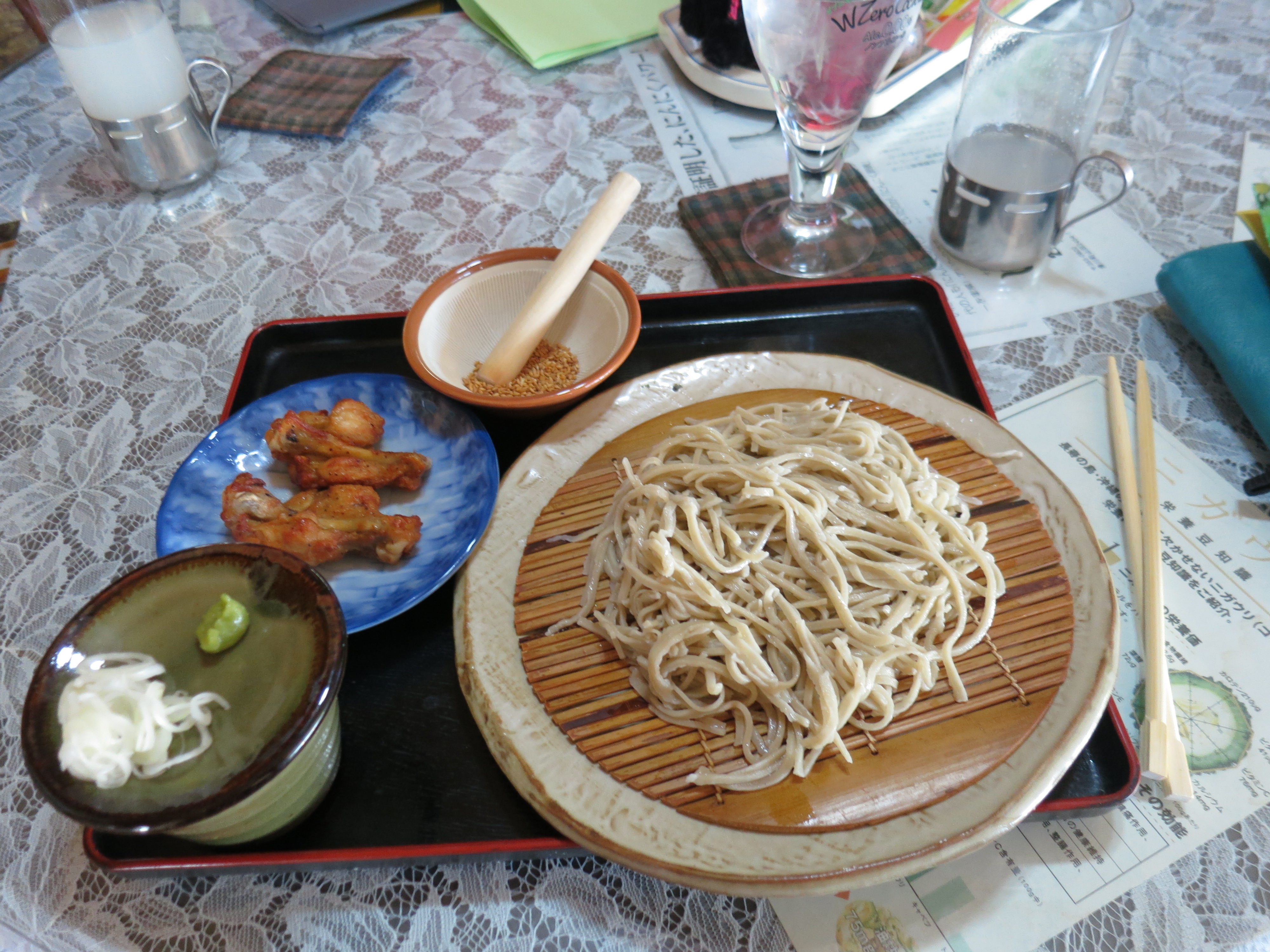
Zaru soba

Zaru soba

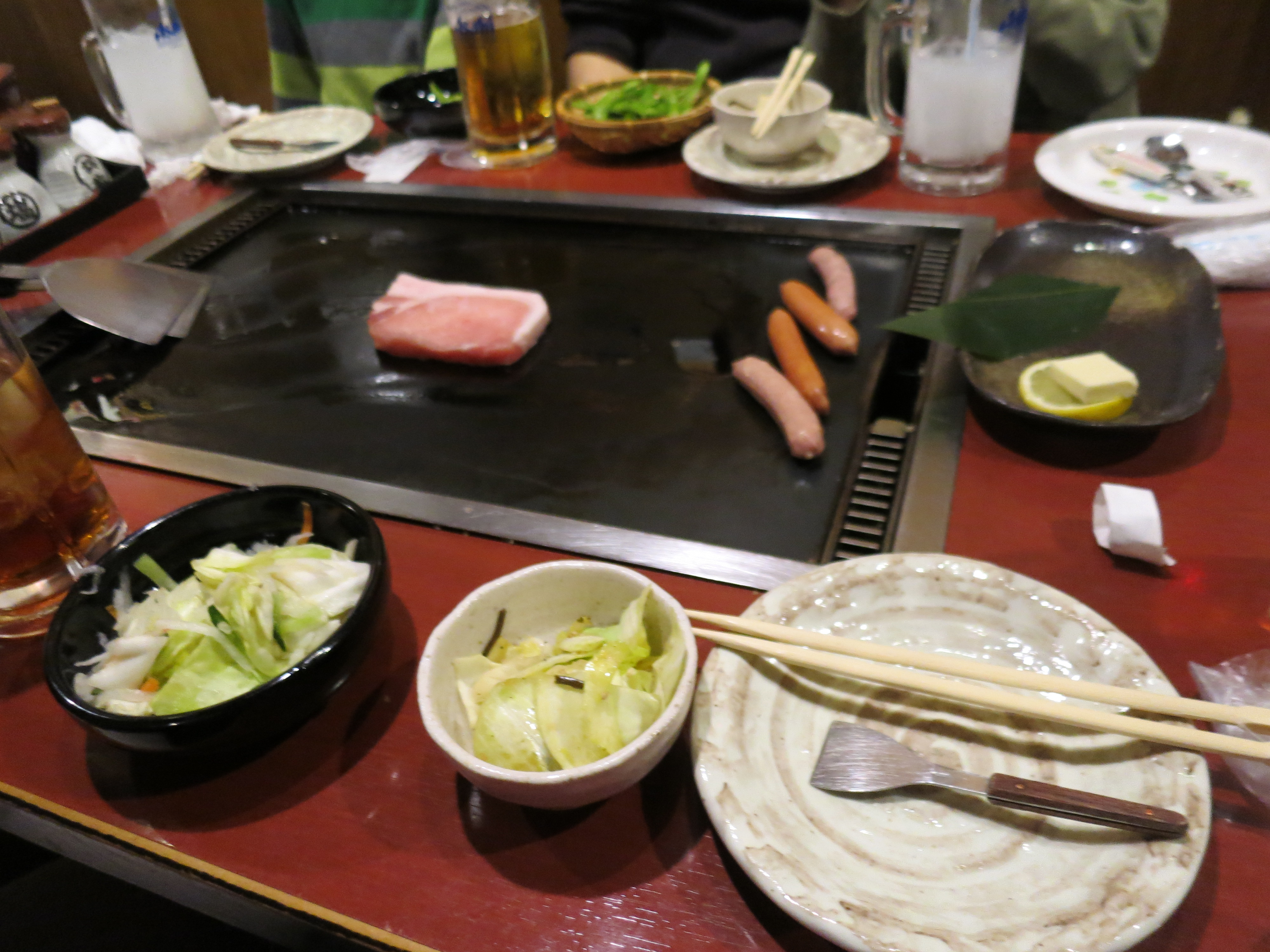
Making meats to accompany the okonomiyaki

Making meats to accompany the okonomiyaki

Okonomiyaki

Okonomiyaki

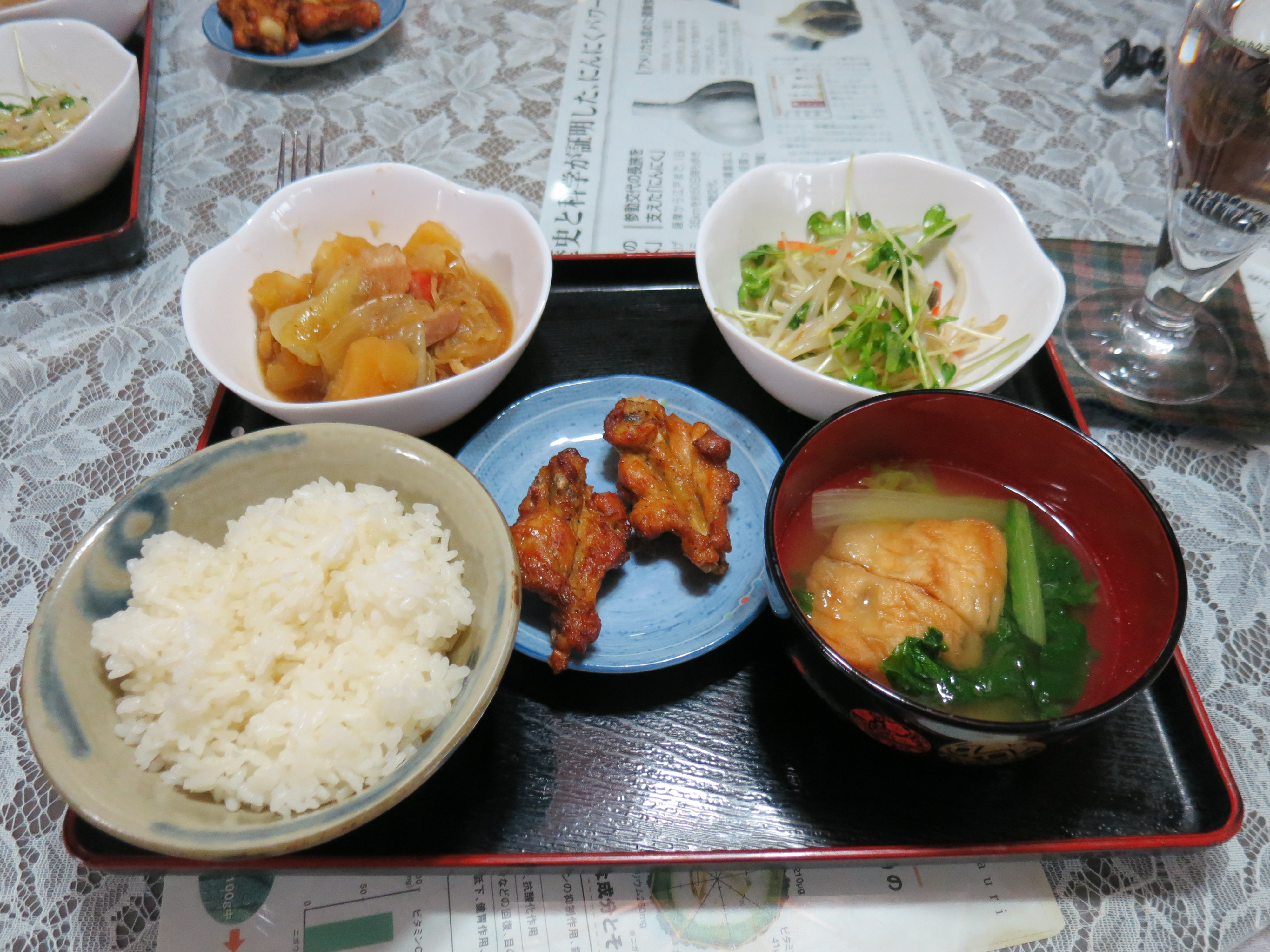
Niku jaga, kara age (fried chicken), miso shiru

Niku jaga, kara age (fried chicken), miso shiru

Okinawan spare ribs, cha-han, hasshudo poteto, miso shiru

Okinawan spare ribs, cha-han, hasshudo poteto, miso shiru

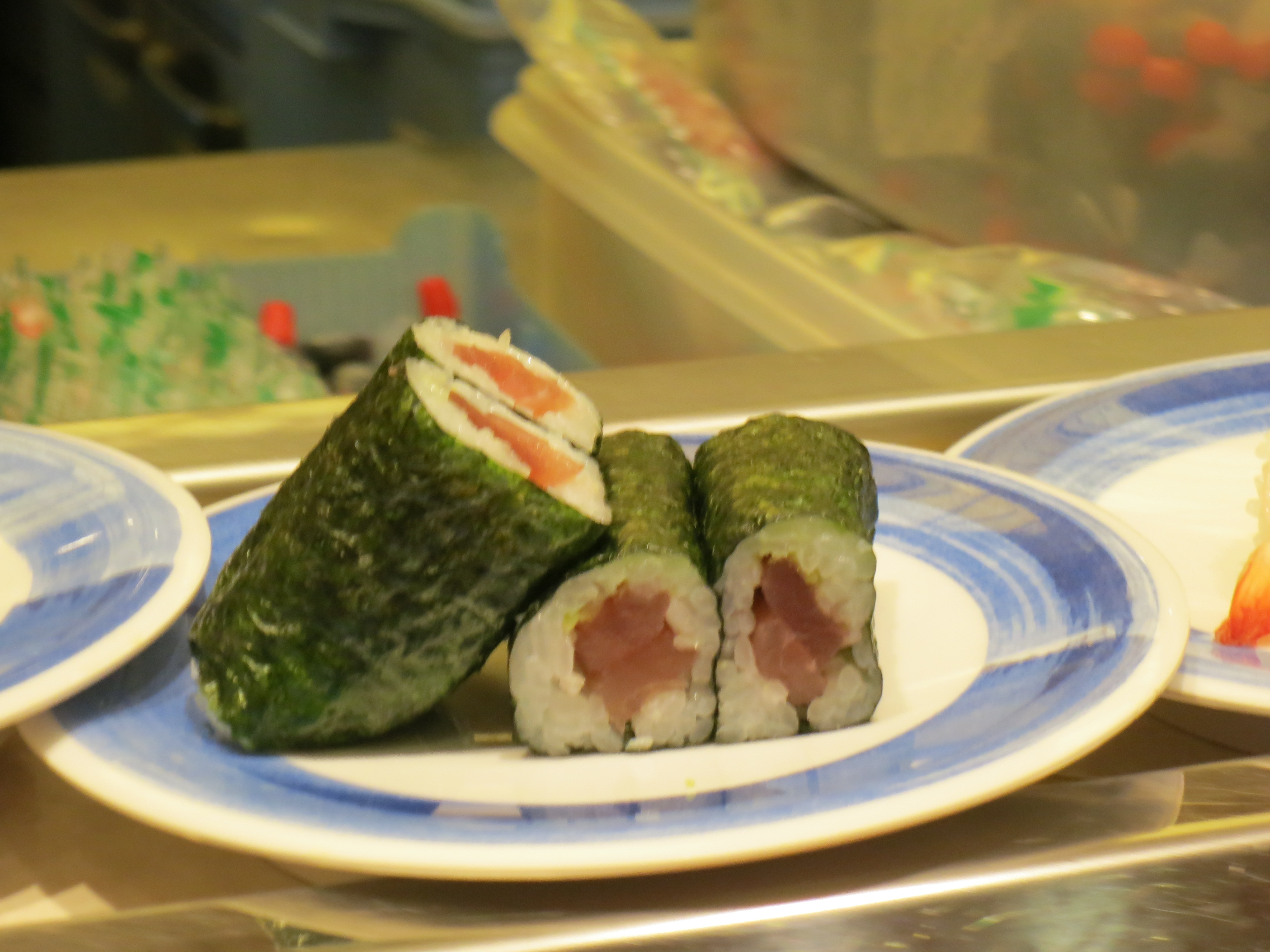
Sushi

Sushi

Niku udon

Niku udon

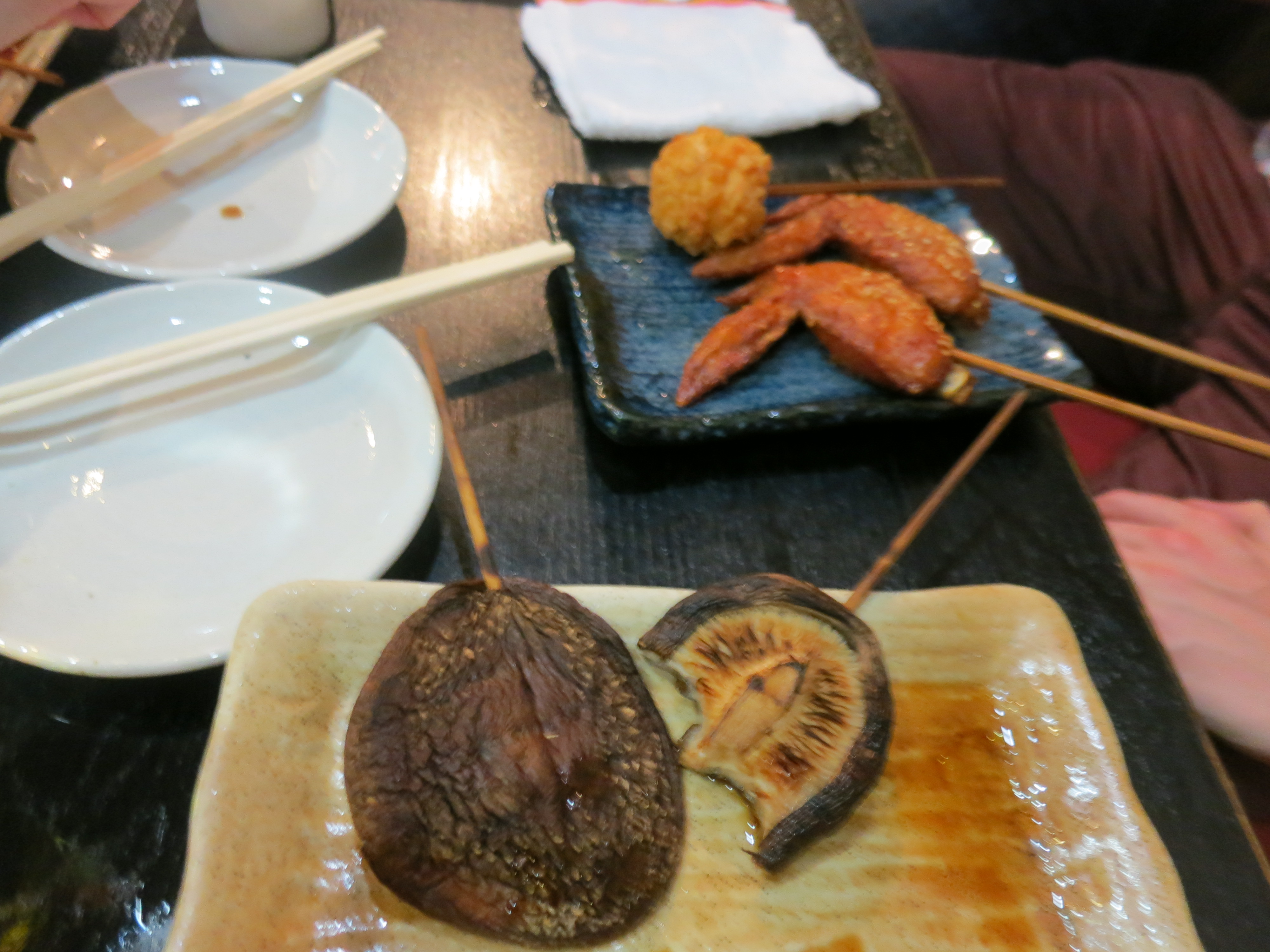
Yakitori

Yakitori

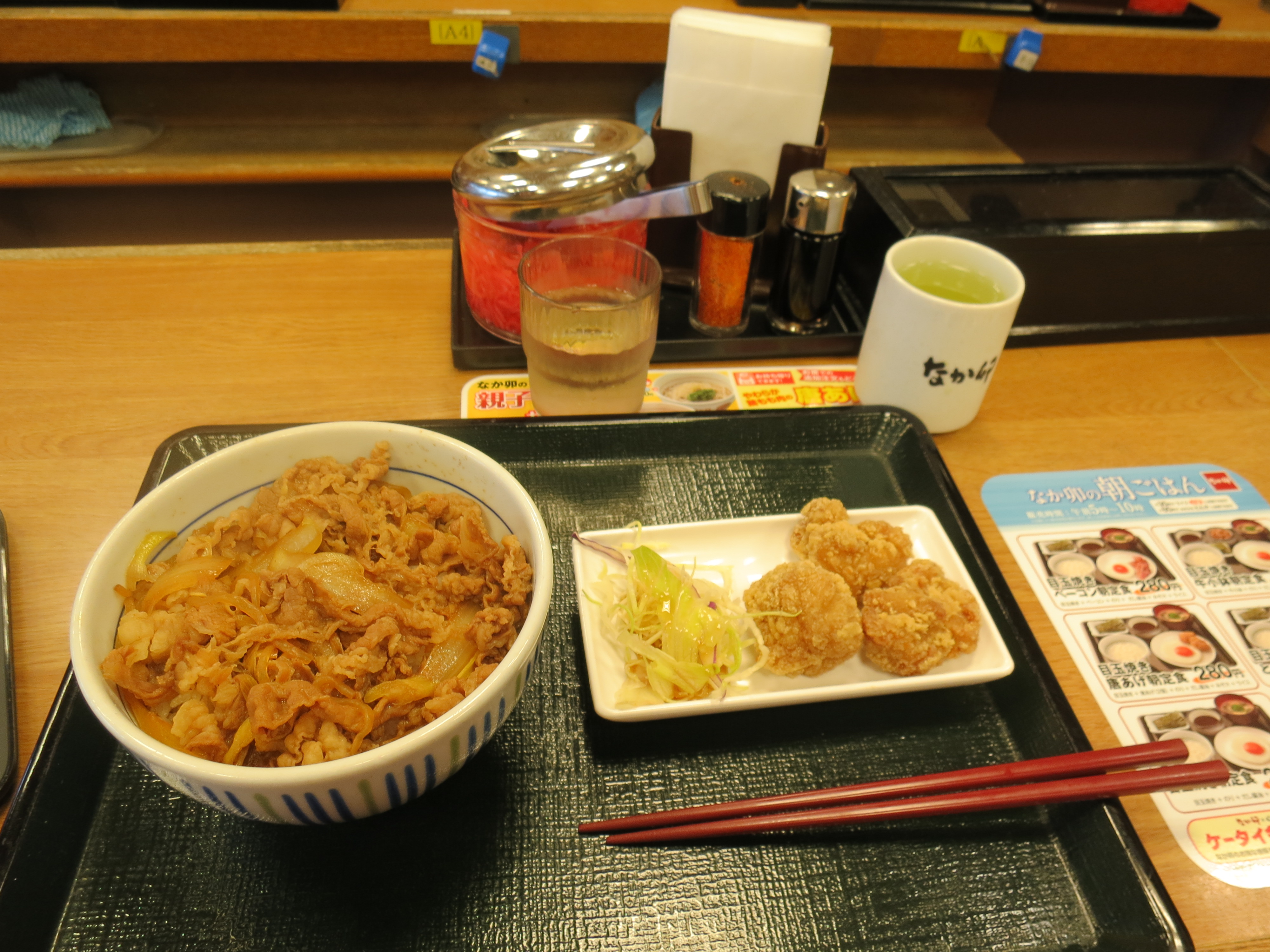
Gyu-don and kara age

Gyu-don and kara age

Yaki dango

Yaki dango

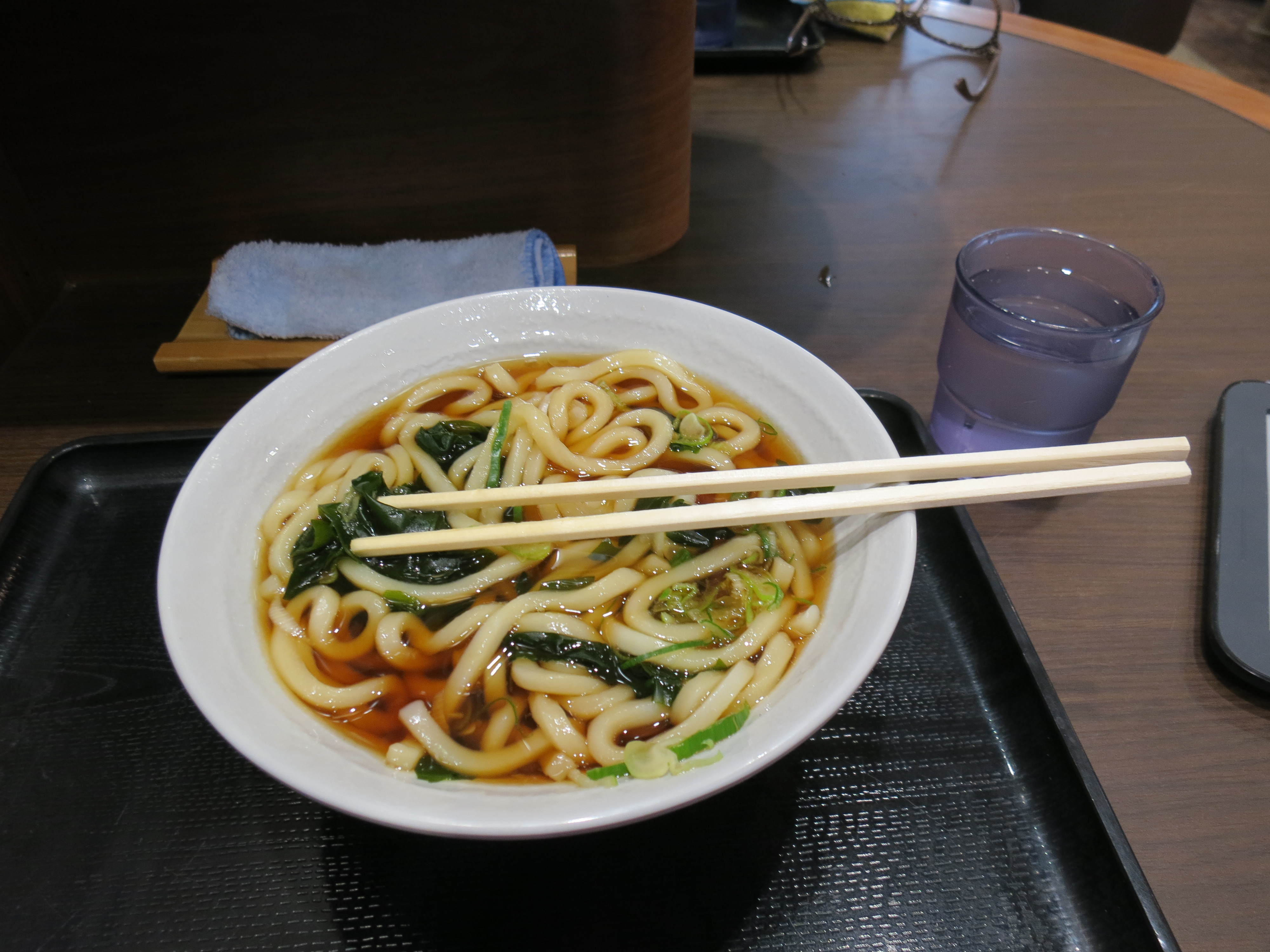
Kake udon

Kake udon

Kabuki From the Cheap Seats

I wish I’d clarified for myself that I wanted to see as many types of musical and stage performances as possible earlier in this trip. I didn’t seek them out as vigorously as I did by the time I reached Vietnam, which I suppose means I’ll just have to go back to spots earlier on the itinerary and see what there is to see. Still, I knew what I wanted when I was in Japan, and I saw a lot: a Cinco de Mayo concert, a geisha dance performance, a Beatles cover band rehearsal, a traditional lyre-type performance, and a kabuki show. My experience at the kabuki show was a great mixture of high and low, even from the cheap seats.

Outside the theater

Outside the theater

Getting a seat at a kabuki show isn’t hard, so long as you get it early and pay what is, for me, a large sum of money. But as at so many theaters throughout the world, concessions are made for the poorer theater fan. You stand in line outside the theater for at least an hour, get a ticket, and then wait for another hour before you can stand in line inside the theater to get your spot. I used my in-between hour to eat some tasty noodles from the shop next door, then went up to the fourth floor to wait in line again.

It was an efficient queuing system

It was an efficient queuing system

People were in a range of outfits, from jeans to suits, and a few women in full kimono outfits. Two women in perfectly turned-out kimono took it upon themselves to make sure I stood in the right place in line and had my ticket, and generally was all taken care of. They posed for a photo for me, and we shared a lot of smiles, but we didn’t speak a word of each other’s language, so that’s as far as that friendship went. It’s all I needed to feel good going into the performance, though.

My friends in line

My friends in line

I paid extra for an audio guide in English, which was worth it. The guide gave a summary of the story before the show and then translated as the actors spoke. It was the story of an old man who needs to sell a sword to raise money for his daughter, and he approaches three warriors just returned from battle. Warrior 1 offers to buy it, and has Warrior 2 appraise it. But Warrior 3 says looking at it doesn’t prove anything. If the sword cuts through two human bodies, it’s a good sword. They find a convict facing the death penalty, and the father sacrifices himself as the second body. But when Warrior 2 does it, he only kills the convict. Warriors 1 and 3 leave in disgust, and Warrior 2 explains to the father and daughter that he purposely didn’t use the full strength of the sword because he noticed it belongs to his ancestral home (the side he’s fighting against in this war, because adoption complications). He proves it’s good by splitting a stone cistern in two, and that cistern was in the name of the play, which I can’t for the life of me remember now or find on Google.

My audio guide. Happily and slightly surprisingly, I obeyed its instructions and did not drop it.

My audio guide. Happily and slightly surprisingly, I obeyed its instructions and did not drop it.

The set was simple, a painted backdrop and a few low tables and tall screens to break up the stage. The actors wore large, stiff costumes that looked practically 2-D, and often the actors moved in deliberate, almost jerky movements. Kabuki has had close ties to Japanese puppetry for centuries, so that’s not surprising.

Kabuki is performed by all-male casts. I was surprised to learn that the form actually started with all-female casts in the early 17th century, but it was quickly deemed too lewd and subsequently outlawed. Since then, it’s been the all-male casts we’re used to associating with Shakespearean times. (Kabuki’s beginnings and Shakespeare’s peak are just about the same time, incidentally.) Apparently, women perform in some productions today, but not in the one I saw.

A quick sneak view of the theater before the lights went down and we had to put cameras away--strictly no photos during the performance, of course

A quick sneak view of the theater before the lights went down and we had to put cameras away–strictly no photos during the performance, of course

The actors spoke in exaggerated tones, the female character a plaintive whine, the narrator a sharp bark, the great warrior’s voice a sonorous command. The male characters often made that “ohhh!” sound, accompanied by a slight roll of the head and eyes, that I associate with bad imitations of dubbed martial arts films. It served a similar purpose here, it looked like, as a mocking end to a challenging statement.

Occasionally, audience members would shout out phrases (whether of encouragement or disapproval I’m not sure), especially when the actors were exiting the stage via the hanamichi, the long walkway that extended into the auditorium stage right. For years, kabuki was the common man’s theater, a combination of drama, stock comedic characters, and specific story structures that amused the masses. It was only at the end of the 19th century that kabuki performers tried to get the upper classes to enjoy and support the art. It worked, and now kabuki has several fancy theaters in Tokyo and elsewhere in the country, and it’s promoted outside Japan as a traditional, serious art. But you can’t keep the hoi polloi from their art forms entirely. People will shout out during kabuki plays, just as they will at concerts and movies.

Beautiful posters outside the theater

Beautiful posters outside the theater

I stood for the entire hour and twenty minute performance, leaning awkwardly against a rail provided for that purpose. The cheap seats aren’t even seats, as it turns out. It’s standing room only up at the back of the top balcony, crowded in with women in kimono, men in suits, teenagers in jeans. Surrounded by this cross-section of Tokyo society, all of whom clapped, laughed, and gasped appreciatively throughout the performance, I smiled to myself. This is why I want to see as many different types of performances as possible as I travel the world–to see how the varied acts affect us all the same way, lighting up our faces and moving us deeply.

A Fun Night in Tokyo

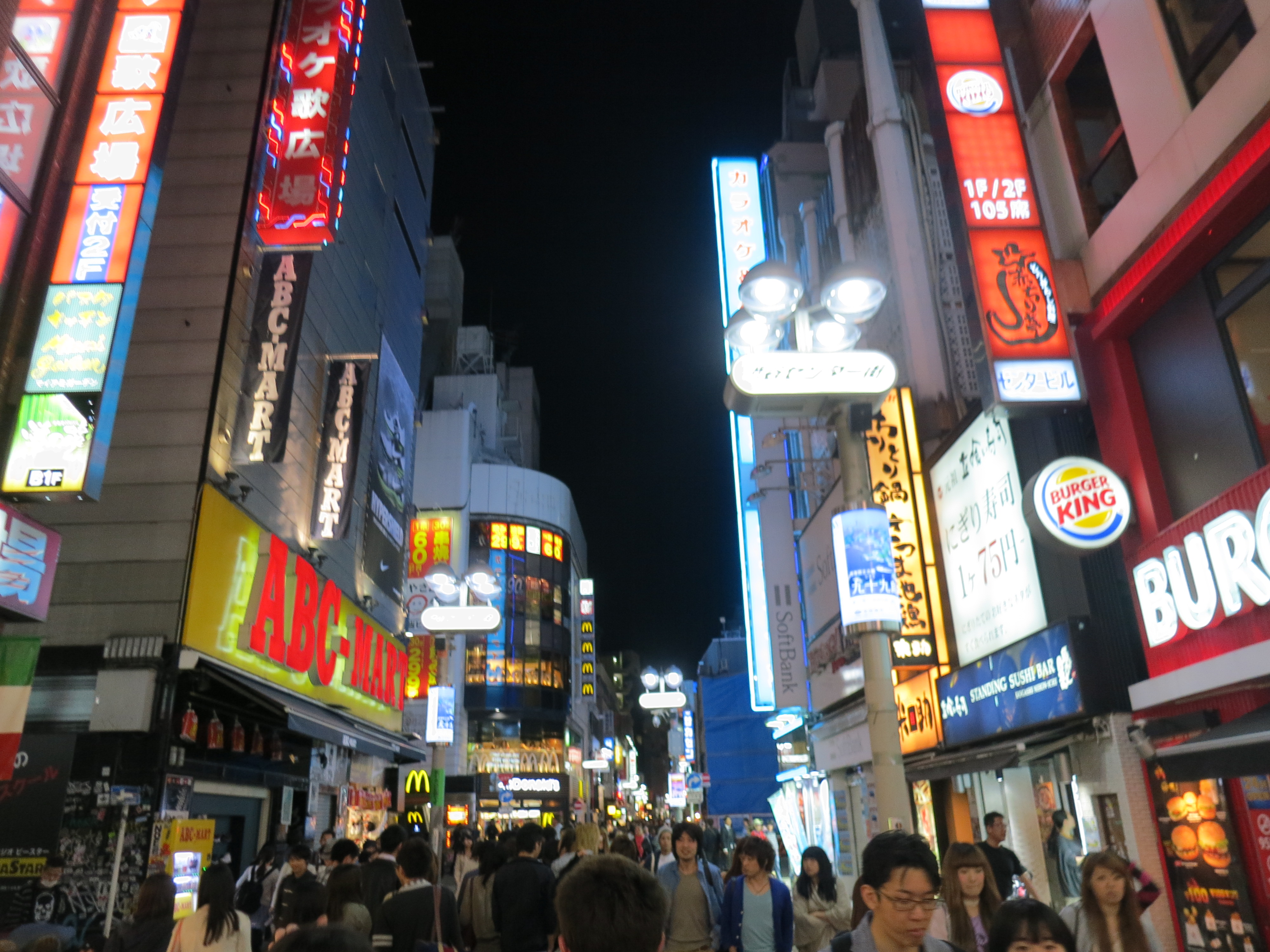
Top of my list of things to do in Tokyo was sing karaoke in the land that invented it, and the first Saturday I was in the city, I did just that. Of course, the closed-room private karaoke of Japan and Korea means that, unlike the karaoke nights at bars in the States, I couldn’t just show up and put my name on a list to sing next. I’d need to have a set of friends to go with. Luckily, a couple of Oregonians I’d met in New Zealand were visiting a friend in Japan the same time I was there, so the four of us met up and went to Shibuya, the neon entertainment hub of Tokyo.

My Tokyo glamour shot

My Tokyo glamour shot

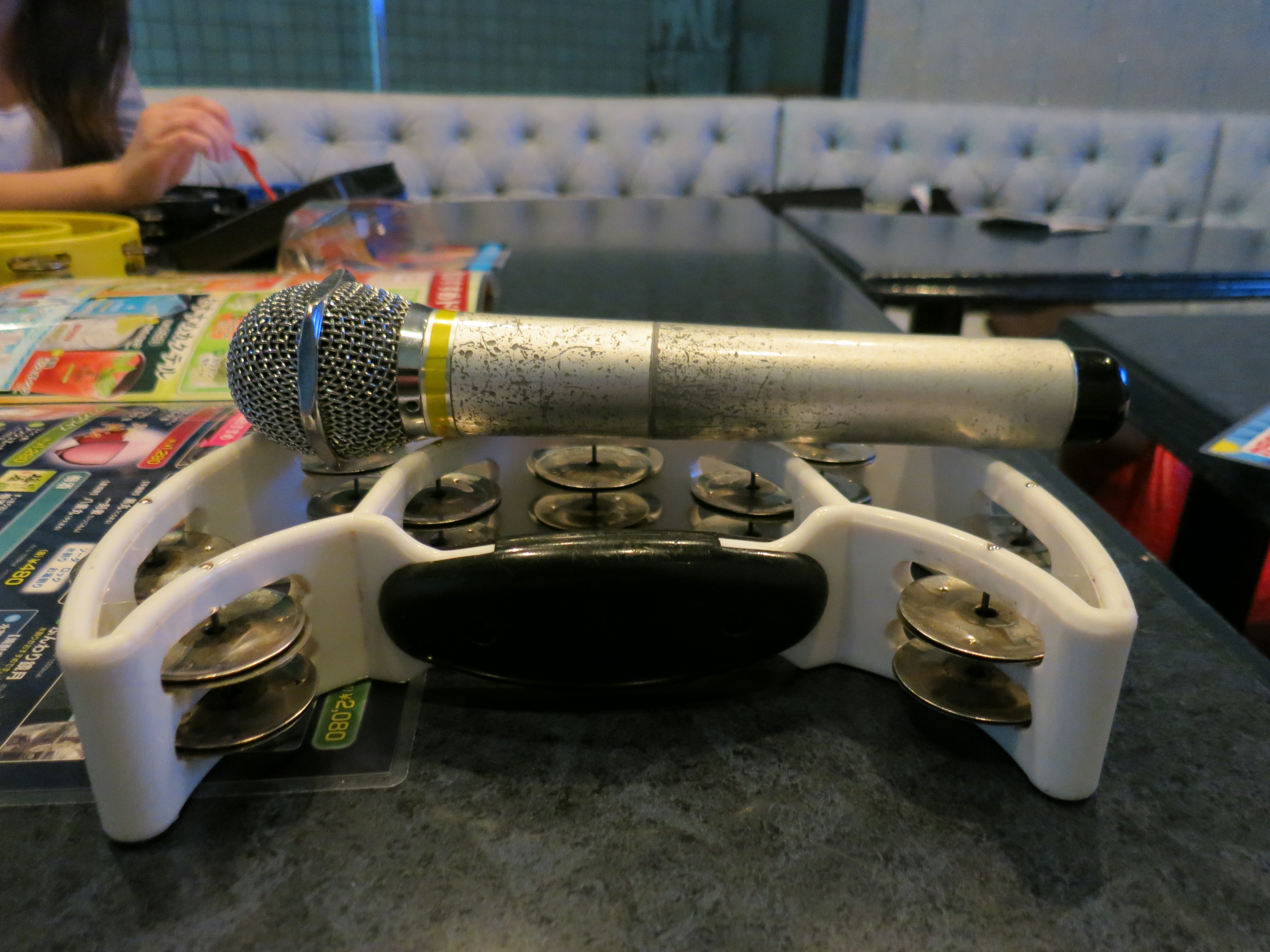
You can pick out your own tambourine when you sign up for a room

You can pick out your own tambourine when you sign up for a room

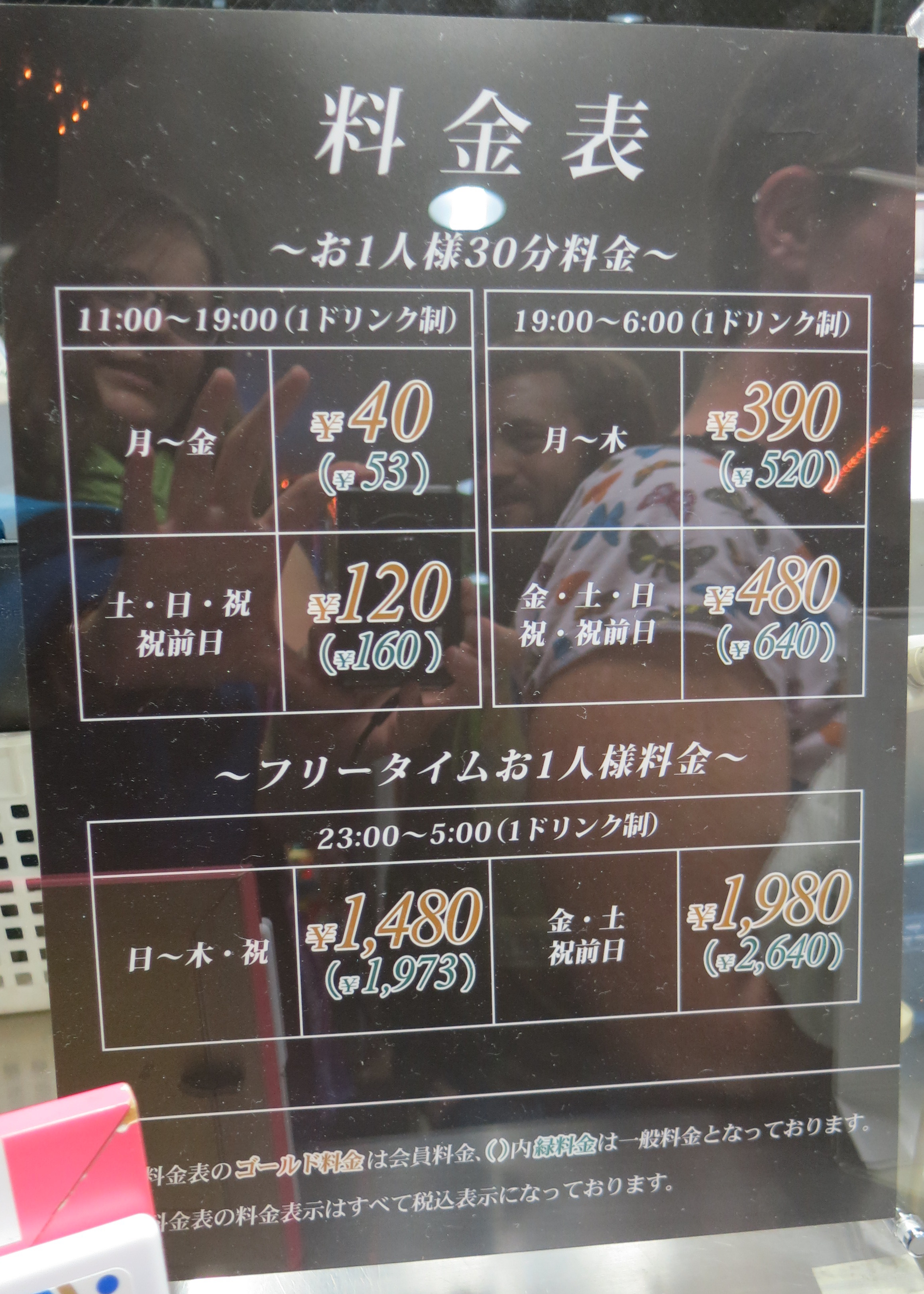
Per person prices--look at the increase at 11pm!

Per person prices–look at the increase at 11pm!

Even better, we went to Karaoke Kan, because my host said that’s where Bill Murray and Scarlett Johansson filmed the karaoke scenes in Lost in Translation. Takako, Vasha and Dar’s friend, arranged for us to be in one of the two rooms that they filmed those scenes in, which was cool, and she ordered our drinks and food for us, too–lucky us! She’d done a study abroad thing in high school, where she became friends with Vasha, so those two had the easy chatter of old friends, which is always nice to see.

Our room, 601

Our room, 601

Lifelong friends Vasha and Takako

Lifelong friends Vasha and Takako

The three of us women got silly right away with Spice Girls and the like, and Takako serenaded us with a Japanese ballad. Dar took a little longer to find the perfect song, but he blew it away when he did. (I didn’t know it; I think it was a pop punk song from the ’90s? Most of our choices were from the ’90s.)

You know what they say: The couple that karaokes together, stays together

You know what they say: The couple that karaokes together, stays together

All the accoutrements for a successful night's karaoke-ing

All the accoutrements for a successful night’s karaoke-ing

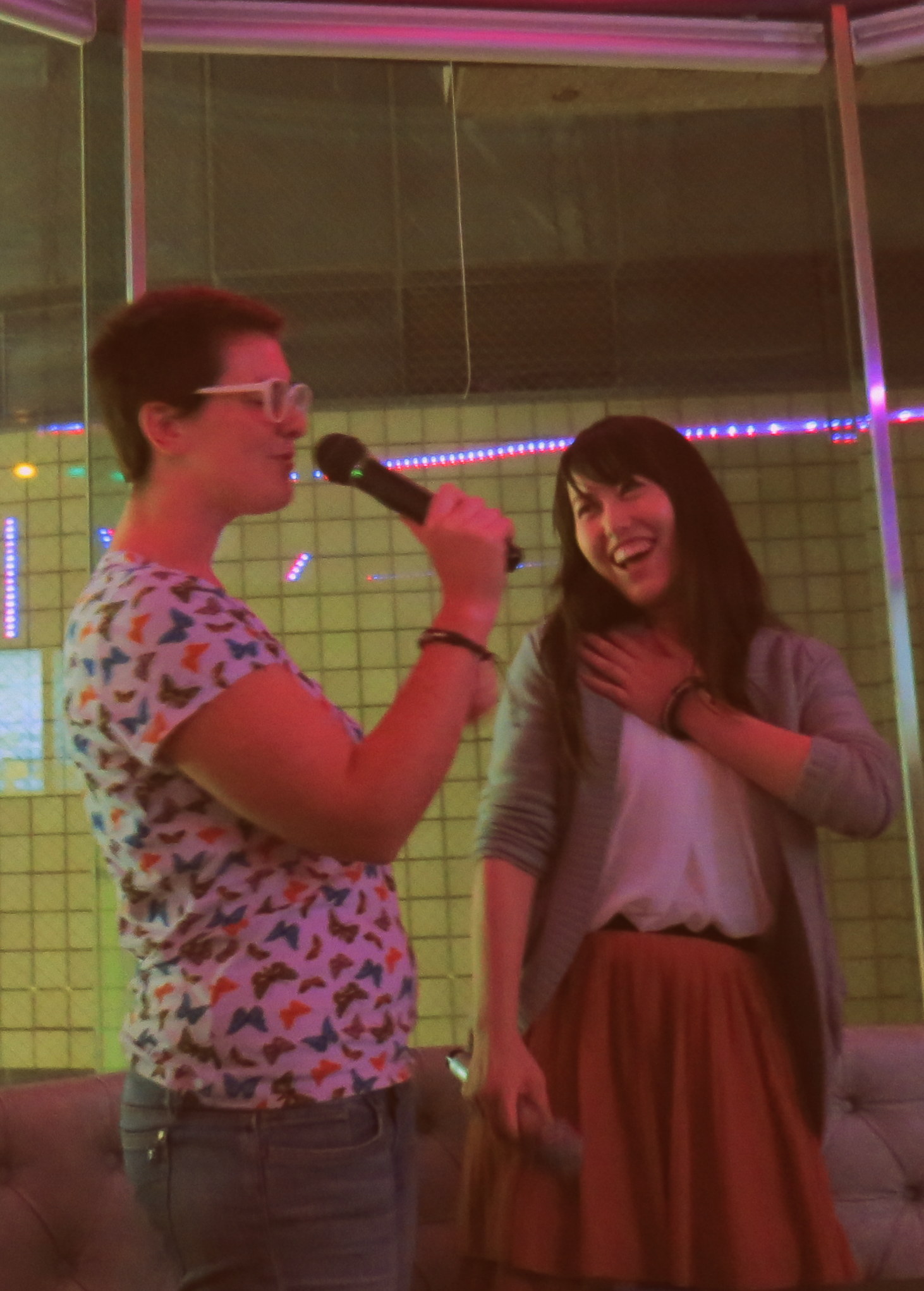
Then I sang “More Than This,” that moody beauty by Roxy Music, in an homage to Bill Murray’s talk-song version in Lost in Translation. Of course, I wasn’t flirting with a girl half my age while I sang it, and I’m not a comedic legend making a splash in my first dramatic role, but other than that, it was just about the same.

Singing "More Than This"

Singing “More Than This”

Groovy wallpaper

Groovy wallpaper

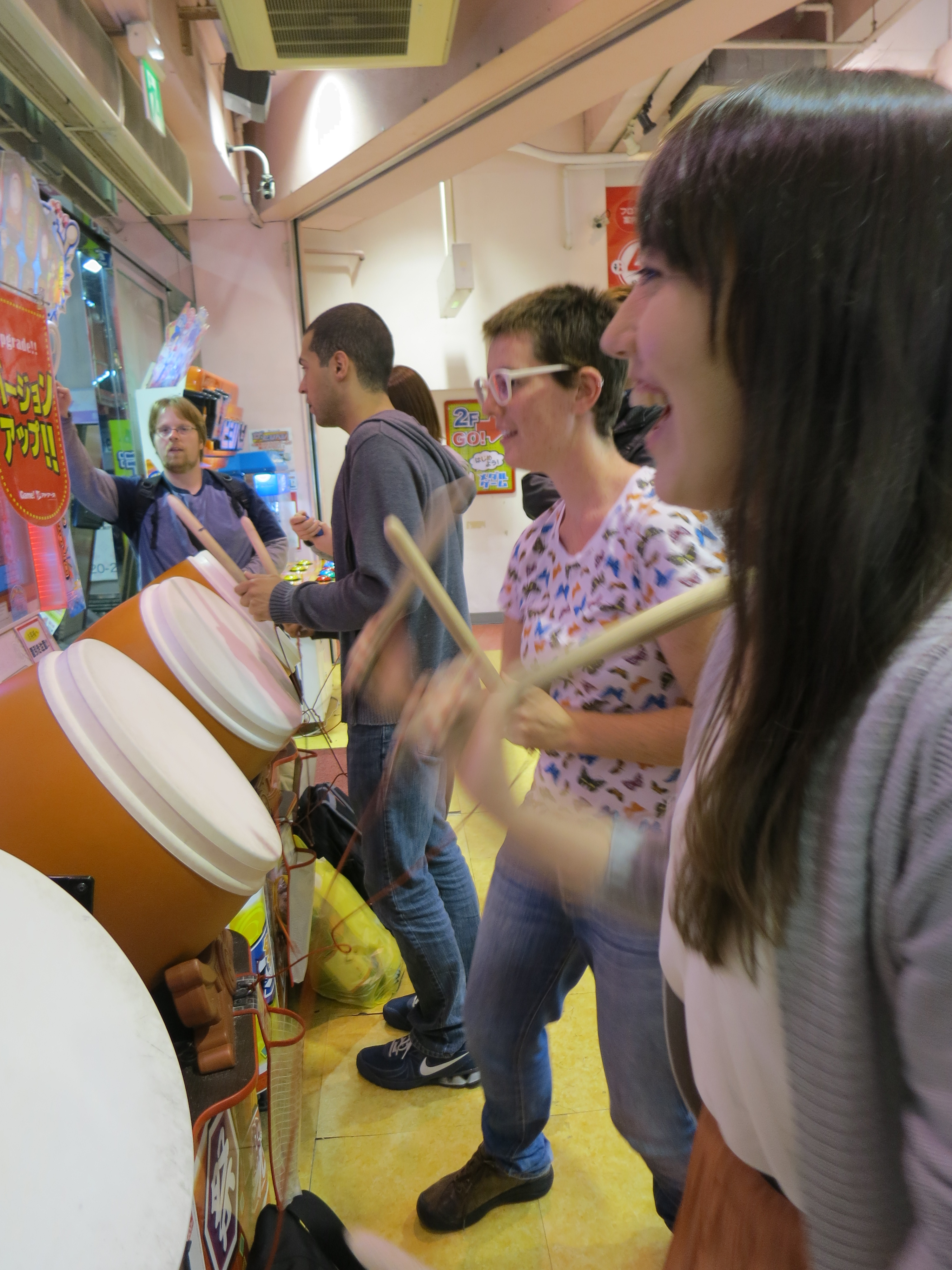
After our two hours were up, we decided not to extend, since the prices make a huge leap after 11pm. Instead, we had a bite to eat at a place across the street, then wandered into one of the many arcade game places and had a drum-off. We realized the last train of the night was about to leave, and I didn’t know how to get home without the train, so we raced across the busiest intersection in Japan just in time to make it.

Drumline

Drumline

Vasha, me, Dar, and Takako--a great night out

Vasha, me, Dar, and Takako–a great night out

As we ran (okay, my friends ran, and I jogged poorly), I glanced around me and took in the stylish Japanese youth texting, laughing, strolling to their next destination. It was a beautiful spring night, the neon was buzzing, the bars and nightclubs and arcades were full of smiling people. I wished I could stay up all night with them.

The neon of Shibuya

The neon of Shibuya

An Afternoon in Asakusa

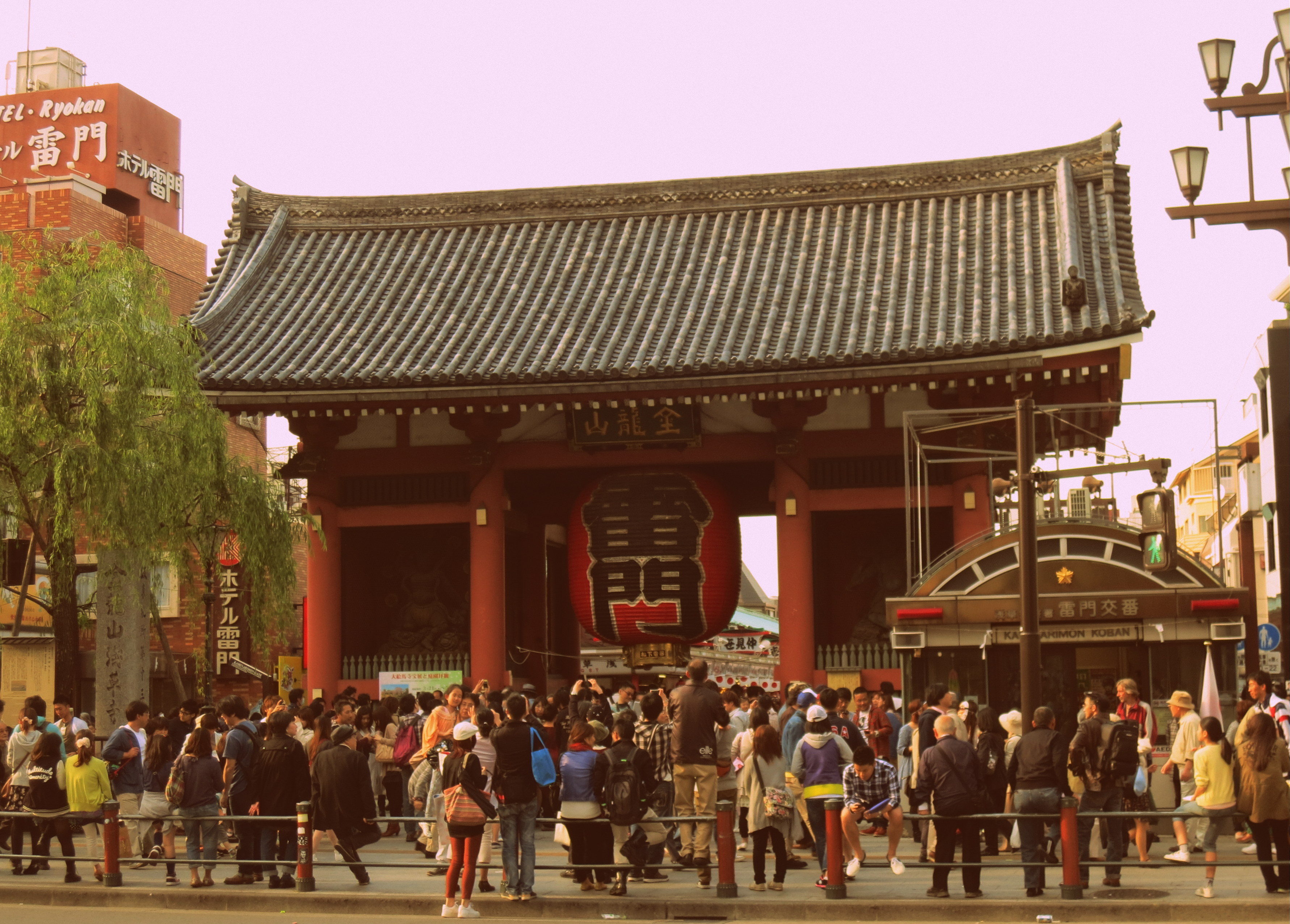
Kaminarimon Gate swarmed with people. The gods of wind and thunder who guard the entrance to Sensoji Shrine looked fierce in the afternoon sun, and all the Golden Week visitors snapped photos under the red lantern that takes its name from those wooden guardians. Kaminarimon, or Thunder, Gate is in the heart of Asakusa, a district in Tokyo on the Sumida River.

Kamariniron Gate

Kamariniron Gate

tokyo asakusa

The lantern at Thunder Gate

The lantern at Thunder Gate

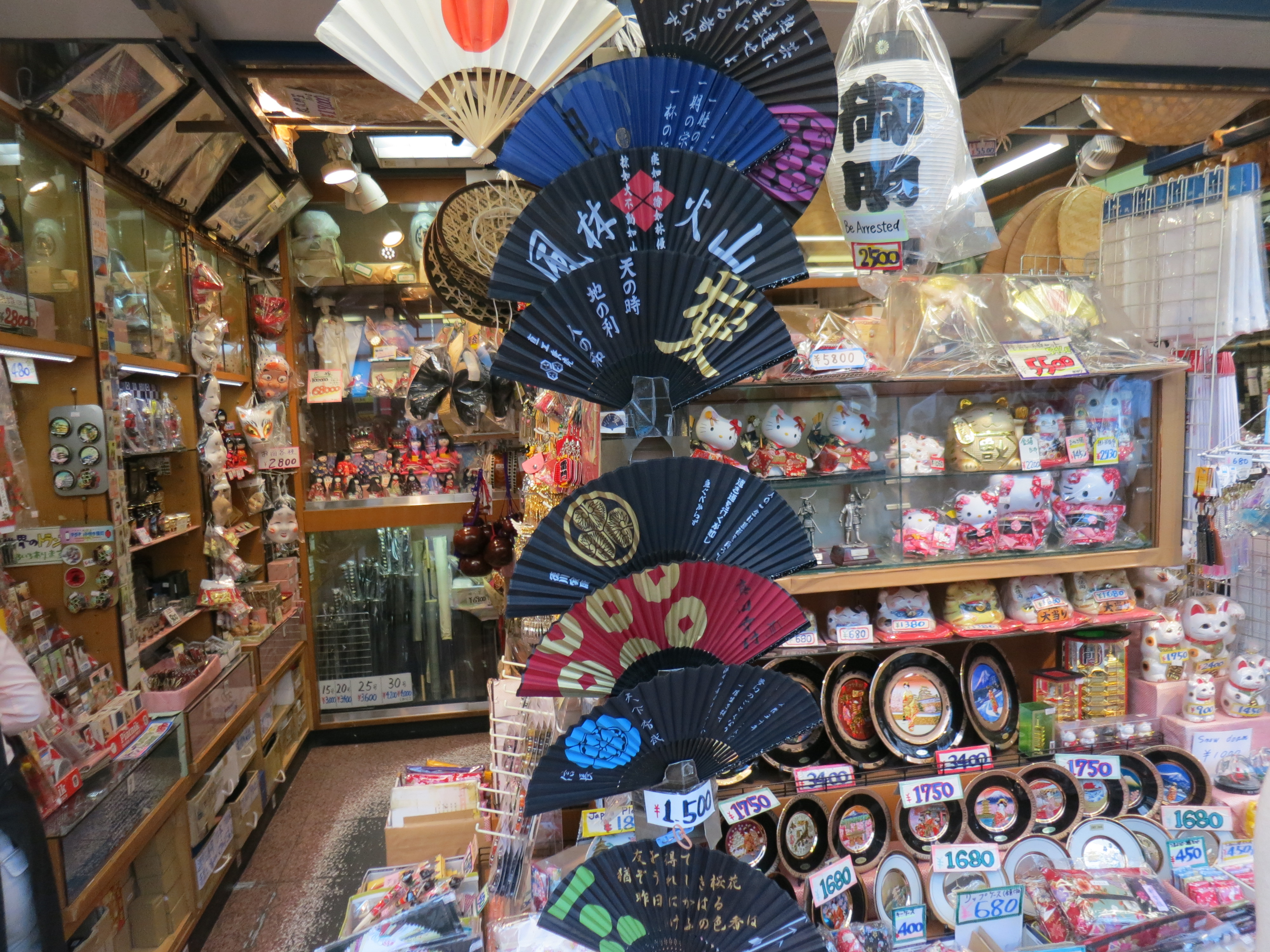
I sailed up the river on a packed tourist boat and followed the crowds past the rickshaw drivers, under the gate of thunder, and down Nakamise-dori, a walking street selling snacks and souvenirs. I had some mochi and admired the five-story pagoda at the end of the street.

Rickshaw rides

Rickshaw rides

Nakamise-dori, a walking street of souvenirs and snacks leading from the gate to the shrine

Nakamise-dori, a walking street of souvenirs and snacks leading from the gate to the shrine

Souvenirs

Souvenirs

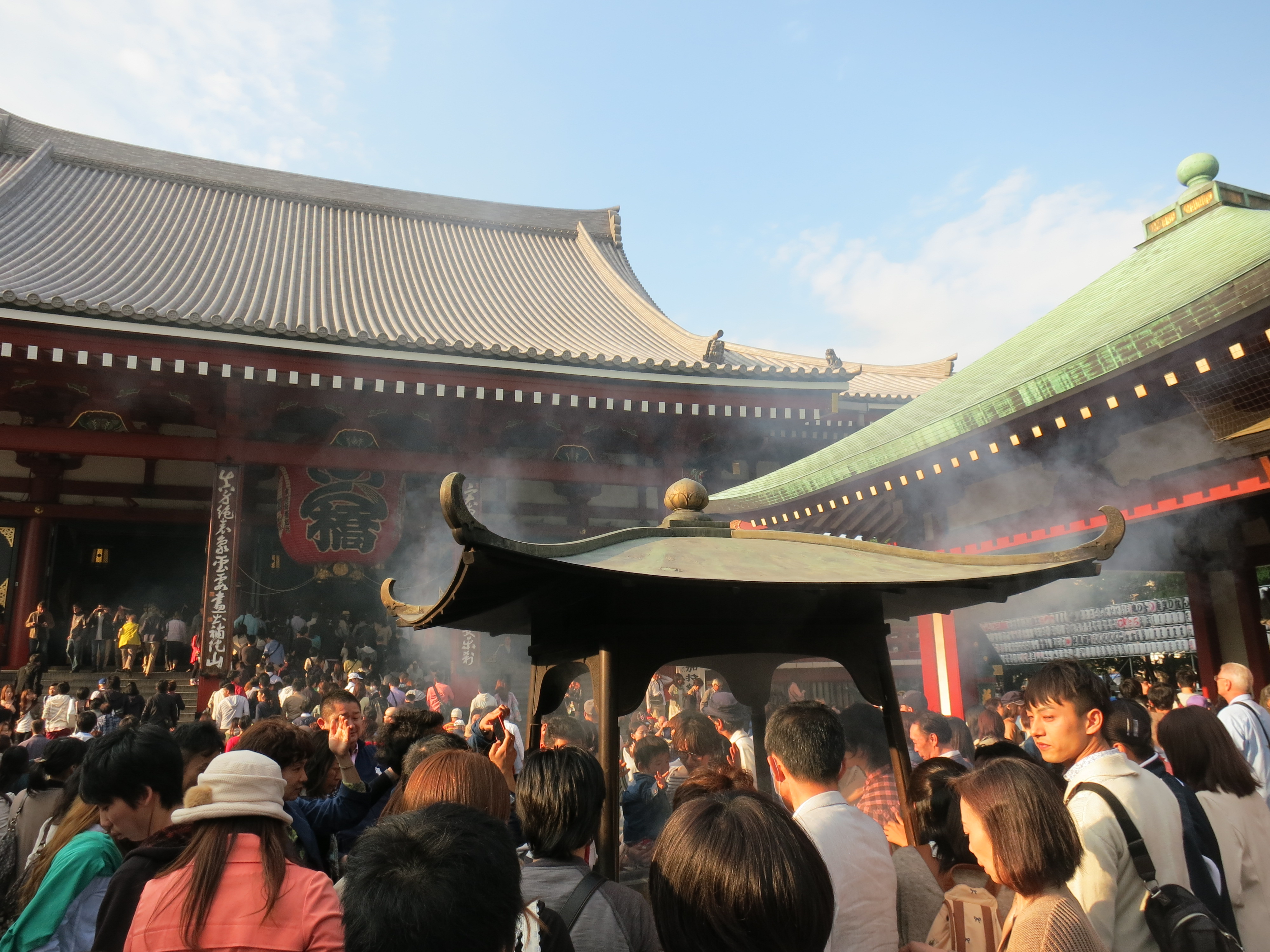
Rows of drawers filled with paper fortunes lined the approach to the shrine, and people tied fortunes they didn’t want to a fence in one corner of the pavilion. I joined in others who stood at the fire in front of the shrine, waving purifying smoke toward my face while wishing for luck.

Purifying smoke

Purifying smoke

Discarded fortunes

Discarded fortunes

I climbed the red steps to the shrine and took a couple photos before I saw the sign requesting that people turn off their cameras. So I won’t show those photos, but I’ll tell you that the altars were an ornate gold, fronted by rows of flowers, and the ceilings were painted with scenes of sinuous dragons and elegant women.

Leading up to the shrine

Leading up to the shrine

The five-story pagoda

The five-story pagoda

Asakusa used to be the main entertainment district of Tokyo. Shinjuku and Shibuya have taken over as the nightlife areas of the city, but sites like the Kaminarimon Gate and the Sensoji Shrine keep it a central part of the city’s identity.

Tea with Kazumi: A New Friend in Hirosaki

On my second day in Hirosaki, I looked at more cherry blossoms and some non-sakura things in town, and I made a new friend. The city itself isn’t much; it’s a modern Japanese town, clean and neat but not architecturally interesting. I walked back to my Couchsurfing hosts’ home from the castle a couple times, but most of the time I made the two-mile trip on a shuttle bus from the castle’s east gate to the train station’s front doors, a $1 one-way trip set up specially for domestic and international tourists in town for the sakura.

Hello, flowers!

Hello, flowers!

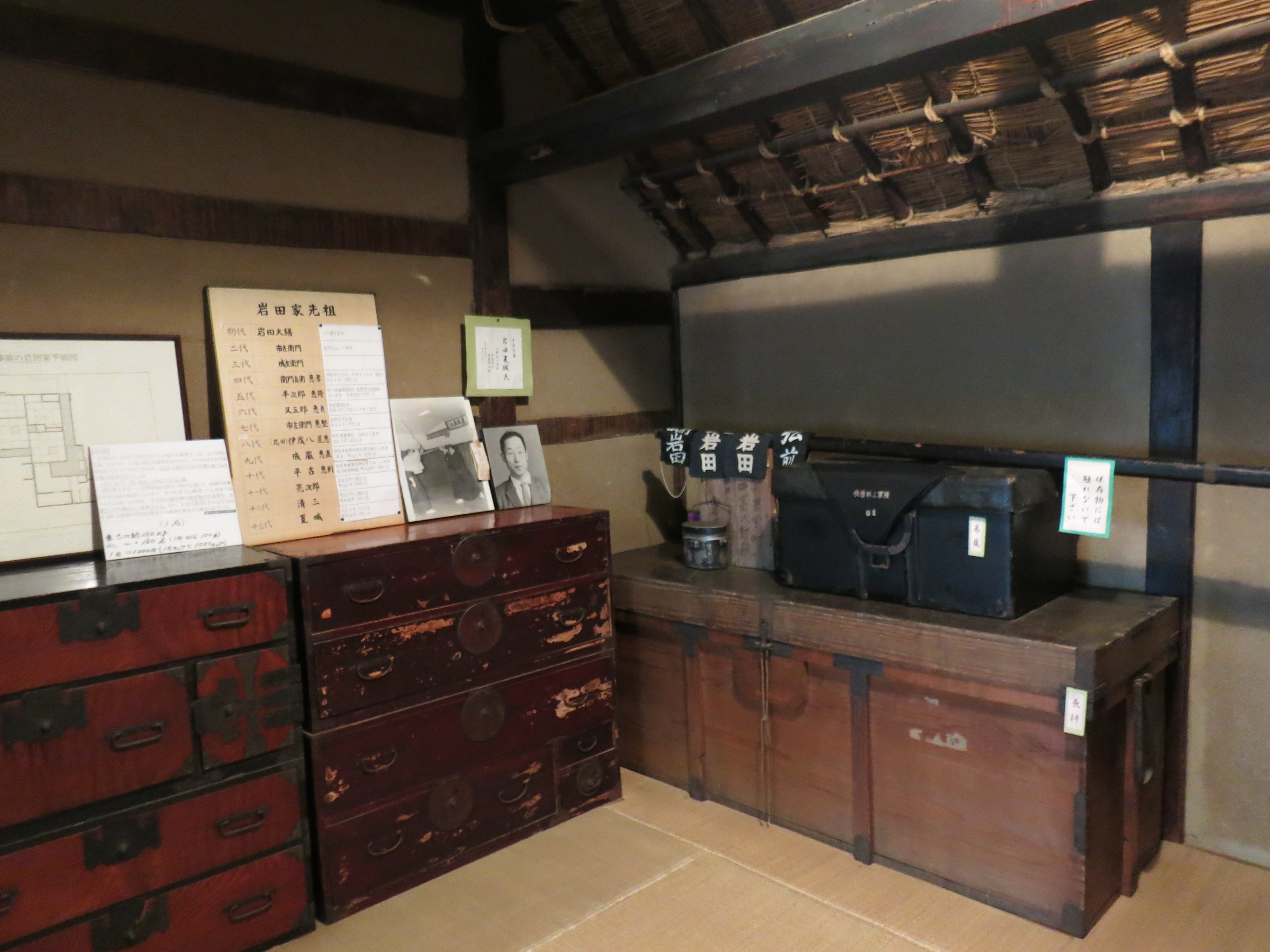
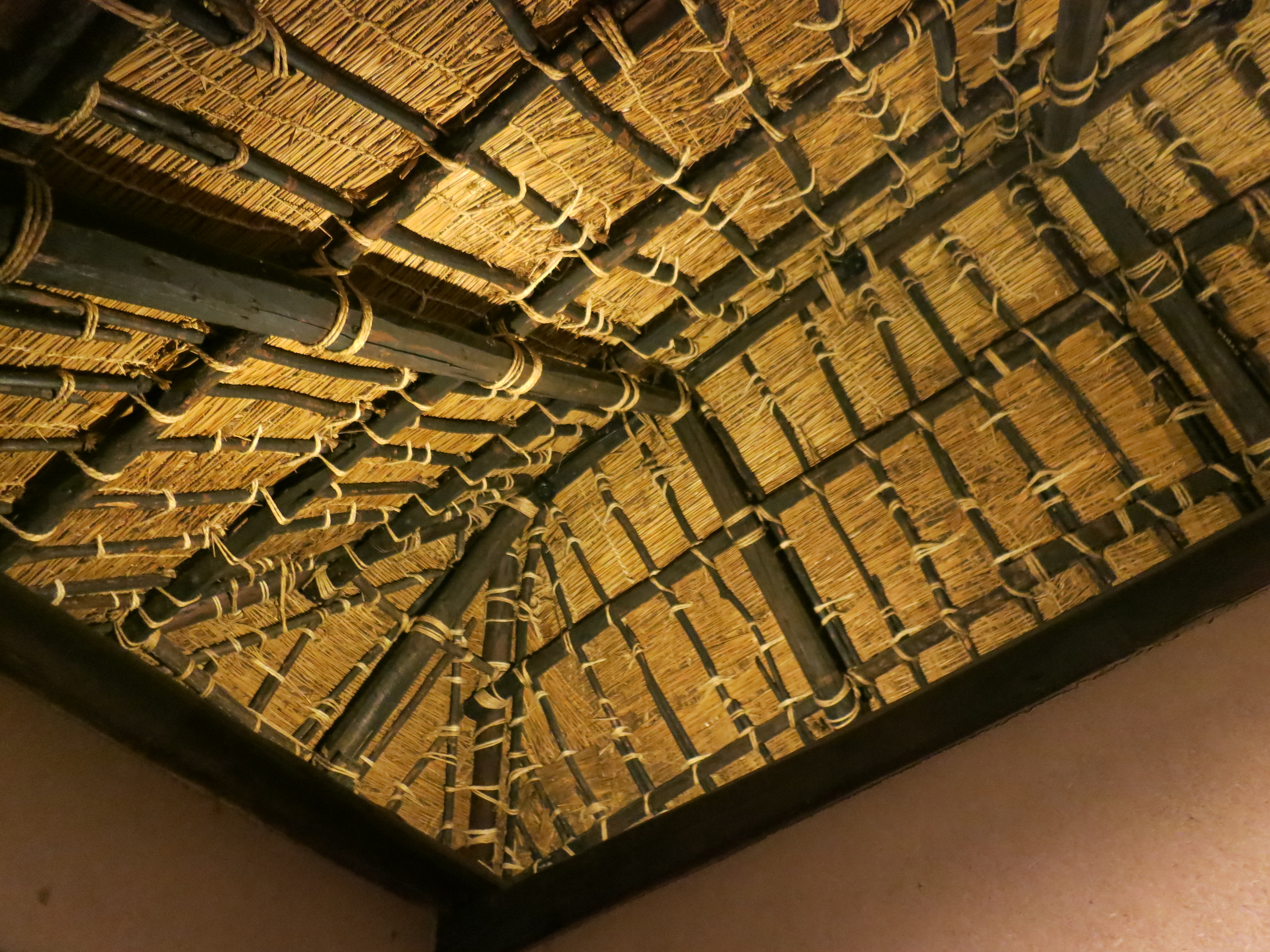
One part of town used to be known for indigo dyes, and some of that work is still done here, so I walked to the indigo shop by the northern castle wall. Everything was a little pricey for me, but I did admire the deep blues and near purples of the dyed cloths. Then I took a side road to the streets behind, which my map claimed were lined with Edo-period samurai houses. I had trouble finding any, but finally stumbled upon one. I found it similar in layout to the Shirotas’ home in Shinrin-koen, set in an elaborate little garden. I apologized to a middle-aged Japanese woman who wanted to get past me on her way out of the house, but when she heard me speak in English, she struck up a conversation.

In the indigo dye shop

In the indigo dye shop

The samurai house

The samurai house

Some of the treasures of the house

Some of the treasures of the house

Thatched roof

Thatched roof

Her name was Kazumi, and she wanted to chat with me and show me the town. She lived close to Tokyo, but was visiting a friend here. Her friend was busy during the day, so she was taking in the sakura, although she was disappointed by how few trees were in bloom. She  insisted I walk to the other side of the castle with her to look at a certain garden, and I was happy to comply.

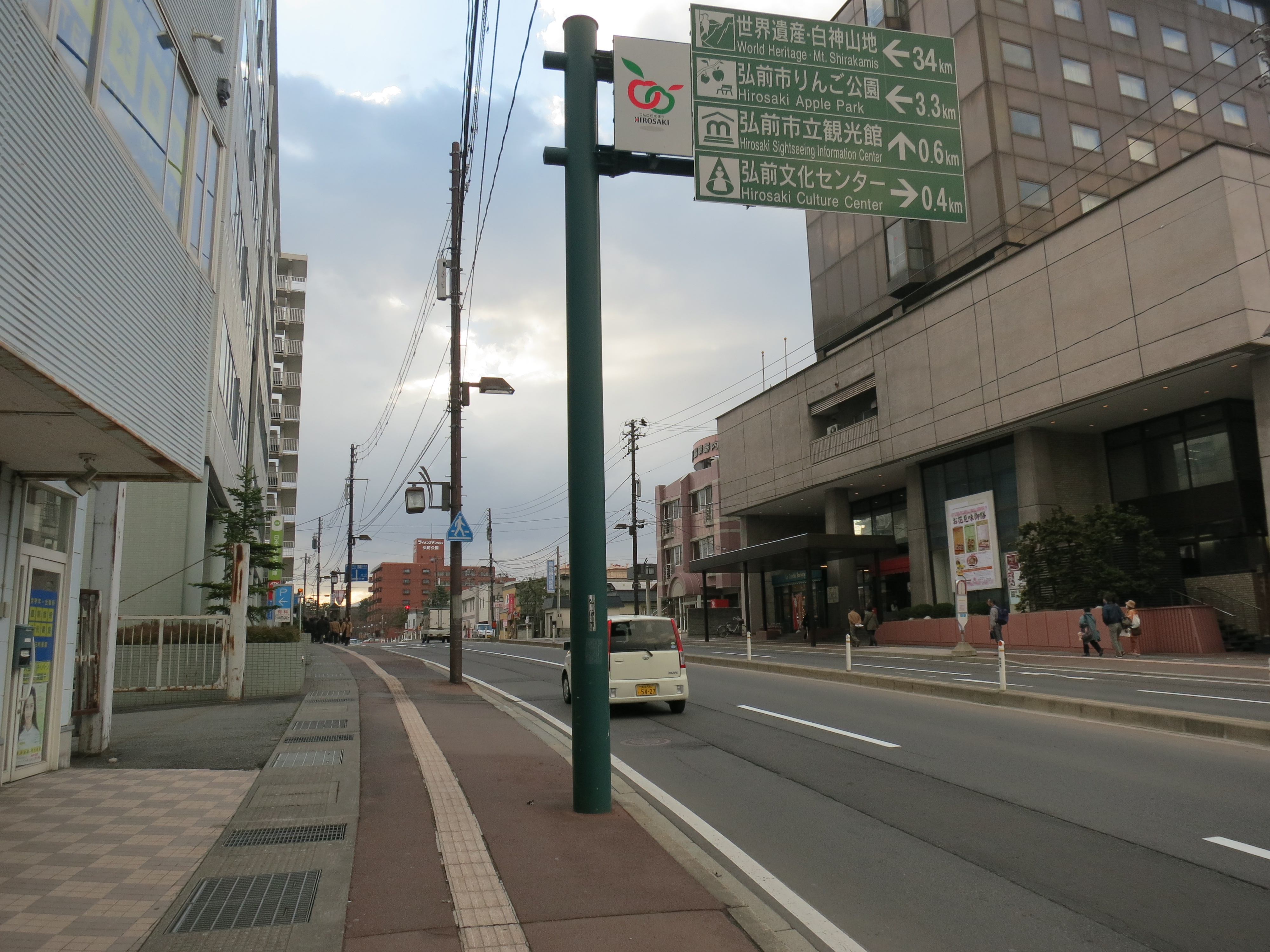
The clean, uninteresting streets of the non-castle part of town

The clean, uninteresting streets of the non-castle part of town

Kazumi is married and has one grown child. Her husband travels a lot for business, and he used to take her with him on trips. She’d found it difficult to understand tour guides, and her husband had urged her to learn English, but she’d resisted. Then, twelve years ago, at the age of 49, she decided she wanted to learn, and here she was, a few idioms away from fluency. I was impressed, and once again embarrassed by my pathetic “I find learning languages difficult” excuse for my mono-linguistic ways.

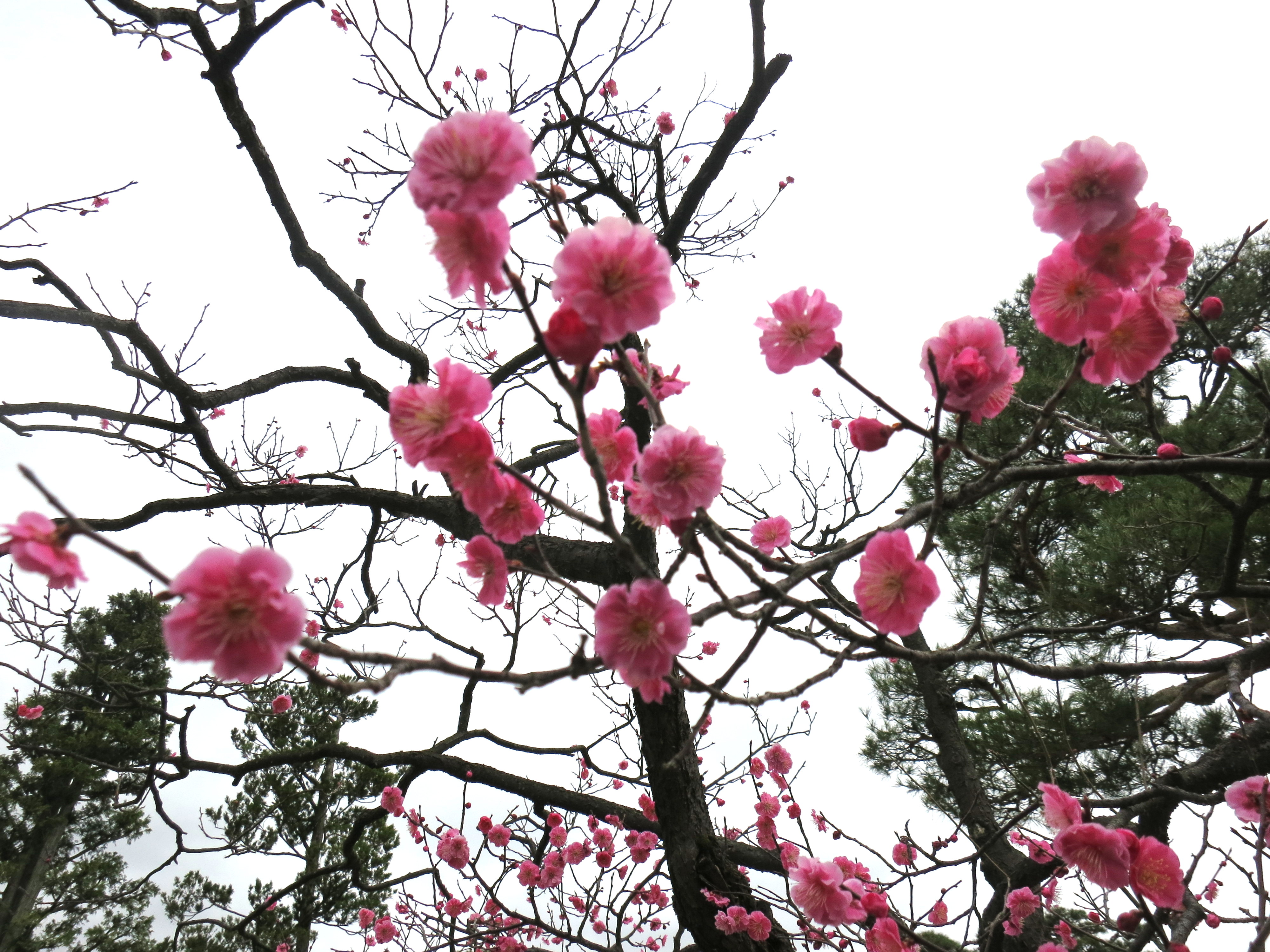
Plum blossoms

Plum blossoms

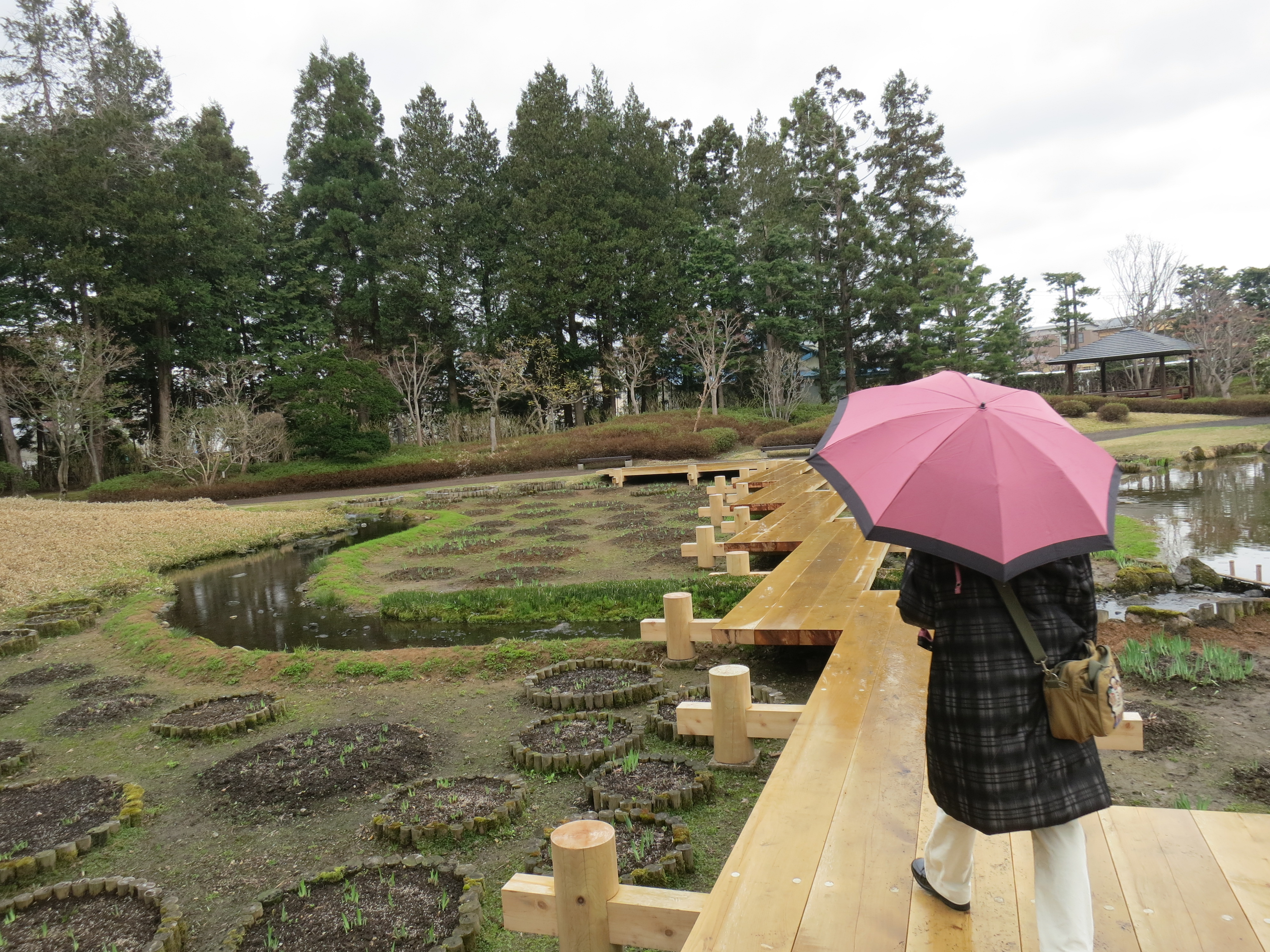
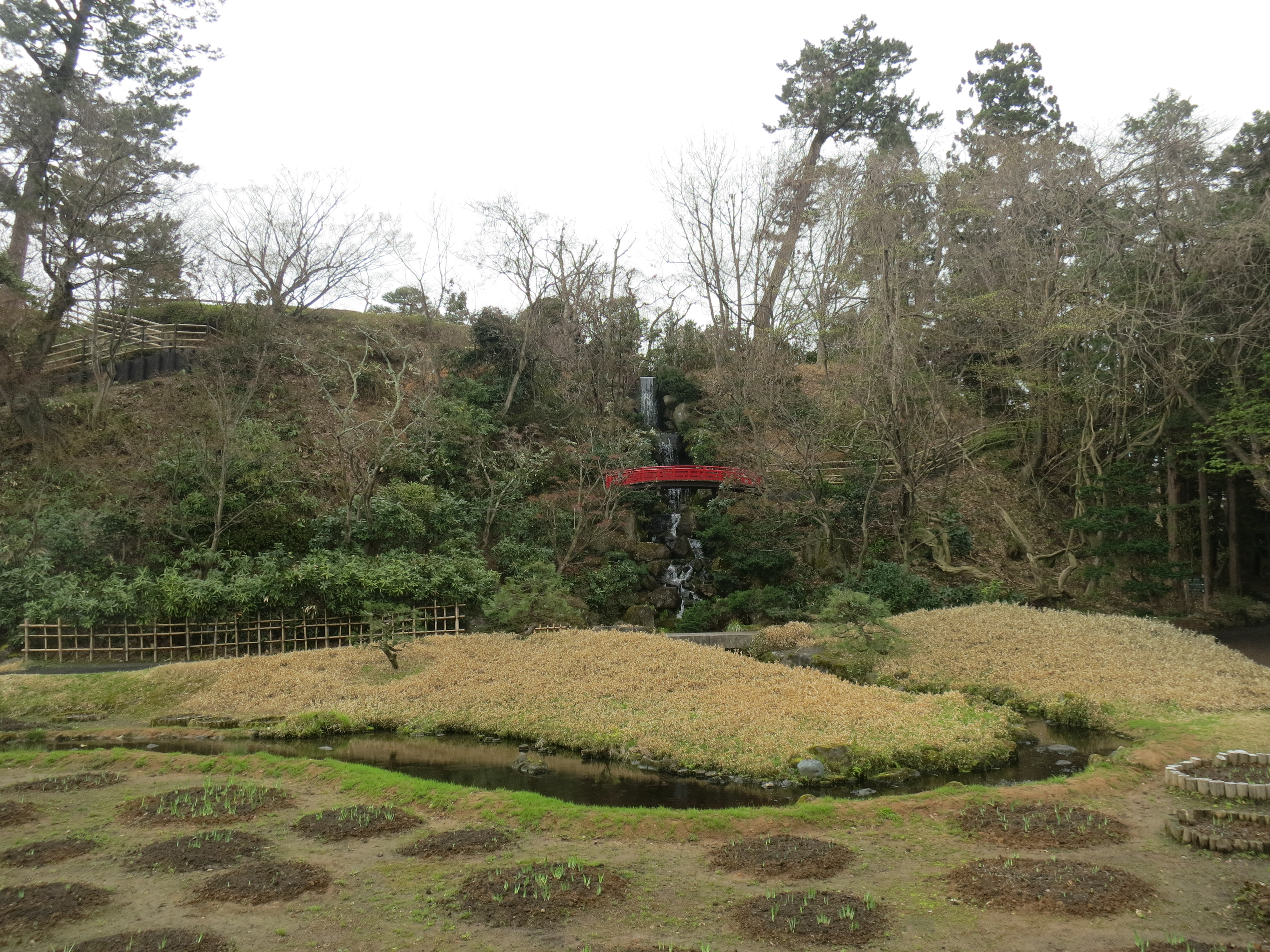
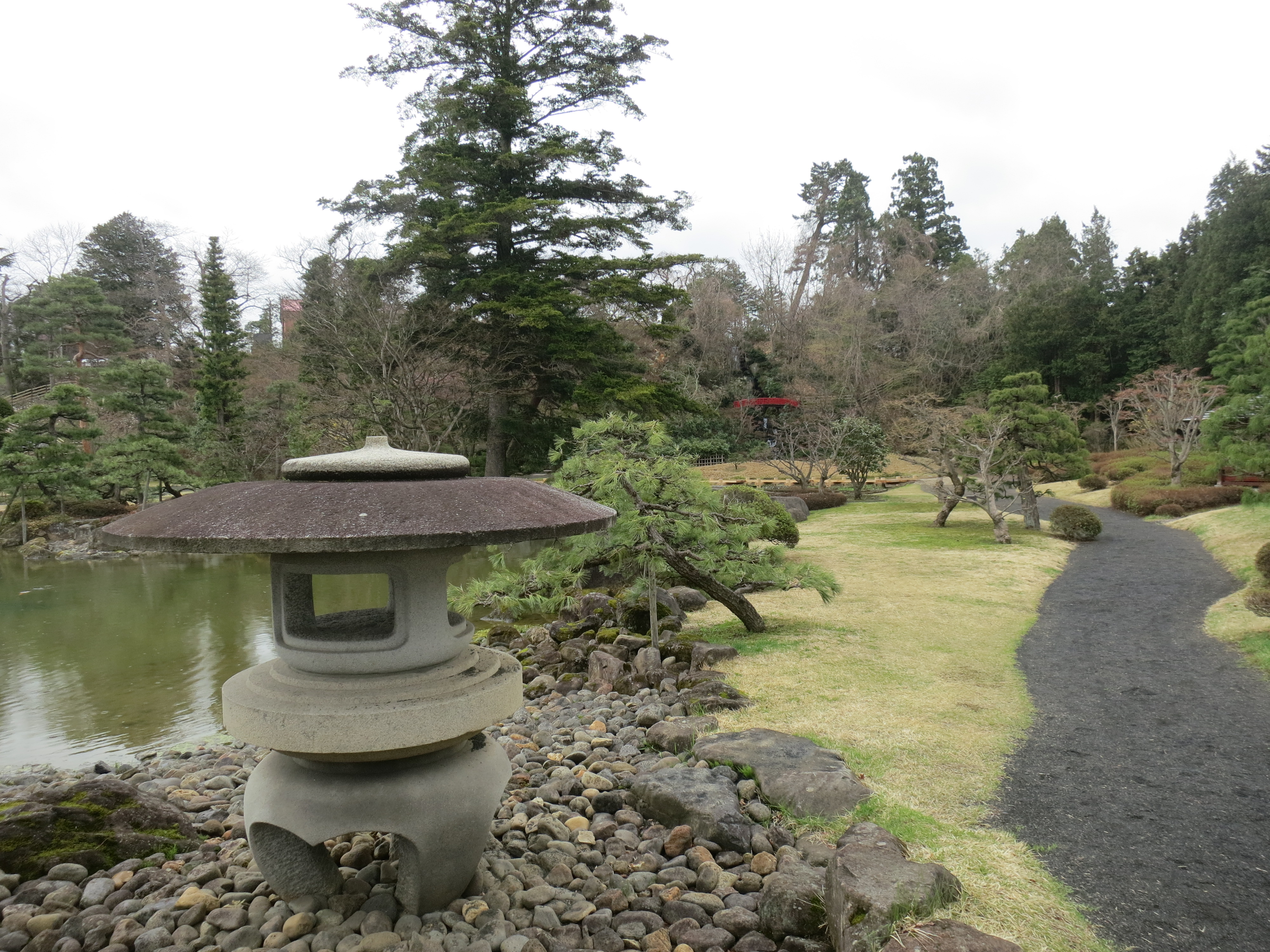
The garden she took me to was Fujita Memorial Garden, south of the castle. It was beautifully conceived, another meticulously laid out, peaceful place with a little waterfall and a red bridge (like all the red bridges around the castle) and a koi pond. I could see how it would be glorious in summer. Kazumi told me about the different plants I was seeing, including the plum trees in bloom. Usually, the plum trees bloom in early March, before the cherry trees, but because it’s colder than usual this spring, some plum trees were still in bloom while the cherry trees were just peeking out. The plum blossoms were a bright and beautiful pink, a lovely contrast to the white and pale pink of the cherry trees.

Following Kazumi, who set a fairly brisk pace

Following Kazumi through Fujita Memorial Garden. Kazumi set a fairly brisk pace.

hirosaki hirosaki

One of the many plants Kazumi identified for me. I can't remember its name, but I know it's a mountain flower native to Japan.

One of the many plants Kazumi identified for me. I can’t remember its name, but I know it’s a mountain flower native to Japan.

The castle grounds and surrounding areas were dotted with signs like this. Apparently, there's a popular TV melodrama with scenes set here, and the signs showed exactly where they were, so you could re-enact them or at least pay your respects.

The castle grounds and surrounding areas were dotted with signs like this. Apparently, there’s a popular TV melodrama with scenes set here, and the signs showed exactly where they were, so you could re-enact them or just point excitedly.

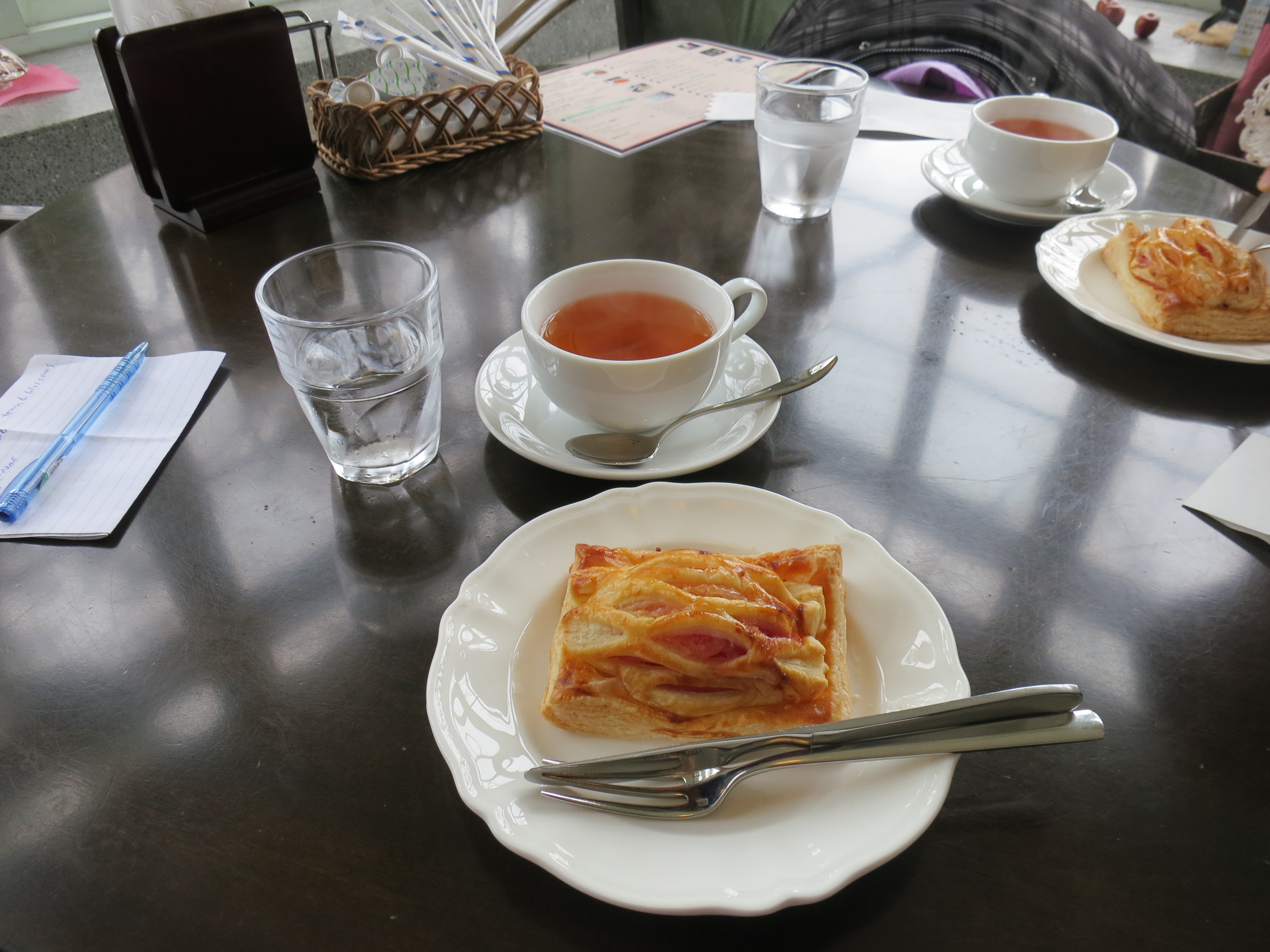
After we’d walked around the garden, Kazumi treated me to tea. We went to the little tea room overlooking a large weeping cherry tree and sat at a table laid with a white tablecloth. Kazumi ordered for us both: apple tea and an apple tart each. Hirosaki produces a lot of Fuji apples, and it becomes a tourist destination again in autumn, when apples are in season (and again in winter, when the nearby mountain is taken over by skiers and snowboarders). There was a live xylophone concert in the room next door, which we couldn’t see, only hear. We sat in a glassed-off porch, talking quietly about our travels, while a round, ringing sound reverberated throughout the room. It was lovely.

Apple tea & tart

Apple tea & tart

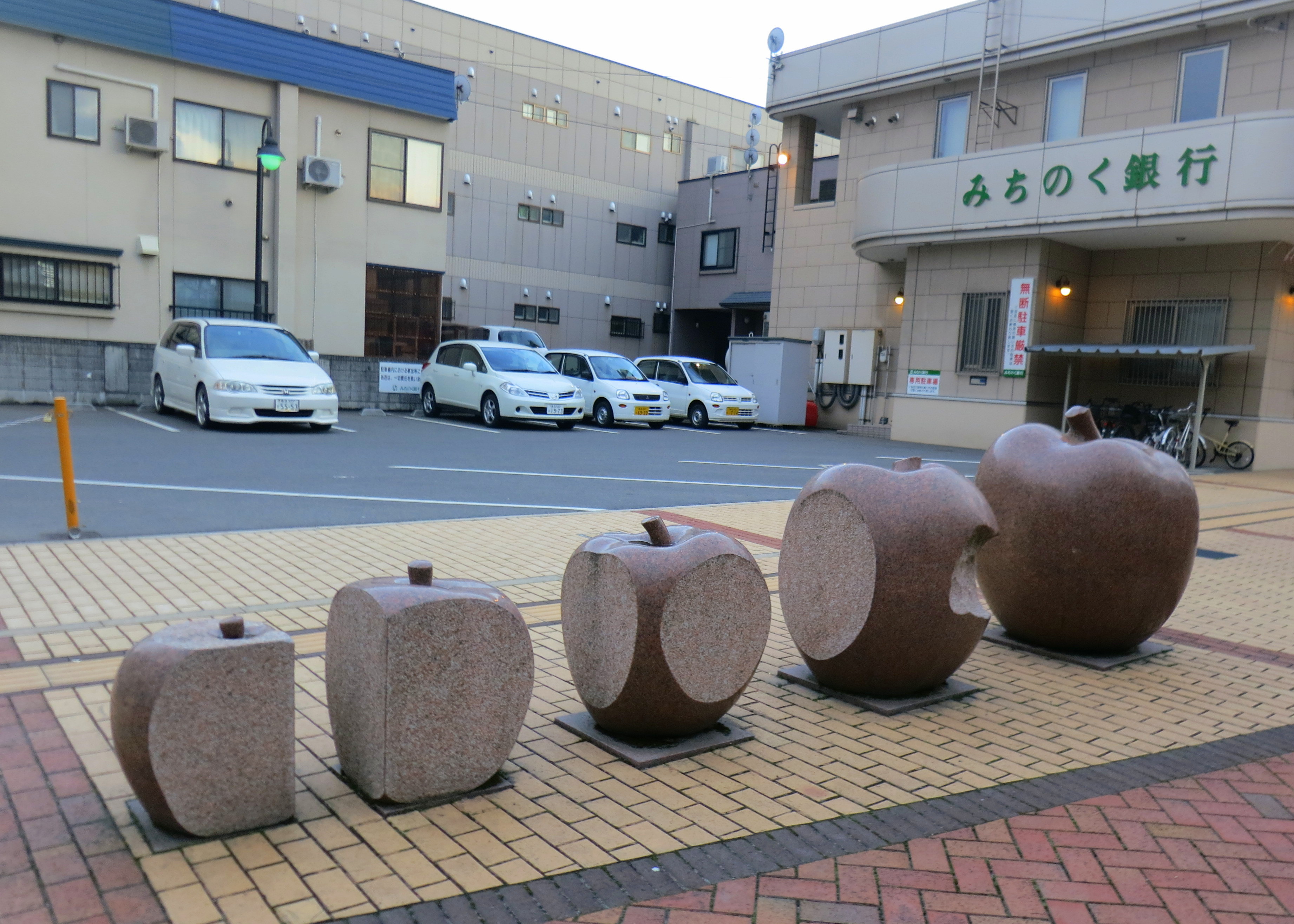
Apples are so important that they're made into public art

Apples are so important that they’re made into public art

Kazumi was clearly a kind, generous person, but she also had clear ideas of how things should be, and she was eager to share those ideas; she had opinions on almost every arrangement of plants in the garden, and everything she said came with a note of authority. One of the first things she said to me, when we met at the samurai house, was, “This is just a middle or lower class samurai house, not very high.” It might be because she’s rich–she inherited three houses from her mother and her husband bought two more, and she goes to a Thai villa every spring for a vacation. Or it might be a cultural difference that I didn’t pick up from the other Japanese people I met. Either way, I didn’t necessarily agree with her on everything she said, or understand where she was coming from, but it didn’t matter. We were two women, fond of beautiful gardens and meeting new people, sharing tea and apple tarts in a room echoing with music.

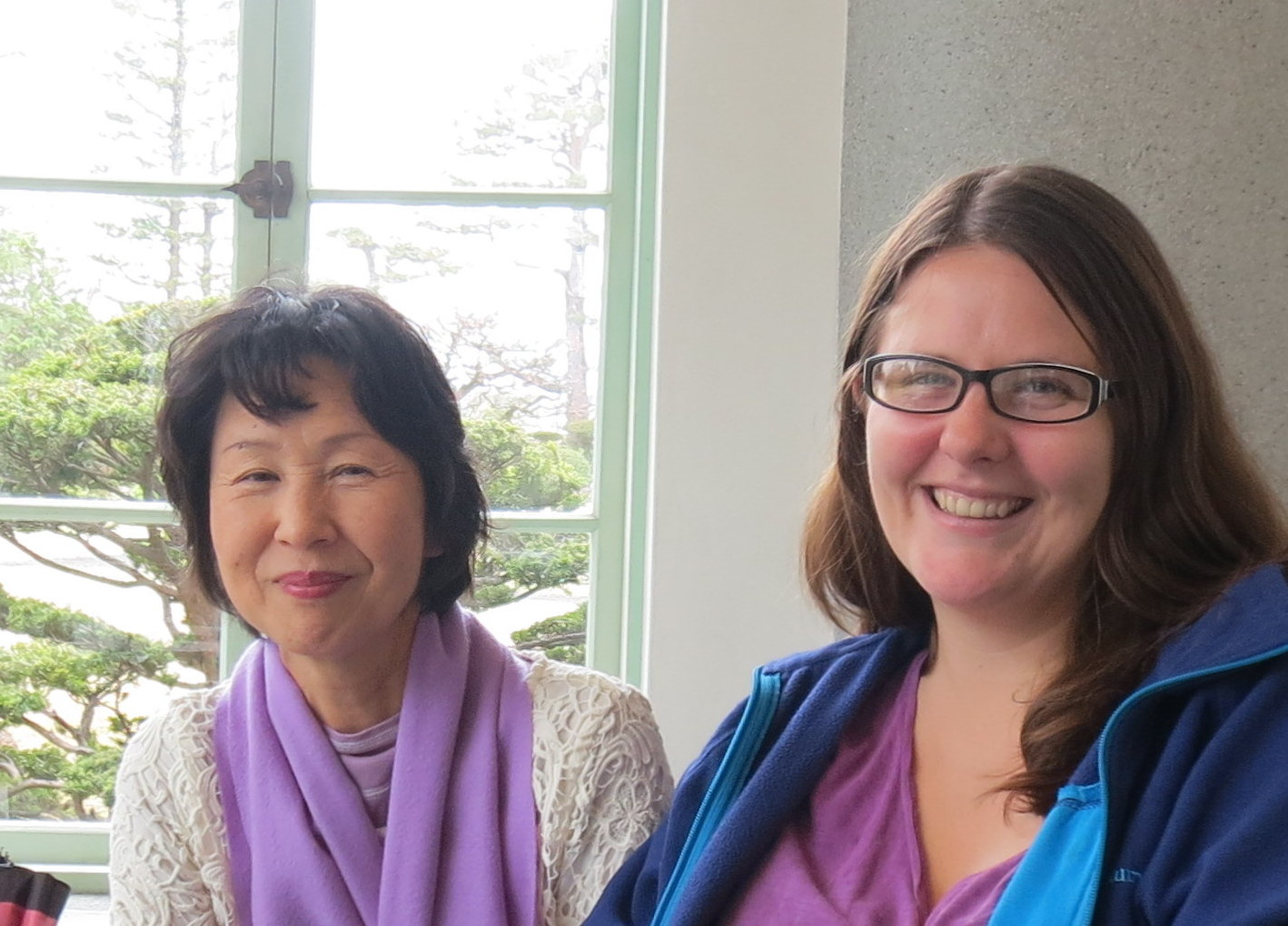
Kazumi and me in the tea room
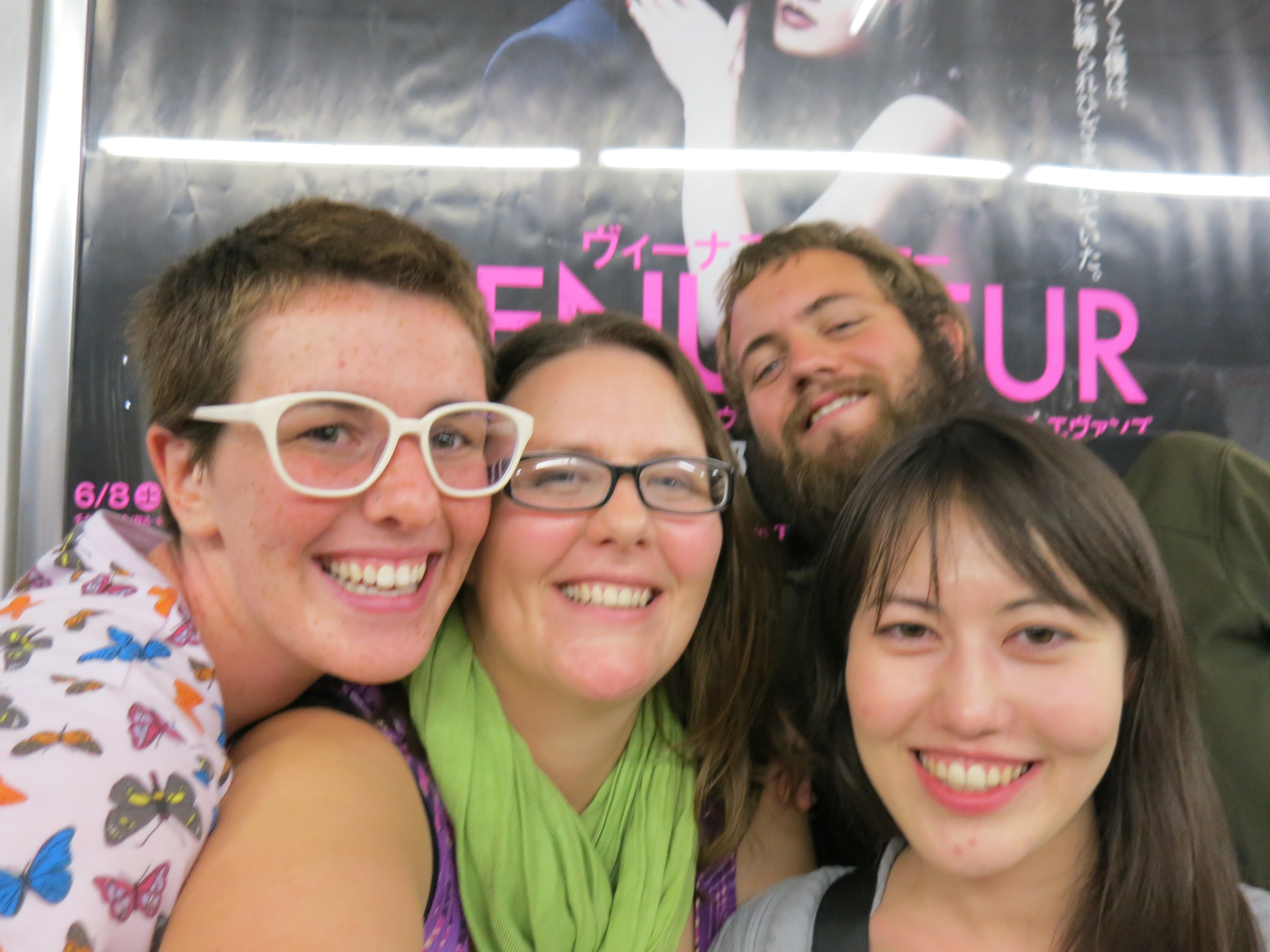
Kazumi and me in the tea room