Every major city is similar to every other major city in a lot of ways–crowds, vitality, cultural activities, traffic–and every one has its own qualities, as well. Quito, the capital of Ecuador, wedges itself between two ridges of the Andes mountains, and as a result it’s a narrow city, so all the important stops are easily found along the small strip running north to south. This includes the cathedrals, the government buildings, and also the more mundane civic places, like the parks and shopping centers. It never feels squeezed, but it does feel compact, so the largeness of the parks comes as a welcome surprise.
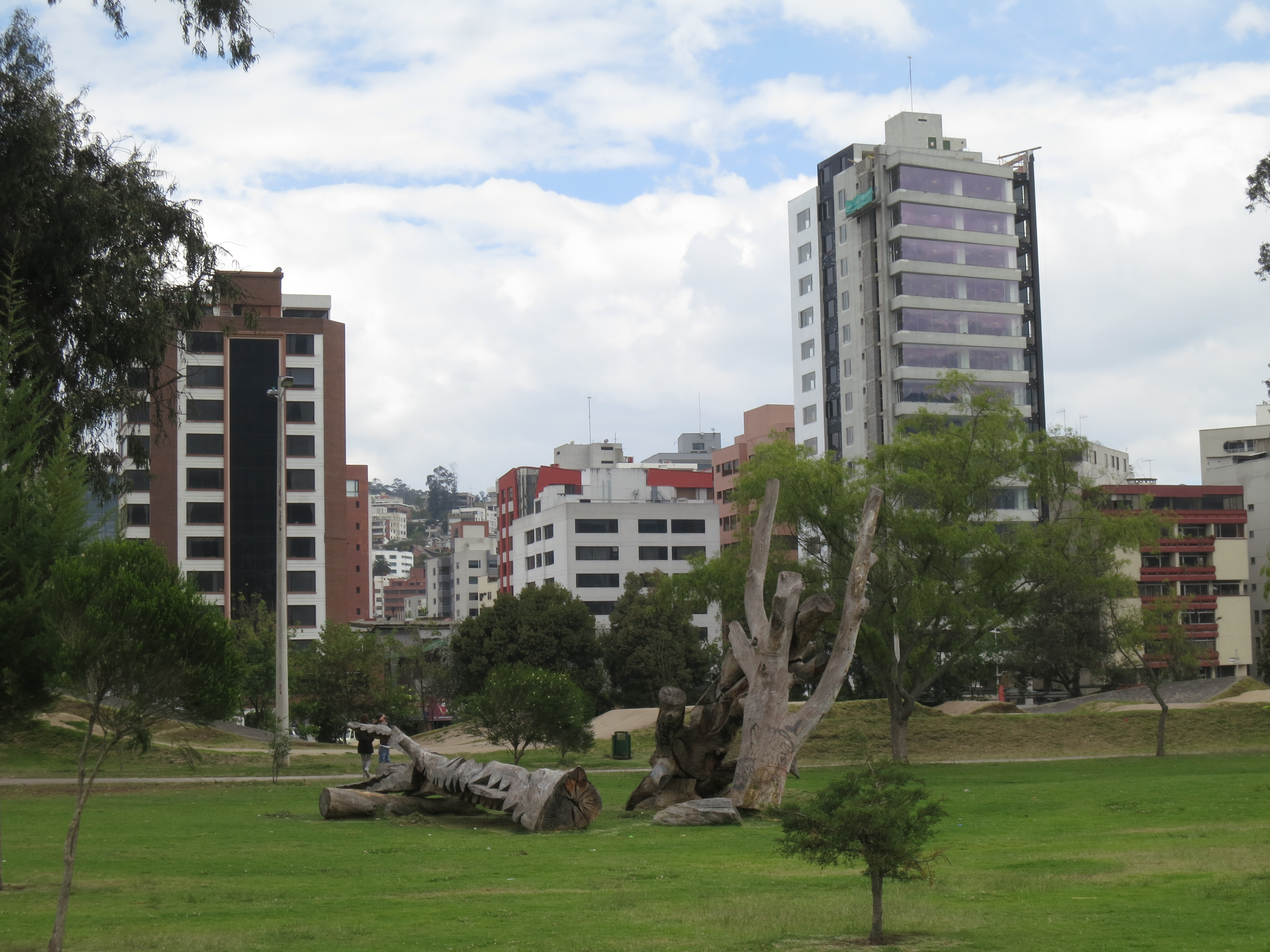
Parque de la Carolina
I spent several afternoons lying on my stomach on the green grass of the Parque de la Carolina or one of the others in the area, watching families play soccer or volleyball, people from all walks of life sharing a game of cards, vendors hawking real silver necklace, real silver for you.

Cards for all

Volleyball is big here

Egg whites and sugar, a popular dessert
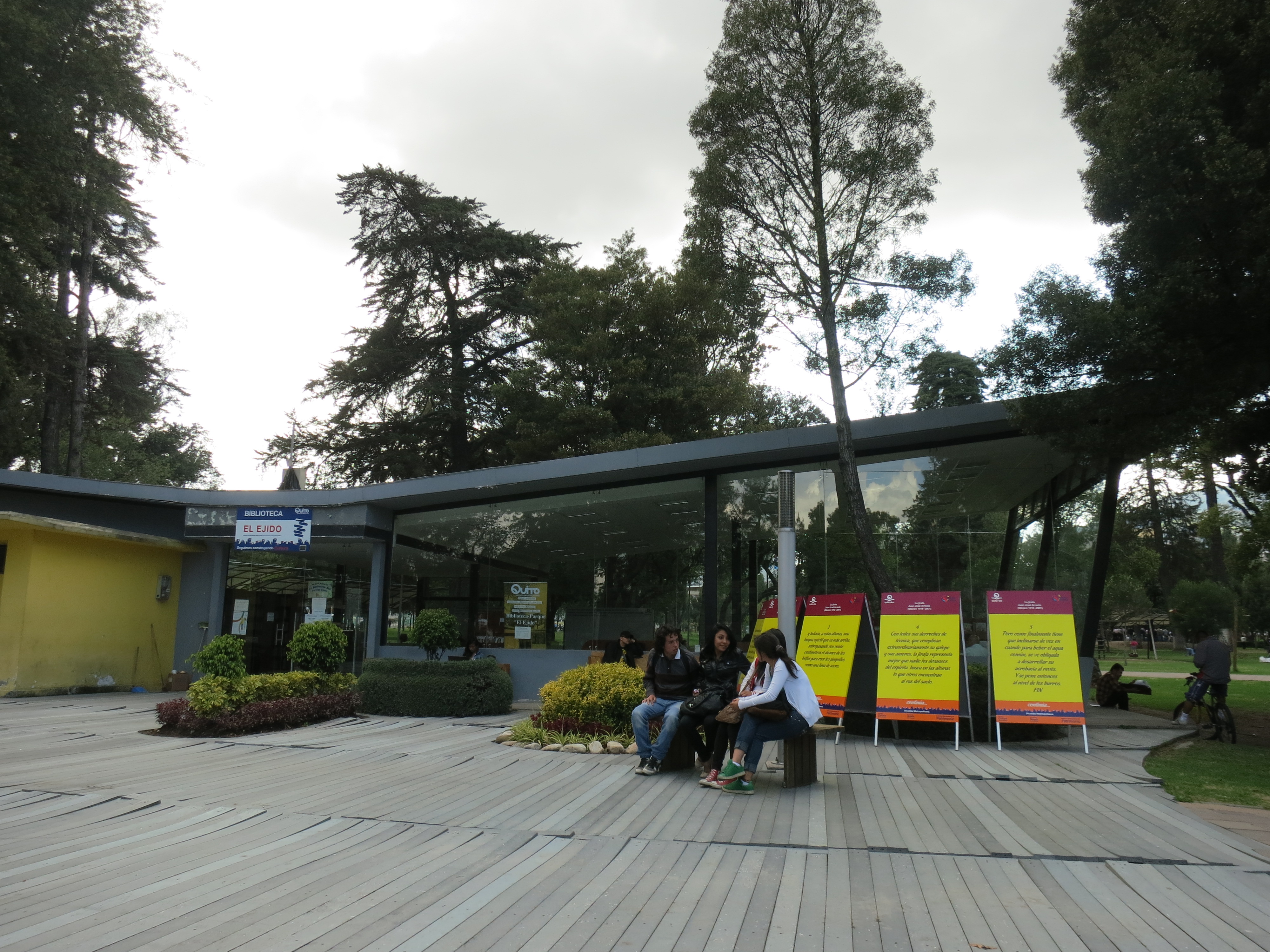
A library in the middle of the park–brilliant!
Quito also has several large malls, which are hugely popular. I was a little surprised to find myself wandering the halls of giant malls, since that’s something I try to avoid at home, never mind when I’m traveling, but sometimes it’s a Sunday afternoon and you’ve just arrived at your host family’s house and you haven’t had lunch and dinner isn’t for many hours, and you gotta go to a mall for an overpriced sandwich.

Not the mall–this is the market in the north end of town
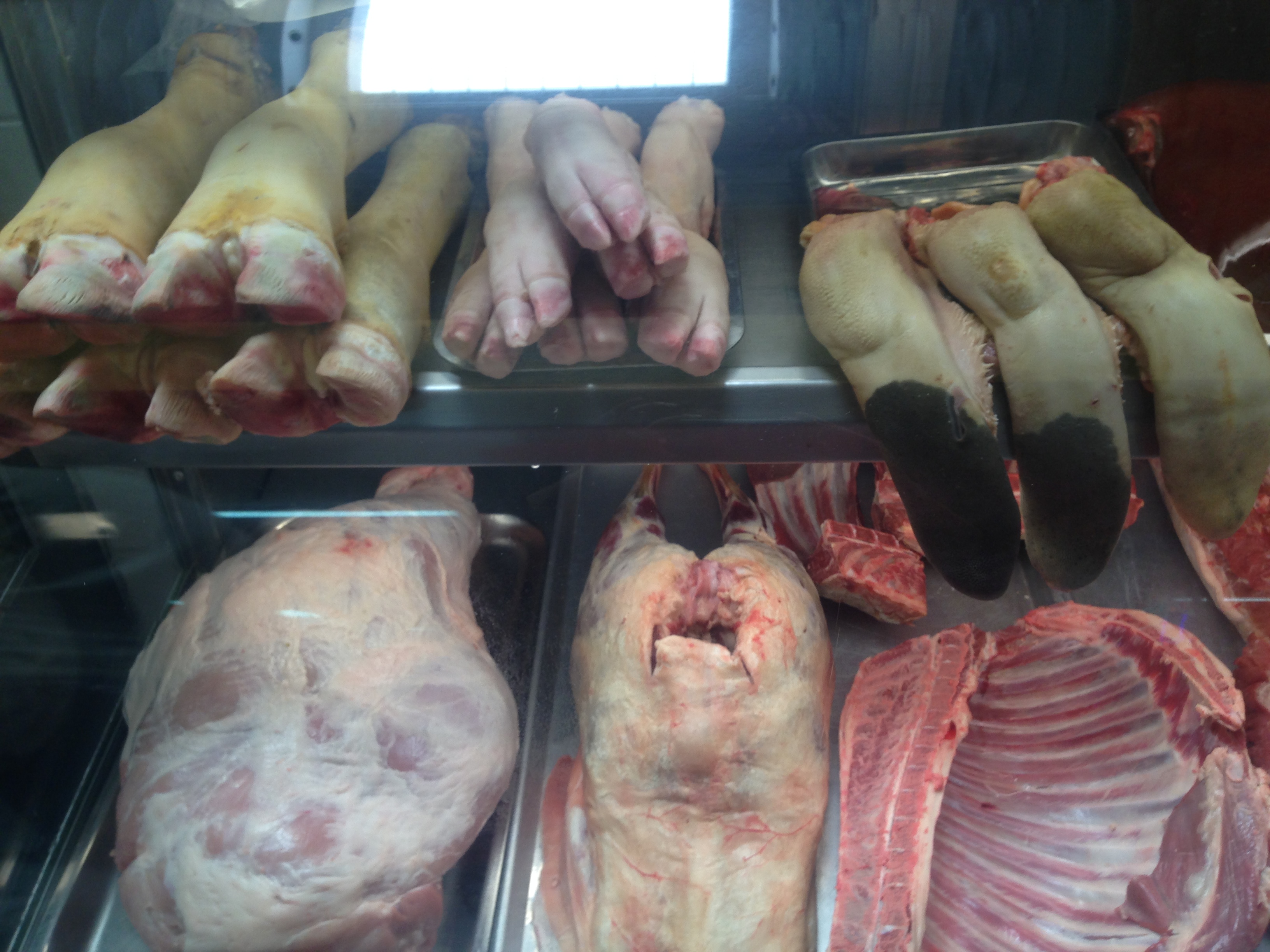
You can buy just about anything at the market. There were also brains for sale.
In Ecuador, by law, no one can sell alcohol three days leading up to an election, as well as the day of the election itself, since you’re supposed to be focusing on your civic duty of voting and not getting wasted. Of course, my last weekend in Quito was an election weekend! Still, there were lots of people out when I went to La Ronda, a revitalized street that’s now popular with artists and musicians. I had a proper Quito hot chocolate–with queso fresco that you can chew on separately or crumble into your drink–and listened to a guitarist serenade us, and afterward, walked down the street watching dancers advertise an upcoming traditional performance.
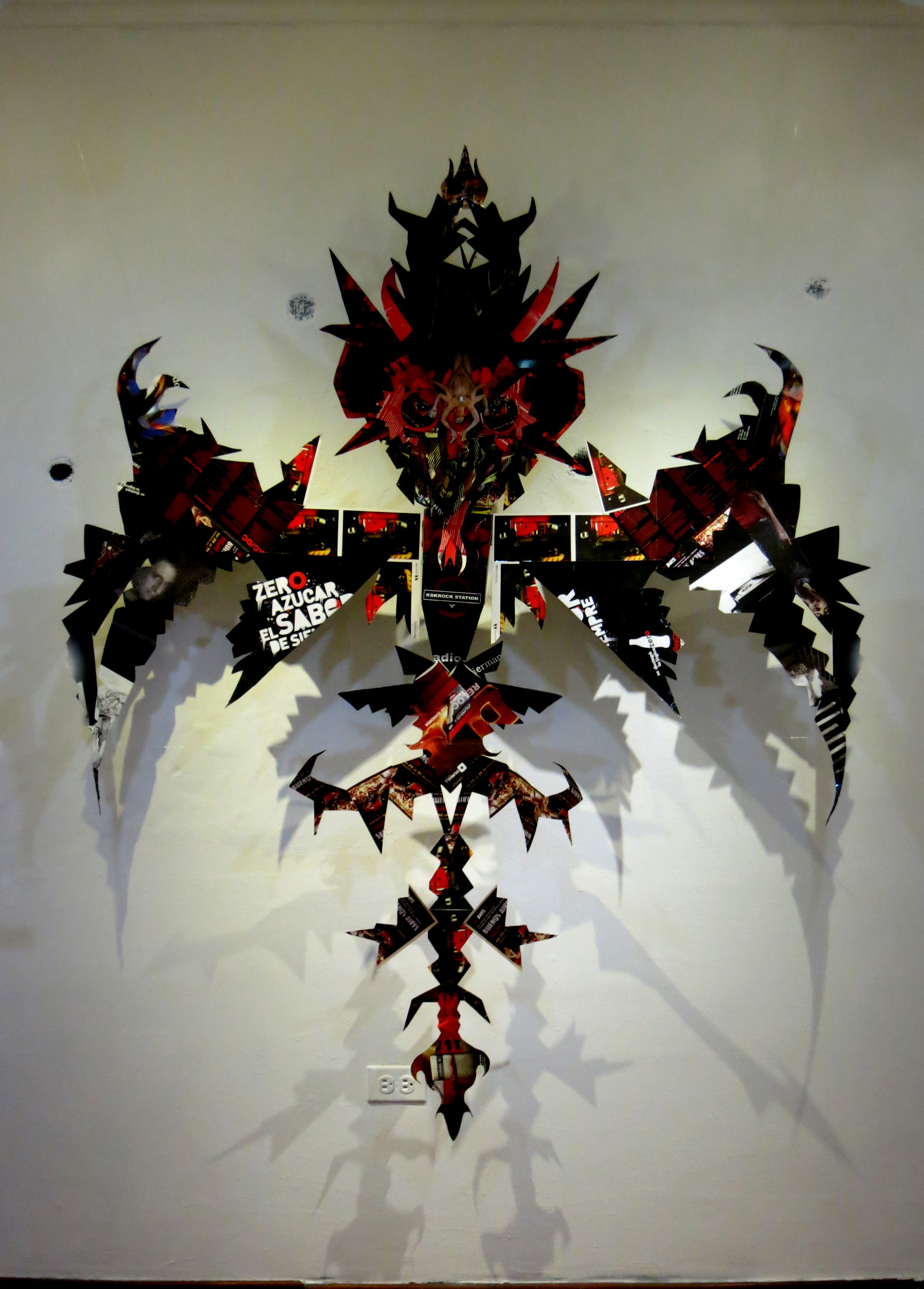
Art of Diego Mooz
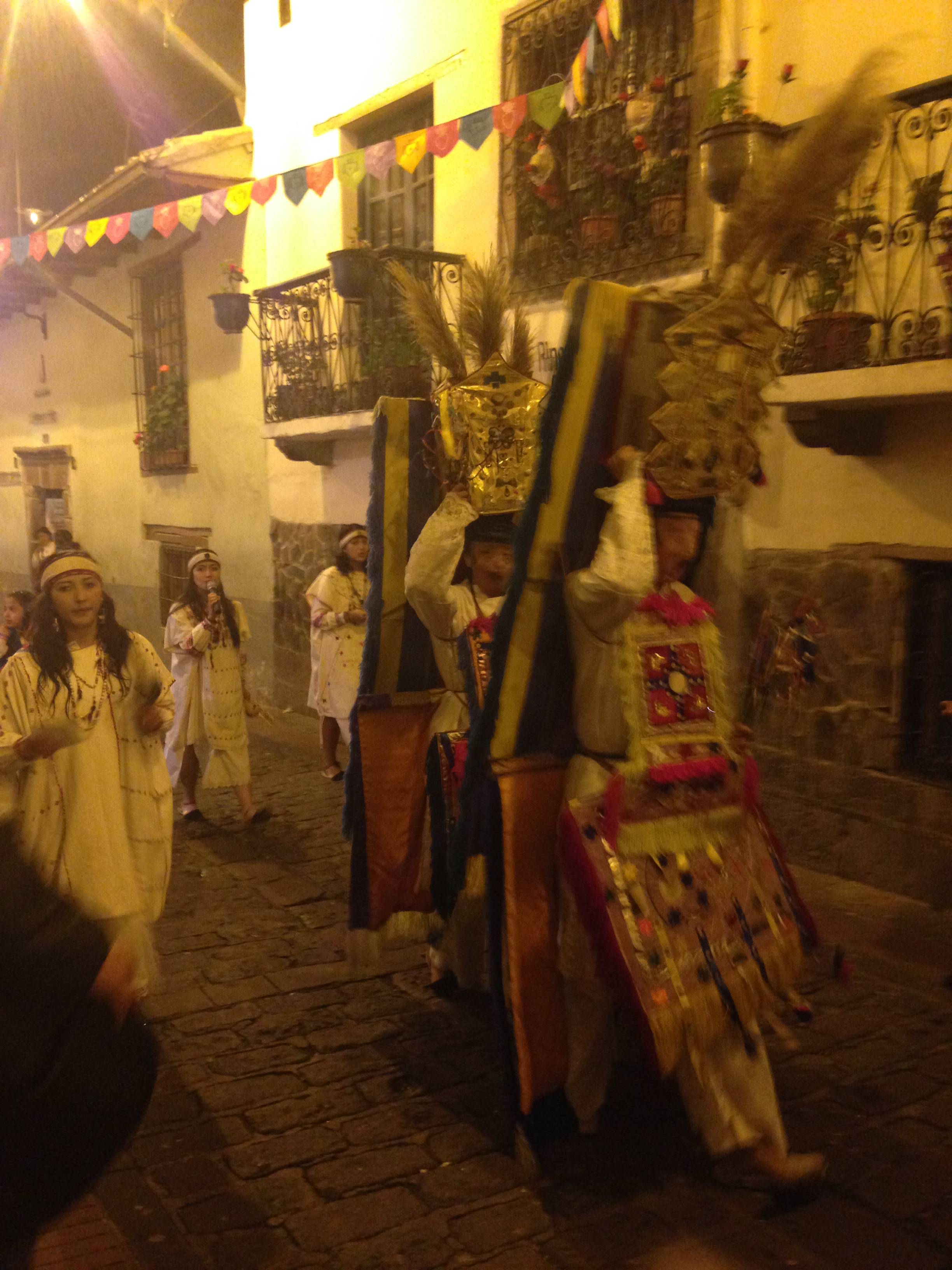
La Ronda at night
One of the last things I did before I left town was to visit the national museum, which has an astonishing collection of pre-Inca artifacts, as well as a lot of Inca gold. There’s also a floor of Catholic art after the conquest, but that is not nearly as interesting as the pre-Inca floor. The artifacts are taken from all over Ecuador, so they’re from a lot of different ethnic groups, and the variety is amazing.

Some of the pre-Inca artifacts
Anhtropomorphized pots, skinny arms hugging their bellies, the left cheek bulging from chewing coca leaves. Erotic art, showing the Kama Sutra was not alone in ancient peoples knowing a lot of ways to get it on. Llamas, condors, snakes, pumas–the important animals of the region. A mother suckling her baby. A man proudly holding his giant erection (a good luck figure). A half-cat, half-snake creature in the same skewed dimension sof a Picasso painting. A vase in the shape of a foot. I only had an hour and a half in there, but I could have easily spent twice that long looking at the weird and wonderful art.

Inca sunburst




 Stowaway Travel Writing & Editorial Services