
On my second day in Hirosaki, I looked at more cherry blossoms and some non-sakura things in town, and I made a new friend. The city itself isn’t much; it’s a modern Japanese town, clean and neat but not architecturally interesting. I walked back to my Couchsurfing hosts’ home from the castle a couple times, but most of the time I made the two-mile trip on a shuttle bus from the castle’s east gate to the train station’s front doors, a $1 one-way trip set up specially for domestic and international tourists in town for the sakura.
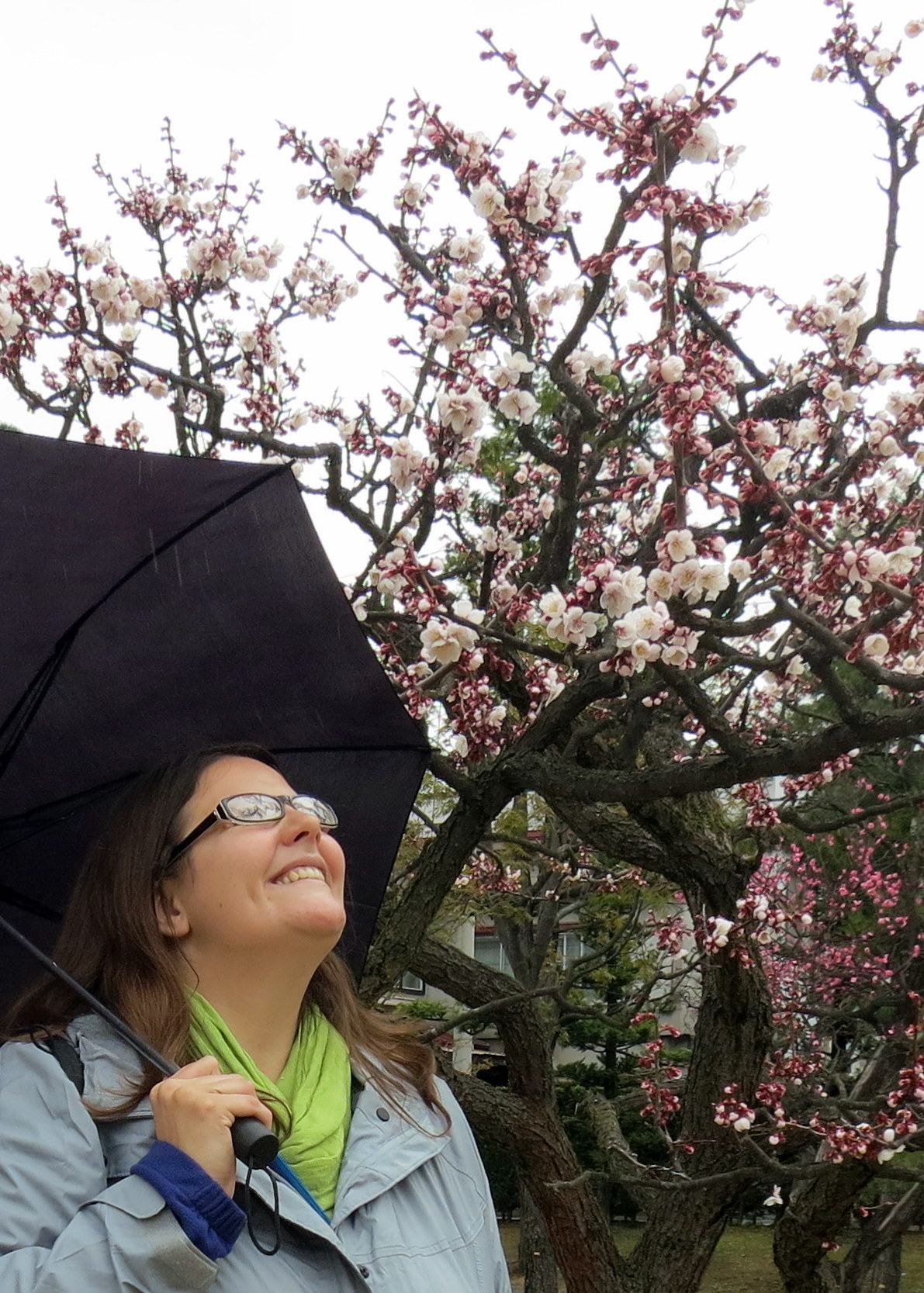
Hello, flowers!
One part of town used to be known for indigo dyes, and some of that work is still done here, so I walked to the indigo shop by the northern castle wall. Everything was a little pricey for me, but I did admire the deep blues and near purples of the dyed cloths. Then I took a side road to the streets behind, which my map claimed were lined with Edo-period samurai houses. I had trouble finding any, but finally stumbled upon one. I found it similar in layout to the Shirotas’ home in Shinrin-koen, set in an elaborate little garden. I apologized to a middle-aged Japanese woman who wanted to get past me on her way out of the house, but when she heard me speak in English, she struck up a conversation.

In the indigo dye shop

The samurai house
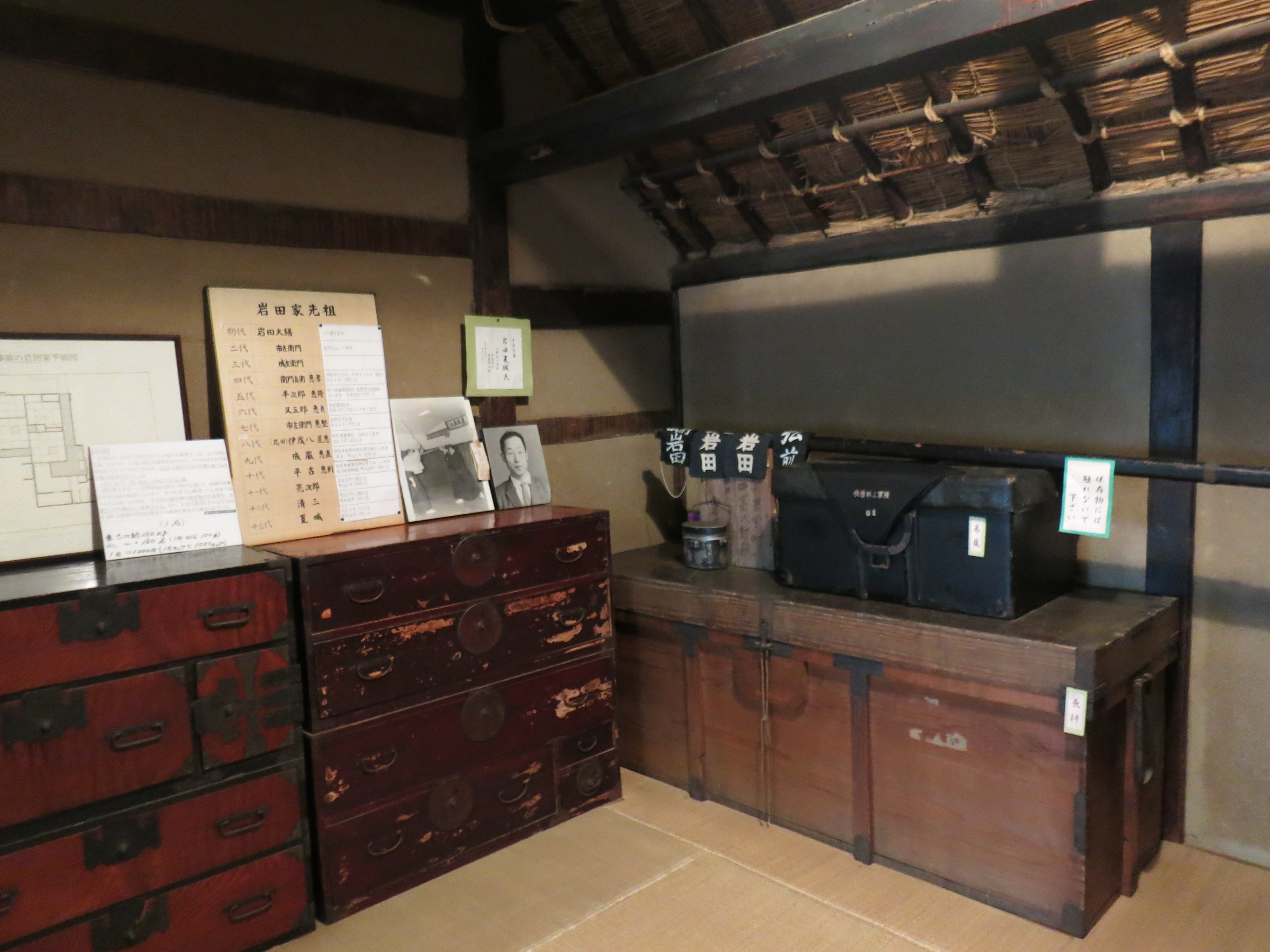
Some of the treasures of the house
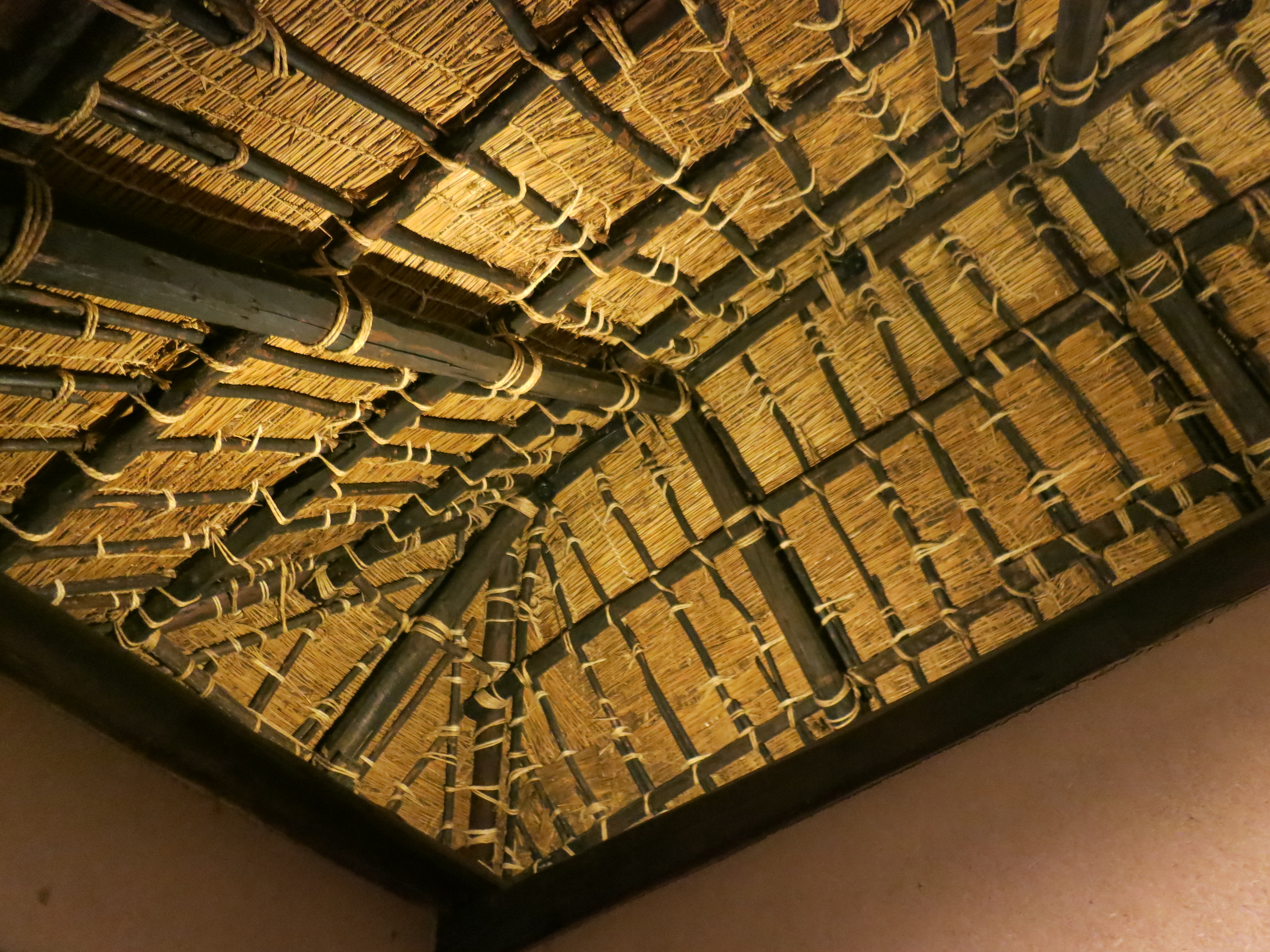
Thatched roof
Her name was Kazumi, and she wanted to chat with me and show me the town. She lived close to Tokyo, but was visiting a friend here. Her friend was busy during the day, so she was taking in the sakura, although she was disappointed by how few trees were in bloom. She insisted I walk to the other side of the castle with her to look at a certain garden, and I was happy to comply.
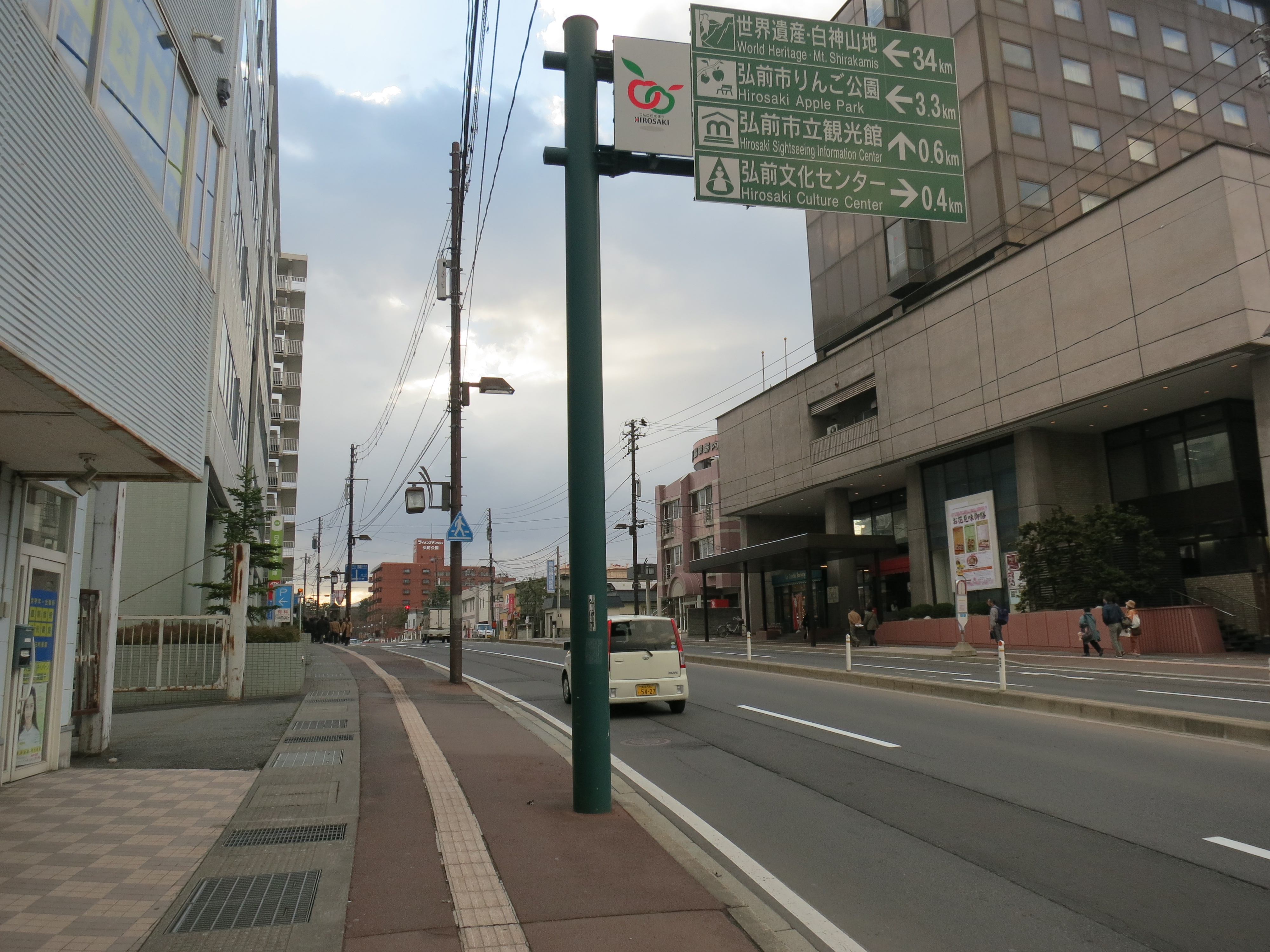
The clean, uninteresting streets of the non-castle part of town
Kazumi is married and has one grown child. Her husband travels a lot for business, and he used to take her with him on trips. She’d found it difficult to understand tour guides, and her husband had urged her to learn English, but she’d resisted. Then, twelve years ago, at the age of 49, she decided she wanted to learn, and here she was, a few idioms away from fluency. I was impressed, and once again embarrassed by my pathetic “I find learning languages difficult” excuse for my mono-linguistic ways.
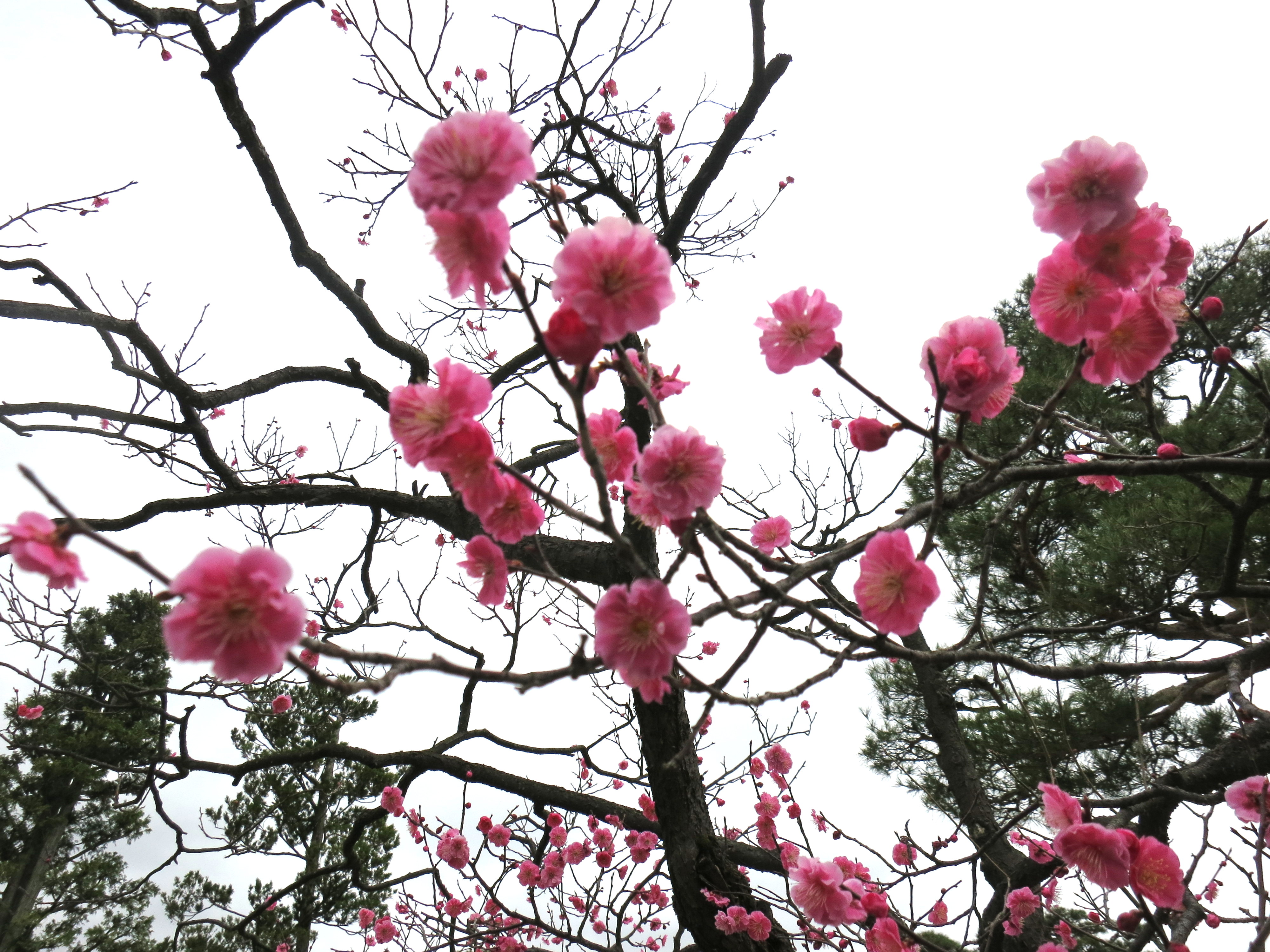
Plum blossoms
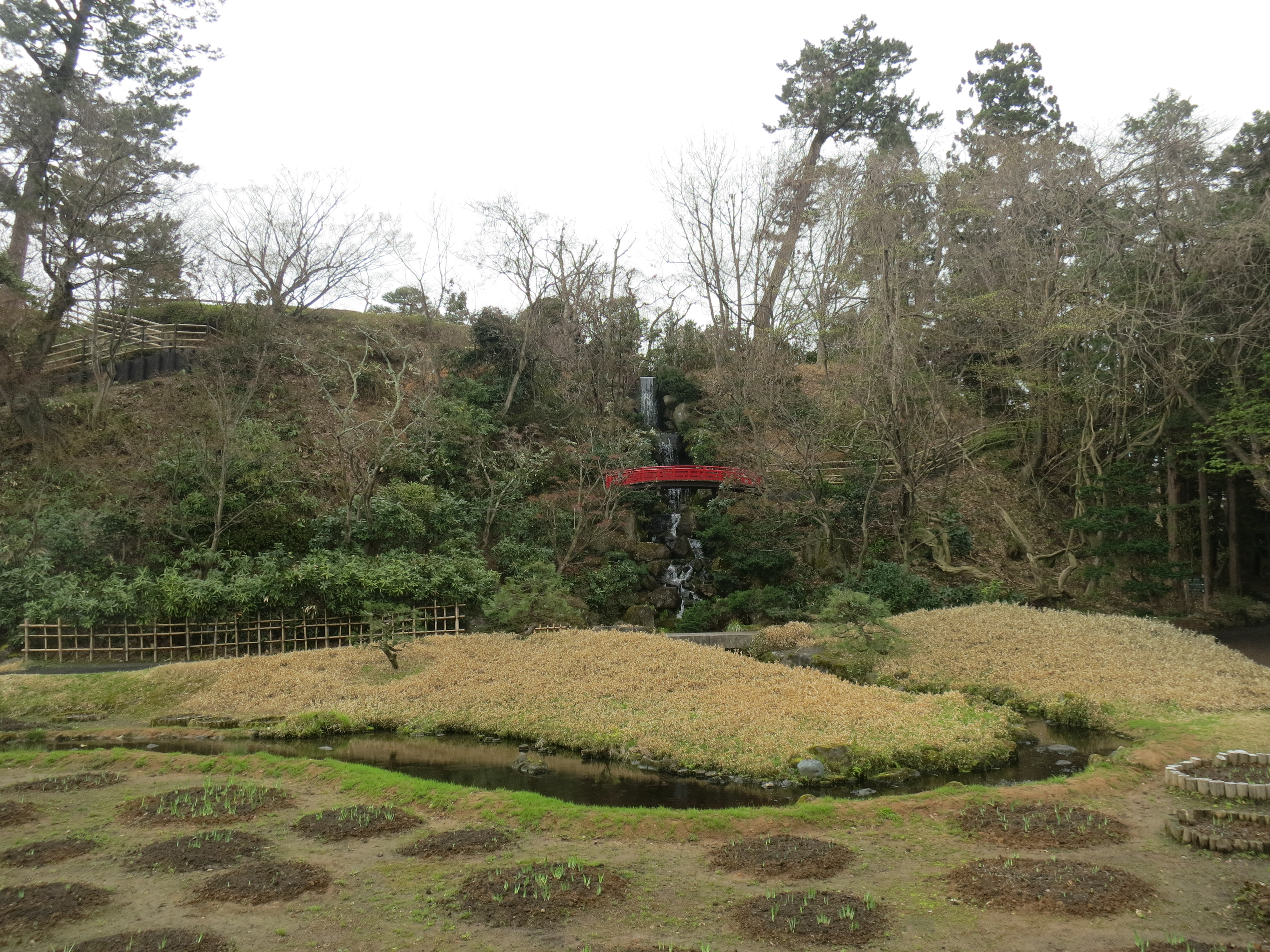
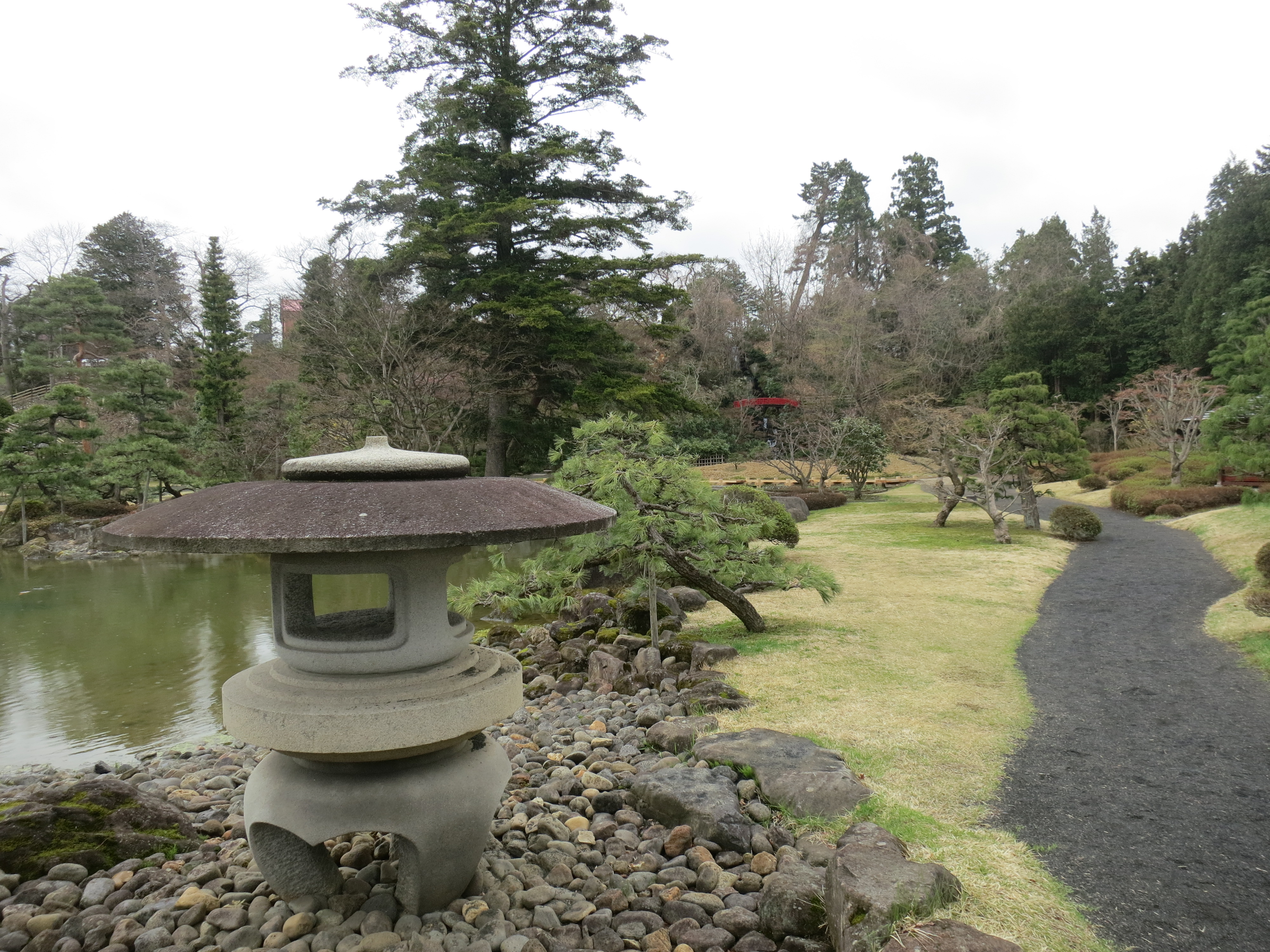
The garden she took me to was Fujita Memorial Garden, south of the castle. It was beautifully conceived, another meticulously laid out, peaceful place with a little waterfall and a red bridge (like all the red bridges around the castle) and a koi pond. I could see how it would be glorious in summer. Kazumi told me about the different plants I was seeing, including the plum trees in bloom. Usually, the plum trees bloom in early March, before the cherry trees, but because it’s colder than usual this spring, some plum trees were still in bloom while the cherry trees were just peeking out. The plum blossoms were a bright and beautiful pink, a lovely contrast to the white and pale pink of the cherry trees.
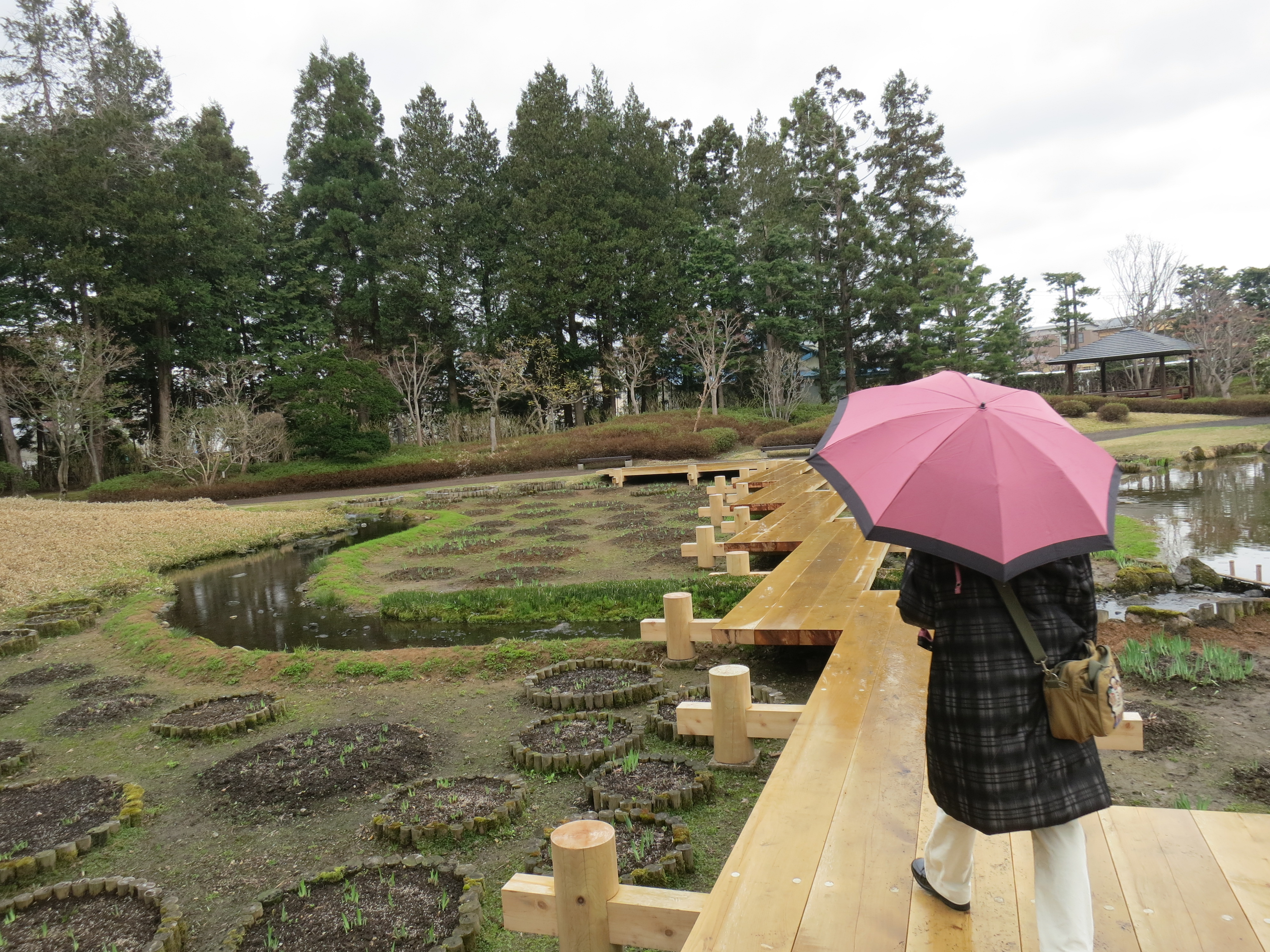
Following Kazumi through Fujita Memorial Garden. Kazumi set a fairly brisk pace.

One of the many plants Kazumi identified for me. I can’t remember its name, but I know it’s a mountain flower native to Japan.

The castle grounds and surrounding areas were dotted with signs like this. Apparently, there’s a popular TV melodrama with scenes set here, and the signs showed exactly where they were, so you could re-enact them or just point excitedly.
After we’d walked around the garden, Kazumi treated me to tea. We went to the little tea room overlooking a large weeping cherry tree and sat at a table laid with a white tablecloth. Kazumi ordered for us both: apple tea and an apple tart each. Hirosaki produces a lot of Fuji apples, and it becomes a tourist destination again in autumn, when apples are in season (and again in winter, when the nearby mountain is taken over by skiers and snowboarders). There was a live xylophone concert in the room next door, which we couldn’t see, only hear. We sat in a glassed-off porch, talking quietly about our travels, while a round, ringing sound reverberated throughout the room. It was lovely.
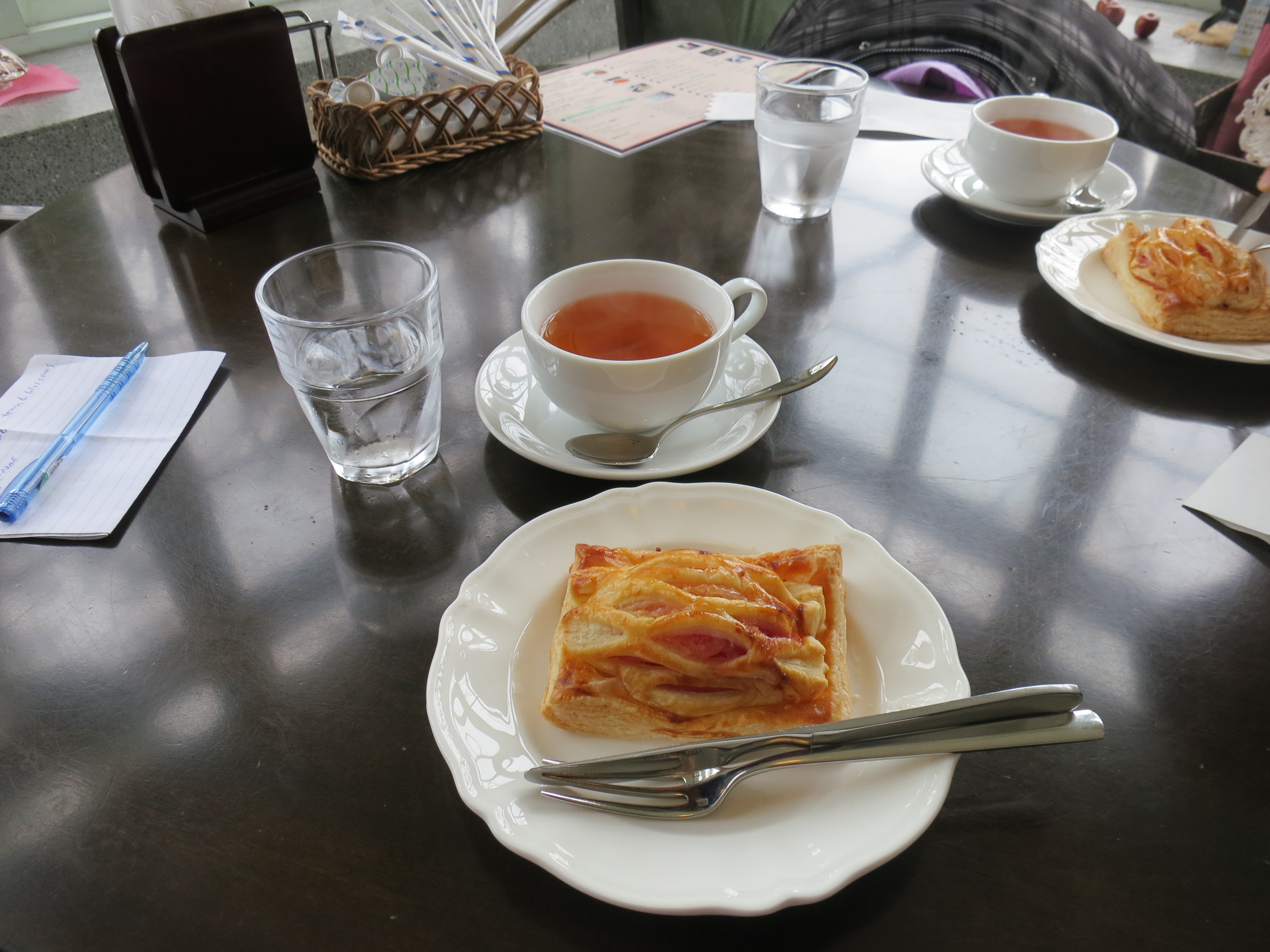
Apple tea & tart
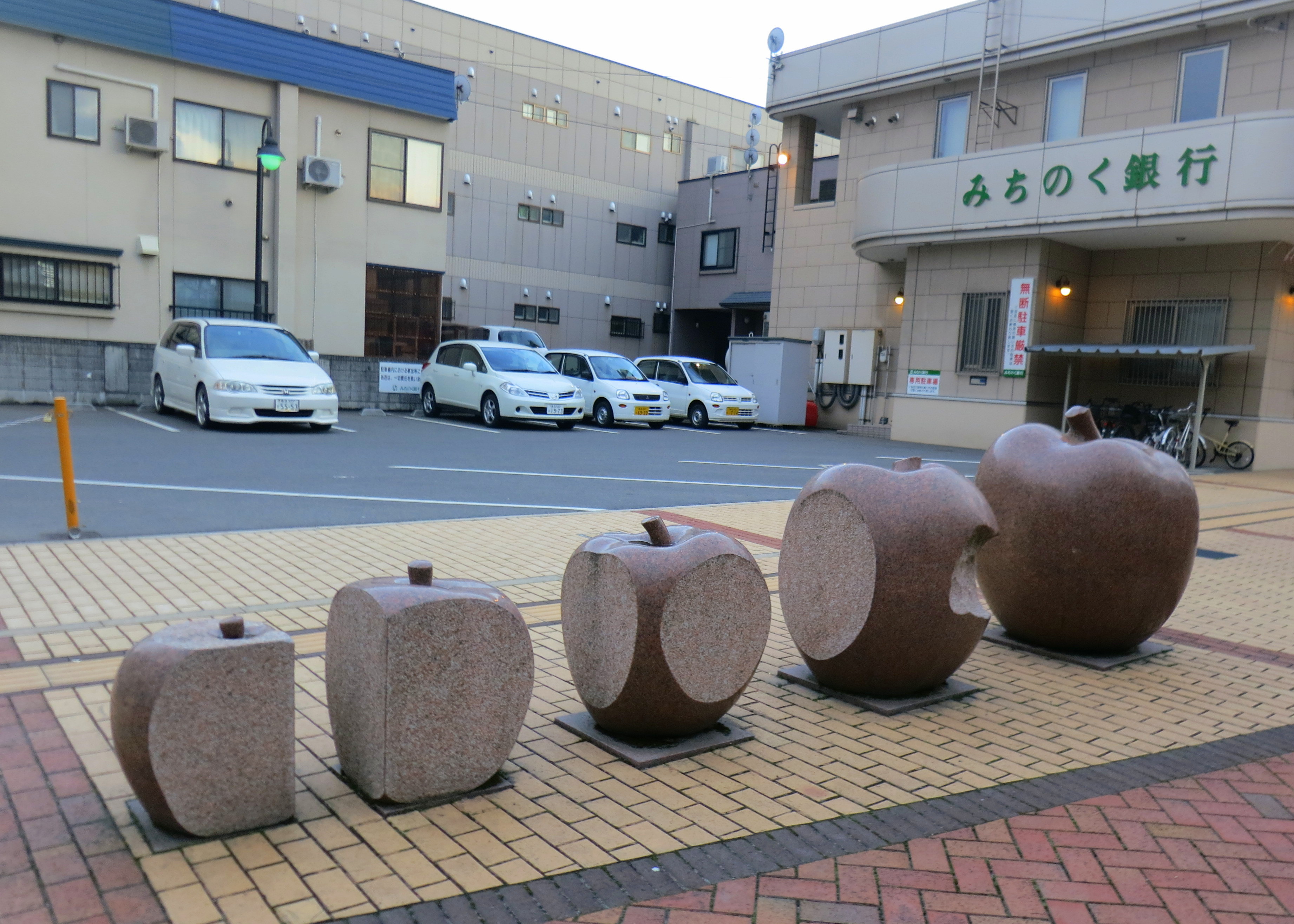
Apples are so important that they’re made into public art
Kazumi was clearly a kind, generous person, but she also had clear ideas of how things should be, and she was eager to share those ideas; she had opinions on almost every arrangement of plants in the garden, and everything she said came with a note of authority. One of the first things she said to me, when we met at the samurai house, was, “This is just a middle or lower class samurai house, not very high.” It might be because she’s rich–she inherited three houses from her mother and her husband bought two more, and she goes to a Thai villa every spring for a vacation. Or it might be a cultural difference that I didn’t pick up from the other Japanese people I met. Either way, I didn’t necessarily agree with her on everything she said, or understand where she was coming from, but it didn’t matter. We were two women, fond of beautiful gardens and meeting new people, sharing tea and apple tarts in a room echoing with music.
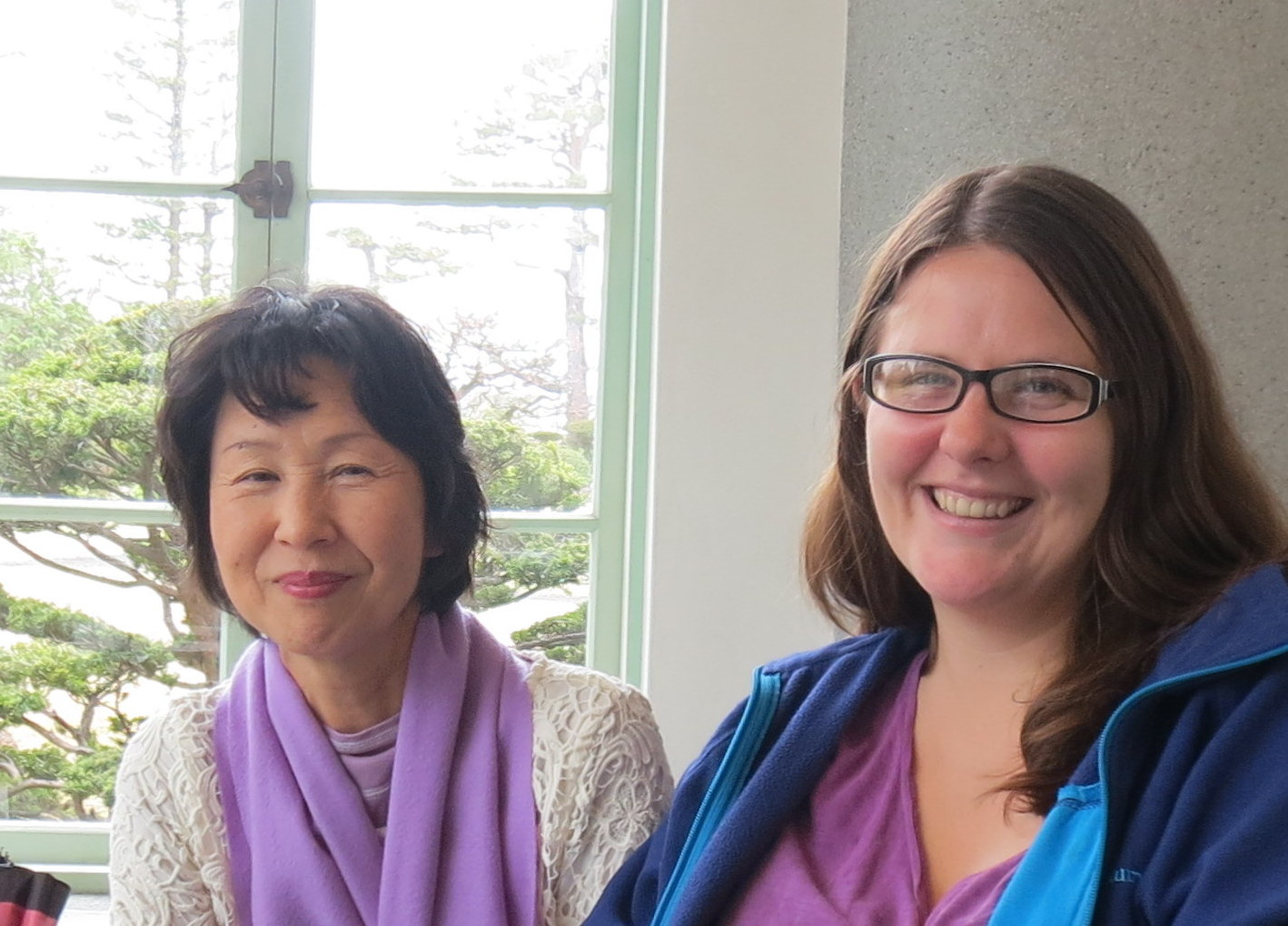
Kazumi and me in the tea room
 Stowaway Travel Writing & Editorial Services
That’s a lovely picture of you and Kazumi. Is it your left hand holding the camera?
Nope, we asked a fellow diner to take it.
Aww, what a wonderful story! Again, proof of the serendipity one finds if one is open to it. It sounds like meeting Kazumi made your stay in Hirosaki more lively and interesting than it otherwise would have been. Also — Fuji apples right from the source? #jealous
The apple tarts were soooo good! I’d like to go back during apple season.